Free written scope consultation - allowances, timeline, and change-order rules on paper before a single trade is scheduled
Asphalt Driveways & Resurfacing in Oakland, CA
Asphalt driveways and resurfacing in Oakland, CA typically run $3,500 – $9,000 for a new asphalt surface and $250 – $700 for sealing, with most resurfacing jobs finished in one to three days once the base is sound. The variable that changes everything here is the base underneath: Oakland sits on old Bay mud and hillside fill, and a driveway that looks fine on top can be failing two inches down. Call (855) 471-4163 and we’ll walk the driveway with you, sound the base, and give you a written number before anyone touches a shovel.
What actually happens, day by day, when we resurface an Oakland driveway
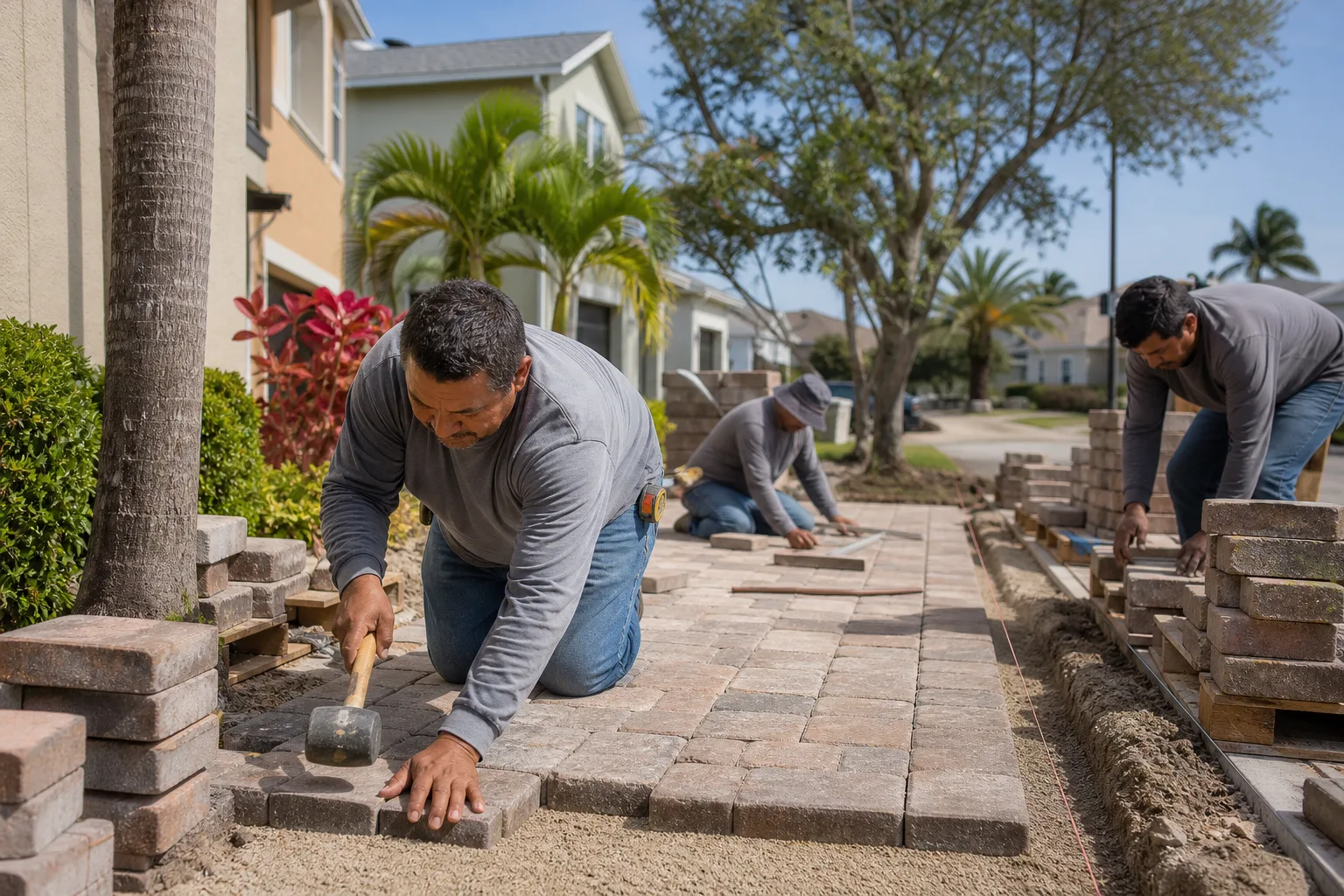
Most asphalt work gets sold as a mystery. It isn’t one. Here’s the real sequence we run on an Oakland driveway, with the decisions you own at each stage.
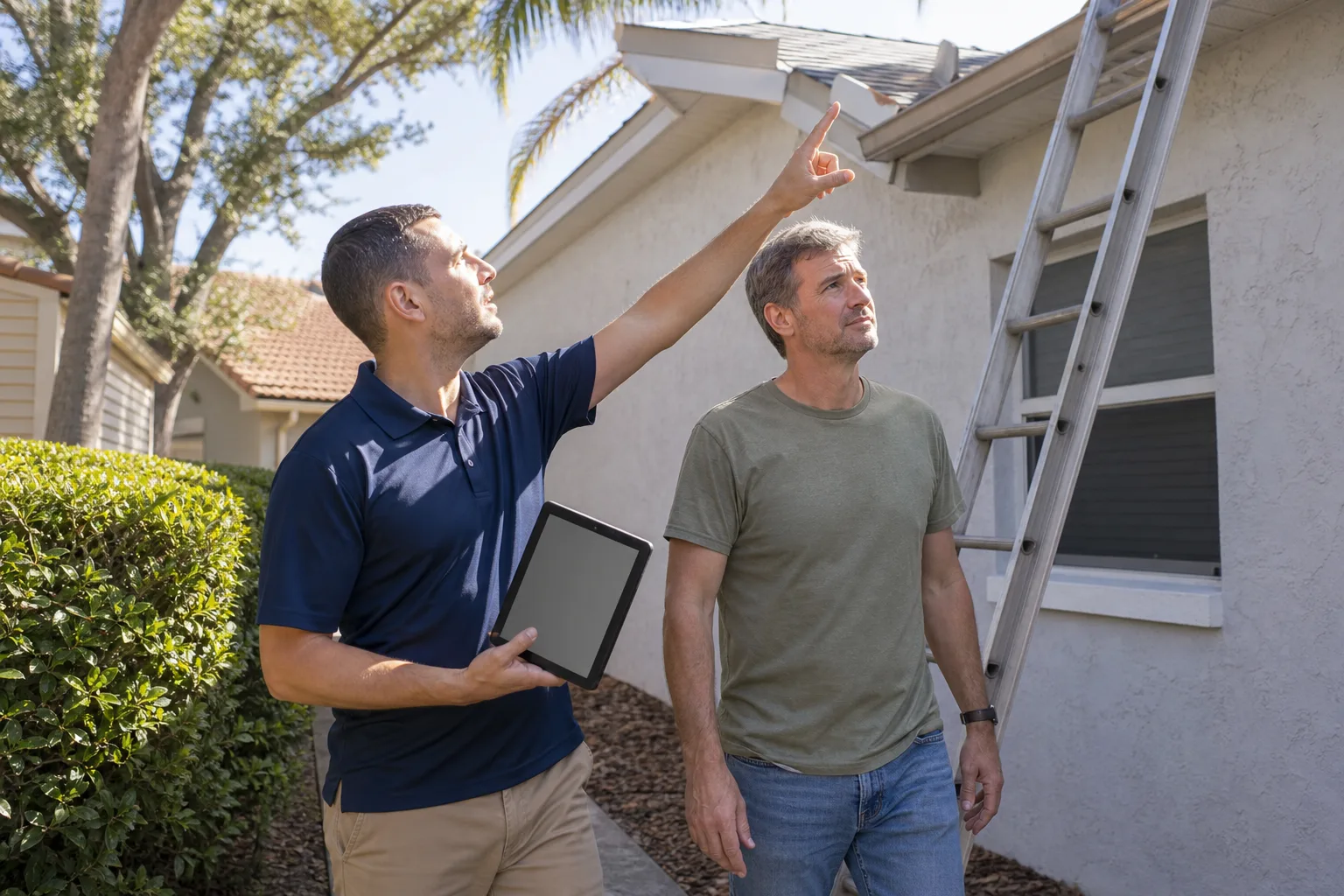
Stage 1: Site walk and base inspection (about an hour, before we quote)
We probe the existing surface, check for alligator cracking, and look at how water leaves the driveway – or doesn’t. In Oakland’s flats the grade is often nearly flat, which is why so many driveways here pond water against the garage door and rot the bottom plate. You’ll decide whether we’re resurfacing over a sound base or doing a full replacement, and we tell you honestly which one the base supports.
Stage 2: Demo, excavation, and grading (day one)
If the base is failing, the old asphalt comes out, typically 2 to 4 inches of it, and we regrade to a minimum 2% slope away from the structure. On a 1991-fire-era rebuild in the Oakland Hills, that sometimes means we’re cutting into the old foundation apron and re-forming the transition. You decide the finished elevation here: how steep the apron, where the water runs, and whether we add a swale or channel drain.
Stage 3: Base prep and compaction (day one, afternoon)
We bring in Class II aggregate base in 4 to 6 inch lifts and compact each lift with a plate or roller. This is the stage every cheap bid skips, and it’s the stage that decides whether you’re calling someone again in three years. Expansive clay on the hillside lots moves with seasonal moisture, so base thickness and drainage matter more here than in a dry inland city.
Stage 4: Paving and compaction (day two)
Hot-mix asphalt goes down at 2 to 3 inches compacted for a residential driveway, rolled while it’s still workable. You pick the mix: standard binder and surface course, or a polymer-modified surface course that resists rutting better on steep Oakland hillside aprons. We hand-tamp all edges against the garage, walkway, and street apron.
Stage 5: Cure, seal, and the punch walk (day three, then 6 to 12 months later)
New asphalt needs to cure – you can drive on it after 48 to 72 hours in warm weather, but it keeps hardening for months. Sealing is a separate appointment, usually the following dry season, not the same week. We do a punch walk with you, mark anything that needs attention, and put the 730-Day Done Right Promise in writing before we leave.
Styles & brands we work with
- Kitchen remodeling
- Bathroom remodeling
- Home additions & ADU
- Roofing
- Windows & doors
- Driveway & pavers
- Fence
The resurfacing and paving options you’ll choose between
There are only a handful of real decisions on an asphalt driveway, but each one moves the price and the lifespan. Here’s the honest trade-off on each.
- Full-depth replacement vs. mill-and-overlay. A mill-and-overlay keeps the existing base and lays 1.5 to 2 inches of new asphalt on top. It’s cheaper and faster, but only works if the base is sound. If you’ve got alligator cracking or a sunken apron, overlay just buys you two years.
- Standard vs. polymer-modified mix. Standard hot-mix is fine on flat, shaded driveways. A polymer-modified surface course costs more but resists rutting and oxidation better, which matters on the steeper East Bay hillside aprons where tires scrub under load.
- Drainage: swale, channel drain, or regrade. A channel drain across the apron costs more upfront, but it’s the difference between a driveway that sheds water and one that deposits it at your garage door through every wet winter.
- Edge restraint and apron detail. Concrete curbing or steel edging holds the asphalt edge together; skipping it is how driveways ravel at the sides. A proper street apron matters on Oakland’s steep entries.
- Sealer type and timing. A coal-tar-free asphalt emulsion sealer applied after the first full curing season protects the surface. Applying it too soon traps oils and shortens life.
What Asphalt Driveways & Resurfacing costs in Oakland, CA
A new asphalt driveway in Oakland runs $3,500 – $9,000. Resurfacing or milling and overlaying an existing driveway falls inside that same band depending on square footage. Sealing alone is $250 – $700. Full driveway replacement, which includes demolition of the old surface and base reconstruction, is $5,000 – $14,000 and is sometimes the honest answer when the base has failed.
Five variables push a job to one end of that range or the other:
- Square footage and apron length. A hillside driveway that runs 60 feet to a garage costs more than a 20-foot flatlands approach, even at the same width.
- Base condition. If the existing base is compacted and dry, we mill and overlay. If it’s saturated clay, we excavate and rebuild – that’s the $5K vs. $14K difference on a driveway.
- Access. Narrow, steep fire-lane access in the Oakland Hills constrains how a dump truck and roller reach the site, which adds labor and sometimes forces smaller equipment.
- Drainage additions. A channel drain, swale, or regrade adds scope but is often the reason the driveway lasts.
- Permit scope. A driveway that changes the curb cut or stormwater flow can require a city encroachment permit, which adds time and a permit fee.
A written estimate from us itemizes demolition, base material, asphalt tonnage, compaction, drainage, and disposal. What it typically doesn’t include: stump removal, root grinding under the driveway, or landscape repair after the job – we quote those separately so there are no surprises once the asphalt is down.
See the difference
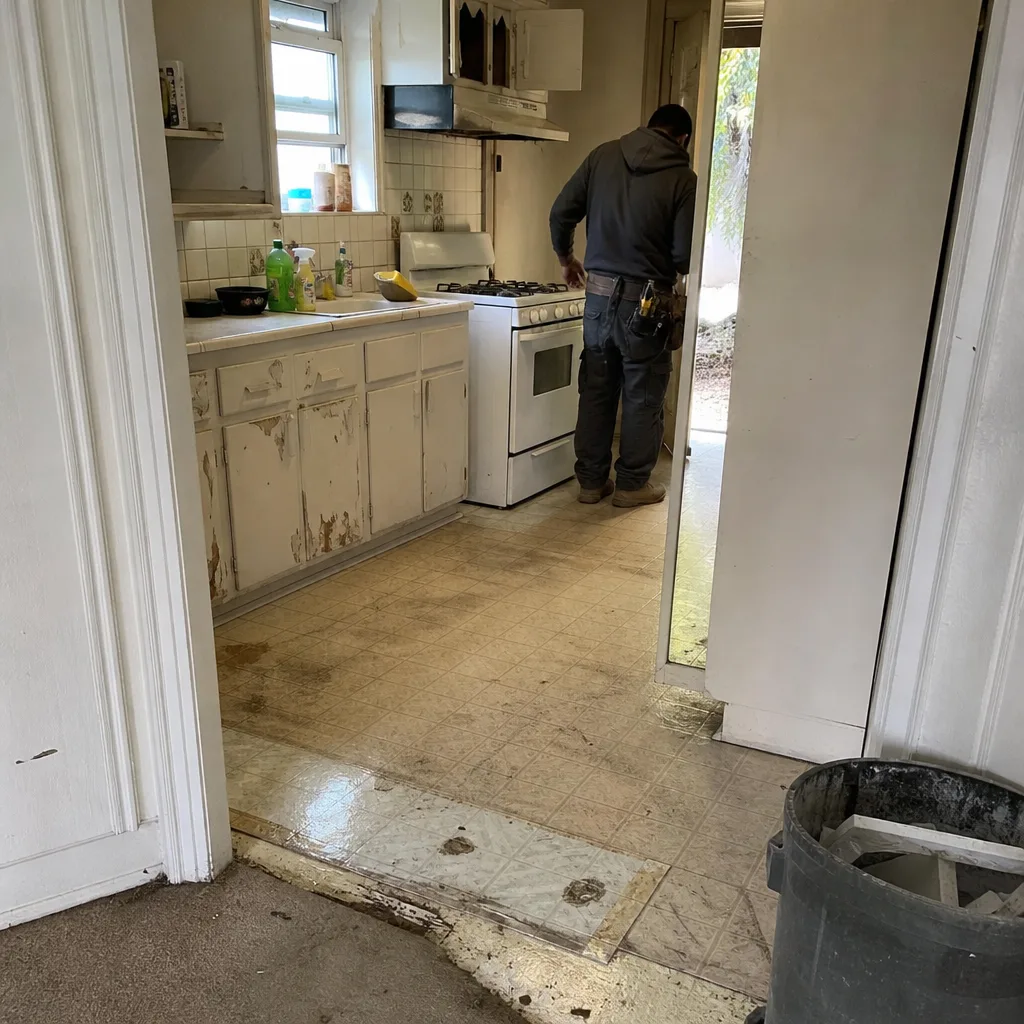 Before
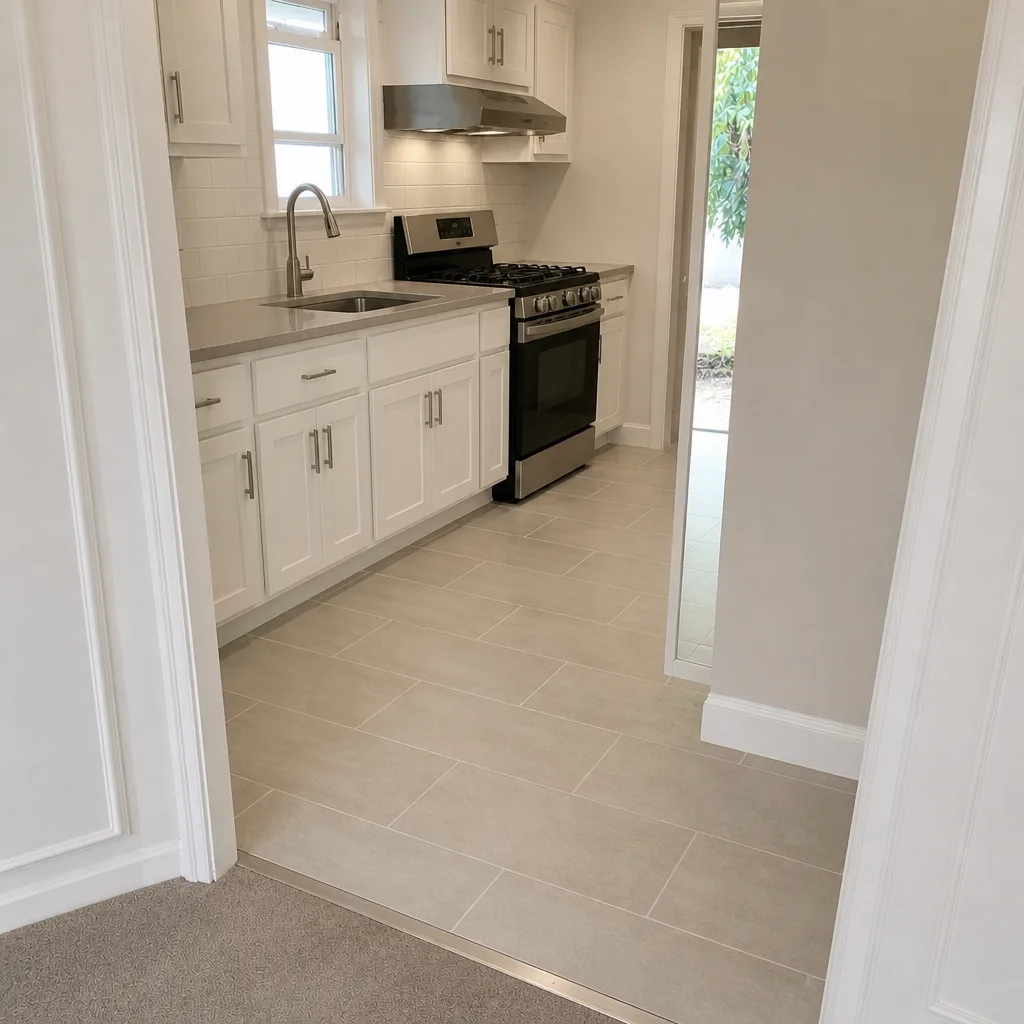 After
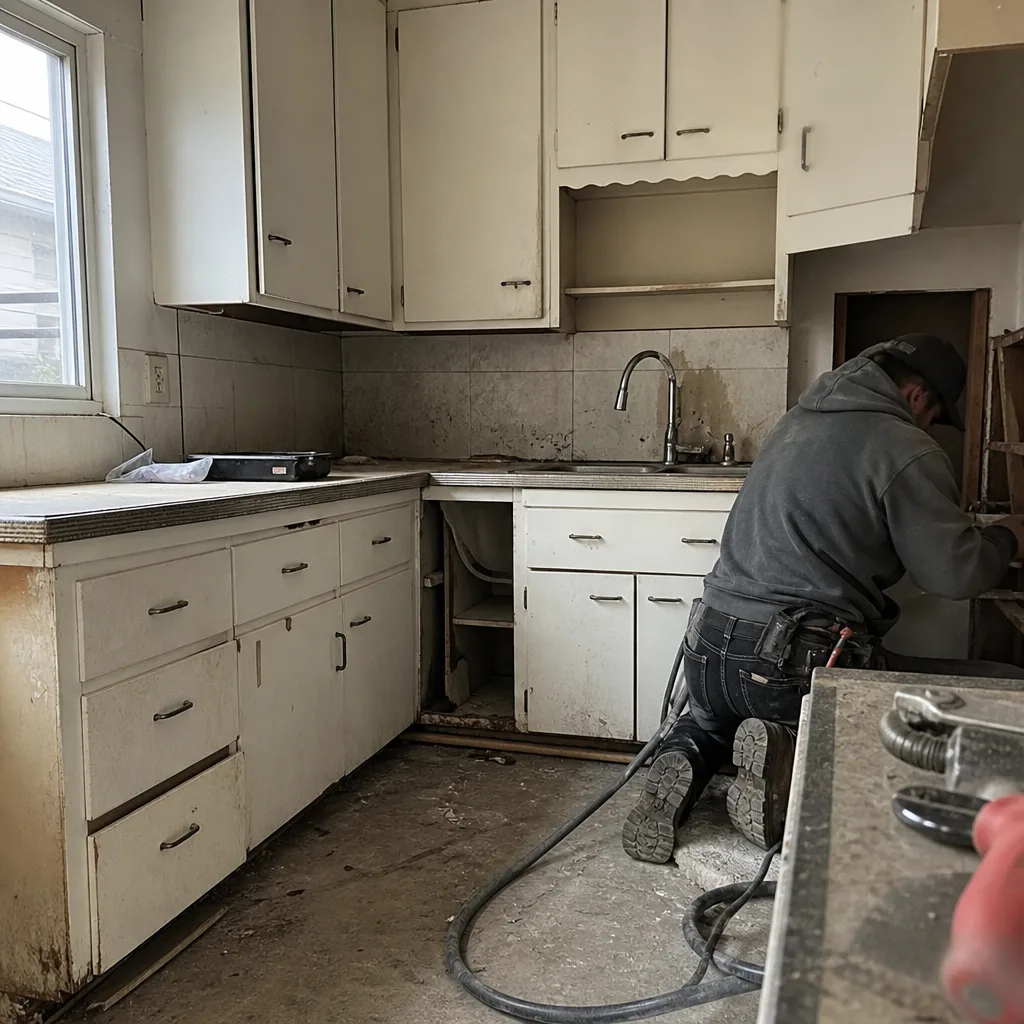 Before
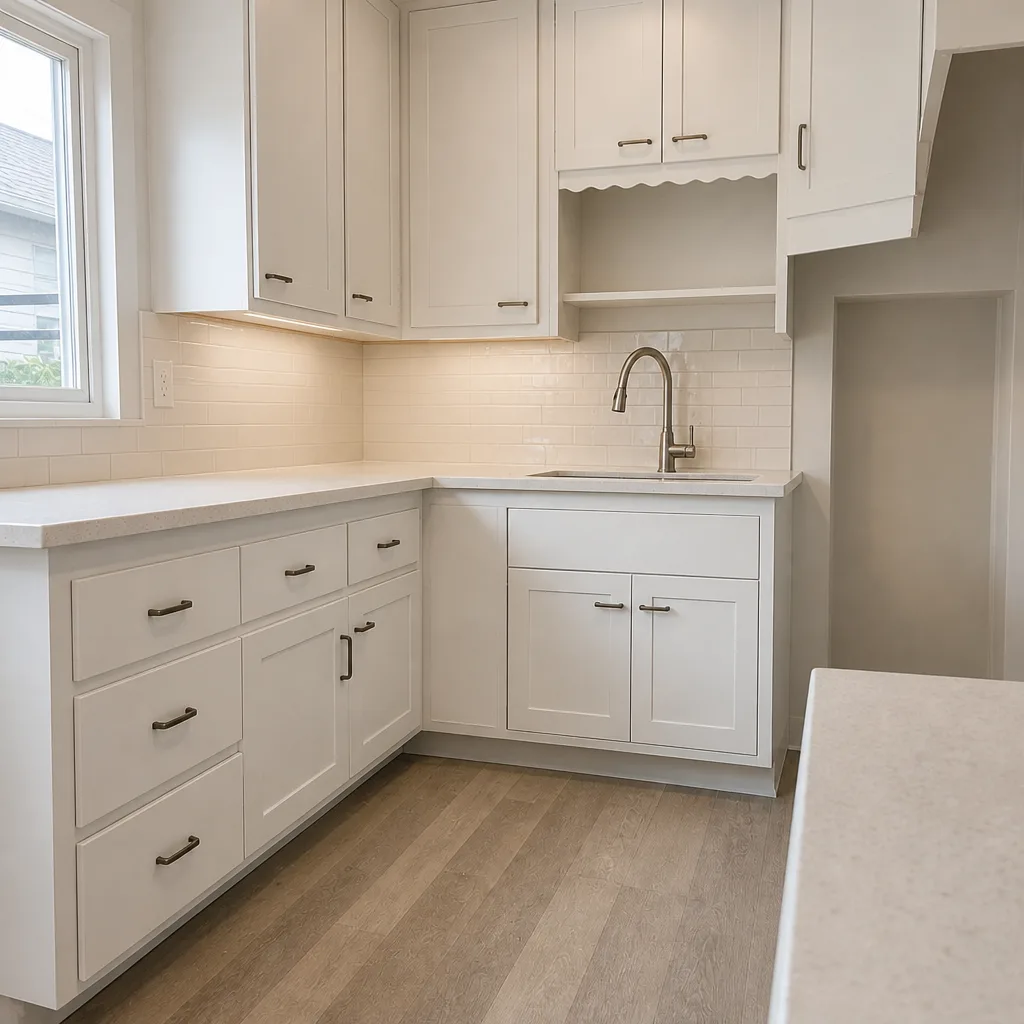 After
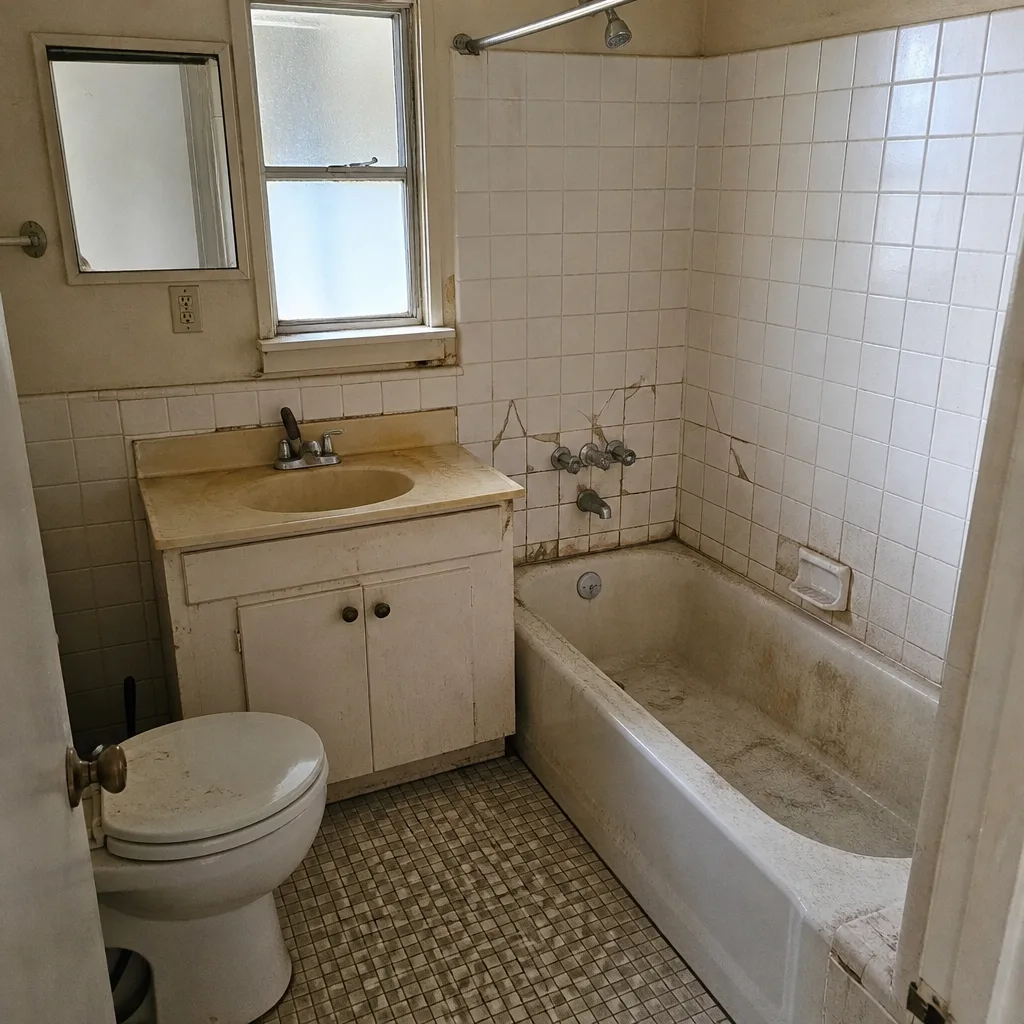 Before
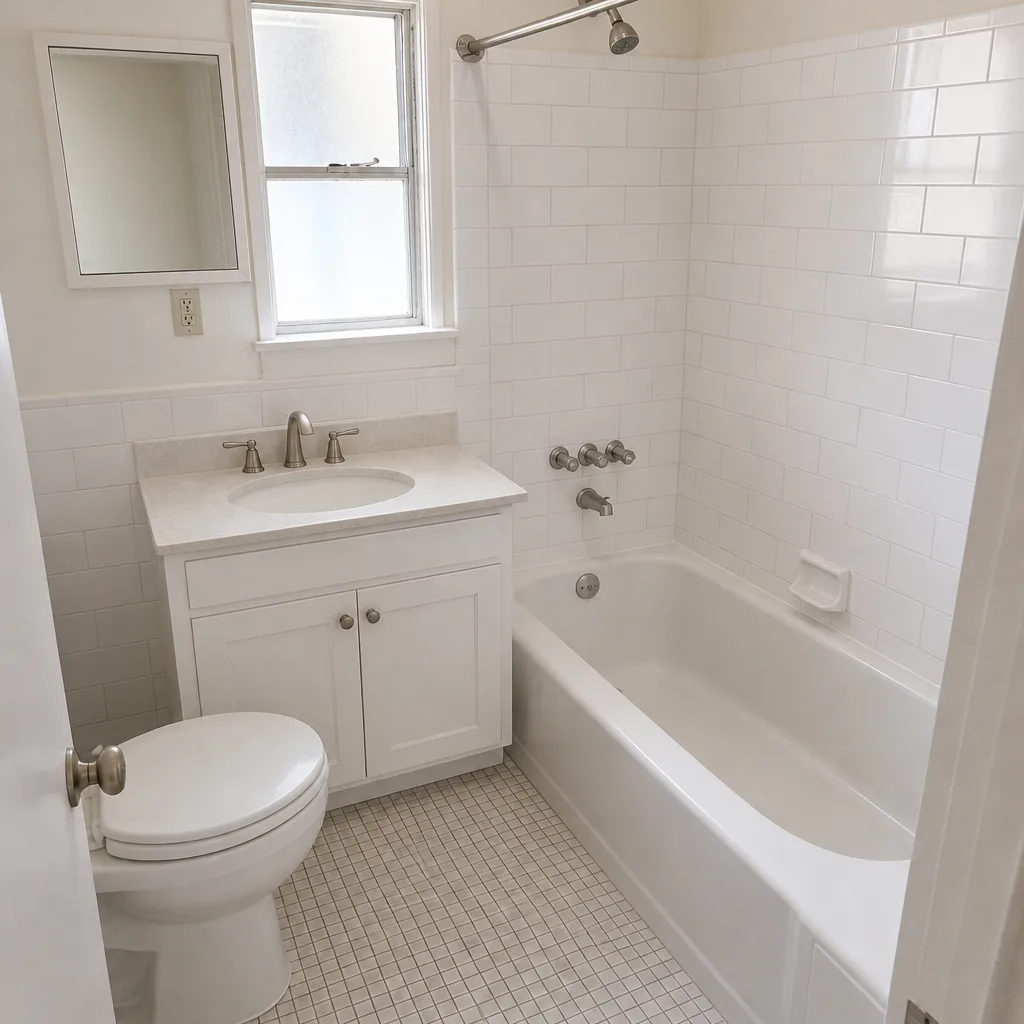 After
What Oakland homes specifically do to an asphalt driveway job
Oakland is a pre-war, wood-frame city built over liquefiable Bay mud and steep East Bay hillsides, and that shows up under every driveway we touch. In the flats – Fruitvale, West Oakland, the 94619 and 94610 ZIPs – we routinely find driveways poured over uncompacted fill that has settled unevenly, so water ponds at the low corner and the asphalt cracks along the fill line. Water intrusion, not frost, is what kills driveways here. The wet winters and long dry summers mean the cracks open in October, take water all winter, and heave the base by spring.
Uphill the story changes. In the Oakland Hills, hillside lots carry slide-risk geotechnical requirements and steep fire-lane access, and we regularly hit the old fire-era foundation patterns from the 1991 Tunnel Fire rebuilds when we cut out an apron. Expansive clay on those lots moves with seasonal moisture, so we over-build the base and prioritize drainage. Some properties also fall under HOA rules on hardscape materials and setbacks – we check that before we specify a surface. When the driveway is part of a full Driveway & Pavers in Oakland scope, or the homeowner is also adding a structure that needs utility trenching, we coordinate the schedule so the asphalt doesn’t get torn up twice – homeowners often pair this with ADU Site Prep & Utilities in Oakland for exactly that reason. If the front yard needs a boundary too, homeowners often pair this with Chain Link Fence in Oakland while the equipment is already on site. You can see the wider scope on our Driveway & Pavers page, and we cover the full city from the flats to the hills on our Oakland service-area page.
Serving Oakland, CA – Our Local Coverage Area
We serve Oakland and nearby communities. Use the map below to see the area we cover. If you’re nearby, we can almost certainly help.
Frequently asked – Asphalt Driveways & Resurfacing in Oakland
Most resurfacing jobs in Oakland take one to three days, weather permitting, with drive time limited until the asphalt cures 48 to 72 hours. A full replacement with base reconstruction can run three to five days. Call (855) 471-4163 for a schedule that fits your job – estimates are free.
You need a city encroachment permit if the work touches the curb cut, sidewalk, or stormwater flow at the street, and most full replacements on a public frontage do. A straight resurfacing inside the property line usually doesn’t. Our written estimate tells you which side of that line your job is on, and we pull the permit if one is required. Call (855) 471-4163 to confirm your address.
Sometimes, and we tell you the truth on the site walk. If the base is compacted and dry, we mill the surface and overlay. If there’s alligator cracking, a sunken apron, or saturated clay underneath, an overlay will fail within a couple of seasons – and we’d rather tell you that now than reseal a bad job later. Call (855) 471-4163 for the honest read.
Resurfacing sits inside the $3,500 – $9,000 asphalt band, and full replacement with base work runs $5,000 – $14,000. The base condition and access are the two biggest swing factors. Call (855) 471-4163 for an exact quote – estimates are free.
Every driveway job is covered by our 730-Day Done Right Promise – if it’s not done right, we make it right. That’s in writing before work starts, and it covers workmanship, not wear from tree roots or heavy equipment you bring onto the surface. Call (855) 471-4163 to go over the details before you commit.
Get a free estimate on your Oakland asphalt driveway
If your driveway is cracking, ponding water, or worn down to the aggregate, the fix starts with a site walk. Call (855) 471-4163 and our team will schedule a free on-site estimate, sound the base with you, and put a line-item number in writing – no pressure, no surprise change orders. Live person, 24/7. Upfront pricing, no surprises.
Written by the team at Groundwork Construction Co.