





Free written scope consultation - allowances, timeline, and change-order rules on paper before a single trade is scheduled
Styles & brands we work with
- Kitchen remodeling
- Bathroom remodeling
- Home additions & ADU
- Roofing
- Windows & doors
- Driveway & pavers
- Fence
See the difference
 Before
 After
 Before
 After
 Before
 After
Roof Hail Damage Signs in Berkeley, CA: How to Tell Real Hail Impact from Fog-Belt Wear
The clearest roof hail damage signs are random, circular impact points that expose black fiberglass mat under a ragged shingle edge, plus fresh dimples in metal flashing. In Berkeley, CA, that pattern is rare: the city sees fewer than three significant hail events per decade, so most of what homeowners find after a spring storm is fog-cycling granule loss, lichen, or foot traffic. Knowing which is which decides whether you file a claim or fix a wear problem. For a same-week inspection, call (855) 471-4163.
We’re Groundwork Construction Co. of Berkeley, and we’ve walked hundreds of Berkeley roofs. The granule loss and bruising a 2024 hail event left behind look almost identical to the accelerated UV and moisture breakdown common on the city’s fog-belt north slopes. Getting the diagnosis right is the whole game. File a claim on pre-existing wear and a carrier denies it. Assume real structural damage is old age and you miss it until a leak shows up in the ceiling.
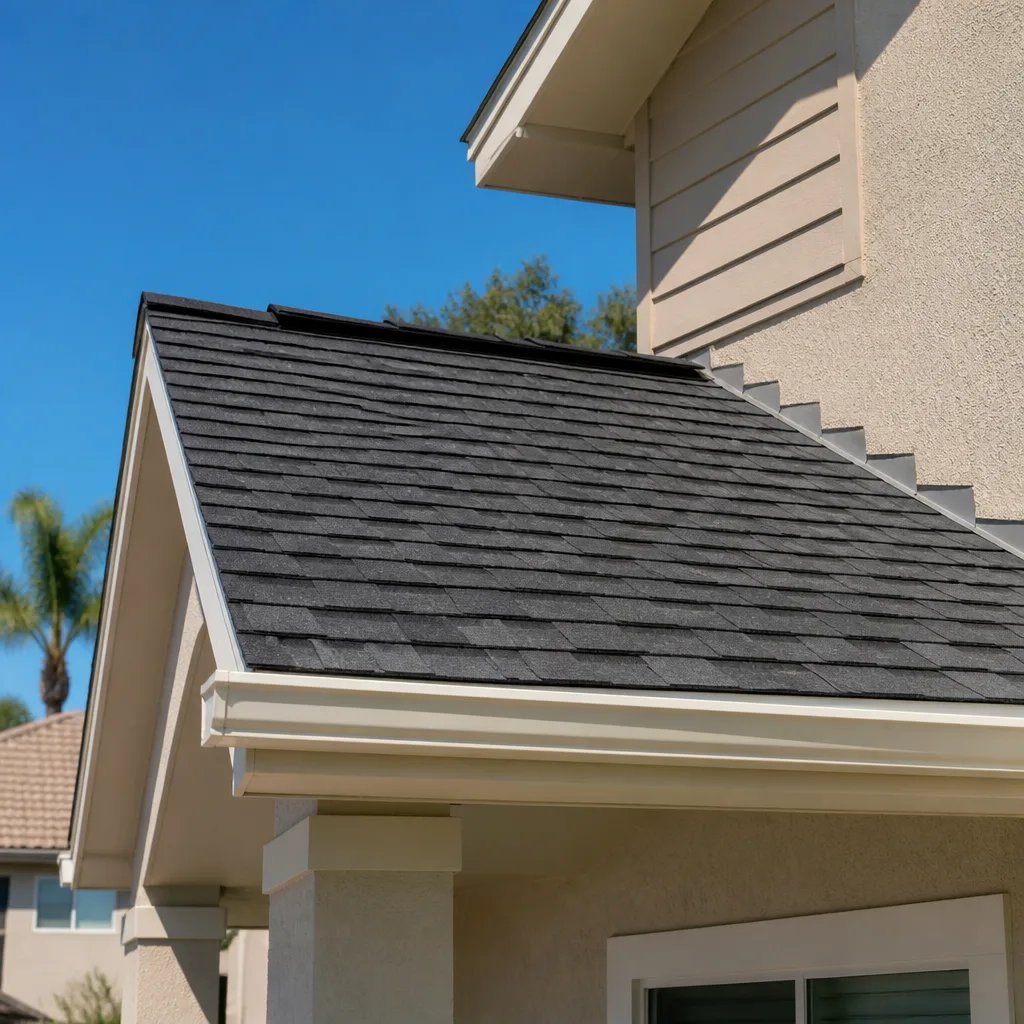
Hail Impact vs. Berkeley’s Fog-Cycling Granule Loss: Read the Pattern, Not the Patch
The pattern geometry tells the story, and it’s the fastest test you can run yourself from the ground with binoculars.
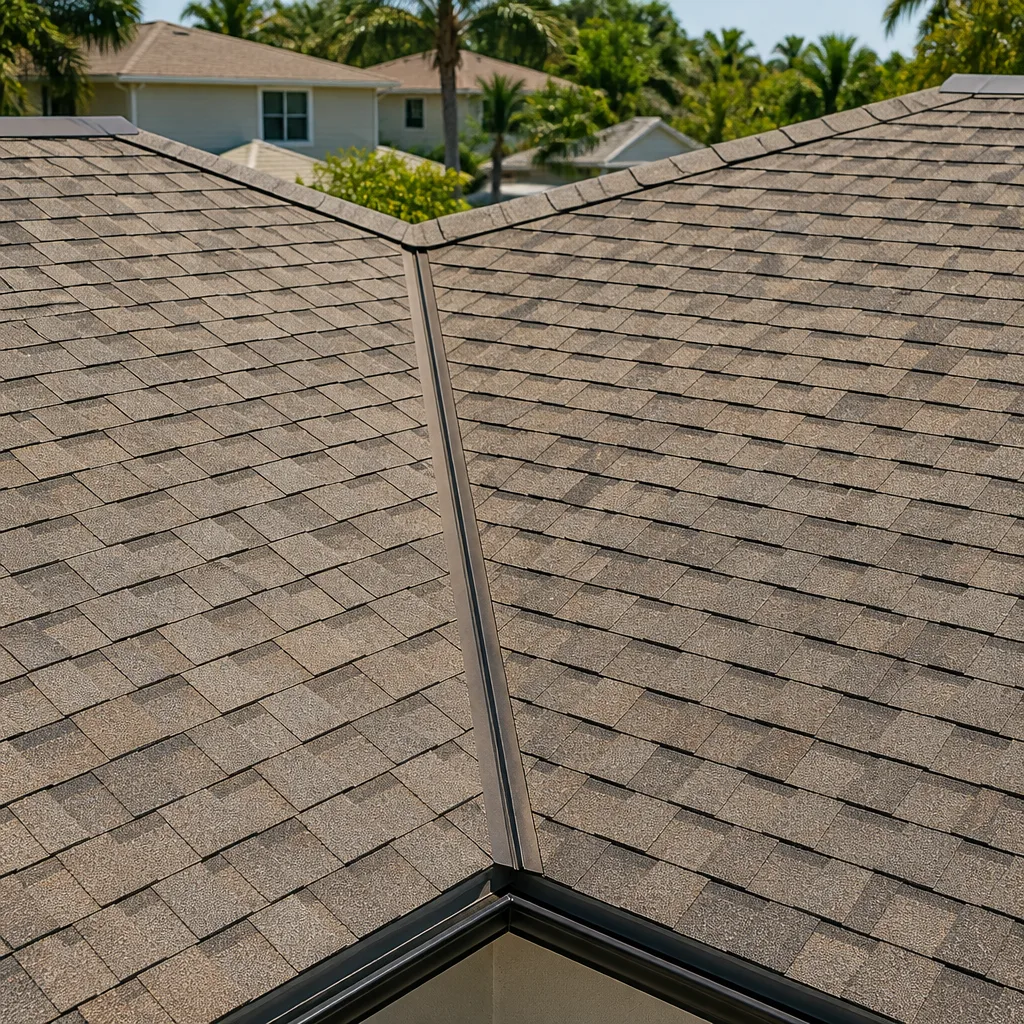
- Hail impact: random circular points, each with a ragged edge and exposed black mat beneath. Impacts cluster by storm direction, not by slope orientation. Bruising feels soft underfoot on asphalt shingles.
- Fog-cycling granule loss: uniform bald patches concentrated on north-facing slopes, with a smooth, graduated edge where granules thin out over months. No single impact point.
- Lichen and moss: green or gray growth in shaded valleys, often lifting shingle edges. Common on Berkeley’s fog-cooled north slopes.
- Foot traffic: scuffed, linear wear paths along ridges and valleys where someone has walked.
Berkeley’s Mediterranean climate keeps year-round construction feasible, but the fog belt on north slopes and the winter rains make roofing a seasonal gamble. That fog cycling is the culprit behind most of the “damage” we get called out to look at. In Elmwood and the North Berkeley flatlands, the fog sits longer on those north slopes than anywhere else, and the granule loss shows it. Hail, when it does hit, doesn’t care which way the roof faces. That single difference is often the tell.
Why Berkeley’s Clay Tile Roofs Need a Different Hail Inspection
Clay tile chips and cracks at impact points but rarely displaces, so hail damage on a Spanish Colonial tile roof shows as hairline fractures visible only under raking sunlight. A standard walking inspection without deliberate angle lighting misses 60-70% of impacted tiles. We bring a raking light and inspect at a low angle across the tile field; that’s the only way the fractures show. Once a fractured tile takes on water, it delaminates through freeze-thaw and fog cycling, and a small crack becomes a tile replacement within a season or two.
Berkeley has a serious share of clay and tile roofs, many on homes from the early 1900s through the mid-century. If a tile is cracked, replacement is usually a same-visit repair within our Roofing work, and tile repair in Berkeley typically runs $600-$2,500 depending on tile match and access. Replacing a full roof where tile is involved runs higher, from $8,000 to $20,000 for a standard replacement. We’ll tell you upfront which you’re looking at.
The Berkeley Chimney Flashing Signature: The Best Proof-of-Event Indicator on the Roof
The lead or aluminum step flashing on Berkeley’s brick chimneys shows hail impact as circular dimples, and these are the most reliable proof-of-event indicators on the entire roof. Metal records impacts that soft shingles absorb without obvious bruising. If a carrier wants proof a hail event actually hit your house, the flashing tells the story the shingles might not.
This is exactly what Berkeley homeowners miss when they document storm damage. They photograph bald patches of shingle, submit them to State Farm, AAA, or CSAA, and get denied as normal wear. The flashing dimples, the way a hail event dates itself, never makes the claim file because nobody climbed up and looked at the chimney. That single photo angle changes the outcome. Note the flashing condition near ground level too; hailstones that reach the flashing low often leave pockmarks in gutters and downspouts, another reliable marker.
Berkeley Insurance Claims: What State Farm, AAA, and CSAA Actually Want Photographed
Bay Area homeowners filing a hail claim need photo documentation of hail impact within a specific time window set by their policy, and carriers want the evidence, not the impression. In practice that means:
- Close-up photos of individual impact points with a coin or tape measure for scale
- Raking-light photos of tile fractures and shingle bruising
- Dimple photos on chimney step flashing, gutters, and downspouts
- A wide photo of each roof slope so the carrier can see the pattern in context
Most denials we hear about come from files containing nothing but granule-loss photos. That’s a wear pattern, and adjusters are trained to reject it. The flashing dimples are the proof. Get the right shots the first time and the claim moves; skip them and you’re arguing from behind. This is also why the credentials of whoever climbs your roof matter. When you invite an inspector up to document damage for a carrier, that report needs to hold up in a claims dispute, not get dismissed as the work of an unmarked-van crew.
What to Check from the Ground, and When to Call a Professional
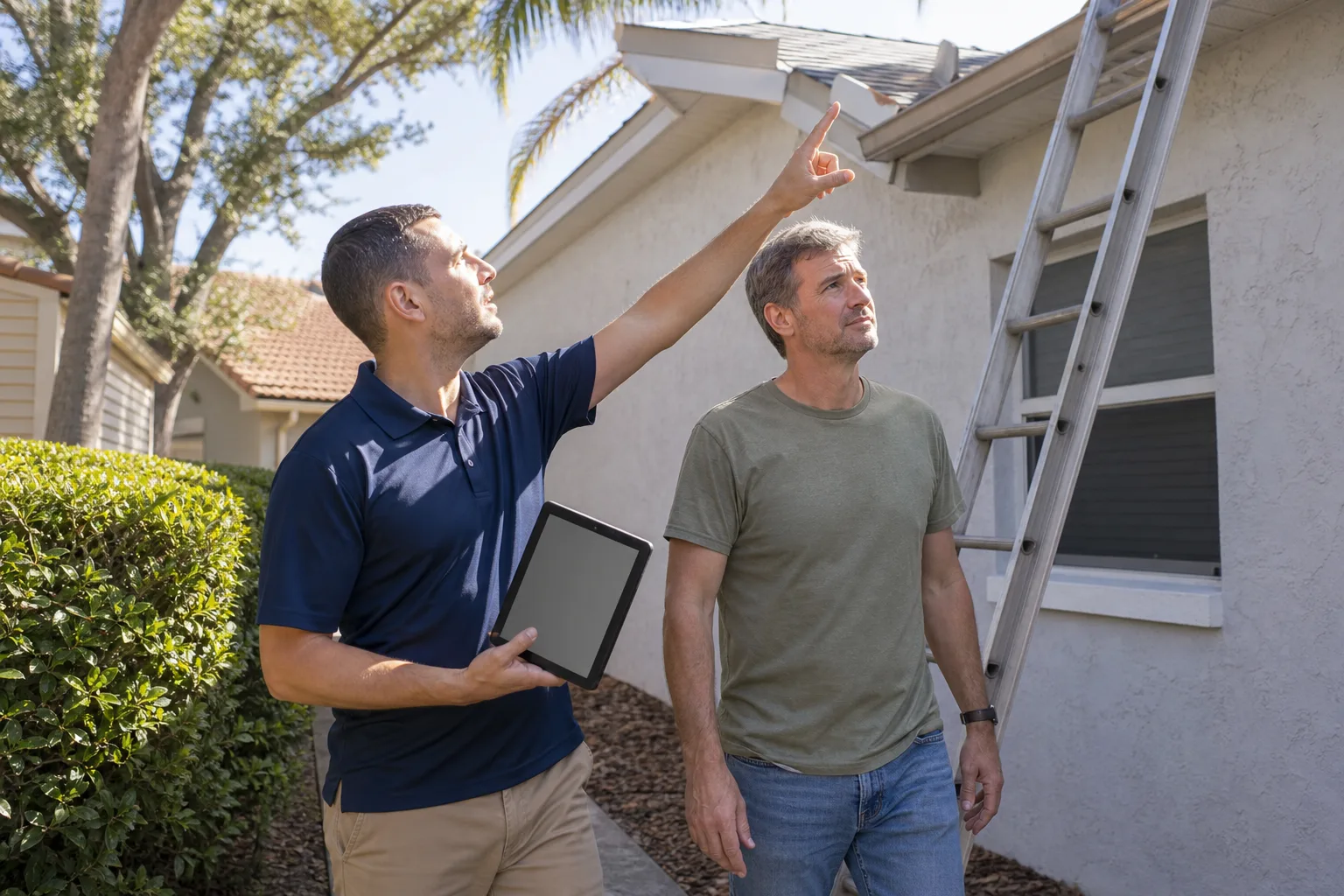
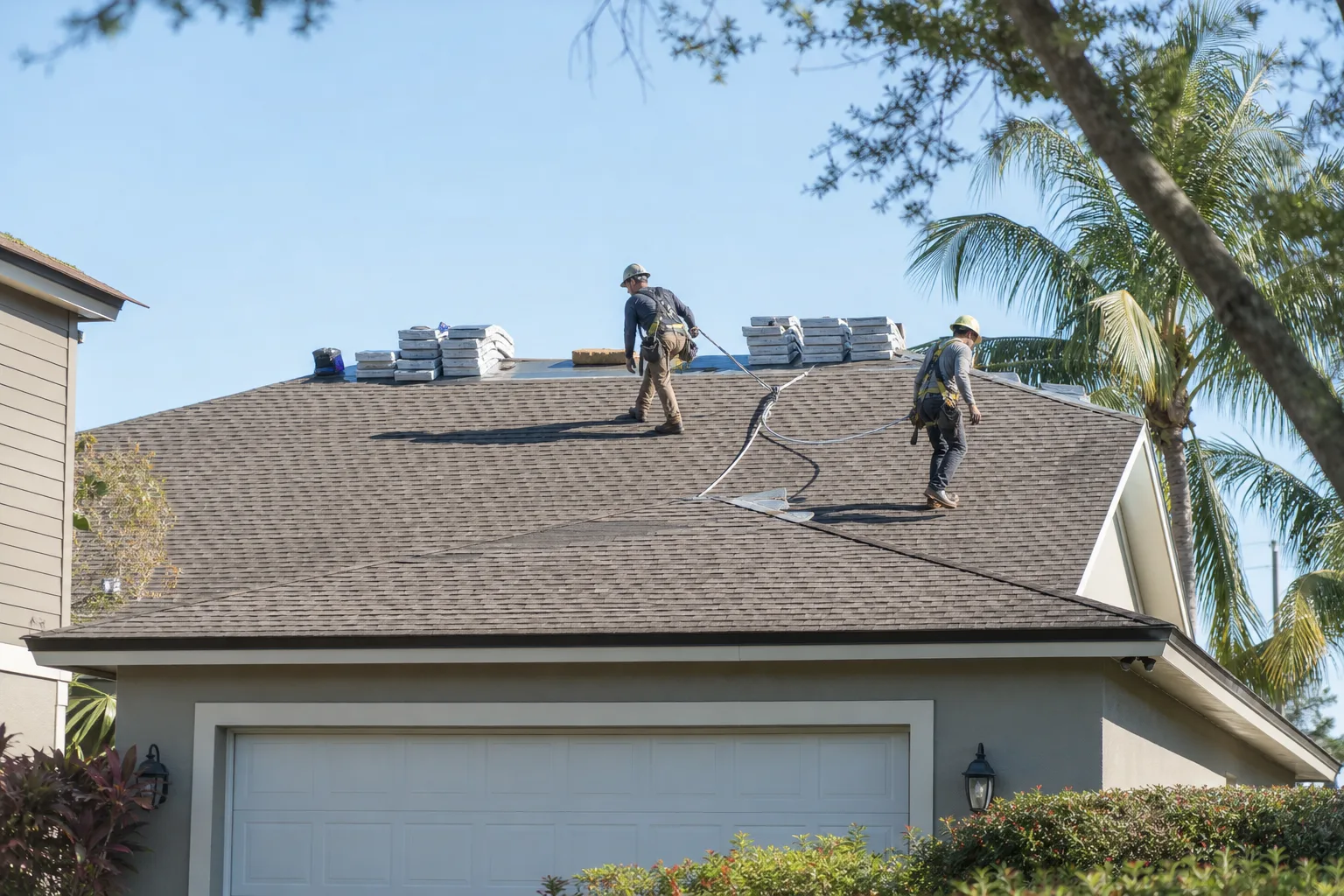
You can run a solid first pass without stepping on the roof. Look for dented gutters and downspouts, chipped paint on metal fixtures, dimpled flashing visible at the chimney base, and shingle granules collecting in gutters in an unusual volume. Those are the ground-level tells that a hail event actually occurred. Leave the roof walking to a trained professional; Berkeley’s older roofs and steep pitches make a fall risk real, and a walking inspection can cause more granule loss than it finds.
The same caution applies if you see what looks like structural bruising or a soft spot. Don’t put weight on it. Call us for an assessment instead. Our technicians have up to 12 years of experience, and every visit is backed by our 730-Day Done Right Promise. If it’s not done right, we make it right, and that protection covers the work in writing.
The Berkeley construction market already asks a lot of homeowners: some of the tightest green-building, seismic, and historic-preservation rules in the country layered over housing stock that’s often a century old. When your roof needs repair or replacement, those rules matter. We guide the permit and code side alongside the roofing scope. You can start from our home page or jump straight to the Berkeley service area page for your neighborhood.
What Hail Damage and Roof Repairs Cost in Berkeley
Here’s a straight snapshot of typical Berkeley pricing for the roofing work hail damage or fog-cycling wear might trigger. Figure repair first, replacement only if the damage is widespread:
| Scope | Typical Berkeley Range |
|---|---|
| Roof repair (isolated shingle or flashing) | $400-$1,800 |
| Tile roof repair (cracked or displaced tile) | $600-$2,500 |
| Roof replacement (asphalt) | $8,000-$20,000 |
| Metal roof installation | $15,000-$40,000 |
We answer the phone with a live person 24/7, so no waiting until Monday morning when a storm comes through and a leak is active. Our pricing is upfront, and the number you see is the number you pay. Projects over $10,000 can take $1,000 off, and we offer 0% financing for 18 months to make replacement accessible without surprises. When your roof is due for new materials, we work with GAF and CertainTeed on roofing so you’re choosing quality rather than what’s merely in stock.
FAQs
Hail damage is random circular impact points with ragged edges and exposed black mat, while normal wear shows as uniform bald patches on north-facing slopes with smooth, graduated edges. The pattern geometry is the giveaway. If you’re unsure, call (855) 471-4163 and we’ll look at it for free.
Not often. Berkeley sees fewer than three significant hail events per decade, so most damage homeowners find is fog-cycling granule loss or lichen, not hail. The exception is the metal flashing and gutters, which record a hail event even when the shingles look fine. An inspection tells you which one you have.
Yes, if the documentation includes the right proof. Carriers like State Farm, AAA, and CSAA accept chimney flashing dimples and raking-light tile photos as proof of impact; granule-loss photos usually get denied. Our background-checked, uniformed technicians photograph every evidence angle while on the roof, and the report holds up. Call us for a no-pressure inspection.
Check the gutters and flashing from the ground before doing anything on the roof, then call for an inspection rather than climbing up yourself. Berkeley clay tile and older shingles bruise underfoot, and a fall on a steep pitch is the real risk. We’ll tell you what’s damage and what’s wear.
Next Step
If you’d rather have it looked at, Groundwork Construction Co. of Berkeley offers a no-pressure assessment in Berkeley. We document what’s hail damage, what’s fog-belt wear, and what an adjuster needs to see. Call (855) 471-4163 for a free estimate; estimates and the first inspection are free.
Written by the team at Groundwork Construction Co. of Berkeley, serving Berkeley, CA.