Free written scope consultation - allowances, timeline, and change-order rules on paper before a single trade is scheduled
Styles & brands we work with
- Kitchen remodeling
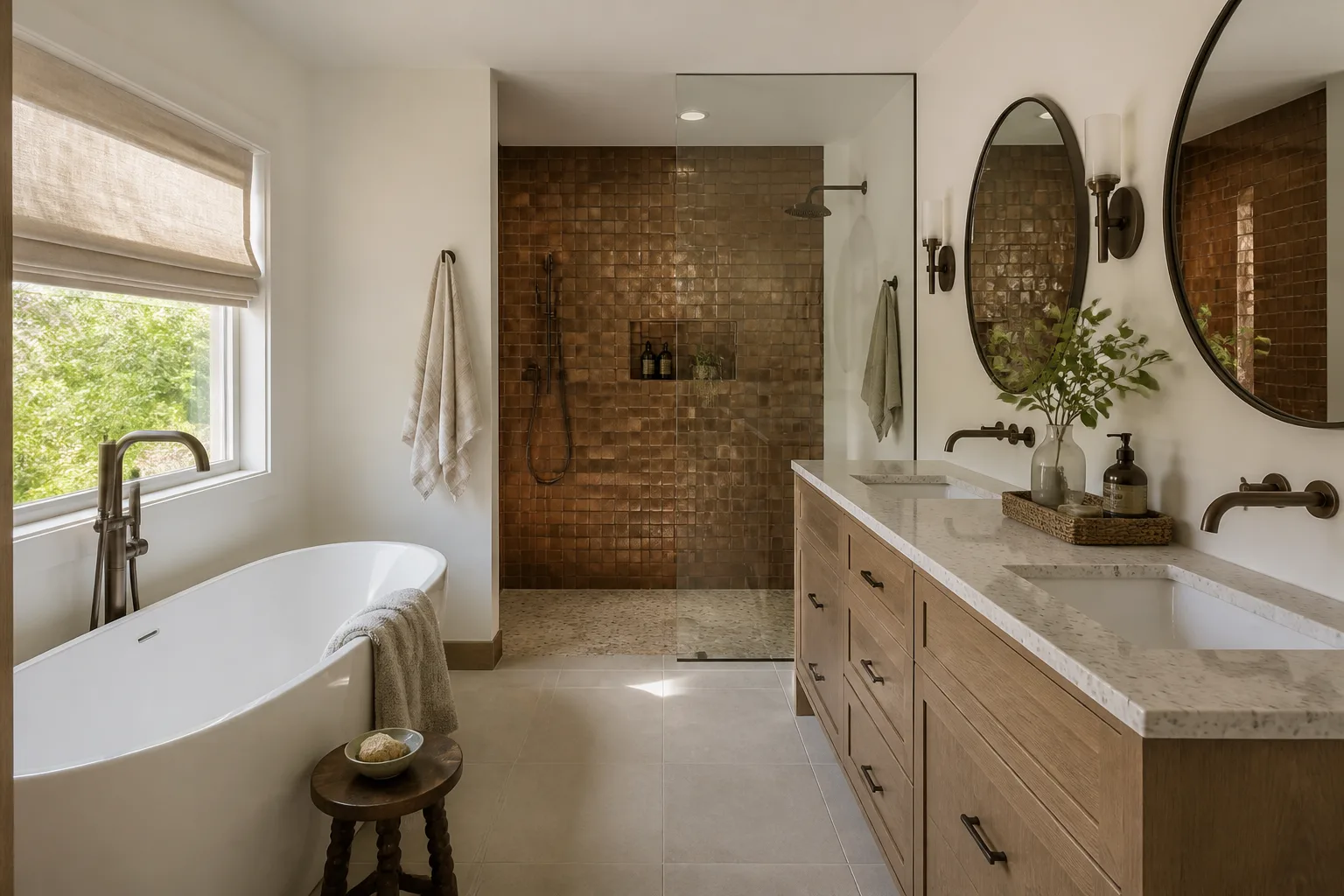
- Bathroom remodeling
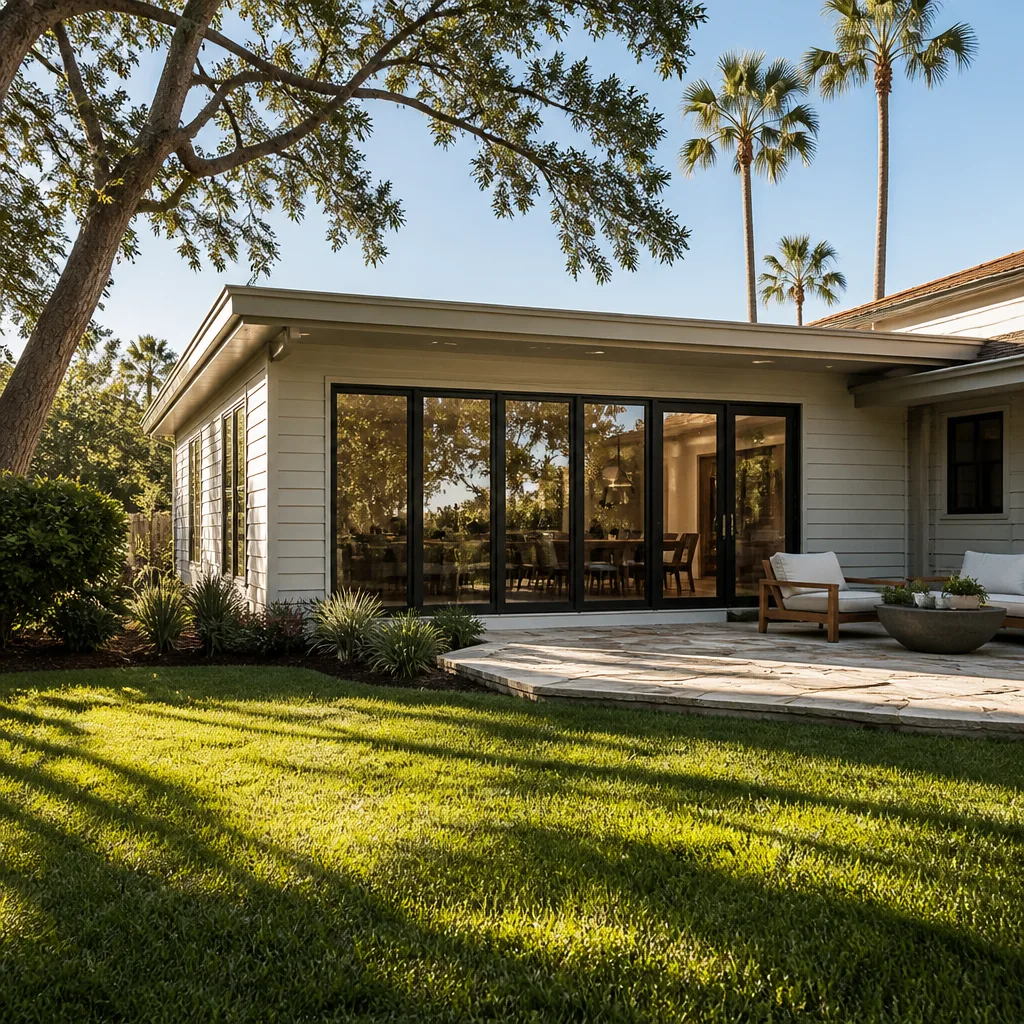
- Home additions & ADU
- Roofing
- Windows & doors
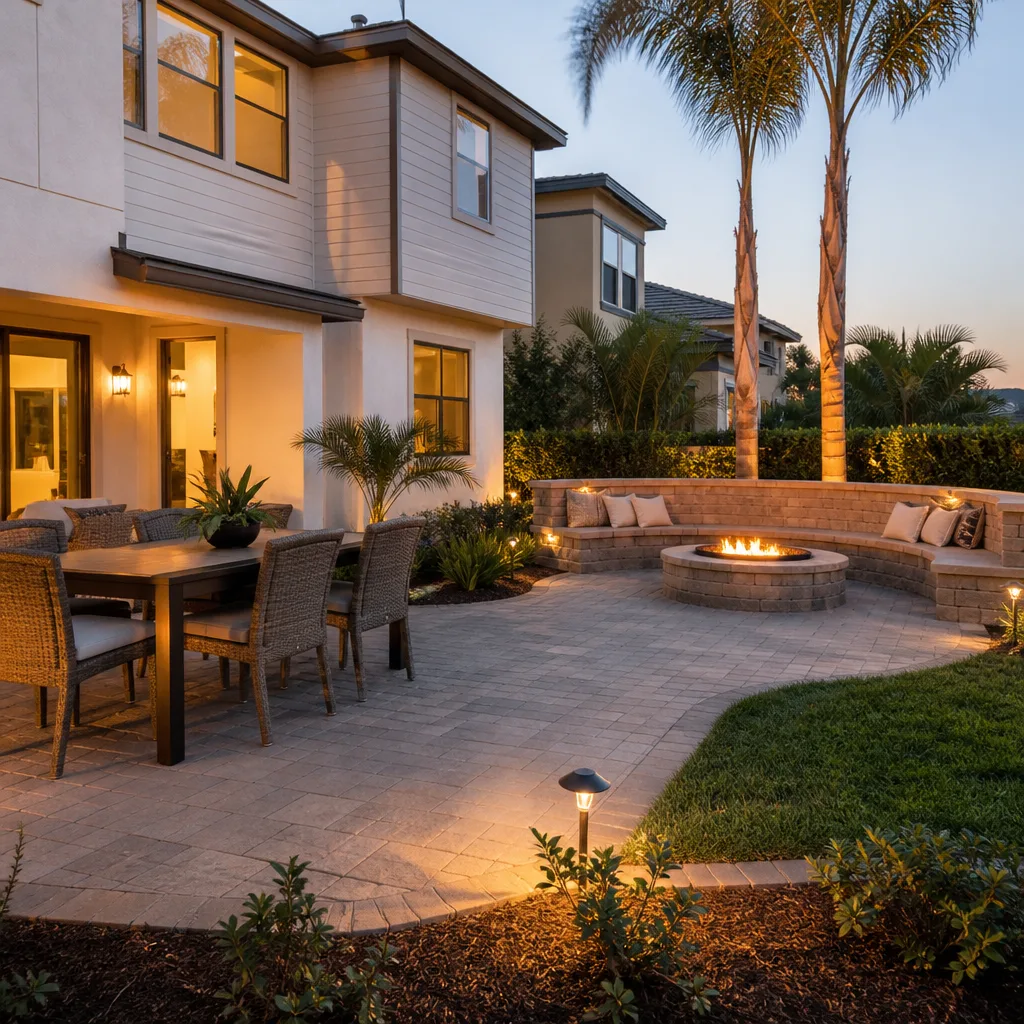
- Driveway & pavers
- Fence
See the difference
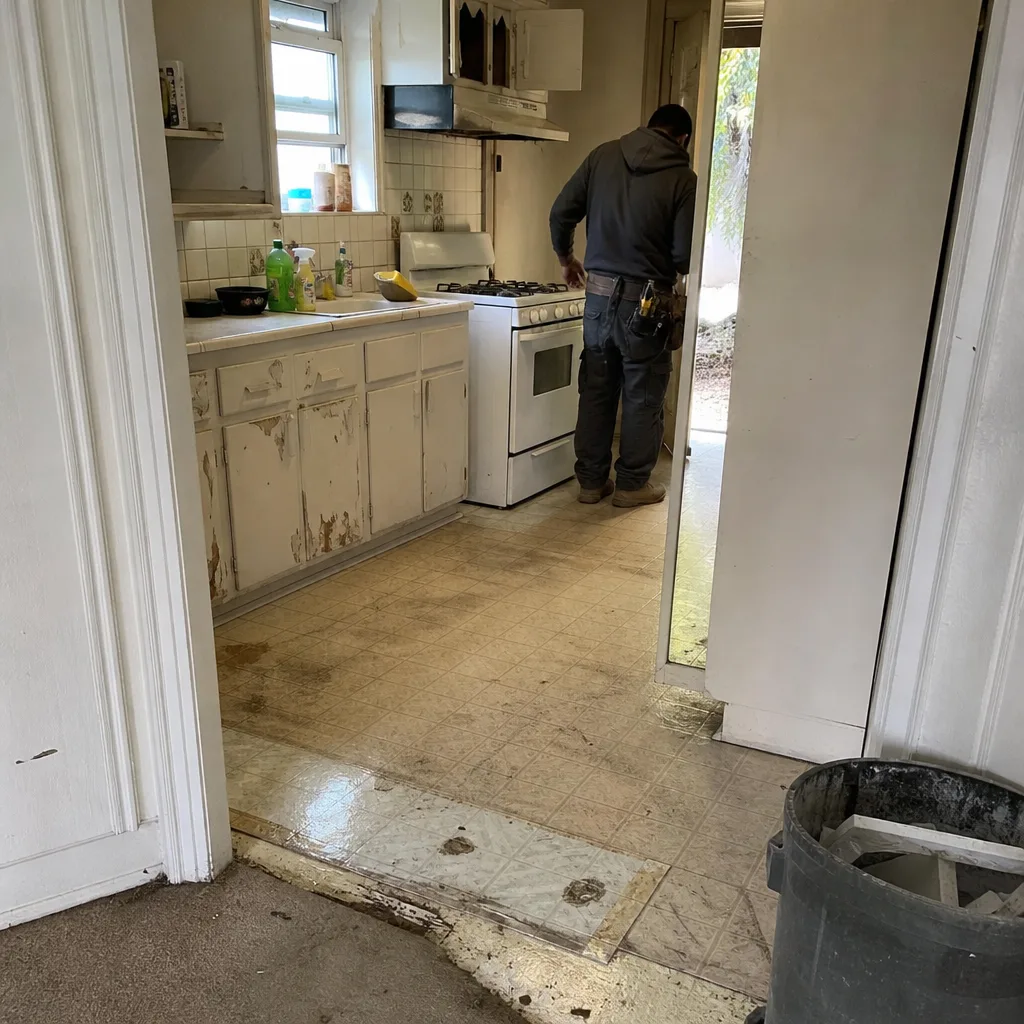 Before
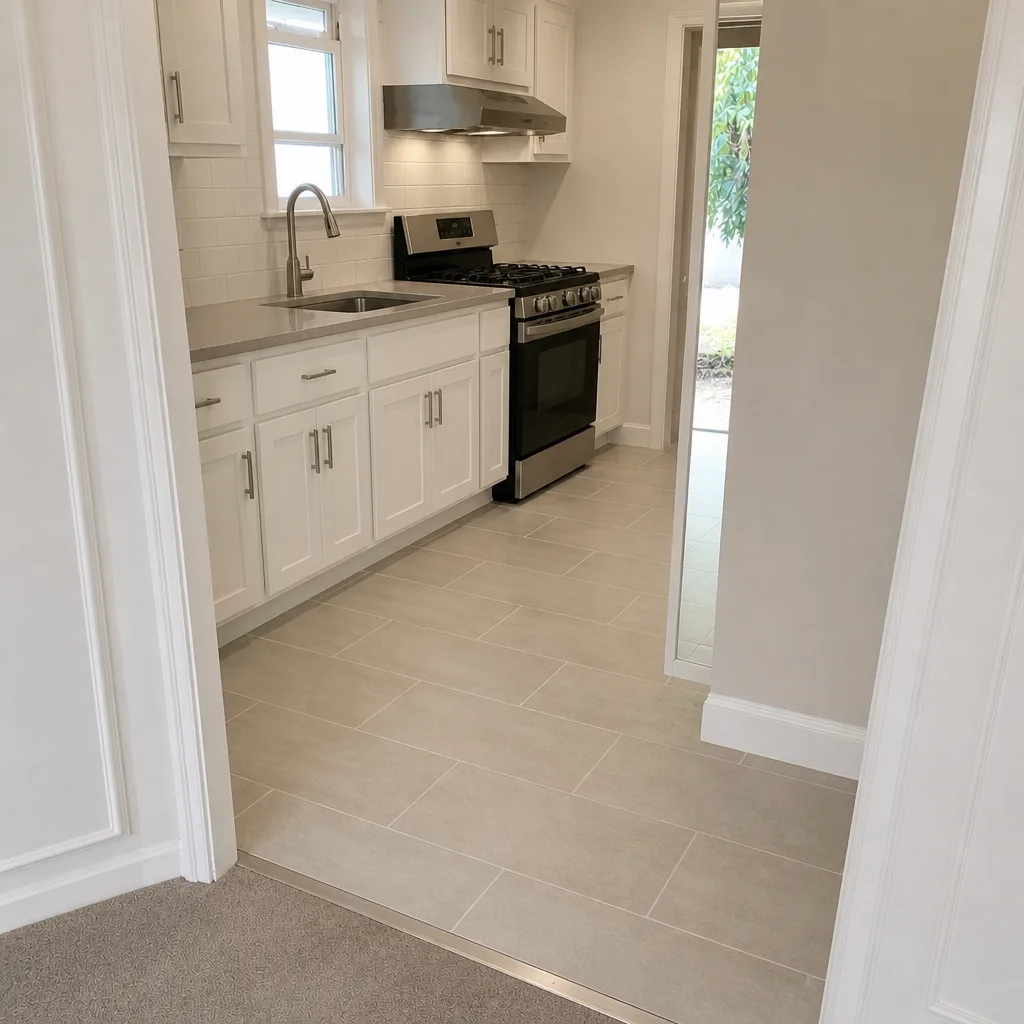 After
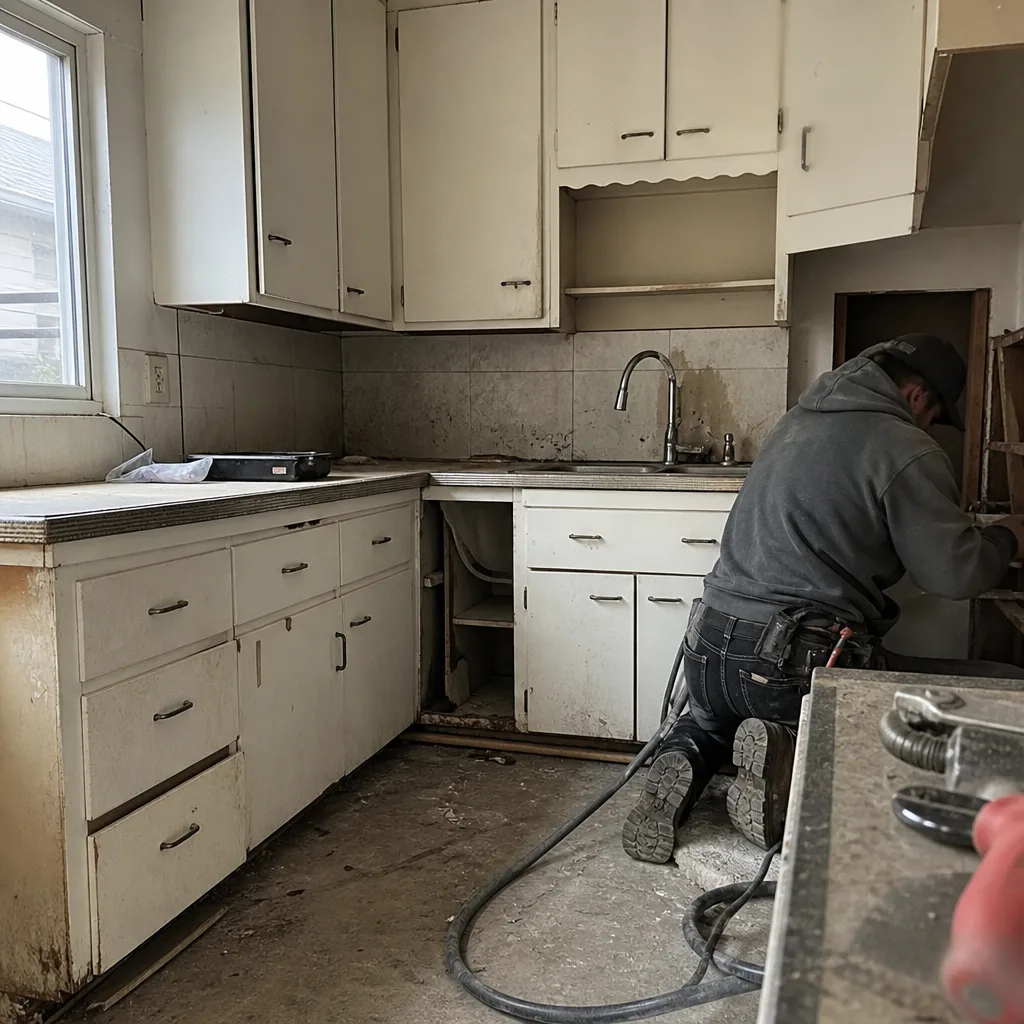 Before
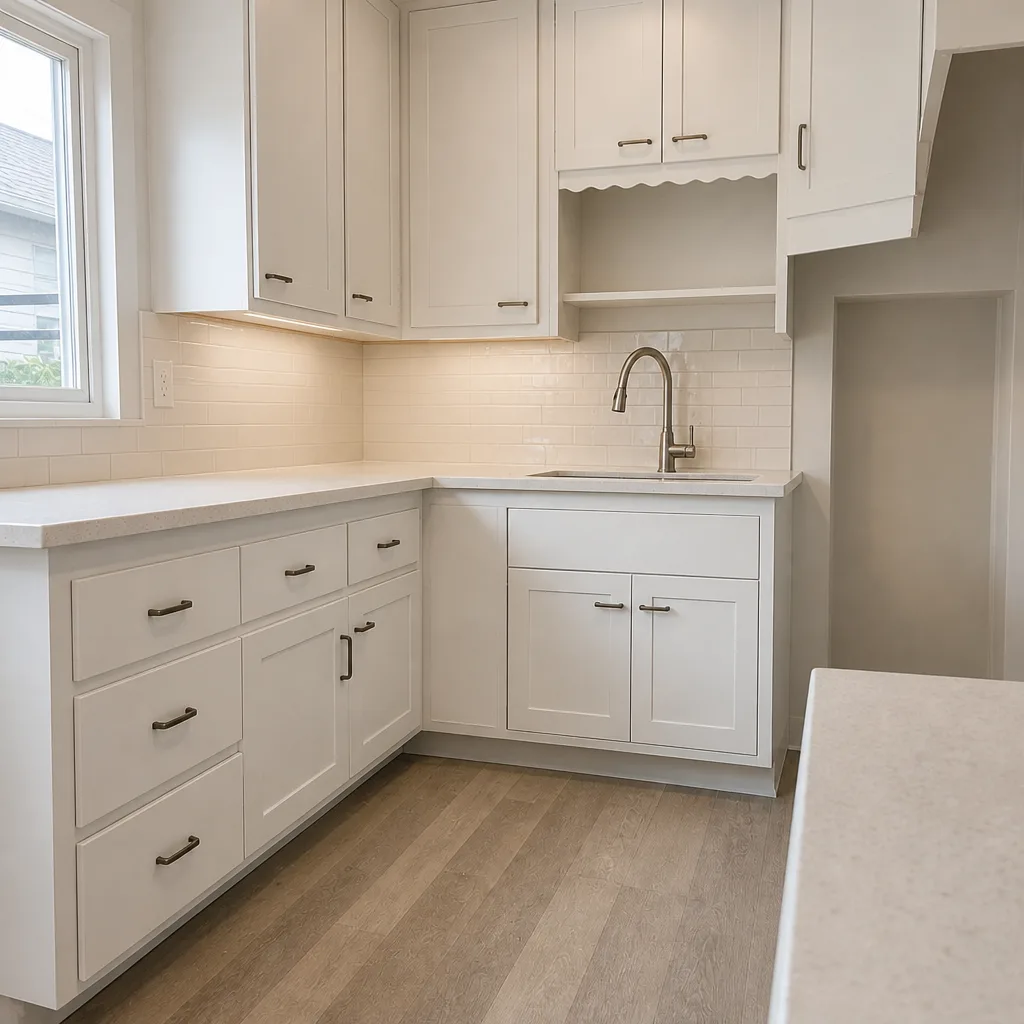 After
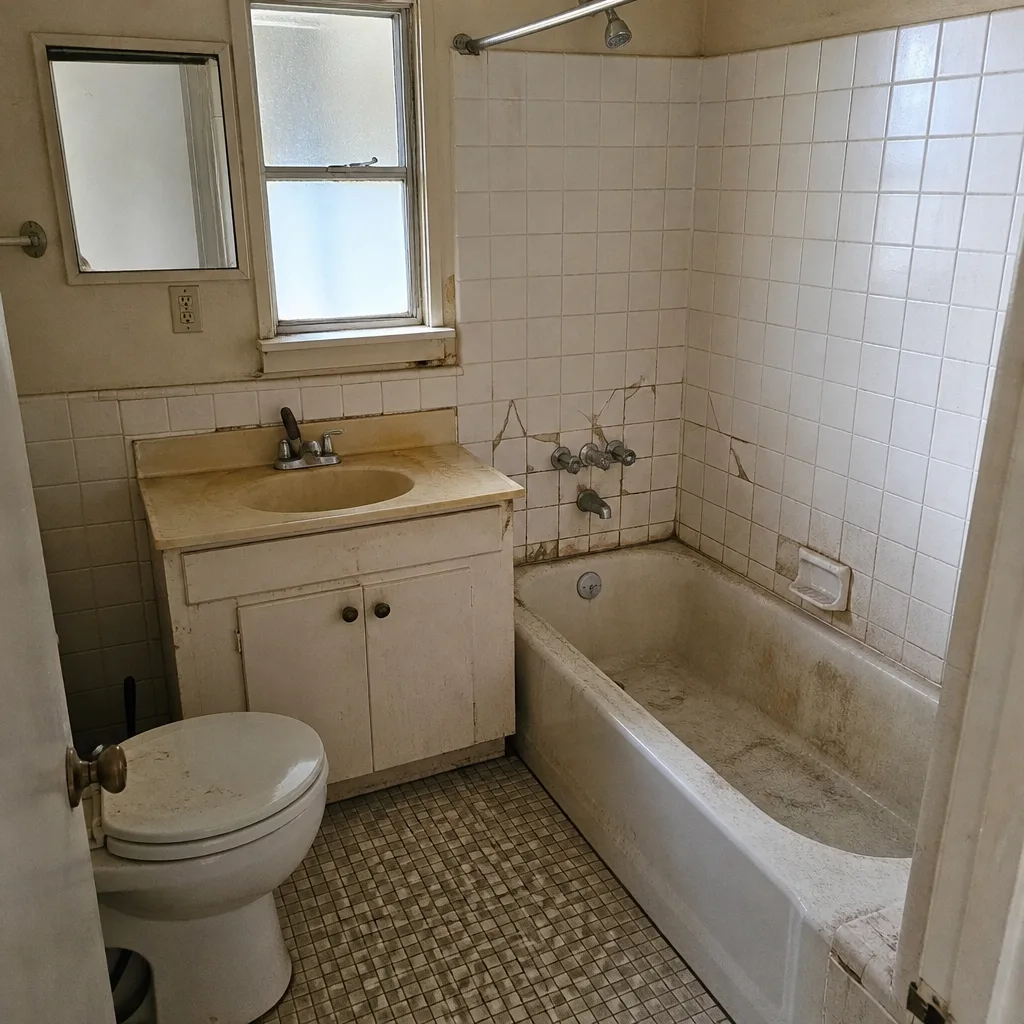 Before
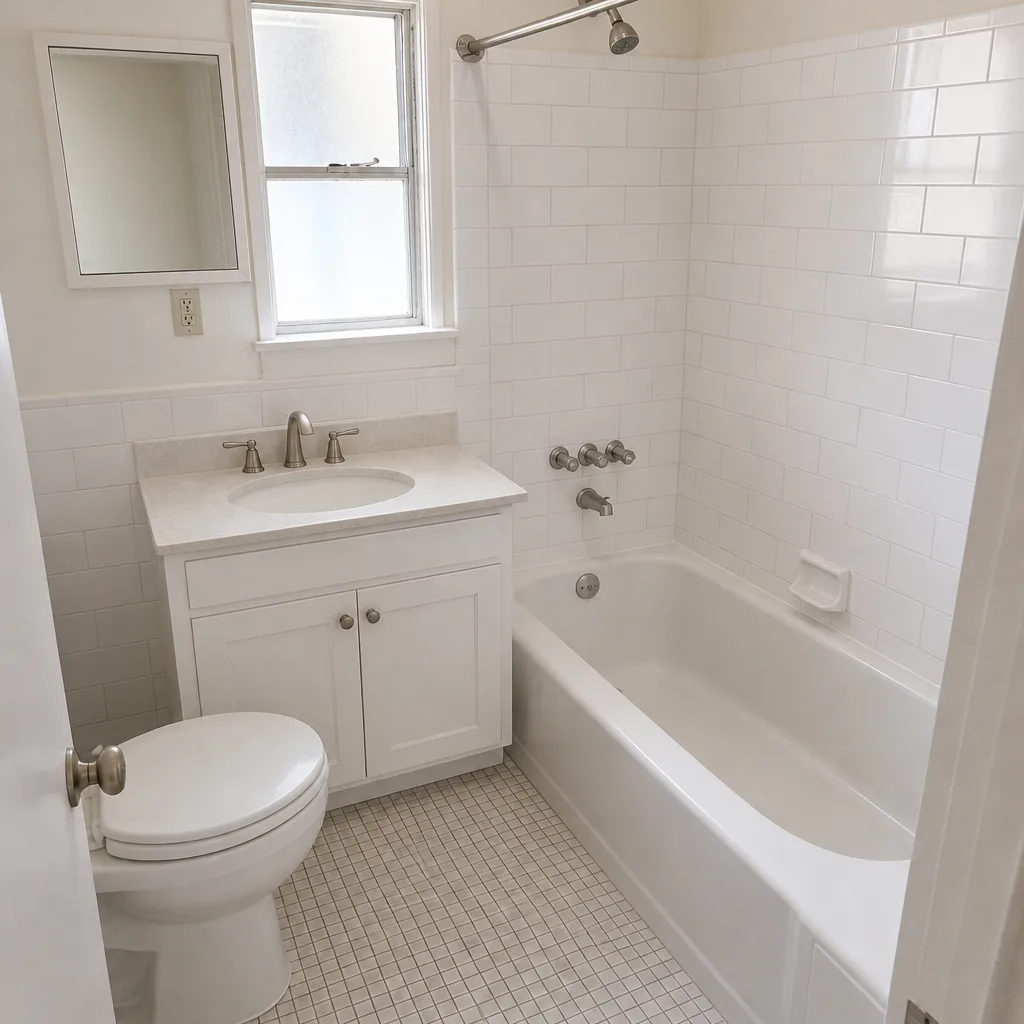 After
Do New Windows Save Energy in Berkeley, CA? The Honest Answer
Yes, new windows save energy in Berkeley, but less than most guides claim and in a different way than they describe. Bay Area energy modeling puts a typical Berkeley house at roughly 2,900 heating degree-days and only about 70 cooling degree-days a year, so the savings from a window upgrade land somewhere around $80-$200 annually for a flatlands home. The bigger returns here are comfort, quieter rooms, and meeting California’s Title 24 replacement spec, which is mandatory whether you’re chasing savings or not. Want the number for your house? Call (855) 471-4163 for a free estimate and we’ll talk specifics.
Key Takeaways
- Heating savings are real but modest in Berkeley’s marine climate; cooling savings are near zero in an average year.
- The payoff shows up during the one or two extreme heat events that now hit most summers, when single-pane glass turns a west-facing living room into an oven.
- California requires replacement windows to hit a U-factor of 0.30 or better, so the energy performance floor isn’t optional.
- Low-E coating choice matters more than brand loyalty. The cold-climate spec sold in national ads is the wrong call for the Elmwood fog belt.
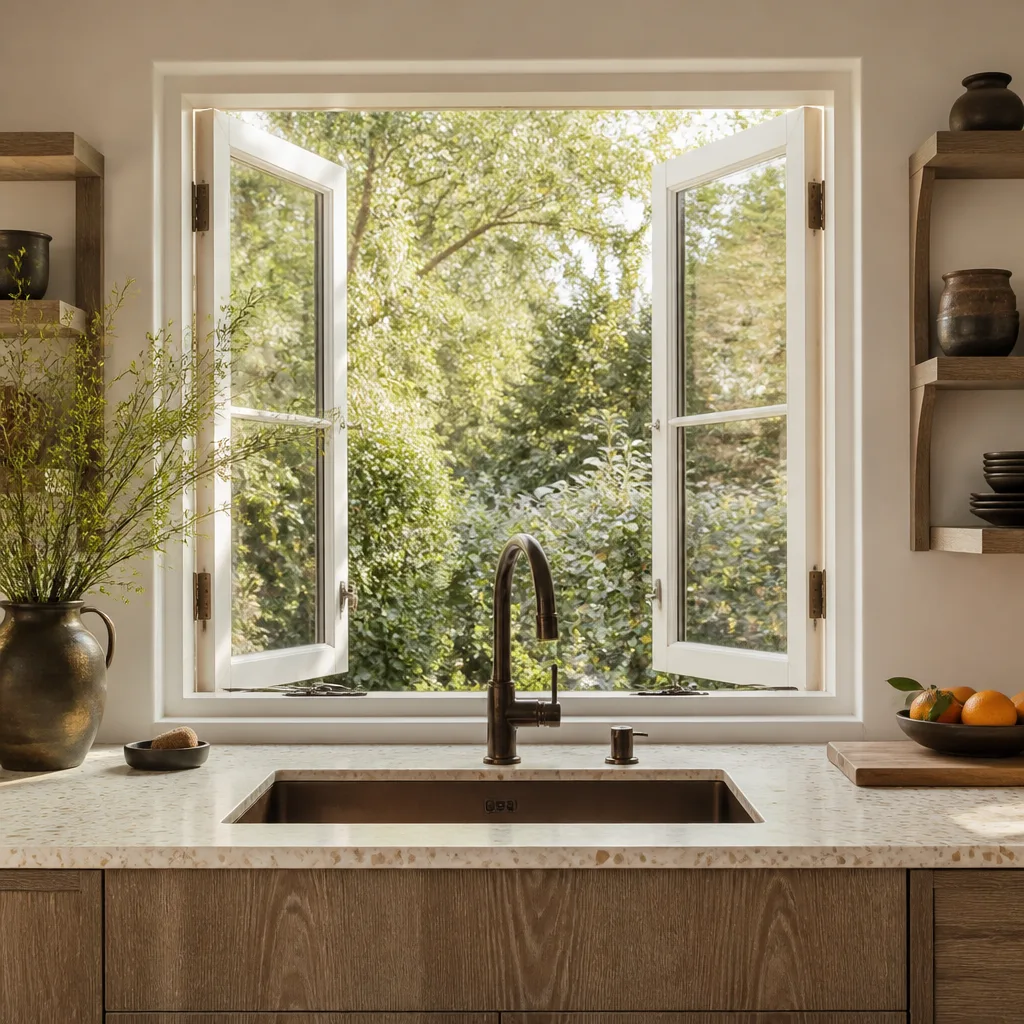
Why the Standard “Windows Save Energy” Math Doesn’t Fit Berkeley
Most window-savings calculators are built for Minneapolis or Buffalo. They assume your furnace runs half the year and your biggest loss is warm air leaking out through cold glass. Berkeley doesn’t work that way. Winter here is mild enough that a drafty single-pane window costs you a little on the gas bill and a lot on comfort. Summer is cool enough that most homes in the North Berkeley flatlands never touch an air conditioner at all.
So where does the energy go? Two places that a degree-day model barely notices.
The first is radiant heat gain. On the two or three days a year when a heat dome settles over the East Bay and the thermometer pushes into the nineties, an uncoated single-pane window on a west or south wall behaves like a space heater pointed at your couch. That’s a cooling load that didn’t exist in April and won’t exist in October, which is exactly why average-year modeling undercounts it. A moderate-solar-gain Low-E glass cuts that radiant transfer substantially without turning your house into a cave the rest of the year.
The second is air infiltration. A 1920s Craftsman bungalow in the Elmwood neighborhood was built before weatherstripping was standard, and the original double-hung sashes have had a century to warp, swell, and shrink. We regularly find gaps at the sash meeting rail you could slide a nickel through. Sealing those gaps with modern double-pane units stops a constant, invisible exchange of conditioned air that runs every day of the year, not just the hot ones.
Picking the Right Low-E Coating for Berkeley’s Fog Belt
Here’s the part that trips up homeowners shopping on the internet. “Low-E” doesn’t mean one product. It’s a family of coatings with different solar heat gain coefficients (SHGC), and the right number depends on your climate.
In Minnesota, you want high solar gain. Free winter sunshine through the glass is a heating bonus, so you spec a coating that lets the sun’s heat in. In Phoenix, you want the opposite: glass that blocks as much solar gain as possible.
Berkeley sits somewhere stranger. The marine layer keeps summer mornings cool and gray, so passive solar gain actually helps on plenty of days. But a high-solar-gain coating sold as “energy efficient” backfires in the hills and the flatlands alike, because it lets the afternoon sun roast west-facing rooms during a heat event while doing almost nothing for you the rest of the year.
The right call for most Berkeley homes is a moderate-SHGC, low-U-factor coating, often in the 0.25-0.35 SHGC range depending on the orientation of each window. A south-facing kitchen window wants more gain than a west-facing bedroom. This is where a brand’s actual glass portfolio matters. Andersen’s High-Performance and Marvin’s High-Performance packages both let you dial in the coating to the exposure rather than forcing one spec on every window in the house. We specify both because they give us that flexibility. For the full range of what we install, see our Windows & Doors page.
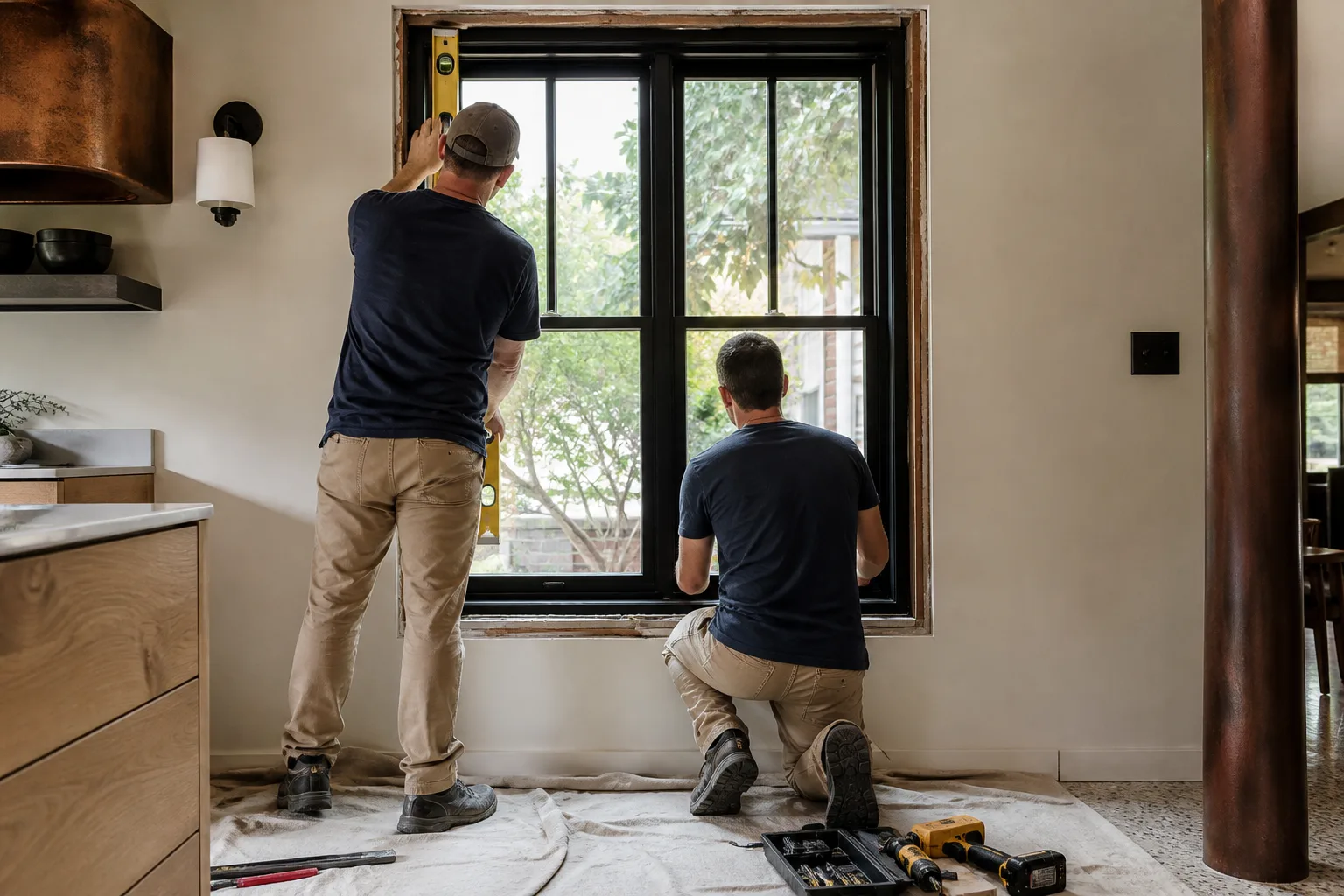
What Title 24 Actually Requires When You Replace Windows
Berkeley homeowners sometimes don’t realize that replacing windows is a permitted alteration with an energy performance floor baked in. California’s Title 24 energy code sets a maximum U-factor for replacement fenestration in most climate zones, and for most Berkeley projects that means U-factor of 0.30 or better. You can’t legally install the cheapest single-pane or low-performing unit and call it done, even if your only goal was to fix a broken sash.
That works in your favor. Because you’re required to hit an energy performance minimum anyway, the marginal cost of going from code-minimum glass to a genuinely good High-Performance package is small. You’re already paying for the upgrade; you might as well get the comfort benefit that comes with it.
Permits matter too. Berkeley’s building department is among the stricter in the region, and window replacement in a hillside home or one with historic designation can trigger additional review. Pulling the permit correctly the first time is the difference between a two-week job and a two-month headache.
What New Windows Cost in Berkeley, and What You’ll Save
Here’s the honest math. A typical Berkeley flatlands home with ten to fifteen windows sits in our $4,500-$15,000 range for a standard replacement, with impact-rated units in the hills running $8,000-$25,000. Against that, the realistic annual energy savings are $80-$200, less if you don’t run air conditioning. Payback on energy alone is measured in decades, not years.
That’s not a sales pitch, it’s arithmetic. So we tell homeowners the truth: if your windows are sound and your only question is whether new ones will pay for themselves through the utility bill, the answer is probably no. But if you’re replacing them for comfort, for quiet, for a failing sash, or because you have to under Title 24, then the energy performance comes along for the ride and the savings are gravy.
| Item | Typical Berkeley Range |
|---|---|
| Standard window replacement (10-15 units) | $4,500-$15,000 |
| Impact-rated window installation | $8,000-$25,000 |
| Estimated annual energy savings, flatlands home | $80-$200 |
| Minimum Title 24 performance spec (most projects) | U-factor ≤ 0.30 |
Common Local Scenarios We See
- The Berkeley box that won’t cool down. A brown-shingle home in central Berkeley with original single-pane glass. The owners installed a mini-split last summer and were disappointed. The real problem was radiant gain through the west windows, not the equipment.
- The fog-belt condensation complaint. Morning condensation on the inside of the glass in a North Berkeley home usually means the interior surface is cold and the interior air is humid. Double-pane Low-E raises that surface temperature and reduces the moisture film that feeds window-frame mildew.
- The Elmwood sash that won’t close. A century of settling leaves a gap at the meeting rail. We’ve measured infiltration rates in these homes that quietly erase whatever a new furnace is trying to accomplish.
- The hills fire-zone replacement. A hillside home under wildland-urban interface rules needs fire-rated assembly and ember-resistant detailing that a flatlands spec doesn’t call for.
We’re Groundwork Construction Co. of Berkeley, and we’ve learned to ask about orientation, fog patterns, and the actual glass spec rather than selling the same window to every house on the block. Our technicians have up to 12 years of experience, every project is covered by our 730-Day Done Right Promise, and our Berkeley service area team can walk a house in an afternoon and give you a straight answer about which windows will actually help.
FAQs
They save a modest amount, roughly $80-$200 a year for a typical flatlands home, mostly through reduced heating load and air infiltration rather than cooling. The bigger benefit in Berkeley is comfort during the one or two annual heat events, when uncoated single-pane glass drives radiant gain and makes rooms uncomfortable. Call (855) 471-4163 for an honest savings estimate on your specific house.
Most Berkeley homes do best with a moderate solar heat gain coating, not the high-gain spec sold for cold climates. A high-gain coating lets too much afternoon radiant heat into west-facing rooms during a heat event, which matters more here than passive solar gain in winter. The right spec depends on each window’s orientation, and both Andersen and Marvin High-Performance glass lines let us dial that in per window. Call us and we’ll spec it for your exposures.
Yes. California’s Title 24 requires replacement windows to meet a U-factor of 0.30 or better for most Berkeley projects, so the energy performance is mandated regardless of your motivation. Because you’re required to hit that floor anyway, upgrading past code-minimum glass is usually worth the marginal cost. Call (855) 471-4163 and we’ll confirm what your specific project needs.
Probably not on energy savings alone, since the payback on a $4,500-$15,000 installation runs far longer than the $80-$200 annual savings would suggest. New windows make sense when you’re also fixing failed sashes, reducing noise, improving comfort during heat events, or meeting Title 24. Talk to us about whether the math works for your situation before you commit.
If you’d rather have it looked at, Groundwork Construction Co. of Berkeley offers a no-pressure assessment in Berkeley. We’ll measure your windows, look at the orientation and existing glass, and tell you plainly whether an upgrade will actually earn its keep. Call (855) 471-4163 to schedule a free estimate and design consult. With 0% financing for 18 months and $1,000 off projects over $10,000, the budget conversation is easier than most homeowners expect.
Written by the team at Groundwork Construction Co. of Berkeley, serving Berkeley, CA.