Free written scope consultation - allowances, timeline, and change-order rules on paper before a single trade is scheduled
Styles & brands we work with
- Kitchen remodeling
- Bathroom remodeling
- Home additions & ADU
- Roofing
- Windows & doors
- Driveway & pavers
- Fence
See the difference
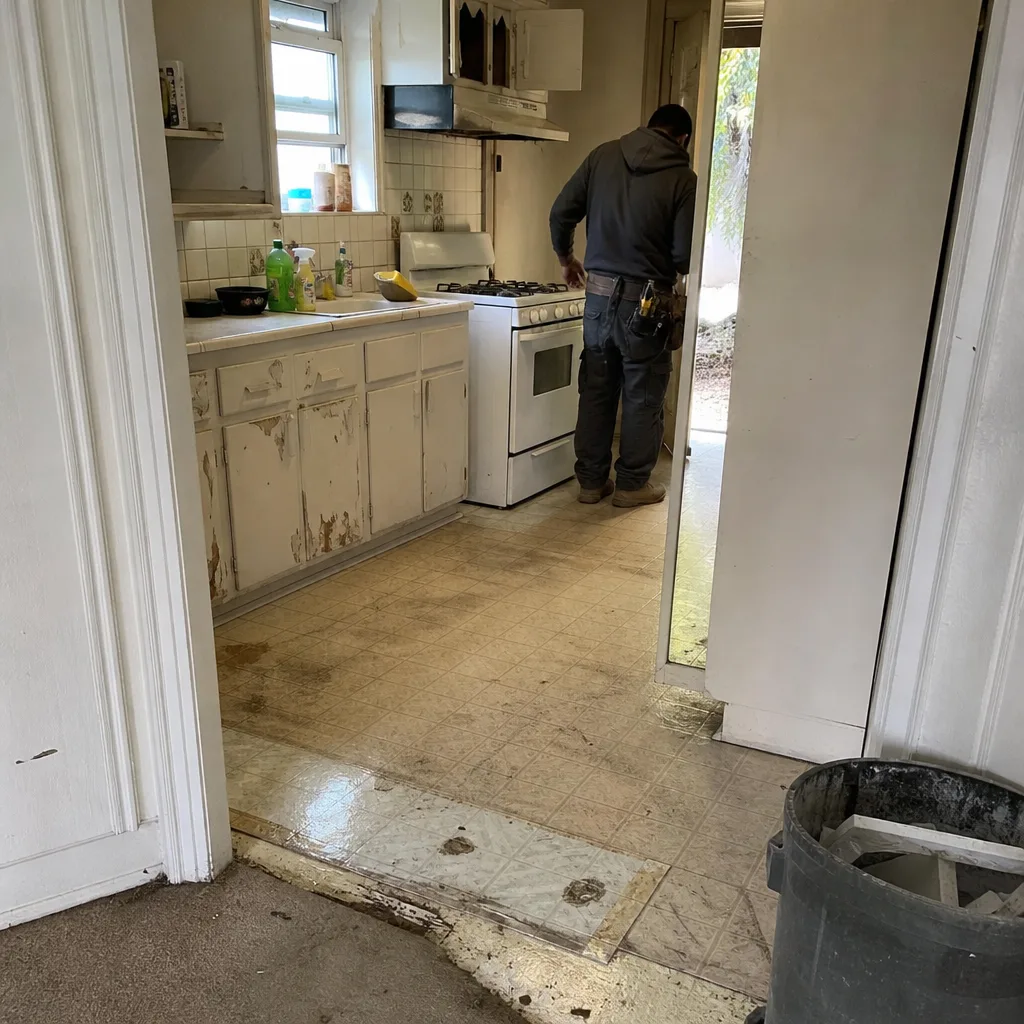 Before
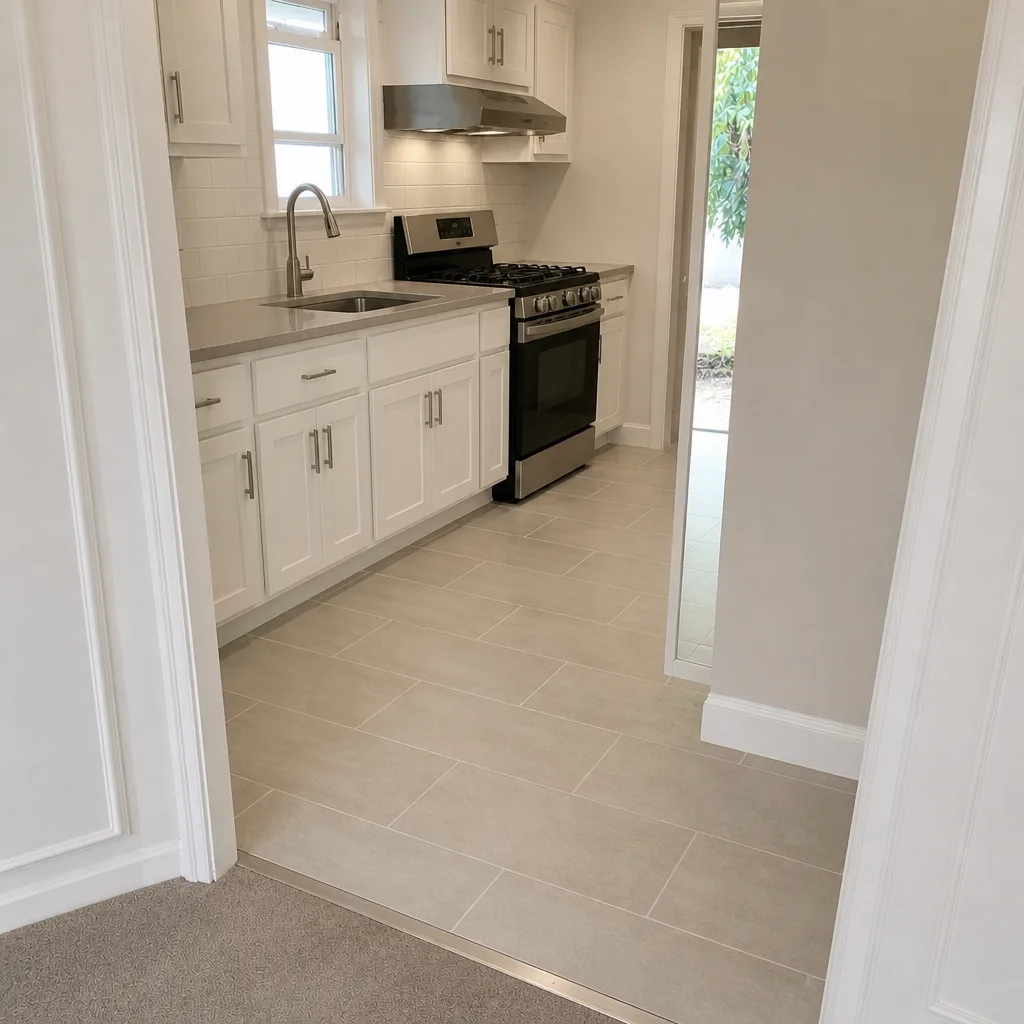 After
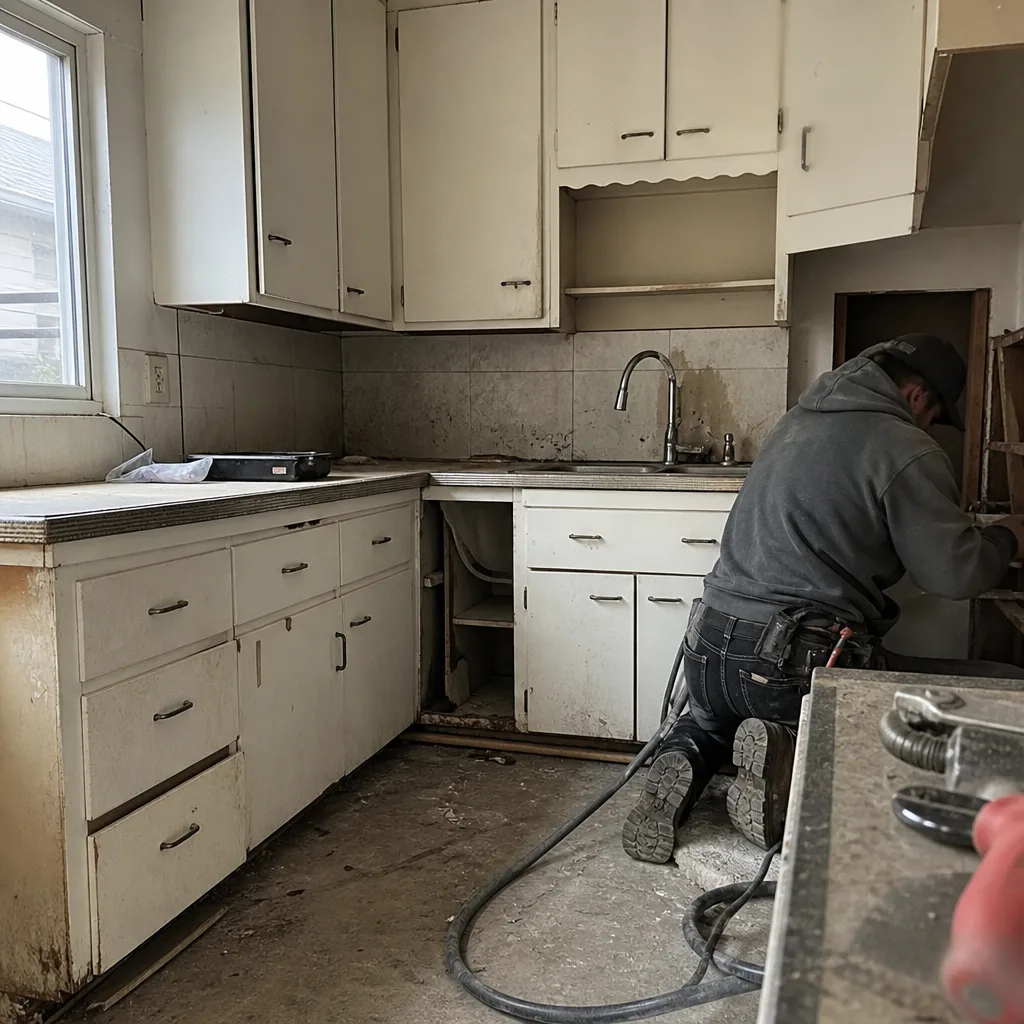 Before
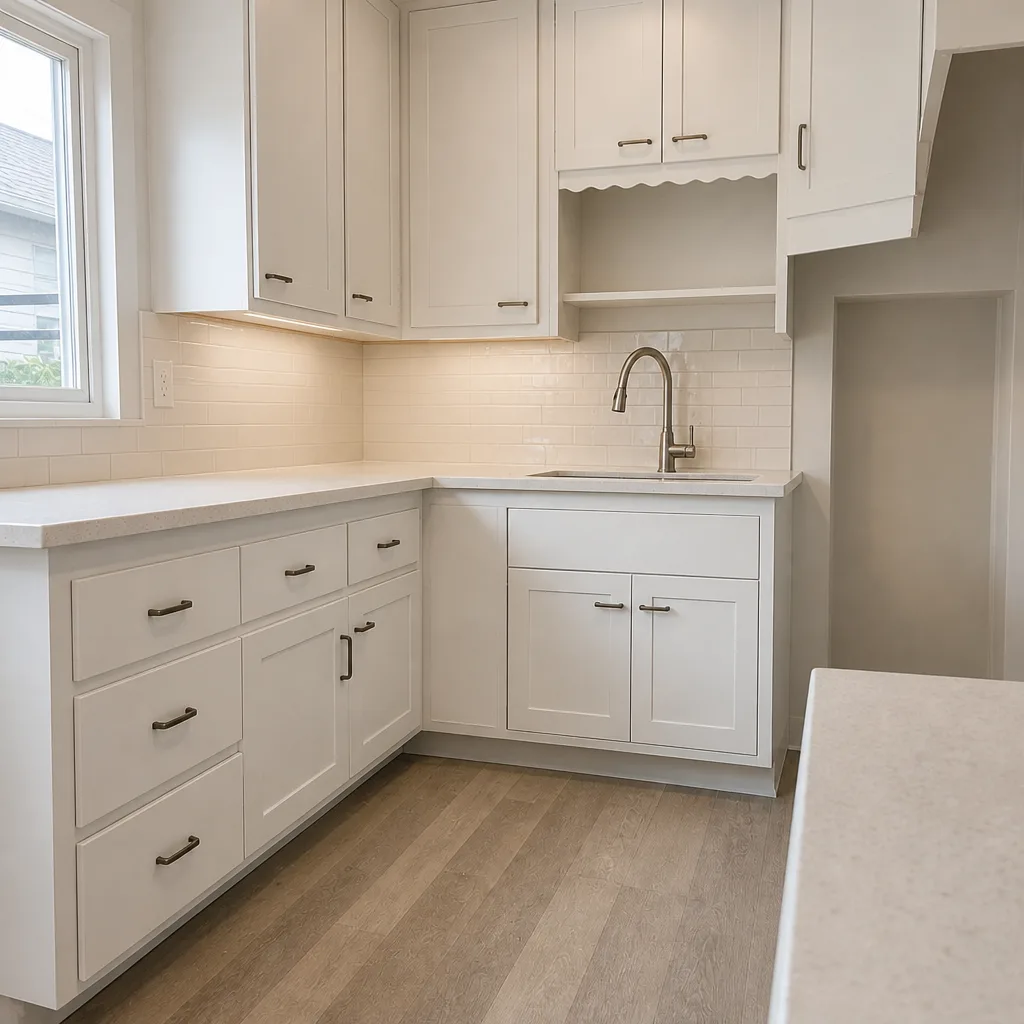 After
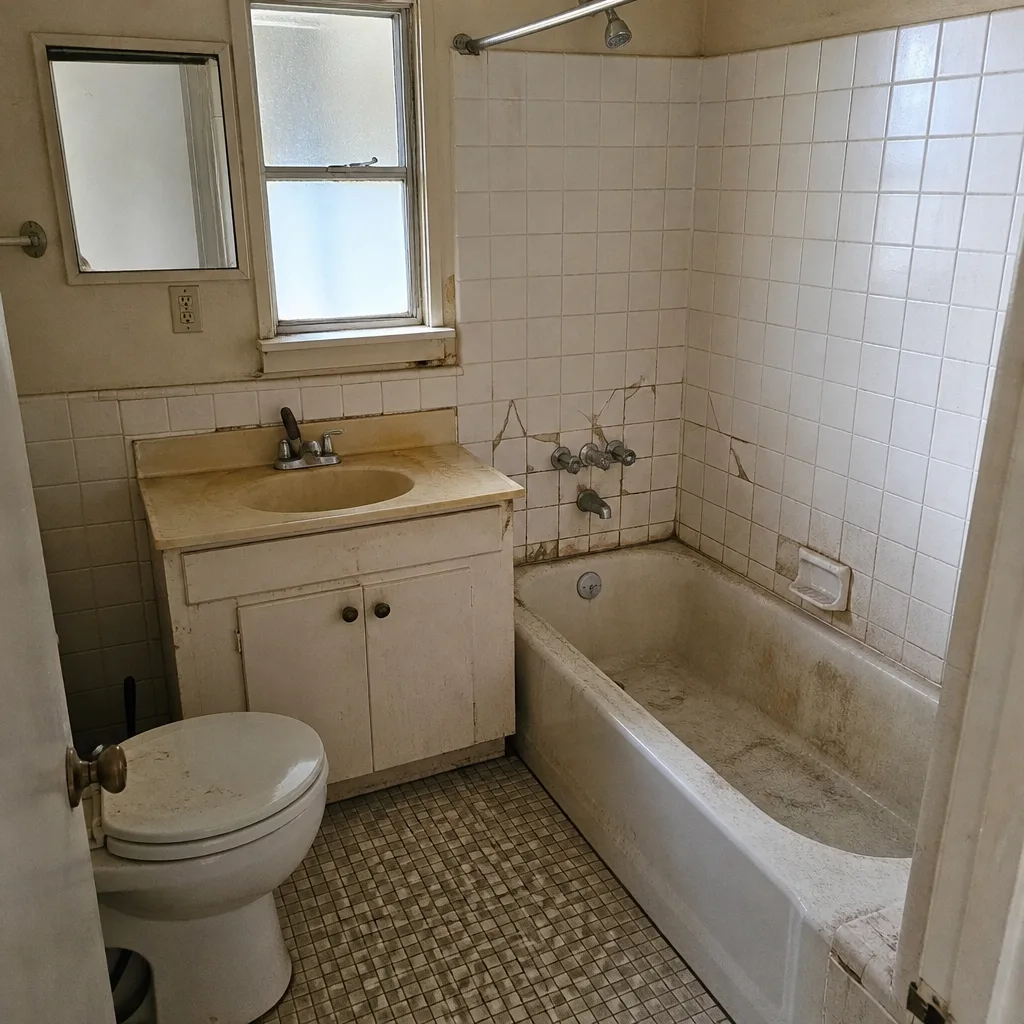 Before
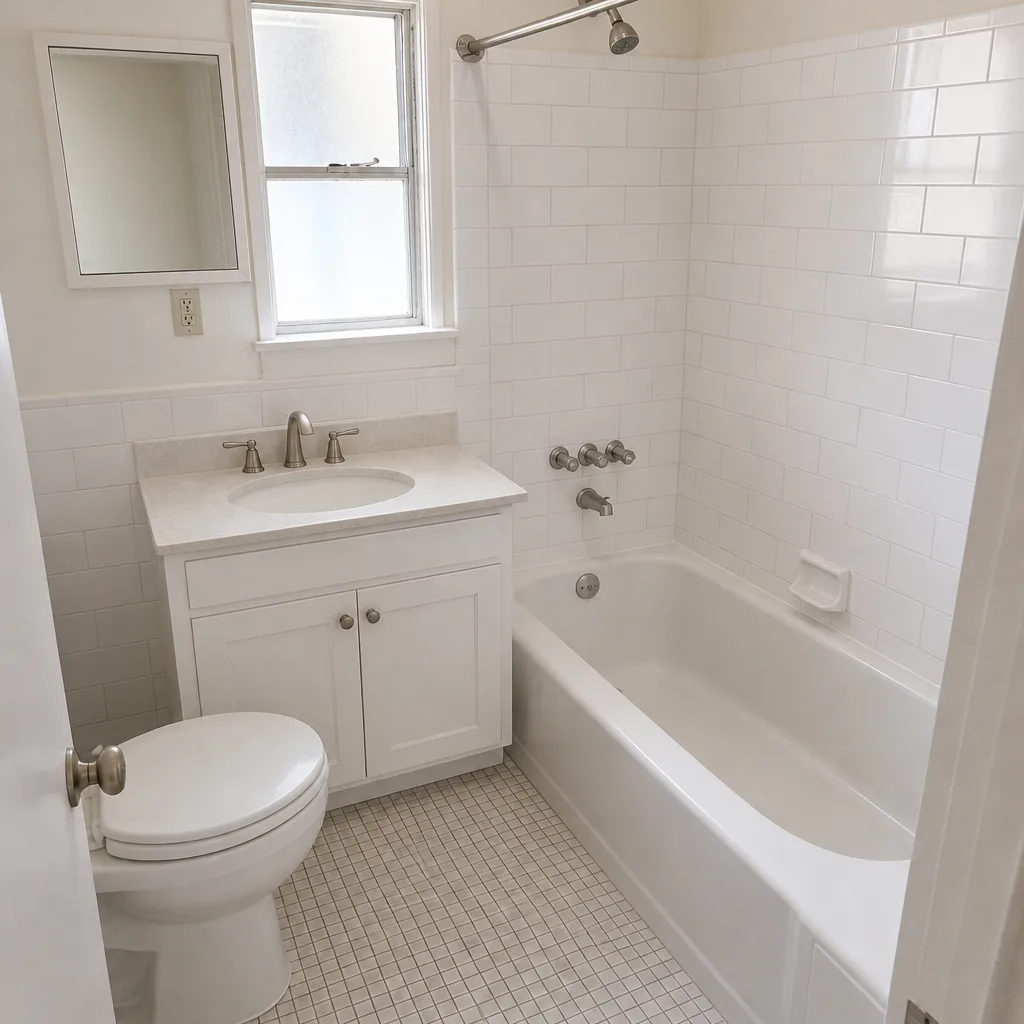 After
Double Hung vs Casement Windows in Berkeley, CA: The Honest Answer
Choose double hung if your Berkeley home was built before 1940 and sits in a historic district or has original wood sashes worth keeping; choose casement if you’re on a modern infill lot, you’re replacing post-1980 aluminum sliders, or the opening faces a side yard where a swing-out sash won’t hit a walkway. For most of Berkeley’s Craftsman bungalows, brown-shingle boxes, and Victorians, double hung is the right call about 80% of the time – not because casements are worse windows, but because changing how a window opens can trigger a landmarks review that adds weeks and real money to the project. Call (855) 471-4163 if you want us to look at your actual openings before you decide.
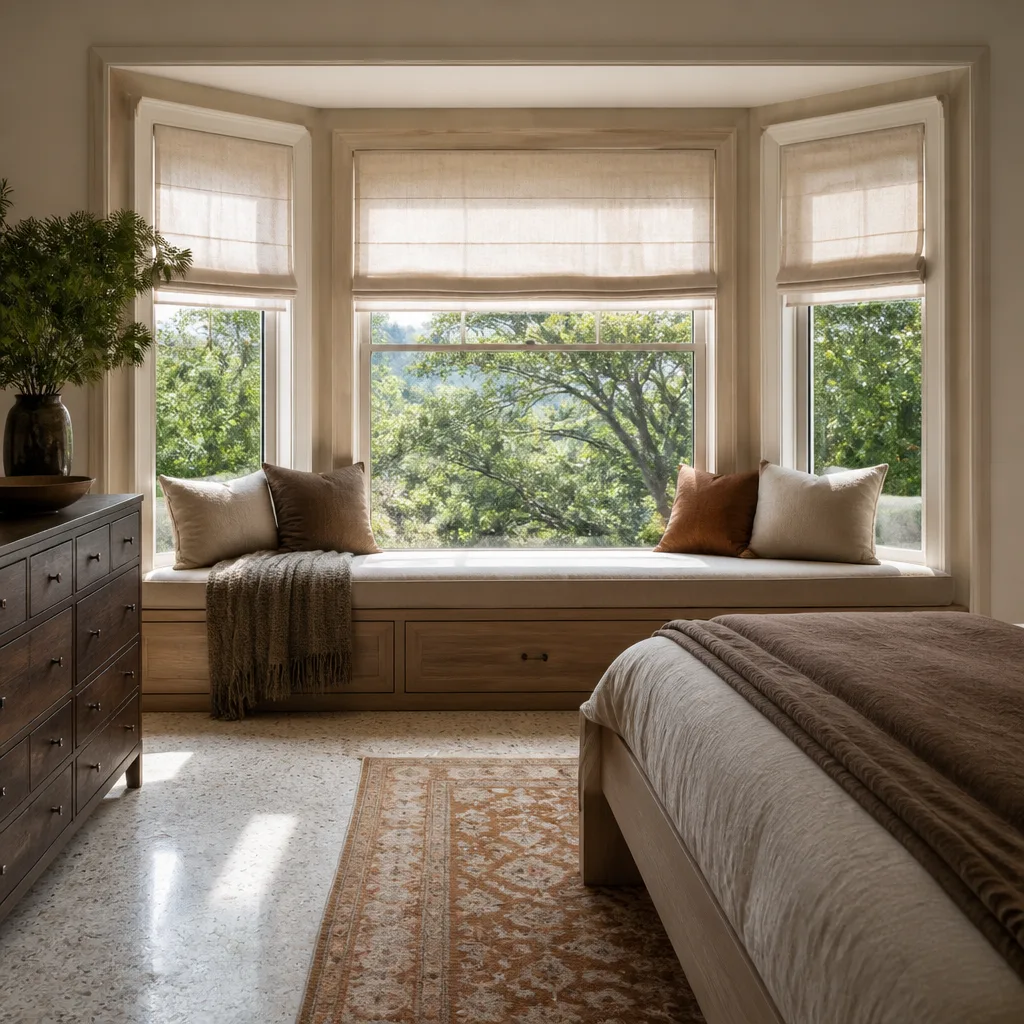
Why the Answer in Berkeley Is Different From Everywhere Else
Swapping your Craftsman’s double-hungs for casements might save energy and cost you a landmarks hearing. That’s the part generic comparison guides leave out, and in Berkeley it’s the part that matters most.
Berkeley’s Landmarks Preservation Ordinance covers contributing structures inside designated historic districts – Elmwood, Claremont, and stretches of the North Berkeley flatlands among them. On those properties, changing a window’s operation type – double hung to casement and back – is treated as an alteration to a character-defining feature. It can require a Certificate of Appropriateness before a permit is issued. The preservation officer isn’t being difficult; the ratio and sight lines of a double-hung sash are part of what makes those streets look like Berkeley and not everywhere else.
What that means for your timeline
A casement swap on a contributing structure can add a review cycle and a city fee that typically runs $500-$1,500 – money nobody budgets for when they pick a window based on a blog post about U-factors. On a non-historic property – a 1960s ranch in Thousand Oaks, a post-1991 rebuild in the hills – that hurdle disappears entirely, and casements become a genuinely strong choice.
How the Two Windows Actually Compare
Here’s the honest side-by-side, Berkeley edition. Casements do outperform double-hungs on air-sealing because the sash compresses against the frame on closing, and that matters for Title 24 energy compliance. Double-hungs slide vertically and rely on weatherstripping and a meeting rail, which is a slightly leakier arrangement over time. Both can clear current U-factor and SHGC requirements if you spec the right glass package.
Side-by-side comparison
| Factor | Double Hung | Casement |
|---|---|---|
| Air sealing | Good – relies on weatherstrip and meeting rail | Better – sash compresses against frame |
| Historic review in Berkeley districts | Usually fine – like-for-like replacement | Can require a Certificate of Appropriateness |
| Exposed west-facing elevations | Few moving parts to service | Crank hardware wears in Berkeley’s afternoon northwest wind |
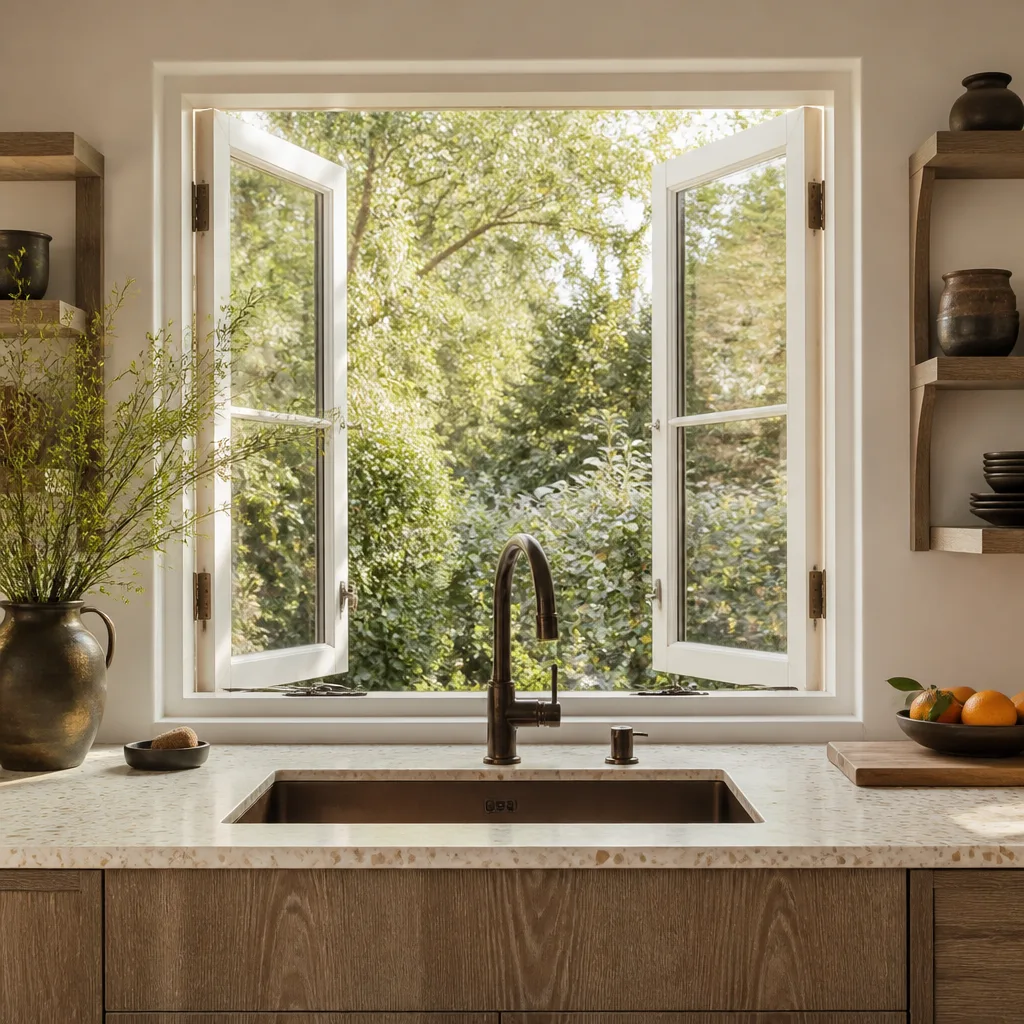
| Furniture and walkway clearance | None – sashes move within the frame | Sash swings out and in; plan around paths and plantings |
| Sight-line match to pre-1940 sashes | Yes, with the right profile | No – visibly different from original |
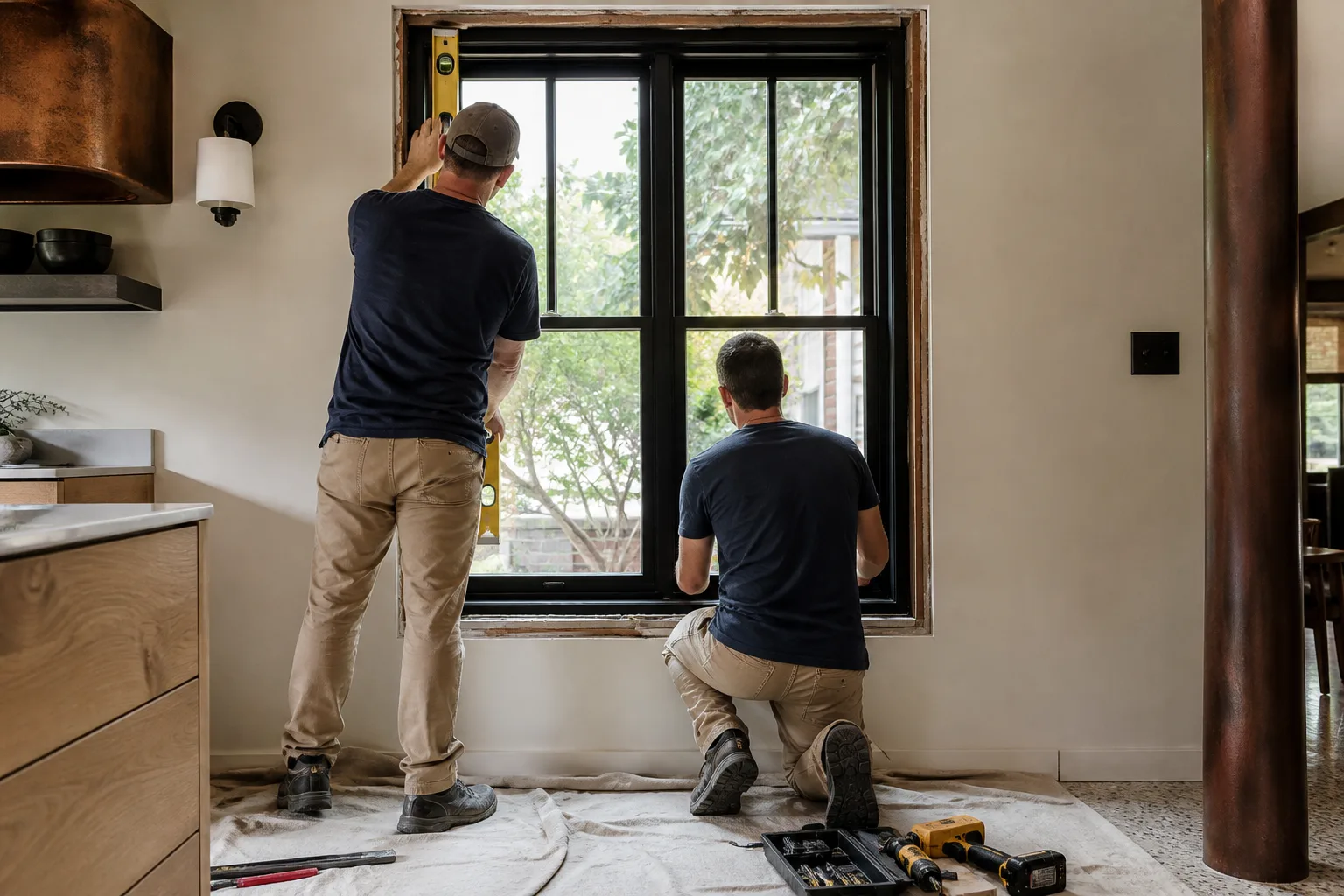
The Wind Detail That Changes the Casement Math
Berkeley’s persistent northwest afternoon wind is real and it’s rough on exterior hardware. On exposed west-facing walls, casement cranks and hinge assemblies take a beating – grit works into the operator, the arm stiffens, and eventually a homeowner is fighting a window that used to open with two fingers. We see it most on hillside homes above the fog line and on west elevations in the flats where there’s nothing to break the fetch across the bay.
That doesn’t make casements a bad window. It makes them a window you service. If you’re set on casements on a windy exposure, budget for operator lubrication and eventual hardware replacement, and don’t put them somewhere the wind will torque them every afternoon. Double-hungs, with fewer exposed moving parts, simply ask less of you on that wall.
Matching the Original Sash Without Failing the Energy Inspector
The reason most Berkeley homeowners can have it both ways: modern double-hung units exist that are engineered to match the sight-line profile of pre-1940 sashes – the width of the stiles and rails, the shadow line at the meeting rail – while still meeting current U-factor and SHGC requirements. That’s the sweet spot for a contributing structure, because the preservation officer sees a window that reads as original and the energy inspector sees a window that performs.
Andersen’s A-Series double-hung, which we install through our Windows & Doors lineup, is built for exactly this. It’s one of the curated brand partners we work with, alongside Andersen, Pella, and Marvin across the window category, so you’re choosing a specification rather than whatever happens to be in stock. Groundwork Construction Co. of Berkeley arranges the installation through background-checked, uniformed technicians, and every job is covered by our 730-Day Done Right Promise – if it’s not done right, we make it right. Our technicians have up to 12 years of experience on Berkeley’s older housing stock.
When you’re weighing material and style options beyond the operation type, our Windows & Doors page walks through frame materials, glass packages, and the difference between impact-rated and standard units.
What Window Replacement Costs in Berkeley
Standard window replacement in Berkeley runs $4,500-$15,000 depending on the number of openings, the frame material, and whether the units are custom-profile. Impact window installation runs $8,000-$25,000. Those ranges are the same whether you choose double hung or casement – the operation type usually isn’t the price driver. The landmarks application fee and any required architectural documentation is what moves the number, and it’s why we show both options in the estimate.
- Standard window replacement: $4,500-$15,000
- Impact window installation: $8,000-$25,000
- Landmarks application and review (when required): typically $500-$1,500
- Custom sight-line-matched sash (historic profiles): quoted per opening
Upfront pricing means the number you see is the number you pay. If we’re recommending casements and there’s a landmarks application in your future, that line item appears in the estimate before you sign – not after. We also carry 0% financing for 18 months and $1,000 off projects over $10,000 to make the math work for larger multi-opening jobs.
What We Find Once the Old Sash Comes Out
Berkeley houses surprise you. In the Elmwood and North Berkeley flatlands, we regularly pull an original window and find redwood framing that’s still solid after a century – good news – but rough openings that have shifted just enough that a stock casement won’t sit plumb without shimming and flashing work. On hillside homes, fire-resistant detailing requirements shape how we flash and seal the exterior. And before you pull a window permit on an early-1900s house, it’s worth knowing whether the seismic retrofit conversation is coming, because once the wall is open it’s the moment to ask.
Year-round construction is workable here thanks to the mild Mediterranean climate, but exterior work on the fog belt and the winter-rain window is a scheduling gamble. If you’re planning a window project, spring and early fall are the cleanest stretches.
FAQs
If your home is a contributing structure in a designated historic district – Elmwood, Claremont, parts of North Berkeley – yes, changing the operation type from double hung to casement can require a Certificate of Appropriateness before the permit is issued. A like-for-like double-hung replacement usually doesn’t. Call (855) 471-4163 and we’ll help you check your property’s status before you commit to a window type.
Yes, casements seal slightly better because the sash compresses against the frame when it closes, while double-hungs rely on weatherstripping along a sliding meeting rail. The real gap is smaller than the sales pitch suggests – both can meet Title 24 requirements with the right glass package. Call (855) 471-4163 for a free estimate and we’ll show you both specs side by side.
Repairing sound original sashes is often cheaper than full replacement and preserves the character-defining features that historic review looks for – typically the right call when the wood is solid. Full replacement makes more sense when the frames are rotted or the glass is failing. Call (855) 471-4163 and we’ll tell you honestly which side of that line your windows are on.
No – a casement swings on a side hinge and reads visibly different from a vertical sliding sash, which is exactly why the preservation officer notices. If you want the historic look and modern performance, a sight-line-matched double-hung like the Andersen A-Series is the answer. Call (855) 471-4163 and we’ll walk you through the profile options for your openings.
If you’d rather have it looked at, Groundwork Construction Co. of Berkeley offers a no-pressure assessment in Berkeley – call (855) 471-4163. We’ll tell you which window type fits your house, your exposure, and your district, and write the numbers down before you decide. Live person, 24/7, no voicemail, no waiting until Monday. You can also see which neighborhoods we cover on our Berkeley service area page, or start back at our home page.
Written by the team at Groundwork Construction Co. of Berkeley, serving Berkeley, CA.