
Free written scope consultation - allowances, timeline, and change-order rules on paper before a single trade is scheduled
Styles & brands we work with
- Kitchen remodeling
- Bathroom remodeling
- Home additions & ADU
- Roofing
- Windows & doors
- Driveway & pavers
- Fence
See the difference
 Before
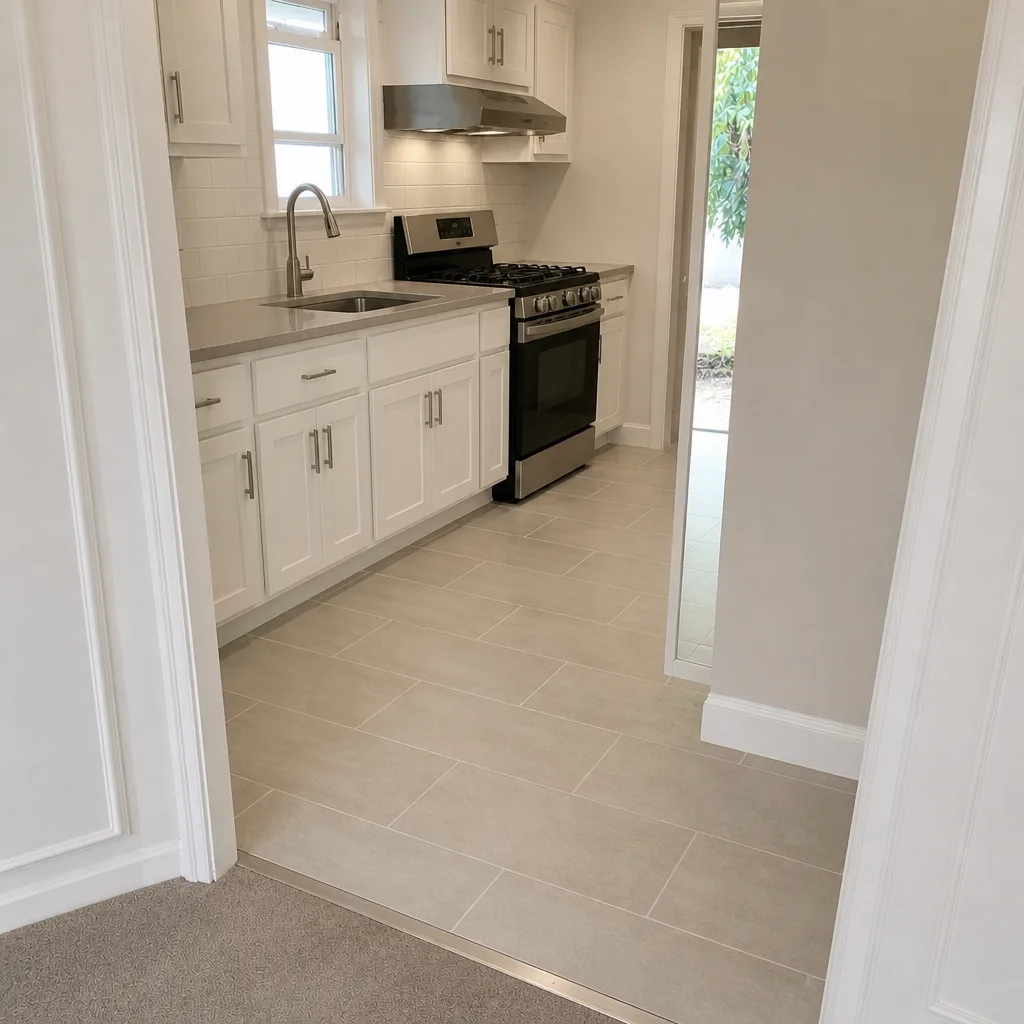 After
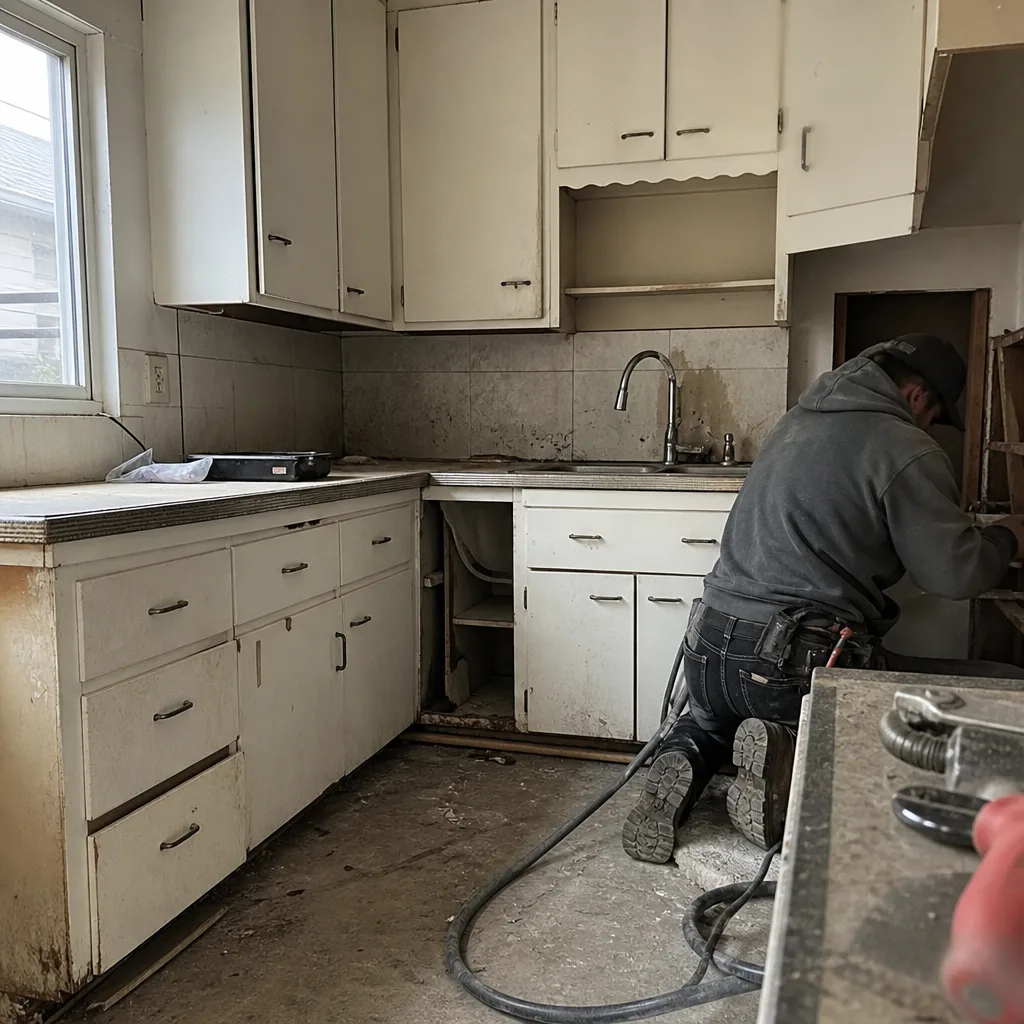 Before
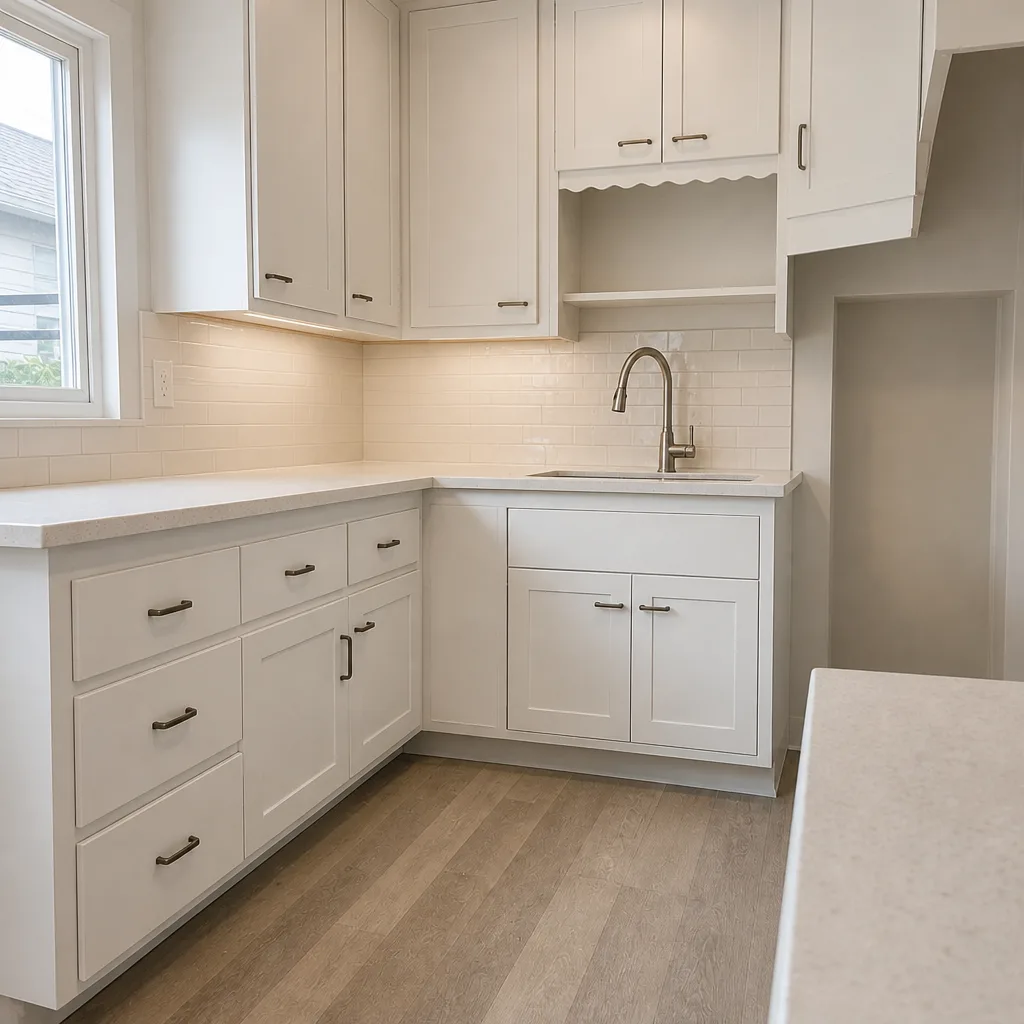 After
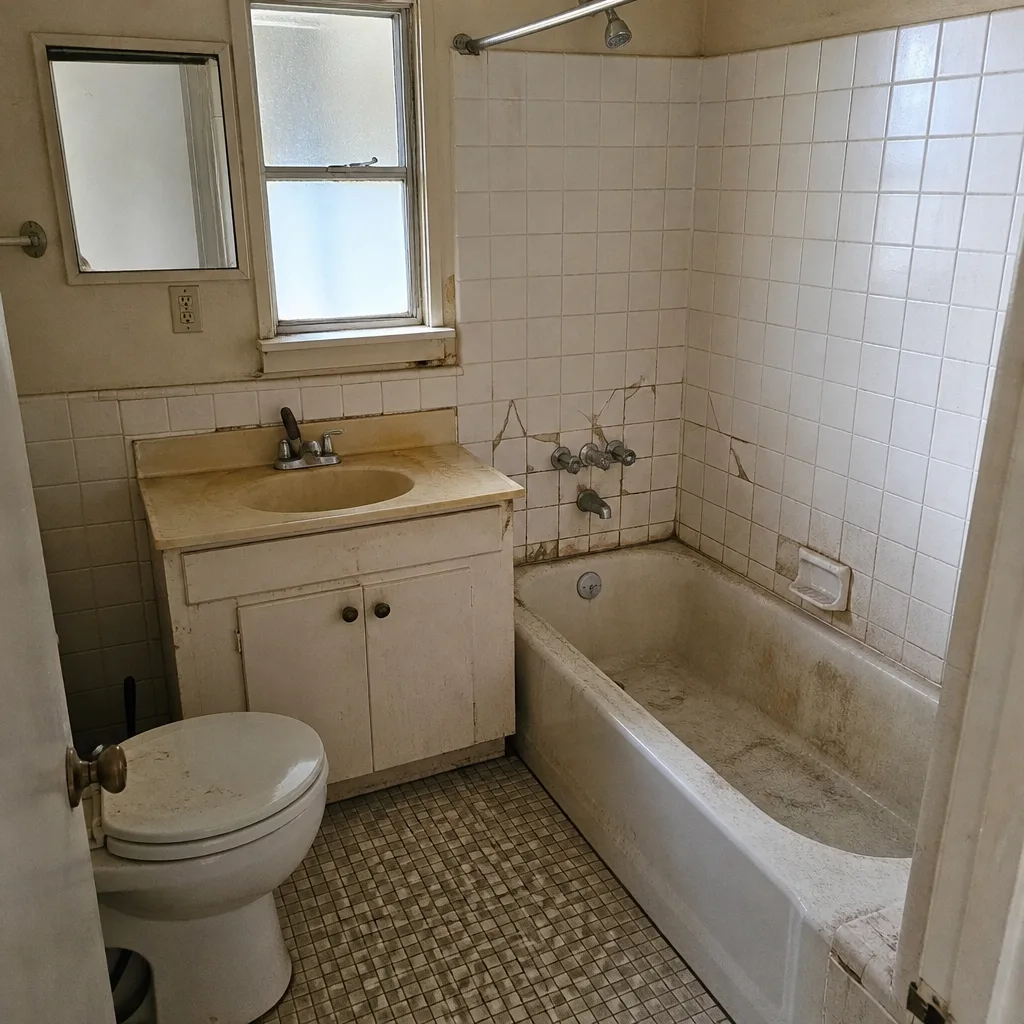 Before
 After
How Thick Should a Concrete Driveway Be in Berkeley, CA?
The short answer: 4 inches of concrete over a properly compacted base is the minimum for a passenger car, and 5 to 6 inches is what most Berkeley driveways actually need once you account for soil, grade, and vehicle weight. In Berkeley’s flatland clay, a 4-inch slab without reinforcement or a thickened edge is often the wrong call even though it’s the textbook answer. Get the thickness right and the base right at the same time, or neither one matters. For a straight answer on your specific driveway, call Groundwork Construction Co. of Berkeley at (855) 471-4163.
Here’s what that generic “4 inches” number doesn’t tell you, and what actually determines the right thickness on a Berkeley lot.
Why Berkeley Soil Changes the Thickness Question
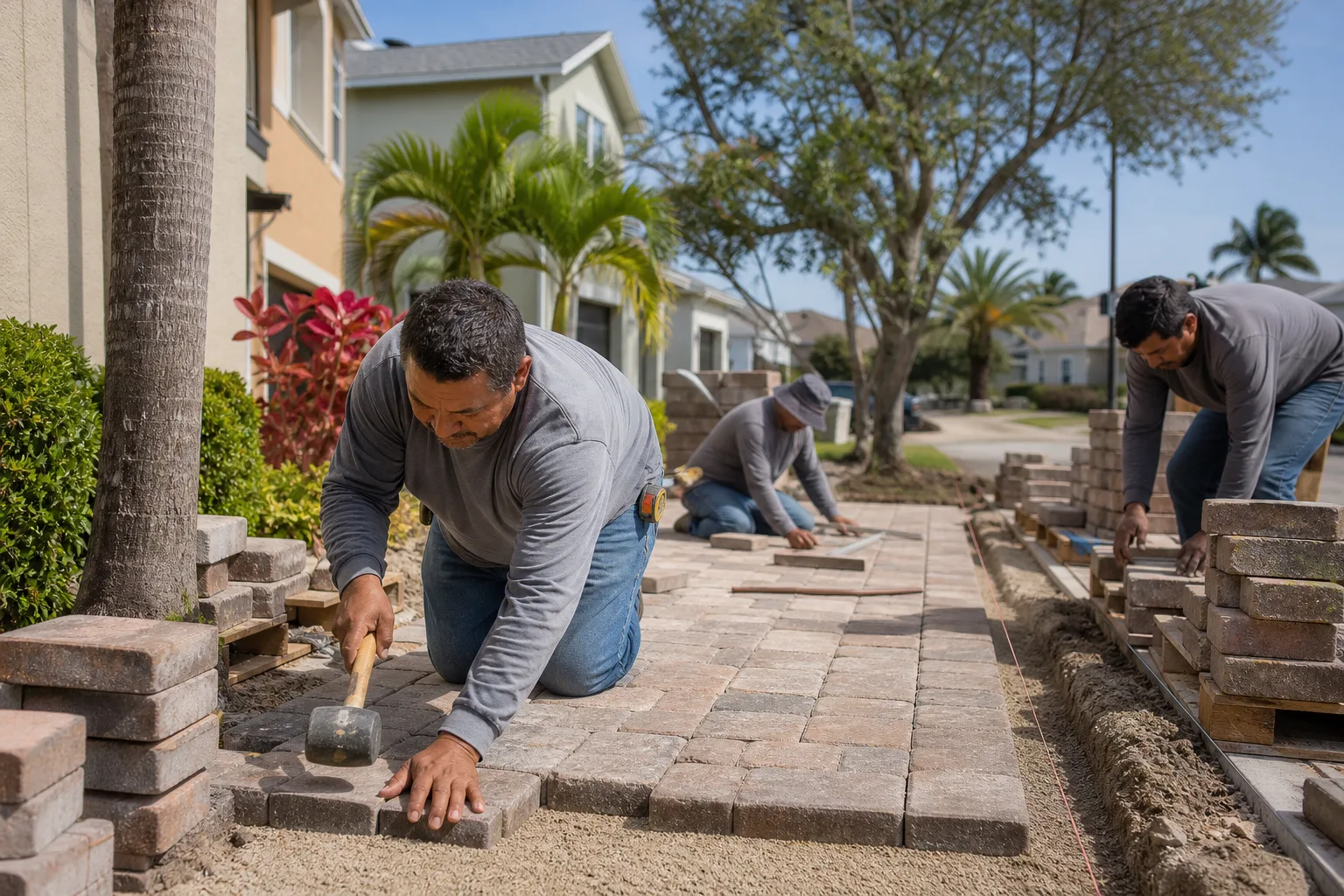
If your driveway sits on the expansive clay that runs through much of the Berkeley flatlands – and a lot of it does – the slab thickness is only half the equation. That clay swells when it’s wet and shrinks when it dries, and it moves under a driveway all year long. A 4-inch slab poured straight onto unprepared clay will crack, heave, and settle no matter who pours it, because the concrete is doing the base’s job.
Under any concrete slab in Berkeley, we want a minimum 4-inch layer of compacted gravel base, engineered for the soil underneath it. Compacted means mechanically compacted in lifts, not dumped and raked. The slab thickness spec is irrelevant if the base isn’t built for local soil conditions. This is where most of the cracked Berkeley driveways we’re asked to replace went wrong – not the concrete mix, the base.
One related note on the neighborhood: in the Elmwood and North Berkeley flatlands, contractors regularly uncover original redwood framing that’s still solid but has to be upgraded to current shear-wall and anchor-bolt standards. That’s a house detail, not a driveway one, but it tells you something about how these older lots were built. The grade, drainage, and subgrade around a pre-1940 Berkeley home are rarely what a modern spec assumes.
How Thick Should a Driveway Be for Hillside Grades and Tight Turns?
Hillside Berkeley driveways carry more load than a flat one on the same street. Vehicles making tight-radius turns and parking on a steep grade put higher edge-loading stress on the slab, and the edges are where concrete fails first. For those lots, we spec a 5-inch slab with #4 rebar at 18-inch centers rather than a standard residential pour. The rebar carries the load across the slab instead of letting the concrete do it alone.
A few rules of thumb we apply on Berkeley driveways:
- Passenger cars only, flat lot, stable soil: 4 inches minimum, with a compacted base and control joints.
- Hillside grade, tight turns, or heavier vehicles (SUVs, trucks, occasional deliveries): 5 inches with rebar at 18-inch centers.
- RVs, trailers, or heavy equipment: 6 inches with rebar, thickened edges, and an engineered base.
- Expansive clay subgrade: fiber-reinforced mix on top of an engineered base, regardless of the slab thickness above.
Those aren’t guesses. They’re the specs we land on after looking at the grade, the soil, and what’s actually going to park there. Our technicians have up to 12 years of experience reading exactly this, and the Driveway & Pavers team builds to the spec the site calls for, not a generic one.
Fiber Reinforcement: A Cheaper Upgrade Than More Concrete
One of the most useful upgrades on a Berkeley driveway doesn’t add thickness at all. Fiber-reinforced concrete mix designs reduce micro-cracking from clay movement without increasing slab thickness, which makes them a cost-efficient step up from a standard mix. When the subgrade is going to move, fiber helps the concrete tolerate that movement instead of cracking through it.
We work with material partners on the mix side – Quikrete and Oldcastle among them – so the reinforcement and the base aggregate are specified together for the local soil, not sourced separately and hoped to work. Same idea on the paver side of our work, where Techo-Bloc and Cambridge Pavers give us options when a permeable surface fits the lot better than a poured slab.
Stormwater Rules Can Change the Thickness and the Mix
Berkeley’s stormwater requirements can influence whether a permeable concrete option is required at a given lot size, and that changes the thickness spec and the aggregate spec at the same time. Permeable concrete isn’t the same pour as standard concrete – it needs a different base profile and a reservoir layer beneath it to handle runoff. If you’re replacing a large share of your lot with hardscape, this can come up, and it’s cheaper to plan for it before the permit is submitted than after.
That’s why we build the spec into the estimate before permit submission, not after. Upfront pricing, no surprises means the number on the bid accounts for the base, the reinforcement, the stormwater question, and the permit – not just the concrete.
What a Concrete Driveway Costs in Berkeley
Concrete driveway installation in Berkeley typically runs $4,500 to $12,000, and driveway replacement lands between $5,000 and $14,000. Where you fall in that range depends mostly on square footage, base depth, and whether the spec calls for rebar or fiber. Here are the line items we quote:
| Scope | Typical Berkeley range |
|---|---|
| Concrete driveway installation | $4,500-$12,000 |
| Driveway replacement | $5,000-$14,000 |
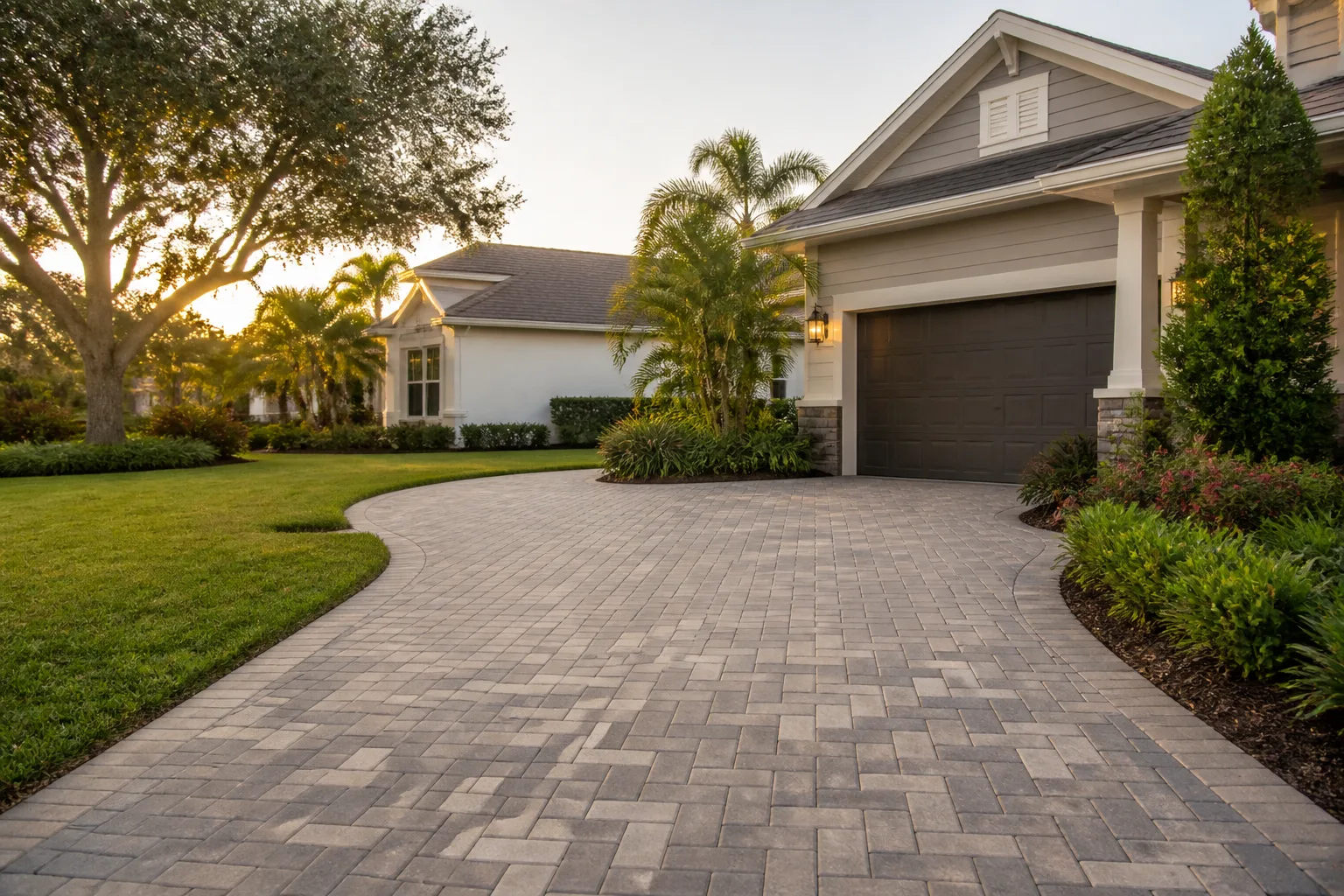
| Paver driveway installation | $7,000-$18,000 |
| Driveway sealing | $250-$700 |
For reference, a full Driveway & Pavers in Berkeley project can also include permeable or paver options when that fits the lot better than poured concrete. Projects over $10,000 qualify for $1,000 off, and 0% financing for 18 months is available.
What Happens If It Cracks Anyway?
Concrete cracks. The question is whether it cracks from normal curing shrinkage – which is expected and managed with control joints – or from a bad base, the wrong thickness, or a mix that couldn’t handle the clay. That second kind is a workmanship issue, and it shouldn’t land on your maintenance budget.
Every Groundwork driveway is covered by the 730-Day Done Right Promise. If cracking appears in your Berkeley driveway within two years under normal use conditions, our workmanship warranty covers the assessment and the repair, not your wallet. Built to last, backed in writing is the whole point of spelling that out.
FAQs
It’s the minimum, not the universal answer. Four inches works for a passenger car on a flat lot with a properly compacted base and stable soil. In Berkeley’s clay flatlands or on a hillside grade, 5 to 6 inches with reinforcement is the better spec. Call (855) 471-4163 for an exact assessment of your lot – estimates are free.
Concrete driveway installation in Berkeley runs $4,500 to $12,000, and full replacement is $5,000 to $14,000. The range depends on square footage, base depth, and whether the spec calls for rebar or fiber reinforcement. Call (855) 471-4163 for an exact quote built from your actual site.
It depends on the grade and the soil. Hillside Berkeley driveways with tight-turn or steep-grade parking usually call for #4 rebar at 18-inch centers, while fiber-reinforced mix is a cost-efficient way to reduce micro-cracking on expansive clay subgrade without adding thickness. We’ll tell you which one your lot needs after looking at it.
A 4-inch slab poured on unprepared clay without reinforcement or a thickened edge is likely to crack within 5 to 7 years, regardless of who pours it. A properly specced and based driveway largely avoids that failure mode. Call (855) 471-4163 and we’ll look at the base under your existing driveway before recommending a fix.
Get Your Berkeley Driveway Spec Right the First Time
If you’d rather have it looked at, Groundwork Construction Co. of Berkeley offers a no-pressure assessment in Berkeley – call (855) 471-4163. We’ll look at the grade, the soil, and what’s actually going to park there, then put the right spec and an upfront price in writing. Each project is backed by the 730-Day Done Right Promise.
Written by the team at Groundwork Construction Co. of Berkeley, serving Berkeley, CA.