Free written scope consultation - allowances, timeline, and change-order rules on paper before a single trade is scheduled
Styles & brands we work with
- Kitchen remodeling
- Bathroom remodeling
- Home additions & ADU
- Roofing
- Windows & doors
- Driveway & pavers
- Fence
See the difference
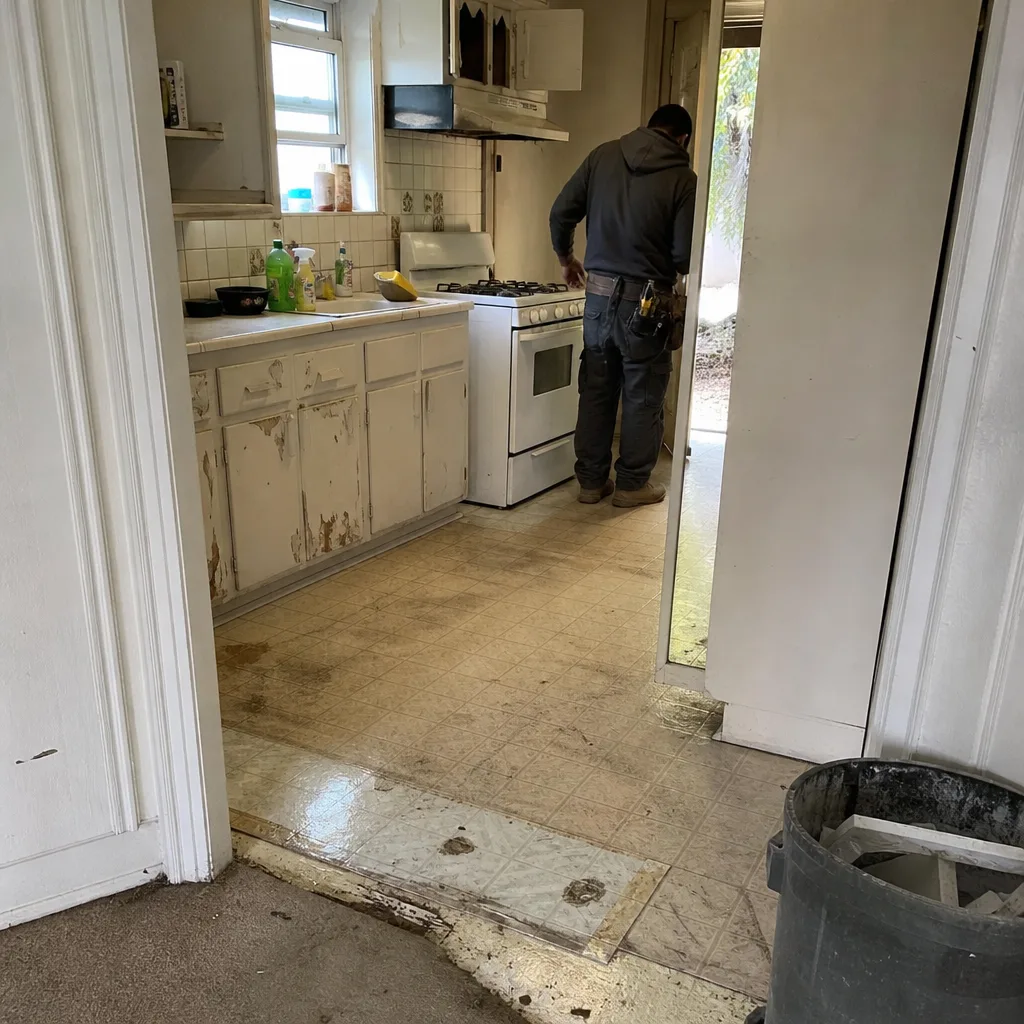 Before
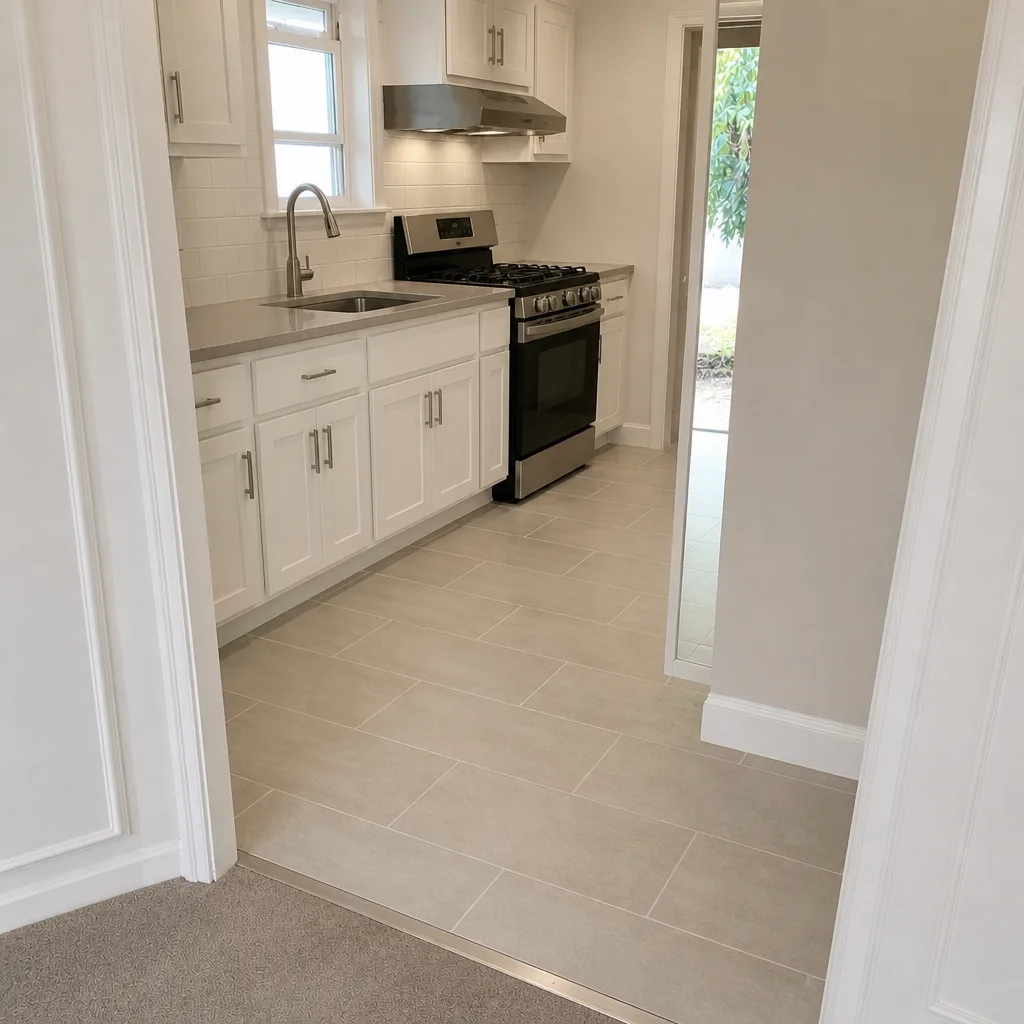 After
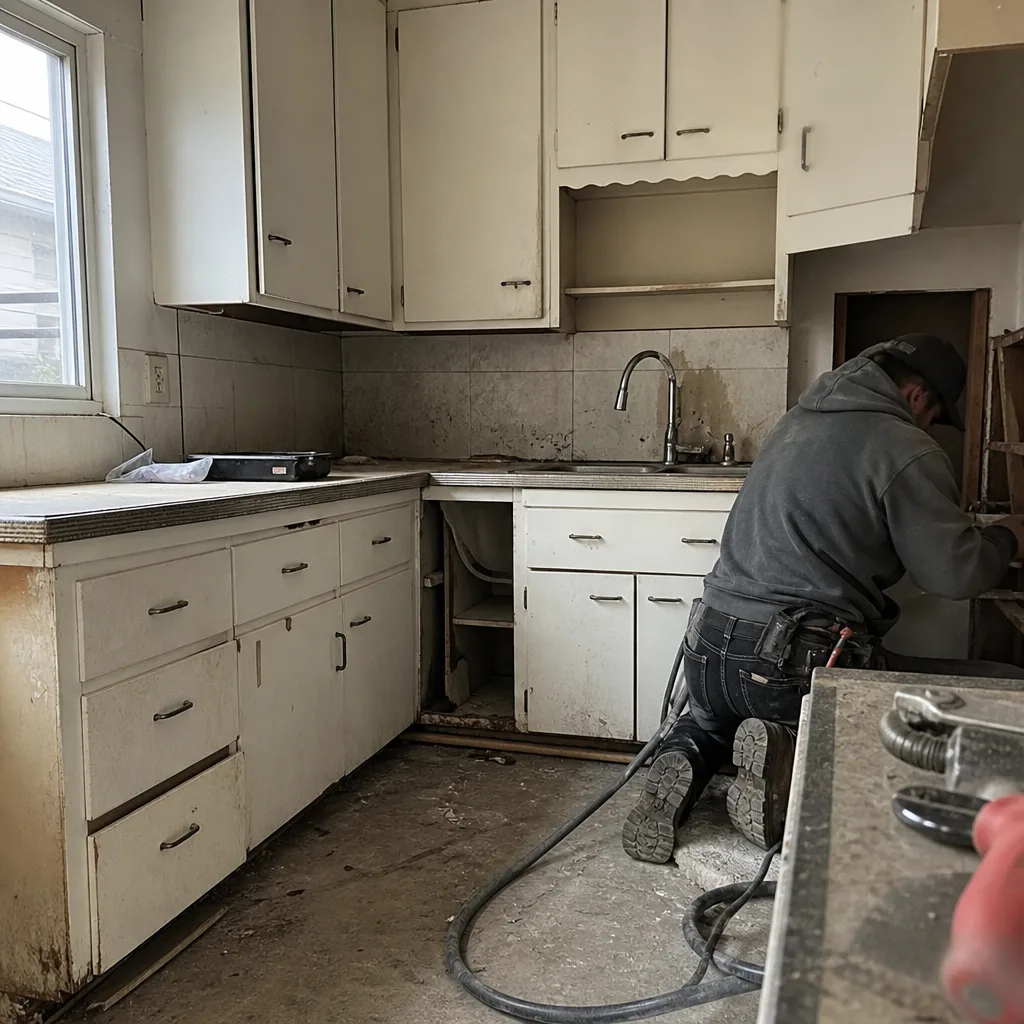 Before
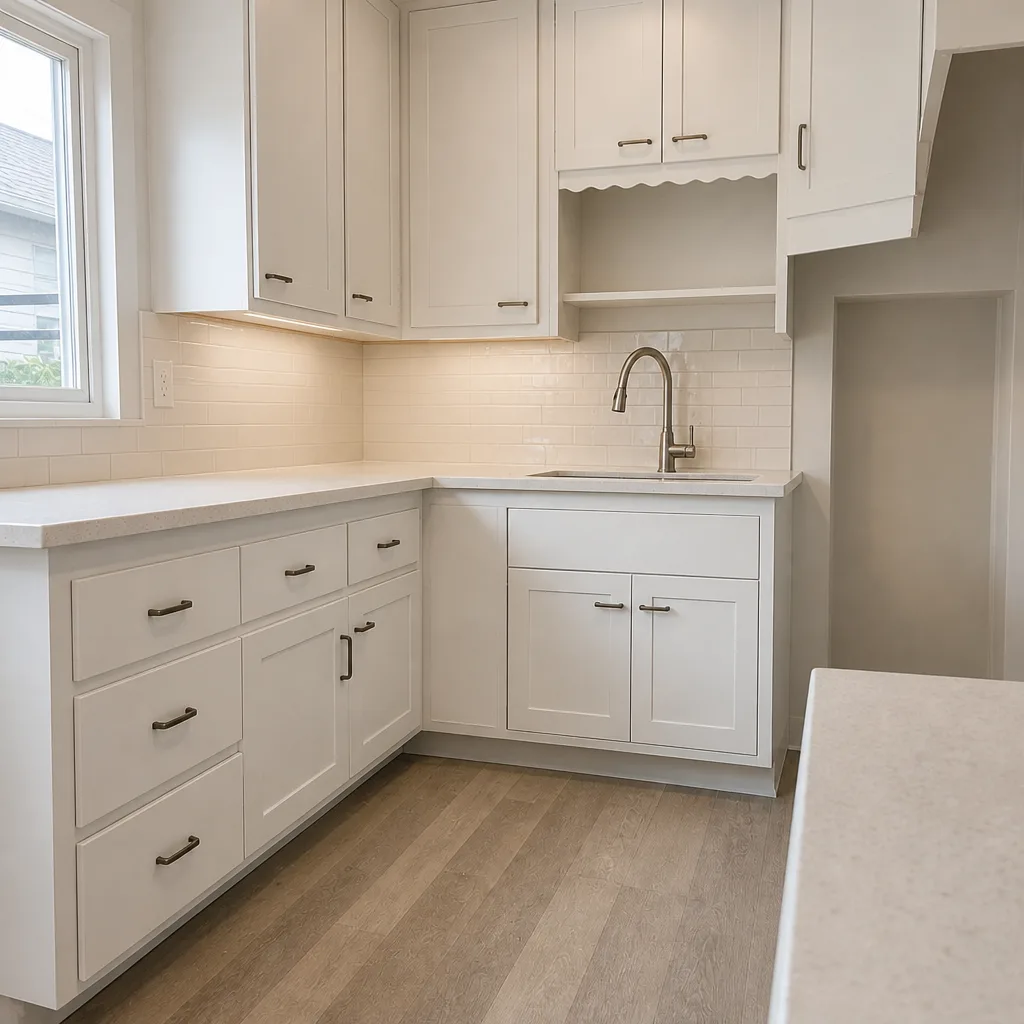 After
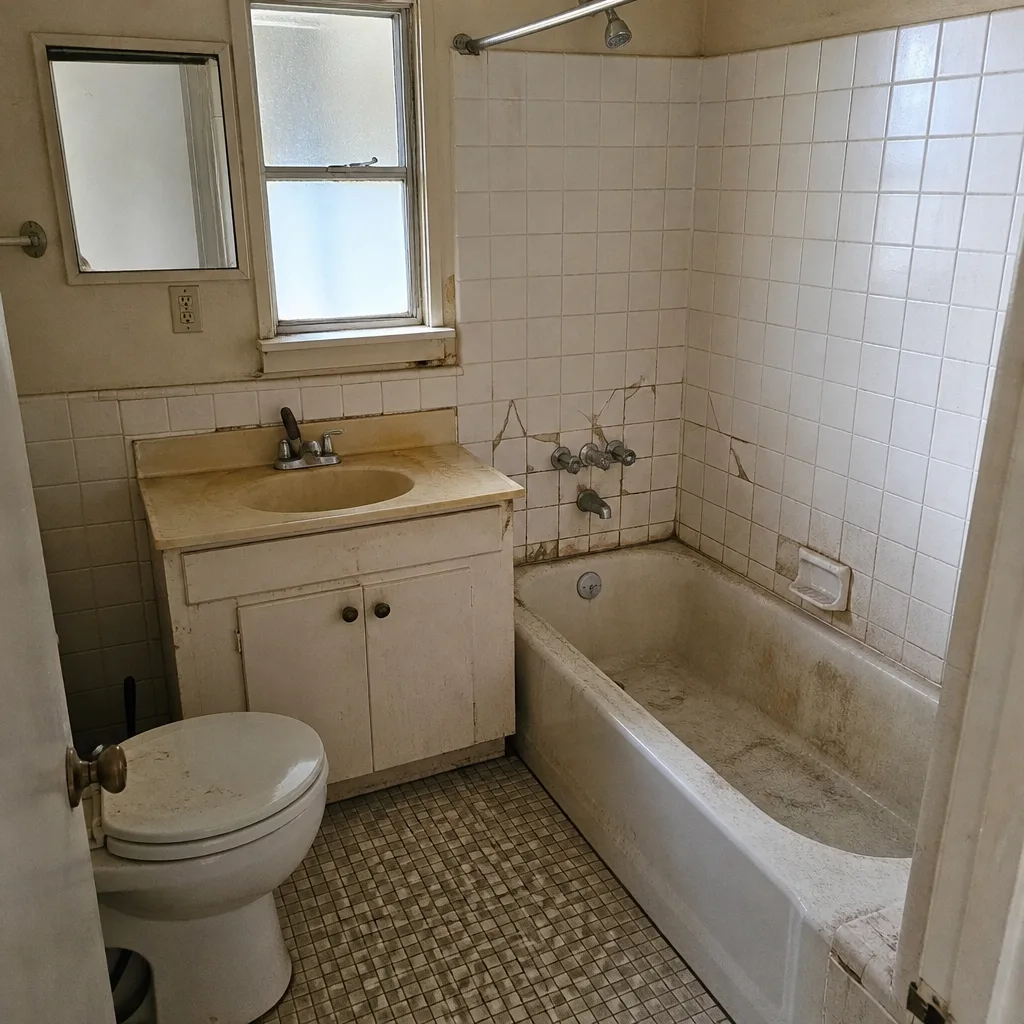 Before
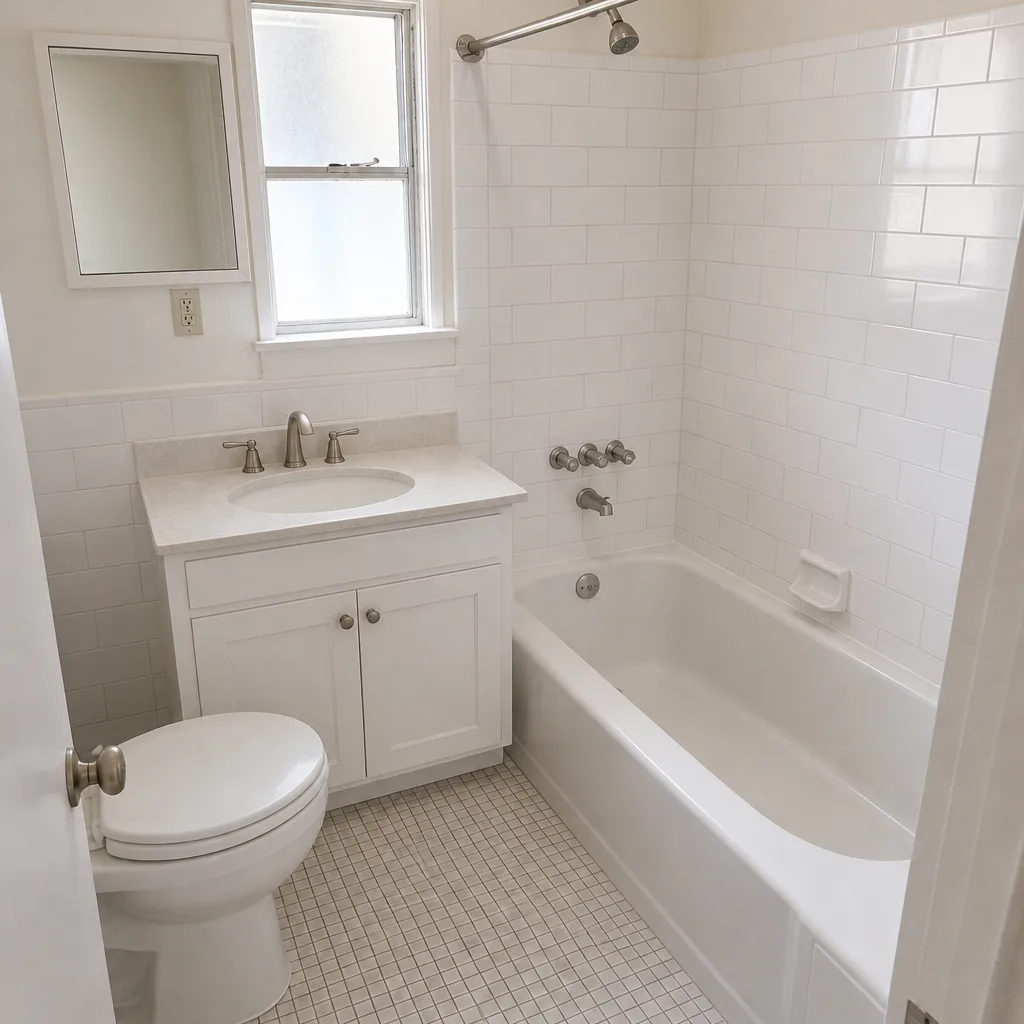 After
# Berkeley ADU Setback Requirements: What Actually Limits Your Build
California law sets a 4-foot minimum rear and side setback for new detached ADUs, and Berkeley can’t require more than that for qualifying new-construction units under 800 square feet. But that state floor isn’t the number that decides your project. On a typical Berkeley hillside lot, creek-protection setbacks, fire separation between structures, and hillside slope rules routinely override it and can cut your buildable envelope down to a sliver. That gap between “the state says 4 feet” and “the survey says you can’t build there” is where most ADU plans stall. If your lot has a creek at the back, call (855) 471-4163 and we’ll walk the constraints with you.
## What the 4-Foot Rule Actually Guarantees in Berkeley
Start with what the state preempts. For a new detached ADU under 800 square feet with a roof height topping out around 16 feet, Berkeley can’t impose a rear or side setback greater than 4 feet. That’s the whole point of the ADU streamlining statutes – they exist to stop cities from burying small backyard units in setback requirements that make them impossible to place.
What the statute does not do is erase the other constraints. It governs zoning setbacks only. It doesn’t waive fire separation between buildings, creek protection, grading rules, or floodplain review. And it only protects new construction. A conversion of an existing non-conforming garage plays by different rules, because you’re changing the use of a structure that already sits where it sits.
So the honest reading is this: 4 feet is your starting point, not your answer.
## Why Berkeley Hillside Lots Shrink the Buildable Area
Berkeley’s hillsides are where setback math gets interesting, and not in a good way.
### Creek-protection setbacks under the Creeks Ordinance
The city’s Creeks Ordinance establishes protection zones measured from the top of the bank, typically 20 to 50 feet depending on the waterway and its condition. Strawberry, Codornices, and Temescal creeks all run through residential neighborhoods, and plenty of backyards back directly onto them. If your lot touches one of these corridors, an ADU near the rear yard triggers a separate zoning review outside the standard building permit process. That review can eliminate the most natural spot for a backyard unit.
### Fire separation in the wildland-urban interface
Berkeley’s hills burned in 1991, and the fire-resistant construction requirements that followed are still in force. Between the ADU and the main house, you have two paths: hold 10 feet of separation, or build 1-hour fire-rated walls. Ten feet often isn’t available on a narrow lot, especially when the neighbor’s garage sits 6 feet off the property line. Fire-rated construction is usually the workable answer – but it’s a real cost, and it functions as a setback the state’s 4-foot rule doesn’t override.
### Slope, grading, and geotech
Hillside Development Regulations apply to lots with slopes steeper than 15%, which describes a lot of the Berkeley hills. They bring grading, drainage, and retaining-wall requirements, and they change where a foundation can go without a soils report and geotech review. On the steepest lots, the flattest patch you have may be the last place the rules will let you dig.
## Conversions vs. New Construction: Different Rules, Different Math
This is the distinction that catches people. A new detached ADU under 800 square feet gets the state’s streamlined 4-foot setback protection. A garage conversion doesn’t necessarily, because you’re not creating a new footprint – you’re changing what an existing, often non-conforming structure is used for.
Berkeley’s early-1900s housing stock is full of detached garages that sit close to property lines or were built before current codes. Converting one is often cheaper and faster than building new (garage conversions typically run $30,000-$80,000 here, against $90,000-$220,000 for new detached construction). But the setback question shifts to whether the existing non-conformity is allowed to remain and what upgrades the conversion triggers.
And a conversion on an older Berkeley property has a way of pulling in more than you planned. In the Elmwood and North Berkeley flatlands, pulling a permit regularly uncovers original redwood framing that’s still sound but needs upgrading to current shear-wall and anchor-bolt standards – often triggering a full seismic retrofit once you’re in the walls.
## What an ADU Project Actually Costs in Berkeley
The range for a full ADU project here runs $45,000-$130,000 for an addition-scale build, and $90,000-$220,000 for a true detached ADU. Setback and site work are a big reason that spread is so wide. A flat lot with room to spare prices very differently from a hillside lot that needs retaining walls and fire-rated assembly.
| Project type | Typical range |
| - | - |
| Home addition | $45,000-$130,000 |
| Detached ADU construction | $90,000-$220,000 |
| Garage conversion | $30,000-$80,000 |
The number that matters early is the buildable envelope, because everything else follows from it. A bid built on an optimistic assumption about setbacks is a bid that changes once the survey and zoning review come back.
## How Groundwork Reads a Berkeley Lot Before We Draw
We map the constraints before a single line gets drawn. That means plotting creek protection zones, fire separation in the WUI, and slope classification, then comparing what’s left against what you actually want to build. Our technicians have up to 12 years of experience working on Berkeley’s century-old homes, and we know how often the setback question turns into a foundation question.
Material choices hold up on the long horizon. We work with trusted partners like Barrette and Ameristar for the fencing and site details that often come with an ADU, and every project is backed by our 730-Day Done Right Promise – if it’s not done right, we make it right. Pricing is upfront before work begins, with 0% financing for 18 months and $1,000 off projects over $10,000.
If you’re planning the build, our home page lays out how we work, and the full Home Additions & ADU page covers design, permitting, and build in detail.
## Common Berkeley Scenarios We See
– The creek-lot backyard. A North Berkeley lot backing onto Codornices Creek, where the rear third of the yard is inside the protection zone and the only flat ground sits right at the edge of it.
– The tight side yard. A hillside lot where the neighbor’s garage is 6 feet off the line and 10-foot fire separation isn’t possible, so the ADU needs fire-rated assembly on one wall.
– The pre-1940 garage. A brown-shingle property in the flats where a garage conversion makes sense – until the permit uncovers knob-and-tube wiring and a foundation that needs work first.
## FAQs
### Do ADU setback requirements in Berkeley override state law?
No – for new detached ADUs under 800 square feet, state law caps rear and side setbacks at 4 feet and Berkeley can’t require more. Creek protection, fire separation, and hillside rules are separate from zoning setbacks, so they can still constrain placement even though the 4-foot rule stands. Call (855) 471-4163 if you’re unsure which rules apply to your lot.
### How close can an ADU be to my house in Berkeley?
You can either hold 10 feet of separation or build 1-hour fire-rated walls between the ADU and the main house. On tight lots, fire-rated construction is usually the practical answer. A walkthrough tells you which fits your property – call (855) 471-4163 for a free estimate.
### Does a creek on my property block an ADU?
Often it limits placement rather than blocking the project entirely. Berkeley’s Creeks Ordinance sets protection zones typically 20 to 50 feet from the top of the bank, and an ADU inside that zone needs a separate zoning review. The sooner that review starts, the better your design options.
### Is it cheaper to convert my garage or build a new ADU in Berkeley?
A garage conversion usually costs less – $30,000-$80,000 versus $90,000-$220,000 for new detached construction – but the rules differ, and older structures can need seismic or electrical upgrades once the permit is pulled. Call (855) 471-4163 for an exact quote on your property; estimates are free.
If you’d rather have it looked at, Groundwork Construction Co. of Berkeley offers a no-pressure assessment in Berkeley – call (855) 471-4163.
Written by the team at Groundwork Construction Co. of Berkeley, serving Berkeley, CA.