Free written scope consultation - allowances, timeline, and change-order rules on paper before a single trade is scheduled
Styles & brands we work with
- Kitchen remodeling
- Bathroom remodeling
- Home additions & ADU
- Roofing
- Windows & doors
- Driveway & pavers
- Fence
See the difference
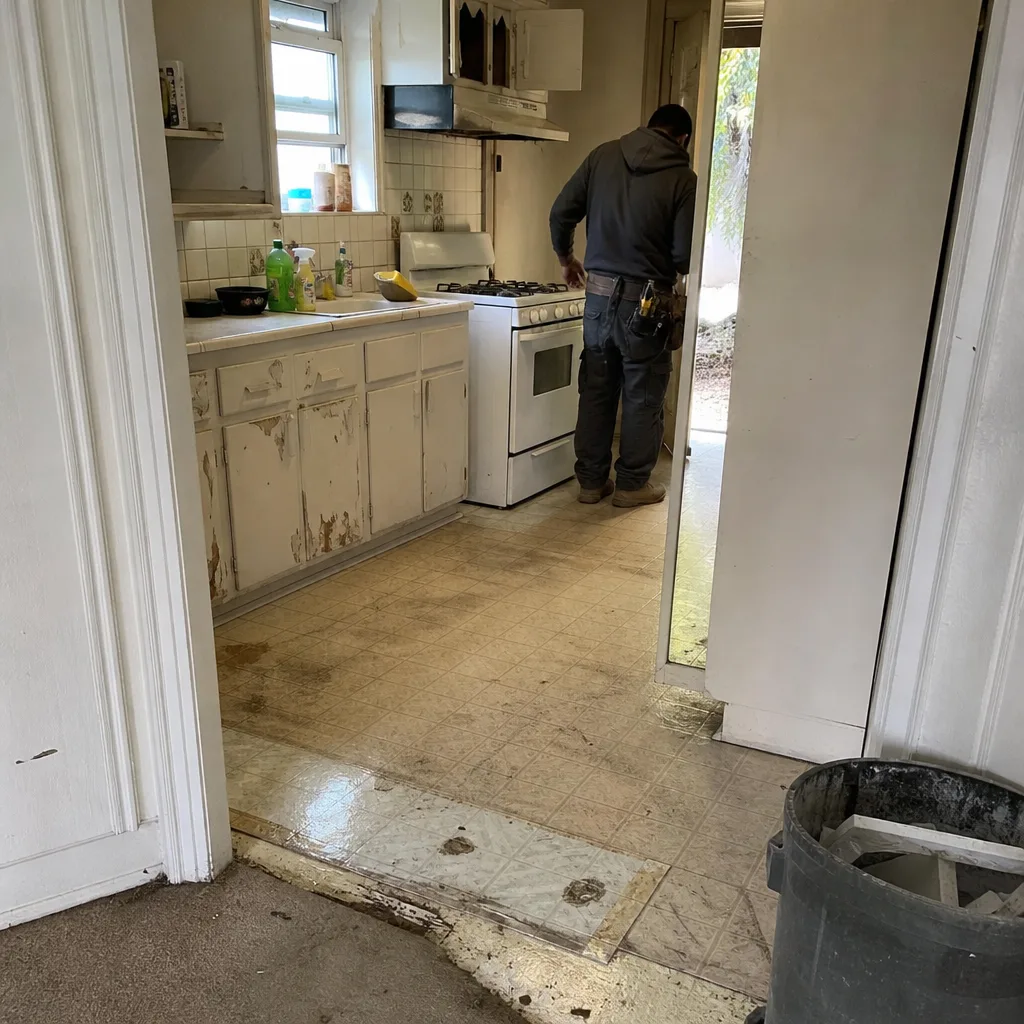 Before
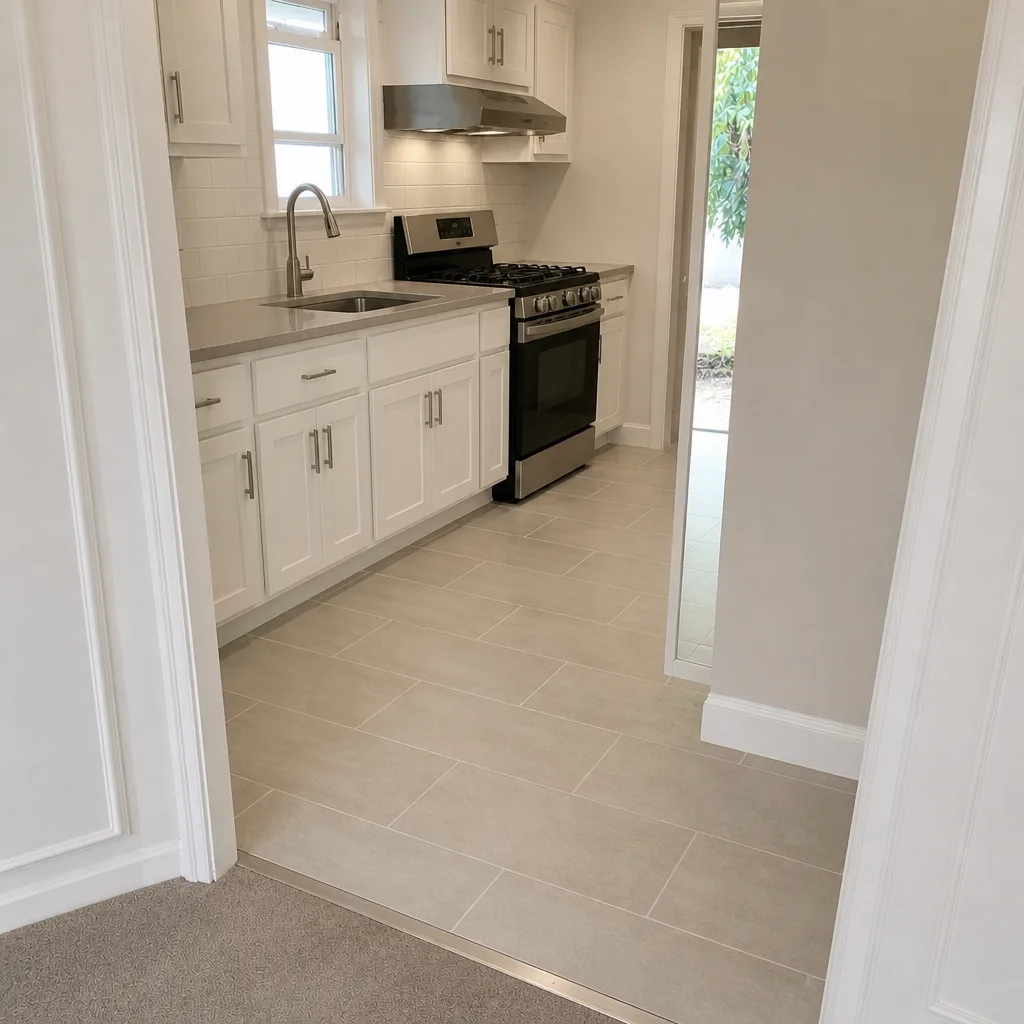 After
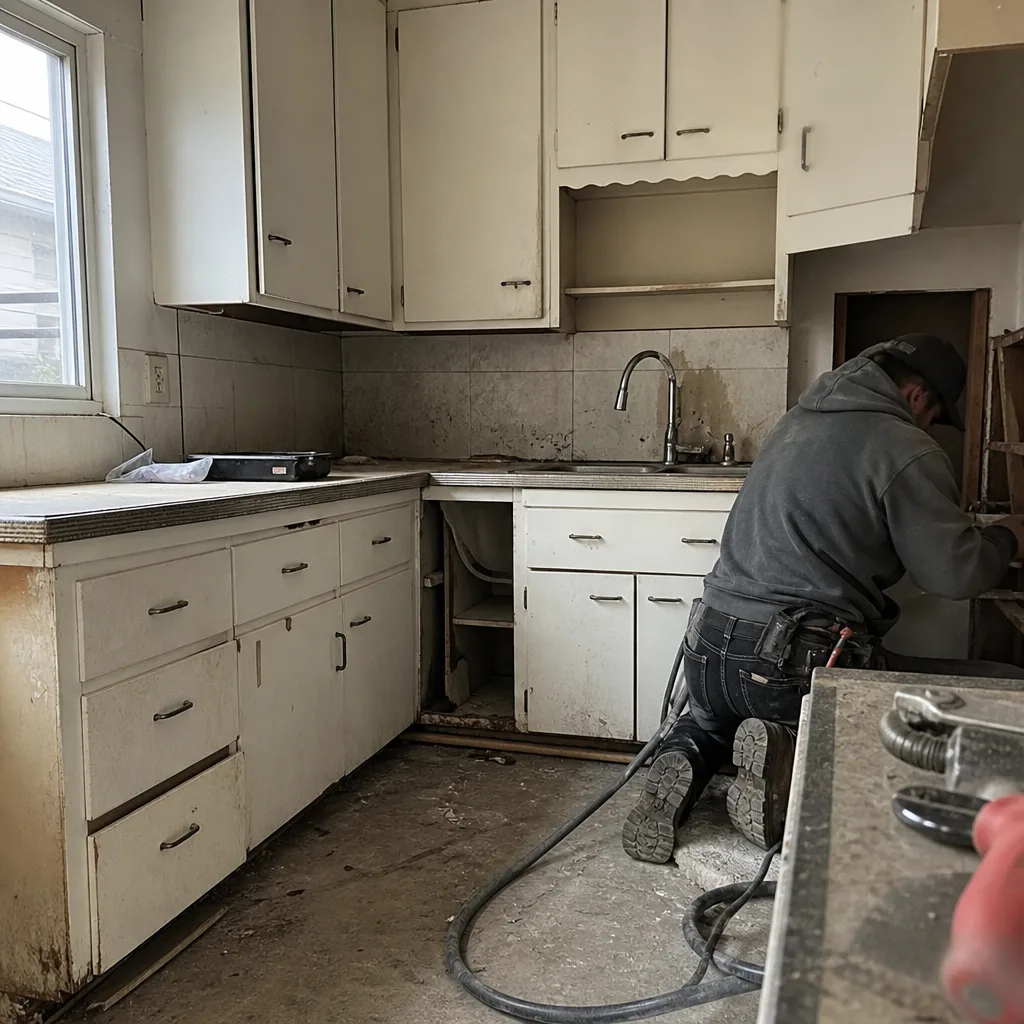 Before
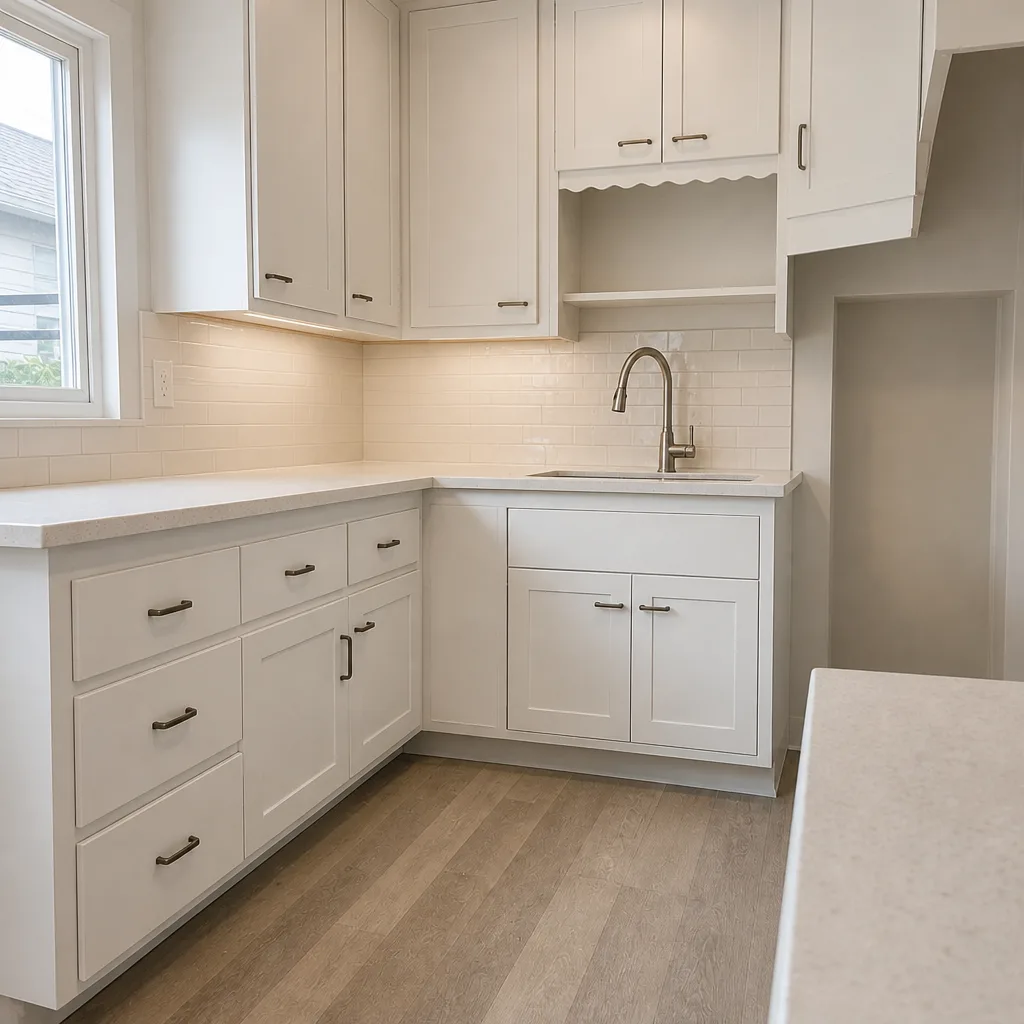 After
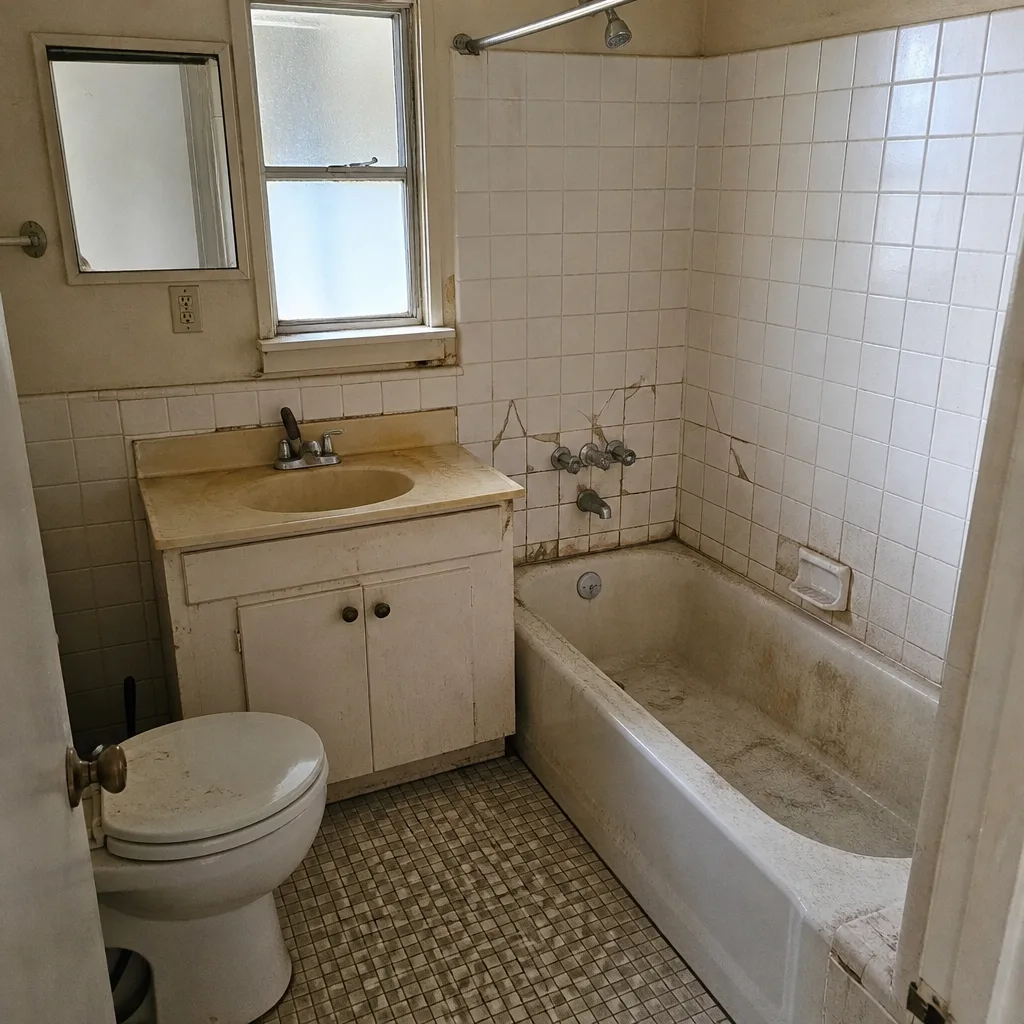 Before
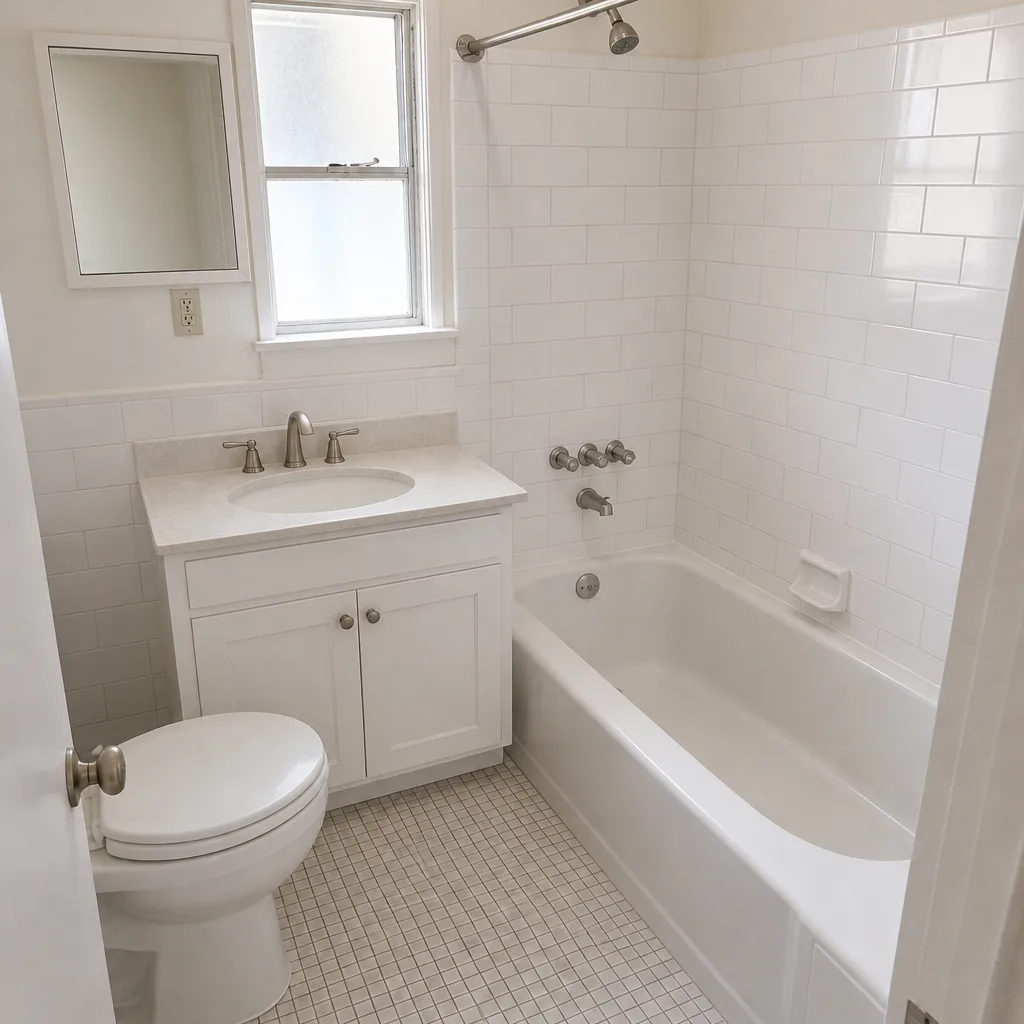 After
Asphalt vs Concrete Driveway in Berkeley, CA: Choose Concrete in the Hills, Asphalt Only on the Flatlands With Drainage
If your driveway sits in Berkeley’s hills, choose concrete. Asphalt is a petroleum product, and in a wildfire it doesn’t just fail, it burns, adding fuel load and potentially cutting off the route you’d use to evacuate. Concrete is non-combustible and lines up with CAL FIRE’s Very High Fire Hazard Severity Zone guidance for hardscape. On the flatlands, where Measure M stormwater rules apply, asphalt can still pencil out if you handle runoff. For a straight answer on your lot, call (855) 471-4163 and we’ll walk it with you.
Why the Hills Change the Whole Calculation
Most asphalt-versus-concrete articles treat this as a beauty-and-budget contest. In Berkeley, it’s a fire-behavior question first. The 1991 Oakland-Berkeley Hills firestorm destroyed roughly 3,000 structures, and a lot of what fed it was ordinary residential material: wood shingle roofs, decks, and yes, asphalt surfaces. When a wind-driven ember front moves through the hills, an asphalt driveway is another combustible surface in the path. Concrete isn’t.
There’s a second hills problem most comparisons skip. Asphalt softens under sustained heat. Berkeley’s hills regularly push past 90°F during Diablo wind conditions, which is precisely the scenario that precedes wildfire ignition. A driveway that gets spongy and rutted right when you need it to stay solid is a liability you don’t want to discover on the worst day. Concrete holds its structural integrity through that heat.
Insurance is where the two materials separate in dollars and cents. Carriers writing policies in the Very High Fire Hazard Severity Zone increasingly look at hardscape and defensible-space choices. A non-combustible driveway doesn’t just look safer on paper, it often reads better to an underwriter. That’s a conversation worth having before you pour, not after.
What Concrete Actually Costs in Berkeley, and Why the Math Flips
Concrete runs roughly two to three times asphalt per square foot up front. That gap looks enormous on a bid sheet. On Berkeley’s hillside lots it shrinks fast, for two reasons: steep grades make asphalt placement and long-term maintenance harder, and fire-safe material expectations make asphalt a harder sell at resale. Here’s how the day-one numbers stack up:
| Material | Typical Berkeley range | Fire behavior |
|---|---|---|
| Concrete driveway installation | $4,500-$12,000 | Non-combustible, holds up to heat |
| Asphalt driveway paving | $3,500-$9,000 | Combustible, softens above 90°F |
| Paver driveway installation | $7,000-$18,000 | Non-combustible, best curb appeal |
| Driveway replacement (full tear-out) | $5,000-$14,000 | Depends on the new surface |
| Driveway sealing (asphalt upkeep) | $250-$700 | Recurring cost every few years |
That sealing line is the one people forget. Asphalt needs resealing every few years to stay waterproof and hold together, so the “cheaper” material keeps billing you long after the job’s done. Concrete’s higher upfront cost gets spread across a much longer service life, and in the hills it’s frequently offset by lower insurance exposure. When you compare real 10-year cost instead of the day-one quote, concrete is often the better deal on a Berkeley hillside lot.
The Flatlands Are a Different Conversation
Down in the Elmwood and North Berkeley flatlands, the fire argument carries much less weight. There, asphalt stays a viable, budget-friendly option. The catch is water. Berkeley’s urban runoff management rules mean impermeable asphalt without drainage mitigation can trigger a stormwater compliance review, and Measure M funding programs back that enforcement. So “asphalt is cheaper” holds up only if you plan the drainage: grading, swales, or permeable sections that move water off the slab rather than into a neighbor’s crawlspace.
One thing we run into on older flatland properties: when we pull a permit for a driveway replacement, it’s not unusual to uncover original redwood framing or a foundation that needs attention once the surface comes up. Century-old Craftsman bungalows and brown-shingle Berkeley boxes are wonderful, but their site work rarely matches what the surface suggested. We scope for that up front so the number you see is the number you pay.
How We Actually Compare the Two for You
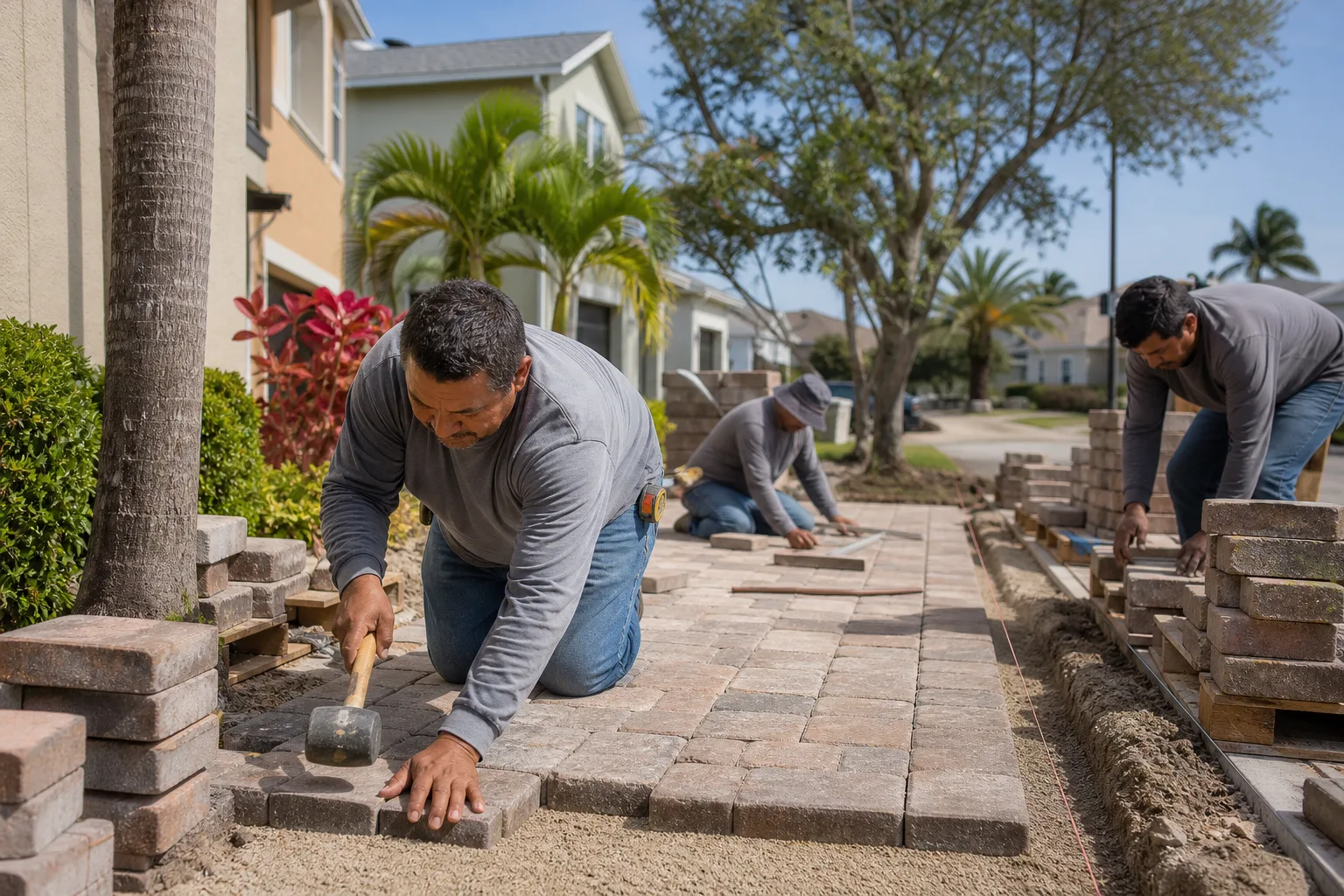
Groundwork Construction Co. of Berkeley walks homeowners through this as a side-by-side, not a sales pitch. Our technicians have up to 12 years of experience with driveways, pavers, and the site grading that goes underneath them. Every job is covered by our 730-Day Done Right Promise: if it’s not done right, we make it right. And when you call, a live person answers, 24/7, not a voicemail box that waits until Monday. We handle Driveway & Pavers across Berkeley and the surrounding hills, and we bring the same fire-aware lens whether we’re pouring concrete or setting pavers.
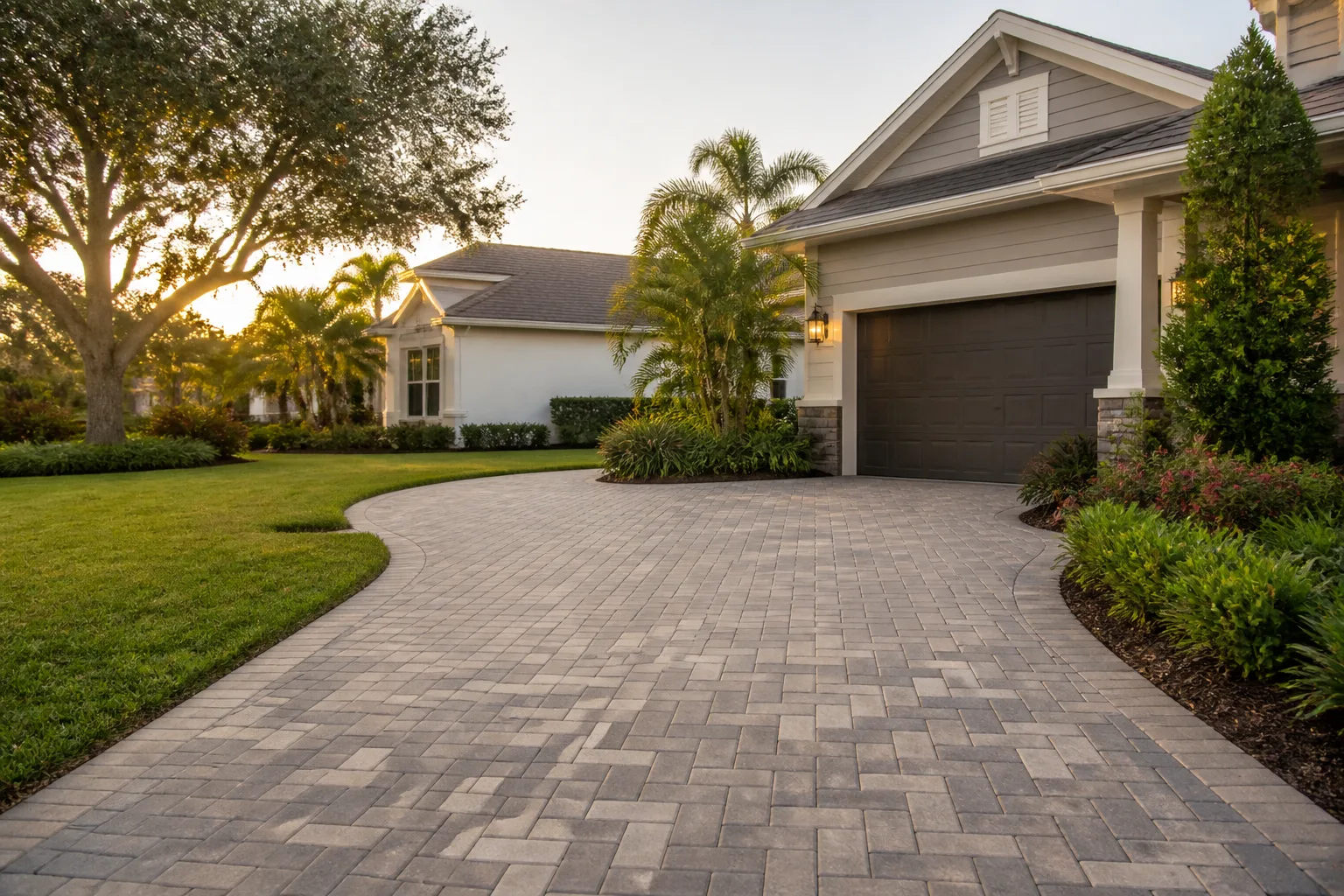
When pavers are in the mix, we work with brands like Belgard and Master Halco for edge restraint and hardscape detail, so the finished system holds its line on a slope for years, not seasons. Here’s how we frame the decision for most Berkeley homeowners:
- Hills, Very High Fire Hazard Severity Zone: Concrete or pavers. Asphalt is a fire and insurance liability you don’t want to take on.
- Hills, steep grade: Concrete or pavers. Asphalt’s maintenance load climbs with the slope.
- Flatlands with drainage planned: Asphalt is a real budget option. We design the runoff before we quote.
- Flatlands, resale or long hold: Concrete or pavers pay back over time and skip the reseal cycle.
For a broader look at the material options, grading, and the products we install, see our Driveway & Pavers service line, and for the full picture of how we work go to the home page.
FAQs
Concrete is a rigid, non-combustible surface that resists heat and meets fire-safe hardscape expectations in the Berkeley Hills; asphalt is a flexible petroleum-based surface that’s cheaper up front, softerens under sustained heat, and burns under wildfire conditions. In a Very High Fire Hazard Severity Zone, that difference is the deciding factor for most homeowners.
Asphalt driveway paving runs about $3,500-$9,000 in Berkeley, while concrete driveway installation runs about $4,500-$12,000. The asphalt number looks lower, but resealing every few years adds up, and in the hills a non-combustible surface often reduces insurance exposure. Call (855) 471-4163 for an exact quote on your lot; estimates are free.
For most hills properties, yes. Concrete’s higher upfront cost is offset by a longer service life, no reseal cycle, lower fire risk, and better insurance treatment in the Very High Fire Hazard Severity Zone. We’ll run the real 10-year numbers with you before you commit. Call (855) 471-4163 and we’ll walk your lot.
Full driveway replacement runs about $5,000-$14,000 depending on the tear-out and grading required. On older Berkeley properties we always scope for what’s under the old surface before quoting. Groundwork offers upfront pricing with no surprises, plus 0% financing for 18 months and $1,000 off projects over $10,000, so you can compare the real cost of each option. Call (855) 471-4163 for a free estimate.
If you’d rather have it looked at, Groundwork Construction Co. of Berkeley offers a no-pressure assessment in Berkeley. We’ll walk the grade, note the drainage, and tell you straight whether concrete or asphalt belongs on your lot. Call (855) 471-4163 for a free estimate.
Written by the team at Groundwork Construction Co. of Berkeley, serving Berkeley, CA.