
5 Mistakes to Avoid With Driveway & Pavers
Four of the five most common paver failures in the East Bay start below the surface. That means by the time you see the problem, the mistake was made months earlier and by then it’s always more expensive to fix. If you’d rather not gamble on getting the base right yourself, call (855) 471-4163 and we’ll take a look.
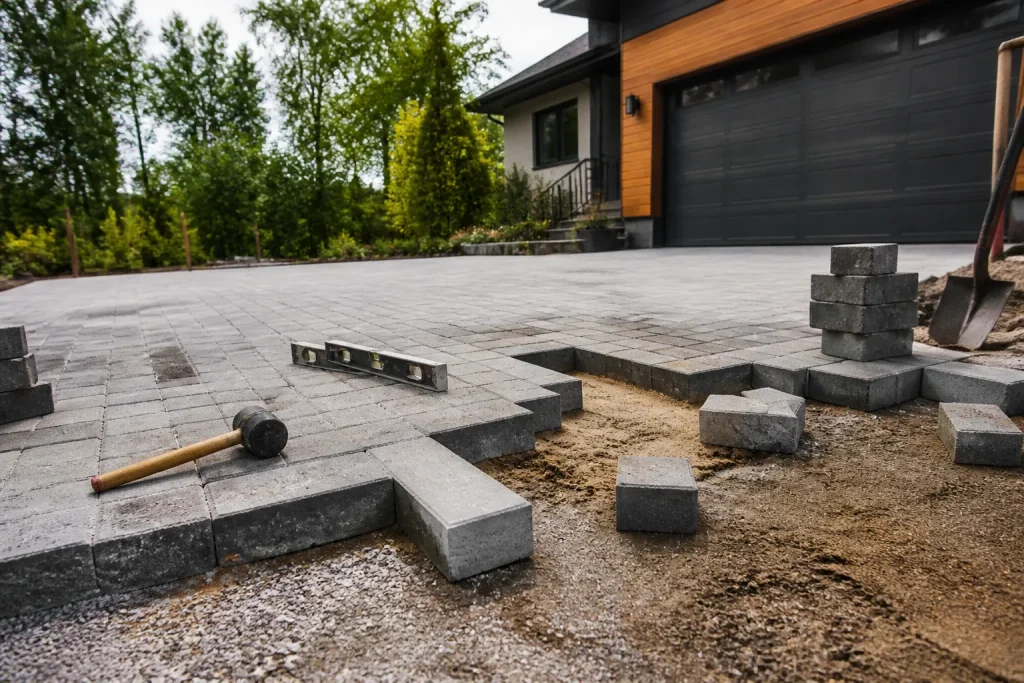
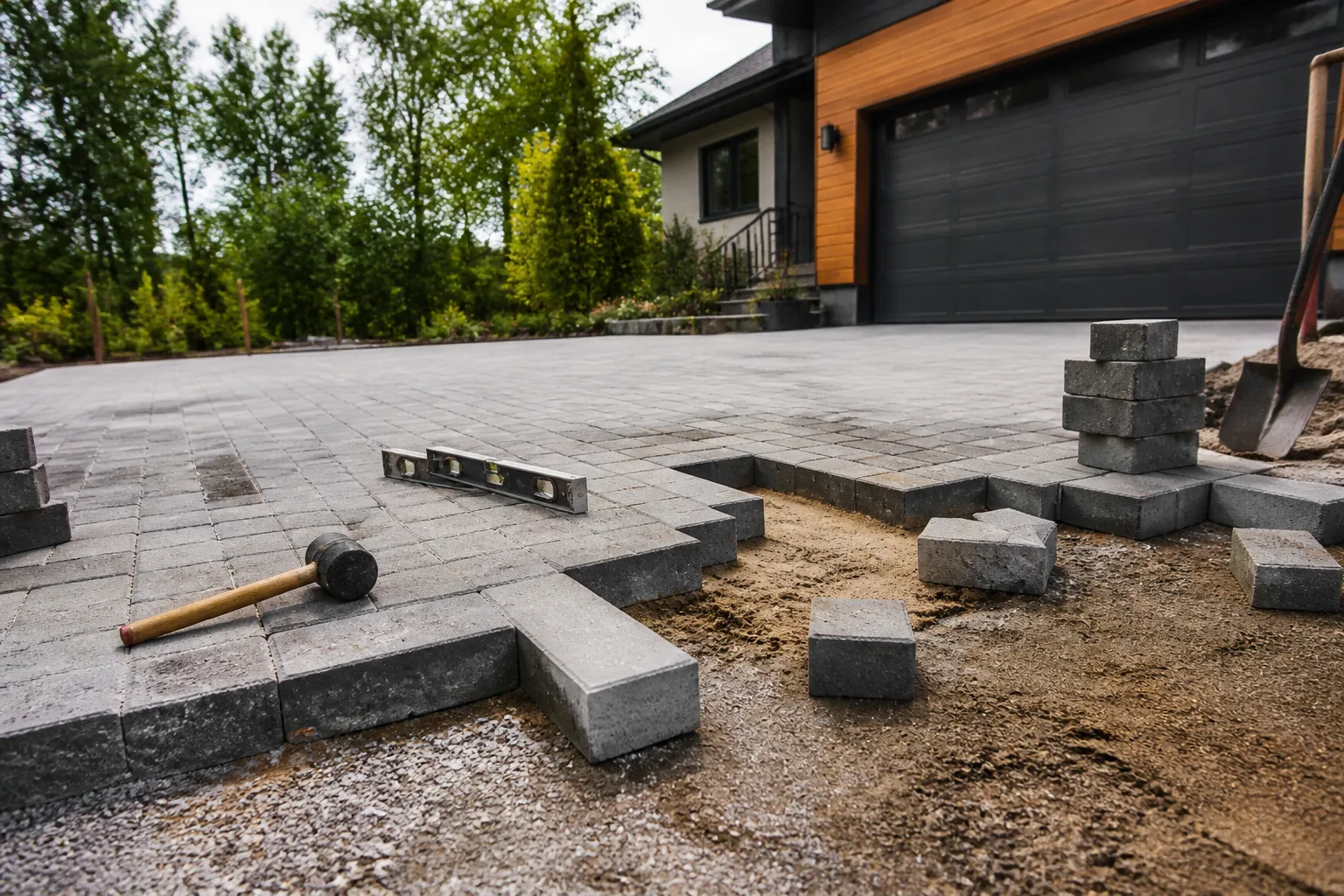
We build and repair driveways around here for a living, and the same issues come back again and again. None of them are about picking the wrong color stone. They’re about what happened before the first paver went down.
Why do so many Berkeley paver driveways fail early?
Most early failures trace back to one thing: treating Berkeley soil like it’s the same as soil anywhere else in California. It isn’t. If a contractor shows up with a one-size-fits-all base depth and starts compacting, you’re already on a clock.
Berkeley sits on clay-heavy ground in a lot of neighborhoods, and clay does two ugly things when water gets into it. It swells, then it shrinks. A base that stays put in a drier inland climate can move a half inch or more each wet season under a driveway here. Stack a few seasons of that on top of each other and you get the wavy, rutted pavers you’ve probably driven over on a street near you.
The fix isn’t secret. It’s a soil check before the build and a base depth that matches what the soil actually needs. Sometimes that means excavating deeper and bringing in a proper aggregate base; sometimes it means extra compaction passes. Either way, it’s decided before a single paver is set, and it’s the first thing we look at when someone calls us about a sunken driveway in Berkeley.
What happens when edge restraint is done as a shortcut?
Edge restraint is the hidden failure mode nobody talks about, and it’s almost always a contractor shortcut. It’s the border that locks your paver field in place at the perimeter. Skip it, install it too shallow, or glue it to nothing solid, and the whole field starts to spread outward.
At first you won’t notice. Then the pavers at the edge separate, joint sand washes out, and the driveway starts to sag at the sides. Once the field has spread, repairing it means pulling up the perimeter and rebuilding the lock, which costs far more than doing it right the first time.
Here’s what to watch for:
- Visible movement at the border. If edge pavers rock when you step on them, the restraint isn’t holding.
- Wide joints around the perimeter. Gaps that keep widening are the field spreading, not normal settling.
- A border that’s just pavers on soil. Proper restraint is a physical edge anchored into the base, not a decorative row sitting loose.
Berkeley has real foot and vehicle traffic on most driveways, and the edge takes the worst of it every time a car noses in. This is one of those details that never gets mentioned in a low bid, because the bid is low for a reason.
Why does drainage grading cause so many driveway problems in Berkeley?
Drainage grading errors are the expensive ones, because once water is headed the wrong way, it stays headed the wrong way until someone rebuilds the surface. The benchmark to know: your driveway surface should slope away from the house at a minimum of about 2%, roughly a quarter inch of fall per foot.
We’ve seen driveways pitched straight into a foundation, and the result isn’t subtle. Water pools at the wall, gets under the slab or the pavers, and starts working on whatever’s below. Combine that with Berkeley’s wet winters and you’ve got a recipe for frost heave, settling, and water in places it should never reach.
The grading has to account for the whole site, not just the driveway pad. That means slope direction, where runoff lands, and whether a French drain or channel drain needs to be part of the plan. If a proposal doesn’t mention drainage at all, that’s a flag. Ask where the water goes before you sign anything.
Should you hire a paver contractor on price alone in Berkeley?
No, and Berkeley makes it easy to check why. The city’s inspection records are public, and they show which contractors routinely fail base compaction inspections. That’s the part most homeowners never look at, and it’s the single best way to separate a real builder from a low bid.
Compaction isn’t glamorous. It’s plate tampers and water, done in lifts, and verified. A contractor who fails compaction inspections is one who’s skipping time on the base to protect a thin margin. You’ll pay for that decision in three or four years when the pavers start to settle.
A few things we’d check before hiring anyone in Berkeley:
- Pull their permit history. Failed base compaction inspections show up in the public record.
- Ask for a written scope. Base depth, drainage plan, restraint method, and compaction should all be spelled out. “Upfront pricing, no surprises” means the document tells you what you’re paying for.
- Confirm soil handling. A contractor who talks about your specific soil is a contractor who’s built here before.
- Check the warranty. A long written workmanship guarantee tells you they expect the base to hold.
Price matters, but the cheapest bid on a driveway is usually the most expensive one to own.
Why does joint sand stabilization matter in Berkeley’s wet climate?
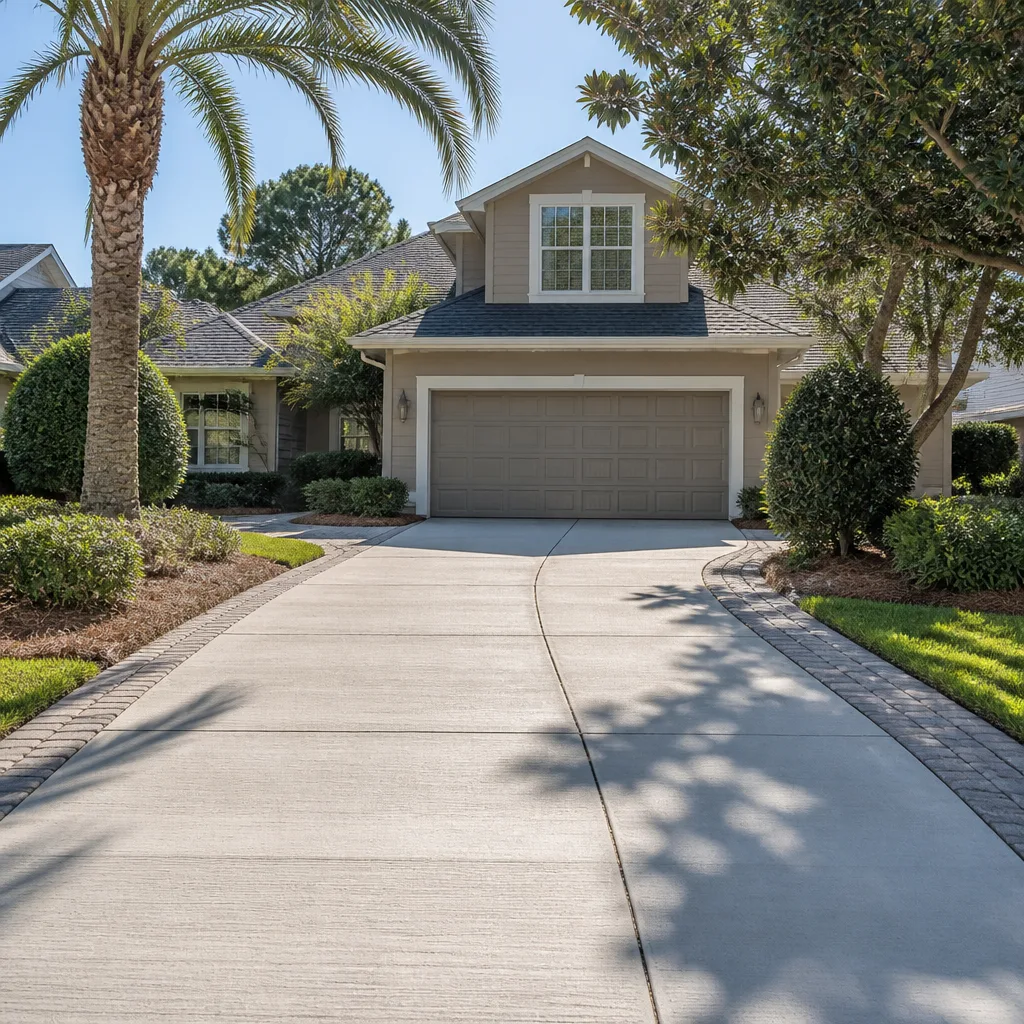
Skipping joint sand stabilization is a mistake that takes a couple of years to show up, and Berkeley’s wet winters make sure it does. Plain sand washes out. Polymeric sand locks the joints, keeps the field tight, and resists water moving through the surface.
What the failure looks like by year three: the joints wear down, sand migrates, pavers start to shift and rock, and weeds move into the gaps. A driveway that should last decades starts looking tired in a handful of seasons.
Polymeric sand isn’t a gimmick. In a region with significant foot and vehicle traffic and rainy seasons, it’s what keeps the joints sealed and the pavers from working against each other. We use it as standard practice, because the alternative is a callback we’d rather not make. When you choose materials, it pays to work with a builder who knows the difference and specifies it up front.
When to call a pro
Some of this you can inspect yourself: rock the edge pavers, look at how water drains after a rain, check the joints for washout. But when it comes to rebuilding a base, re-grading drainage near a foundation, or diagnosing why a driveway is moving, that’s not a weekend project. Get it wrong and you’re redoing the whole surface. If you’re planning a new install or suspect an existing driveway is failing, our Driveway & Pavers in Berkeley page covers how we build one that holds up.
Related services in Berkeley: if your project touches the edges of the driveway, we also handle Fence Installation in Berkeley and Home Additions & ADU in Berkeley. You can see the full range of what we do on the Groundwork Construction Co. of Berkeley home page.
The Bottom Line
Every one of these mistakes gets made before the pavers are laid, and every one of them costs more to fix after the fact. Soil assessment, edge restraint, drainage grading, contractor vetting, and joint sand stabilization are the five decisions that determine whether a Berkeley driveway lasts or starts failing within a few rainy seasons.
We’ve pulled driveways out of garages in Elmwood and Westbrae where the base was never compacted properly to begin with, and the homeowner paid twice for the same square footage. Our technicians have up to 12 years of experience, and every project is covered by our 730-Day Done Right Promise: if it isn’t done right, we make it right. That’s built to last, backed in writing.
If you’re in Berkeley and need help, Groundwork Construction Co. of Berkeley offers free estimates. Call (855) 471-4163 and a live person will pick up, any time, day or night.
Frequently Asked Questions
Most paver driveways in Berkeley land somewhere in the range of $12 to $25 per square foot installed, depending on base depth, drainage work, and the paver you pick. Clay-heavy lots that need deeper excavation and imported base sit at the higher end. Call (855) 471-4163 for an exact quote – estimates are free.
The base should be determined by your soil, and in Berkeley that often means more than the four inches you’ll hear quoted. Clay soils that swell and shrink need deeper excavation and more compaction to stay stable through wet winters. A proper base is compacted in lifts and verified before the pavers go down.
Sinking at the edges almost always means the edge restraint wasn’t installed properly or wasn’t anchored into a solid base. The paver field spreads outward, joint sand washes out, and the perimeter drops. It’s a repair, not a touch-up, so call (855) 471-4163 to get it looked at before the movement spreads inward.
A properly built paver driveway should hold up for decades. The ones that fail in five to ten years usually have a base, drainage, or edge restraint problem rather than a paver problem. Get the construction right and the surface takes care of itself.
Written by the team at Groundwork Construction Co. of Berkeley.
Need Construction Help?
Call Groundwork Construction Co. of Berkeley - licensed & insured, here with fast after-hours help in Berkeley.
(855) 471-4163