Last updated November 18, 2026

Free written scope consultation - allowances, timeline, and change-order rules on paper before a single trade is scheduled
The Complete Fence Installation Guide for Berkeley Homeowners
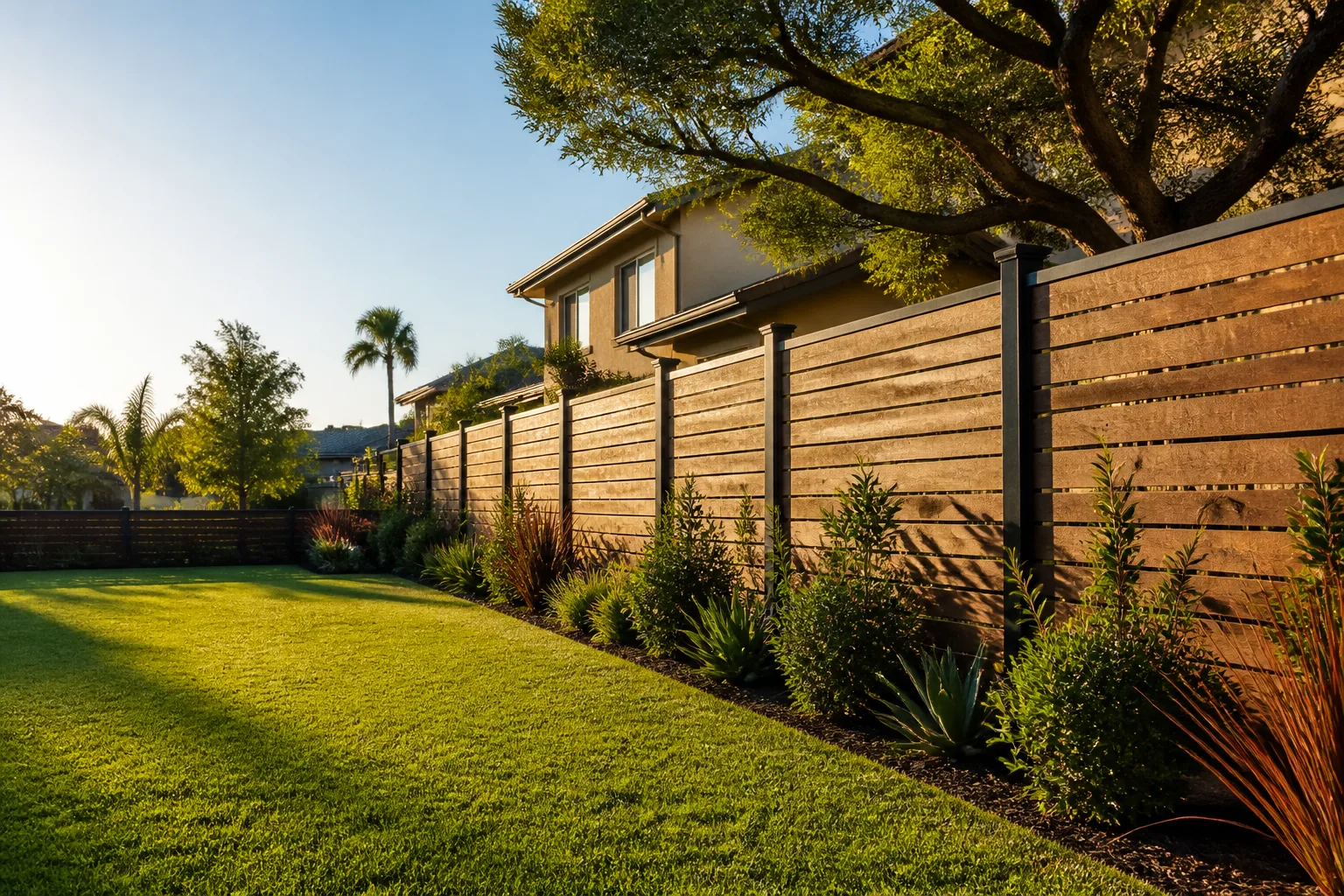
Berkeley has three different fence height limits that apply depending on where on your property the fence sits, what zone you’re in, and whether you’re in a hillside overlay – and none of them are the 6 feet most homeowners assume is the universal standard. Around here, a front-yard fence tops out at 4 feet, a rear-yard fence at 6, and if you’re up in the hills, fire-safe material rules can override both. This guide front-loads the regulatory reality first, then walks through materials, footings, and sloped-lot engineering, so the fence you plan is the fence you’re actually allowed to build in Berkeley.
Quick Answer
Fence installation in Berkeley requires a building permit for most fences, and the allowed height depends on location and zone: 4 feet in the front yard, 6 feet in the rear yard, with hillside overlay zones carrying extra fire-resistant material requirements. Anything taller, or a fence in a special overlay, triggers discretionary review. You’re also legally required to notify adjacent neighbors for shared boundary fences under California’s Good Neighbor Fence Law before work begins.
Styles & brands we work with
- Kitchen remodeling
- Bathroom remodeling
- Home additions & ADU
- Roofing
- Windows & doors
- Driveway & pavers
- Fence
Table of Contents
- Berkeley’s Fence Height Limits by Zone
- The Neighbor Notification Requirement
- Material Performance in Berkeley’s Climate
- Post Footings and Berkeley’s Clay Soil
- Handling Sloped Lots in the Berkeley Hills
- The Permit and Discretionary Review Process
- Common Mistakes to Avoid
- Frequently Asked Questions
Berkeley’s Fence Height Limits by Zone
The height rules are the first thing to understand because they decide whether your project proceeds on a standard permit or gets pulled into a longer review. Berkeley measures fence height from the finished grade on the side where the fence sits, and the limit changes with the yard.
- Residential front yard: 4 feet maximum. This covers the area between your house and the street, including corner-lot sight triangles.
- Rear and side yards: 6 feet maximum in standard residential zones.
- Hillside overlay zones: the base height limit stays, but fire-safe material requirements kick in and can restrict wood fencing above certain lengths near structures.
- Anything taller than the zone limit: requires a discretionary use permit and public notice, not a simple over-the-counter approval.
In our experience, the confusion usually starts because a neighbor down the block built a 6-foot front fence years ago and nobody enforced it. That fence may predate current rules or may simply have been missed. It does not give you a legal basis to build the same thing today. Before you order a single board, pull your parcel’s zoning and overlay designation from the city, because a lot near the Berkeley Hills or the Elmwood can carry an overlay the rest of the block doesn’t.
Corner lots add another layer. The sight-triangle rule keeps a clear zone near intersections so drivers and pedestrians can see each other, which can trim your allowable front-yard fence even further on one side. If you’re on a corner in a hilly neighborhood like North Berkeley, expect that trim.
The Neighbor Notification Requirement
California’s Good Neighbor Fence Law (Civil Code sections 841 and 841.5) governs shared boundary fences. If your fence sits on the property line, you generally must notify the adjoining owner before starting work and give them a chance to share the cost of a “good-neighbor” fence – a simple, functional one. Knowing this up front protects your timeline and your relationship with the people you’ll live beside for years.
- Confirm the property line. Pull a survey or review your plat map. A fence built even a foot over the line becomes a boundary dispute you’ll have to disclose at sale.
- Identify who owns the fence. A fence entirely on your side is yours to build. A true boundary fence is shared, which brings the notification duty.
- Send written notice. Tell the neighbor the fence’s location, height, materials, and estimated cost, and ask whether they want to share it.
- Give reasonable time to respond. There’s no bright-line number in the statute, but two to four weeks is a practical window that keeps the project moving without complaint.
- Keep records. A dated letter or email showing you notified the neighbor is your evidence if a dispute surfaces later.
In practice, a friendly conversation on the sidewalk does more than a certified letter, but put the notice in writing anyway. Berkeley neighbors on the same block often share contractors and materials, and getting alignment early can turn a tense boundary into a shared project. If the neighbor won’t respond or objects to the height, that’s a signal to confirm the permit path before you build, not to build anyway.
For a fuller look at how we handle the build itself once the paperwork clears, see our Fence Installation in Berkeley service page.
Material Performance in Berkeley’s Climate
Berkeley’s climate is a quiet stress test. Coastal fog rolls in through the evening, the sun bakes the hills the rest of the day, and the ground shifts with every wet winter. A material that performs for twenty years in Sacramento can look tired in six out here. Here’s the honest comparison we give homeowners.
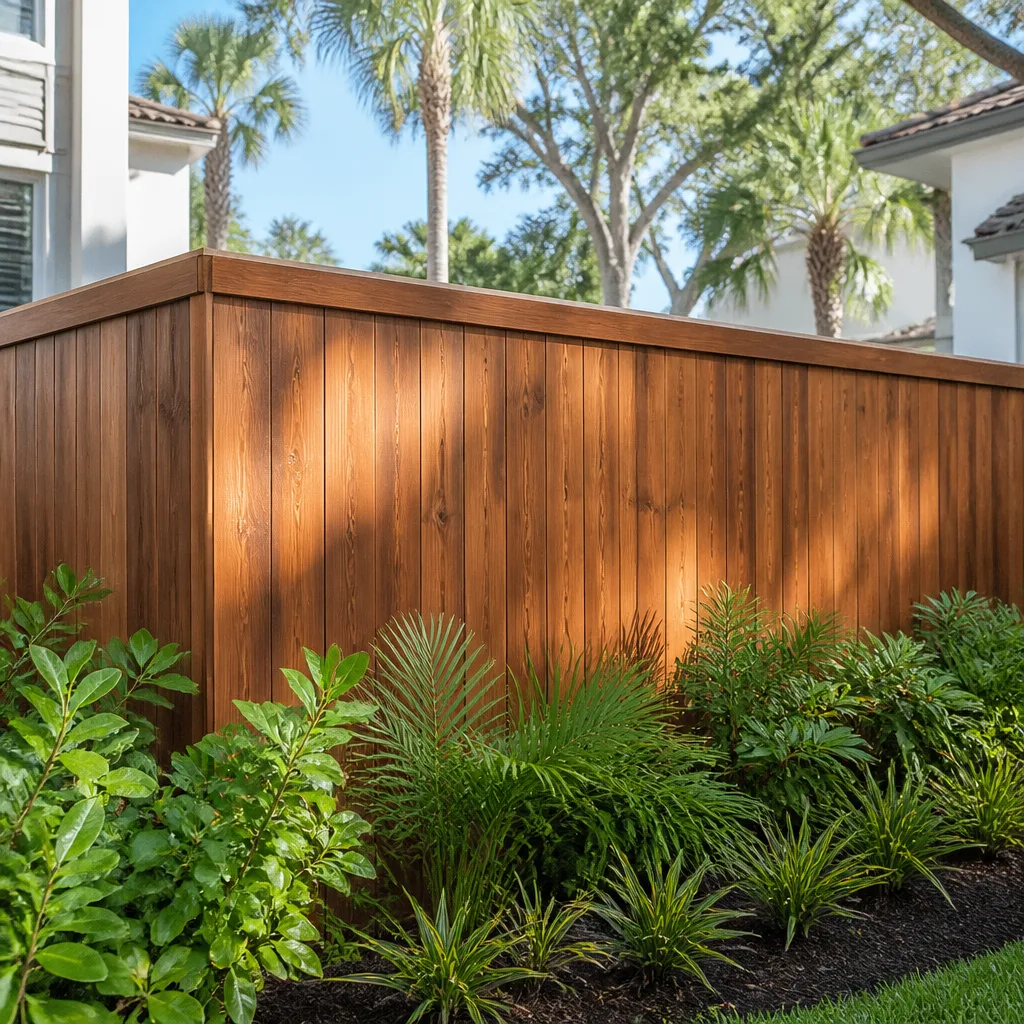
- Cedar: Naturally rot-resistant and the go-to for wood. It handles the fog well but needs a stain or seal within the first year and again every few years to slow UV graying. Red cedar ages to a warm silver if you let it.
- Redwood: The local classic. Western redwood and coastal redwood resist rot and insects better than most softwoods, and it takes a finish cleanly. It’s the priciest wood option, but in the fog belt it earns its keep.
- Aluminum: Won’t rot, warp, or feed termites, and holds color far longer than wood in UV. It’s a strong choice on exposed hilltop lots where sun exposure is highest. Look for a powder-coated finish, and expect to pay more up front.
- Vinyl: Low maintenance, resists moisture, and never needs paint. Cheaper vinyl can get brittle and crack in strong sun; mid- to high-grade vinyl holds up better. It reads a little formal against Berkeley’s older Craftsman homes, so consider whether it fits the street.
- Composite: Wood-polymer boards mimic timber with far less upkeep and hold against rot and insects. It’s stable in the fog, but expansion and contraction at the posts means the install has to allow for movement.
For hillside lots, fire-resistant materials matter more than esthetics. Fiber-cement panels and metal infill can satisfy fire-safe requirements where wood is restricted. James Hardie’s fiber-cement line is one we use in those zones because it’s rated for the conditions and holds a finish. If you’re also rethinking your hardscape and approach, our Driveway & Pavers in Berkeley work pairs naturally with a new front fence.
Post Footings and Berkeley’s Clay Soil
A fence is only as good as what’s underground. Berkeley’s heavy clay soil expands when wet and shrinks when dry, and that seasonal movement is what heaves and loosens posts. The standard 2-foot footing depth you’ll see in generic install guides is often not enough here. In high-clay areas on the flats and in the hills, we go deeper, and the hole is wider than the post so there’s a real concrete collar around it.
- Check the soil. Probe and dig a test hole. If it’s dense clay, plan for deeper footings and drainage.
- Set hole depth. At minimum one-third of the post’s above-ground height, and deeper – commonly 3 feet or more – in clay-heavy gardens and on any grade.
- Use proper concrete. A concrete mix rated for structural post setting, not a fast-set foam, and fill the hole so the collar surrounds the post evenly.
- Crown the top. Slope the concrete so water runs away from the post rather than pooling at the base.
- Set posts plumb. Brace them while the concrete cures so seasonal ground movement doesn’t start them off-kilter.
Cut the bottom of each post and treat it with an end-cut preservative, and keep wood posts from sitting directly in standing water. On a lot that stays damp from fog drip, a metal post anchor at the base lifts the wood clear of the soil and stretches its life. This is detail work most homeowners never see, and it’s exactly where a cheap fence fails first.
Handling Sloped Lots in the Berkeley Hills
The Berkeley Hills are beautiful and they punish lazy fence work. On a grade above roughly 15%, you can’t just drop a level fence and hope – you choose between a stepped or a raked layout, and each has real consequences for posts and panels.
- Stepped fencing: Each panel sits level and drops in a stair-step down the slope. It looks crisp and each panel stays square, but you need a post at every step, which means more posts and more footings. On steep grades that’s a lot of concrete and a lot of holes.
- Raked fencing: The rails follow the slope and the panel top runs parallel to the ground. It uses fewer posts and reads more organic along a hillside, but the slanted rails put more load on the posts and need careful engineering to stay tight over time.
On any grade, the footings have to counter the soil pressure pushing the fence downhill, so we size and brace them for the slope, not for flat ground. A fence that looks level and plumb on the day it’s built can lean by the next wet season if the footings were only designed for a flat yard. On hilltop properties, wind is the other factor – a solid privacy fence becomes a sail, so post spacing and gapping matter. If you’re adding a structure up the hill, our Home Additions & ADU in Berkeley team coordinates with the same grade work. Prefab builders like Plant Prefab and Mighty Buildings design site-specific foundations for the same reason – the ground decides the engineering.
The Permit and Discretionary Review Process
Berkeley takes its fence permitting seriously, and the review path depends on how far your plan pushes past the baseline. A fence at your zone’s standard height in a standard zone typically moves through an over-the-counter permit. Push taller, or build in an overlay, and the process lengthens.
- Confirm your zone and overlays with the city’s planning desk before designing anything.
- Prepare a site plan showing fence location, height, materials, and distance to property lines.
- Submit for the permit. Standard-height fences in normal zones move fastest.
- Expect public notice if your plan needs a use permit or variance for extra height.
- Schedule your inspection after footings and framing, then a final once the fence is complete.
The single biggest timeline killer we see is a homeowner who orders materials and schedules a crew before checking whether a hillside overlay or a special zoning district applies. That “we’ll sort the permit after” approach can cost months and, in the worst case, an order to take the fence down. Pull the zoning first, get the permit in hand, then order the wood.
If you want to see how we sequence a permitted build from first call to final inspection, start at Groundwork Construction Co. of Berkeley. We answer calls live, 24/7, and put the scope and the number in writing up front so there’s no guesswork.
Common Mistakes to Avoid
- Assuming 6 feet is the limit everywhere. Berkeley’s front-yard limit is 4 feet, and building a 6-foot front fence without a permit invites a compliance order. Check your zone before you design.
- Building on the wrong side of the property line. A fence a foot over the line becomes a boundary dispute and a disclosure at sale. Get a survey first, especially on older Berkeley lots where the line may not be where anyone assumes.
- Skipping neighbor notice on a shared fence. The Good Neighbor Fence Law requires notice before you build on the boundary. A written heads-up now prevents a complaint later.
- Using 2-foot footings in clay soil. Standard shallow footings heave and lean in Berkeley’s clay through the wet-dry cycle. Go deeper and crown the concrete.
- Raking a steep slope without engineering the posts. A raked fence on a 20% grade needs larger posts and footings designed for the load. Underbuild it and it leans in a season.
- Picking the wrong material for a fire overlay. In hillside fire zones, wood fencing above certain lengths near structures can be restricted. Fiber-cement or metal may be required instead.
- Ordering materials before the permit clears. A permit snag can leave you with a fence that can’t legally go up and a pile of boards in the yard.
See the difference
 Before
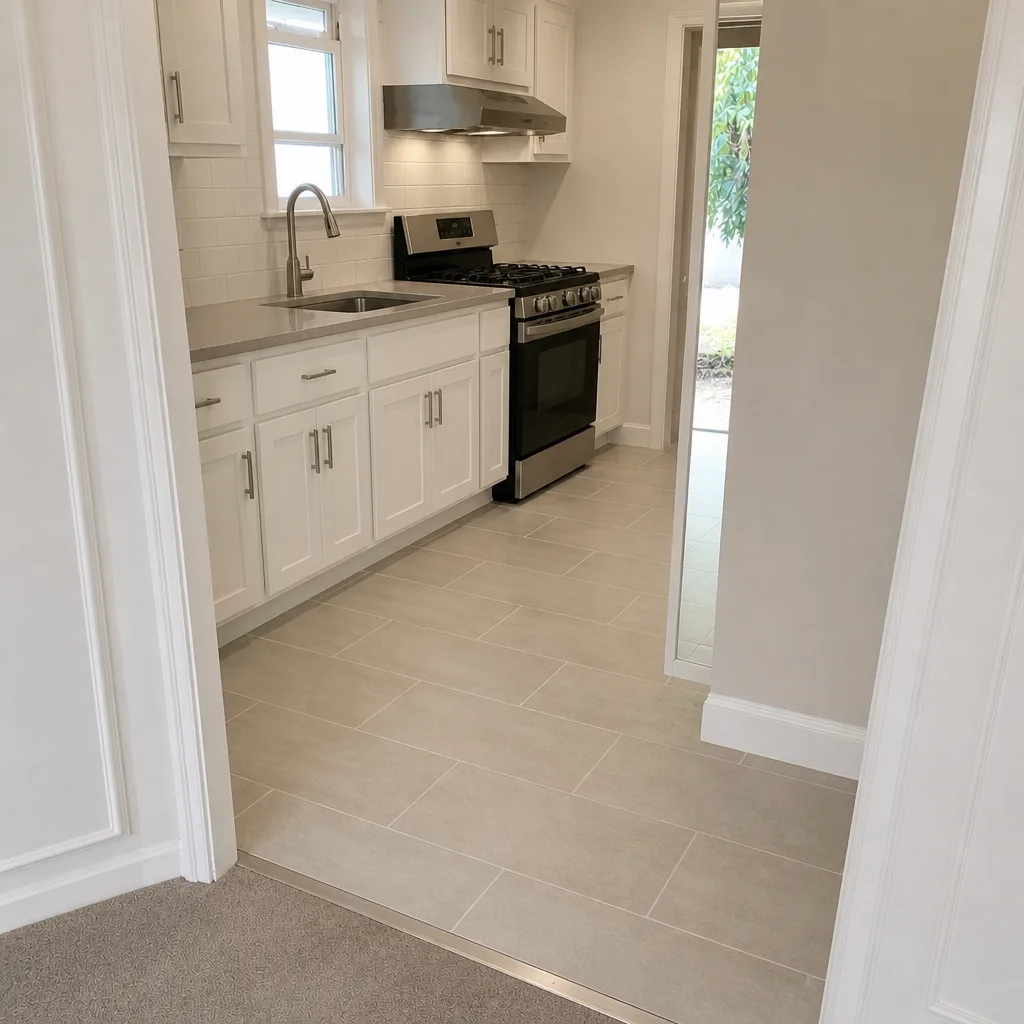 After
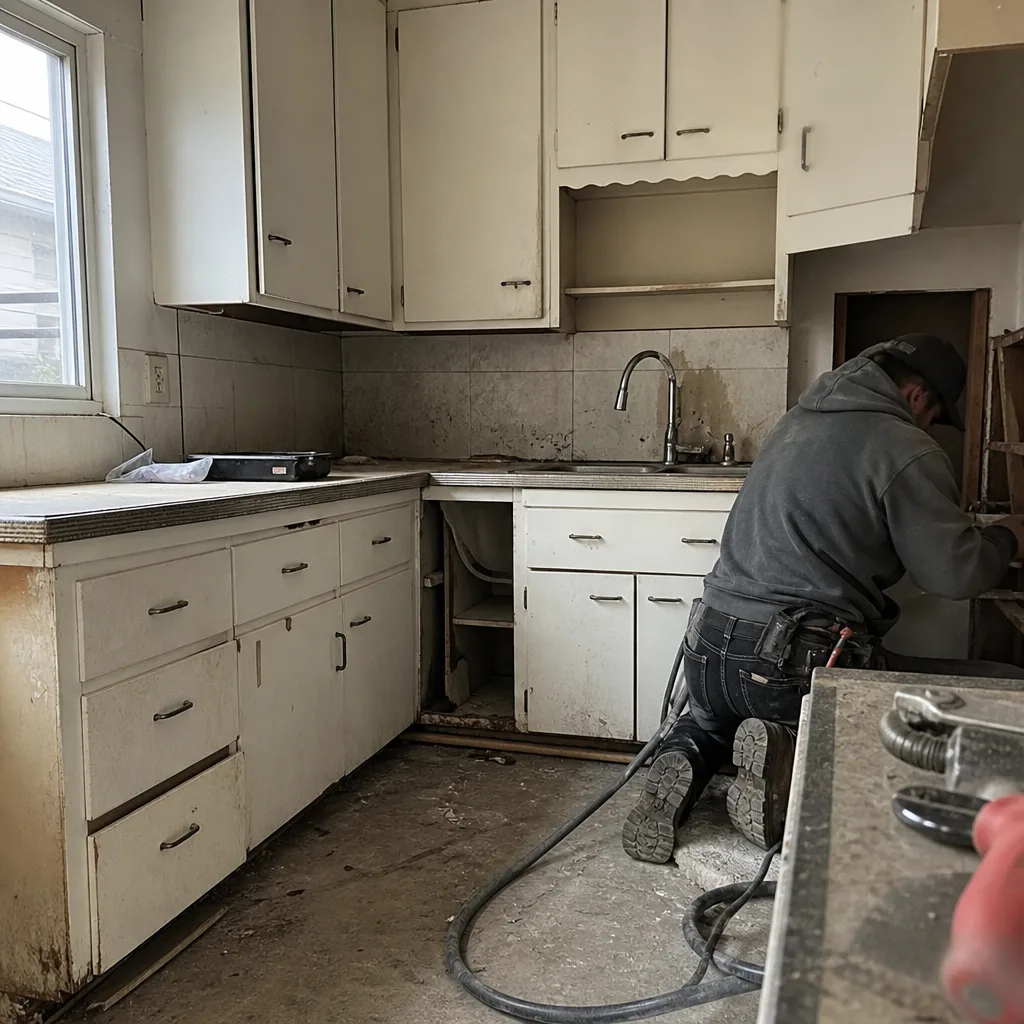 Before
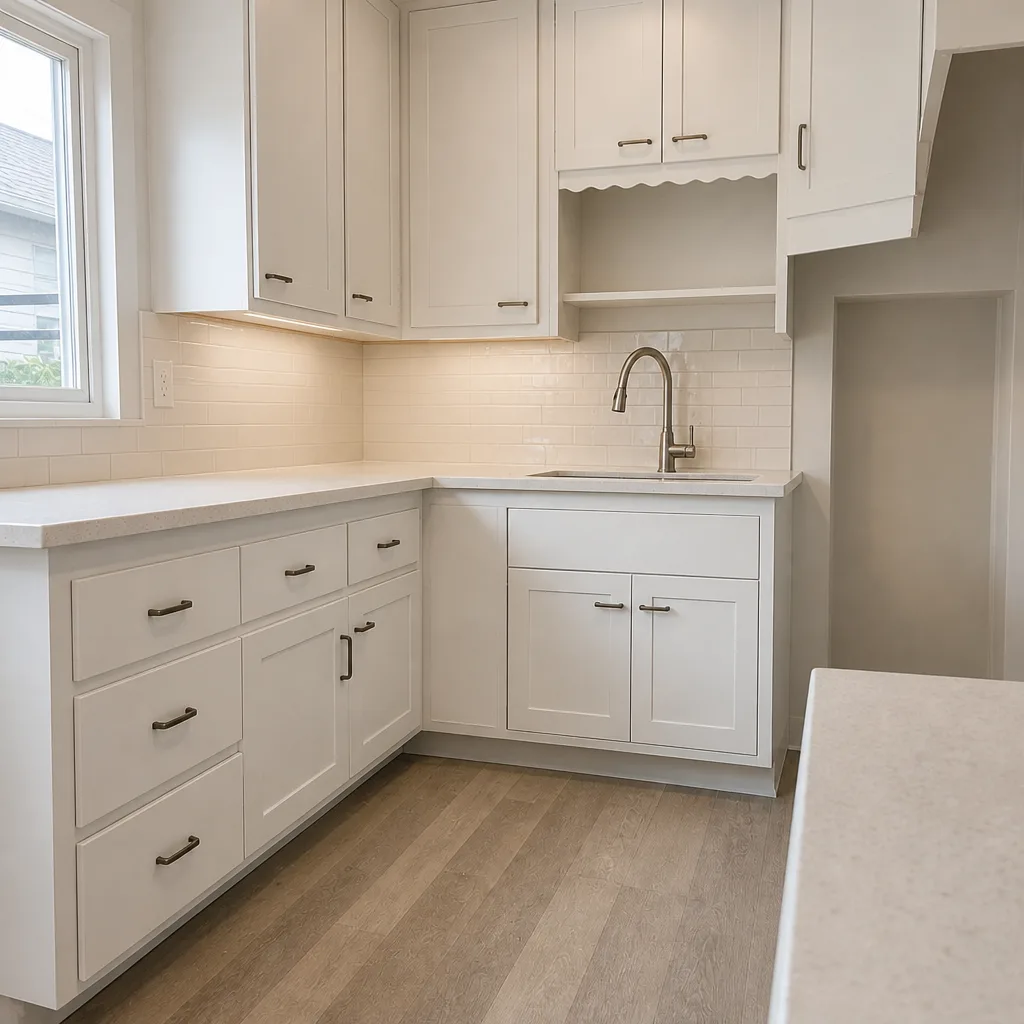 After
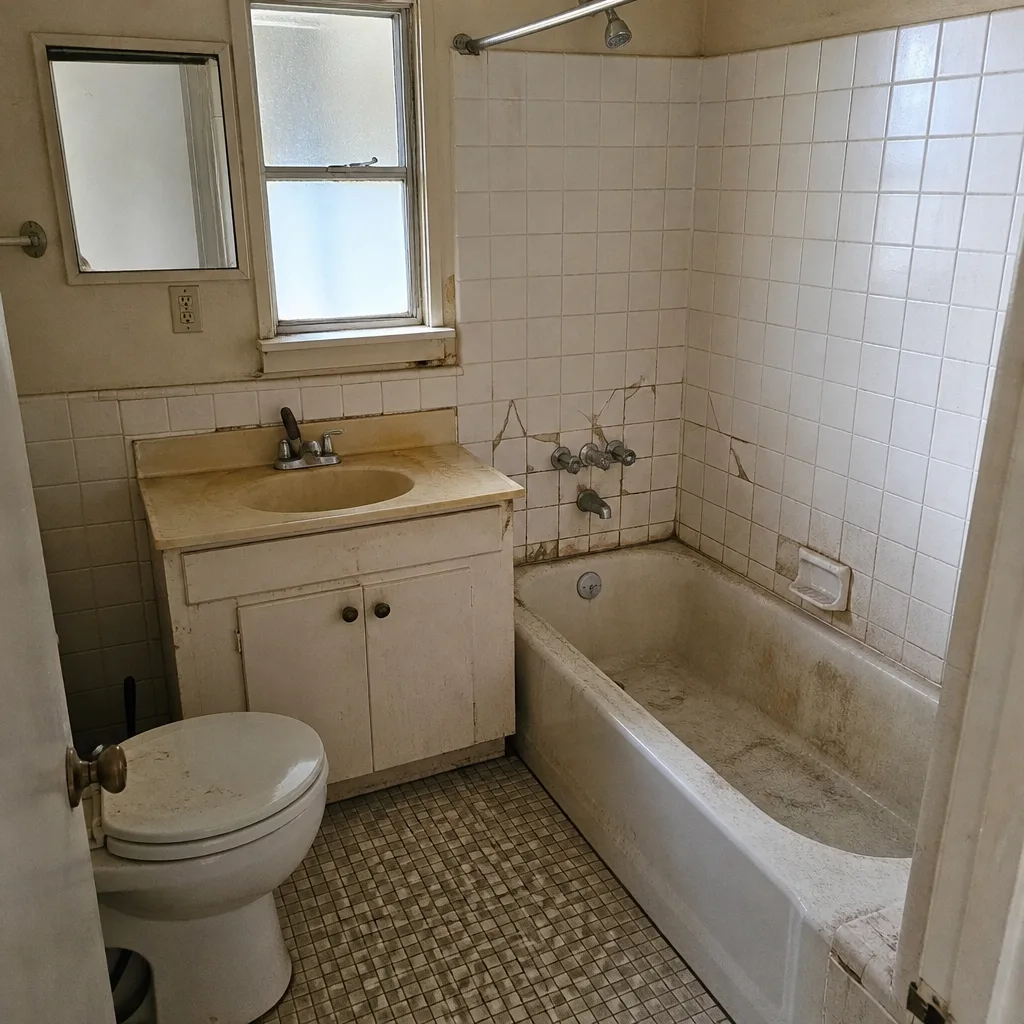 Before
 After
When to Call a Professional
Some fence work is manageable for a confident DIYer – a low garden fence clearly inside your own boundary, on flat ground, well within the zone height. Call a professional when any of these show up: a hillside lot or a grade above 15%, a boundary fence that needs neighbor notice, an overlay zone with fire-safe requirements, a plan that pushes past the zone height, or clay soil that needs engineered footings. Those are exactly the situations where a small misstep becomes a permit problem or a fence that fails in its second winter. Groundwork Construction Co. of Berkeley offers free estimates in Berkeley – call (855) 471-4163. Our technicians have up to 12 years of experience, arrive background-checked and in uniform, and every fence we install is backed by our 730-Day Done Right Promise. Upfront pricing, no surprises – the number you see is the number you pay.
Frequently Asked Questions
It depends on where the fence sits and your zone: 4 feet maximum in the front yard and 6 feet in the rear and side yards in standard residential zones. Hillside overlay zones carry extra fire-safe material requirements, and anything taller than the zone limit needs a discretionary use permit. Call (855) 471-4163 for a free estimate that confirms your zone’s limit.
Yes, most fences require a building permit, and the review path depends on height and overlay. A standard-height fence in a normal zone typically moves through over-the-counter review, while taller fences or overlay-zone plans trigger a longer process with public notice. Call (855) 471-4163 to talk through your specific lot before you order materials.
Yes. Under California’s Good Neighbor Fence Law, if your fence sits on the property line you generally must notify the adjoining owner before starting and give them a chance to share the cost of a good-neighbor fence. Put the notice in writing and give a few weeks to respond. Call (855) 471-4163 for a free estimate once you’re ready to schedule.
Redwood and cedar handle the fog well, aluminum and fiber-cement hold color and resist UV and fire, and high-grade vinyl and composite stay low-maintenance. In hillside fire zones, fiber-cement or metal may be required where wood is restricted. Call (855) 471-4163 to match a material to your lot’s exposure.
Deeper than the generic 2-foot guide suggests. In Berkeley’s clay, plan for at least one-third of the above-ground post height and commonly 3 feet or more, with a concrete collar and a crowned top so water runs off. Shallow footings heave through the wet-dry cycle. Call (855) 471-4163 for an estimate that engineers the footing for your ground.
Yes. On grades above 15% we choose between stepped fencing, which stays level panel by panel but needs more posts, and raked fencing, which follows the slope with fewer posts but more load on each one. Both need footings designed for the grade. Call (855) 471-4163 for a free estimate on your hillside lot.
The Bottom Line
Berkeley fences are a permitting and engineering problem before they’re a materials problem. Pin down your zone’s height limit first, handle the neighbor notice on any shared boundary, pick a material that survives fog and UV, and go deep enough on your footings to beat the clay. Do those four things and your fence stands straight for years. Skip them and you’re rebuilding in a season. Groundwork Construction Co. of Berkeley handles all of it – permits, footings, sloped-lot engineering – under upfront pricing and the 730-Day Done Right Promise. Call (855) 471-4163 for your free estimate.
Written by the team at Groundwork Construction Co. of Berkeley.