Last updated November 18, 2026

Free written scope consultation - allowances, timeline, and change-order rules on paper before a single trade is scheduled
Driveway & Pavers Maintenance Schedule: What to Do and When
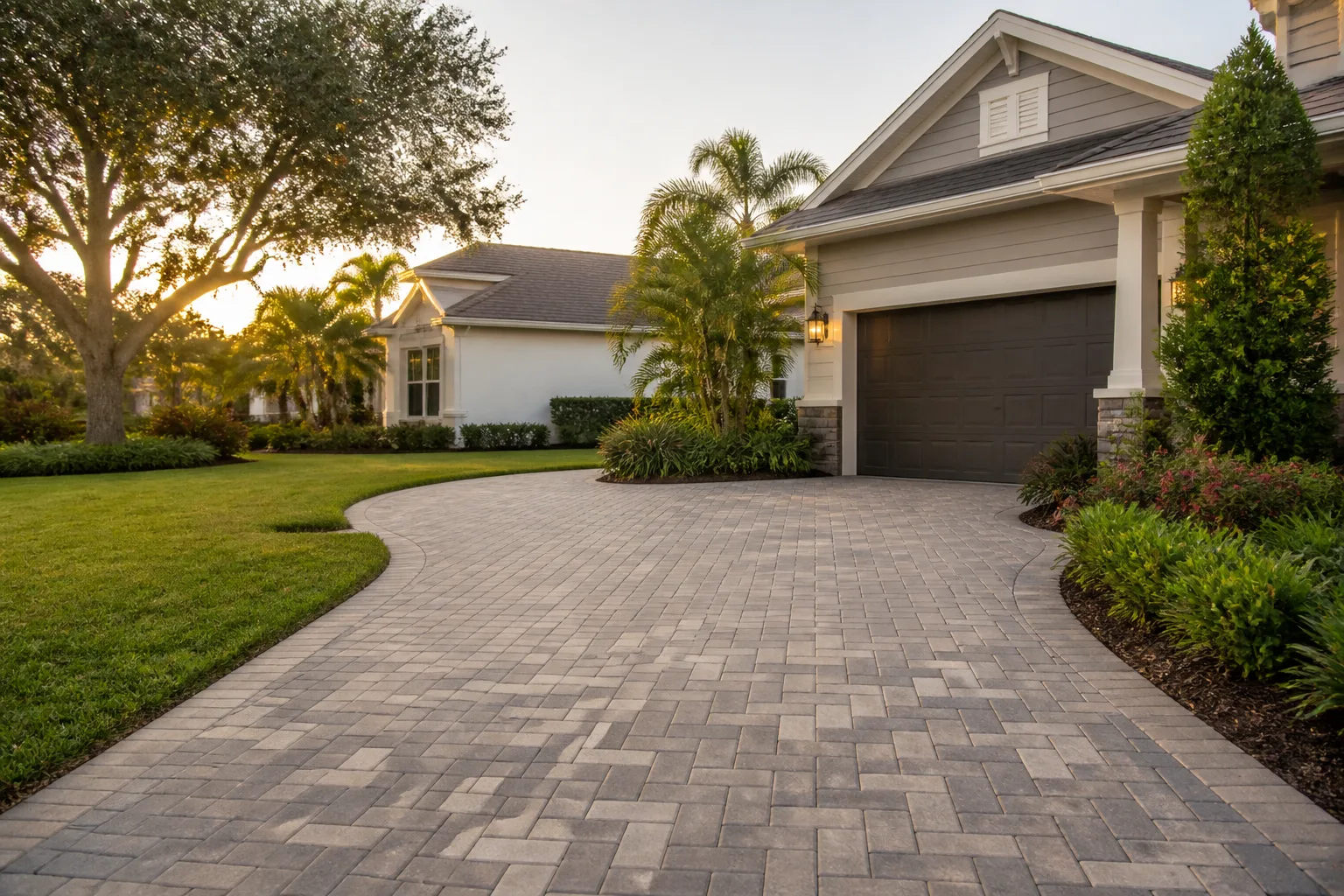
Over-sealing is one of the most common and costly mistakes Bay Area homeowners make with paver driveways. Applying a fresh coat of sealer on top of an old one that hasn’t been stripped traps moisture underneath, and that trapped moisture causes the flaking, cloudiness, and discoloration the sealer was supposed to prevent. We’ve torn out pavers in Berkeley that were structurally fine but ruined by three or four well-intentioned coats too many. The good news: pavers are the most forgiving hardscape you can put on a property, and a calendar tuned to Berkeley’s actual wet and dry seasons keeps them looking new for decades. This guide gives you that calendar, month by month.
Quick Answer
In Berkeley, pavers should be cleaned in late winter or early spring, fully dried for at least 48 to 72 hours, and sealed in a narrow window between late April and early May once the rainy season has genuinely ended. Re-seal only when the water bead test shows the old sealer has worn thin – typically every two to three years on a sunny drive, every three to four under tree canopy. Joint sand gets topped up whenever it settles below the chamfer, and a full base inspection belongs on your radar at the ten-year mark, especially on the clay soils that run through much of Berkeley.
Styles & brands we work with
- Kitchen remodeling
- Bathroom remodeling
- Home additions & ADU
- Roofing
- Windows & doors
- Driveway & pavers
- Fence
Table of Contents
- Why a Maintenance Schedule Matters More Than the Materials You Buy
- The Berkeley Month-by-Month Paver Calendar
- The Water Bead Test: Know Exactly When to Re-Seal
- Joint Sand Replenishment: Polymeric vs. Regular Sand
- Pressure Washing: Tree Canopy vs. Open Driveway
- 5, 10, and 15-Year Inspection Milestones
- Signs Your Driveway Needs Repair, Not Just Maintenance
- Common Mistakes to Avoid
Why a Maintenance Schedule Matters More Than the Materials You Buy
Homeowners spend weeks choosing a paver color and about four minutes thinking about how they’ll care for it. That’s backwards. A mid-grade concrete paver maintained on a real schedule will outlast a premium clay paver that gets ignored – and the gap isn’t small. It’s measured in decades. We’ve seen 20-year-old driveways in the Elmwood and Thousand Oaks neighborhoods that still look sharp because the homeowner understood three things: when to clean, when to seal, and when to leave the surface alone.
Berkeley makes this more complicated than most of California because we get two very different moisture regimes. From roughly November through April, the ground stays damp and pavers near mature trees never fully dry out. Then from May through October, the surface bakes in direct sun and the clay subgrade beneath it shrinks. That wet-dry cycle is what stresses joints, pops sand, and pushes efflorescence up through the surface.
The materials matter, but only as a multiplier on good habits. When we install driveways for Berkeley homeowners, we work with proven hardscape lines like Belgard pavers and pair them with base preparation tailored to the site – because no material survives a schedule built on “seal it whenever it looks dull.” A paver driveway is a system: surface, joint sand, bedding layer, base, subgrade. Maintenance is how you keep that system working. Skip it and the failure moves downward, one layer at a time, until the repair is no longer cosmetic.
This is also why we put a written promise behind the work. Every driveway we build is covered by our Groundwork Construction Co. of Berkeley home service standard and the 730-Day Done Right Promise. If something goes wrong with our workmanship inside that window, we make it right. But the warranty covers what we built – it can’t undo a homeowner pressure-washing a sealed drive at 4,000 PSI or sealing over a wet surface. The calendar in this guide is how you protect both the driveway and the coverage on it.
The Berkeley Month-by-Month Paver Calendar
This schedule assumes a typical Berkeley driveway – some tree cover, clay-heavy soil in most of the flats, more slope in the hills. Shift the timing by a few weeks if you’re high in the Berkeley hills where fog lingers longer, or down in the warmer flats near San Pablo Avenue where the ground dries faster.
November through February: Watch, Don’t Work
This is the wet season. Don’t seal, don’t pressure-wash, don’t add sand to a saturated driveway. What you should do is walk the drive after each big storm and note where water pools and where it drains. Standing water for more than 24 hours points to a drainage problem that will undermine the base over time. Gutter downspouts that dump onto the drive are the most common culprit we find in Berkeley, and rerouting them is often a $200 fix that saves thousands.
March through Mid-April: Clean and Inspect
Once the rain tapers off, clean the pavers with a gentle detergent and a low-pressure rinse. Inspect joints for sand loss, check for efflorescence (the white chalky bloom that shows up on new pavers), and look for any pavers that have shifted or heaved. This is your diagnostic window – figure out what the winter did before you do anything corrective.
Late April through Early May: The Sealing Window
This is the critical period. Pavers need 48 to 72 hours of genuinely dry weather before sealing, and they need another 24 hours of dry after. In Berkeley, that usually lines up in the last week of April and first week of May. Sealer applied to a driveway that’s still holding subsurface moisture will trap it, and the resulting flaking won’t show up until the following winter – by which point you’ll blame the sealer instead of the timing. Check the ten-day forecast. If there’s rain in it, wait.
June through September: Leave It Alone
Once sealed and sandy, your drive needs almost nothing during the dry months. Sweep debris, especially oak leaves and redwood needles that hold moisture against the surface. Spot-treat oil drips quickly with a degreaser. Don’t re-seal just because the surface looks less shiny than it did in May – that’s normal wear, not failure. Over-sealing during this window is how homeowners end up with the trapped-moisture problem described above.
October: Pre-Winter Check
Top up joint sand before the rains arrive. Clear leaf litter from drains and low spots. Check that the soil around the driveway edge hasn’t settled away and given water a path underneath the pavers. A 45-minute walk-around in October saves a much bigger repair in February.
The Water Bead Test: Know Exactly When to Re-Seal
Most sealer manufacturers want you to re-seal every year. Most homeowners who follow that advice are spending money they don’t need to spend and stacking coats that will eventually cause problems. Here’s how to check for yourself in about thirty seconds.
- Pick three test spots on the driveway – one in sun, one in shade, one in a high-traffic entry area. Avoid freshly cleaned spots.
- Drip about a quarter cup of water on each spot from a few inches up.
- Watch for 30 seconds. If the water beads up and rolls off, your sealer is doing its job. If it beads for a moment then flattens and starts to darken the paver, the sealer is thinning. If it soaks in immediately, it’s gone.
- Repeat in the same three spots in 30 days. Consistency matters more than a single test – a drive that beads in sun and soaks in shade under a redwood needs a targeted re-seal or a different sealer formulation, not a full coat.
If two of three spots fail, it’s time to think about re-sealing. If only the shaded spot under trees fails, you may be looking at an issue with tannin staining or organic buildup rather than sealer failure – clean first, then retest. In our experience, a proper acrylic sealer on a Berkeley drive usually holds up two to three years in full sun and three to four under canopy, which is longer than most homeowners expect. That’s a meaningful savings on product and labor, and it’s the difference between maintaining a driveway and picking at it.
One more thing: never apply sealer on top of an existing coat without confirming the old sealer’s condition. If it’s flaking, peeling, or cloudy, it has to be stripped first. That’s a job for a professional – stripping chemistry is aggressive and easy to misuse.
Joint Sand Replenishment: Polymeric vs. Regular Sand
Joint sand is the least glamorous part of a paver driveway and the single biggest factor in whether weeds take over. It’s also where we see the most errors from DIY repairs, because using the wrong sand at the wrong moment does more harm than good.
When You Need to Replenish
Look at any joint in full sun. If the sand has settled more than about a quarter inch below the paver’s top edge, it needs replenishment. In Berkeley, a new driveway typically needs its first top-up within 12 to 18 months, and then every two years or so after that. High-traffic entry areas and spots near drive aprons lose sand fastest.
Polymeric vs. Regular Sand
- Polymeric sand is a stabilized sand that hardens when wet, locking paver joints against water and weeds. It’s the right choice for larger joints (typically 1/8 inch or wider) and for any driveway where weed pressure is a problem. It’s what we install as standard on new driveways.
- Regular sand (or fine washed sand) is cheaper and easier to work with, but it doesn’t stabilize. It’s the right choice when you’re doing a temporary repair, when the joints are too narrow for polymeric sand to properly penetrate, or when you’ll be re-sealing anyway and want a fully sand-swept surface beforehand.
The Mistake That Causes Weed Growth
The most common failure we see after a repair – anything from resetting a settled paver to patching a utility cut – is a contractor or homeowner filling the new joint with regular sand when the rest of the driveway has polymeric sand. That one mismatched joint becomes a water path, the water pushes the regular sand out, and within a season you have weeds popping up right at the repair. Polymeric sand goes into polymeric joints, always. If you don’t know what’s in the rest of the driveway, test a joint with a nail – polymeric sand resists penetration.
Apply polymeric sand in dry conditions, on a dry surface, with no rain in the forecast for 24 hours. In Berkeley that means October or late April, not February.
Pressure Washing: Tree Canopy vs. Open Driveway
Pressure washing is the maintenance task most likely to cause damage when done on the wrong schedule or at the wrong pressure. The rule we give every homeowner: the pavers almost never need more than 1,500 to 2,000 PSI, and often less. Anyone running a surface cleaner at 3,500 PSI on a sealed paver drive is stripping the sealer for free.
Driveways Under Redwood or Oak Canopy (Berkeley Hills)
If your driveway sits under redwoods, coast live oaks, or both – which is most of the Berkeley hills – you’re dealing with tannin staining, not just dirt. Tannins are the dark brown compounds that leach from leaves and needles, and they bond to the paver surface in a way that ordinary detergent won’t lift. Tannin staining needs an oxygenated cleaner or a dedicated tannin remover, applied with dwell time (usually 10 to 15 minutes) before the rinse.
Timing matters too. Clean these drives in March, before pollen and new growth, and again in September after the first leaf drop. Summer cleaning in the hills is wasted effort because the needles drop in waves and you’ll just need to clean again in fall.
Open Driveways (Flats, No Canopy)
An open drive in the flats – say, a wider lot off Shattuck or near the Berkeley Marina – mostly collects dust, tire marks, and the occasional oil drip. One cleaning a year in early spring is usually enough. Skip the aggressive chemistry. A pH-neutral paver cleaner plus a low-pressure surface cleaner handles 90% of what you’ll see.
The Safe Play
Never pressure-wash a paver driveway with a rotary nozzle held at an angle close to the surface. It will etch the paver face and leave permanent striping that no amount of sealer fixes. Use a surface cleaner attachment, keep the pressure down, and rinse from the top of the slope down. If you’re not comfortable, don’t risk it. A pro with the right equipment does a driveway in two hours; a homeowner with a rented unit often creates a bigger problem than they solved.
5, 10, and 15-Year Inspection Milestones
A paver driveway doesn’t fail suddenly. It fails on a predictable timeline, and each of these milestones is a chance to catch the failure before it reaches the base layer, where repair costs jump from hundreds to thousands.
The 5-Year Inspection
At five years, the driveway should still look close to new if it’s been maintained. The inspection is mostly about confirming the surface is healthy and the drainage is working. It should include:
- A full joint sand survey with a top-up where needed
- A water bead test across the drive (not just the sunny spots)
- Checking all edge restraints – the hidden border that keeps pavers from migrating outward
- Inspecting where the drive meets the garage slab and the street apron for settlement
- Confirming no drainage changes have developed (new plantings, new downspouts, new grading by a neighbor)
The 10-Year Inspection: The One You Don’t Skip
This is the milestone that matters most in Berkeley’s high-clay-soil areas, and it’s the one homeowners skip because the driveway still looks fine from the street. At the ten-year mark, we want eyes on the base layer under a sample of pavers, especially in the low spots and the areas where the pavers have started to feel slightly uneven underfoot. Clay soil expands and contracts with moisture, and by year ten the base can have developed soft spots you can’t see from above.
The cost of skipping this inspection is real. A base repair caught at year ten typically runs in the low four figures. The same failure found at year fifteen, after the base has fully failed and the pavers have moved, often requires lifting and rebuilding a much larger section. Catching base loss early is one of the highest-return maintenance moves you can make on a paver driveway.
The 15-Year Inspection
At fifteen years, combine the full 10-year inspection with a sealer strip-and-recoat if the driveway has been maintained with acrylic sealer throughout. Deep staining under tree canopy may also warrant a professional cleaning with a heavier chemistry. This is the point where a well-maintained driveway is entering its second life; a neglected one is entering its last. Our Driveway & Pavers in Berkeley service includes this kind of lifecycle assessment as part of a free estimate.
Signs Your Driveway Needs Repair, Not Just Maintenance
Maintenance is cheap. Repair is moderate. Replacement is expensive. The trick is recognizing which one you’re looking at before the choice is made for you. In our experience walking Berkeley driveways, these are the signals that point to repair:
- Pavers with visible vertical movement (you can feel them rock when you walk or drive over them) suggest a base failure under that area, not just a joint issue. Maintenance won’t fix it.
- Repeating puddles in the same spot after storms – more than 24 hours of standing water – usually mean the base has settled and the plane has changed. That’s a repair.
- Polymeric sand that pops out of a joint within weeks of a fresh application points to water flowing through the joint from underneath. Cracked joint walls are the tell.
- Efflorescence that keeps returning after cleaning – the white chalky bloom – means moisture is migrating through the pavers from the base, not just sitting on the surface.
- Pavers that have shifted at the edges of the driveway are often a failed edge restraint. That’s a modest repair, but it will get worse if deferred.
If you’re seeing two or more of these, get eyes on it. Our team responds to calls 24/7 – a live person, not voicemail – and we don’t charge for a drive-by assessment in Berkeley. Fixing a small area of base failure early is one of the cheapest things a homeowner can do.
Common Mistakes to Avoid
- Sealing over a wet driveway. Sealer traps moisture, and trapped moisture causes flaking and cloudy patches that don’t appear until months later. If there’s rain in the forecast within 48 hours, wait. In Berkeley, the difference between a March seal and a late-April seal is the difference between a driveway that lasts and one that needs stripping.
- Stacking sealer coats without stripping. This is the mistake we see most in the Berkeley hills and most often in well-intentioned homes where the previous owner “kept up” with a yearly seal. By coat four, the sealer is a failure layer. Strip and re-seal, don’t add another coat.
- Using regular sand in a polymeric joint after a repair. It self-destructs within a season, and it opens a water path into the base. Match the sand type to what’s already in the driveway – test a joint with a nail if you’re not sure.
- Pressure-washing at high pressure. 3,500 PSI and a rotary tip will strip sealer and etch the paver face. Keep it under 2,000 PSI and use a surface cleaner, not a wand.
- Skipping the 10-year base inspection on clay soil. Berkeley’s flats sit on expanding clay, and base settlements that show up at year ten are cheap to fix and expensive to ignore. Standard maintenance – cleaning, sealing, sanding – does not reveal base failure.
- Cleaning a redwood-canopied driveway with ordinary detergent. Tannin staining needs an oxygenated or dedicated tannin cleaner with dwell time. Ordinary soap lifts the dirt and leaves the stains, and repeated failed cleanings strip the sealer without solving the problem.
- Rerouting downspouts onto the driveway after a remodel. We see this constantly after Home Additions & ADU in Berkeley projects where new rooflines change drainage. Always confirm where the new downspouts drain, and keep them off the pavers.
The flip side is that getting these right isn’t hard, and it isn’t glamorous. It’s a calendar, a bucket of water, and the discipline to leave the driveway alone when it doesn’t need anything. Homeowners who do this keep the same driveway for 30 years or more. Homeowners who don’t are replacing pavers that were still structurally sound.
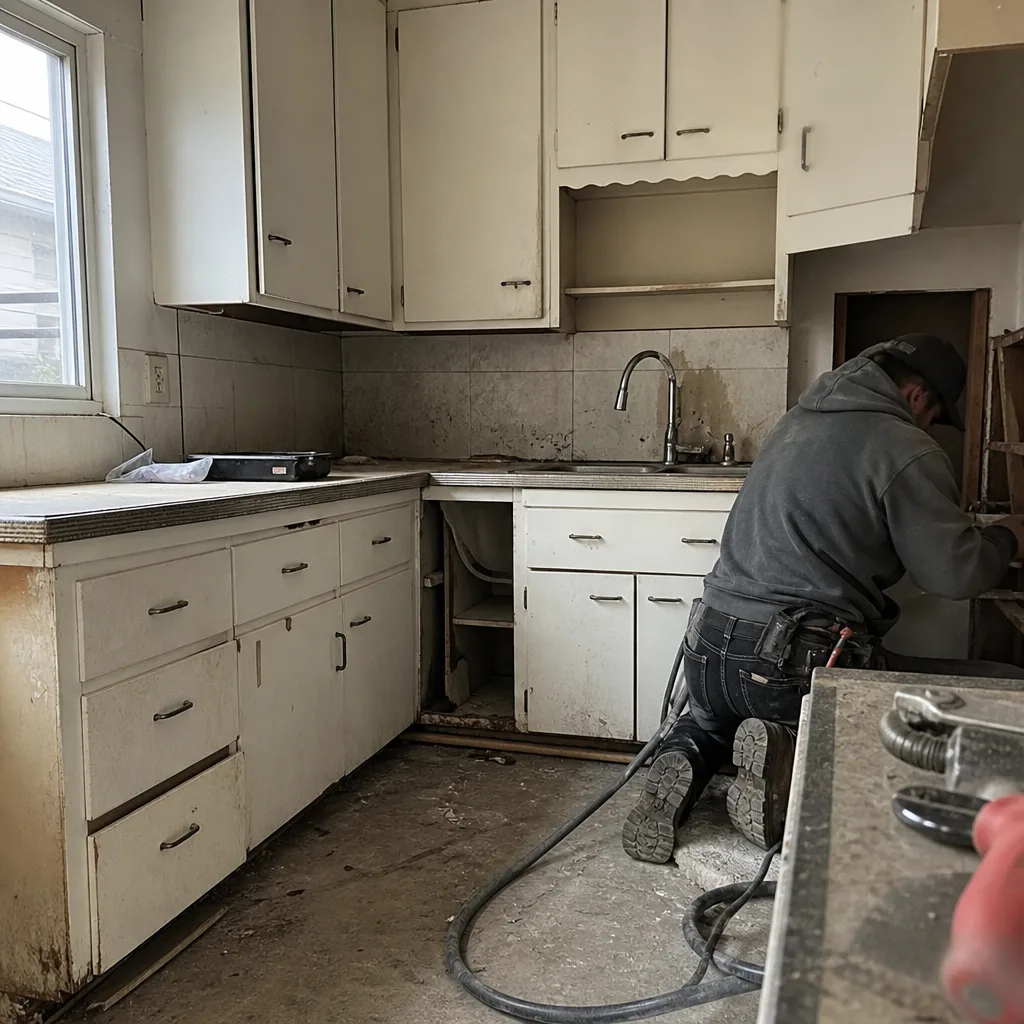
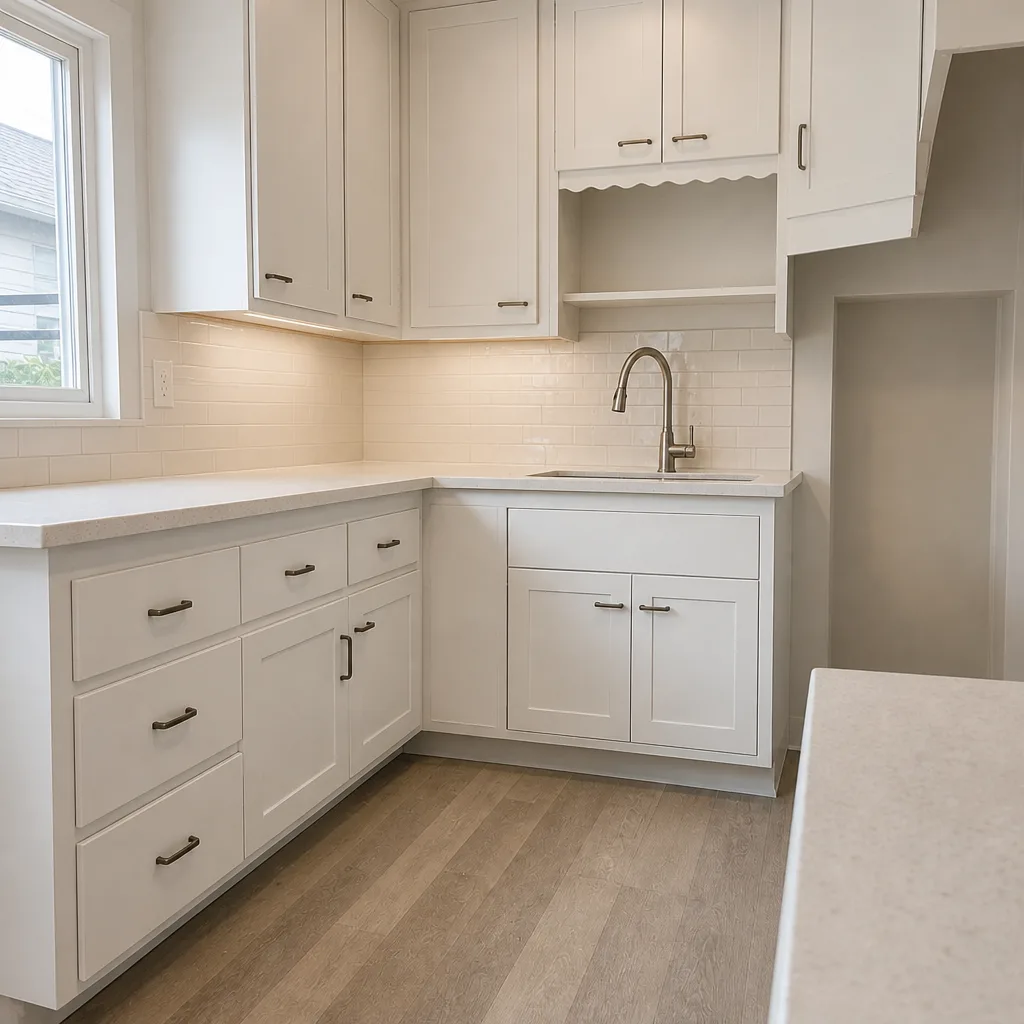
See the difference
 Before
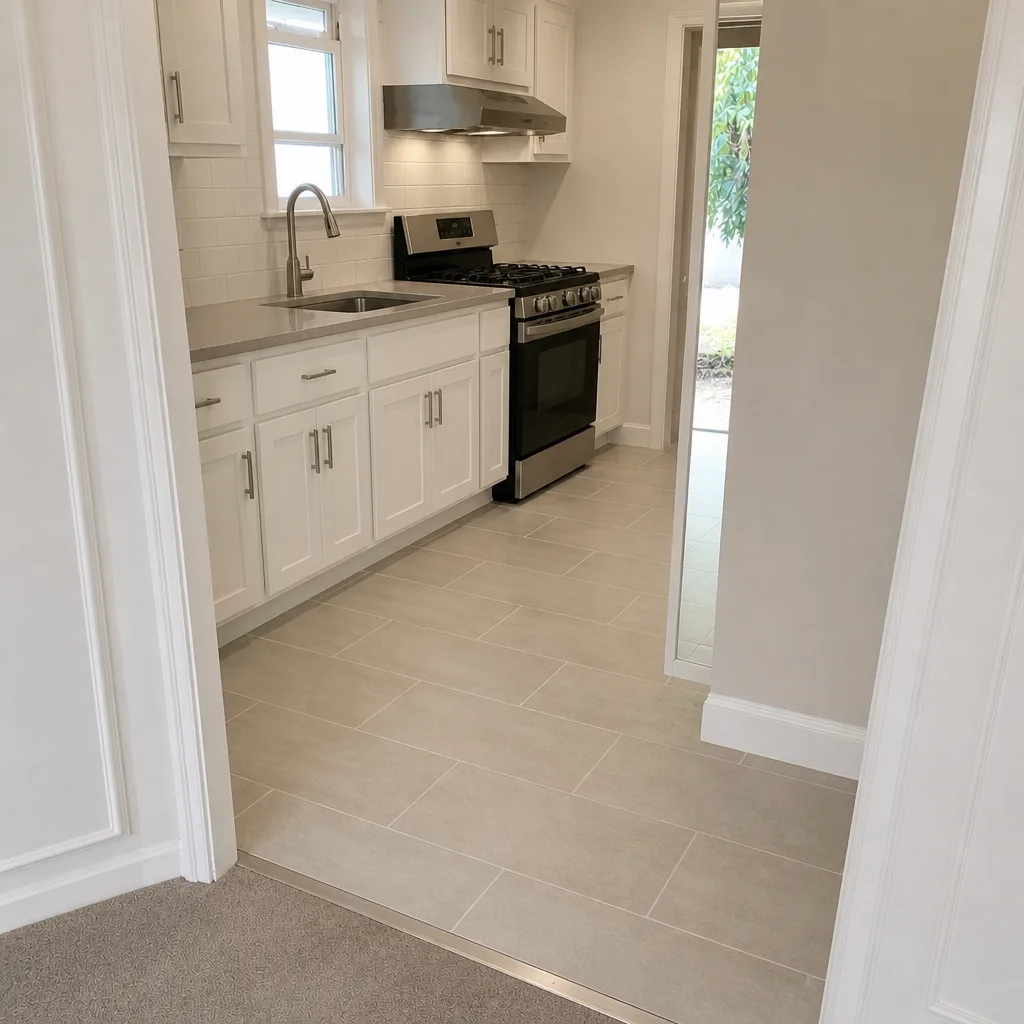 After
 Before
 After
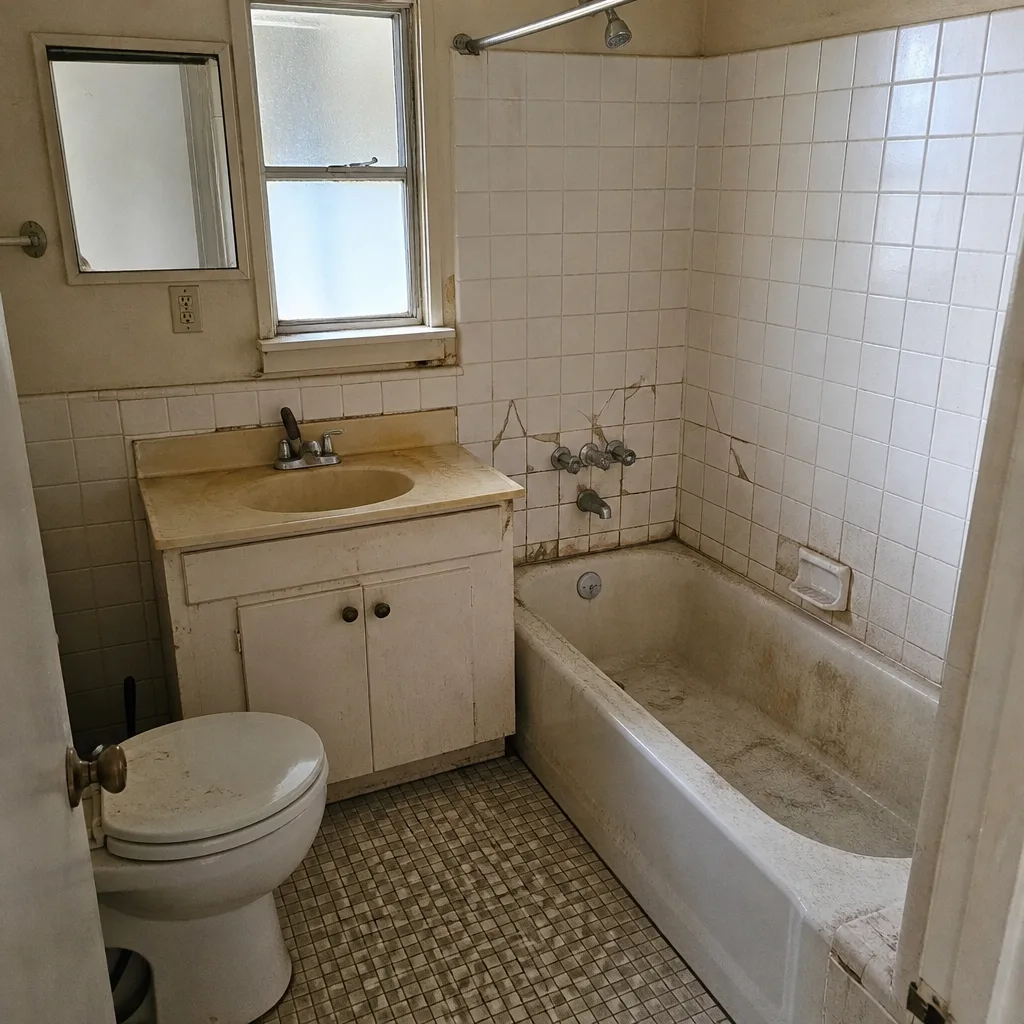 Before
 After
When to Call a Professional
Some paver work is homeowner-friendly: sweeping, rinsing, spot-cleaning oil, checking water beads. Some of it is not, and the consequences of getting it wrong are expensive. Call a professional for sealer stripping, for any base repair or resetting of settled pavers, for edge restraint failures, and for anything involving more than a few square feet of pavers that need lifting. We also recommend professional diagnosis for persistent efflorescence and for tannin staining that hasn’t responded to two rounds of cleaning.
If you’re within a five-year window of a major install – especially anything covered under a warranty – do not touch the sealer or the joints yourself. Stripping a sealed driveway voids most workmanship coverage, and we’ve seen homeowners lose legitimate claims over one afternoon of well-intentioned DIY. Just call the installer.
Groundwork Construction Co. of Berkeley offers free estimates in Berkeley. Our technicians have up to 12 years of experience, they arrive in uniform, and every repair we do is backed by the 730-Day Done Right Promise. Call (855) 471-4163 – a live person answers 24/7.
Frequently Asked Questions
Every two to three years on a sunny driveway, and every three to four years under heavy tree canopy – not annually. The correct interval is determined by the water bead test, not the calendar. In our experience, many Berkeley homeowners over-seal and end up stripping the surface because of it. Re-seal in late April or early May once the wet season has fully ended, and only when the bead test tells you it’s time.
Late April through the first week of May is the sweet spot. The rainy season has ended, the ground has had a few weeks to dry, and you have 48 to 72 hours of reliable dry weather ahead. Sealing in March risks rain; sealing in June means the surface may be too hot and the sealer will flash off unevenly. If you’re in the Berkeley hills where fog lingers, push it a week or two later than the flats.
Yes, but at low pressure – under 2,000 PSI, with a surface cleaner attachment, never a rotary tip held close. High pressure strips sealer and etches the paver face. For tannin-stained driveways under redwood or oak canopy in Berkeley, use an oxygenated cleaner with 10 to 15 minutes of dwell time rather than more pressure. If your drive is under warranty, call your installer first – pressure-washing can void coverage.
If sand is washing out within a season of being replenished, the water is coming from underneath the pavers, not from above – which usually points to a base or drainage issue. Another common cause is regular sand in a joint that should have polymeric sand. Polymeric sand resists washing; regular sand doesn’t. If the issue persists, have a professional check the base layer.
Cosmetic repairs – re-sanding joints, resetting a single paver, cleaning persistent staining – typically run in the hundreds. Base repairs to a localized area start in the low four figures and depend on how much needs lifting. Full base reconstruction on a failed section runs higher. The rule of thumb: catch base issues at the ten-year inspection and you spend the small number. Wait until year fifteen and you spend the bigger one. Call (855) 471-4163 for a free estimate on any repair.
Yes, mainly around cleaning and sealer choice. Hills driveways sit under redwood and oak canopy that deposit tannins year-round, so you need oxygenated cleaners and two cleanings a year – spring and fall – rather than one. Slope also matters: water moves faster on hillside drives, so edge restraints and drainage management get more attention. And fog means pavers dry slower, so sealing timing runs a week or two later than in the flats.
Thirty years or more is realistic for a paver driveway that gets the right maintenance at the right intervals – that’s the standard we build to when we install pavers for Berkeley homeowners. Without maintenance, expect the surface to fail at fifteen years and base issues to show up before that. The difference is rarely the paver itself; it’s the schedule.
The Bottom Line

Paver driveways last because you give them what they need, when they need it. That means cleaning in March, sealing in late April only when the water bead test says it’s time, topping off joints before the rains, and thinking seriously about the base at ten years. High-clay soils and tree canopy make Berkeley a specific case – not an impossible one. Skip the annual seal. Skip the high-pressure wand. Skip nothing at year ten.
Our technicians have up to 12 years of experience on paver installs and repairs, every project we do is backed by the 730-Day Done Right Promise, and we’re happy to walk your driveway with you without charge. Groundwork Construction Co. of Berkeley serves Berkeley and the surrounding communities. If you’re at a decision point on maintenance, repair, or replacement, call (855) 471-4163 for a free estimate. Live person, any hour. Upfront pricing, no surprises. From foundation to finish line.
Written by the team at Groundwork Construction Co. of Berkeley.