Free written scope consultation - allowances, timeline, and change-order rules on paper before a single trade is scheduled
Styles & brands we work with
- Kitchen remodeling
- Bathroom remodeling
- Home additions & ADU
- Roofing
- Windows & doors
- Driveway & pavers
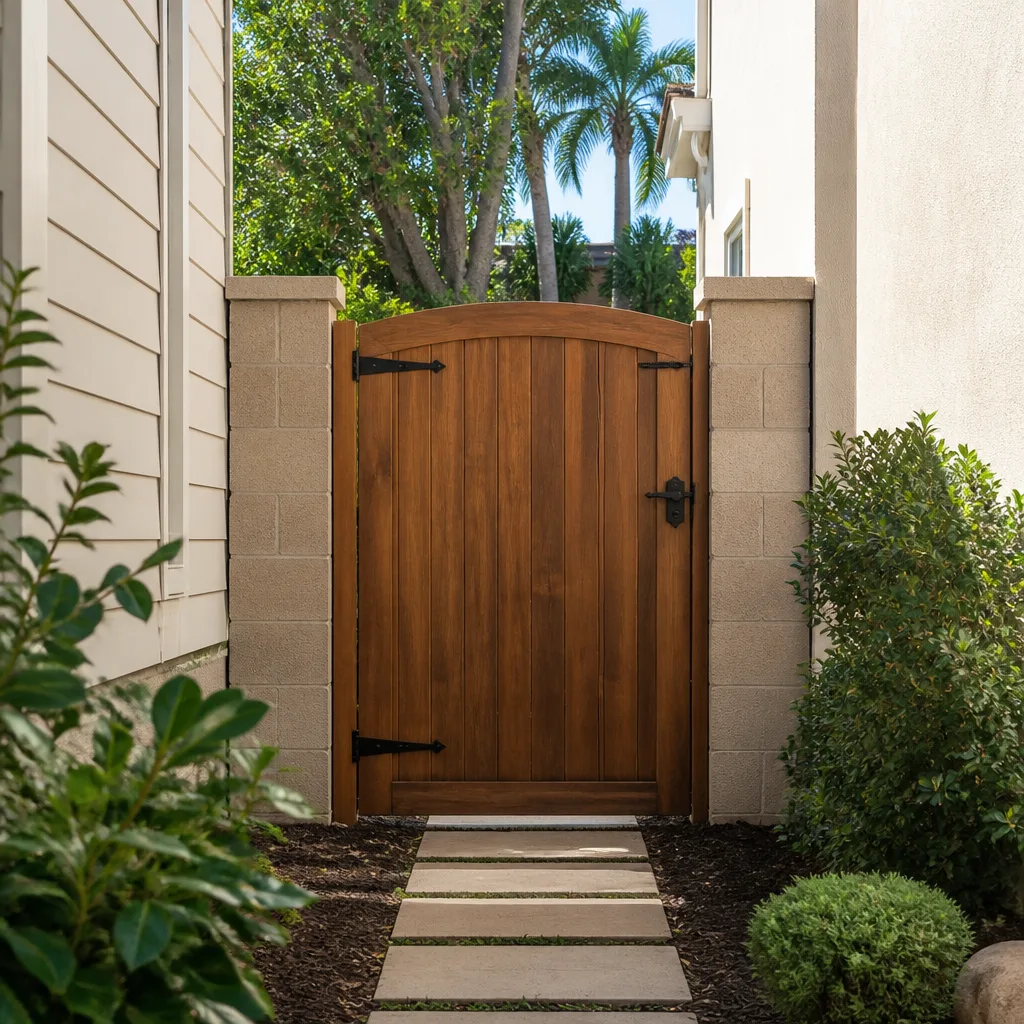
- Fence
See the difference
 Before
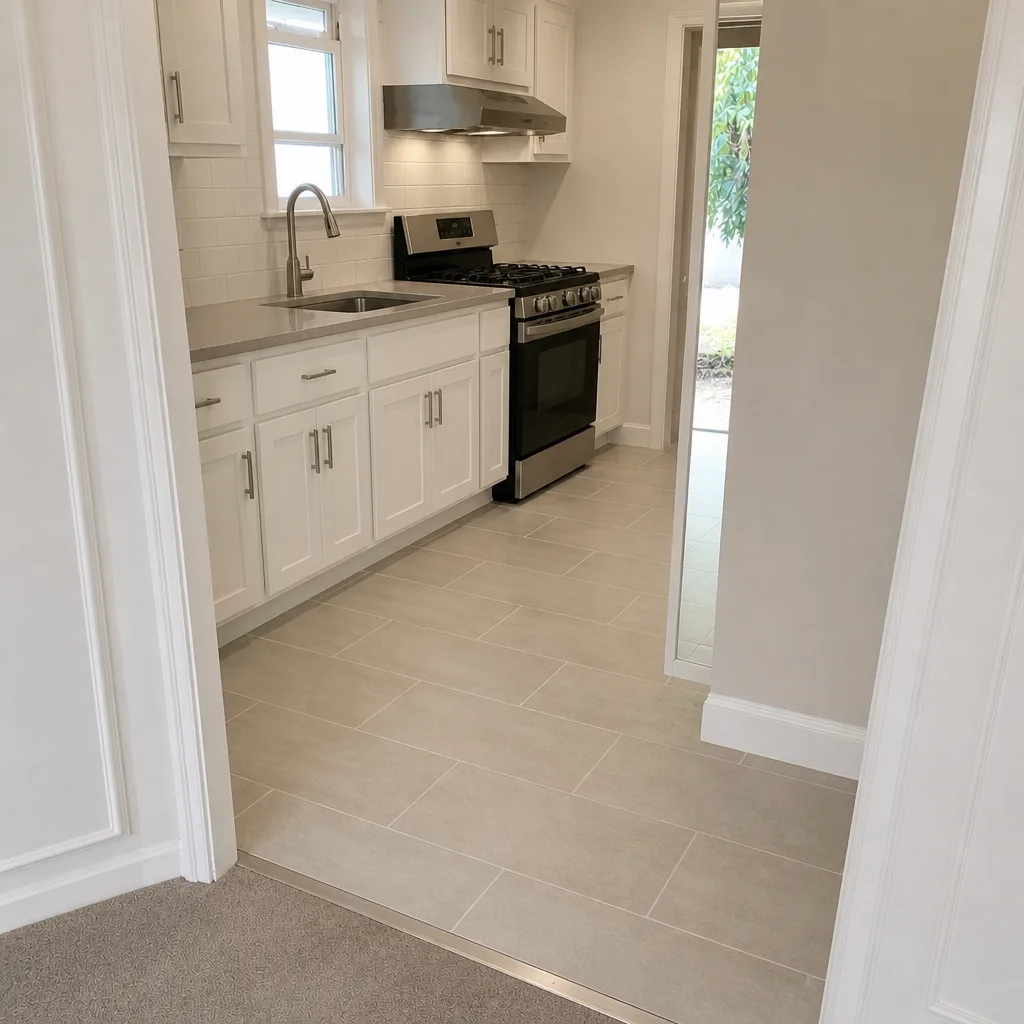 After
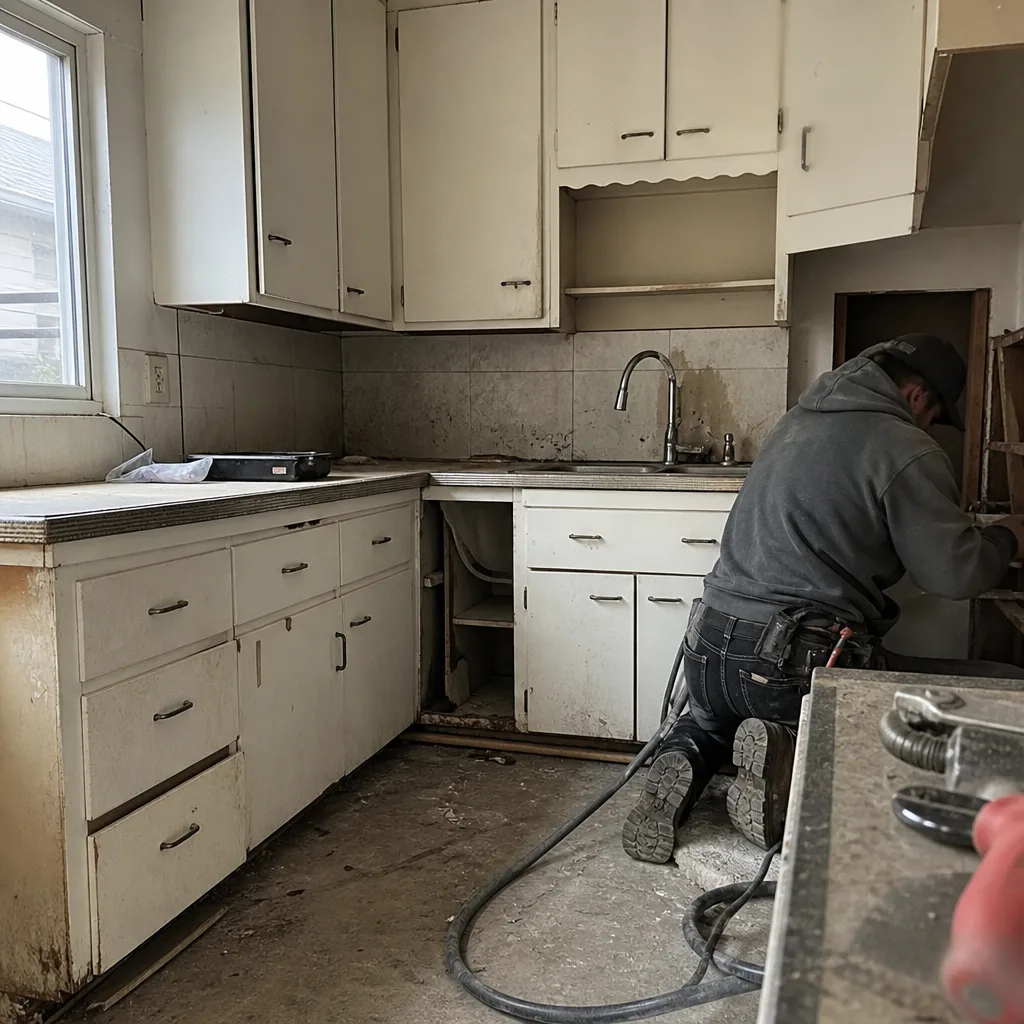 Before
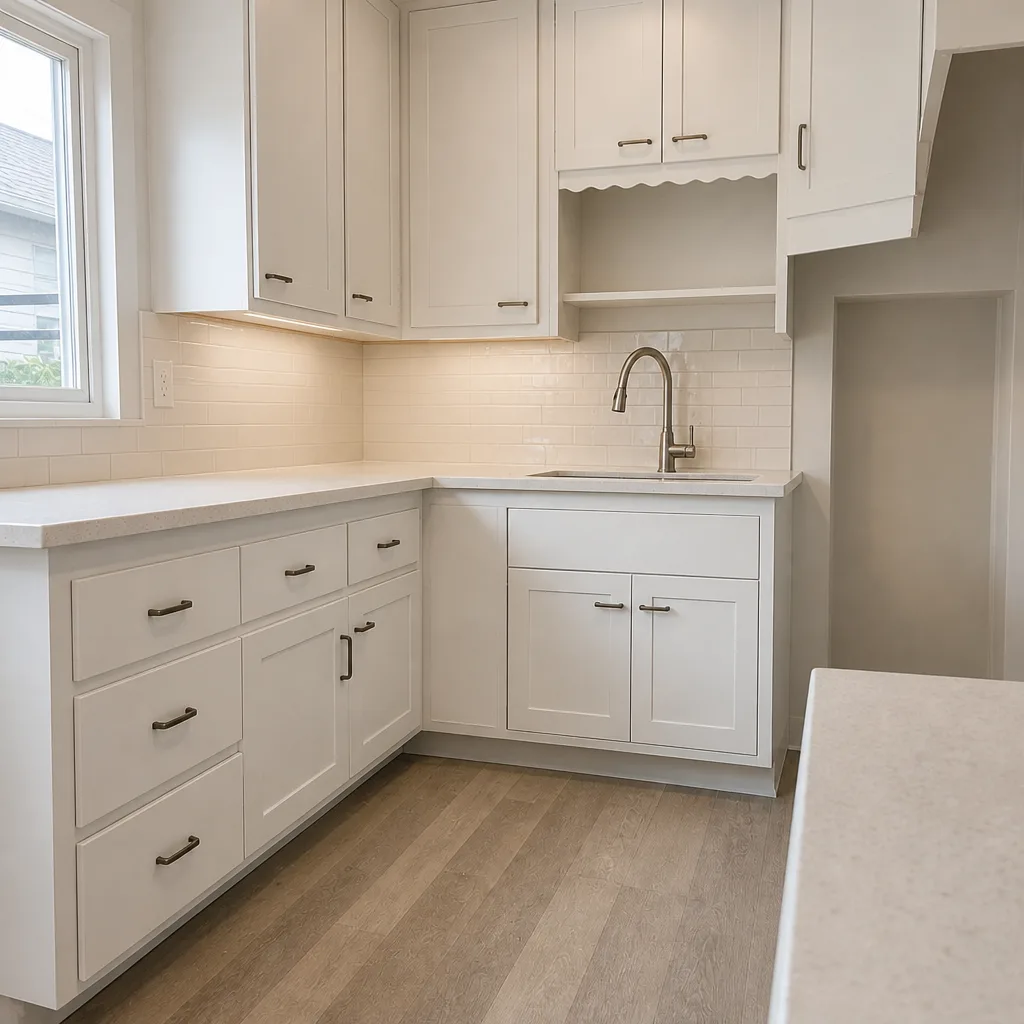 After
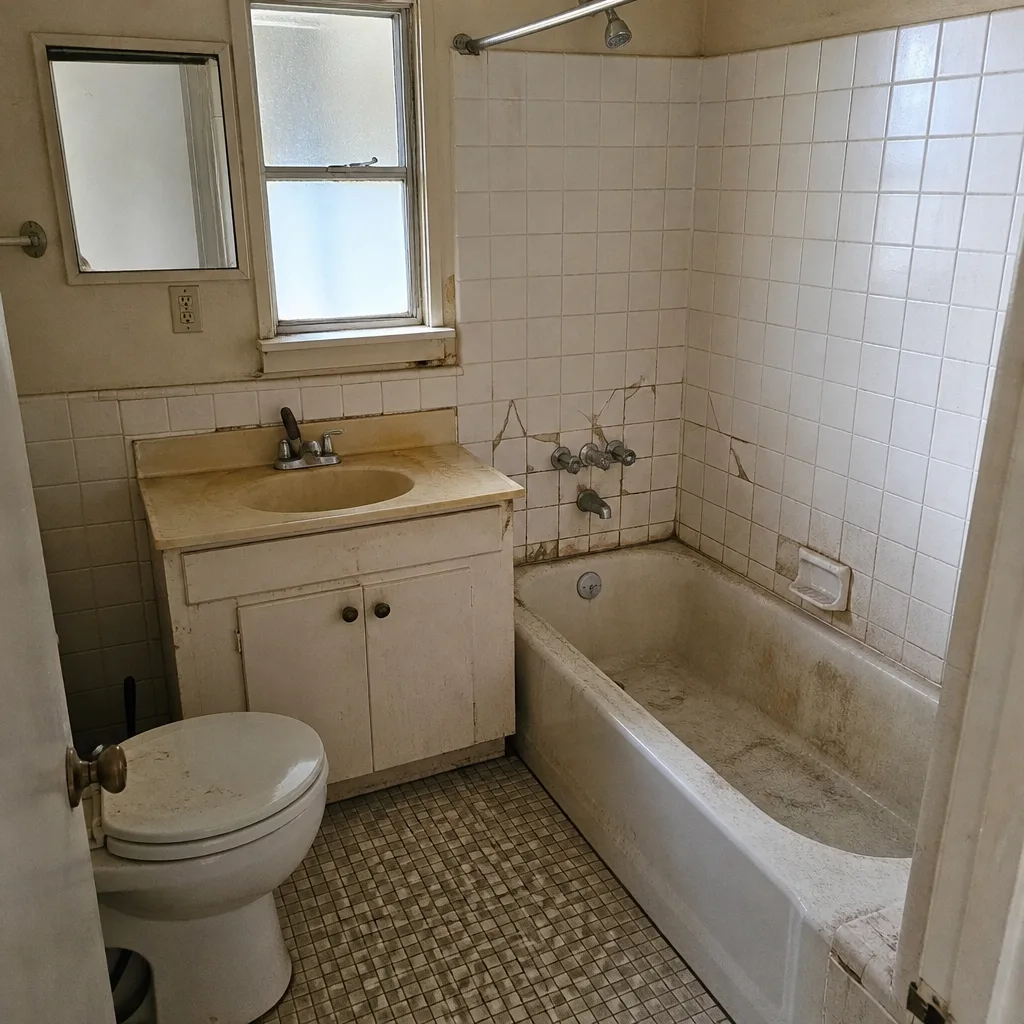 Before
 After
Chain Link vs. Wood Fence in Berkeley: Choose Wood on the Flatlands, Choose Chain Link in the Hills
Choose wood fencing on Berkeley’s flatlands, where fire risk is lower and privacy in dense neighborhoods is the premium you’re paying for. Choose chain link (or another non-combustible fence) on hillside parcels that touch open space, where wood becomes fuel and may not meet wildland-urban interface (WUI) standards. If your property sits anywhere near the hills, the real deciding factor between chain link and wood isn’t cost or curb appeal. It’s fire code. Call (855) 471-4163 for a free assessment of which side of that line your property falls on.
Key Takeaways
- Berkeley’s post-1991 fire resilience guidelines treat wood fencing in designated WUI zones as an ember-ignition pathway; chain link’s open metal fabric doesn’t carry that liability.
- Installed chain link in Berkeley typically runs $8-$15 per linear foot; wood privacy fencing runs higher and needs recurring maintenance in the fog belt.
- Full fence projects here usually land between $3,500 and $9,000 depending on perimeter length, material, and zone designation.
- The right material is a property-by-property call, not a universal preference.
Why Berkeley’s Fire History Rewrote the Fence Question
The 1991 Tunnel Fire started in the Oakland-Berkeley hills and destroyed thousands of homes before it was contained. Since then, Berkeley has been unusually rigorous about WUI construction detailing, and that rigor now extends to what historically got treated as landscaping: fences. A wood fence touching your house or running along a shared property line in a designated zone creates a continuous fuel path and an ember-catching surface. Chain link’s galvanized steel fabric does neither. It won’t combust, it won’t feed a fire into your siding, and it doesn’t trap embers the way stacked wood pickets do.
This matters more than most comparison guides admit, and it’s the part of the chain link versus wood debate that Berkeley homeowners deserve straight answers on. Walking onto a hillside parcel, our technicians check the zone designation before anyone talks about materials. Not salespeople pushing the higher-margin product. Trained installers who know where Berkeley’s WUI boundaries actually fall.
Honest Comparison: Chain Link vs. Wood for Berkeley Properties
Here’s the side-by-side we’d give a neighbor.
| Factor | Chain Link | Wood Privacy Fence |
|---|---|---|
| Installed cost | $8-$15 / linear ft | Higher per foot, especially for quality cedar or redwood |
| Fire behavior in WUI zone | Non-combustible steel fabric | Combustible; may not meet guidelines in designated areas |
| Privacy | Open see-through; slat inserts add privacy at extra cost | Full visual block |
| Maintenance in Berkeley | Galvanized coating wears faster in clay-saturated soil; inspect posts earlier than in dry climates | Restain every 1.5-2 years in the fog belt |
| Neighborhood fit | Neutral, works fine on most flatland parcels | Blends with Berkeley’s early-1900s bungalow character |
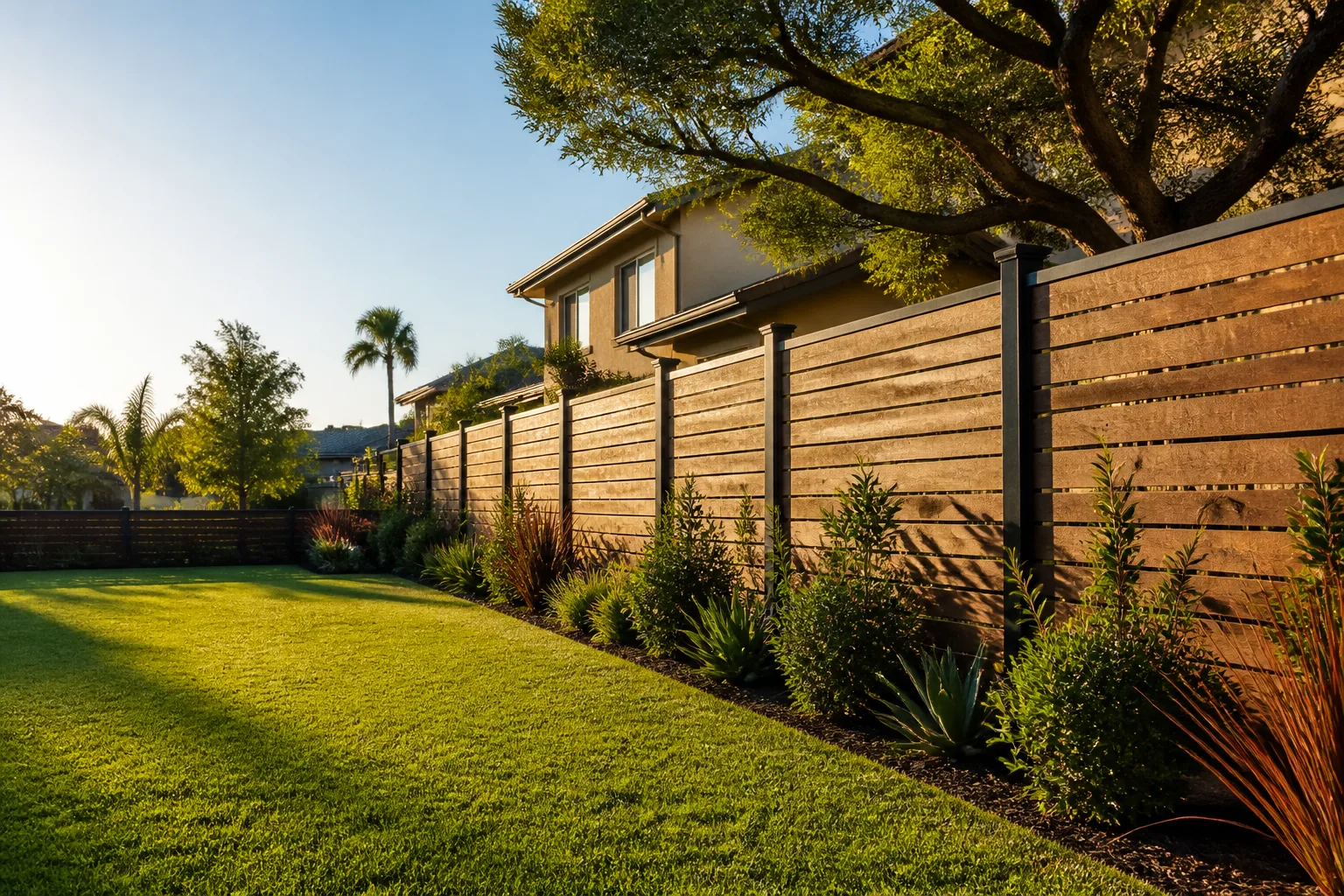
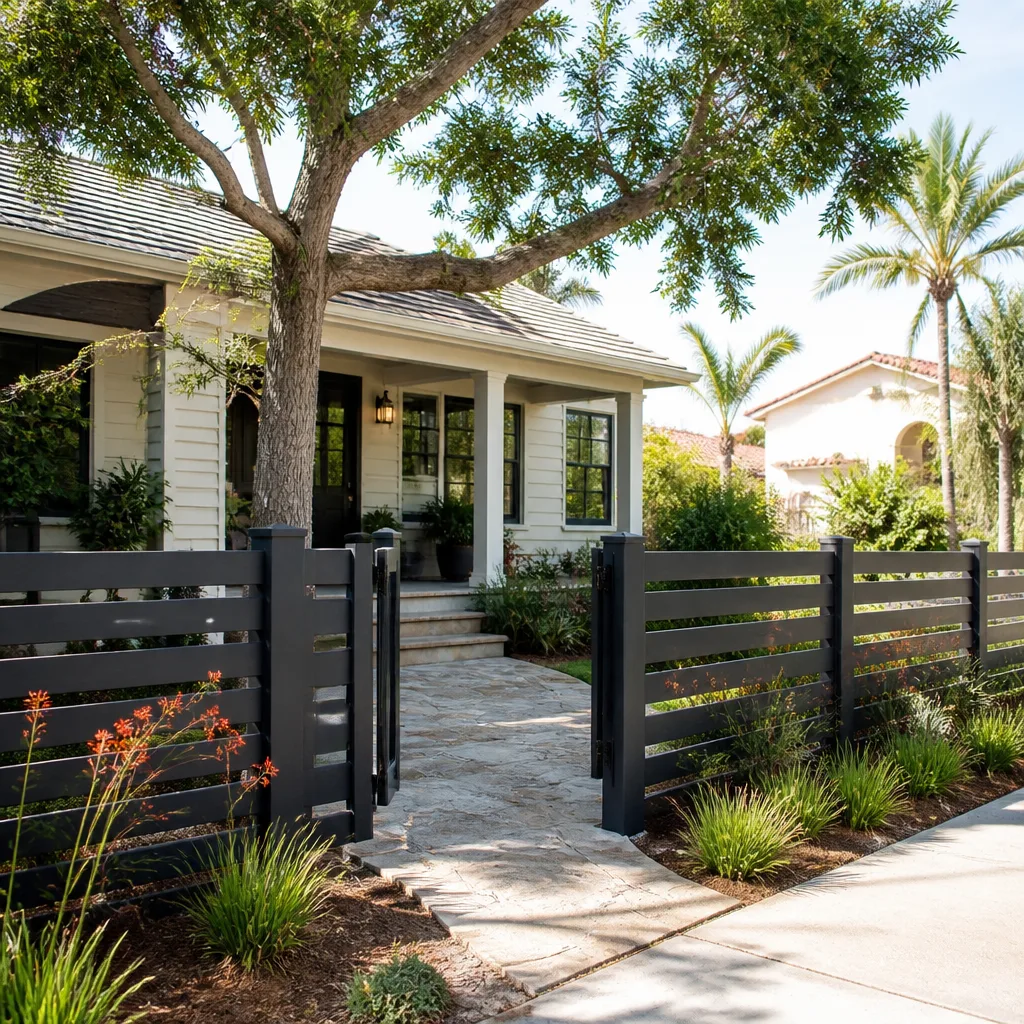
On the aesthetics question, chains link doesn’t win, and pretending otherwise wastes your time. Wood looks better on a North Berkeley block full of brown-shingle homes. Chain link looks industrial by comparison. Slat-insert upgrades soften it, but you won’t match the warmth of a horizontal redwood fence. What chain link brings instead is fire resilience, lower upfront cost, and near-zero seasonal upkeep beyond post inspection.
The Maintenance Reality Neither Generic Guide Tells You
Both materials carry costs that get glossed over in simplified comparisons. Chain link’s galvanized coating corrodes faster in Berkeley’s clay-heavy, moisture-retaining soil than in drier parts of California. Posts sitting in saturated clay will show rust and footing problems years sooner than the same install in, say, the Central Valley. That means scheduled post inspection matters more here than generic maintenance guides suggest.
Wood in Berkeley lives in the fog belt, and fog means recurring damp cycles. A cedar or redwood fence here wants restaining every 18 months to two years, not the five years quoted in national guides. Skip it and the horizontal boards cup, the grain splinters, and you’re looking at partial replacement inside a decade. According to home-improvement market data, deferred wood maintenance is one of the most common causes of premature fence failure we see on Berkeley parcels.
Neither material is maintenance-free. Both demand attention. The question is which kind of maintenance you’d rather schedule.
Flatlands vs. Hillsides: Where Each Material Actually Wins
Berkeley splits neatly along fire-risk lines, and the fence decision follows.
Flatlands (Elmwood, central Berkeley, the flats near downtown)
Fire risk here is lower, and privacy is a premium in tight lots where the neighbor’s second-story window looks straight into your yard. Wood wins here on the merits. It blocks sightlines, fits the early-1900s housing stock, and installation on level ground keeps labor costs predictable. Many of these lots have original redwood or cedar framework still in place, which our crews confirm can sometimes be repaired rather than replaced.
On flatland properties, chain link is a budget choice, not a fire-resilience choice, and that’s fine. It’s honest.
Hillsides (Berkeley hills, parcels touching open space)
This is where the argument flips. Any hillside parcel adjacent to Tilden Park, the East Bay Regional Park District land, or unmaintained brush gets treated as wildland-urban interface under Berkeley’s resilience guidelines. In those zones, wood fencing contributes ember ignition pathways in ways chain link does not, and the defensible choice is a non-combustible fence. Some properties will already know their zone; others need us to confirm before recommending anything.
For hillside projects that do allow wood, we spec fire-resistant detailing and clear brush from the fence line. For projects where wood is genuinely risky, we say so.
Homeowners comparing options across Berkeley neighborhoods consistently tell us they wish someone had explained the zone distinction before they priced anything. That’s why we lead with it. Our Fence Installation program is built around a zone-first assessment, and our broader Fence Installation in Berkeley overview covers material choices for each type of parcel.
What a Berkeley Fence Project Actually Costs
Most chain link and wood fence installs in Berkeley land in the $3,500-$9,000 range. Perimeter length, material, and zone designation drive the final number. Chain link runs roughly $8-$15 per linear foot installed. Wood privacy fencing runs higher, and hillside work adds cost for posts set in clay and, where relevant, fire-resistant detailing.
We quote upfront with no surprises. The driveway and paver work clients often schedule alongside fence projects gets the same treatment: written number, no hidden charges. On full projects over $10,000, we offer $1,000 off and 0% financing for 18 months, which puts larger perimeter installs into reach. Every fence project is backed by our 730-Day Done Right Promise, and if it’s not done right, we make it right.
Weather also shapes scheduling. Berkeley’s mild Mediterranean climate allows year-round work, but winter rains and the fog belt make exterior finishing a seasonal gamble. We plan installs around that window, not against it.
Why Homeowners in Berkeley Call Groundwork Construction Co. of Berkeley
You get a live person on the phone 24/7, not a voicemail that rolls to Monday. Every technician is background-checked and arrives in uniform. Our technicians have up to 12 years of experience on residential fencing and construction work, and every project comes with the 730-Day Done Right Promise and a written upfront price. Explore the home additions and ADU, kitchen remodeling, and bathroom remodeling services if you’re planning a larger scope.
When selecting fencing materials, we work with brands like Bufftech for low-maintenance vinyl where a non-wood option fits the parcel, and consider Belgard for adjacent hardscape if you’re pairing fence work with a paver path or patio.
FAQs
Yes. Chain link installs at $8-$15 per linear foot, while wood privacy fencing runs higher due to material costs and, in the fog belt, recurring restaining. Chain link also avoids the 18-to-24-month stain cycle wood requires. Call (855) 471-4163 for a free quote - estimates are free.
Sometimes, but not always. Properties adjacent to open space in the Berkeley hills may need to meet WUI material standards under post-1991 fire resilience guidelines, and wood fencing in designated areas may not comply. We check your zone before recommending anything. Call (855) 471-4163 for a no-pressure assessment.
Full fence installs in Berkeley typically land in the $3,500-$9,000 range, driven by linear footage, material, and fire-zone requirements. Chain link runs lower per foot; wood runs higher. Call (855) 471-4163 for an exact quote - estimates are free.
Chain link needs less routine upkeep, though its galvanized coating corrodes faster in Berkeley’s clay-heavy soil than in drier climates, so post inspection matters. Wood needs restaining every 18 months to two years in the fog belt. Both require periodic attention. Call (855) 471-4163 to schedule a maintenance inspection.
If you’d rather have it looked at, Groundwork Construction Co. of Berkeley offers a no-pressure assessment in Berkeley, covering zone designation, material options, upfront pricing, and the 730-Day Done Right Promise. Call (855) 471-4163 and we’ll walk your property, not just email a bid.
Written by the team at Groundwork Construction Co. of Berkeley, serving Berkeley, CA.