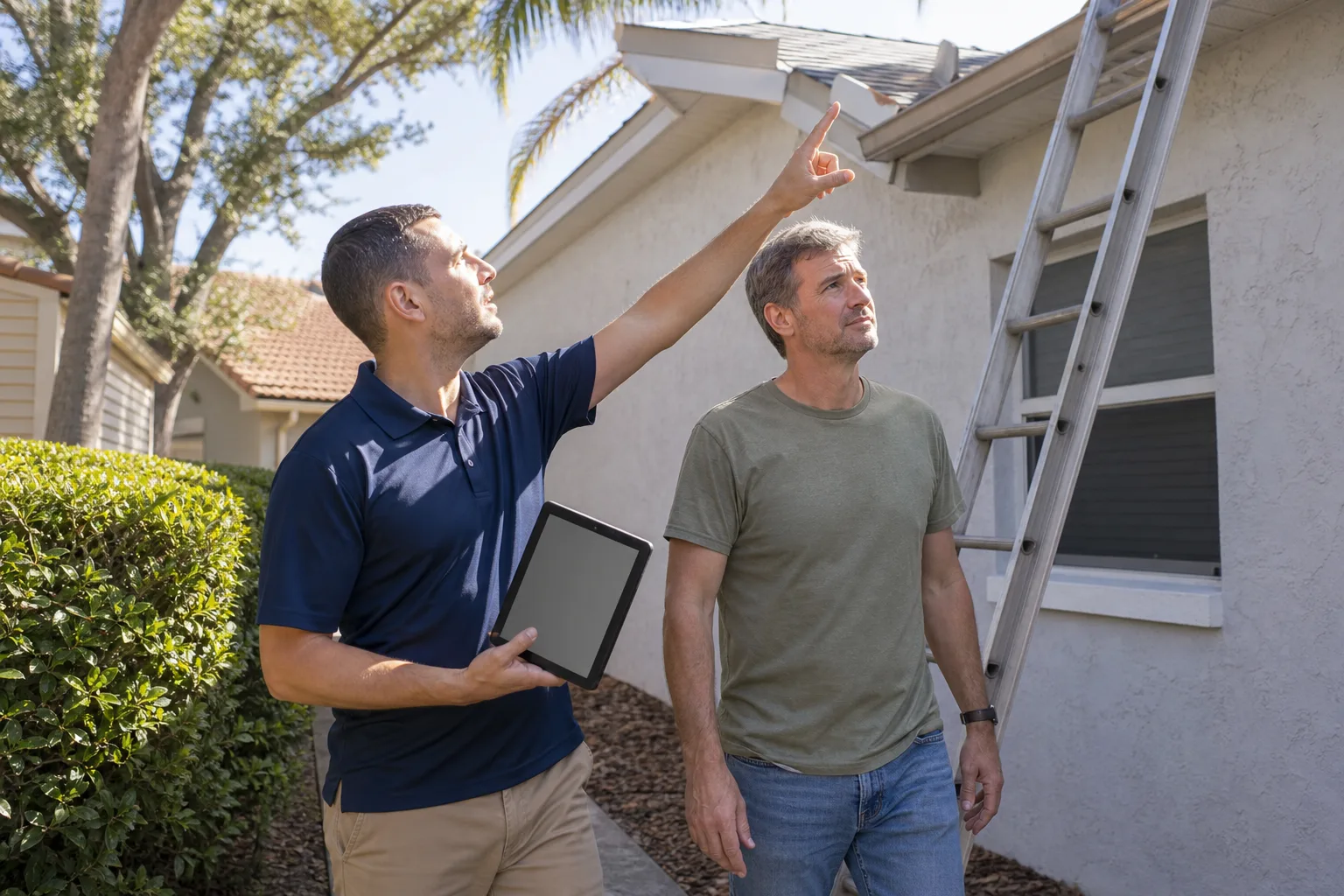
Free written scope consultation - allowances, timeline, and change-order rules on paper before a single trade is scheduled
Styles & brands we work with
- Kitchen remodeling
- Bathroom remodeling
- Home additions & ADU
- Roofing
- Windows & doors
- Driveway & pavers
- Fence
See the difference
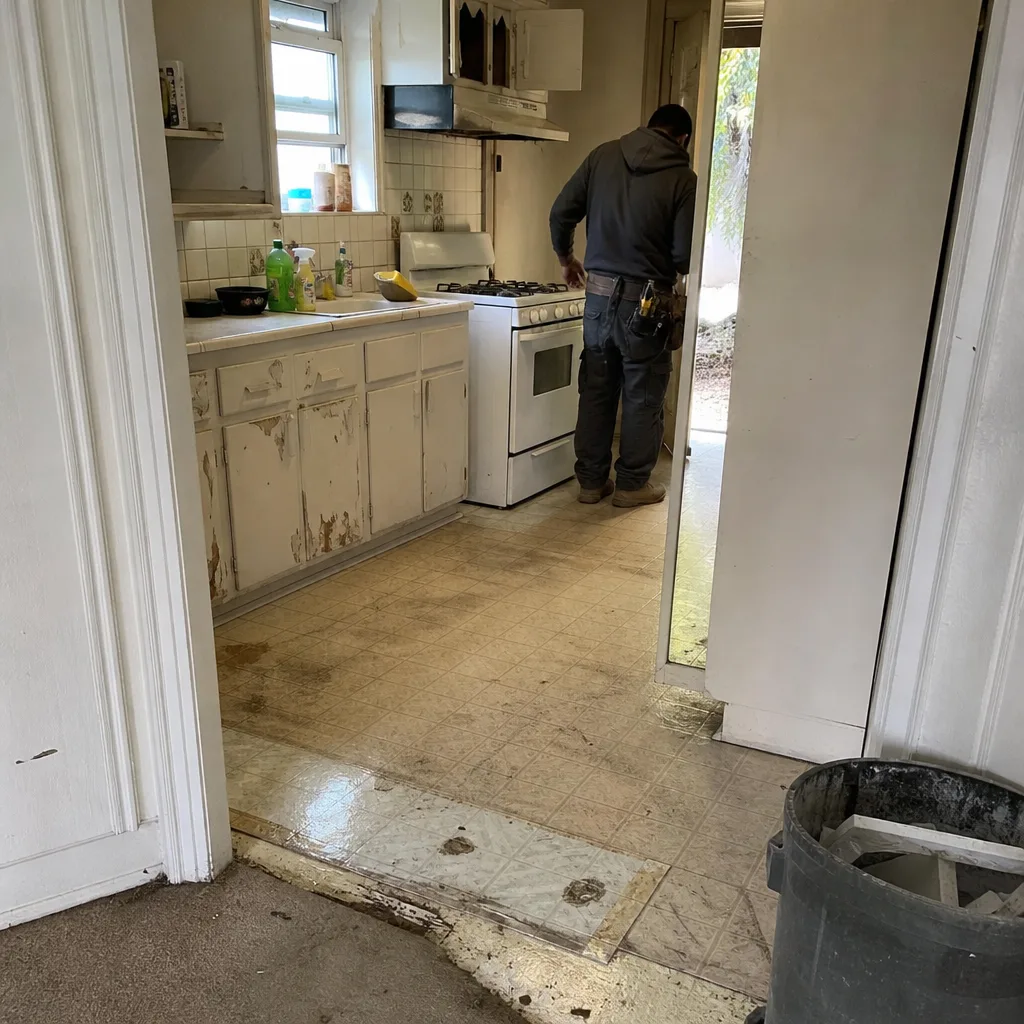 Before
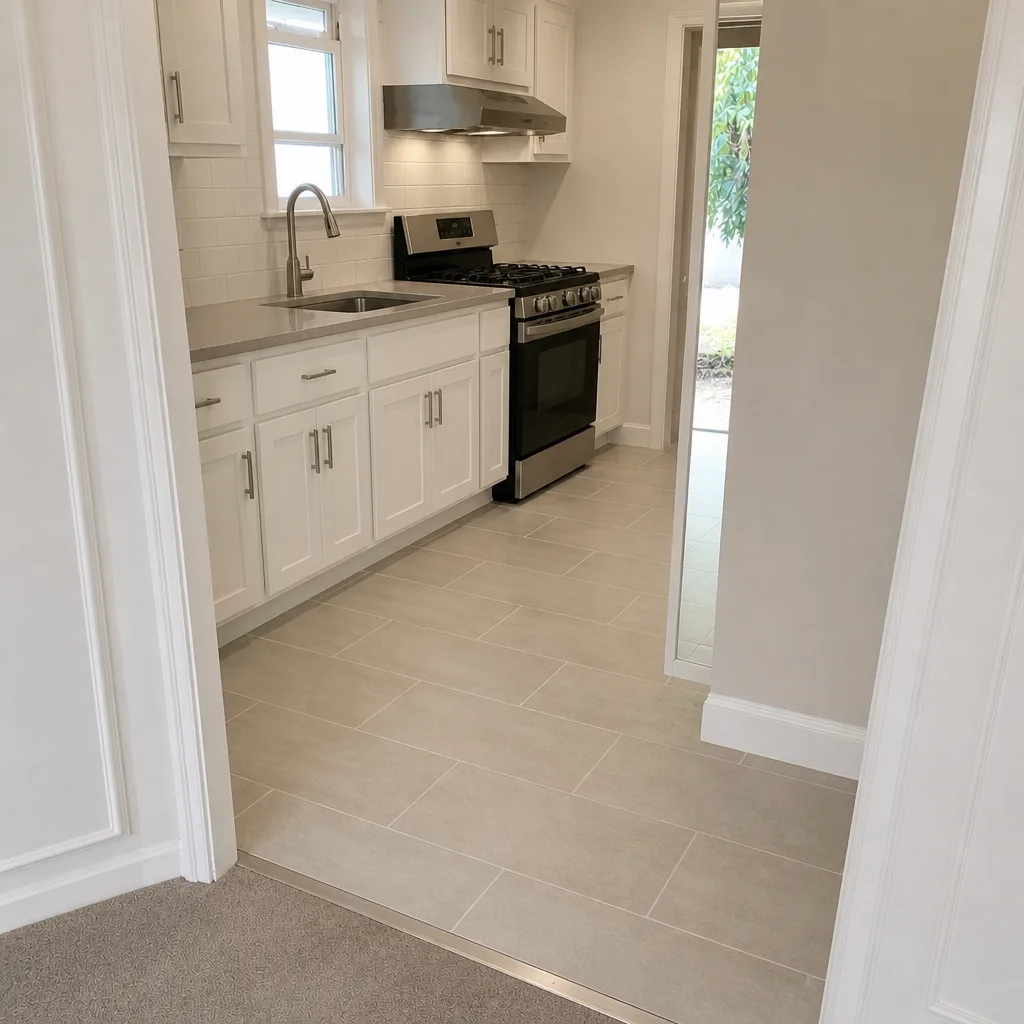 After
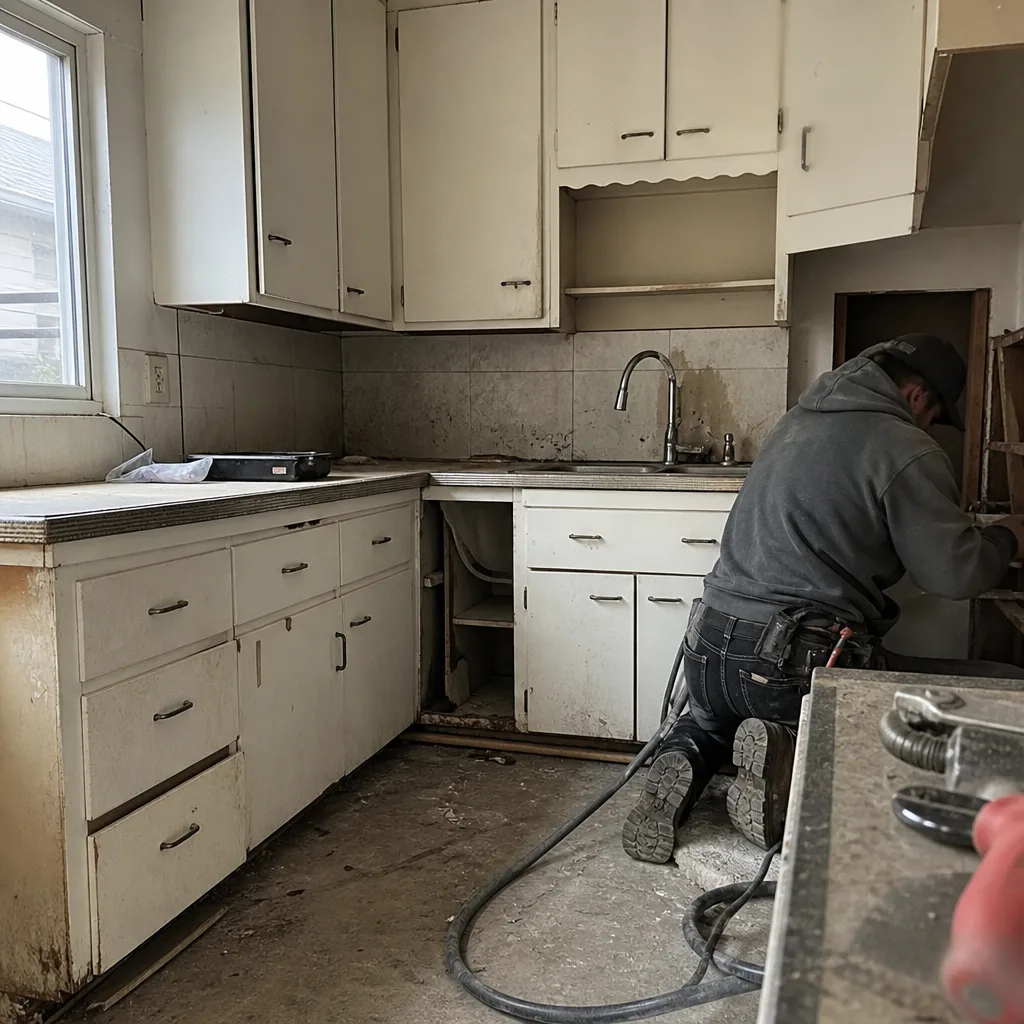 Before
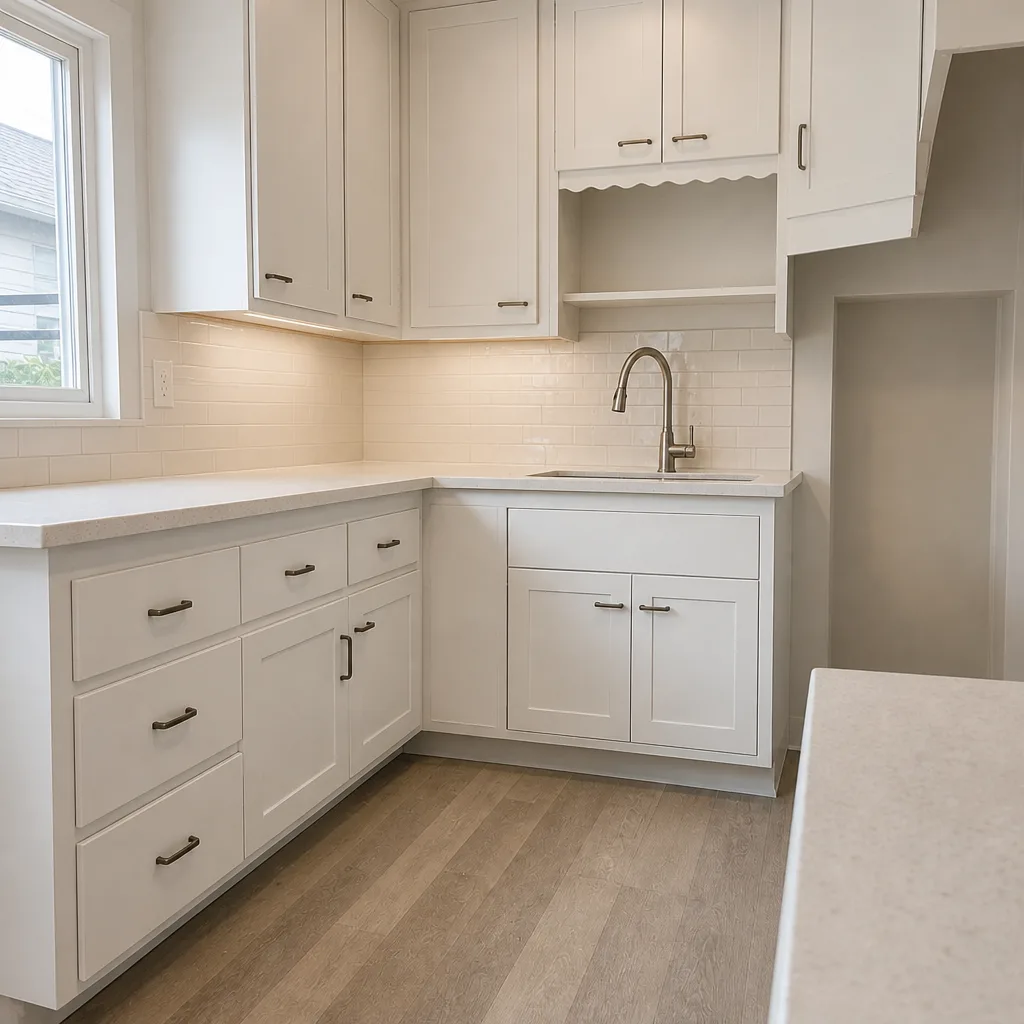 After
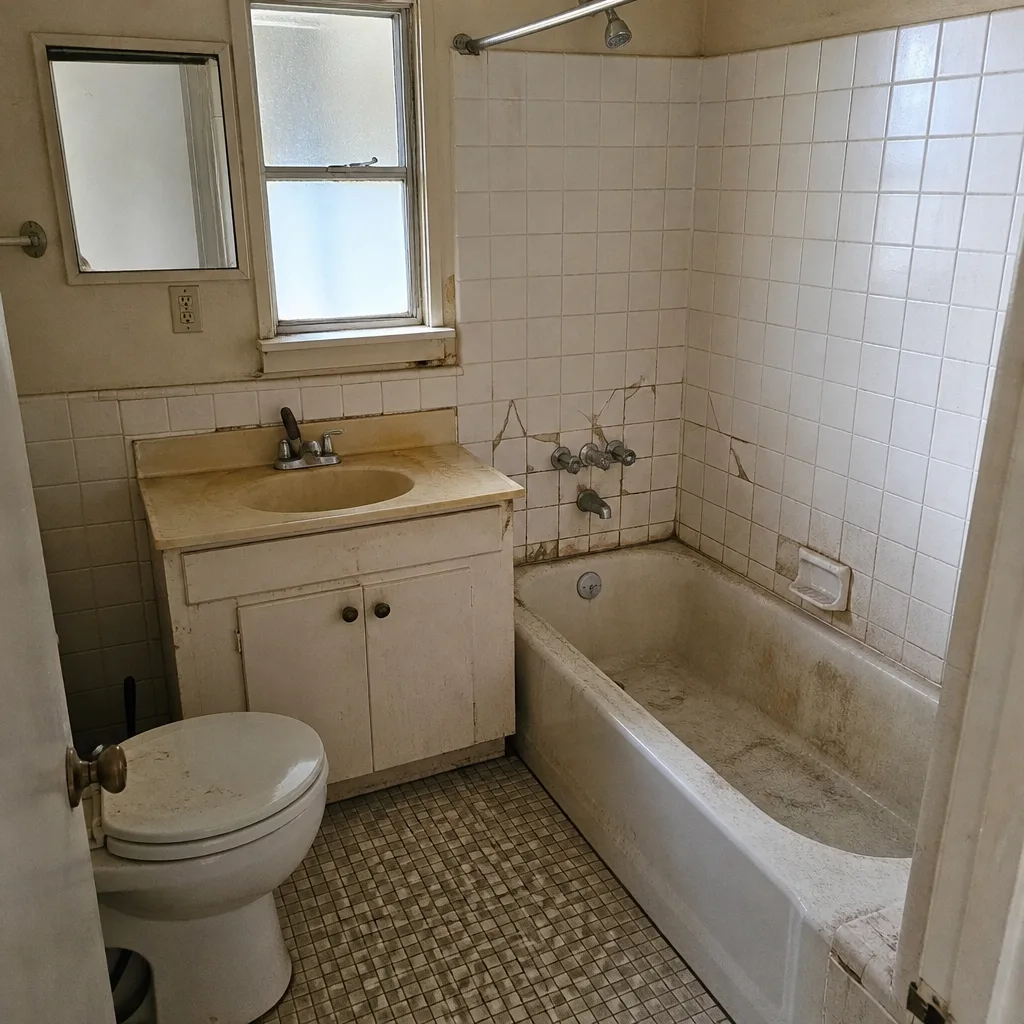 Before
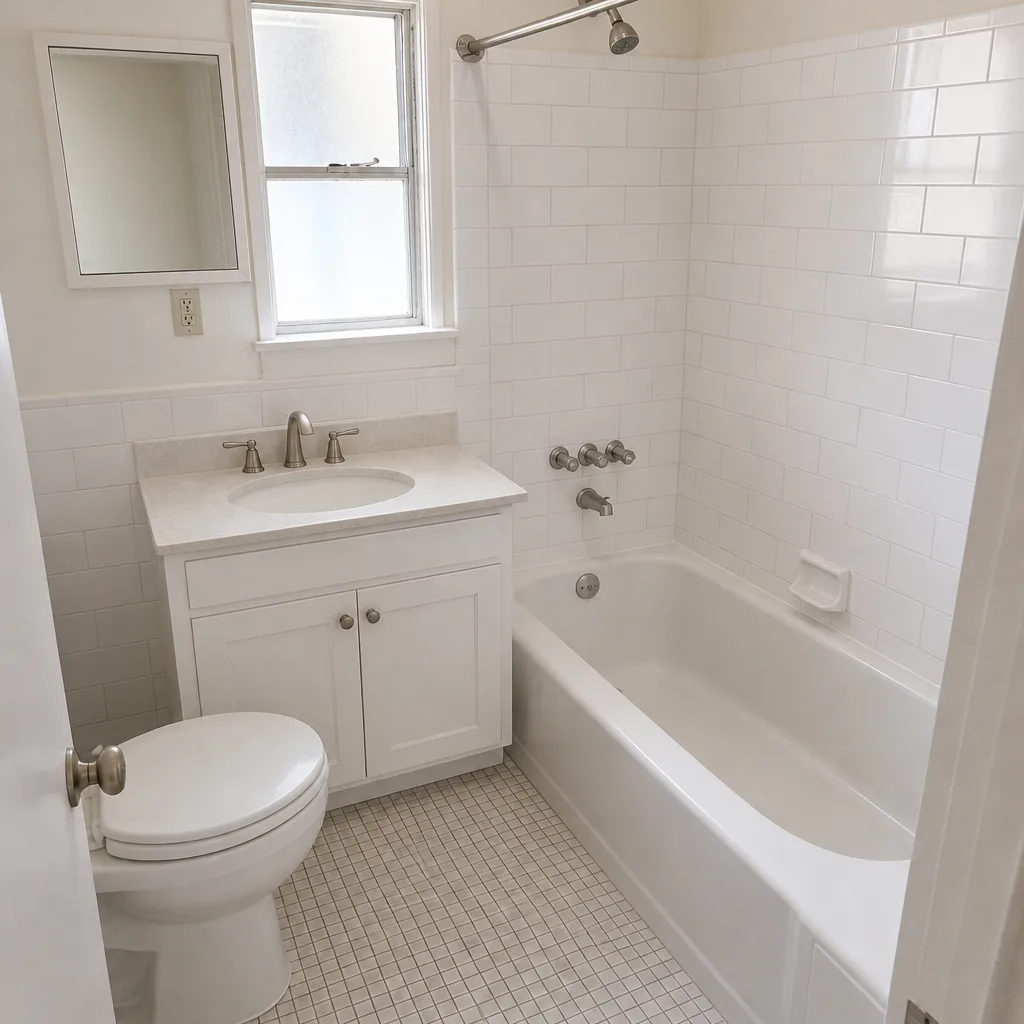 After
Clay vs Concrete Roof Tiles in Berkeley, CA: Pick Clay Unless Your Budget or Color Palette Rules It Out
For most Berkeley homes, clay tile is the better long-term choice: it holds up to our fog-belt moisture better than concrete, adds a little less dead load to old framing, and keeps its color without sealing. Choose concrete tiles instead if you need a wider color range, a lower upfront price, or a profile that matches a specific historic look on a budget. Either way, the decision starts with your rafters, not the catalog. Call (855) 471-4163 for a free estimate.
Key Takeaways
- Clay tiles weigh roughly 600-1,000 lbs per square; concrete runs 900-1,200 lbs. On century-old Berkeley framing, that gap matters.
- Berkeley’s seismic rules and historic overlays can shape the tile decision more than price or color.
- Concrete is porous and needs sealing in our wet winters; clay absorbs far less water.
- Lighter colors in both materials can earn cool-roof credits under Berkeley’s green building rules.
Why Berkeley Changes This Comparison
Berkeley’s roof stock isn’t like most of the country. Early-1900s Craftsman bungalows and brown-shingle “Berkeley boxes” dominate the flatlands, and many were framed long before anyone specified tile. In Elmwood and North Berkeley, we regularly pull original redwood framing that’s still solid but was never sized for a 900-lb-per-square roof. Add hillside homes in the fog belt and the wildland-urban interface, and you get a market where roofing decisions are structural, seismic, and historic all at once.
That’s the part most clay-vs-concrete guides skip. A tile roof isn’t a shingle swap. It’s a permanent load on rafters, ridge beams, and the diaphragm that holds the whole roof together. Before we ever talk color, we talk capacity.
What to Check Before You Choose a Tile
Three things decide this for a Berkeley home. Run through them in order and the material question usually answers itself.
- Rafter size and spacing. A 1915 Craftsman with 2×4 rafters at 24-inch spacing will need reinforcement before either tile goes up. Newer framing often carries tile as-is.
- Seismic capacity. Extra roofing weight increases inertial forces during a quake. On a hillside home, a seismic engineer’s sign-off is worth the cost before you commit to tile.
- Historic overlay status. In Elmwood and parts of the flatlands, contributing structures may be restricted on material changes. A pre-application meeting with the Landmarks Preservation Commission can save weeks and thousands.
If all three clear, you’re comparing materials on their merits. If any one fails, that’s the real conversation first.
Head-to-Head: Clay vs Concrete Tile in Berkeley
| Factor | Clay Tile | Concrete Tile |
|---|---|---|
| Weight per square | 600-1,000 lbs | 900-1,200 lbs |
| Moisture absorption | Low; holds color without sealing | Higher; porous, needs periodic sealing |
| Freeze-thaw risk (fog belt) | Minimal | Real concern without sealing |
| Seismic load on old framing | Lower | Higher |
| Color & profile range | Narrower, warmer tones | Wide range, close historic matches |
| Upfront cost | Higher | Lower |
| Long-term durability | Excellent, decades of service | Good with sealing and upkeep |
In Berkeley’s climate, the deciding column is often moisture. Concrete tiles are porous. Our winter rains soak in, and in the fog belt that repeated wet-and-dry cycle slowly degrades unsealed concrete. Clay absorbs far less, so it shrugs off the same weather with less maintenance. Add the lower dead load and clay wins the durability and structural argument, which is most of the argument.
Concrete still earns its place when budget or design flexibility leads. It costs less upfront, and its color range lets you match a specific historic palette without special-order clay. We source tile through vetted manufacturer relationships (Boral, IKO, and others) and pair every tile roof estimate with upfront structural load documentation. That means no surprises when the permit inspector shows up.
What a Tile Roof Costs in Berkeley
Tile work lands in the wider Roofing budget you’d expect for Berkeley homes, and the material drives the number more than labor does. Here’s what we see:
| Service | Berkeley Range |
|---|---|
| Roof Replacement (general) | $8,000-$20,000 |
| Tile Roof Repair | $600-$2,500 |
| Roof Repair (any type) | $400-$1,800 |
| Metal Roof Installation (for comparison) | $15,000-$40,000 |
Concrete typically runs below clay per square, but the gap shrinks once you add sealing and the occasional re-seal over the roof’s life. And if your framing needs reinforcement, that’s a separate line you’ll want documented up front. Our Roofing team builds every estimate with the load math included, so the number you see is the number you pay. If you’re planning broader exterior work, our Berkeley service area page lays out how we handle the whole envelope from a single contract.
A word on color and credits: Berkeley’s Green Building Ordinance rewards cool-roof reflectance, and lighter tiles in both materials can qualify. It’s a modest offset most comparison guides never mention, and it’s worth specifying before you pick a palette. For homeowners weighing broader structural projects, our home additions and ADU work uses the same upfront documentation approach.
Where Sealing Fits In
Do concrete tiles need sealing in Berkeley? Yes, if you want them to last. Sealing keeps water out of the tile body and blocks the slow freeze-thaw damage our fog belt makes possible. Budget for it as routine upkeep, not a one-time step. Clay tiles skip this cycle entirely, which is a big part of why we lean clay for long-horizon homes. If you’re also weighing updating windows while the roof is open, our windows and doors team coordinates the schedule so the house is never exposed.
FAQs
Clay is usually the better fit for Berkeley’s older wood-frame homes because it’s lighter and resists fog-belt moisture better. Concrete wins when budget or a specific color match leads the decision. Call (855) 471-4163 for an exact recommendation on your roof.
Not always, and we check before recommending tile. Many pre-1940 Berkeley homes were framed for lighter roofs, so 2×4 rafters at 24-inch spacing often need reinforcement first. Our technicians have up to 12 years of experience reading this framing, and we document the load before you commit. Call for a free structural assessment.
Yes. Concrete is porous and takes on Berkeley’s winter moisture, so periodic sealing is needed to prevent freeze-thaw degradation. Clay’s lower absorption rate sidesteps the cycle. Ask us to include sealing in the estimate so cost comparisons are fair.
Tile falls within our $8,000-$20,000 roof replacement range, and tile-specific repairs run $600-$2,500. Concrete sits below clay per square before sealing and reinforcement are added. Call (855) 471-4163 for a free, upfront quote with the load math included.
Ready to Decide?
If you’d rather have it looked at, Groundwork Construction Co. of Berkeley offers a no-pressure assessment in Berkeley – call (855) 471-4163. We’ll check your framing, your historic status, and your budget, then give you a straight recommendation backed by our 730-Day Done Right Promise. Live person, 24/7. Upfront pricing, no surprises.
Written by the team at Groundwork Construction Co. of Berkeley, serving Berkeley, CA.