
Free written scope consultation - allowances, timeline, and change-order rules on paper before a single trade is scheduled
Styles & brands we work with
- Kitchen remodeling
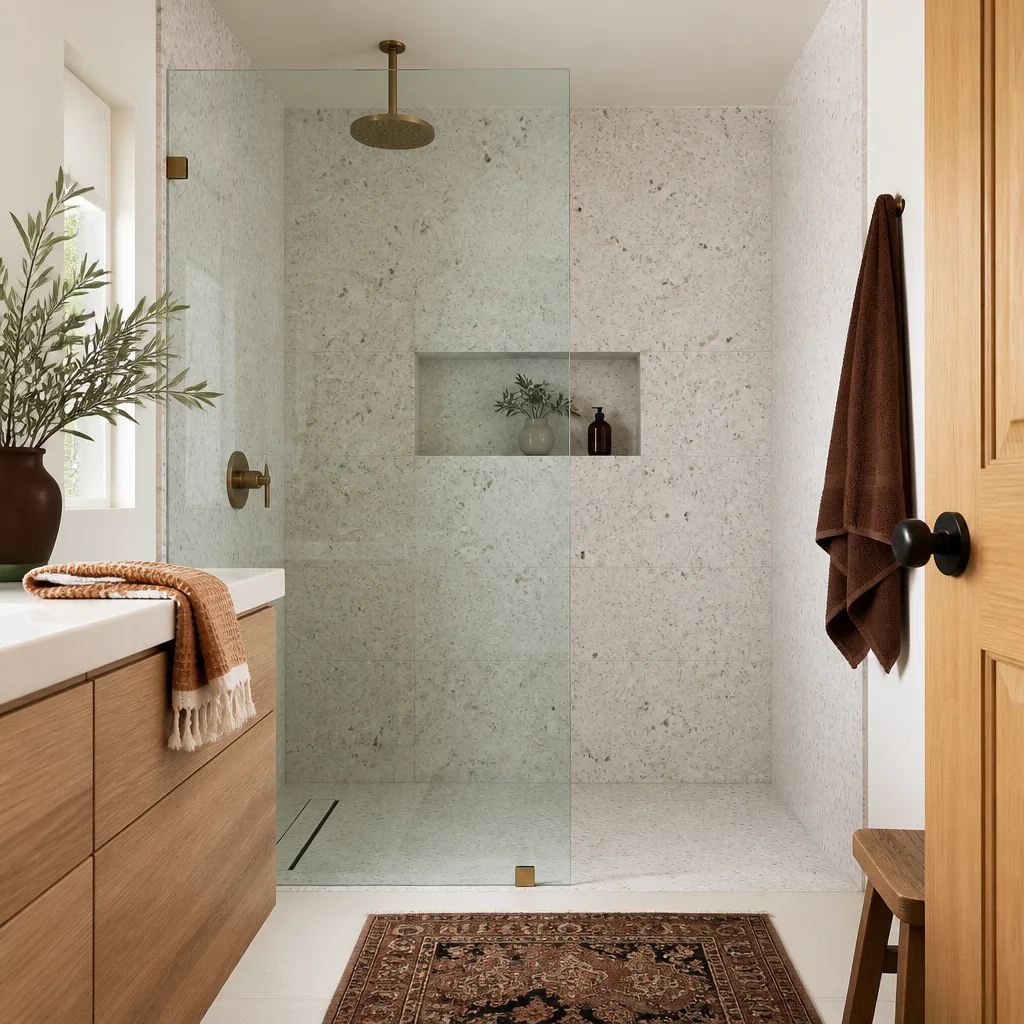
- Bathroom remodeling
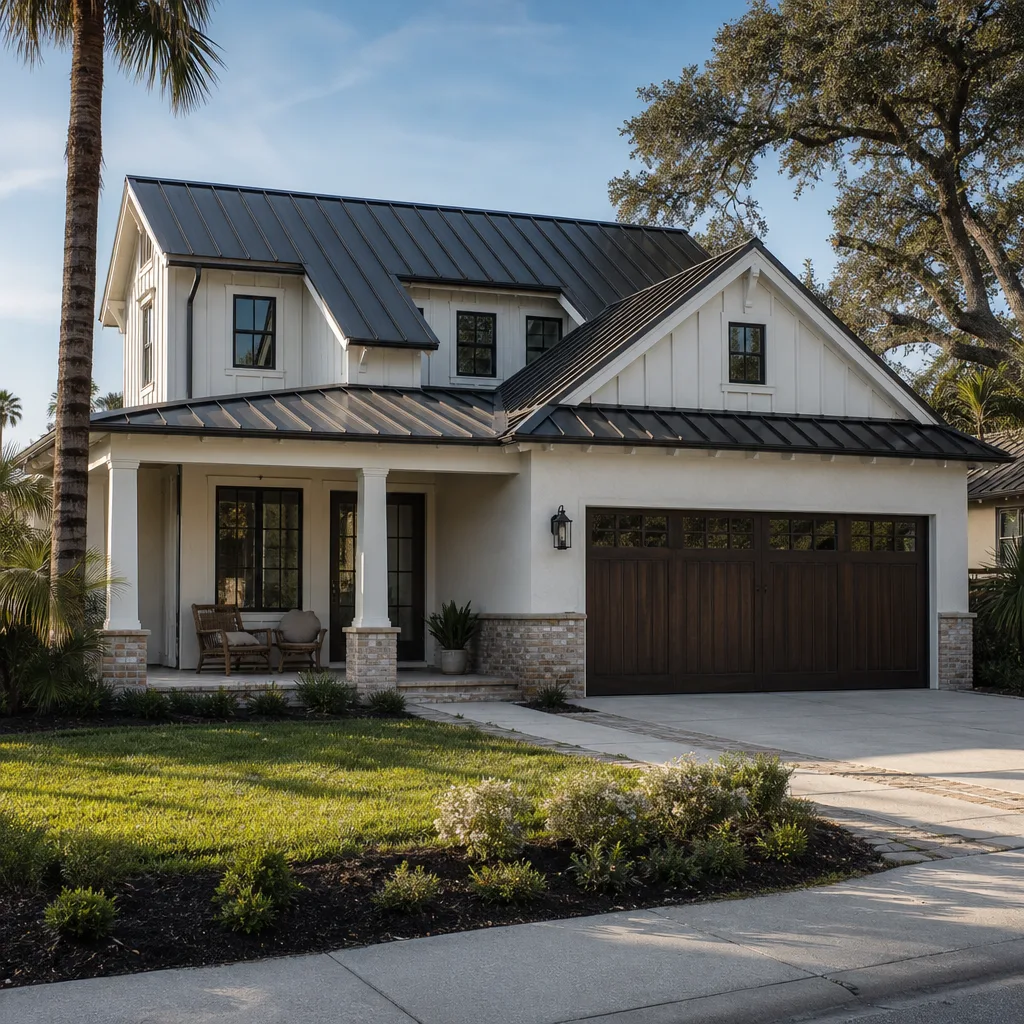
- Home additions & ADU
- Roofing
- Windows & doors
- Driveway & pavers
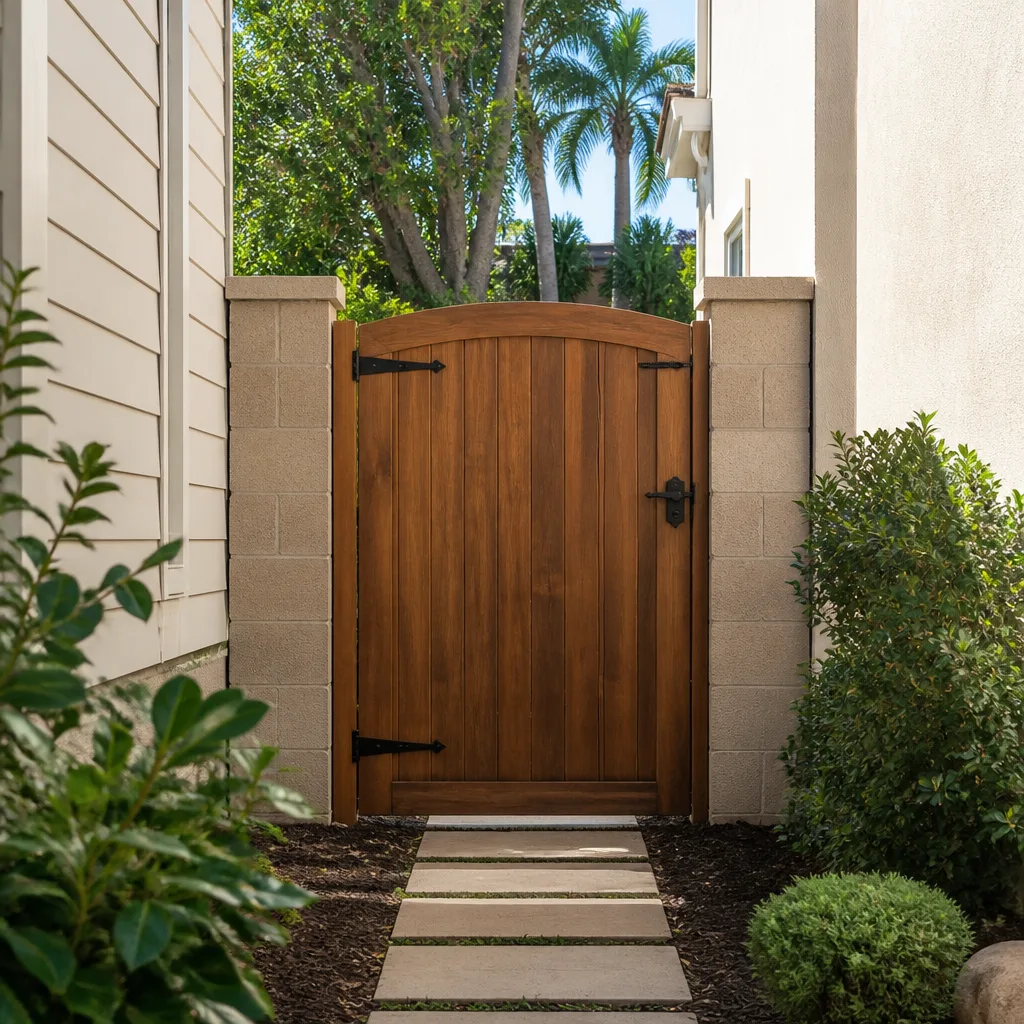
- Fence
See the difference
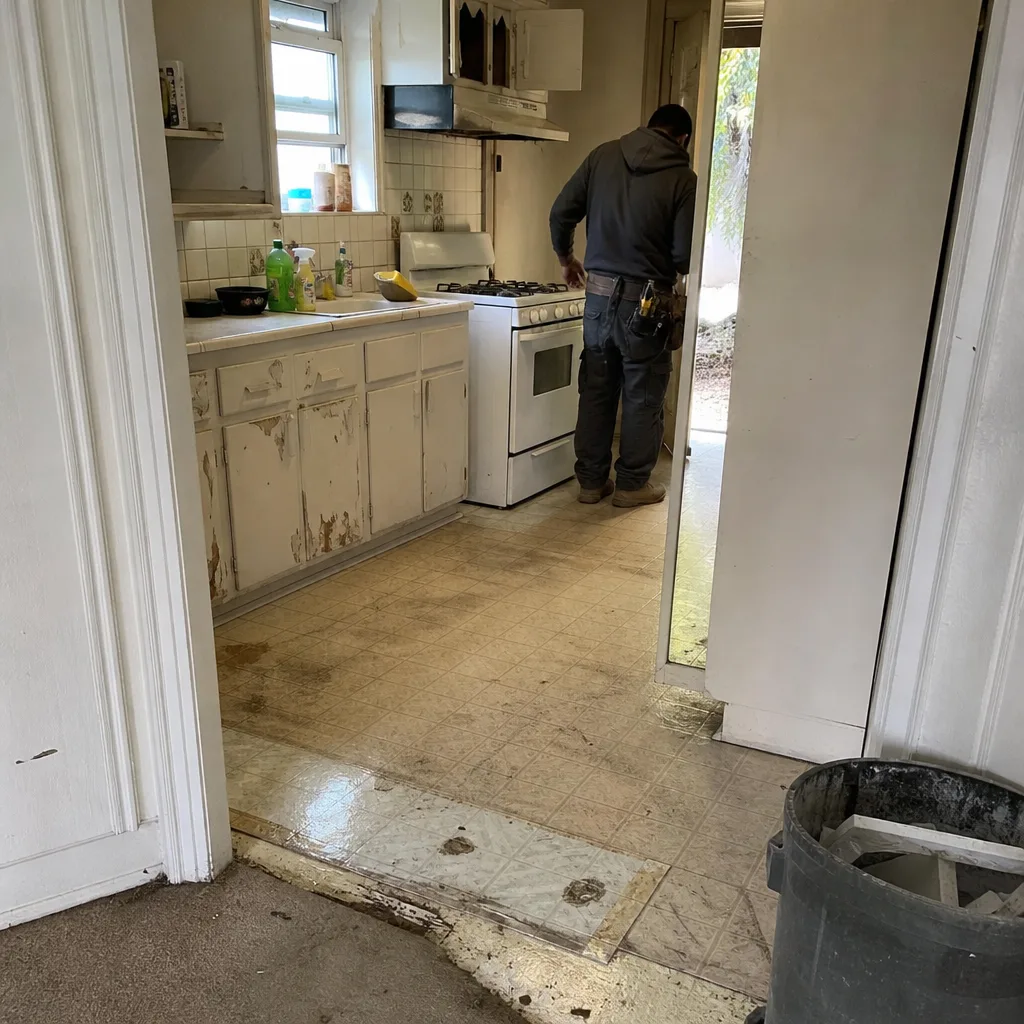 Before
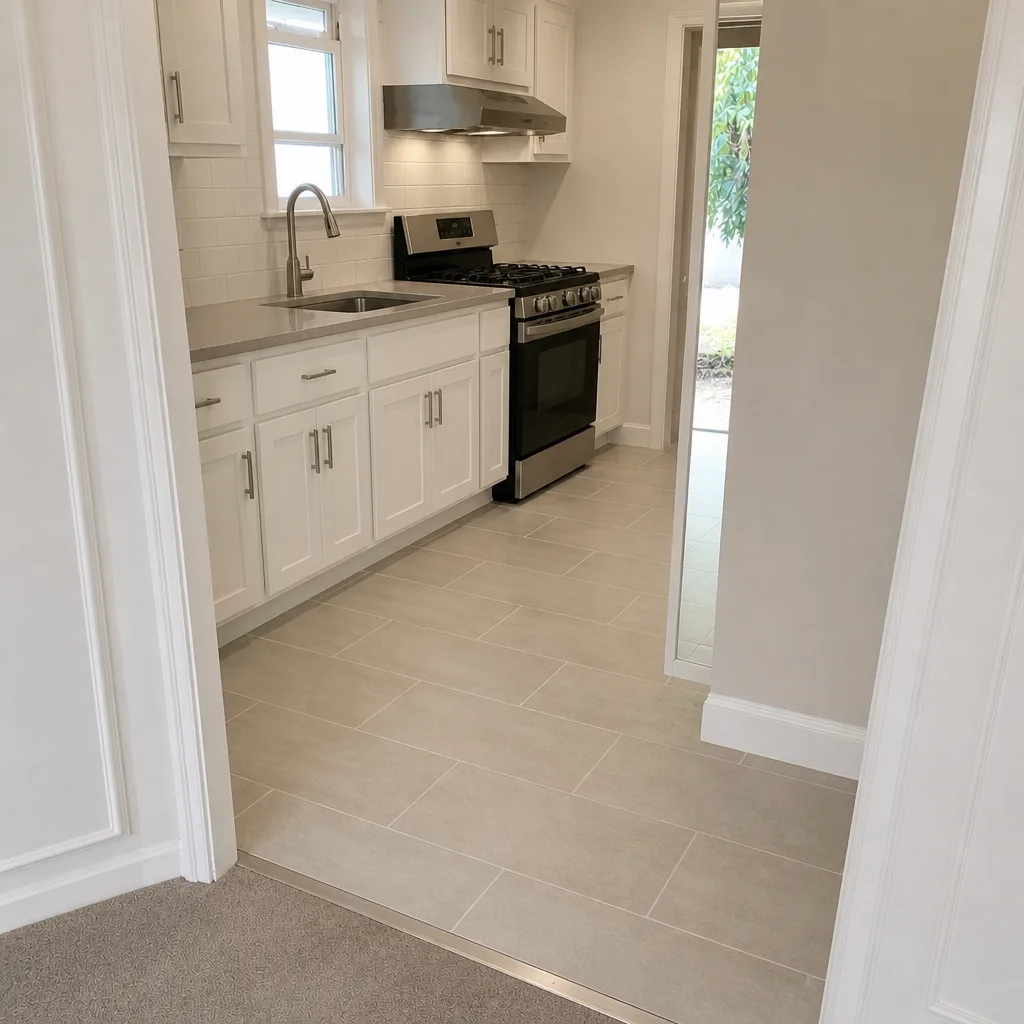 After
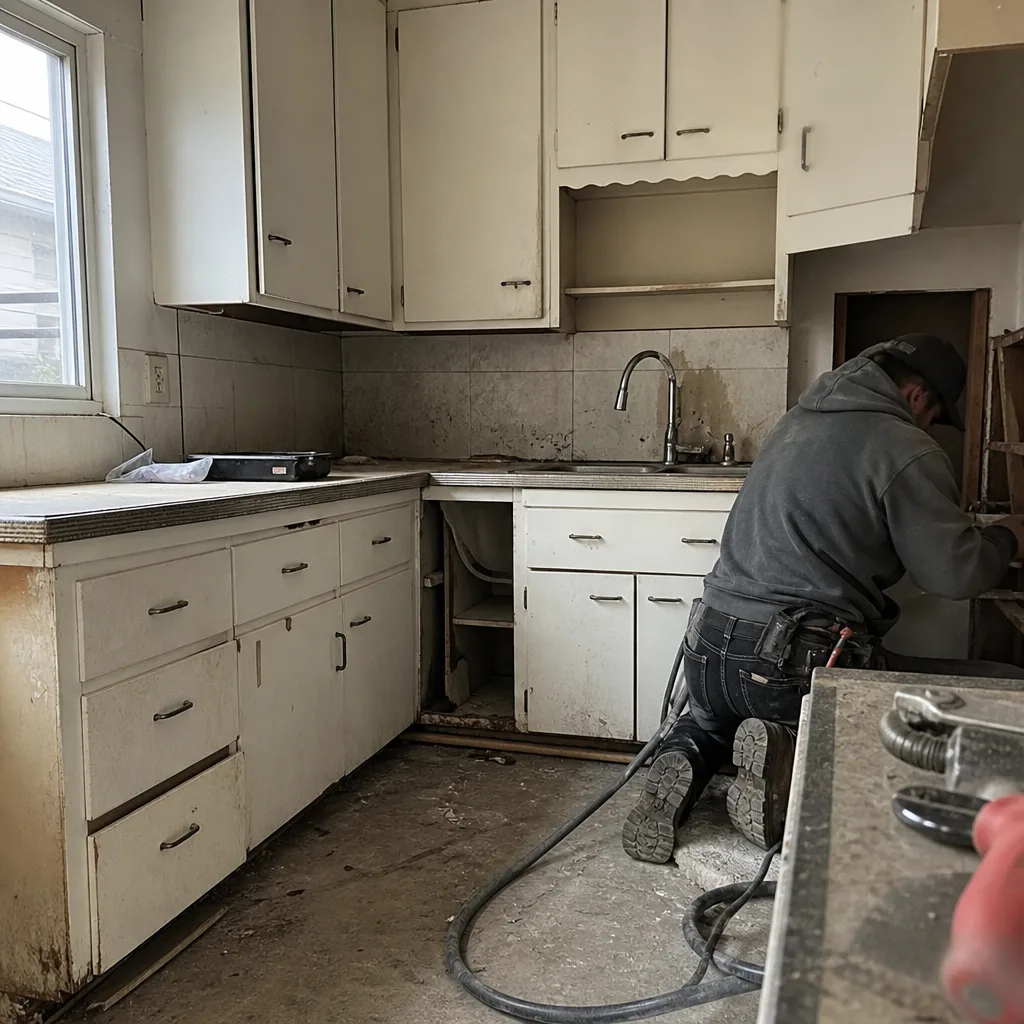 Before
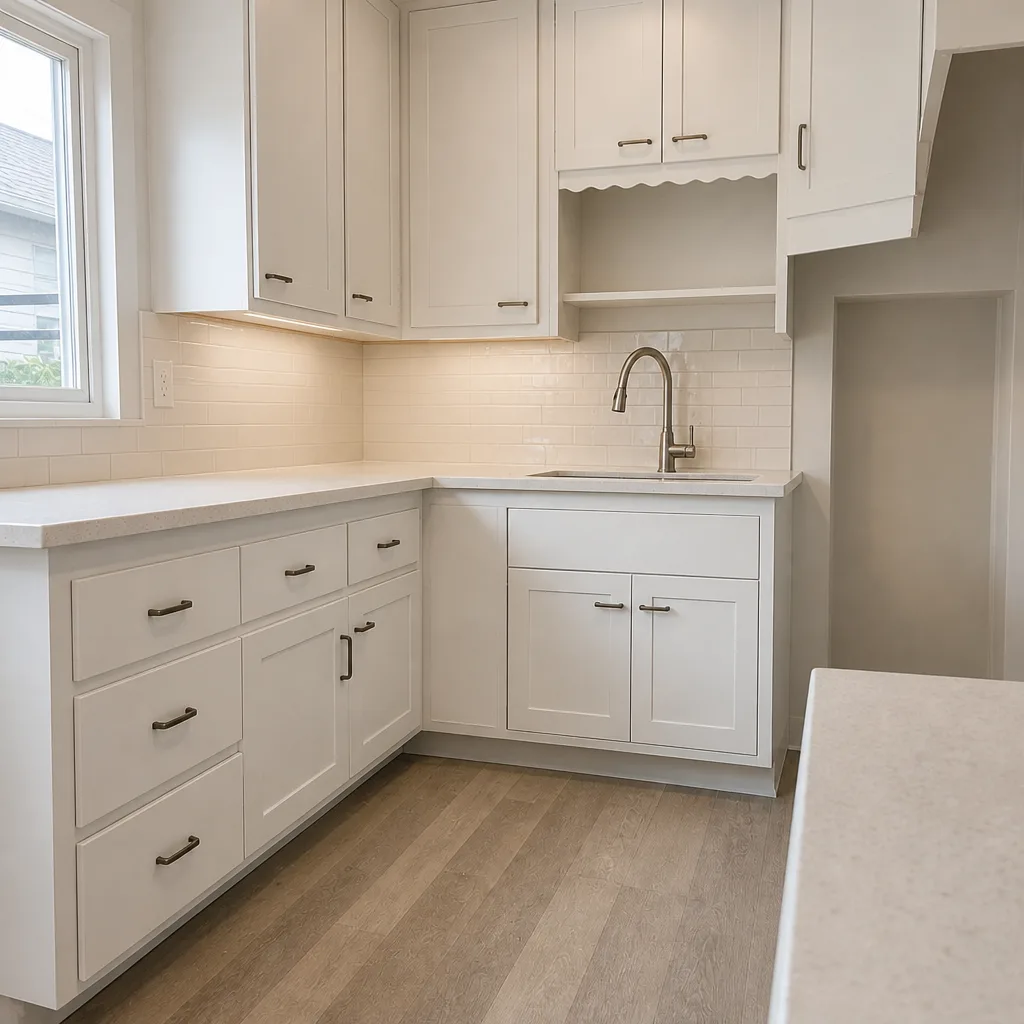 After
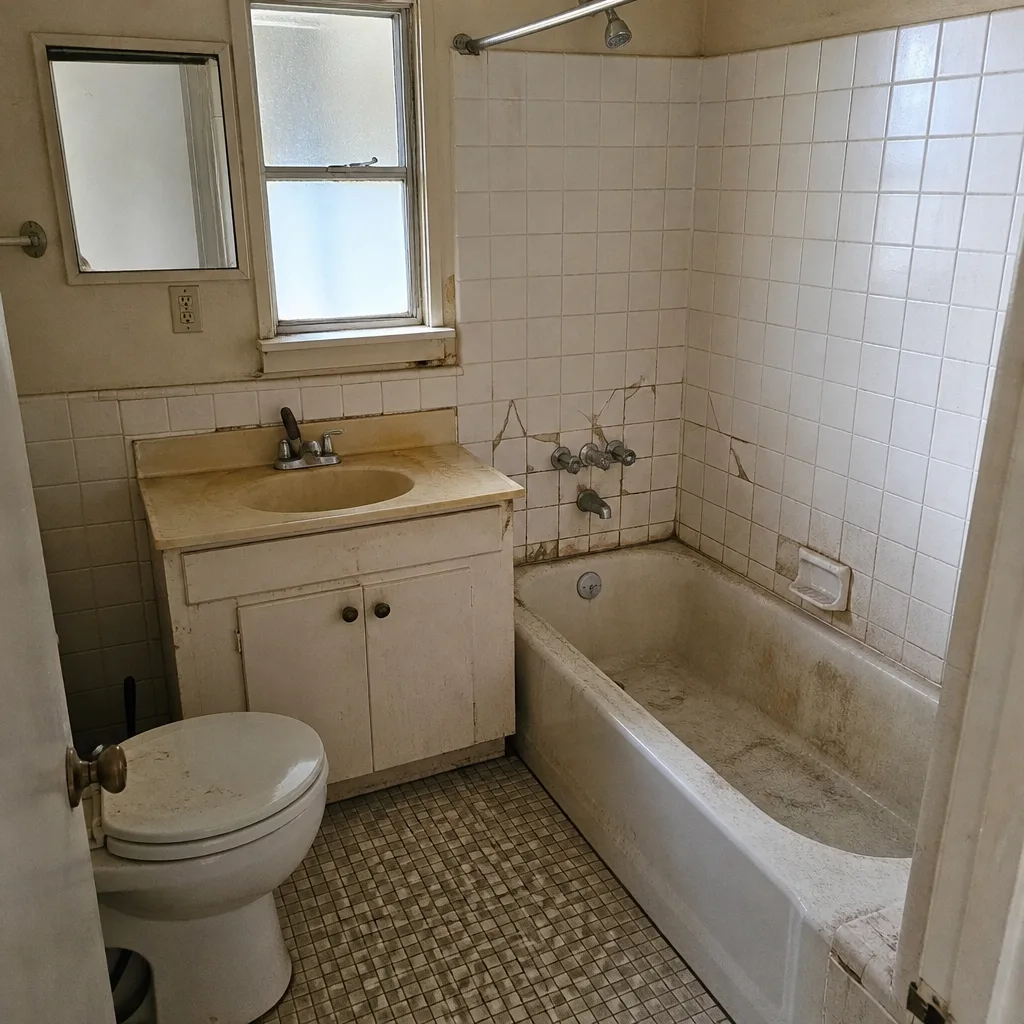 Before
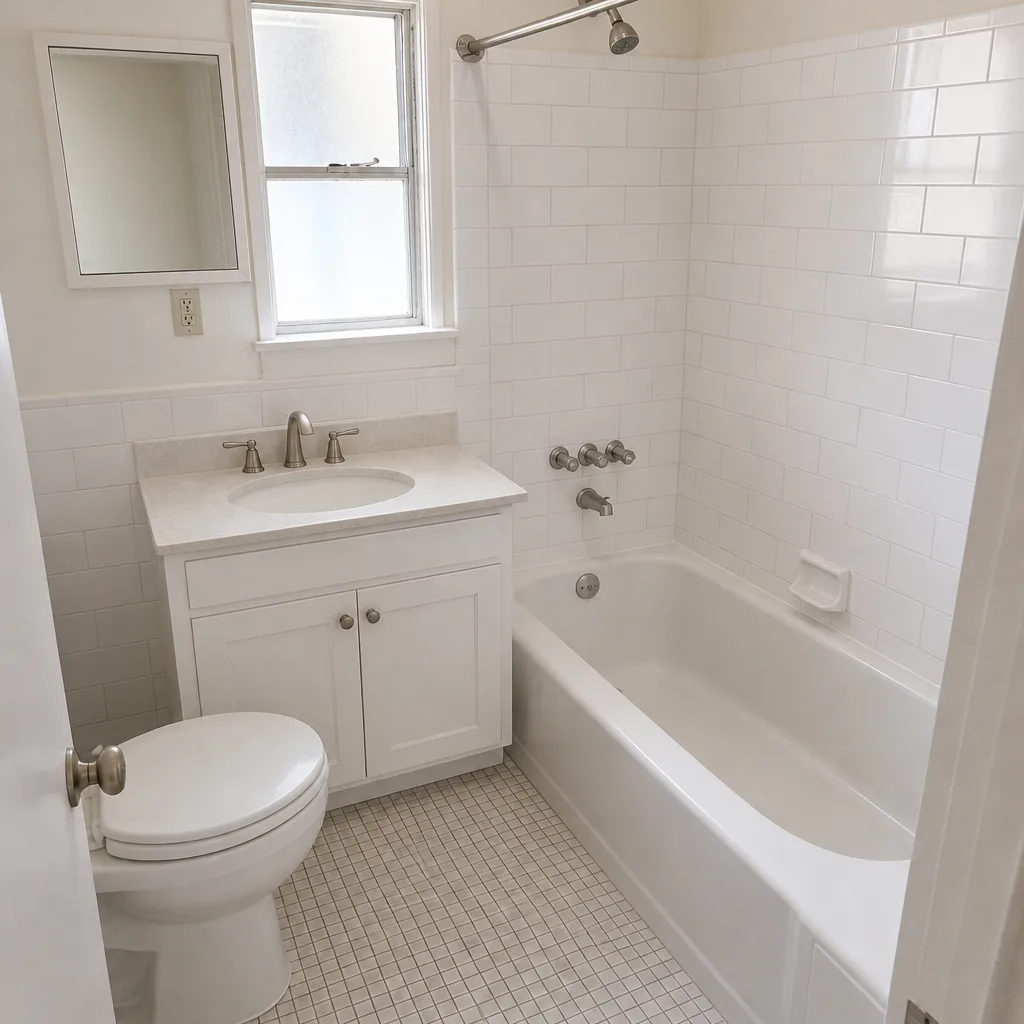 After
Do You Need a Permit for a Home Addition in Berkeley, CA? Yes, and Here’s What That Permit Unlocks
Yes. Any home addition in Berkeley needs a building permit, and in most cases the permit is the easy part. The real question is what else your permit pulls into the project once an inspector opens a wall on a pre-1940 house: seismic upgrades, Title 24 energy compliance, all-electric appliance rules, and sometimes a separate Fire Department review. Those triggers are why a $45,000-$130,000 addition can climb fast if you walk in unprepared. If you’d rather talk it through before you file, call (855) 471-4163.
Berkeley’s construction market lives in a specific tension: this was the first U.S. city to ban natural gas in new low-rise buildings, yet huge swaths of the housing stock are early-1900s Craftsman bungalows and brown-shingle “Berkeley boxes” sitting on unreinforced brick foundations. Every addition here has to thread through strict green-building, seismic, and historic-preservation rules while working on century-old framing. That’s the context behind the permit question, and it’s why a plain yes-or-no answer leaves you underbid.
What to Check Before You Apply: The Permit Cascade vs. a Straight Scope
Most homeowners compare bids as if the permit adds a line item and nothing else. In Berkeley, the permit is the moment the city starts looking at the whole structure. Here’s the comparison that actually matters when you’re deciding how to budget.
A simple addition scope
- What it looks like: engineered plans, a building permit, and construction of the new footprint.
- What it can miss: the “substantial improvement” threshold, which is your addition’s value against the existing home’s assessed value. Cross 50% and you can trigger a full seismic upgrade requirement on the original structure, not just the new square footage.
- Where the budget goes: straight into the new room.
A permit-triggered cascade
- What it looks like: the addition plus whatever concurrent work the inspector flags, like missing anchor bolts or absent shear walls.
- What it adds: seismic retrofit, Title 24 energy upgrades, and often a panel upgrade to support all-electric appliances and EV-ready capability.
- Where the budget goes: into the addition and the original house, which is the honest reason a project lands at $70,000 instead of $40,000.
In the Elmwood and North Berkeley flatlands, we regularly uncover original redwood framing that’s still sound but has to be brought up to current shear-wall and anchor-bolt standards. That discovery alone can turn one permit into a retrofit permit running alongside it. The contractors who quote the cascade up front are the ones whose numbers hold.
What the Permit Actually Pulls In
Once the door opens, several separate requirements can land on your project. These are the ones we watch for on Berkeley additions.
The seismic trigger
Soft-story apartments from the 1920s through the ’60s and old hillside homes are all over this market. When an inspector sees original framing during an addition, the fix is structural, and it has to pass before the addition gets its final sign-off. That’s a schedule and budget reality, not a scare tactic.
The energy and gas rules
Berkeley’s gas ban means an addition to an existing gas home may still require all-electric appliances and an EV-ready electrical panel to pass inspection. If your service panel is original equipment, plan for that upgrade in the same permit cycle rather than discovering it at the first inspection.
Two approval tracks for hillside homes
If your home sits in the wildland-urban interface, the Fire Department runs its own review separate from the Building Department. Two tracks, two timelines. The 1991 hills fire still shapes how fire-resistant detailing is checked up there, and fog-belt winters compress the months when exterior work moves cleanly. Filing the Fire review early keeps the two tracks from stalling each other.
What Does a Permitted Home Addition Cost in Berkeley?
Home additions in Berkeley typically run $45,000-$130,000, and the permit-triggered scope is what decides where you land in that range. ADU construction runs $90,000-$220,000, and garage conversions run $30,000-$80,000. Here’s how the line items break down.
| Project | Typical Range |
|---|---|
| Home Addition | $45,000-$130,000 |
| ADU Construction | $90,000-$220,000 |
| Garage Conversion | $30,000-$80,000 |
| Roof Replacement | $8,000-$20,000 |
| Impact Window Installation | $8,000-$25,000 |
Groundwork Construction Co. of Berkeley prices the permit-triggered scope from day one, so the number you see is the number you pay. That upfront model covers the retrofit work, the panel upgrade, and the concurrent permits when our review shows they’re likely. Our technicians have up to 12 years of experience on additions, and every permitted job here is built to last, backed in writing by the 730-Day Done Right Promise. That guarantee runs far longer than the inspection period, so anything we’d have to come back for, we’re still on the hook for.
On materials, we work from a curated set of verified brand partners, so you’re choosing quality, not just what’s on the shelf. Andersen windows often land on additions where the new opening faces the fog belt. James Hardie siding handles the hills fire detailing. And if the plan includes a fence along the expanded lot, ActiveYards and Belgard give you a real choice on the exterior. When the project includes a new footprint, our Home Additions & ADU in Berkeley work runs from foundation to finish line under one contractor. You can read the full scope of our Home Additions & ADU service to see how the permit and build phases connect.
FAQs
Yes, every home addition in Berkeley requires a building permit, and the permit is often just the start. Because so much of the housing stock is pre-1940, opening a wall can trigger seismic and Title 24 energy requirements on the original structure. Call (855) 471-4163 for a no-pressure read on what your addition is likely to pull in.
If your addition’s cost exceeds 50% of the existing home’s value, you can be required to bring the entire original structure up to current seismic standards. That’s the single rule most generic permit guides leave out, and it’s often the difference between a $40,000 project and a $70,000 one. Call (855) 471-4163 and we’ll run the math against your home before you file.
It can, and it often does. Even on an existing gas home, a permitted addition may require all-electric appliances and an EV-ready panel to pass inspection. Those upgrades are cheaper planned into the permit than discovered at inspection. Call (855) 471-4163 to walk through the electrical scope before you apply.
Yes, if your home is in the wildland-urban interface, the Fire Department reviews your plans separately from the Building Department. That means two tracks and two timelines, and filing both early keeps one from stalling the other. Call (855) 471-4163 for a free estimate and we’ll map both tracks for your property.
If you’d rather have it looked at, Groundwork Construction Co. of Berkeley offers a no-pressure assessment in Berkeley. We’ll review your plans, flag the permit triggers before you file, and give you an upfront number that covers the work those triggers create. Call (855) 471-4163 for a free estimate.
Written by the team at Groundwork Construction Co. of Berkeley, serving Berkeley, CA.