Free written scope consultation - allowances, timeline, and change-order rules on paper before a single trade is scheduled
Styles & brands we work with
- Kitchen remodeling
- Bathroom remodeling
- Home additions & ADU
- Roofing
- Windows & doors
- Driveway & pavers
- Fence
See the difference
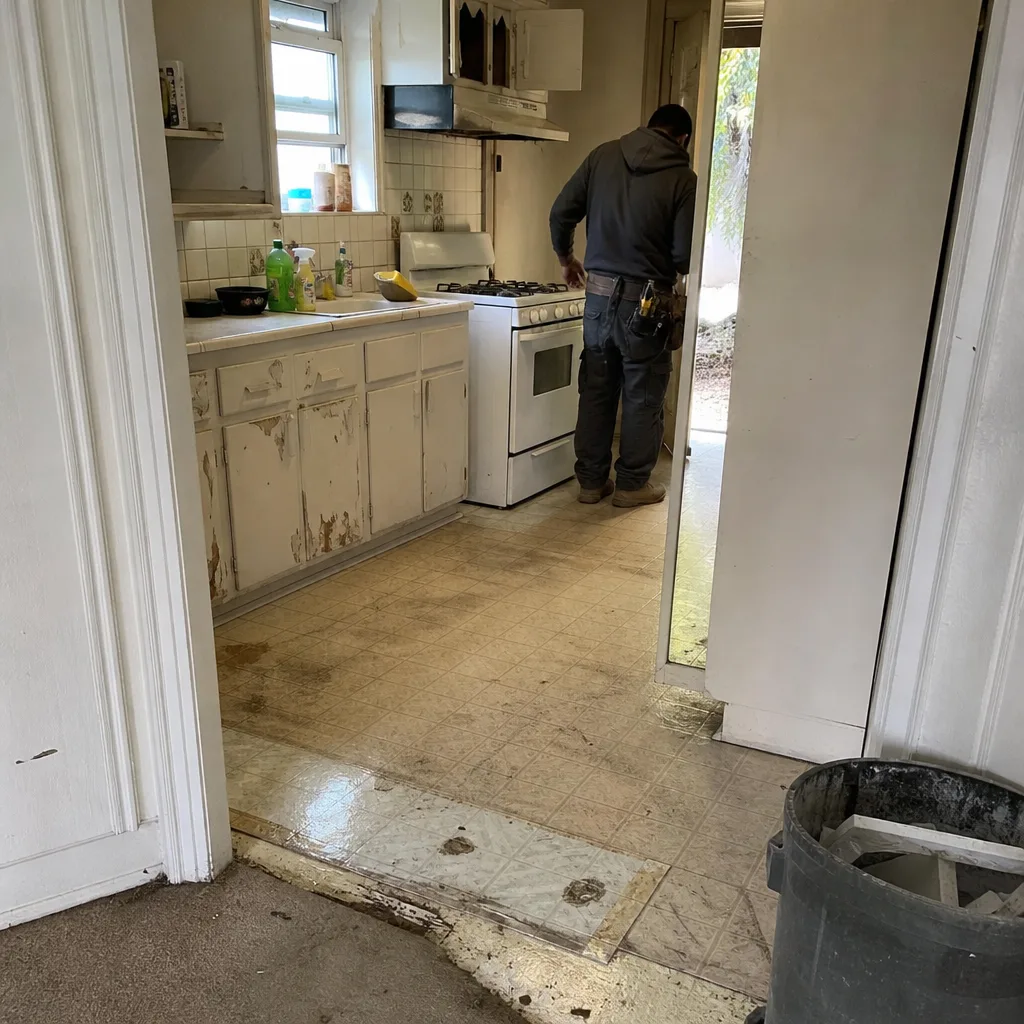 Before
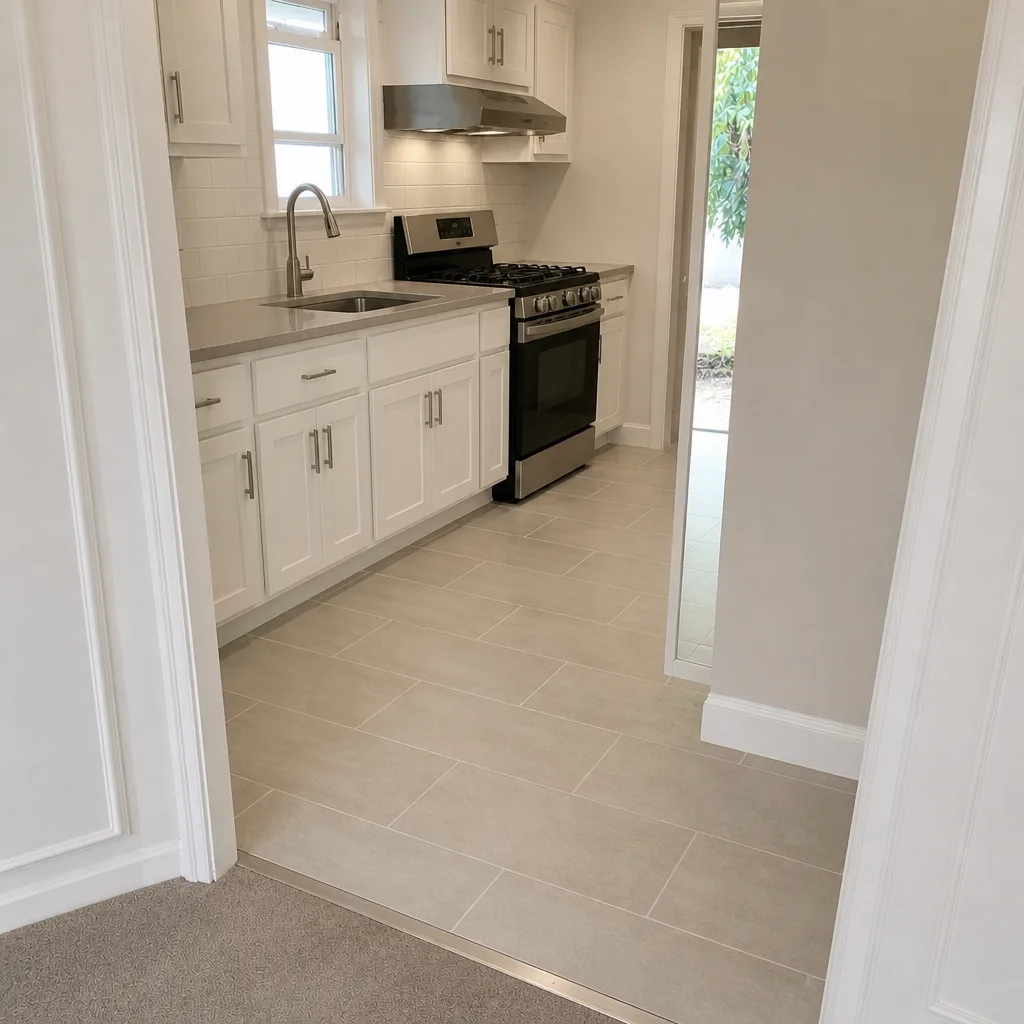 After
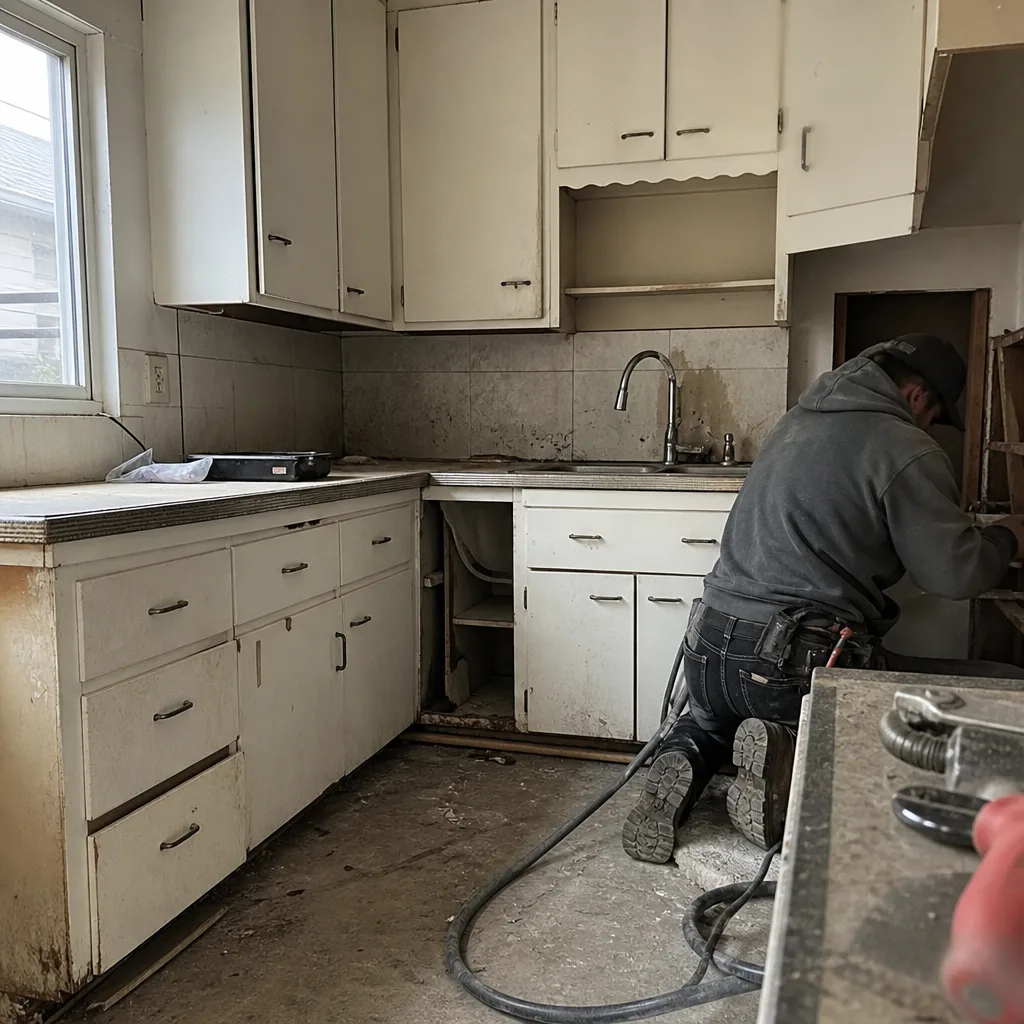 Before
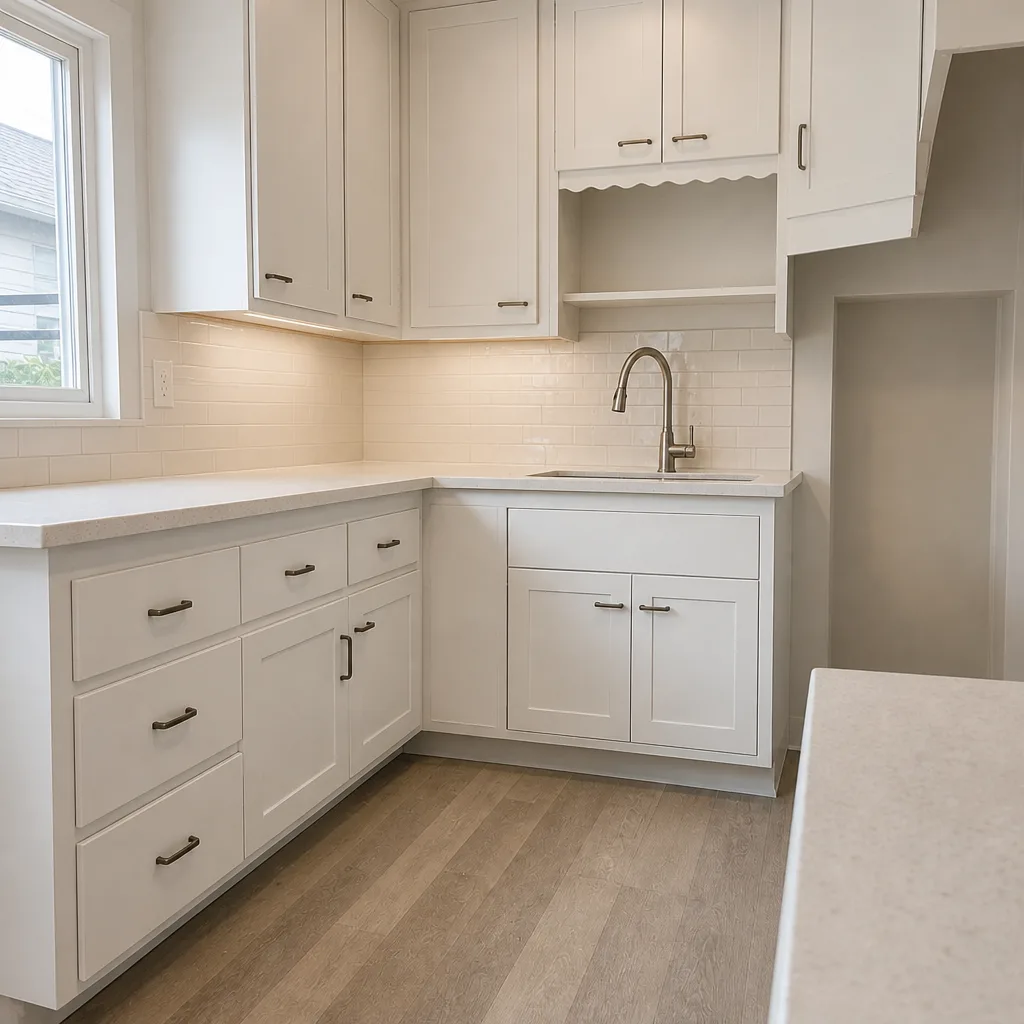 After
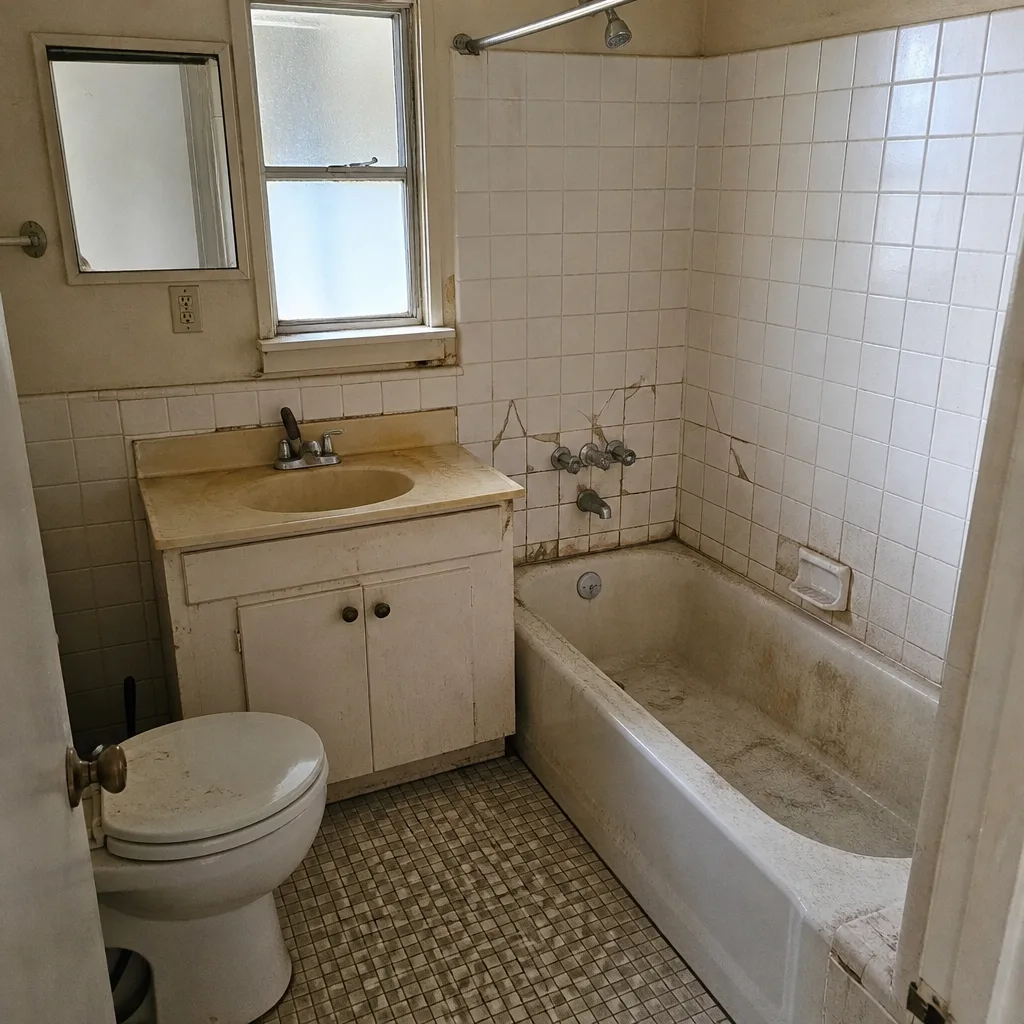 Before
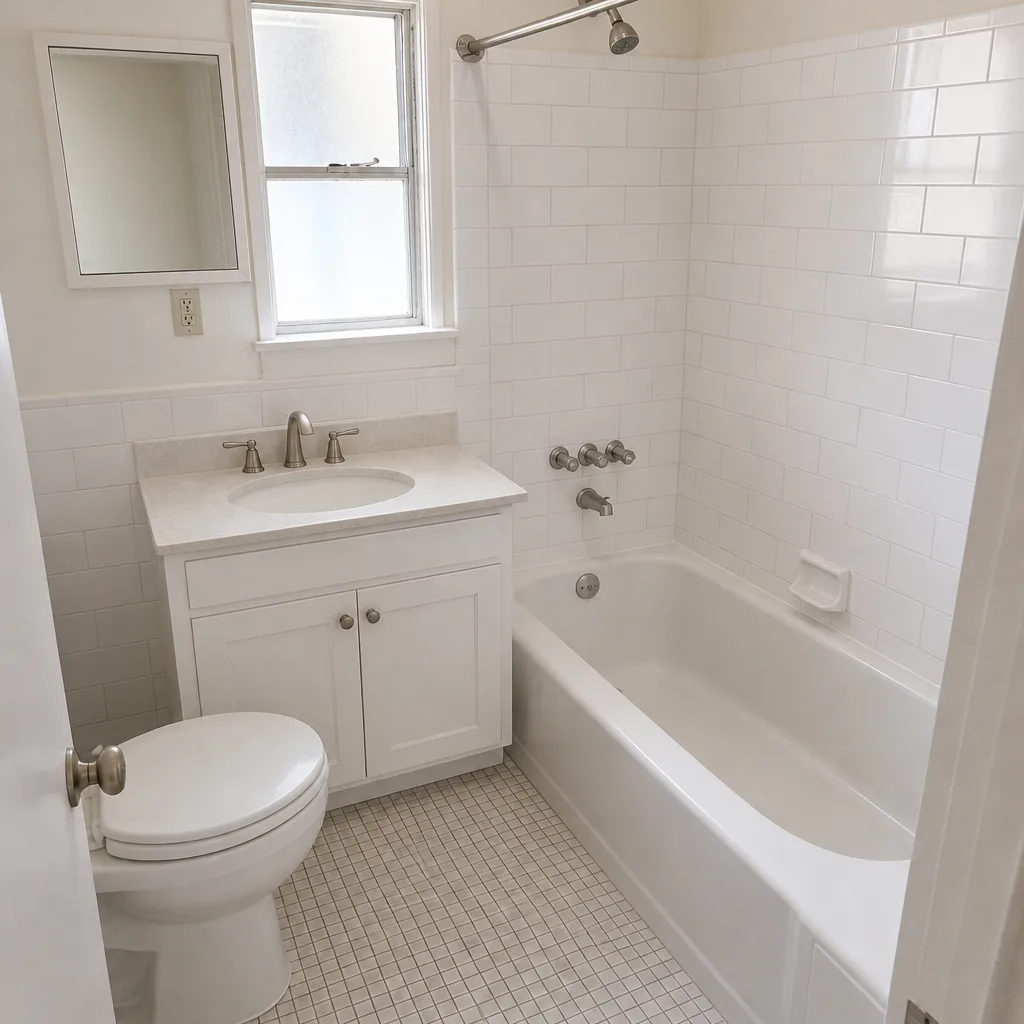 After
Home Addition vs ADU in Berkeley, CA: Choose an ADU if You Want Rental Income; Choose an Addition if You Need Family Space or Your Hillside Lot Won’t Support a Detached Unit
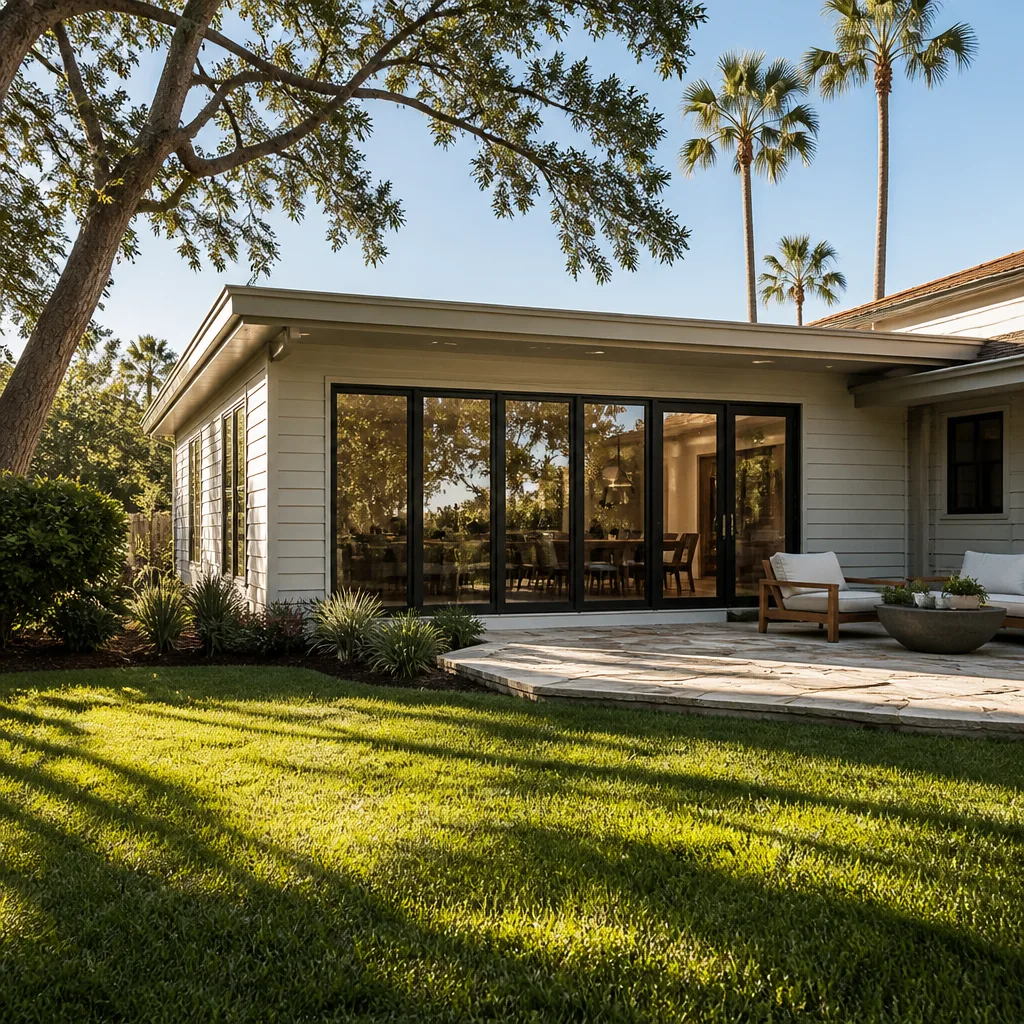
For most Berkeley homeowners weighing home addition vs ADU, the honest short answer is this: build a detached ADU if you want a unit that generates $2,500-$3,500 a month in rent and can pay itself off in 5-7 years, and build a connected addition if you need bedrooms for family, want to avoid a second structure entirely, or your hillside lot won’t clear the fire-zone rules for a new detached building. Both trigger the same Prop 13 reassessment on new square footage. Only the ADU brings income back. Call (855) 471-4163 and we’ll price both paths side by side.
The Prop 13 Math That Actually Decides This
Here’s what most comparisons skip. When you pull a permit in Berkeley, the Alameda County Assessor adds the value of the new square footage to your base year value. It’s the same rule for an addition and an ADU. Your existing home’s Prop 13 protection on the original structure stays intact – the county reassesses the new construction, not the whole house.
The difference is what that new square footage does after the inspector signs off. A 400-square-foot addition raises your assessed value by the full construction cost and generates zero revenue. A 400-square-foot ADU raises your assessed value by roughly the same amount, then legally earns $2,500-$3,500 a month in Berkeley’s rental market. Run that against a typical $90,000-$220,000 ADU build and the unit covers its own mortgage in 5-7 years, then keeps paying. The addition never does.
That single fact reshapes the decision. If you need space for a parent, an adult child, or a home office, an addition may still win on lifestyle. If you’re thinking about long-term financial return on your Berkeley property, the ADU usually wins by a wide margin. Either way, we put real numbers in front of you at the estimate – upfront pricing, no surprises – including $1,000 off projects over $10,000.
Why a Detached ADU Can Be Cheaper Than an Addition, Even Though It Looks Harder
On paper, a bump-out addition seems simpler. You’re extending an existing wall, tying into existing utilities, keeping one roofline. In a pre-1940 Berkeley bungalow or brown-shingle “Berkeley box,” that logic falls apart fast.
Pulling a permit to modify the structure of a century-old home almost always triggers a seismic review. In the Elmwood and North Berkeley flatlands we routinely find original redwood framing that’s still solid but doesn’t meet current shear-wall and anchor-bolt standards. Once the permit is open, the city expects the existing structure to be brought up to code. That retrofitting rides on top of your addition budget and can add real dollars before a single new wall goes up.
A detached ADU sits on a brand-new foundation with new framing, new shear walls, and new anchoring. There’s nothing existing to drag into compliance. The apparent complexity of a second structure often translates into a cleaner, more predictable build with fewer surprises buried in the walls.
This is where our technicians’ experience matters. Our technicians have up to 12 years of experience reading old Berkeley housing stock – knob-and-tube wiring, unreinforced brick foundations, soft-story framing – and quoting the retrofit cost honestly instead of discovering it mid-project. Every project is backed by our 730-Day Done Right Promise: if it isn’t done right, we make it right.
Berkeley Zoning: What You Can Actually Build By Right
State ADU law gives Berkeley homeowners more room than most expect. On most R-1 lots in the flatlands, a detached ADU up to 1,200 square feet is allowed by right, with reduced parking requirements and streamlined review. That’s a genuinely large unit – often more livable square footage per permit dollar than a narrow bump-out addition squeezed onto a small lot with setback limits.
Berkeley’s local rules add a layer. A city that was the first in the U.S. to ban natural gas in new low-rise buildings, and that protects a vast stock of historic homes, will ask questions about energy compliance and historic context on every project. An ADU on a new foundation is generally easier to bring into green-building compliance than threading new systems through a 1920s structure.
- Flatlands R-1 lot: detached ADU up to 1,200 sq ft by right, often the best square-footage-per-dollar path.
- Small or tight lot: connected addition may fit where a detached unit won’t clear setbacks.
- Historic or pre-1940 home: addition triggers seismic retrofit on existing framing; ADU avoids it.
- Hillside WUI lot: fire-resistant cladding and Class A roofing push detached ADU cost up – sometimes above a connected addition.
The Fire-Zone Flip in the Berkeley Hills
The calculus changes in the hills. Homes in the wildland-urban interface carry strict fire-resistant construction requirements, and the 1991 firestorm still shapes how the city reviews hillside projects. A detached ADU up here needs fire-resistant cladding and Class A roofing, all specified to WUI standards, which adds cost that a flatlands ADU avoids entirely.
When that premium gets large enough, a connected addition to a home that’s already been fire-hardened can come out cheaper than a brand-new detached unit – even after the seismic work on the existing structure. It’s one of the few situations where the addition path genuinely wins on total cost. We run both scopes for hillside properties before recommending anything; a one-size answer would be wrong for half of Berkeley.
Side-by-Side: Home Addition vs ADU in Berkeley
| Factor | Connected Addition | Detached ADU |
|---|---|---|
| Typical cost | $45,000-$130,000 | $90,000-$220,000 (garage conversion $30,000-$80,000) |
| Prop 13 reassessment | Yes – new square footage | Yes – new square footage |
| Rental income potential | None | $2,500-$3,500/month |
| Payback from rent | n/a | 5-7 years, then ongoing income |
| Seismic retrofit on existing home | Almost always, on pre-1940 homes | None – new foundation and framing |
| By-right size (flatlands R-1) | Setback-limited | Up to 1,200 sq ft |
| Hillside WUI premium | Lower if home already fire-hardened | Higher – fire-resistant cladding and Class A roof |
| Best for | Family space, tight lots, hillside cost control | Rental income, extended family independence, flatland lots |
The recommendation follows the table. In the flatlands and most of central Berkeley, a detached ADU is the stronger financial play. On a small infill lot, or up in the hills where fire hardening inflates a new structure, a connected addition often makes more sense. We don’t push one path over the other; we price them accurately and let the numbers and your goals decide. When you want the full scope of what each path involves, our Home Additions & ADU work covers both.
What a Real Estimate Should Show You
At the initial estimate we build a side-by-side scope and cost comparison for the addition and the ADU – line items, permit costs, seismic allowances, and the rental-income case where it applies. No-hassle upfront pricing means the number you see is the number you pay, and calls are answered by a live person 24/7 so you’re never waiting until Monday for a callback. Our windows and doors come from brands we trust on the finish side too, including Therma-Tru and Mr-Glass entry systems. From foundation to finish line, one contractor holds the whole project and backs it in writing.
FAQs
An ADU is usually the better financial choice because it can earn $2,500-$3,500 a month in rent while an addition earns nothing, and both trigger the same Prop 13 reassessment on new square footage. The addition wins when you need family space, your lot won’t fit a detached unit, or hillside fire-zone costs make a new structure too expensive. Call (855) 471-4163 for a side-by-side comparison.
Yes, but only on the new construction. The assessor adds the value of the new square footage to your base year value; your existing home’s Prop 13 assessment stays protected. The same rule applies to an addition, so the tax treatment is essentially a wash between the two – the deciding difference is the rental income the ADU can generate.
Most R-1 lots in the Berkeley flatlands can accommodate a detached ADU up to 1,200 square feet by right under state law, with reduced parking requirements and streamlined review. Hillside WUI lots and historic properties face added fire and context review. Call (855) 471-4163 and we’ll confirm what your specific lot allows.
Because pulling a structural permit on a pre-1940 home almost always triggers a seismic retrofit of the existing structure – upgraded shear walls and anchor bolts – which a new detached ADU avoids entirely by building on a fresh foundation. That retrofit can add significant cost before any new space goes up. We quote it honestly up front rather than finding it mid-project.
If you’d rather have it looked at, Groundwork Construction Co. of Berkeley offers a no-pressure assessment in Berkeley – call (855) 471-4163 for a free estimate and design consult. We’ll run the addition and the ADU numbers side by side so you decide with real figures, backed by our 730-Day Done Right Promise.
Written by the team at Groundwork Construction Co. of Berkeley, serving Berkeley, CA.