





Free written scope consultation - allowances, timeline, and change-order rules on paper before a single trade is scheduled
Styles & brands we work with
- Kitchen remodeling
- Bathroom remodeling
- Home additions & ADU
- Roofing
- Windows & doors
- Driveway & pavers
- Fence
See the difference
 Before
 After
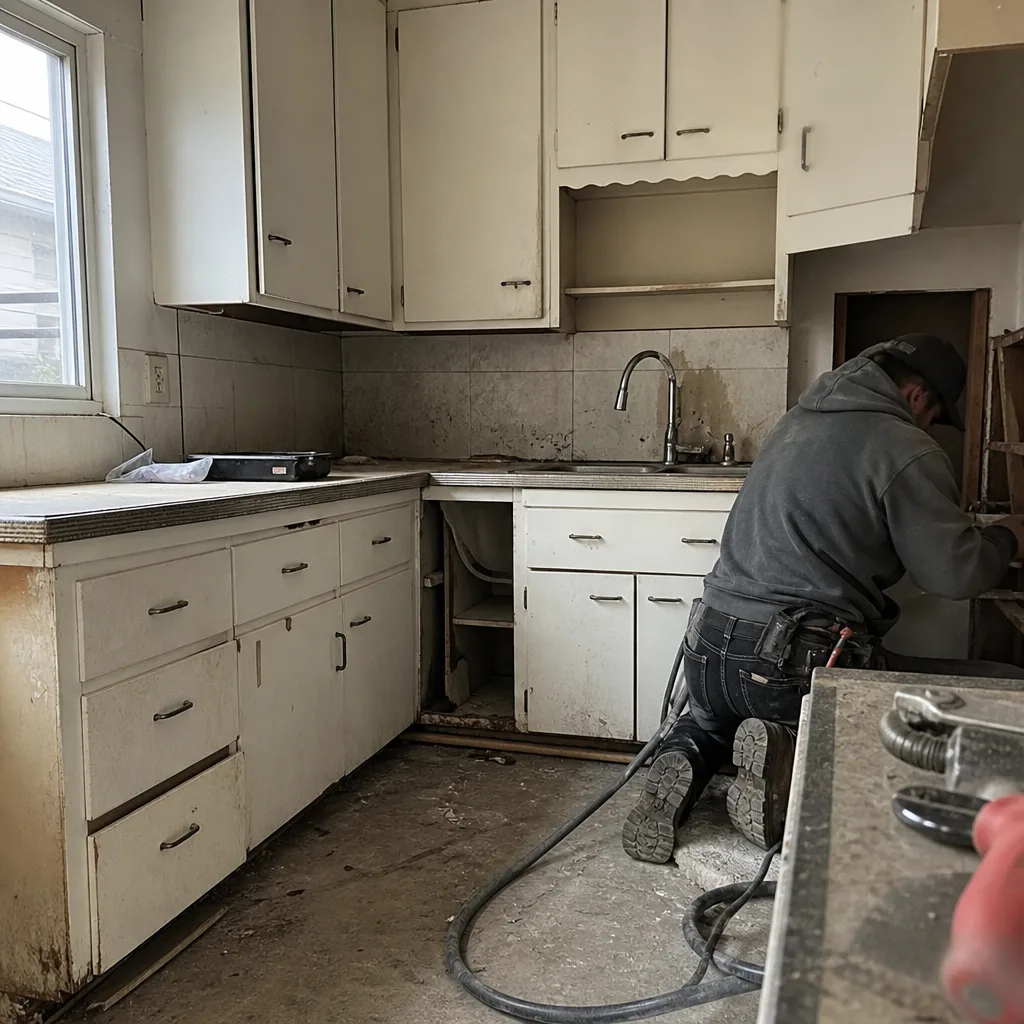 Before
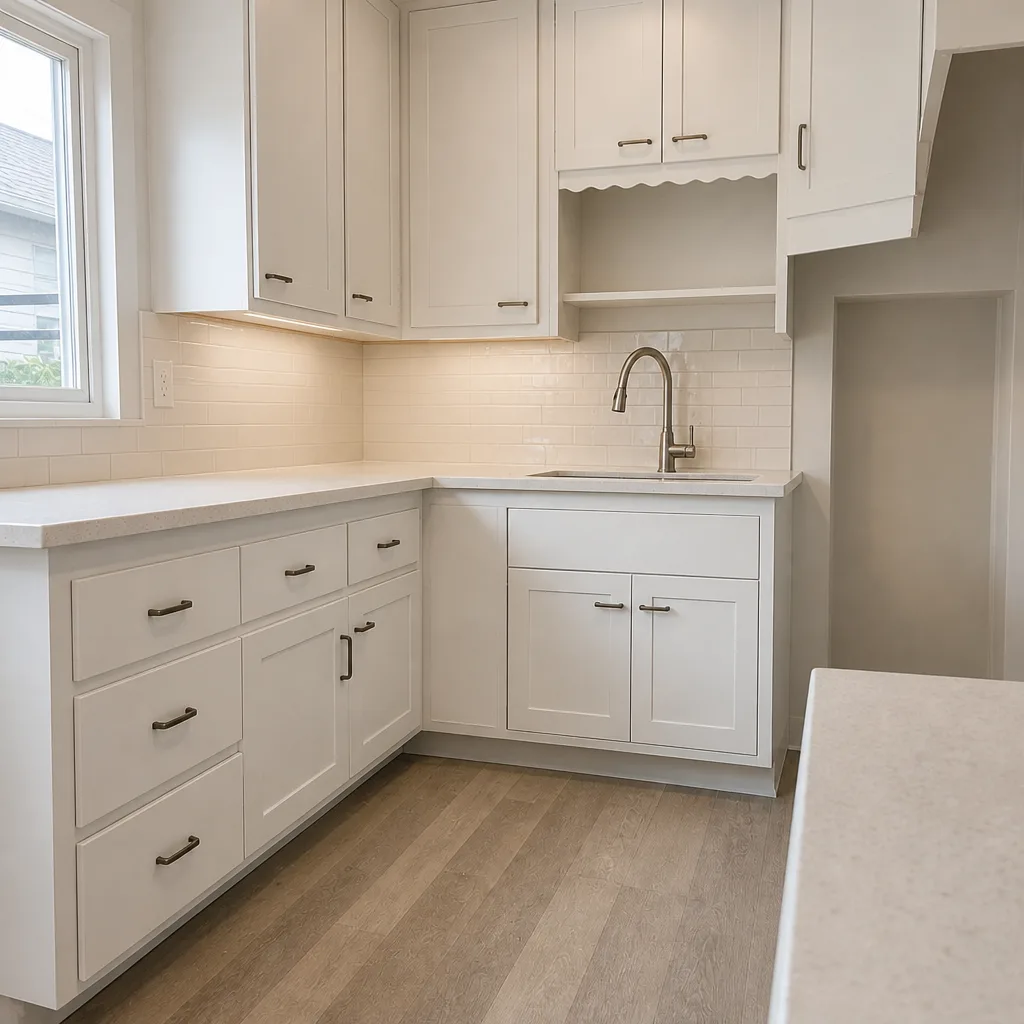 After
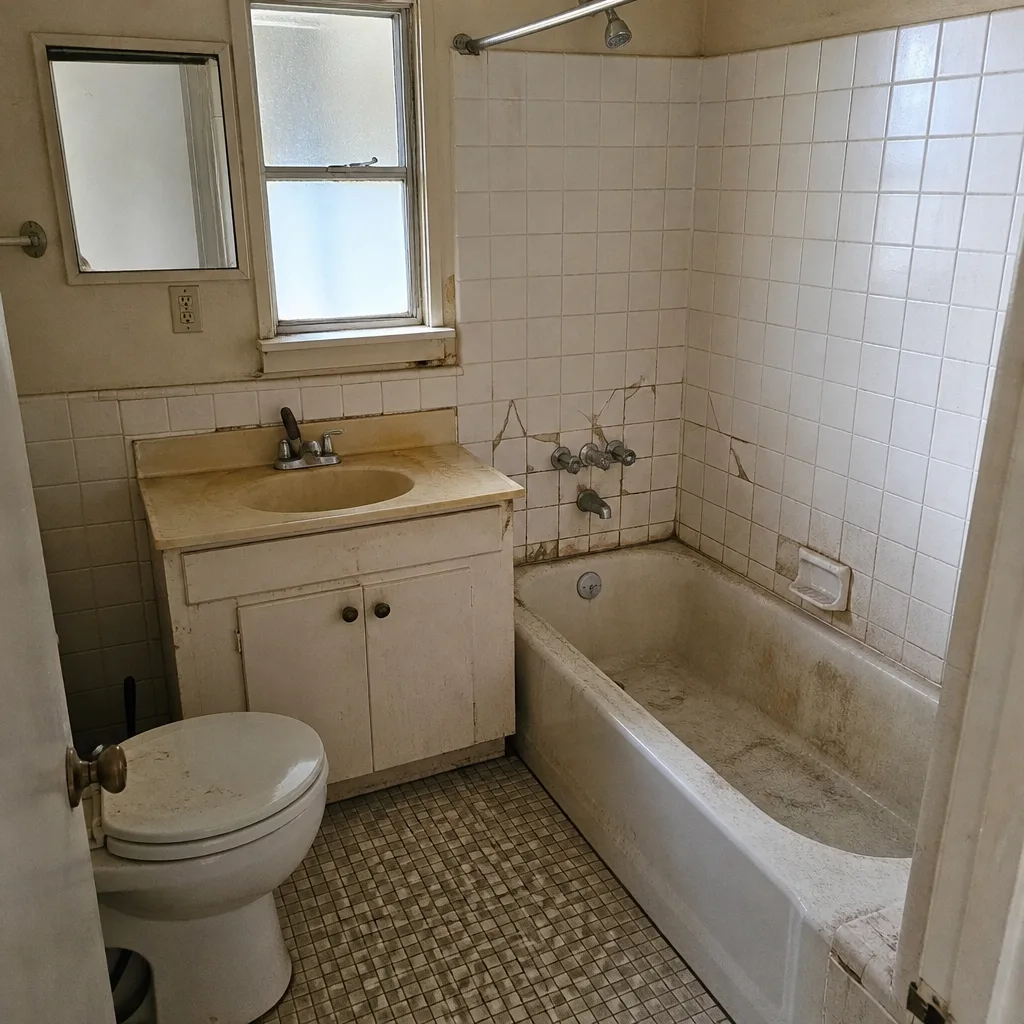 Before
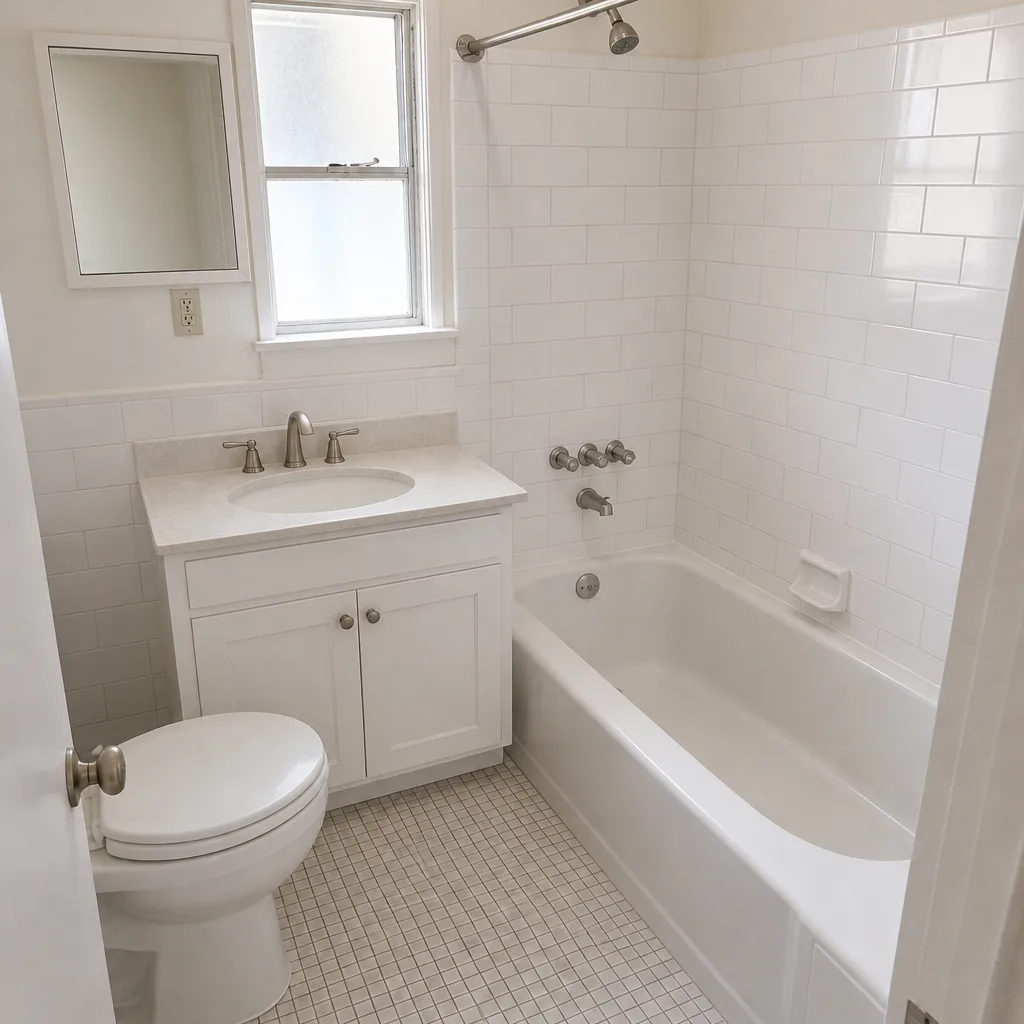 After
How to Clean Gutters in Berkeley, CA: A Year-Round Job, Not a Fall Chore
Cleaning gutters in Berkeley means clearing them three to four times a year, not twice – scooping out debris by hand or with a gutter scoop, flushing the trough with a hose from the high end toward each downspout, and confirming every outlet carries water at least six feet away from the foundation. In most cities that schedule holds. In Berkeley it doesn’t, because the trees here shed in every season. Bay laurel drops in spring, eucalyptus strips bark through summer, and live oak sends pollen and small branches down year-round. A fall-and-spring routine that works elsewhere leaves Berkeley gutters plugged by July. To schedule a professional clearing or get a straight answer on what your roof actually needs, call (855) 471-4163.
That July clog matters more here than a stopped-downspout annoyance. Berkeley’s wildland-urban interface in the hills makes dry leaf accumulation in a gutter a fire-load problem, and the Fire Prevention Division’s defensible space guidance treats roof and gutter debris as part of the home ignition zone. On the flatlands, the same clog becomes a foundation story – clay subsoil, a high water table, and water spilling against a stem wall instead of running away from it.

What Makes Berkeley Gutter Cleaning Different From Everywhere Else
Berkeley’s urban forest is the first variable most DIY guides skip. The city sits under a canopy of mature coast live oak, California bay laurel, and blue gum eucalyptus, and each one drops on its own clock. Live oaks are evergreen in the practical sense but shed leaves, pollen catkins, and twigs continuously. Bay laurel is heaviest in spring. Eucalyptus drops long bark strips and oily litter through the dry months – the same oily litter that makes a dry gutter a genuine ignition risk in the hills.
Here’s the cleaning schedule we use for Berkeley properties, and it’s not the twice-a-year advice you’ll read on national home-maintenance sites:
- Flatlands homes with heavy canopy (Elmwood, Thousand Oaks, North Berkeley): 3 to 4 cleanings per year. The canopy over these blocks is dense enough that a single spring drop can half-fill a run of gutter on a 40-foot bungalow.
- Hillside homes inside the WUI fire zone: a minimum of 4 cleanings, with a mandatory pre-fire-season clearing in June and July. Berkeley’s Fire Prevention Division specifically calls for this in its defensible space guidelines – clearing roof and gutter debris before peak fire weather, not after.
- Any home under a mature eucalyptus: add an extra pass in late summer. Bark strips bridge gutter screens and turn a covered gutter into a flat, dry fuel bed.
The second variable is the housing stock. Most of these homes are early-1900s Craftsman bungalows, Victorians, and brown-shingle Berkeley boxes, and many sit on unreinforced brick foundations with fascia and rafter tails that have had a century to move. Gutter hangers on a 1920s bungalow don’t behave like hardware on a 2005 build. When we inspect a Berkeley gutter run, we’re checking the wood it’s attached to as much as the metal itself – and that inspection overlaps directly with what we look at on every Roofing assessment.
The Hill Safety Reality: Why This Isn’t a Ladder Job in the Berkeley Hills
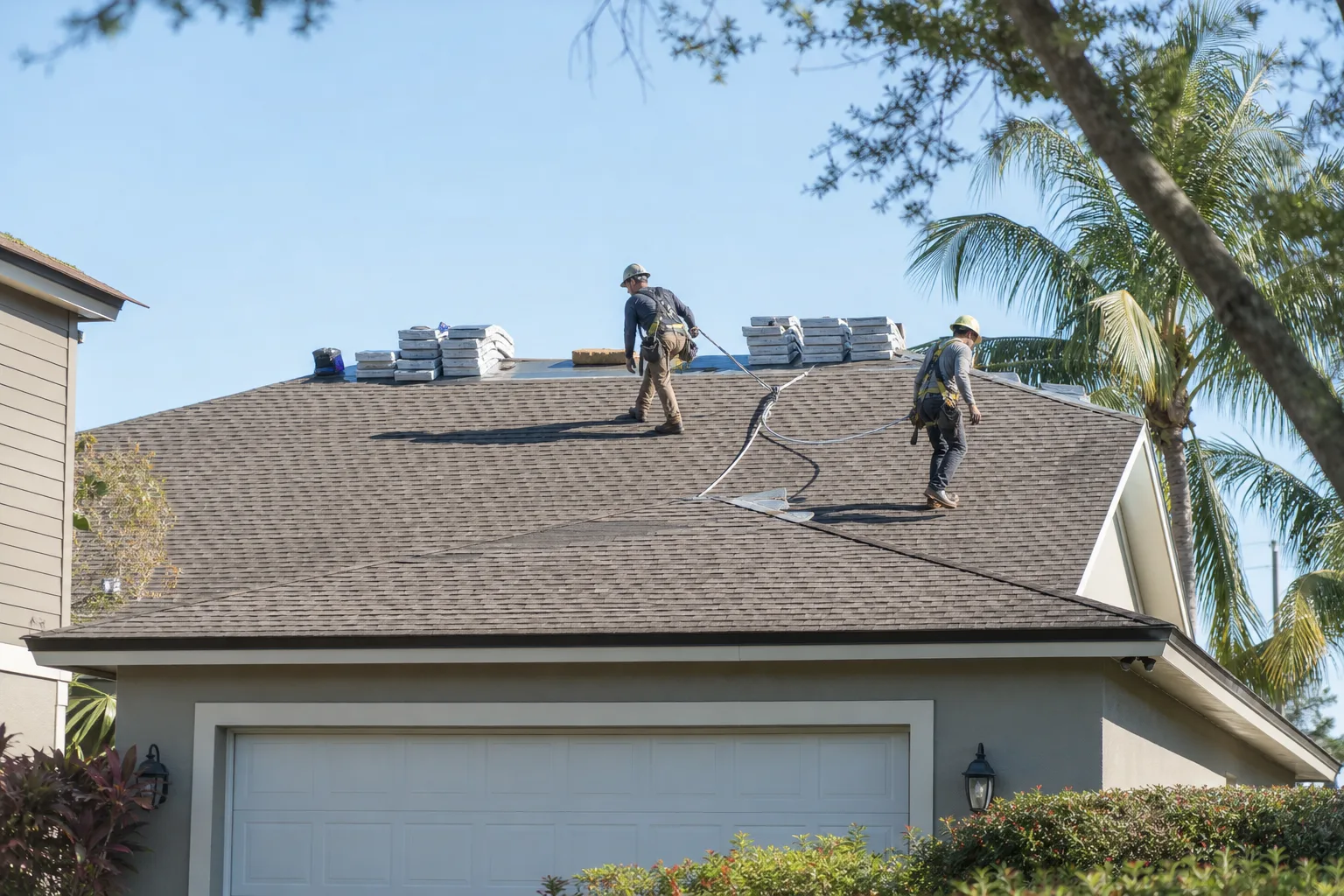
Berkeley hills homes are where DIY gutter cleaning turns genuinely dangerous, and no generic guide tells you why. Roof pitches here run 6:12 to 10:12. A single-story hillside home can sit 20-plus feet above grade on the downhill side. There’s often no flat staging area – just a sloped lot, a retaining wall, and a drop. A homeowner on an extension ladder on that grade, without a stabilizer arm and standoff brackets holding the ladder clear of the gutter, is working in conditions that OSHA ladder-safety standards classify as requiring fall protection. This is the point where we tell people to stop and call. Our technicians have up to 12 years of experience working these pitches, and they arrive with the right ladder setup for the site, not a borrowed stepladder.
Where does DIY end and a professional visit begin? Cleaning itself is reasonable on a single-story flatland bungalow with stable ground. It stops being reasonable when any of these show up:
- Rusted-through sections or separated joints in steel gutter runs.
- Sagging severe enough to pull the gutter below the roof drip edge – water is now discharging behind the gutter and against the fascia.
- Any hillside pitch or height that puts you above a sloped landing.
- Downspouts you can’t reach safely to check the outlet.
When you hit any of those, it’s no longer a cleaning job. It’s a repair or a replacement, and a Saturday-afternoon discovery gets answered by a live person at Groundwork Construction Co. of Berkeley, not a voicemail box until Monday.
What to Look For While the Gutters Are Open
The debris you pull out is only half the value of a cleaning. The other half is what the trough and outlets tell you. Three things matter in Berkeley specifically.
Downspout “paste.” Wet bay laurel leaves compact into a plug that dries hard and won’t pass water – we’ve pulled solid wads from outlets that looked clear from the roofline. Flush every outlet and confirm flow, don’t just eyeball it.
Rust at seams on steel gutters. Berkeley’s fog belt keeps metal damp far longer than an inland climate would, and corrosion starts at the seams and hangers first. A seam that’s rusting through is a leak waiting for the first real rain.
Sagging at hanger intervals on hillside homes. Soil settlement on a sloped lot can pull the fascia away from the rafter tails, and the gutter follows. Check the reveal along the fascia board; if it’s opening up, the gutter is being asked to span a gap it can’t hold.
Then check the routing. Berkeley’s clay subsoil and high water table mean a downspout discharging at grade against the house is a foundation risk, not a drainage inconvenience. During every cleaning visit we verify that extensions push water at least six feet from the foundation and that the grade slopes away from the stem wall rather than toward it. This is where a century-old Berkeley box with an unreinforced brick foundation is most vulnerable – water against that wall is the slow failure nobody sees until the crack shows up.
One more Berkeley note that trips up homeowners mid-project: pull a permit for related exterior work and the city’s seismic and green-building rules can widen the scope. In the Elmwood and North Berkeley flatlands, contractors regularly uncover original redwood framing that’s still solid but has to be brought up to current shear-wall and anchor-bolt standards. That’s a construction conversation, not a gutter one – but it’s why we’d rather flag a soft fascia or a shifting hanger now than have it surface during a bigger job later.
What Gutter Cleaning and Related Exterior Work Costs in Berkeley
Cleaning is the low-cost part of keeping a Berkeley roof sound. Here’s how the pricing actually breaks down against the repair and replacement work that a bad gutter eventually forces:
| Work | Typical Berkeley Range |
|---|---|
| Routine gutter cleaning (per visit) | Quoted per property – free estimate |
| Roof repair (leak, flashing, fascia) | $400-$1,800 |
| Roof replacement | $8,000-$20,000 |
| Metal roof installation | $15,000-$40,000 |
| Tile roof repair | $600-$2,500 |
The math is simple: four cleanings a year cost a fraction of one fascia repair, and a fraction again of a roof replacement forced by water that ran behind the gutter for two seasons. We price with no-hassle upfront pricing – the number you see is the number you pay – and every project, cleaning visit to full replacement, is covered by our 730-Day Done Right Promise. If it’s not done right, we make it right. Larger exterior work can be financed at 0% for 18 months, and projects over $10,000 get $1,000 off.
For the full picture of what we handle across the exterior of a Berkeley home, the home page lays out every service line, and the Berkeley service area page covers how we work block by block through the hills and flatlands.
FAQs
Three to four times a year on the flatlands under heavy tree canopy, and at least four times a year on hillside properties in the fire zone, including a mandatory clearing in June or July before peak fire season. Berkeley’s mix of spring bay laurel, summer eucalyptus bark, and year-round live oak debris means a twice-a-year schedule leaves gutters clogged by midsummer. Call (855) 471-4163 if you’re not sure which schedule fits your block – estimates are free.
No, not safely, if the home has a 6:12 to 10:12 pitch and sits 20-plus feet above grade on the downhill side – conditions that OSHA ladder-safety standards treat as requiring fall protection. Sloped lots without flat staging make a homeowner ladder setup a fall risk, not just a hassle. Call (855) 471-4163 and we’ll send a trained technician with the right equipment for the site.
Because eucalyptus bark strips and bay laurel leaves bridge across the top of most guards and mat down into a solid, dry layer that water can’t pass – the guards help with large leaves, not with Berkeley’s fine, oily litter. Guards reduce the frequency of cleaning but don’t replace it, especially under eucalyptus. Call (855) 471-4163 for an assessment of what your current setup actually needs.
Check three things: that each downspout outlet flows freely with no compacted leaf plug, that steel gutter seams show no rust-through, and that every downspout extension carries water at least six feet from the foundation with grade sloping away from the house. On Berkeley’s clay subsoil a downspout discharging at the wall is a foundation risk. Call (855) 471-4163 if you find rusted sections or a sagging gutter – that’s a repair, not a cleaning.
If you’d rather have it looked at, Groundwork Construction Co. of Berkeley offers a no-pressure assessment in Berkeley – we’ll tell you honestly whether it’s a cleaning, a repair, or nothing to worry about. Call (855) 471-4163 for a free estimate. Stay ahead of the leaf drop, and the roof stays dry.
Written by the team at Groundwork Construction Co. of Berkeley, serving Berkeley, CA.