



Free written scope consultation - allowances, timeline, and change-order rules on paper before a single trade is scheduled
Styles & brands we work with
- Kitchen remodeling
- Bathroom remodeling
- Home additions & ADU
- Roofing
- Windows & doors
- Driveway & pavers
- Fence
See the difference
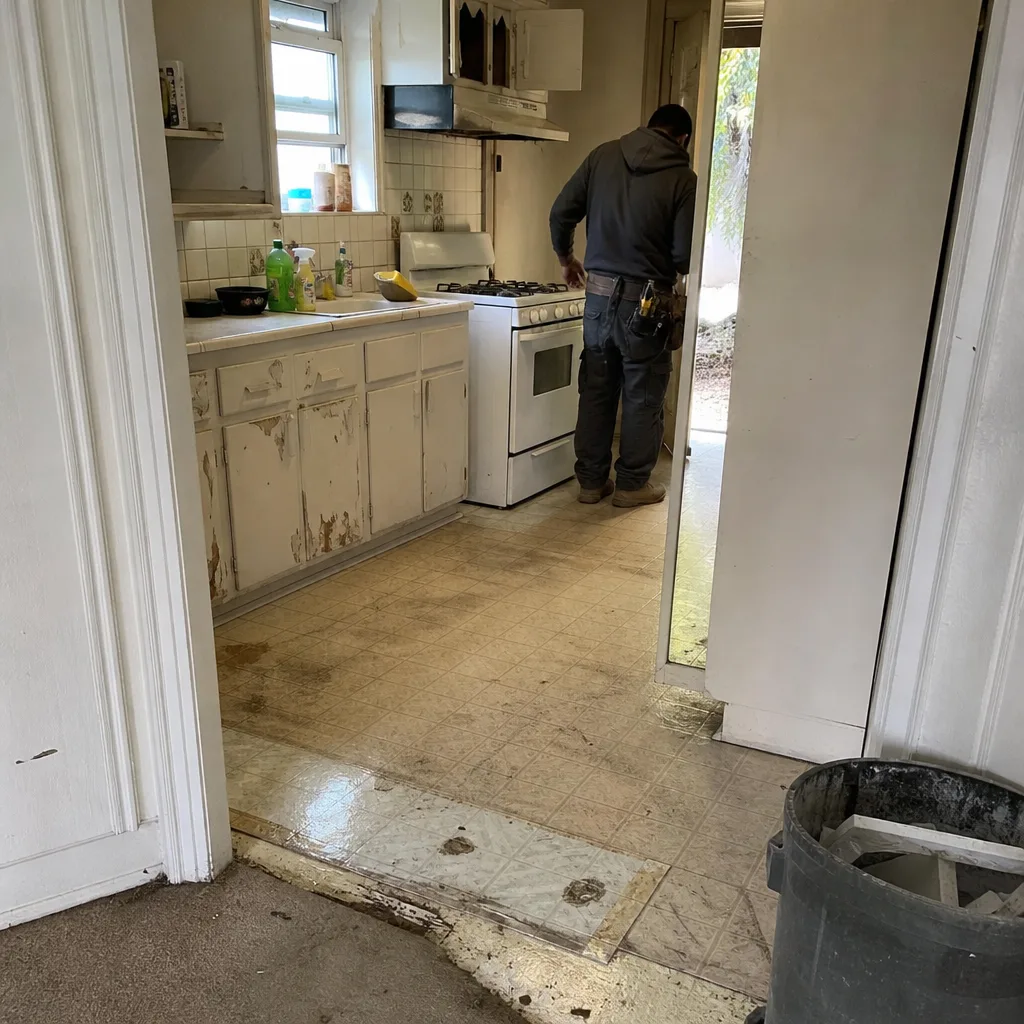 Before
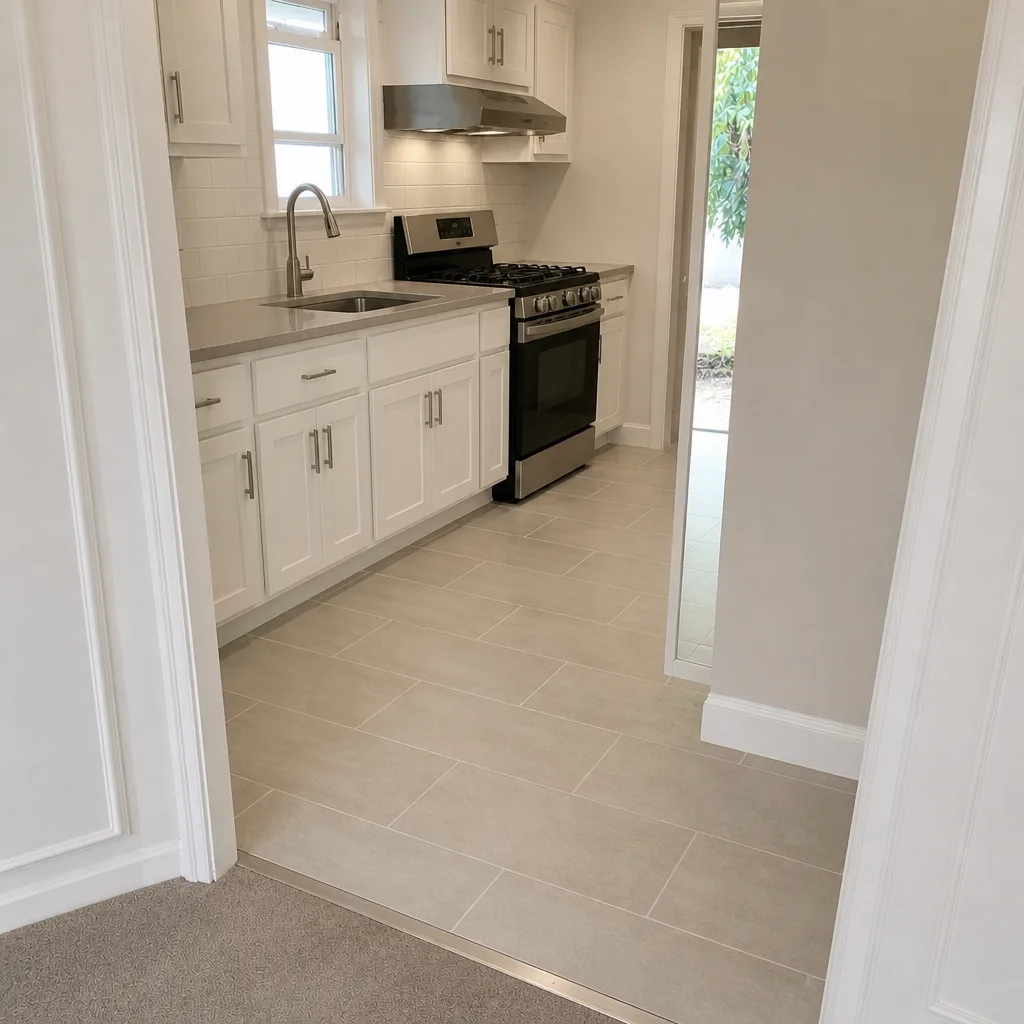 After
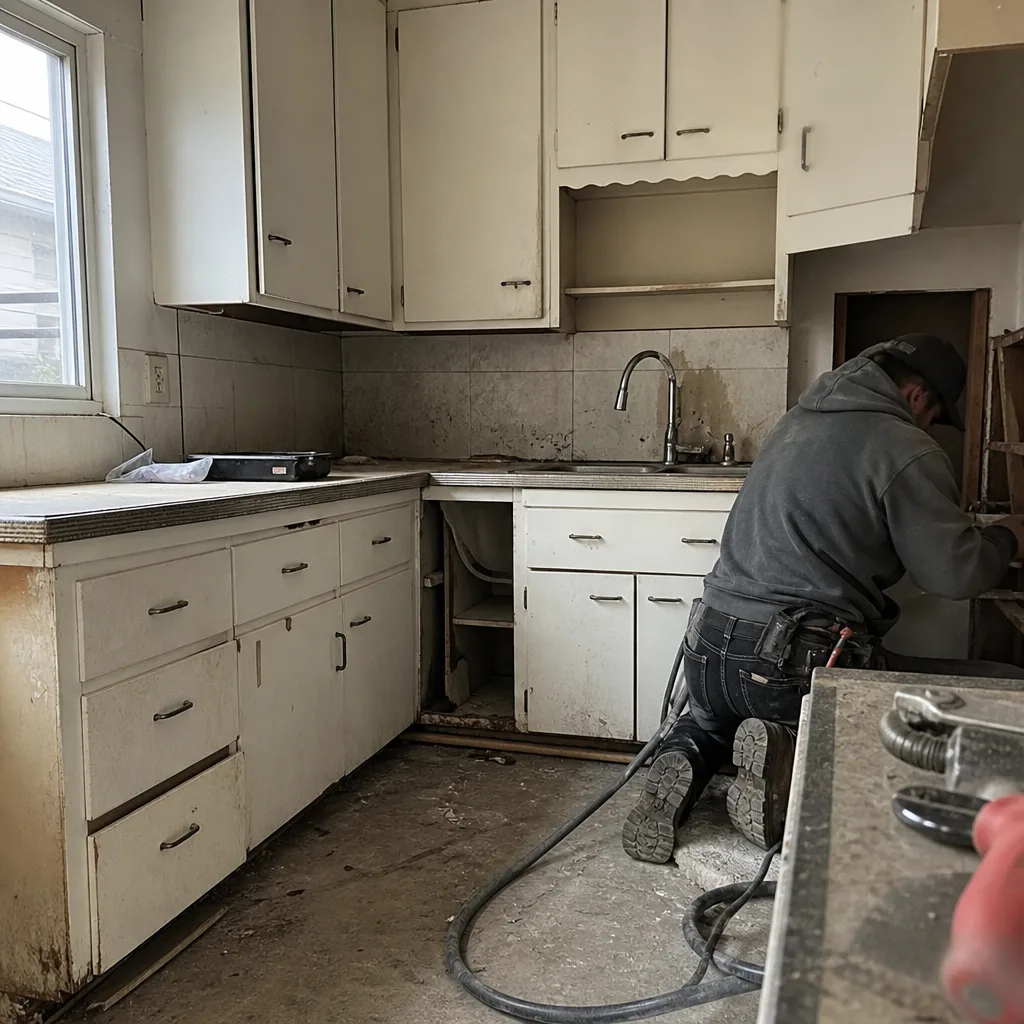 Before
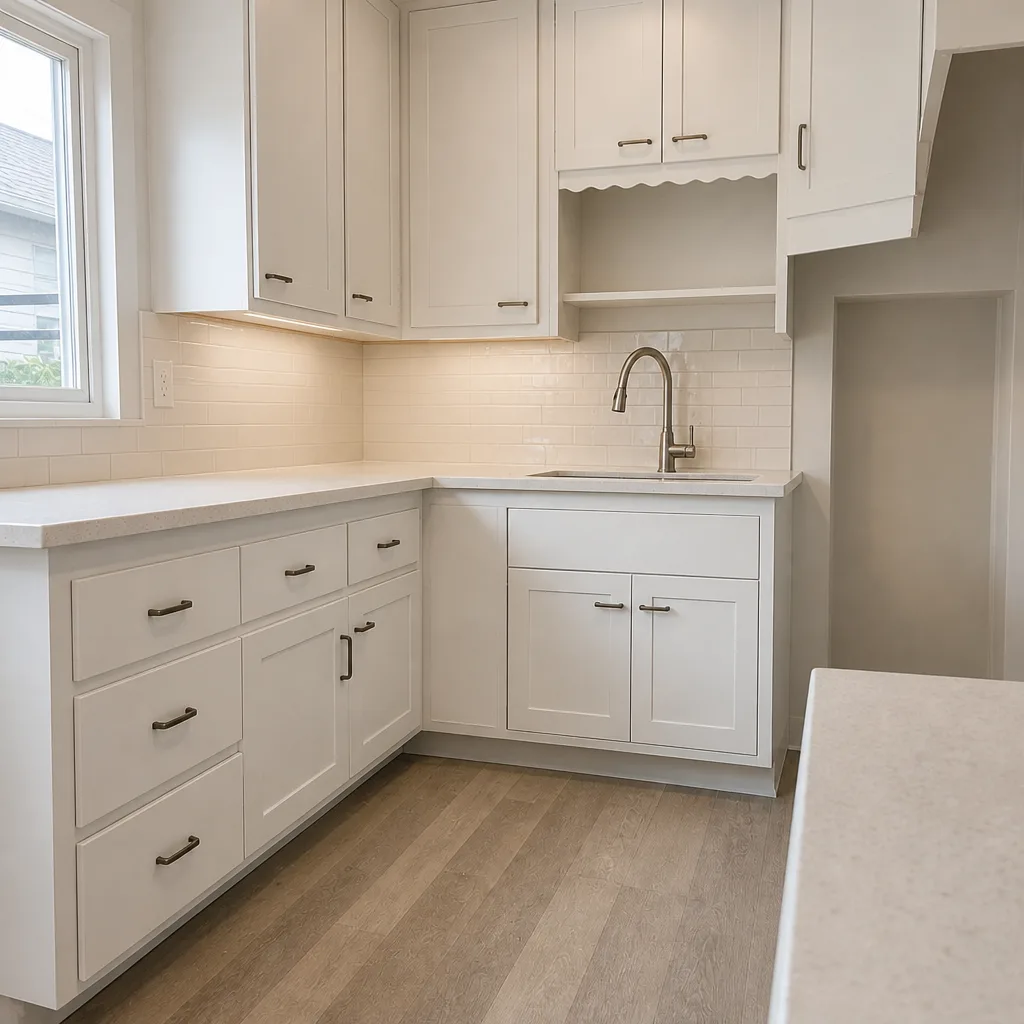 After
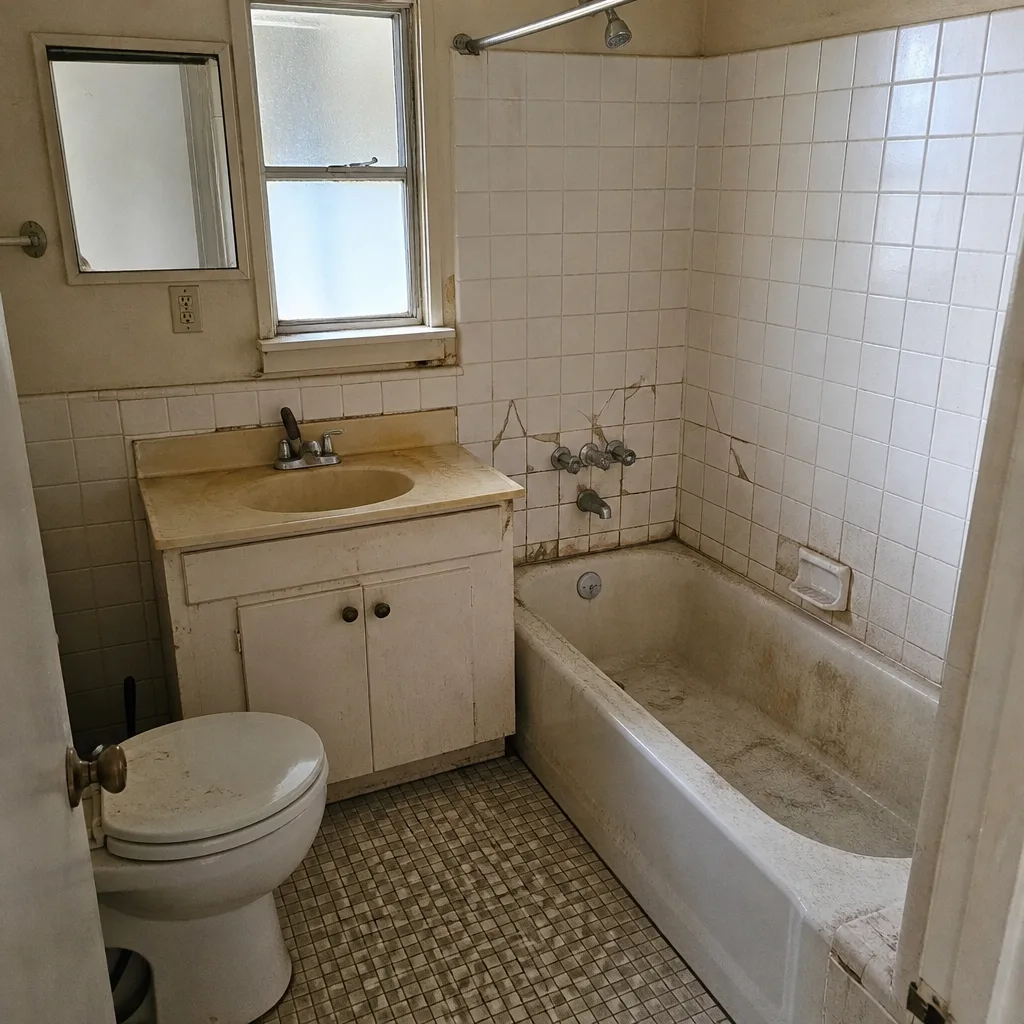 Before
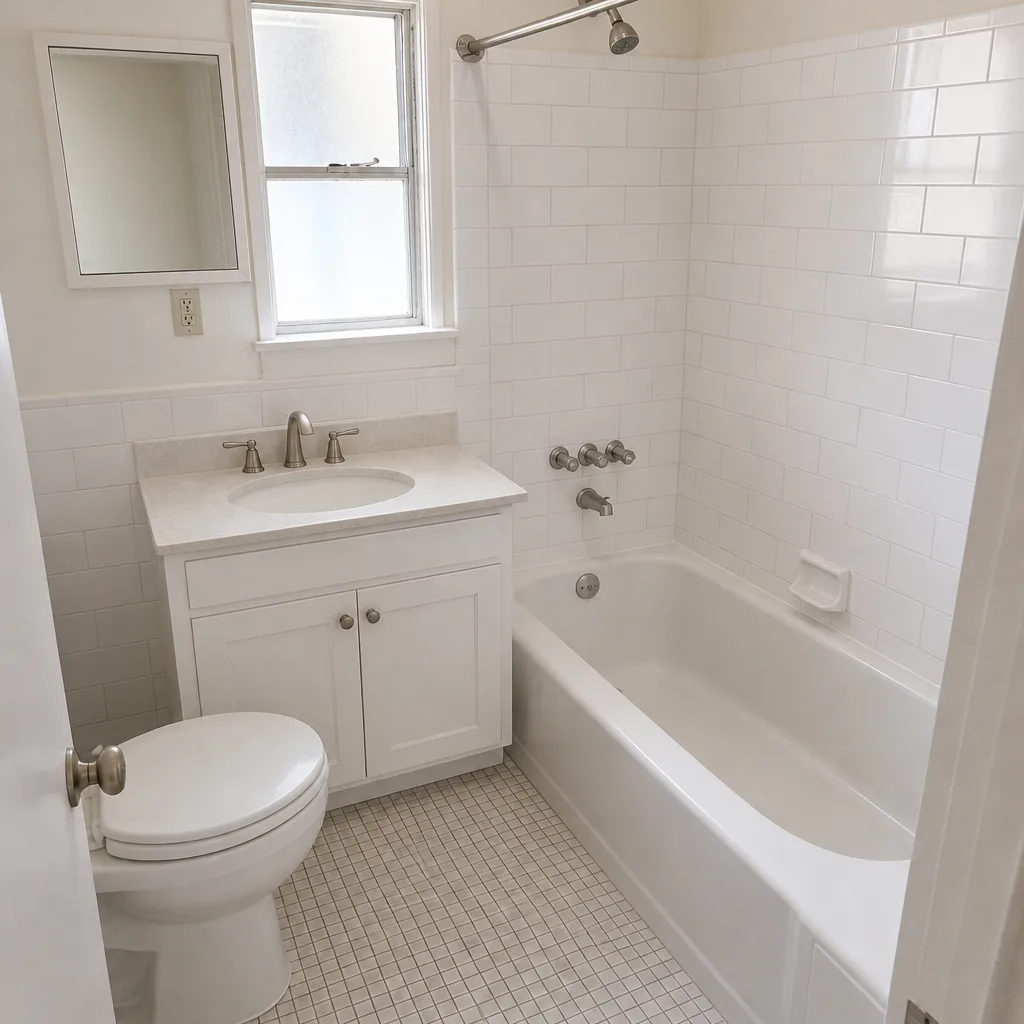 After
How to Repair a Chain Link Fence in Berkeley, CA
First, check the terminal post before you touch the fabric. On most Berkeley chain link fences, sagging fabric traces back to a corroded corner or end post below grade, and re-tensioning the mesh on a rotten post just moves the sag a few feet down the line. Test the post for solid steel with a probe and a firm kick. If it’s solid, then patch and tension the fabric. If it’s hollow with rust, plan on replacing the post and resetting the concrete footing – that’s the repair that actually holds through a wet Berkeley winter. For an exact assessment on your property, call Groundwork Construction Co. of Berkeley at (855) 471-4163.
Why Berkeley Chain Link Fences Fail at the Post First
Walk any block of soft-story apartment buildings around South Berkeley or the flatlands near San Pablo Avenue and you’ll see the same pattern: a leaning chain link fence with a taut-looking top rail and fabric pulled low on one side. The mesh is usually fine. The problem sits at the base of the terminal post, right at grade.
Two local conditions drive this. Berkeley’s clay-heavy soils hold moisture against galvanized steel long after the rain stops, so the corrosion zone stays wet through spring. And most of the chain link around older rental parcels dates to the 1960s through 1980s, when galvanizing on hardware-store posts was thinner than what’s made today. Forty to sixty years of that clay sauna, and the post wall thins from the inside out. You won’t see it from the top. You’ll see it as a rust line at grass level, a hollow thunk when you kick the post, and a fence that leans a little more every spring.
This is also the neighborhood where fog and winter rain keep ground moisture high for months, while a handful of blocks uphill in the hills get sun that bakes the same posts dry. Neither extreme is kind to old galvanized steel. The repair sequence below works in both cases.
How Do You Diagnose a Chain Link Post Before Patching Fabric?
Do these three checks in order. Each one takes under a minute and tells you whether fabric work alone will hold.
- The visual rust line. Look at the post where it meets soil. A thin patina is normal. Flaking, orange-brown scale, or a visible narrowing of the steel means the wall has thinned below safe spec.
- The probe test. Push a flathead screwdriver into the post with steady hand pressure. Solid galvanized steel resists. A corroded post gives a soft, spongy feel, or the driver pokes through. If it goes in, the post is done.
- The kick test. Strike the post about knee height with the flat of your boot. A solid post returns a sharp ring. A rusted-through post sounds hollow and dull, and the top will wobble even though the footing feels firm.
Run these checks on every terminal post – each corner and each end of the run – plus the line posts nearest the corners, which take the most tension. If two or more fail, plan a post replacement rather than a fabric repair. Patching around a dead post is money spent twice.

What Does a Chain Link Repair Cost in Berkeley?
Most chain link repairs in Berkeley fall between $3,500 and $9,000, depending on whether you’re patching fabric, replacing posts and footings, or rebuilding a section of the run. Small fabric-only fixes sit at the low end. Post replacement with new concrete footings and re-tensioning, especially on an apartment parcel with a shared property line, lands higher.
| Repair scope | Typical Berkeley range |
|---|---|
| Fabric patch (small tear or hole) | $150-$400 |
| Re-tensioning without post work | $250-$600 |
| Single terminal post replacement with new footing | $450-$1,200 |
| Multiple post replacement plus re-tensioning | $1,200-$3,000 |
| Full section rebuild (Berkeley lead range) | $3,500-$9,000 |
The number you see on a Groundwork bid is the number you pay. No surprise line items after the crew digs into a footing. If a full rebuild makes more sense than a repair on your run, the same team handles Fence Installation with the same 730-Day Done Right Promise behind the workmanship.
How Do You Patch Chain Link Fabric and Re-Tension It?
Once the posts check out as solid, fabric repair is straightforward. Match the mesh gauge and height exactly – most Berkeley chain link is 11- or 9-gauge, 48 or 60 inches tall – then work the repair carefully so the mesh doesn’t unravel.
- Cut clean and square. Remove the damaged section so the opening matches one full diamond pattern. Jagged edges unravel fast.
- Knuckle the wire ends. Bend the exposed cut wire back on itself in a tight loop over the adjacent wire. This is the knuckling technique that stops the fabric from unwinding. Skip it and a small patch becomes a growing hole.
- Lace the patch with tension bands. Use wire tension bands wrapped at every 6 to 12 inches along the seam, or a proper hog-ring tool for larger patches. Twist-ties will not survive a Berkeley wet season.
- Re-tension at the turnbuckle. Tighten the tension bar and turnbuckle at the terminal post only after the patch is secure. Over-tightening on a marginal post is what pulls it out of the ground.
Background-checked, uniformed technicians do this on every job, so the person working your fence is the same person on the bid. Our technicians have up to 12 years of experience with chain link, and the same crew reads the footing condition before pulling tension.
Do You Need a Permit to Repair or Replace a Chain Link Fence in Berkeley?
Small fabric repairs generally don’t trigger a permit. But once you’re replacing a significant share of a fence line, adding a new terminal post, or changing fence height or placement on a shared property line, Berkeley’s fence permit rules can apply. Apartment parcels with shared fence lines are the most common trouble spot – and the one where a neighbor’s objection or a code inspection stalls a job halfway.
Before any post replacement on a property line, confirm setbacks, height limits and shared-line agreements with the city. Groundwork pulls the permit as part of the scope when one is required, so the work is inspected and on record. That’s the difference between a repair that passes a survey and one that gets flagged at resale.
What If the Fence Fails After a Break-In?
Landlords call us after a break-in has compromised a chain link line – cut fabric, a knocked-out gate post, a section pulled off the terminal. That’s a security and liability question, not just a fence question, and it needs a real response today. Our phones are answered by a live person 24/7, so you reach a human after hours, not a voicemail box that returns Monday.
Same-day assessment is often possible on East Bay calls. Where a temporary closure can secure the property before the full repair, the crew does that first. Upfront pricing means you know the cost before work starts, and 0% financing for 18 months is available if the repair grows into a full rebuild – project financing over $10,000 also gets $1,000 off.
Why Choose Groundwork Construction Co. of Berkeley for a Chain Link Fence?
Groundwork Construction Co. of Berkeley is the full-scope home construction partner behind the fence work. Every job is covered by the 730-Day Done Right Promise – one of the longest workmanship guarantees in the residential construction space. If a post we set starts leaning inside two years, we make it right. That matters in a market where the old post is the problem in the first place.
Material partners on fence and hardscape work include Belgard, ActiveYards and Bufftech, so a rebuild uses the same quality spec as the rest of the property. From foundation to finish line, one contractor owns the outcome instead of three trades pointing at each other.
FAQs
Yes, if the terminal post is solid. Test it first with the probe and kick tests. Re-tensioning a corroded post just pulls it further out of the ground slower. Call (855) 471-4163 for an in-person check – estimates are free.
Most repairs land between $3,500 and $9,000, with small fabric patches starting around $150 and full section rebuilds at the high end. Call (855) 471-4163 for an exact quote on your run – estimates are free.
Galvanized chain link typically holds 25 to 40 years here, and much of the fence in older rental neighborhoods is already past that mark. The fabric often outlasts the posts. Call (855) 471-4163 to assess whether a repair or full replacement makes more sense.
Repair wins when only the fabric or one post is failing. Replacement wins once two or more terminal posts have corroded through, because patch-after-patch costs exceed a clean rebuild. Call (855) 471-4163 for a no-pressure comparison of both options.
If you’d rather have it looked at, Groundwork Construction Co. of Berkeley offers a no-pressure assessment in Berkeley – call (855) 471-4163. Upfront pricing, live answers 24/7, and the workmanship backed for 730 days. See the full scope on our Fence Installation in Berkeley page or start at our home.
Written by the team at Groundwork Construction Co. of Berkeley, serving Berkeley, CA.