Free written scope consultation - allowances, timeline, and change-order rules on paper before a single trade is scheduled
Styles & brands we work with
- Kitchen remodeling
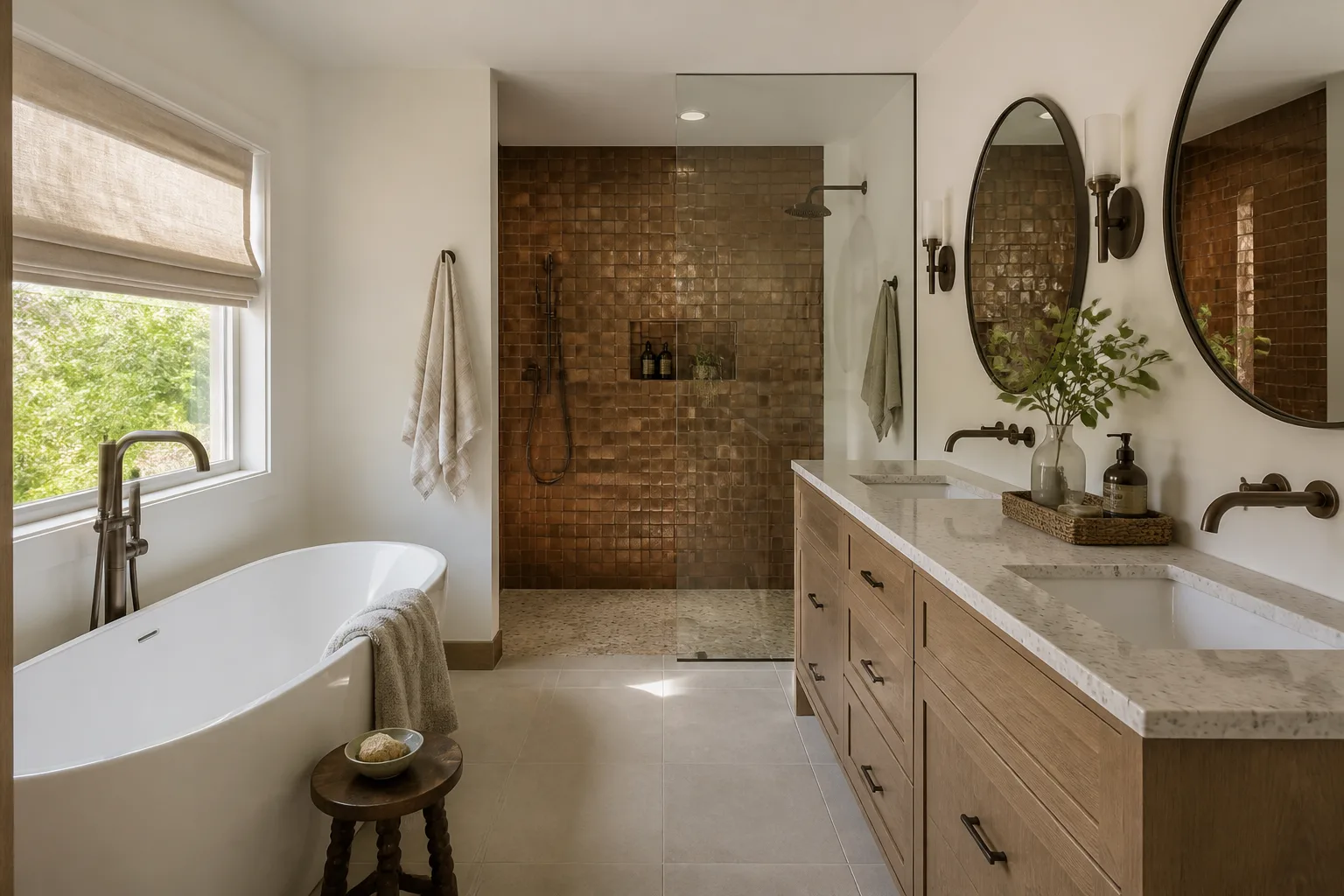
- Bathroom remodeling
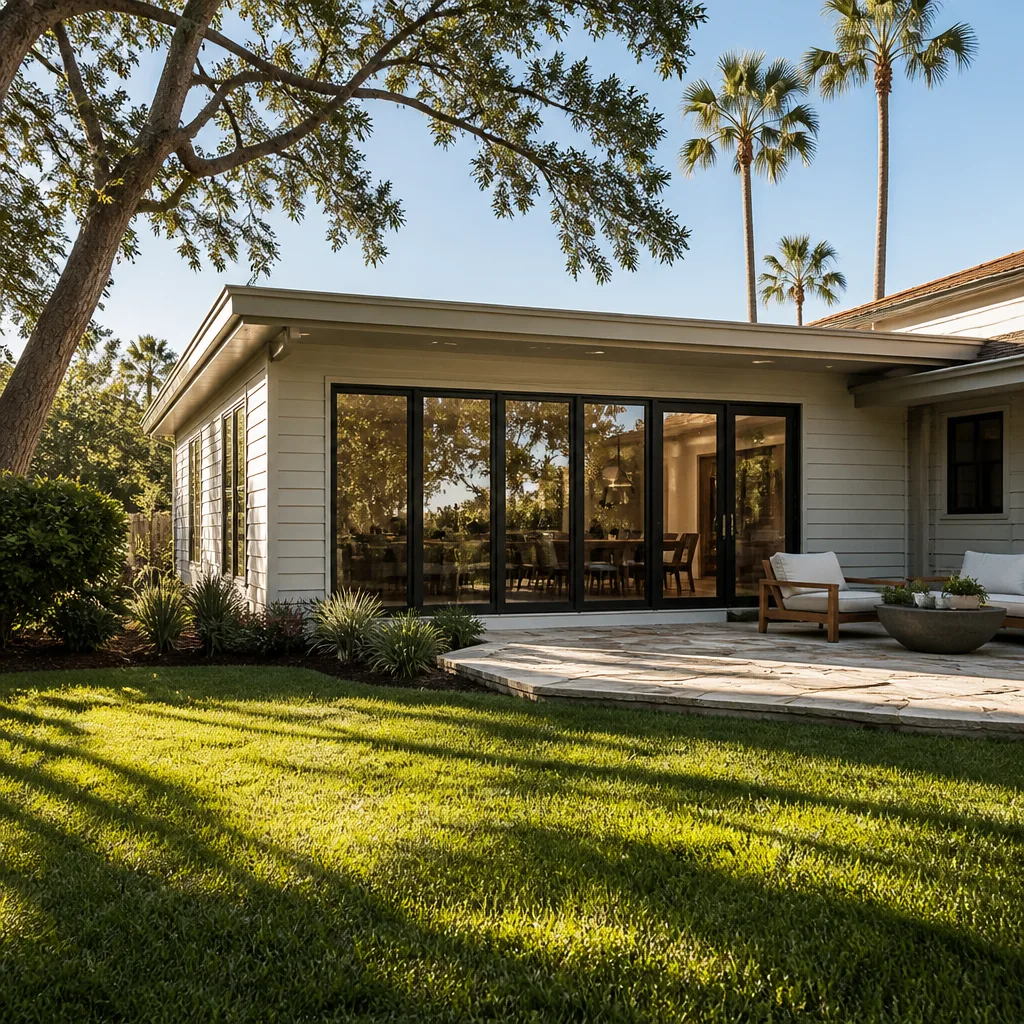
- Home additions & ADU
- Roofing
- Windows & doors
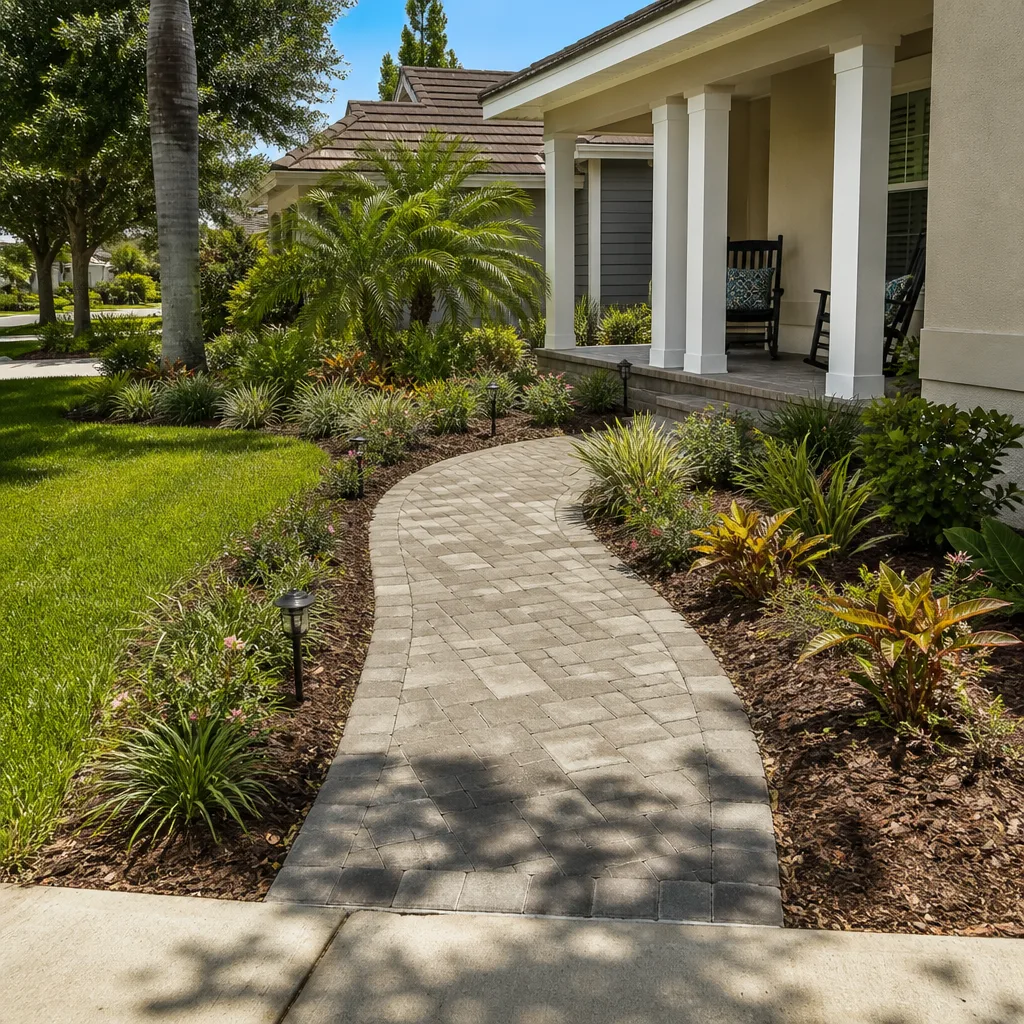
- Driveway & pavers
- Fence
See the difference
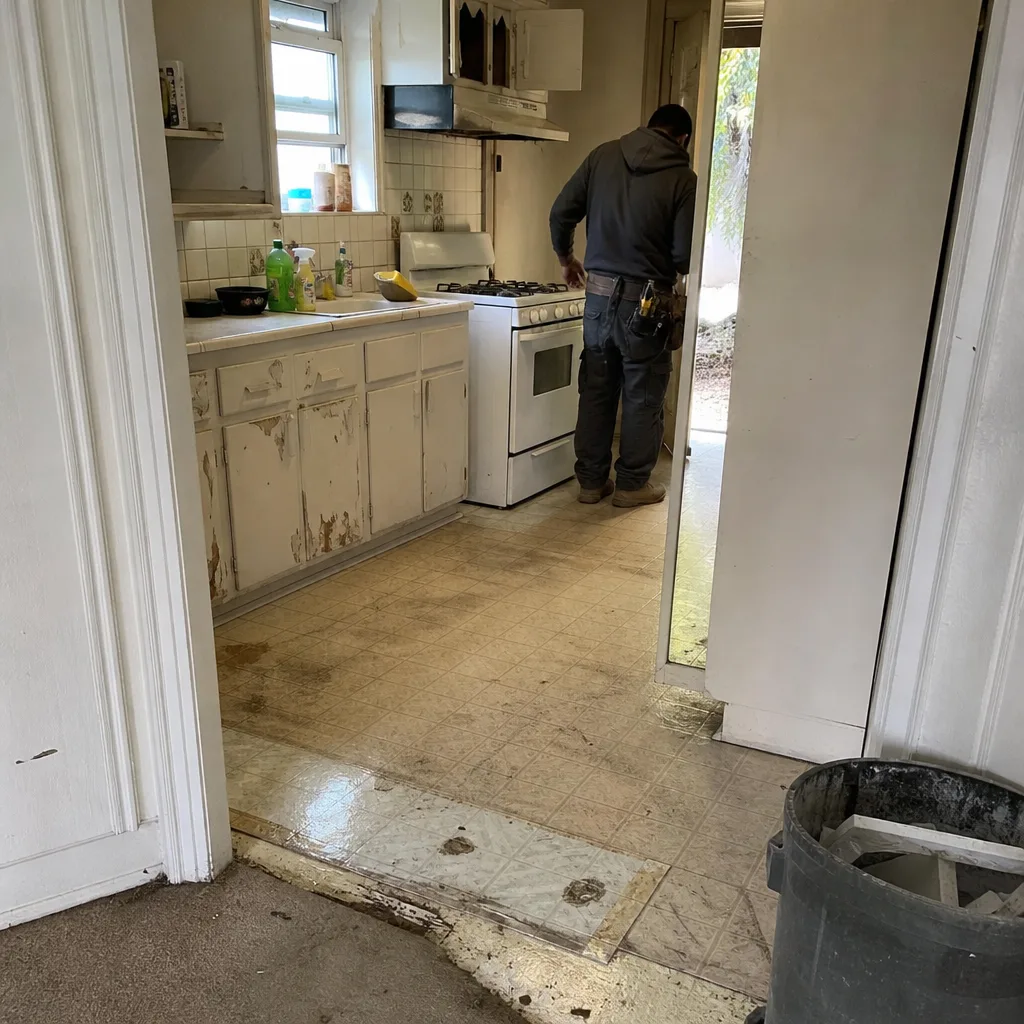 Before
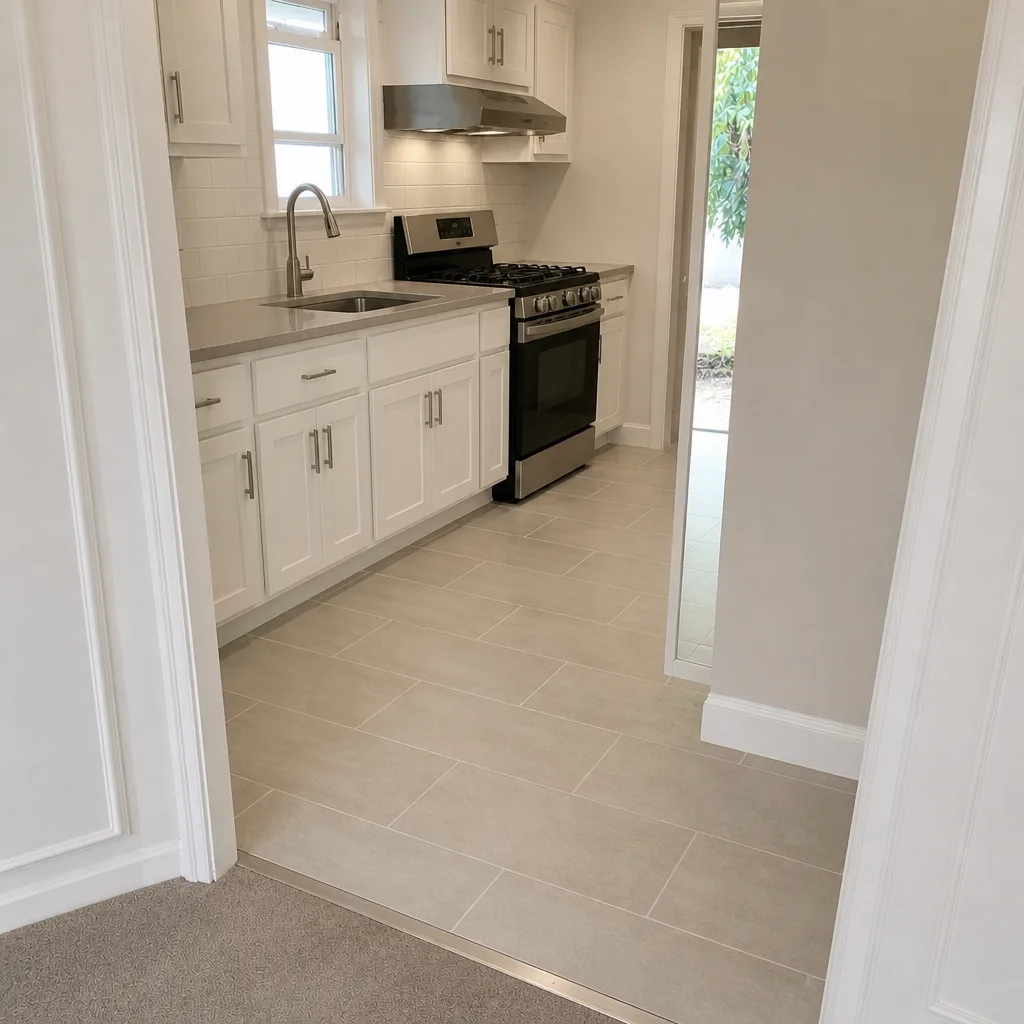 After
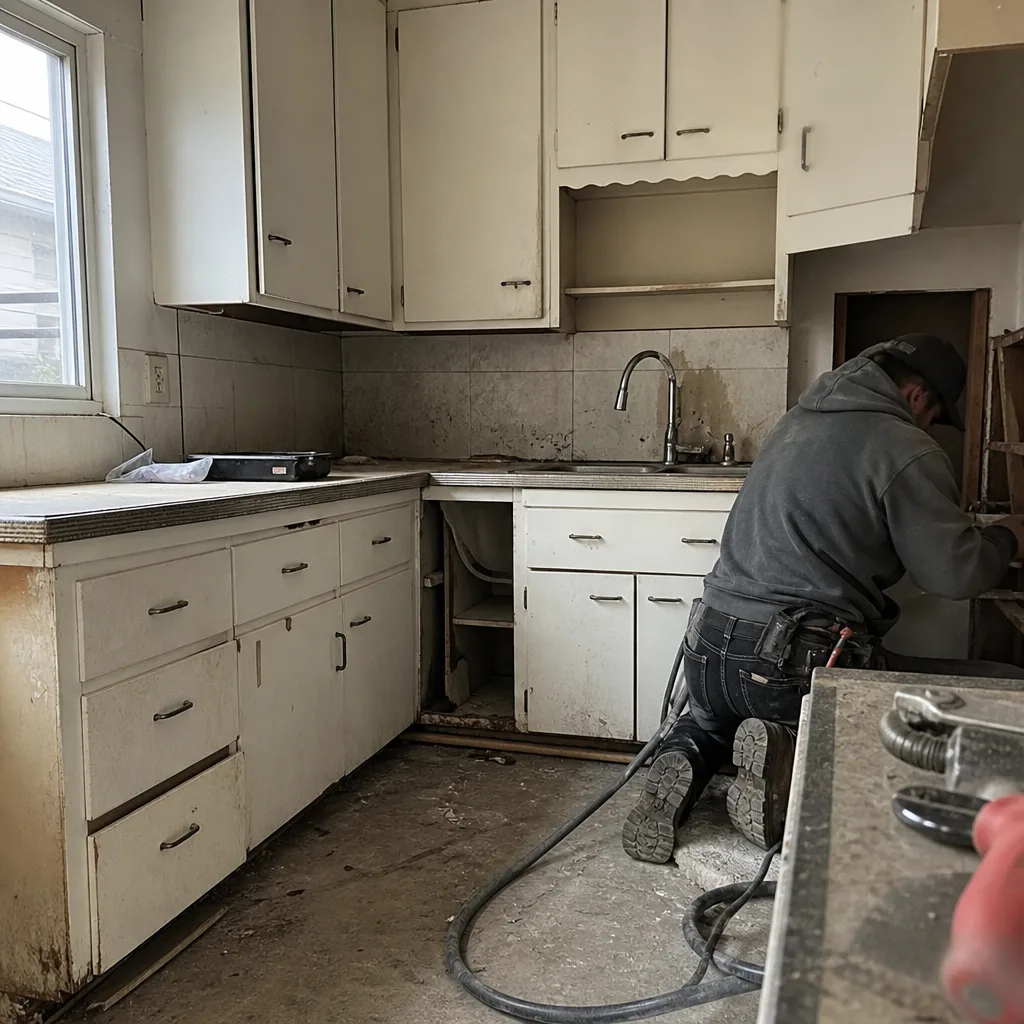 Before
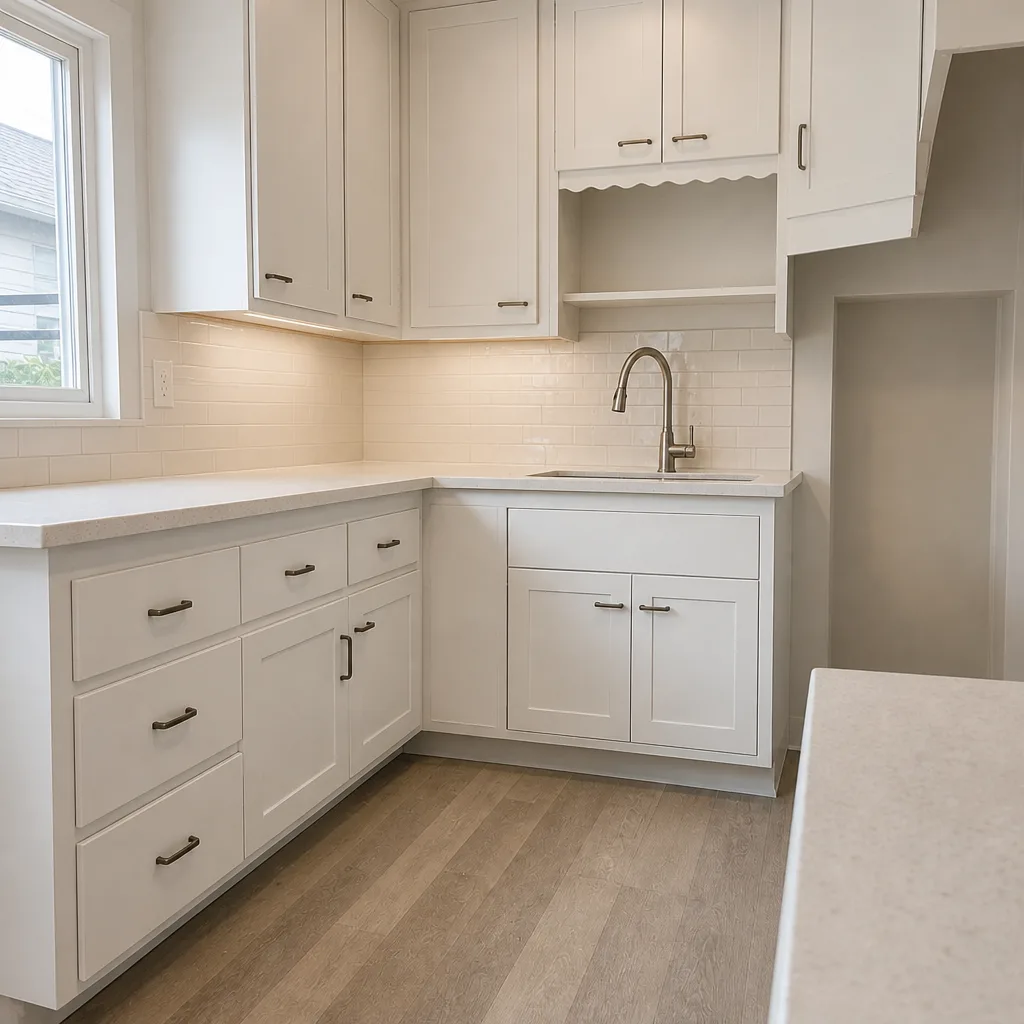 After
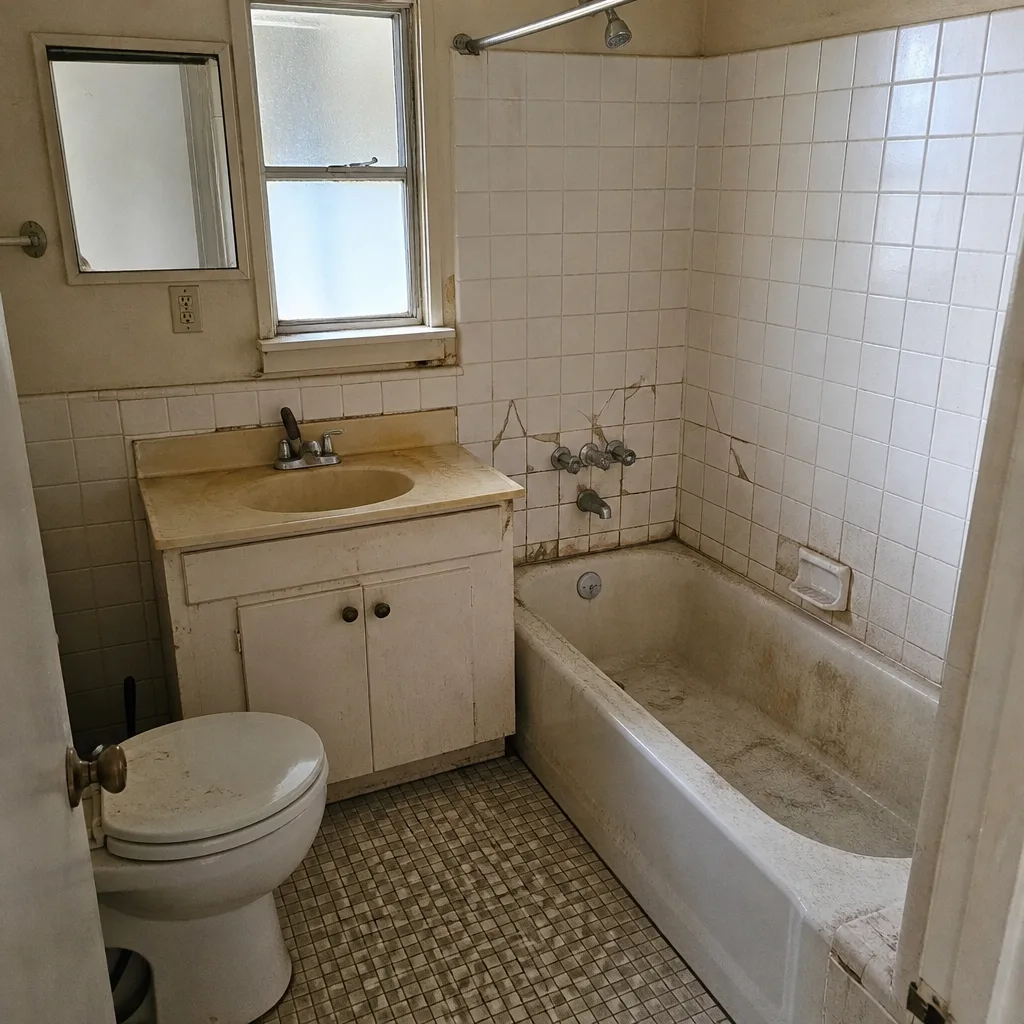 Before
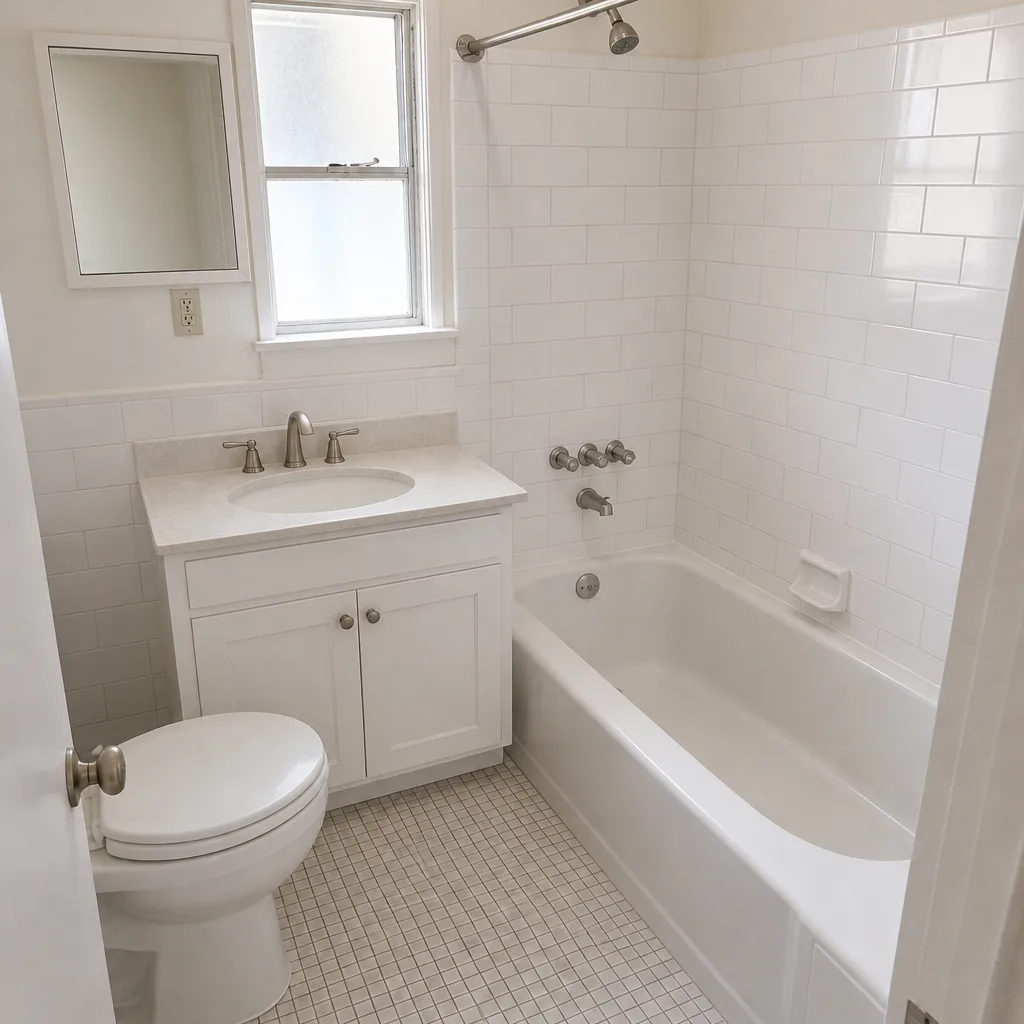 After
Pavers vs Concrete Driveway in Berkeley: Which Should You Choose?
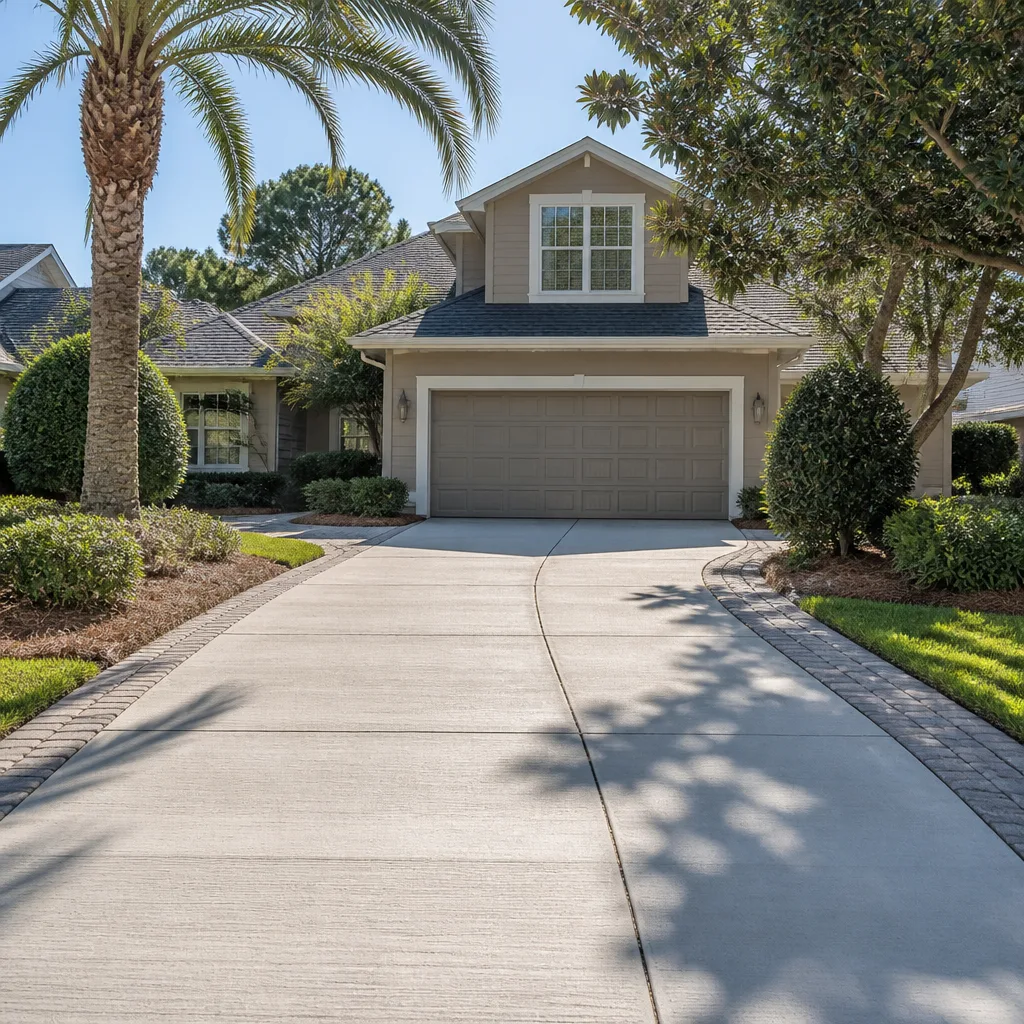
Choose pavers unless your budget is the hard ceiling and your lot has no mature trees. For most Berkeley driveways, interlocking pavers outperform poured concrete because they flex with the clay soil, survive root invasion, and can be lifted and relaid instead of demolished. A paver driveway in Berkeley typically runs $7,000-$18,000, while concrete comes in at $4,500-$12,000. The gap is real, but so is the cost of tearing out a cracked slab in five years. Call (855) 471-4163 and we’ll price both options for your lot, side by side, before you commit to either.
Key Takeaways
- Concrete is one continuous slab. When Berkeley’s expansive clay heaves or a seismic event shifts the grade, that slab cracks and the fix is usually a full replacement.
- Pavers move with the ground and can be pulled up, root-pruned around, and reset. That single trait is why they beat concrete on tree-heavy Berkeley lots.
- Berkeley’s design review rules in districts like Elmwood and Claremont favor permeable and historically compatible paving. Pavers pass where flat gray concrete often doesn’t.
- Permeable pavers can satisfy Alameda County’s C.3 stormwater provisions, which matters on tight lots where a separate detention feature is hard to fit.
- Pavers are trafficable within 24 hours. Concrete needs up to 28 days before full vehicle load, and street parking in dense Berkeley blocks makes that wait painful.
Why Berkeley Driveways Fail Differently Than Anywhere Else
Berkeley’s mild Mediterranean climate means we can pour or lay pavers almost any month of the year. Freeze-thaw isn’t our enemy. Movement is. The flatlands sit on expansive clay that swells and shrinks with the winter rains, and the hills burned in 1991, which reshaped how every slope above the flats gets built and rebuilt. Add the seismic reality of the Hayward Fault running just over the hills and you have a city where the ground under a driveway is never truly still.
Then there are the trees. Berkeley’s mature street trees, many of them 80-year-old oaks and redwoods with protected root zones, have destroyed more concrete driveways than any weather cycle ever will. A monolithic concrete slab has nowhere to give. When a root lifts one corner, the slab cracks along its weakest line and the whole pour is compromised. Pavers are the only surface you can lift, root-prune around, and relay without replacing the whole thing.
One more Berkeley-specific wrinkle. Working on pre-1940 wood-frame homes here means navigating some of the strictest seismic and historic-preservation rules in the country. In the Elmwood and North Berkeley flatlands, pulling a permit often uncovers original redwood framing that has to be brought up to current shear-wall and anchor-bolt standards. A driveway project alone rarely triggers that, but if you’re planning a driveway alongside a larger exterior job, plan for it. If you’d rather start with the surface itself, our Driveway & Pavers service covers the full scope.
How Pavers and Concrete Behave When the Ground Moves
Concrete goes down as a single rigid slab, often on a wire mesh base, and it wants to stay flat forever. When Berkeley’s clay shifts seasonally or a seismic event nudges the grade, the slab can’t absorb the movement, so it cracks. A hairline crack becomes a running crack becomes a tripping hazard, and the honest repair for a badly cracked slab is demolition and repour, not patching.
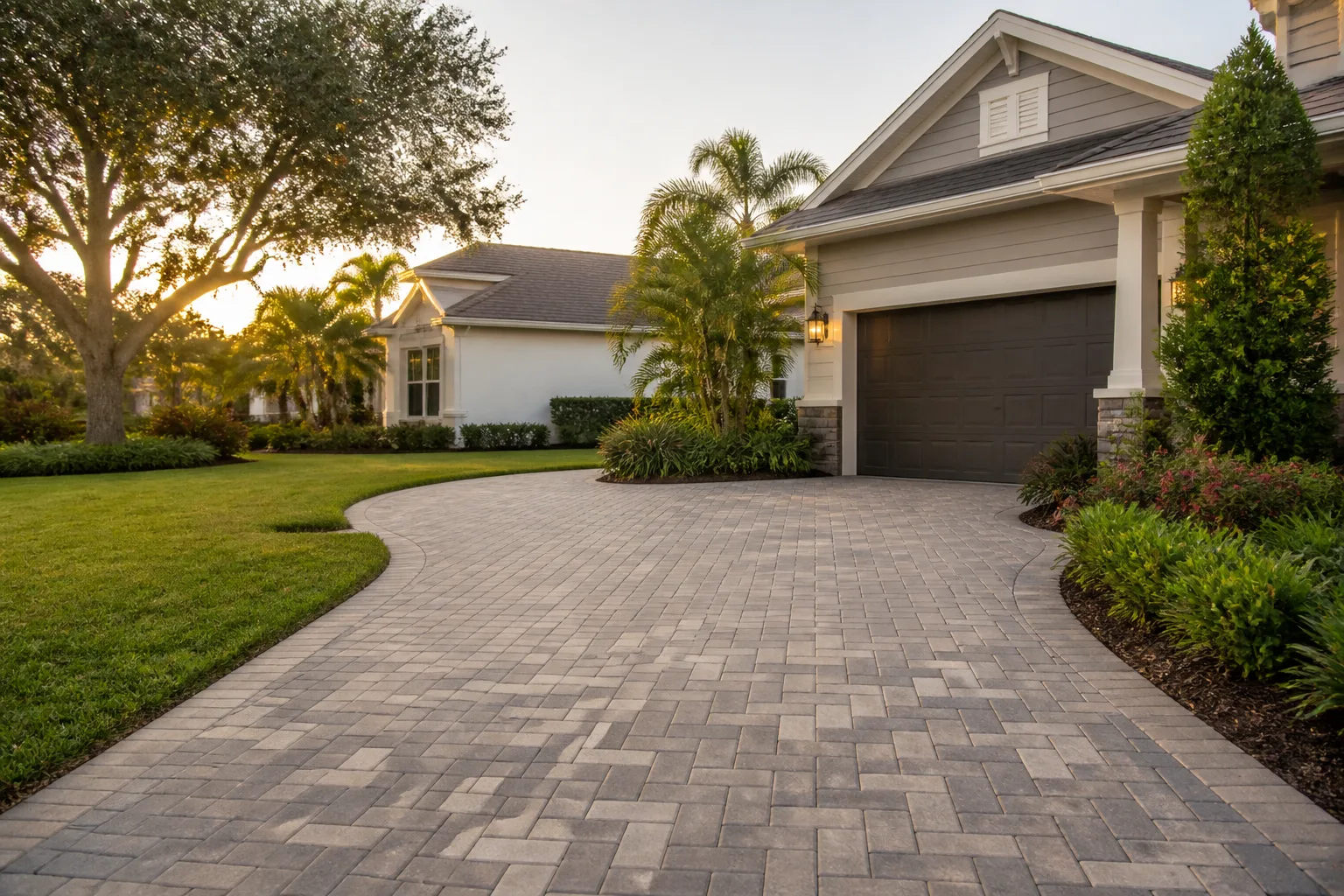
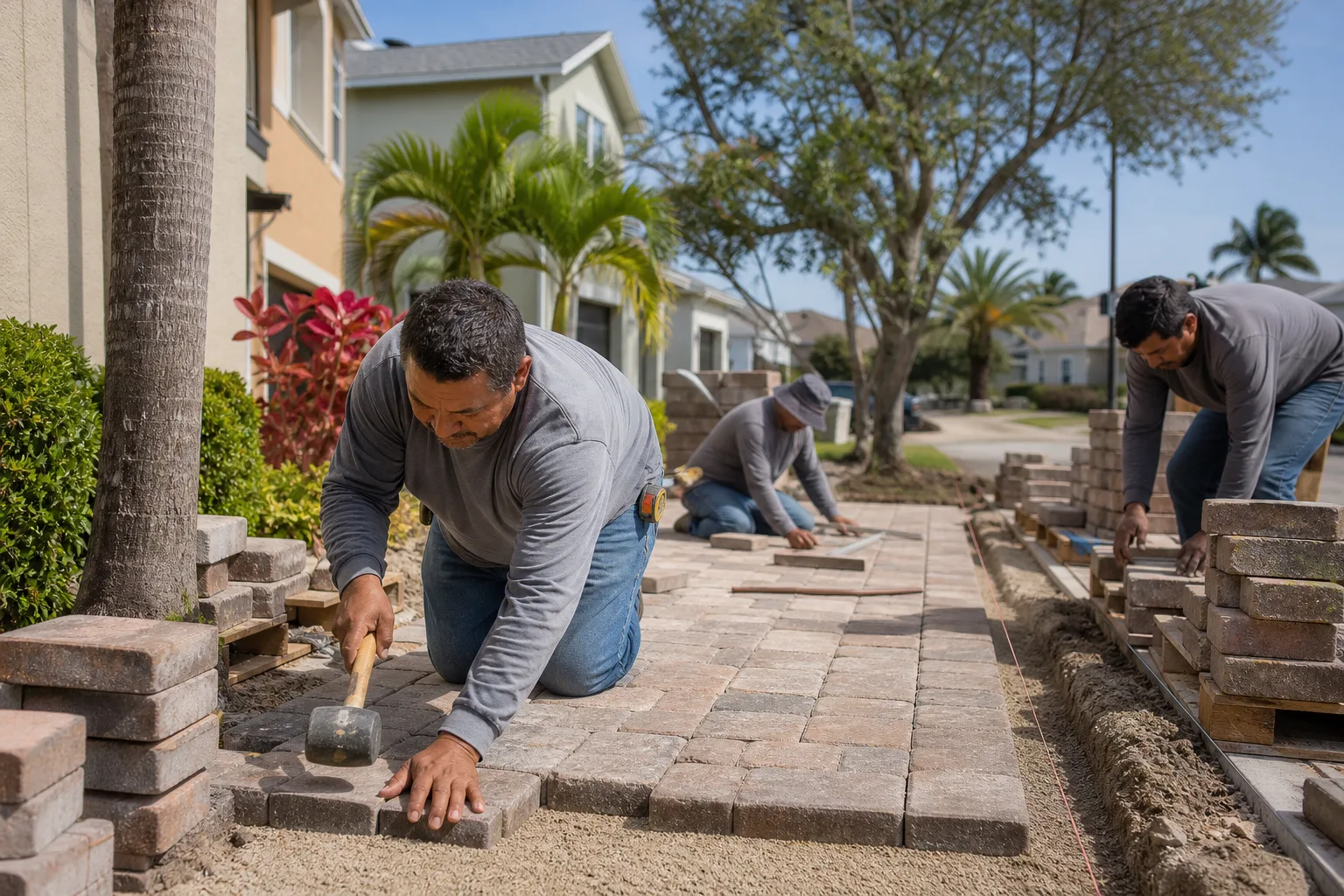
Pavers are individual units set on a compacted aggregate base with sand in the joints. Each paver takes a little of the movement and passes the rest to its neighbors. When a root needs attention or a utility line has to be dug up, you lift the pavers, do the work, and lay them back down. You’ll never find a Berkeley driveway that needs its concrete removed just to reach a broken sprinkler line. That’s routine with pavers.
We source pavers through curated top-tier brands so the units match, hold color, and interlock tight, with base materials from established suppliers like Oldcastle and Quikrete. Every installation is covered by our 730-Day Done Right Promise. If a paver settles or a joint fails, we make it right.
Permeable Pavers, Alameda County C.3, and Berkeley Design Review
This is where the debate gets decided on paperwork as much as on weathering. Alameda County’s C.3 stormwater provisions push new and replacement hardscape toward low-impact development, and permeable paver systems qualify as a permitted stormwater management solution. On a constrained Berkeley lot where there’s no room for a separate detention basin or bioswale, a permeable paver driveway can reduce or eliminate the need for one. Poured concrete doesn’t offer that path.
Design review adds a second layer. The Landmarks Preservation Ordinance and several neighborhood design guidelines, Elmwood and Claremont among them, lean toward permeable and historically compatible paving. Pavers can be laid in herringbone, running bond, or a brick-look pattern that reads as period-appropriate on a brown-shingle Berkeley box or a Craftsman bungalow. A flat gray slab often can’t get there. If your property sits in a review zone, tell us early and we’ll bring pattern options to the first visit.
Paver Driveway vs Concrete Driveway: A Side-by-Side
| Factor | Pavers | Concrete |
|---|---|---|
| Typical Berkeley cost | $7,000-$18,000 | $4,500-$12,000 |
| Response to clay movement or seismic shift | Individual units absorb and redistribute | Cracks; repair means repour |
| Tree root invasion | Lift, prune, relay | Full slab removal |
| Time to vehicle traffic | Within 24 hours | Up to 28 days to full cure |
| Stormwater / LID credit | Permeable systems qualify under C.3 | No credit |
| Design review compatibility | Pattern and color flexible | Limited |
| Long-term cost of ownership | Lower, because repairs are localized | Higher if the slab fails |
The numbers above are ranges for a standard residential driveway. Length, slope, base prep, and drainage all move the final figure. We give you both numbers upfront on the same visit, the number you see is the number you pay, and 0% financing for 18 months plus $1,000 off projects over $10,000 makes the paver side more reachable than the sticker suggests.
When Concrete Is the Right Call
We’ll tell you when concrete wins. If your lot is flat, fully drained, has no mature trees within rooting distance, and you want the lowest upfront number, poured concrete is hard to argue with. It’s also a reasonable choice for a rental property where you need a functional surface and plan to hold the building short-term. The case for pavers gets stronger the longer you plan to own the home, the more trees you have, and the older the house.
What Our Berkeley Crews Check Before Quoting
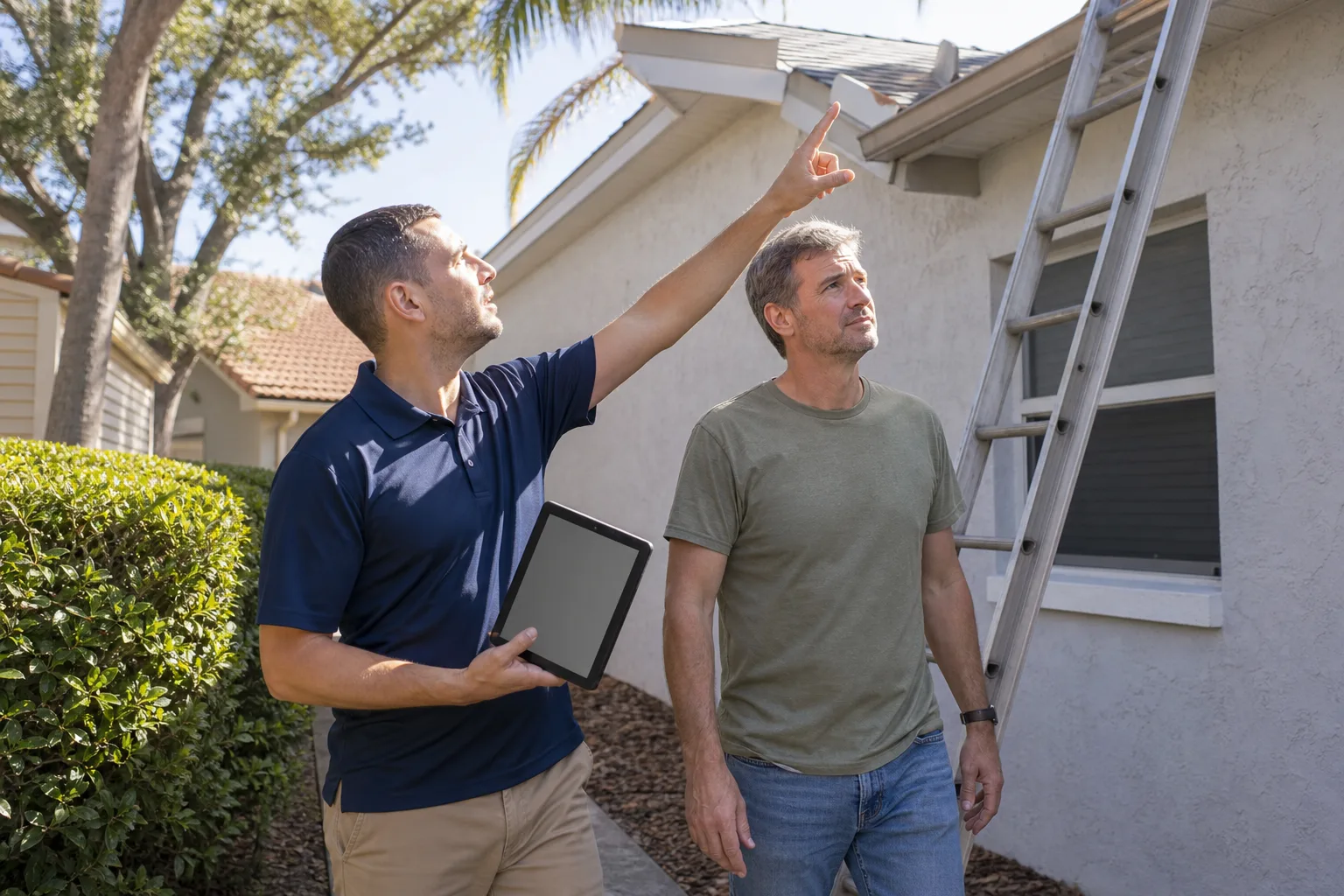
Our technicians have up to 12 years of experience and they walk every driveway differently because every Berkeley lot behaves differently. Expect us to check:
- Root zones and utility locations before we pick a surface
- Base thickness on the expansive clay, which we spec thicker than a generic pour would allow
- Slope and drainage direction, especially on hillside lots with fire-resistant detailing in play
- Whether your block falls inside a design review boundary that affects pattern and material
All of it happens on the free estimate visit. No-hassle upfront pricing, no change-order surprises when the base turns out deeper than expected. From foundation to finish line, we handle the whole job. If you want to see how this fits a bigger exterior plan, start at our home page or the dedicated Driveway & Pavers in Berkeley page.
FAQs
Replacing the slab is usually the cheaper long-term move once cracking runs across more than a quarter of the surface, because patching costs $5,000-$14,000 over repeated visits and still fails. A driveway replacement in Berkeley runs $5,000-$14,000 for concrete or $7,000-$18,000 for pavers, and the paver version stops the cycle. Call (855) 471-4163 for an exact quote on your driveway, estimates are free.
Paver driveway installation in Berkeley runs $7,000-$18,000, while concrete driveway installation runs $4,500-$12,000. The paver premium buys you movement tolerance, repairability, and possible C.3 stormwater credit. Call (855) 471-4163 and we’ll put both numbers on one page for your lot.
Yes, and that’s the strong case for pavers here. Individual units flex with clay movement and can be lifted to root-prune and relaid without touching the rest of the driveway. Concrete is one rigid slab and cracks when the ground shifts. Call (855) 471-4163 to have us look at your tree situation before you decide.
Within 24 hours of completion for pavers, compared with up to 28 days before full vehicle load on new concrete. In dense Berkeley neighborhoods where street parking is tight, that difference matters. Call (855) 471-4163 to schedule the install around your parking reality.
If you’d rather have it looked at, Groundwork Construction Co. of Berkeley offers a no-pressure assessment in Berkeley, call (855) 471-4163. We’ll walk the lot, measure the base, and hand you both numbers before you choose.
Written by the team at Groundwork Construction Co. of Berkeley, serving Berkeley, CA.