





Free written scope consultation - allowances, timeline, and change-order rules on paper before a single trade is scheduled
Styles & brands we work with
- Kitchen remodeling
- Bathroom remodeling
- Home additions & ADU
- Roofing
- Windows & doors
- Driveway & pavers
- Fence
See the difference
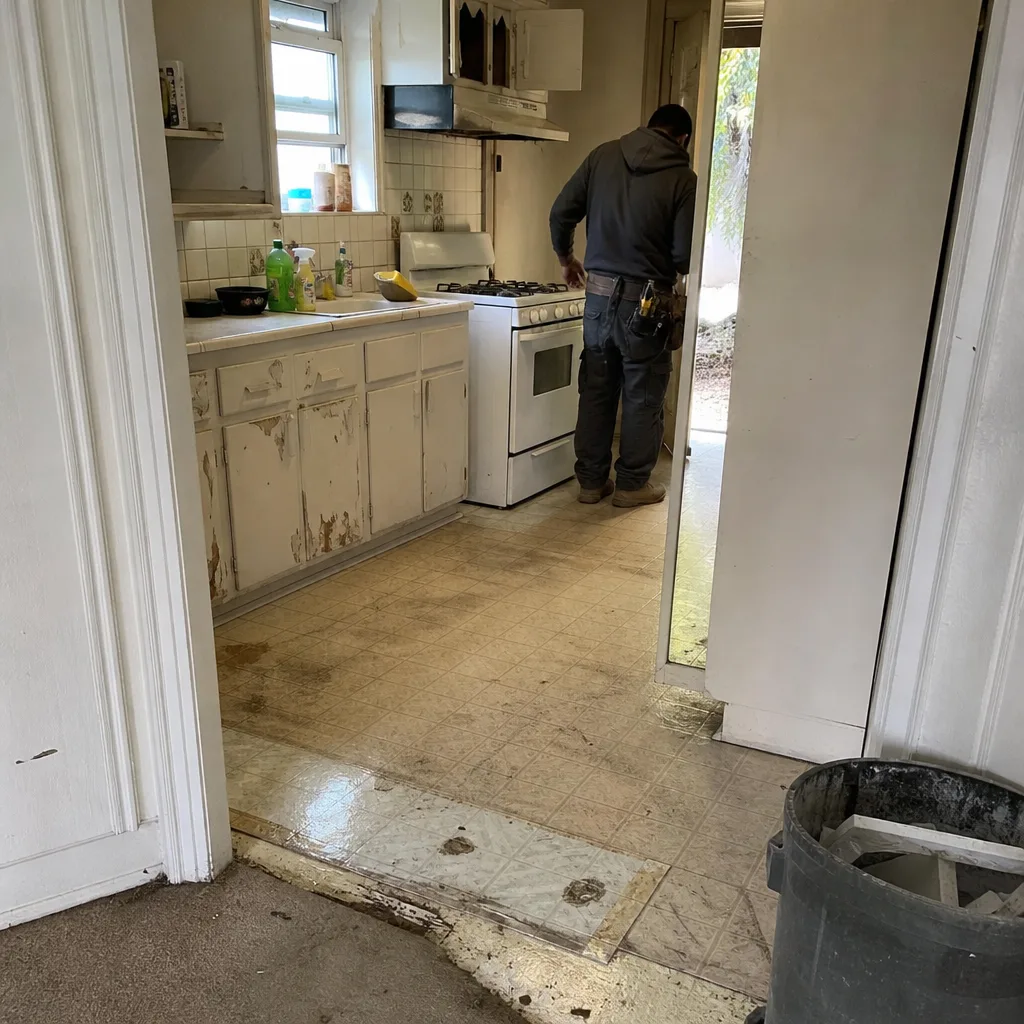 Before
 After
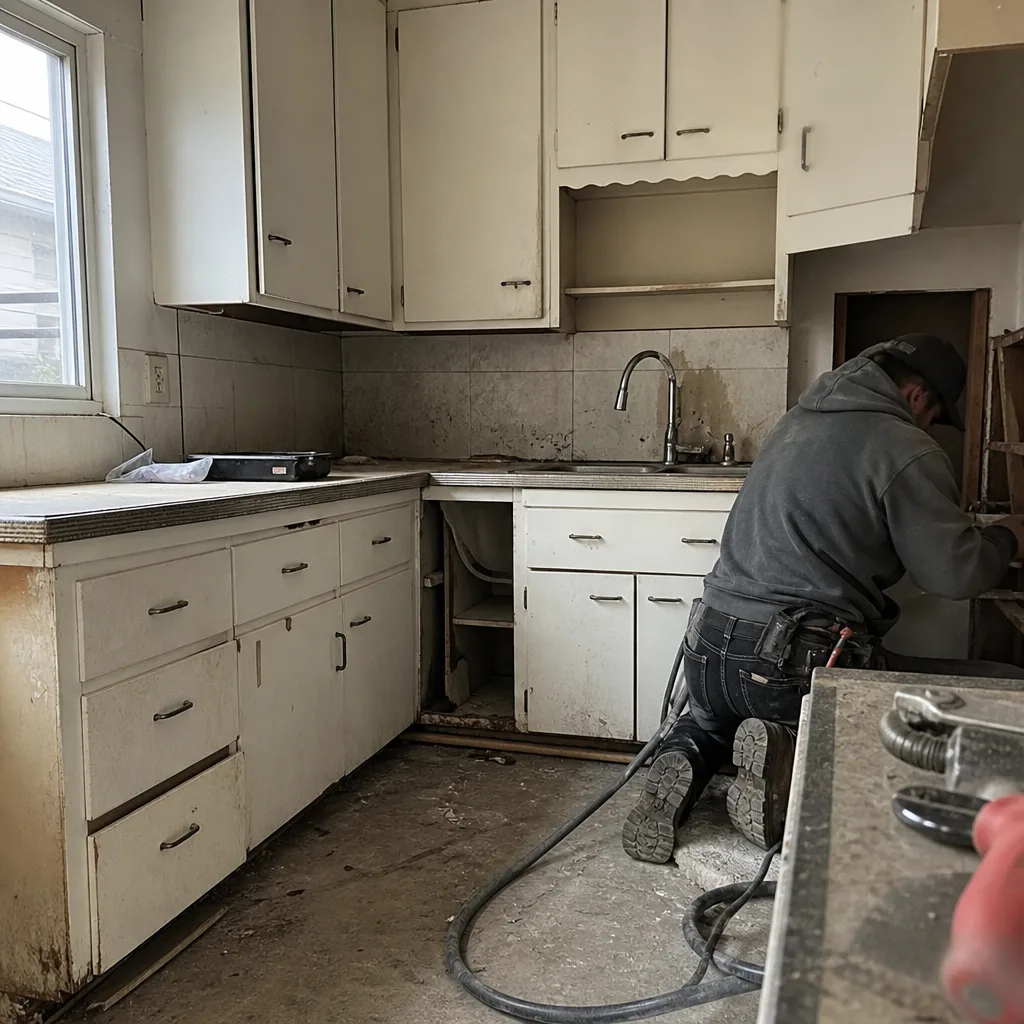 Before
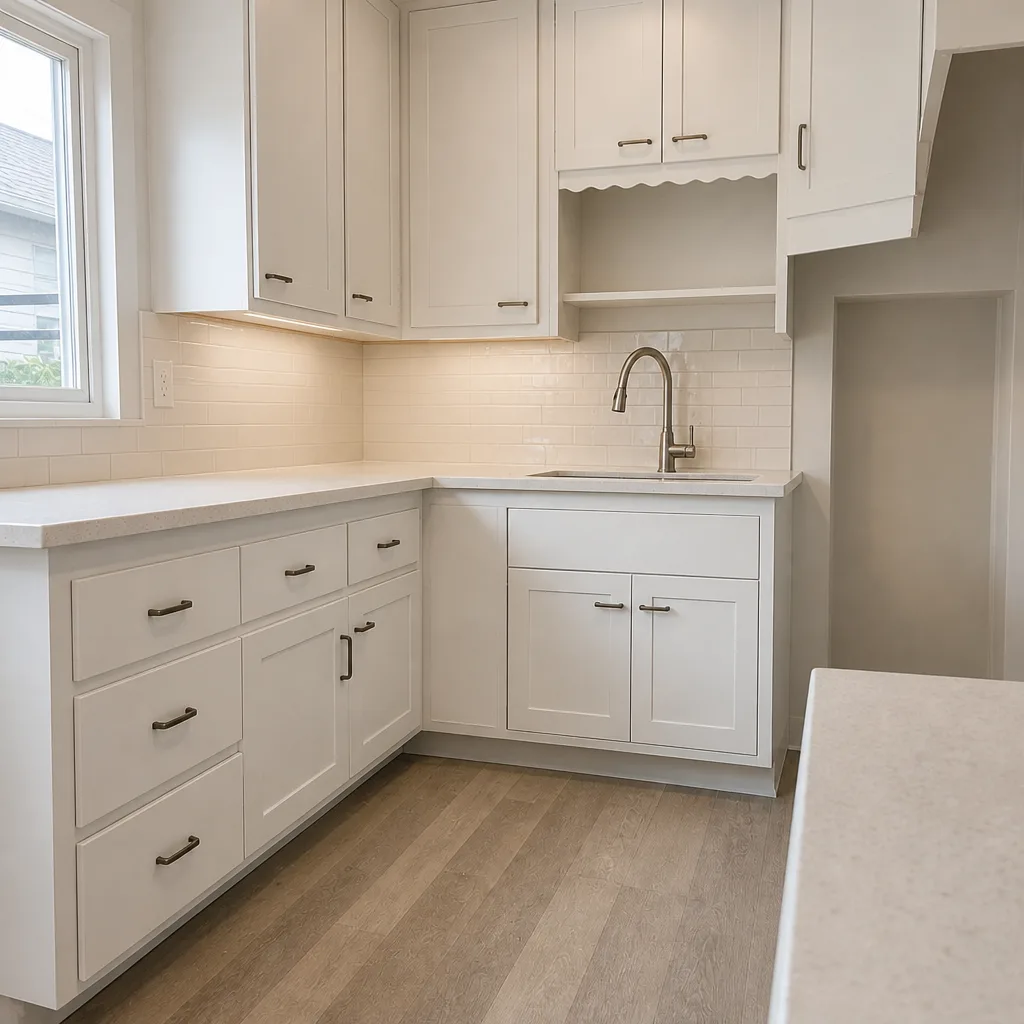 After
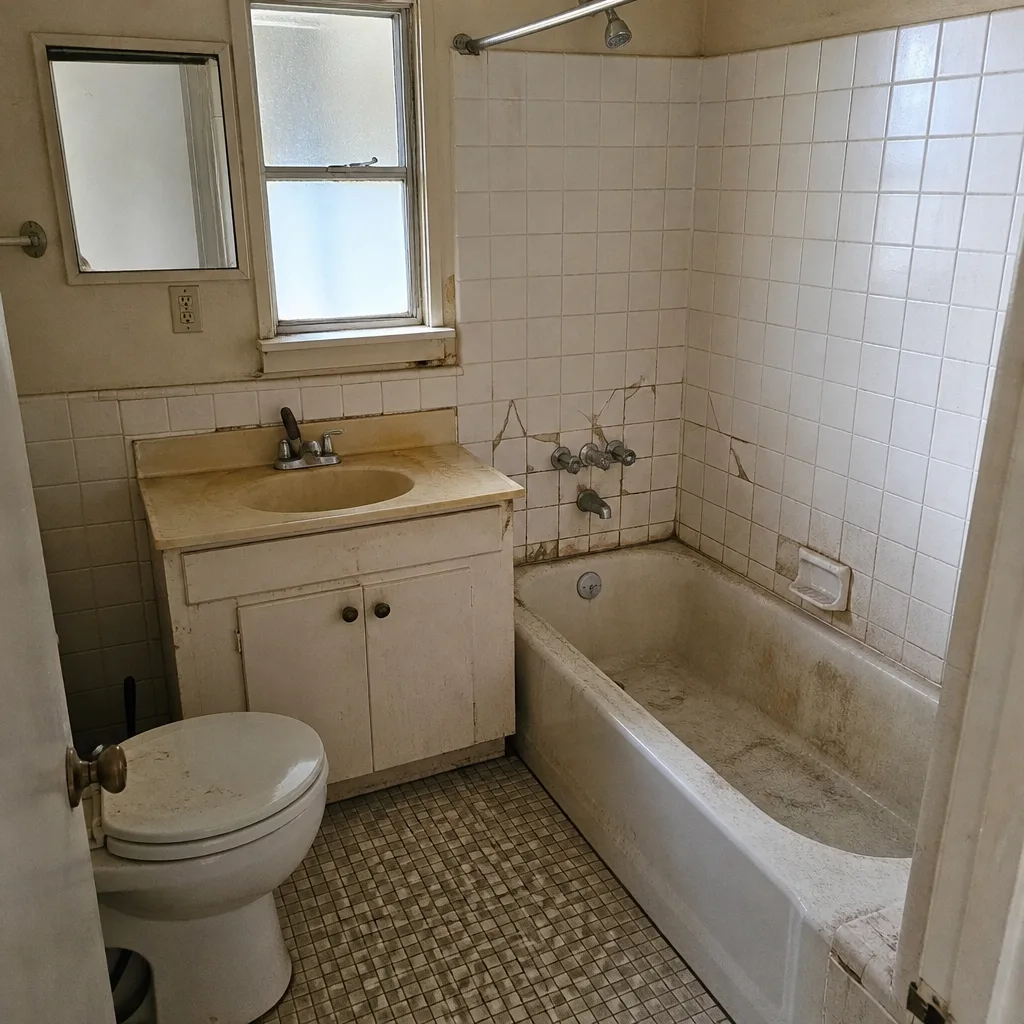 Before
 After
What Causes Roof Leaks in Berkeley, CA: The Causes Most Roofing Pages Miss
The most common cause of a roof leak is failed flashing at a penetration or transition – a chimney, a valley, a vent boot, a skylight curb – not a missing shingle. Shingles shed water; flashing is what actually keeps it out, and flashing is the first thing to fail. In Berkeley, that failure often traces back to something most roofing content never mentions: the ground moved. If water is already coming through a ceiling, call Groundwork Construction Co. of Berkeley at (855) 471-4163 and we’ll walk through the likely origin systems before anyone climbs a ladder.
Here’s the short answer, and then the Berkeley-specific detail that actually matters.
Key Takeaways
- Flashing failures outrank missing shingles as a leak cause, especially at chimneys and roof-wall intersections.
- Berkeley’s position near the Hayward Fault means minor seismic movement opens hairline gaps at step flashing – gaps too small to see, wide enough to leak.
- Pre-1940 brick chimneys in Berkeley were built without through-flashing or cricket deflectors, so water enters the chase and travels sideways before it shows up as a ceiling stain.
- Not every ceiling drip is rain. Fog-belt condensation and rising damp from clay soils both mimic roof leaks.
- A correct diagnosis walks all four systems – roof, chimney, ventilation, grade – before a scope gets written.

Why Berkeley Leaks Start With Movement, Not Missing Shingles
Berkeley sits right on top of the Hayward Fault. That fact shapes the housing stock in ways that show up on roofs years later. Every small tremor, and the region gets plenty, nudges chimneys, roof planes, and the flashing connections between them by fractions of an inch. The sealant bond at a step flashing joint can break without a visible crack. There’s no missing material, no lifted shingle, nothing a homeowner would spot from the ground.
Then the first sustained winter storm arrives – sometimes six months after the movement – and water finds the gap. The homeowner has no idea what changed, because from their side of things nothing did. This is the single most under-diagnosed leak pattern we see on Berkeley hillside homes, and it’s why we treat a leak as a structural question before a materials question. You can read more about how we approach this on our Roofing page.
The fix isn’t a tube of caulk. It’s re-establishing a proper flashing detail that can tolerate small movement, which is a different job than patching.
The Original Berkeley Chimney: A Leak Path Built Into the House
Most Berkeley chimneys from before 1940 were built as solid brick with a rubble-filled interior cavity. No through-flashing at the roof line. No cricket deflector to push water around the back of the chimney. That construction worked fine for decades, and then the mortar crown at the top starts to crack.
Once the crown cracks, water enters the chimney chase itself. Because the interior is an uninsulated rubble cavity, water doesn’t drop straight down – it spreads laterally through the masonry before it finds a path to the ceiling below. That’s why a ceiling stain in a Berkeley living room often traces back to a chimney two rooms away, and why so many leaks get misdiagnosed as roof field failures when the roof plane is fine.
What we look for on a Berkeley chimney:
- Cracked or spalled mortar crown at the top of the stack
- Missing or failed step flashing where the chimney meets the roof slope
- No cricket – water pooling on the uphill side of a wide chimney
- Interior chase staining that doesn’t line up with the roof plane above it
Repointing a crown and rebuilding the flashing detail is usually far less expensive than the ceiling repair that follows a missed diagnosis. Typical roof repair in Berkeley runs $400-$1,800, and a chimney flashing rebuild sits inside that range; letting it go and repairing water-damaged framing and drywall does not.
When the Leak Isn’t Rain: Fog, Condensation, and Rising Damp
Two Berkeley-specific impostors account for a surprising share of “roof leaks” that aren’t roof leaks at all.
Fog-belt condensation
Berkeley’s summer morning fog is famous, and in a poorly ventilated attic it does something most homeowners never suspect. The fog drives the roof deck surface below the dew point. Moisture condenses on the cold decking and drips onto the ceiling below – in dry weather, with no rain in the forecast. This is a ventilation failure, not a waterproofing failure. Patching or replacing the roof won’t stop it; correcting the attic ventilation will.
Rising damp from clay soils
On Berkeley hillside lots, gutters that overflow during heavy rain dump water against the foundation. The clay soils here hold that water, and it wicks up the stem wall. In first-floor rooms, that can read as ceiling moisture and get blamed on the roof. The real fix is grading and gutter correction, not a roof patch. We’ve pulled apart more than one “roof leak” that turned out to be water coming up, not down.
What a Proper Berkeley Leak Diagnosis Actually Covers
Because so many Berkeley leaks originate in structure, chimney, or ventilation rather than material failure, our pre-proposal inspection walks all four origin systems before we write a single line of scope: the roof surface and flashing, the chimney and its chase, the attic ventilation and deck condition, and the grade and gutter drainage around the foundation. That order matters. Fix the visible symptom without finding the cause and you’ll be back on the phone next winter.
The housing stock here makes that discipline necessary. Berkeley’s early-1900s Craftsman bungalows, Victorians, and brown-shingle Berkeley boxes weren’t detailed to modern flashing standards, and the wildland-urban interface up in the hills adds fire-resistant construction requirements on top. When a roof gets replaced rather than repaired, we specify materials from partners like GAF and Owens Corning that hold up under both the fog belt and the fire code. Every project we take on is backed by our 730-Day Done Right Promise – if it’s not done right, we make it right.
Berkeley roof work at a glance
| Service | Typical Berkeley range |
|---|---|
| Leak diagnosis and roof repair | $400-$1,800 |
| Tile roof repair | $600-$2,500 |
| Full roof replacement | $8,000-$20,000 |
| Metal roof installation | $15,000-$40,000 |
Those are real Berkeley numbers, not teaser pricing. We quote upfront, and the number you see is the number you pay. Financing at 0% for 18 months is available, and projects over $10,000 get $1,000 off.
Common Local Scenarios We Get Called About
“It only leaks during the first big storm, then stops.” Classic seismic flashing gap. The joint opened by fractions of an inch, and it takes wind-driven rain to push water through it. Light rain never reaches the gap.
“The stain is on the ceiling but the roof above looks dry.” Chimney chase migration. Water entered at the crown and traveled sideways through the rubble cavity.
“It drips in July, with no rain for weeks.” Attic condensation from the fog belt. Ventilation problem, not a roof problem.
“The moisture is in a first-floor room, not upstairs.” Rising damp from grade. Check gutters and grading before touching the roof.
FAQs
Failed flashing at penetrations and transitions – chimneys, valleys, vent boots, and roof-to-wall joints – causes more leaks than missing or damaged shingles. Shingles shed most water, but flashing is the seal at every edge and opening, and it’s the first component to fail. In Berkeley, movement and older chimney construction make flashing failures even more likely. Call (855) 471-4163 for a no-pressure assessment.
Sudden leaks with no visible damage usually mean a flashing seal failed invisibly, often from small structural movement rather than storm damage. In Berkeley, seismic micro-movement can break the sealant bond at step flashing without leaving a crack you can see. The leak appears at the first sustained rain, which is often months after the movement happened. Call (855) 471-4163 and we’ll trace the origin before quoting any repair.
Yes – attic condensation from fog and rising damp from poor drainage can both mimic a roof leak and are not roof failures at all. Berkeley’s summer fog can drive attic decking below the dew point and cause drips in dry weather, and clay soils can wick groundwater up a stem wall into first-floor ceilings. Patching the roof won’t fix either. Call (855) 471-4163 so we can identify which system is actually failing.
Roof repair in Berkeley typically runs $400-$1,800, with tile roof repair at $600-$2,500, and the exact number depends on whether the cause is flashing, chimney, ventilation, or drainage. A full replacement, if the roof is past repair, runs $8,000-$20,000. We quote upfront and honor the number. Call (855) 471-4163 for a free estimate.
When to Stop Diagnosing and Call
If you’ve read this far and a scenario sounds familiar, the next step is a real inspection – not another patch. Groundwork Construction Co. of Berkeley offers a no-pressure roof and leak assessment across the Berkeley service area, and we answer the phone with a live person, 24/7. Our technicians have up to 12 years of experience, and our 730-Day Done Right Promise backs every job in writing.
Call (855) 471-4163 for a free estimate. Upfront pricing, no surprises – and an answer to the actual cause, not just the symptom you can see.
Written by the team at Groundwork Construction Co. of Berkeley, serving Berkeley, CA.