Free written scope consultation - allowances, timeline, and change-order rules on paper before a single trade is scheduled
Styles & brands we work with
- Kitchen remodeling
- Bathroom remodeling
- Home additions & ADU
- Roofing
- Windows & doors
- Driveway & pavers
- Fence
See the difference
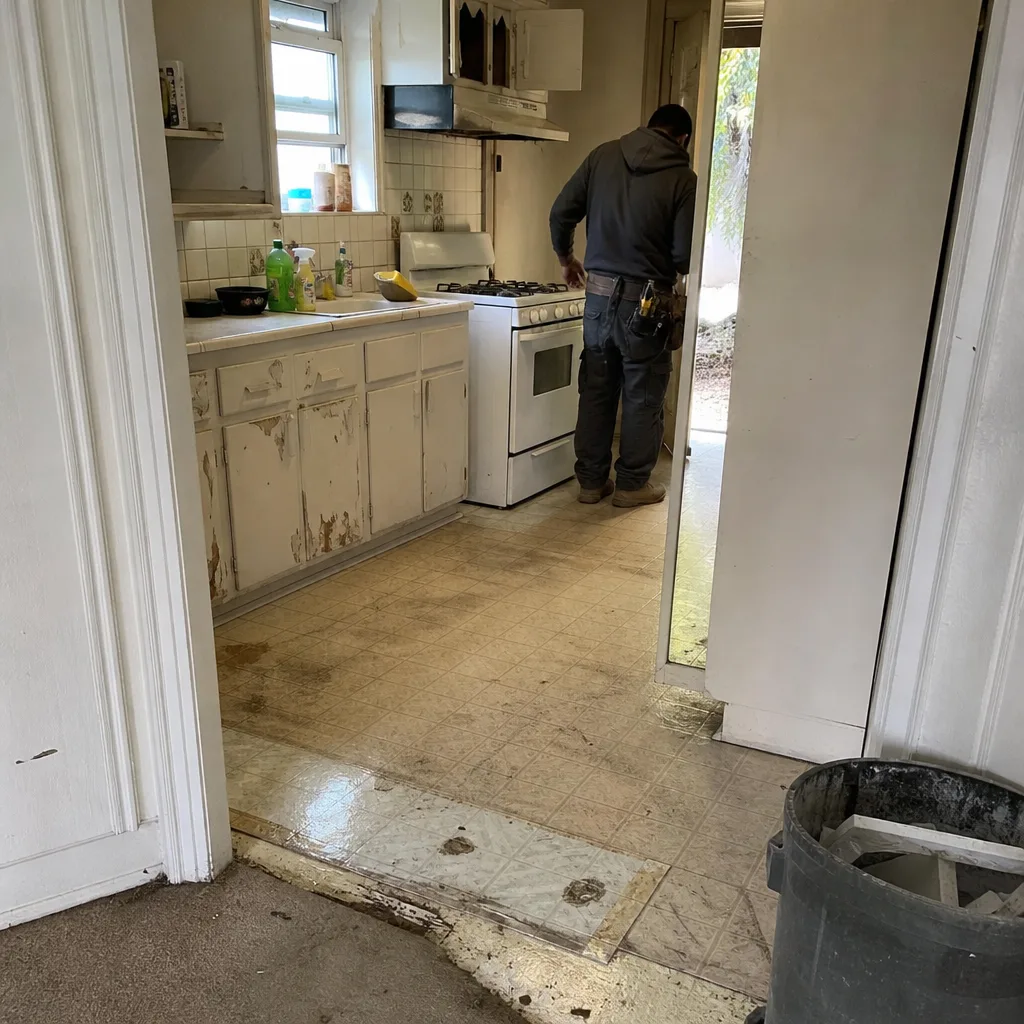 Before
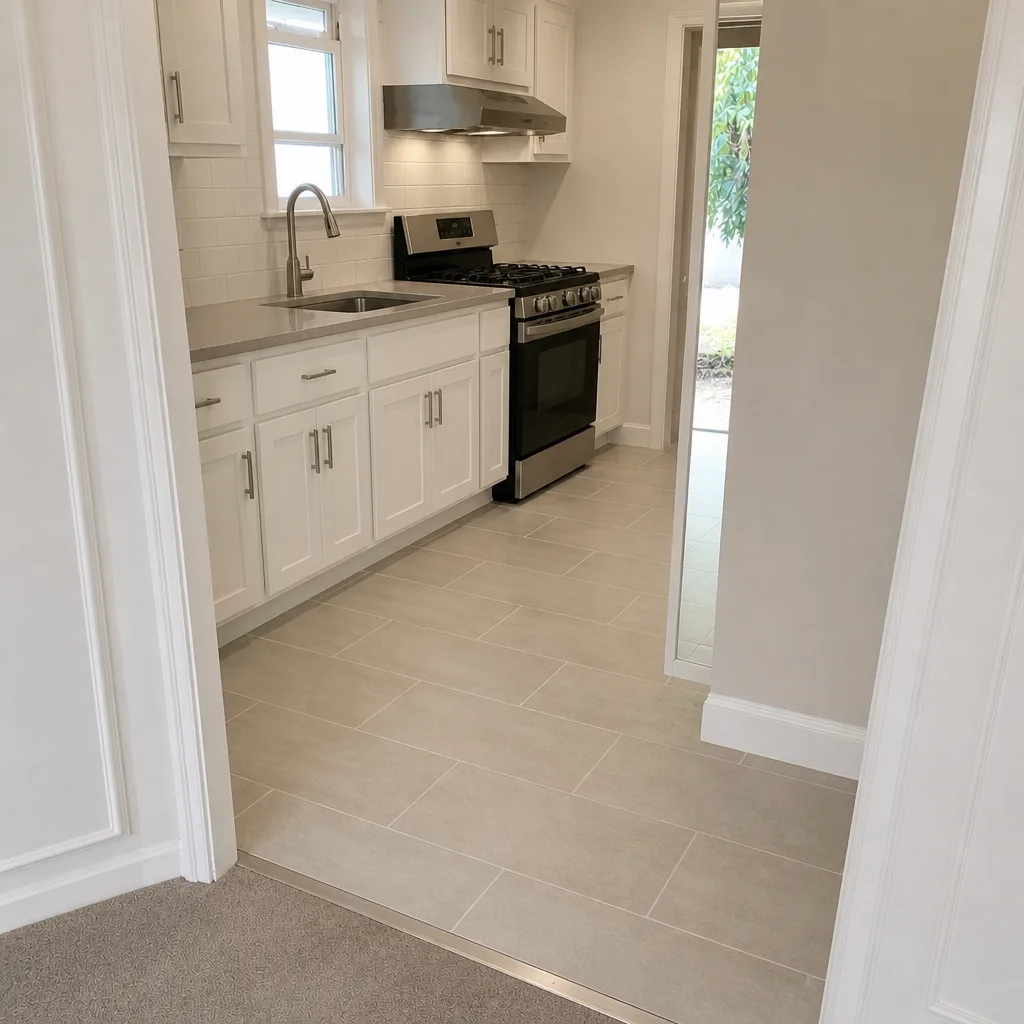 After
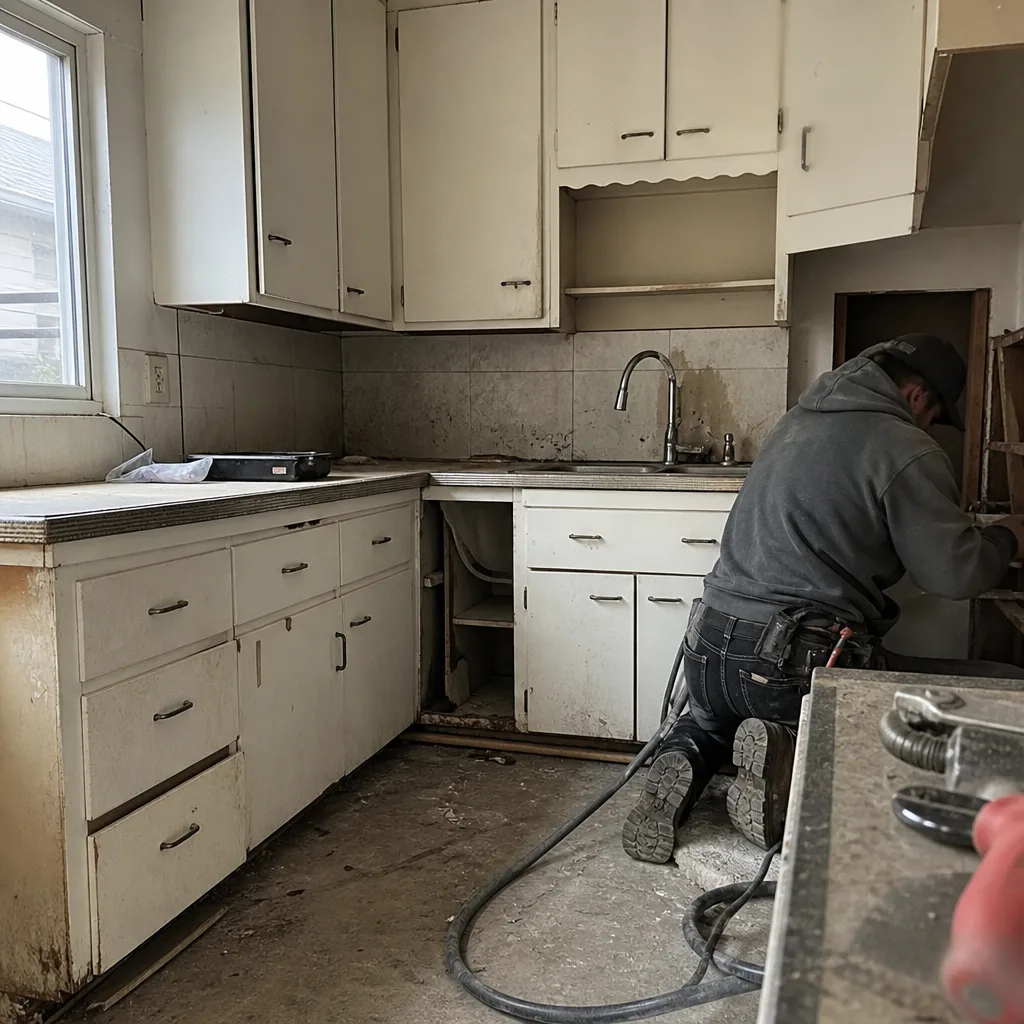 Before
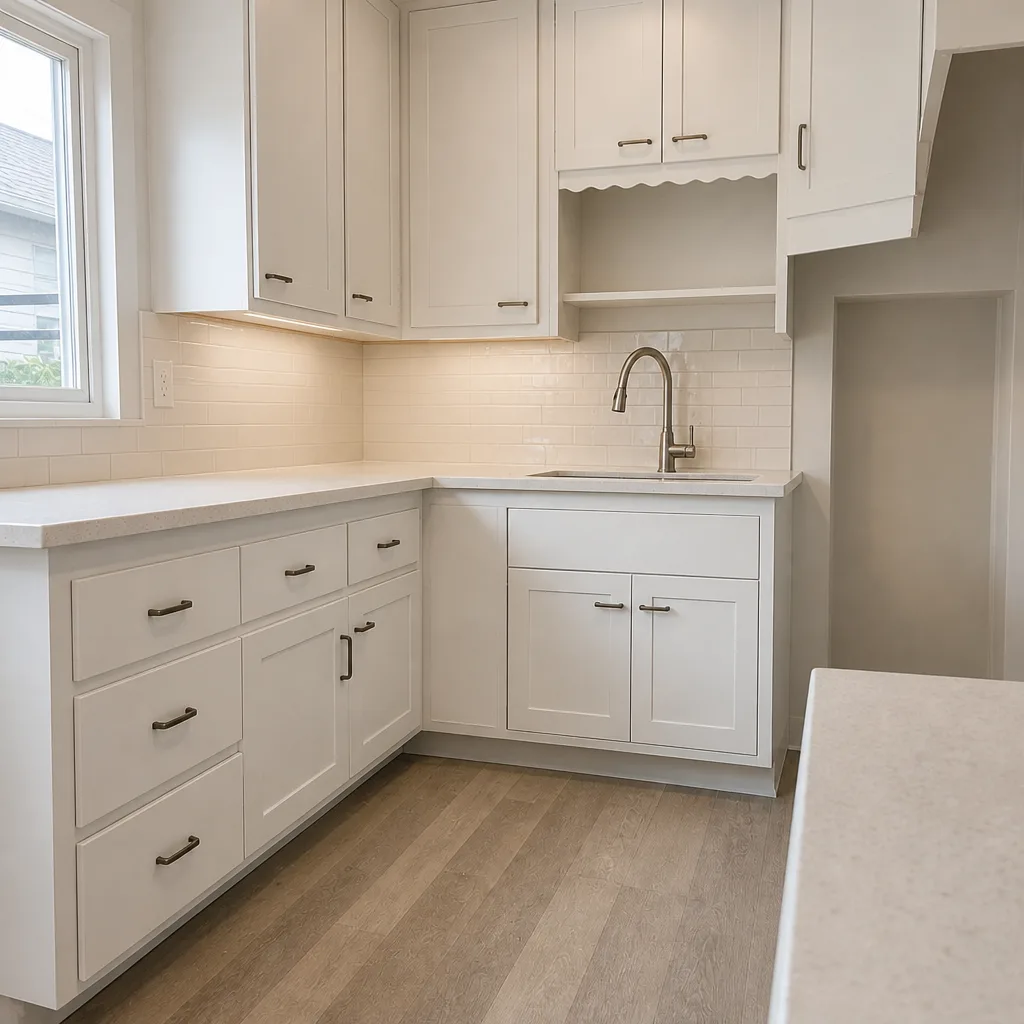 After
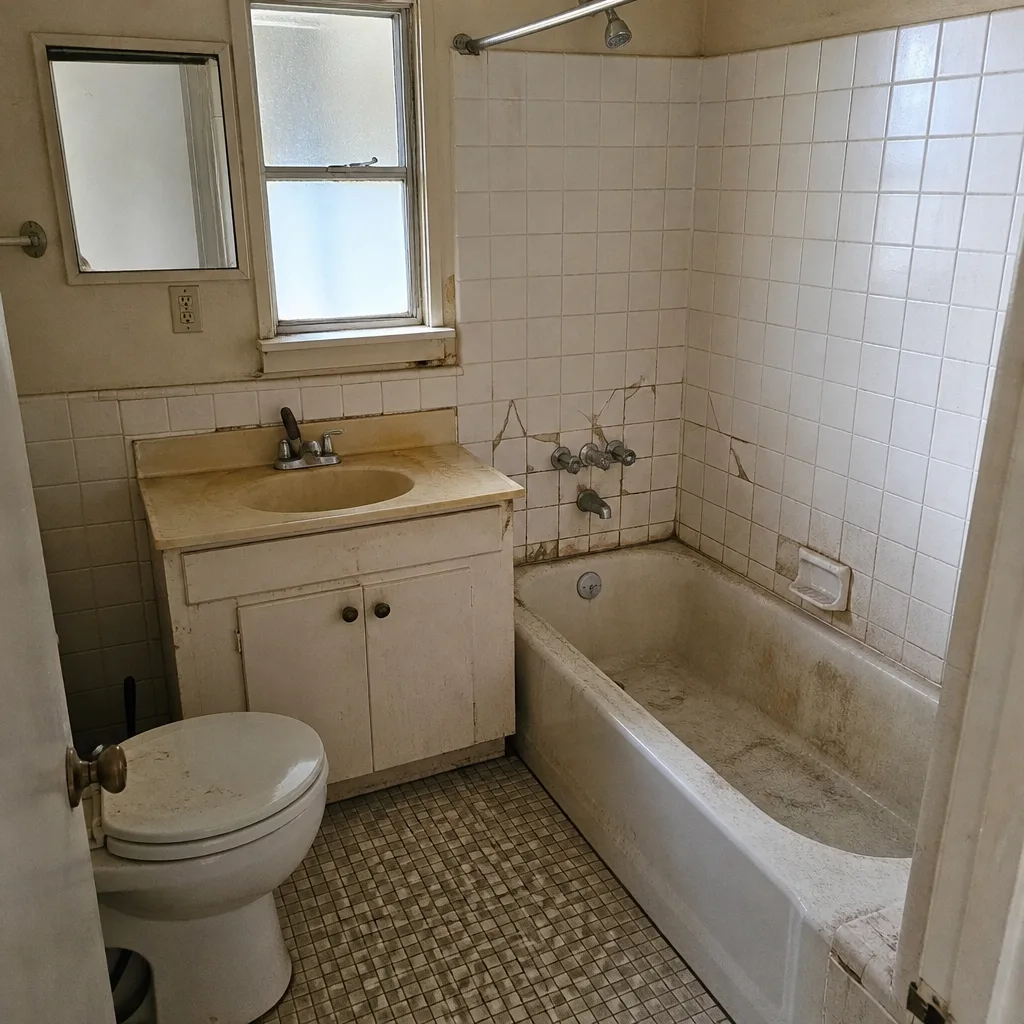 Before
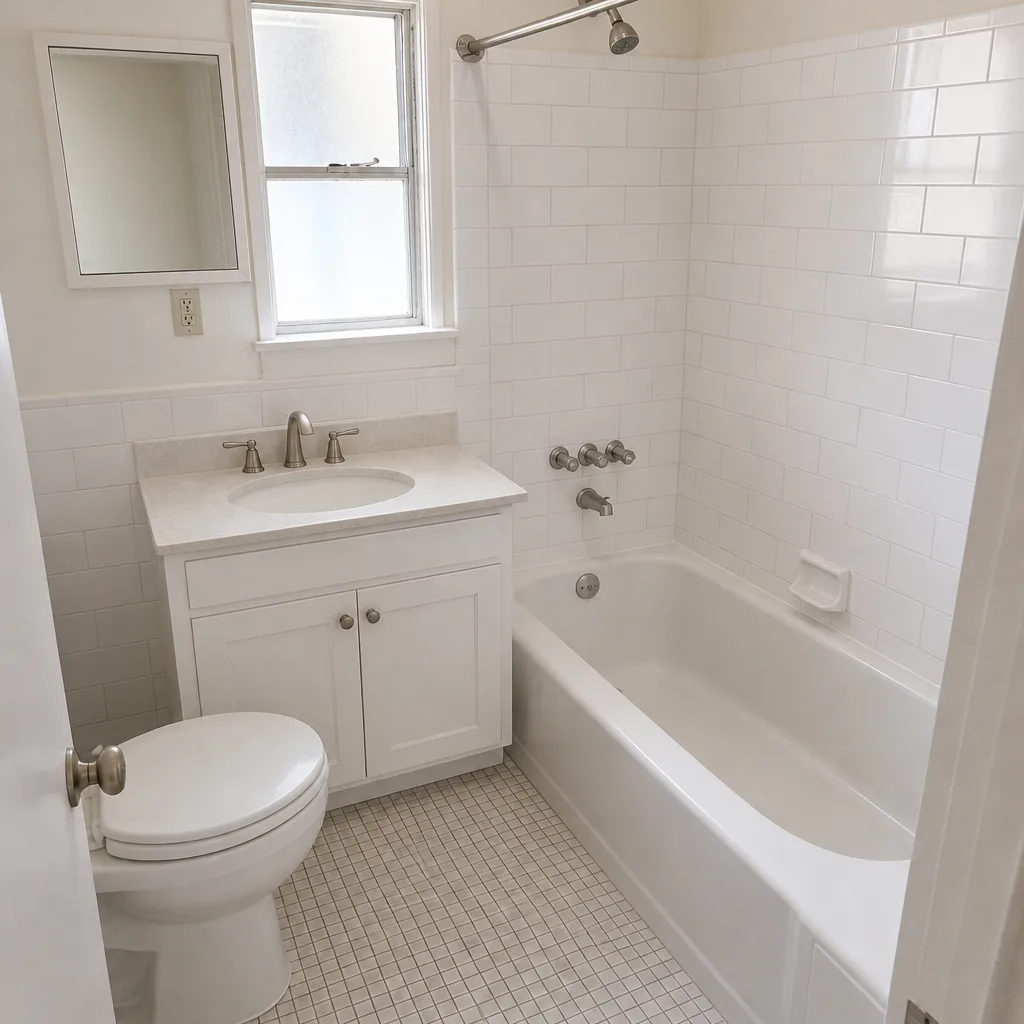 After
Window Design Pressure Ratings in Berkeley, CA: What the Number on the Sticker Actually Means
A window’s design pressure (DP) rating is the wind load, in pounds per square foot, that the unit is engineered to withstand without structural failure, water infiltration, or permanent deflection. For Berkeley, CA, the practical minimum most flatland replacements meet is DP 30, but hillside homes on Grizzly Peak Blvd and the streets above the Cal campus sit in ASCE 7 Exposure C and often need DP 40 to DP 50 to stay code-compliant and warranty-valid. Get this wrong and your new windows will rack, whistle, and leak within a few winters. If you want the rating checked against your specific address before anyone orders glass, call Groundwork Construction Co. of Berkeley at (855) 471-4163.
Berkeley’s building stock makes this a live question rather than a theoretical one. Century-old Craftsman bungalows and brown-shingle “Berkeley boxes” have settled, shifted, and been re-roofed a dozen times; the rough openings are no longer square, and the wind loads coming off the hills are not what a 1962 tract-home spec sheet assumed. That’s before you add the city’s historic-preservation overlay and its pre-1940 inspection triggers. We’ve walked enough of these openings to know that window shopping without a DP number in hand is how homeowners end up eating a second order.
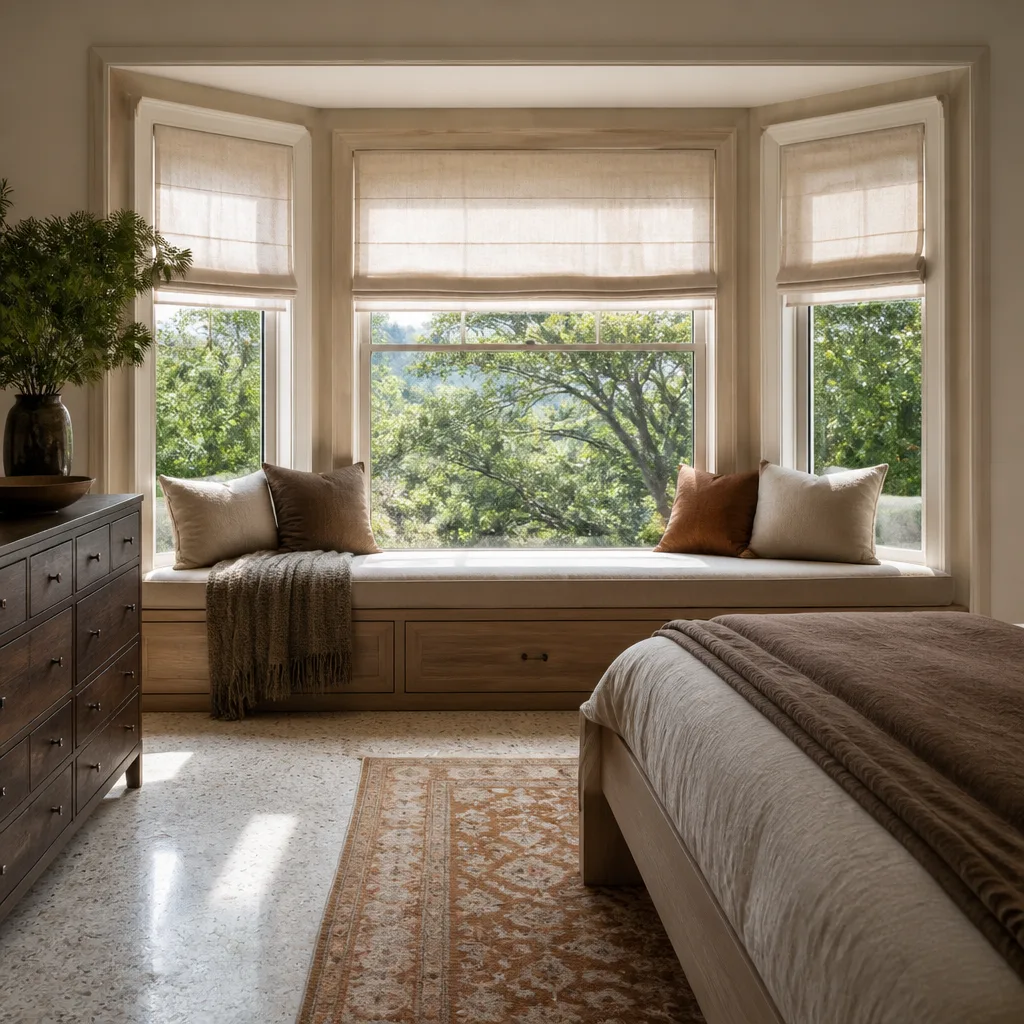
What the Three Components of a DP Rating Actually Measure?
A DP rating is a composite score built from three separate tests, and each one carries its own designator. The rating on the label is the lowest of the three, so a window that passes structural load but fails water resistance will be labeled to the weaker number. All three matter more in Berkeley than in a newer suburb, because a wood-frame house that has moved over a hundred years puts torque on a window frame a fresh build never sees.
- Structural load (PS): how much uniform pressure the sash, frame, and hardware handle before bending or breaking. This is the number that decides whether a tight hillside gust cracks a cheap vinyl unit or deforms it until it never closes flush again.
- Water resistance (PW): how a window performs under wind-driven rain, expressed as an equivalent pressure. Berkeley’s winter storms drive water sideways off the hills, and a PW rating below the local exposure will find every gap in the weatherstripping by February.
- Uniform load deflection: how far the framing and glazing bend under load and still return to true. On an out-of-square 1915 opening, this is the spec that separates a window that springs back from one that stays torqued and starts letting air in at the corner.
When someone asks us Windows & Doors questions and the DP label comes up, this is the conversation we have first. Not all three tests are printed on the sticker – usually just the finished DP – so if you can’t find the underlying PS and PW numbers, that’s a window you should be skeptical of.
Exposure B Versus Exposure C: Why Berkeley Addresses Aren’t All Alike
ASCE 7, the wind-load standard the California Building Code leans on, sorts a site into an exposure category based on how much open terrain the wind crosses before it hits your walls. Exposure B means urban or suburban terrain with buildings and trees breaking up the wind. Exposure C means open, unobstructed ground – and that’s where Berkeley’s hillside streets land.
Here’s the mapping that matters on the ground:
- The flatlands – Elmwood, the neighborhoods south of campus, much of West Berkeley: generally Exposure B. A DP 30 window is often a reasonable floor here.
- The hills – Grizzly Peak Blvd, the streets winding up toward Tilden, the ridgeline parcels above the Cal campus: Exposure C. Minimums climb, and DP 30 units sold as “upgrade” windows start falling short of what the map actually assigns your address.
- Transitional slopes, the streets just below the ridgeline: the gray zone, where a site-specific assessment usually decides between a DP 40 and higher-rated unit.
Most contractors never pull the wind-exposure map before they write the order. They walk the property, measure the openings, assume the cheapest tier that hits energy code, and leave the DP question buried in a spec sheet. Then the first winter storm finds the weak unit and the homeowner is left arguing with a manufacturer over a warranty that was void the moment the wrong exposure was assumed.
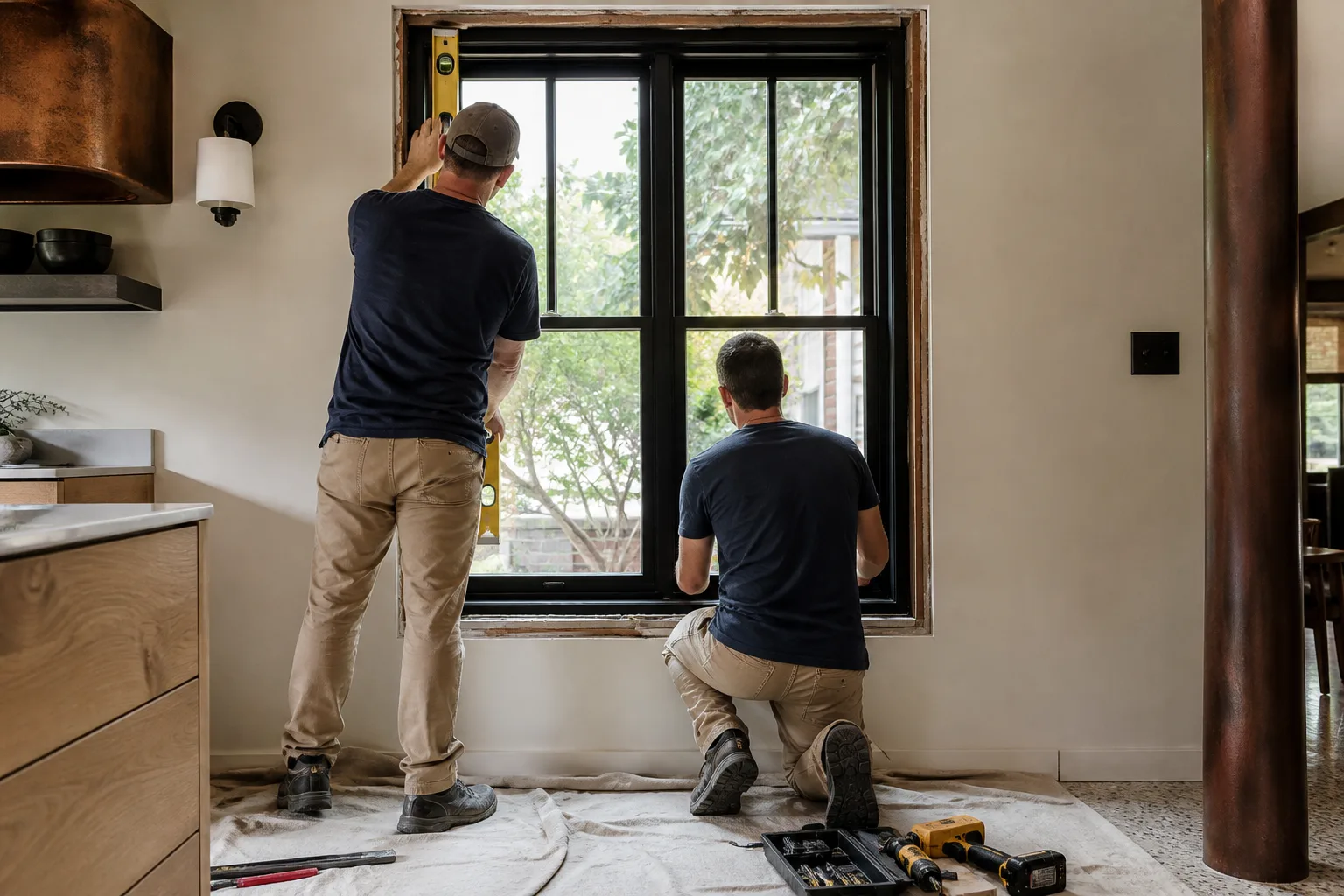
How Do Historic Rules and Pre-1940 Inspections Shape Window Choice?
Berkeley’s brown-shingle districts carry historic-preservation constraints that can dictate your frame profile: material, depth of jamb, and sightline all matter when a property is in an overlay. That rules out a lot of stock vinyl replacements, and pushes you toward a window line engineered to install into a legacy rough opening without a full header replacement.
Andersen and Marvin both publish DP-rated product lines built for exactly this. An Andersen 400 Series or a Marvin unit trimmed to your existing opening hits the exposure requirement and slips into a 1920s wall without tearing the header out – which is the difference between a weekend of trim work and a five-figure framing job.
Then there’s the permit trigger. In Berkeley, swapping a window in a pre-1940 structure often pulls a building inspection that looks at anchor-bolt compliance and shear-wall status while the inspector is on site. In the Elmwood and North Berkeley flatlands we regularly find original redwood framing that’s still solid but has never been brought up to current anchor-bolt standards – and once that permit is pulled, the retrofit is on. Specifying a DP-rated Andersen or Marvin unit for a licensed installation lets one inspection pass both the energy code and the structural check, instead of two separate visits. This is where a window purchase quietly becomes a seismic conversation, and it pays to know that before demo day rather than after.
What Should Replacement Windows Cost in Berkeley, and What Does the DP Assessment Add?
Our upfront pricing on a window project starts with a site-specific wind-exposure assessment – before anyone orders glass. We map your address against ASCE 7, confirm the exposure category, and only then write the spec. No guessing on tier, no surprise charges after the old units come out.
| Project | Typical Berkeley range |
|---|---|
| Impact window installation | $8,000-$25,000 |
| Window replacement | $4,500-$15,000 |
| Bathroom remodel (often paired with window swaps) | $9,000-$28,000 |
| Kitchen remodel (same) | $14,000-$45,000 |
Hillside Exposure C houses tend to land in the middle-to-upper end of those bands because the DP rating requirement pushes the unit tier up. Flatland Exposure B houses often land at the lower end. Every project is covered by the 730-Day Done Right Promise – if a window underperforms in the first two years, we make it right, not the manufacturer. We back installations with the same written guarantee across every job on our Berkeley service area.
Current offers worth knowing: a Free Project Estimate & Design Consult, $1,000 off projects over $10,000, and 0% financing for 18 months. Calls are answered by a live person, 24/7, and technicians arrive background-checked and in uniform. Our technicians have up to 12 years of experience.
Is It Cheaper to Repair a Window or Replace It in Berkeley?
Repair almost always wins on a Berkeley window that’s still structurally sound – new weatherstripping, reglazing, and hinge work can keep a solid unit running for years at a fraction of replacement cost. Replacement is the right call when the frame has racked, when the DP rating was wrong for the exposure it faces, or when the pre-1940 inspection is going to pull a seismic retrofit anyway (in which case you might as well install a rated unit while the wall is open). A short onsite look tells the difference, and our estimates are free.
FAQs
Most flatland Berkeley homes in Exposure B can meet code at DP 30, while hillside streets in Exposure C – Grizzly Peak Blvd and the ridgeline parcels above campus – commonly need DP 40 to DP 50. The only way to know your address’s requirement is to pull the ASCE 7 wind-exposure map for the parcel. Call (855) 471-4163 for a site-specific assessment before you order.
Yes – a window swap in a pre-1940 structure in Berkeley typically triggers a building inspection, and that inspection often checks anchor-bolt compliance and framing condition. Installing a DP-rated, code-compliant unit through a licensed contractor lets one inspection clear both the energy code and the structural check. Call us for an upfront read on what your project will pull.
Yes, in most cases – Andersen and Marvin both publish DP-rated lines engineered to fit legacy rough openings, which means no header replacement on a typical Berkeley brown-shingle or Craftsman wall. The trim work is what changes, not the framing. A free estimate will confirm whether your opening qualifies; call (855) 471-4163.
Because ASCE 7 sorts hillside addresses into Exposure C, where wind crosses open terrain and hits the wall at higher pressure than in the sheltered flatlands. A DP 30 window that’s fine in Elmwood can fall short on Grizzly Peak Blvd, and an under-rated unit risks drafts, racking, and voided warranty. Our team evaluates the exposure map before specifying any window.
If you’d rather have it looked at, Groundwork Construction Co. of Berkeley offers a no-pressure assessment in Berkeley – call (855) 471-4163 for a free project estimate and design consult. We’ll map your address against the wind-exposure zone, confirm the DP rating you actually need, and put the number in writing.
Written by the team at Groundwork Construction Co. of Berkeley, serving Berkeley, CA.