Free written scope consultation - allowances, timeline, and change-order rules on paper before a single trade is scheduled
Chain Link Fence in Oakland: What It Costs and How Long It Takes
A chain link fence in Oakland typically runs $3,500-$9,000 for a standard residential lot, and most jobs finish in two to four days once materials are on site. The number moves with linear footage, height, gate count, and how much hillside grading or old-fence removal the property needs first. In the flats and the hills, the fence itself is rarely the hard part; getting posts into stable ground is. Call (855) 471-4163 for a free on-site estimate and a written line-item quote.
How We Build a Chain Link Fence in Oakland, Step by Step
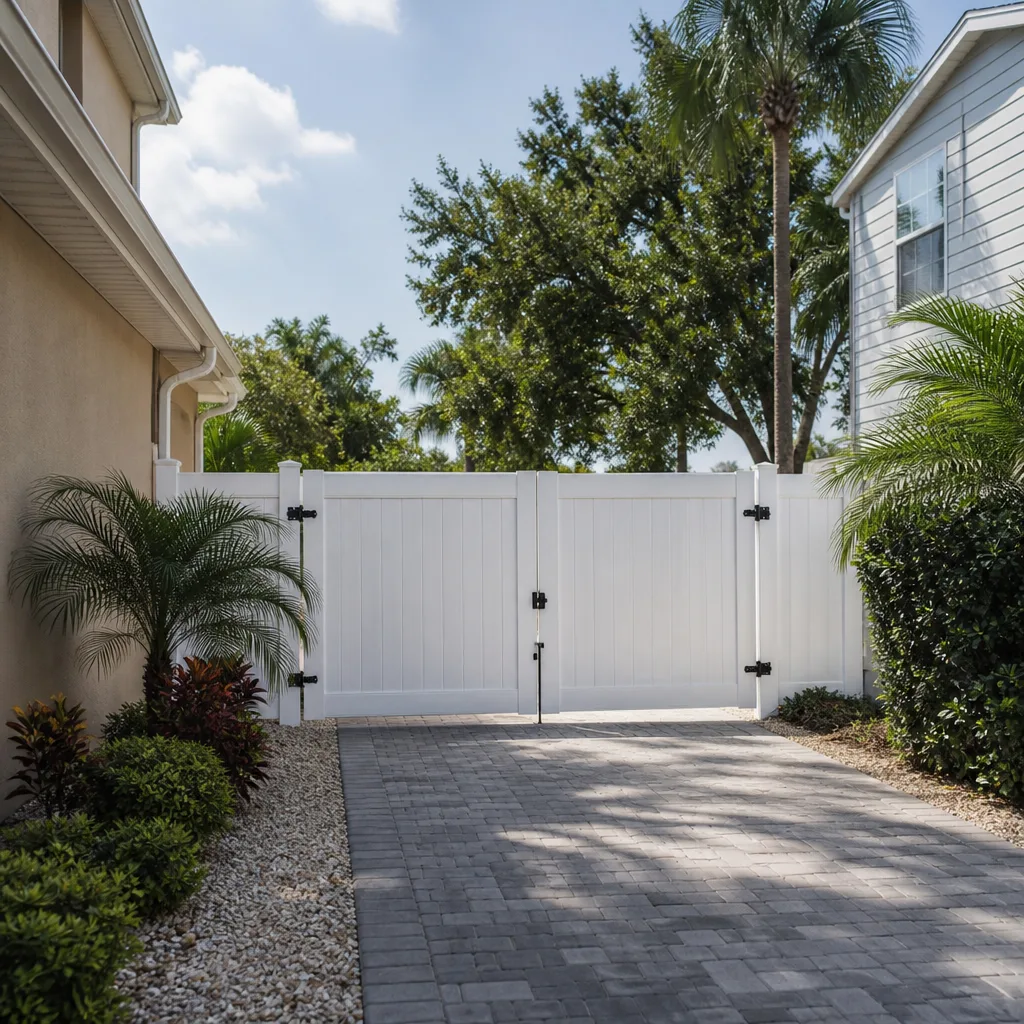
Here’s the real sequence, so you know what you’re paying for and what you’ll need to decide along the way.
Day 1: Walk the line, mark utilities, and settle the layout
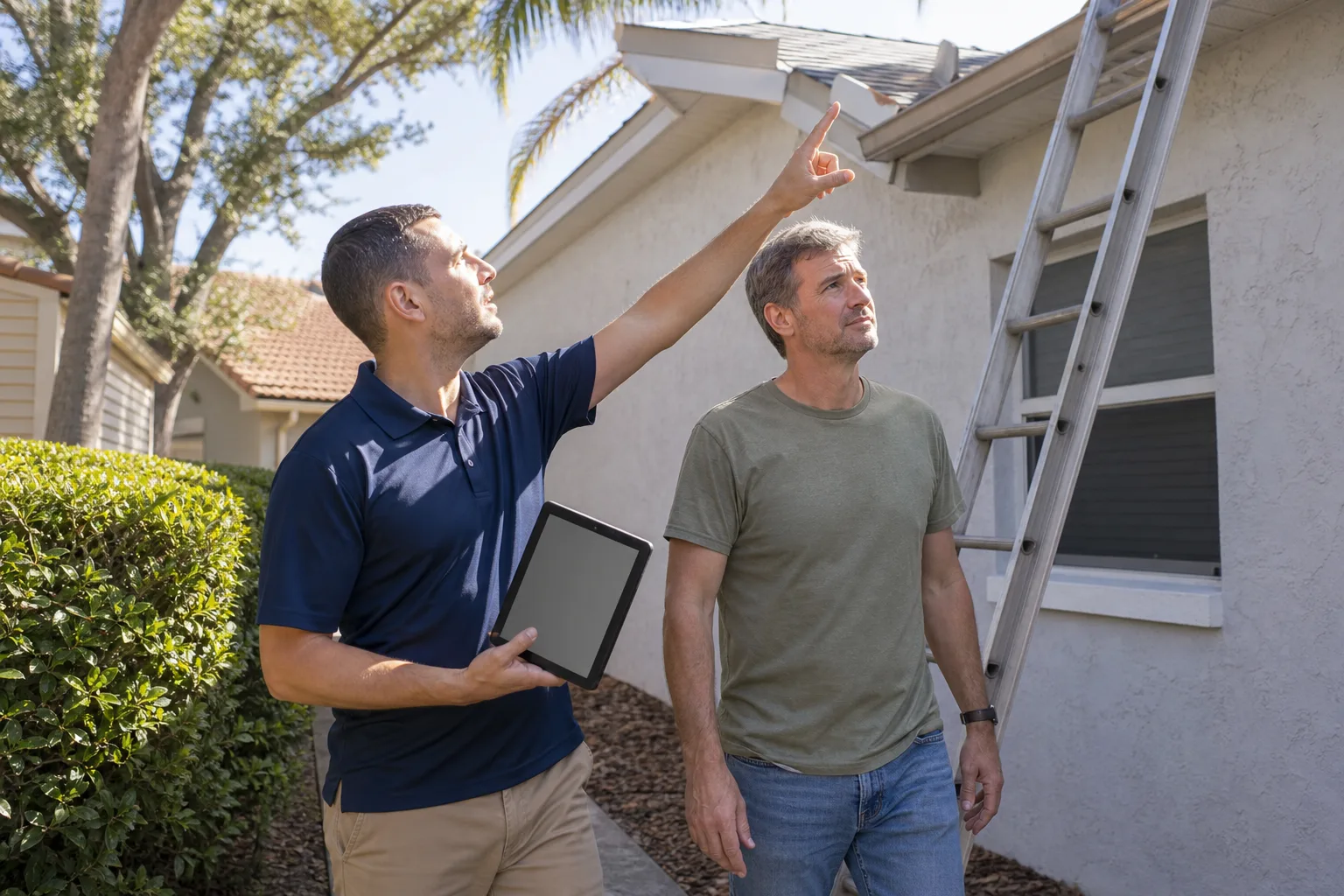
We start by walking the property line with you and confirming exactly where the fence goes, since a few feet either way can mean the difference between a straight run and a fight with a neighbor. Before anyone digs, 811 marks the underground utilities, which matters more in Oakland than in most cities because older lots around Fruitvale and West Oakland often carry undocumented sewer laterals and old irrigation lines. You’ll decide gate placement and swing direction on this visit, and that choice is locked in before we set the first post.
Day 1-2: Demo the old fence and prep the line
If there’s an existing fence, removal and disposal usually take half a day. Then we clear the run, pull roots and rock where we can, and check that the ground will hold a post. On the steep lots in the Oakland Hills, this is where the schedule can stretch, because a hillside run often needs stepping or a short retaining solution rather than a straight line of posts. You’ll approve any change to the run before we order material.
Day 2-3: Set posts and pour footings
Posts go in at consistent depth with concrete footings, and this is the stage that decides whether the fence stays true for twenty years or leans by year three. We set terminal posts (corners, gates, and end runs) deeper and heavier than line posts because they carry the tension of the whole fabric. On expansive clay, footings need to go below the active soil layer, or the winter moisture swings will lift and settle the posts. Concrete needs a cure window before tensioning, which is why we don’t rush to the next stage.
Day 3-4: Rails, fabric, and tensioning
Top rail, tension wire, and the chain link fabric go up next. We tension fabric evenly and stretch it against the terminal posts so it doesn’t sag between them. This is also when gates get hung and adjusted, and you’ll test the swing yourself before we call it done. A gate that drags or binds on day four will drag worse by the next rainy season, so we adjust on the spot.
Day 4: Final walkthrough and cleanup
We walk the whole run with you, check post plumb, fabric tension, gate hardware, and the tie-wire pattern. Debris and old fencing leave with us. Any punch-list items get scheduled before we close the job, and the work is covered by our 730-Day Done Right Promise. You’ll have the written scope in hand the whole way, so nothing gets added as a surprise.
Styles & brands we work with
- Kitchen remodeling
- Bathroom remodeling
- Home additions & ADU
- Roofing
- Windows & doors
- Driveway & pavers
- Fence
The Options You’ll Choose Between
Chain link isn’t one product. The choices below are the ones that actually change how the fence looks, lasts, and prices out.
- Galvanized vs. vinyl-coated fabric: Standard galvanized steel is the workhorse and costs the least. Vinyl-coated (often in black or green) adds roughly 15-25% to material cost but hides the industrial look and adds a layer of corrosion protection, which matters on a property near the Bay.
- Height: 4-foot fence is the budget residential standard. 5-foot is the most common for backyards. 6-foot is typical where you want privacy or to contain a dog, and it requires heavier posts and more concrete, so it prices higher per foot.
- Gauge (wire thickness): 11.5-gauge is the residential standard. 9-gauge is noticeably heavier and more resistant to denting and dog damage, and costs more per roll. Cheaper 12.5-gauge fabric is where budget bids cut corners, and it shows within a couple of years.
- Post and rail schedule: Line posts, terminal posts, and top rail all have weight classes. Heavier schedule 40 pipe holds up to wind and leaning far better than thin-wall residential tube, and it’s the upgrade we recommend on exposed hillside lots.
- Gates: Walk gates and drive gates price by width and hardware. A self-closing hinge and a keyed latch are worth the small upcharge on any gate you’ll use daily.
- Top rail vs. tension wire only: A tension wire top is cheaper but lets the fabric flex at the top. A top rail gives a cleaner line and a longer life, especially under wind load.
Where the fence is part of a larger yard rebuild, this often pairs naturally with Fence Installation in Oakland planning for the rest of the perimeter, or with ADU Site Prep & Utilities in Oakland if a backyard unit is coming and the fence line needs to respect the new setback.
What a Chain Link Fence Costs in Oakland, CA
For a typical Oakland residential lot, plan on $3,500-$9,000, with most single-family backyard runs landing in the $4,500-$7,000 range. Here’s what moves the number:
- Linear footage: This is the biggest lever. A standard 150-200 foot run sits in the middle of the range; a large lot pushing 400 feet goes to the top or beyond.
- Height and gauge: A 6-foot 9-gauge fence with schedule 40 posts costs meaningfully more than a 4-foot 11.5-gauge build.
- Old fence removal and disposal: Adds roughly $300-$800 depending on length and material.
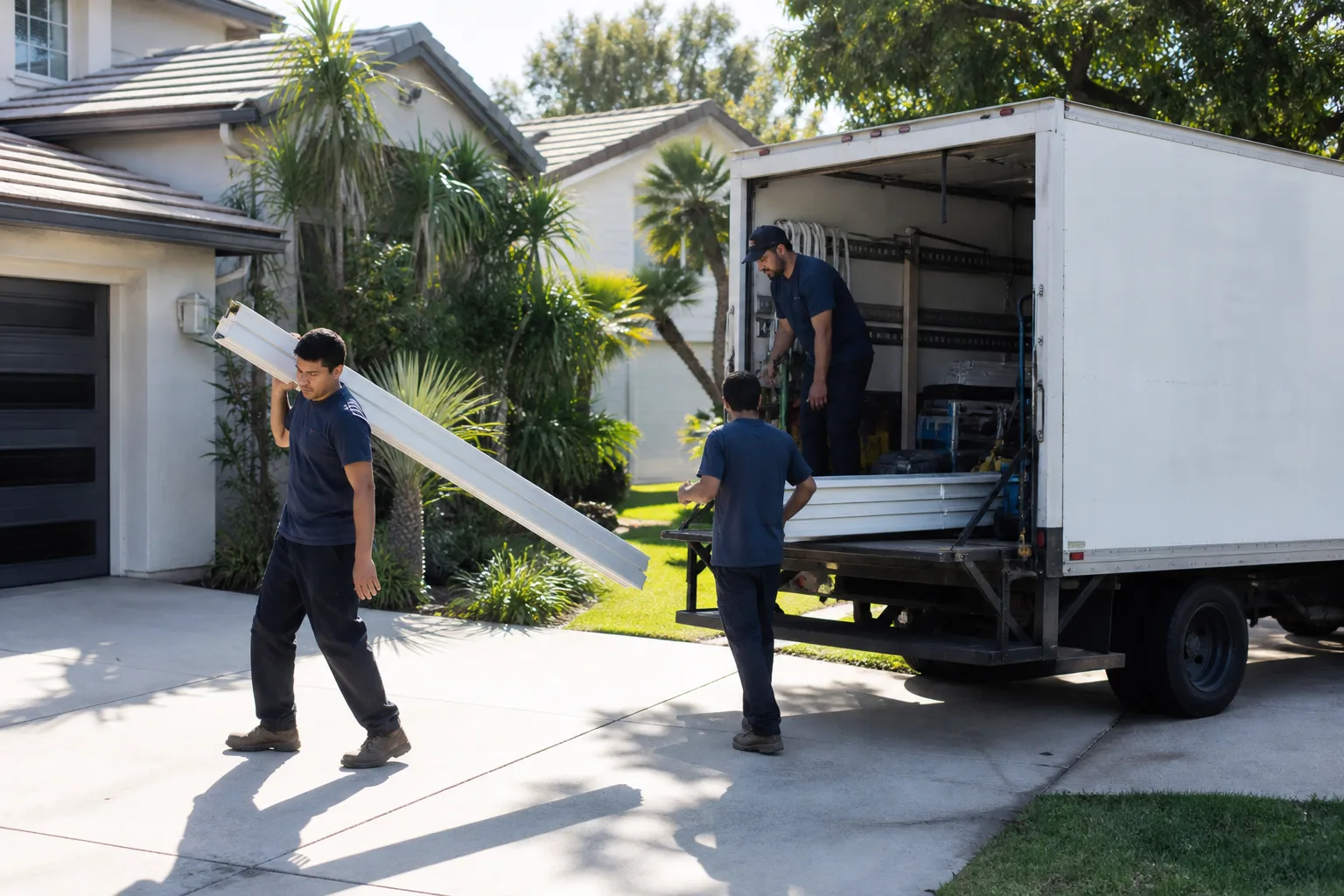
- Terrain and access: Steep hillside runs need stepped posts, extra footings, or short retaining work. Narrow fire-lane access in the hills can also mean material has to be hand-carried, which adds labor.
- Gate count and hardware: Each gate adds cost; drive gates and self-closing hardware add more.
Your written estimate should spell out footage, height, gauge, post schedule, gate count and hardware, footing depth, removal, and disposal. What it typically doesn’t include: retaining walls, grading, stump grinding, or a survey if the property line is in dispute. If you need a surveyor, we’ll tell you before we start, not after. Calls are answered by a live person 24/7, so you can reach us any evening to talk through the quote.
See the difference
 Before
 After
 Before
 After
 Before
 After
What Oakland Homes Specifically Do to This Job
Oakland’s ground is the real variable here. Much of the flatlands sit over liquefiable Bay mud, and the hillsides carry expansive clay that swells and shrinks with the wet-winter, dry-summer swing. Posts set shallow in either soil will heave and lean within a season. On hillside lots, the city’s rules for grading and foundations are stricter than in neighboring cities, and a fence line that crosses a slope may need stepped posts or a small footing design that a flat-lot install never touches. Out in the Oakland Hills around 94619, lots rebuilt after the 1991 fire often have deep foundations and old fire-era patterns under the surface, and narrow, steep access means we plan material delivery carefully. In West Oakland’s 1900s-1920s bungalows and the soft-story apartments over garages in the flats, buried utilities and old plumbing laterals show up right where you want to set a post. The wet-season water intrusion that ages everything outdoors out here is also why we spec galvanized or vinyl-coated fabric and heavier hardware, rather than the cheapest coated wire on the shelf.
Serving Oakland, CA – Our Local Coverage Area
We serve Oakland and nearby communities. Use the map below to see the area we cover. If you’re nearby, we can almost certainly help.
Frequently Asked – Chain Link Fence in Oakland

Most residential chain link fences in Oakland take two to four working days on site, plus a cure window for the concrete footings. A simple 150-foot flat-lot run can wrap in two days; a steep hillside job with removal and stepped posts can run four to five. Call (855) 471-4163 and we’ll give you a realistic schedule for your specific property.
Most residential chain link fences in Oakland don’t require a building permit, but height limits and front-yard setback rules do apply, and hillside properties can trigger additional review. We check the rules for your address before we order material. For an exact read on your lot, call (855) 471-4163 and we’ll walk through it.
Yes, in almost every case. We mark utilities through 811 and route posts around them, and we keep excavation to a narrow band along the fence line. Relocating a sewer lateral or a gas line is rare and would be quoted separately. If the layout makes a utility conflict likely, we’ll tell you before the dig. Call (855) 471-4163 for a free walkthrough.
A chain link fence in Oakland runs $3,500-$9,000 for a typical residential property, with most backyard runs landing around $4,500-$7,000. Height, gauge, footage, terrain, and gate count are the biggest drivers. Call (855) 471-4163 for an exact written quote – estimates are free.
Every chain link fence we install is covered by our 730-Day Done Right Promise: if it isn’t done right, we make it right. That covers workmanship, footings, post setting, and gate hardware. Material warranties come from the manufacturer. Calls are answered by a live person 24/7, so you’re never stuck waiting on a voicemail.
Get a Free Chain Link Fence Estimate in Oakland
If you’re ready to price a chain link fence in Oakland, call (855) 471-4163 for a free on-site estimate. We’ll walk the line with you, check for utility conflicts and terrain issues, and hand you a written line-item quote with footage, gauge, post schedule, gates, and removal spelled out. No-hassle upfront pricing, the number you see is the number you pay. This pairs well with our Fence Installation work across Oakland, and many homeowners also add Door Installation in Oakland at the same time.
Written by the team at Groundwork Construction Co.