Last updated November 18, 2026



Free written scope consultation - allowances, timeline, and change-order rules on paper before a single trade is scheduled
Driveway & Pavers Maintenance Checklist for Berkeley Homeowners
The number one reason Berkeley driveway pavers fail prematurely isn’t the pavers – it’s the base. And the base problem usually starts with roots from the same heritage oaks the city won’t let you remove. Clay-heavy soil, marine moisture pushing through Berkeley winters, and fifty-year-old trees probing for water all work on that base from below while traffic works on it from above. Most shortcuts show themselves within 18 months, not 18 years. What follows is a maintenance rhythm built for this city’s conditions, not advice copied from Arizona landscaping blogs. You’ll learn what to inspect each season, how to spot root intrusion early, when maintenance holds, and when you’re pouring money into a base that needs reconstruction.
Quick Answer
A Berkeley driveway needs inspection twice a year – late fall before the rains and early spring after them – with joint sand top-ups every 12 to 24 months and a full polymeric sand reapplication every 2 to 3 years depending on canopy shading. Watch for sunken pavers, sand washout, and soil pushing up at the edges of oak and eucalyptus root zones, since those are early signs of base failure rather than surface wear.
Styles & brands we work with
- Kitchen remodeling
- Bathroom remodeling
- Home additions & ADU
- Roofing
- Windows & doors
- Driveway & pavers
- Fence
Table of Contents
- Why Berkeley Driveways Fail at the Base, Not the Surface
- Seasonal Inspection Points for Berkeley’s Clay Soil and Hills
- How to Spot Root Infiltration Before It Becomes a Base Replacement
- Polymeric Sand Reapplication Schedule for Berkeley’s Wet-Dry Cycle
- Drainage Maintenance and Berkeley’s Storm Drain Rules at the Curb
- The Go/No-Go Framework: Maintenance Fix or Full Reconstruction?
- What Driveway and Paver Work Costs in Berkeley
- Common Mistakes to Avoid
- When to Call a Professional
- Frequently Asked Questions
Why Berkeley Driveways Fail at the Base, Not the Surface
Berkeley sits on a mix of expansive clay and older alluvial soils that swell when wet and shrink when dry. That movement happens directly under your pavers, and it doesn’t stop. When a contractor skips proper excavation depth or skimps on the compacted aggregate base, the pavers themselves are fine – it’s the layer holding them that gives way. This is the failure mode we’ve seen most across Berkeley, from the flats of South Berkeley up into the Berkeley Hills.
The hills introduce a second variable: frost. Berkeley doesn’t get hard freezes often, but the higher elevations see enough overnight dips between December and February to move shallow soil. Flatland neighborhoods near the waterfront get the opposite treatment – constant marine moisture and salt air that stresses joint sand and finishes. A driveway installed to a single generic spec will always underperform somewhere in Berkeley, because the conditions change every few hundred feet in elevation.
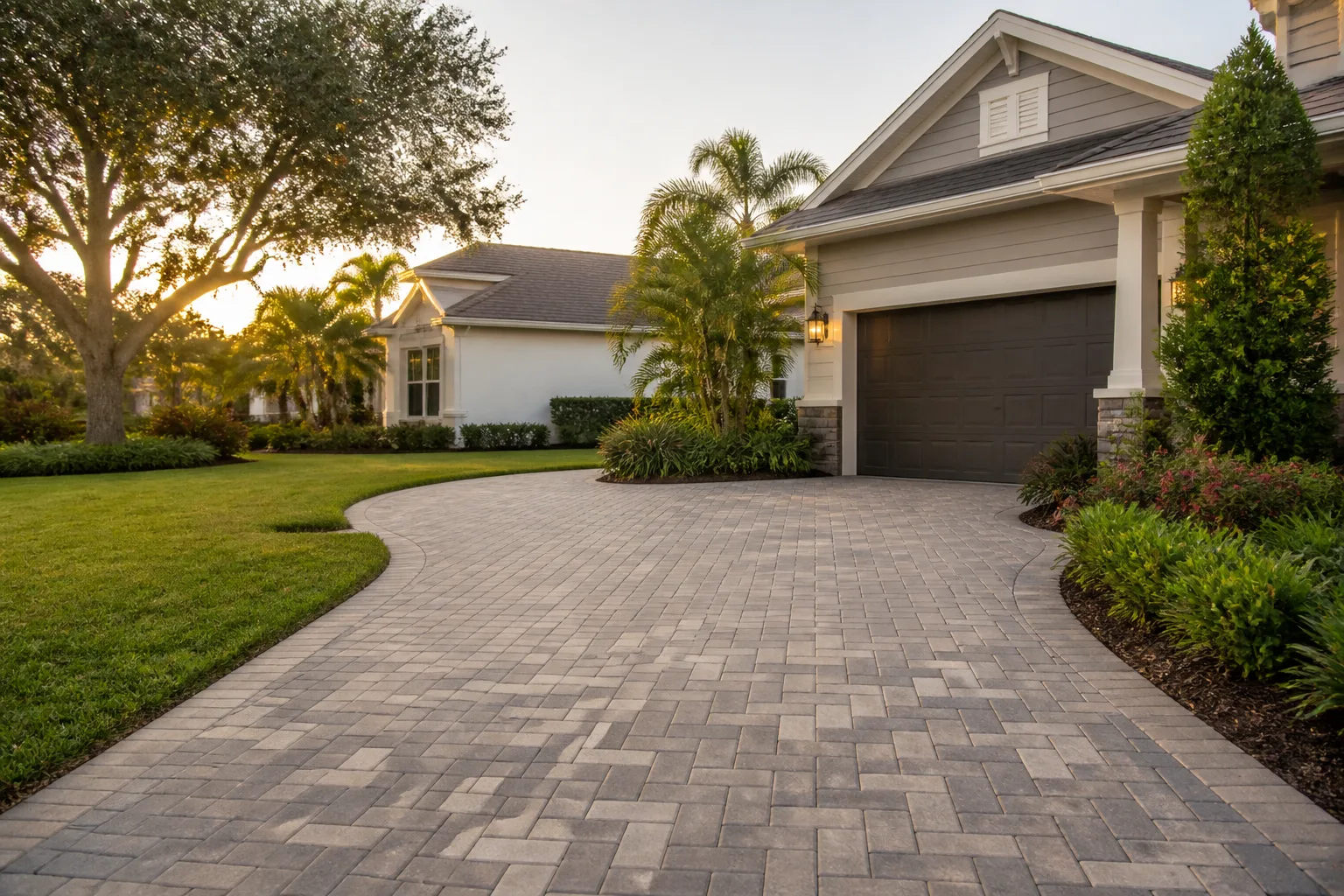
A proper base in Berkeley is typically 4 to 6 inches of compacted class II base rock, with an additional 6 to 8 inches of excavation on clay-heavy lots. That’s deeper than what many out-of-area crews are used to. If you want to understand what a correctly built driveway looks like from the ground up, our walkthrough of Driveway & Pavers in Berkeley covers the installation sequence and the base depth suited to this soil.
Here’s the practical point for maintenance: almost every surface symptom you’ll read about in the next few sections traces back to base movement. Fixing the symptom is fine for a year or two. Fixing the base is what lasts.
Seasonal Inspection Points for Berkeley’s Clay Soil and Hills
Berkeley’s climate splits into a wet half and a dry half, and each one pushes on the driveway in a different direction. A twice-yearly inspection, timed to the calendar, catches problems while they’re still cheap to fix.
Late Fall (October – November): Before the Rains
- Walk the perimeter and check where the driveway meets soil, planting beds, or the garage slab. Note any gap wider than a quarter inch.
- Look for cracks running with the slope. On a sloped Berkeley hillside drive, those cracks are where water will get under the pavers first.
- Check that any channel drain or linear grate near the garage is clear of leaves. Berkeley’s street tree canopy fills these faster than most homeowners expect.
- Press on pavers near the top of the highest slope section. Any rock or wobble underfoot signals base failure that winter rain will accelerate.
- Inspect the curb line for sand loss; that’s the earliest sign you’ll need a reapplication.
Early Spring (March – April): After the Rains
- Walk the same perimeter and compare gaps to your fall notes. Expansion is expected; sudden new gaps aren’t.
- Look for sand washout between pavers, especially near the downslope edge and near gutters.
- Check for efflorescence – that white powdery haze on pavers is a sign moisture is moving through the assembly from below.
- Look for pumping: soft, spongy spots where a footstep squeezes water up through the joints.
- Recheck drain grates for debris carried down in storms.
Between seasons, a quick visual scan after any multi-day storm in Berkeley is worth the two minutes. The freeze-thaw pattern in the Berkeley Hills will do more damage in one cold snap than in a month of steady rain, because the soil expands and contracts with the temperature swings.
How to Spot Root Infiltration Before It Becomes a Base Replacement
Berkeley has a heritage tree ordinance that protects many mature oaks, redwoods, and eucalyptus on private property. If a coast live oak is anywhere within 20 feet of your driveway, its roots are already working toward it, and you probably can’t remove the tree. So the maintenance move is early detection.
Bay Area tree roots go where water is. In a clay soil like Berkeley’s, water collects in the gravelled base under the pavers, and roots find it – often within a decade of installation. The visible cues are specific:
- Linear heave. A single row of pavers lifts in a straight line, running toward a tree. This is the classic sign of a shallow lateral oak root pushing up. It appears differently than a wide, gentle mound, which usually indicates soil expansion.
- Circular depressions. A smoothly sunken ring several inches across often means a root has pushed up and the surrounding soil has settled around it.
- Hairline fractures radiating from one point. On concrete pavers, roots coming up from below create a starburst crack pattern.
- Damp patches that won’t dry. If a section stays wet longer than the rest of the drive through June, a root may have breached your subgrade drain.
Eucalyptus roots are more aggressive and shallower than oak roots, and they also drop oily debris that can stain pavers over time. Redwood roots are surprisingly shallow and wide; they’ll travel into a driveway from a tree that looks safely far away.
If you see these signs, don’t wait for a full base replacement. Root barriers – typically a heavy-gauge plastic panel installed along the tree-side edge of the drive – can redirect roots for years, but only if they go in before the damage spreads. Once roots have lifted 30% or more of any given section, the fix usually means pulling pavers, cutting roots (with the tree’s condition in mind), and rebuilding the base in that zone. If you’re also considering adding a fence near the tree line, our Fence Installation in Berkeley page covers how root barriers and fence footings need to be coordinated to protect both.
Polymeric Sand Reapplication Schedule for Berkeley’s Wet-Dry Cycle
Polymeric sand is what keeps pavers from rattling, keeps weeds out of joints, and stops water from getting under the surface. It’s also what always fails first in Berkeley. Most bags on the market include instructions written for climates with more consistent moisture; they’ll recommend a 5-to-7-year lifespan, and in Berkeley that’s optimistic by half.
Here’s the honest schedule:
- Joint inspection: every 6 months. Look for joints that have sunk more than 1/8 inch below the paver surface, or that are visibly empty.
- Top-up: every 12 to 24 months on exposed, sun-facing sections. This is a small job – a bag of sand, a broom, and an hour.
- Full reapplication: every 2 to 3 years on shaded drives, every 3 to 4 years on sun-exposed drives.
- After any hard winter: full reapplication in areas where winter rain caused washout, even if the schedule says otherwise.
Why so frequent? Berkeley’s dry summers wick moisture out of the sand and crack the polymer binder. The wet winters then push water into the cracks. The freeze-thaw nights in the hills add a mechanical stress cycle on top of the chemical one. The result is that the sand is being asked to do more than its chemistry can handle for 5+ years in this climate. Three years is the realistic number.
One more detail most homeowners miss: the old failure is almost always at the joint edges, not in the middle. When you’re topping up, work the sand in with a hard push along the paver sides, not just a sweep across the top. Compaction at the edge is what makes it last.
Drainage Maintenance and Berkeley’s Storm Drain Rules at the Curb
What happens with the water after it leaves your driveway is your responsibility under Berkeley’s municipal code. Specifically, you can’t allow sediment, sand, or runoff from your property to discharge into the city storm drain at the curb in a way that creates a blockage or discharge violation. That’s a compliance issue, not a suggestion – and it becomes a real problem any time pavers wash out and push sand into the street.
Maintenance to stay ahead of it:
- Clear your curb inlet of leaves and debris at least monthly from October through March. Berkeley street trees fill these faster than you’d think.
- Sweep, don’t hose. Washing sand and sediment into the gutter with a hose pushes material toward the storm drain and creates exactly the issue the code is written to prevent.
- Check your driveway drain or channel grate after every storm. Leaf debris moves downhill and strands at the grate – this is the single most common cause of backyard flooding in Berkeley.
- Verify that site grading still slopes away from the garage after any maintenance work. A paver that sank 1/4 inch at the garage edge is enough to pool water inside the slab line.
- If your drive is sloped and drains into a planting bed, make sure the bed has a functioning overflow route. Water that hits clay soil in Berkeley just sits, and it will find the path of least resistance back under your pavers.
If you’re considering a driveway rebuild with an ADU or an addition that changes the drainage pattern in your yard, coordinate it early – our Home Additions & ADU in Berkeley page walks through how site work and paving are sequenced to keep the grade and drainage working together.
The Go/No-Go Framework: Maintenance Fix or Full Reconstruction?
Homeowners often ask us whether a fix will last or whether they’re just buying time. There’s a way to know, and it comes down to where the movement is originating. Here’s the decision framework we use on a Berkeley driveway assessment.
Maintenance Fix Holds If:
- The problem is confined to sand loss in the joints – the pavers themselves are stable.
- Movement is limited to a single paver or joint line, and the surrounding pavers pass the wobble test.
- Efflorescence is light and dries out after a few dry weeks.
- Gaps at edges are cosmetic and haven’t grown faster than you can track.
- There’s no visible heave or sunken depression underfoot.
You Need Base Reconstruction If:
- You can hear a hollow sound when you tap the pavers, or feel them rock under foot.
- Depressions are wider than 12 inches, or multiple pavers have moved together as a connected block.
- Any paver section has dropped more than 1/2 inch relative to its neighbor.
- Root heave has lifted more than a 3-foot section near an oak or eucalyptus.
- Water pools visibly for more than 48 hours after a storm, or water pushes up between pavers when you walk.
The distinction is simple. If the pavers are still locked together and the only problem is what’s missing between them, maintenance is worth the money. If the pavers have lost their locking or the surface is no longer flat, the base has already failed and any repair on top of it is a temporary patch.
What Driveway and Paver Work Costs in Berkeley
Berkeley pricing sits near the top of the East Bay range because of soil conditions, tree protections, and permitting. Here’s what homeowners can typically expect, and where the numbers move.
- Polymeric sand reapplication (all joints): $300 – $700 for an average two-car drive. Hills properties with additional square footage or multiple levels sit at the top of that range.
- Targeted repair of one section (up to ~40 sq ft): $600 – $1,400, including base repair, re-set pavers, and joint sand.
- Root barrier installation along a tree-side edge: $1,200 – $3,000 depending on length and access.
- Full paver driveway replacement: $14 – $24 per square foot. Premium pavers and engineered base systems (including brands like Belgard, Cambria, and James Hardie hardscape complements) push toward the top.
- Drainage upgrade (channel drain, slope correction, or subsurface drainage): $2,000 – $6,000 depending on yards of trench depth and grade correction needed.
- Tree permit coordination with the City of Berkeley, if root work affects a protected tree: budget for both the arborist report and permit fee, typically $500 – $1,500 combined.
Costs move up in three situations in Berkeley: a hills driveway with significant slope, a mature tree within the protected root zone, and any job that requires replacing the existing base rather than redoing the surface. Those three are the same reasons Berkeley driveways fail in the first place.
Whatever work is planned, get it in writing with the scope, base depth, and drainage plan spelled out. Groundwork Construction Co. of Berkeley provides upfront pricing – the number you see is the number you pay – and the 730-Day Done Right Promise backs the workmanship behind it. Our Groundwork Construction Co. of Berkeley home page contains the full scope of services if the fix turns out to be more than maintenance.
Common Mistakes to Avoid
- Fixing the surface without checking the base. Sand top-up over a wobbling paver buys you three months. The base is the problem and the money spent on re-sanding is lost.
- Using the wrong joint sand. Standard play sand in a Berkeley driveway washes out in one wet winter. You want polymeric sand rated for the application, and you want it tamped into the joint, not swept across the top.
- Hosing sand off the driveway into the gutter. What pushes the sand off your pavers is exactly what pushes it into the city storm drain – a compliance issue and a fix that doesn’t stick.
- Cutting roots without arborist input near a protected Berkeley tree. Removing a structural root can kill a mature oak or make it hazardous. Tree removal permits in Berkeley are slow and often denied – don’t invite the problem.
- Ignoring minor heave near an oak. A single row of lifted pavers near a coast live oak is the earliest warning. Wait two more winters and the fix doubles in cost.
- Re-sealing too soon after installation. Fresh pavers need weeks to cure and release moisture before any sealer goes down. Sealing wet pavers in Berkeley traps the moisture and produces efflorescence that never clears.
- Skipping the seasonal inspection in the fall. Small issues caught in October cost a fraction of what they cost to fix in March, because every winter rain turns a small gap into a washout.
When to Call a Professional
Some of this checklist is homeowner work – the fall walk, clearing the curb inlet, brushing sand into a sunken joint. Other items, though, are worth a professional assessment before you spend more on maintenance. Call a professional if any of the following are true: you have visible heave or depression under a sizeable section of the driveway, water is pooling after storms, a protected tree is within 20 feet of a failing area, your pavers rock under foot, or your drive is on a slope and you’re seeing erosion at the edge. In those cases, a maintenance fix won’t hold, and the money is better spent on a base inspection before you keep re-sanding.
Groundwork Construction Co. of Berkeley offers free estimates in Berkeley – call (855) 471-4163. Technicians are background-checked and arrive in uniform, and calls are answered by a live person around the clock. If it turns out the work is more than maintenance, the 730-Day Done Right Promise covers the result.
Frequently Asked Questions
Every 2 to 3 years on shaded drives and every 3 to 4 years on sun-exposed drives, with a top-up every 12 to 24 months in between. Berkeley’s wet winters and dry summers break down polymeric sand faster than the manufacturer’s 5-to-7-year estimate suggests. Call (855) 471-4163 for an estimate on a full reapplication.
A single paver that’s settled less than 1/4 inch can sometimes be lifted and re-bedded by a careful homeowner, but for a Berkeley driveway, even a “single” sunken paver is usually a symptom of wider base movement. If a larger section has settled, or the pavers rock underfoot, the base is the issue and it needs a professional look. Call us for a free assessment before you spend money on the cosmetic fix.
Yes, the driveway is yours to maintain, even though the tree may be protected under Berkeley’s tree ordinance. The right move is a root barrier installed along the tree-side edge, coordinated with an arborist, so the tree is preserved and the driveway is protected at the same time. Call (855) 471-4163 to talk through the approach.
That’s efflorescence – mineral salts migrating to the surface as moisture moves through the pavers. It’s a moisture-management issue under the pavers more than a topcoat issue, and it’s common in Berkeley driveways with shallow drainage or high water tables. Cleaning it topically will only work short-term; fixing the drainage is the lasting fix. Call us to look at the subgrade drainage plan during a free estimate.
Joint sand top-up typically runs $300 – $700; a targeted repair of a small section is $600 – $1,400; and a full paver replacement is $14 – $24 per square foot. Berkeley pricing is on the higher side of the East Bay because of clay soil, tree protection, and permitting. Call (855) 471-4163 for an exact quote – estimates are free.
Not on our projects. Upfront pricing means the number in the written estimate is the number you pay, and if the base inspection uncovers something unexpected, that’s a conversation before the work changes scope, not after. The 730-Day Done Right Promise covers the workmanship behind every job. Call (855) 471-4163 to schedule a free, no-pressure estimate and design consult.
See the difference
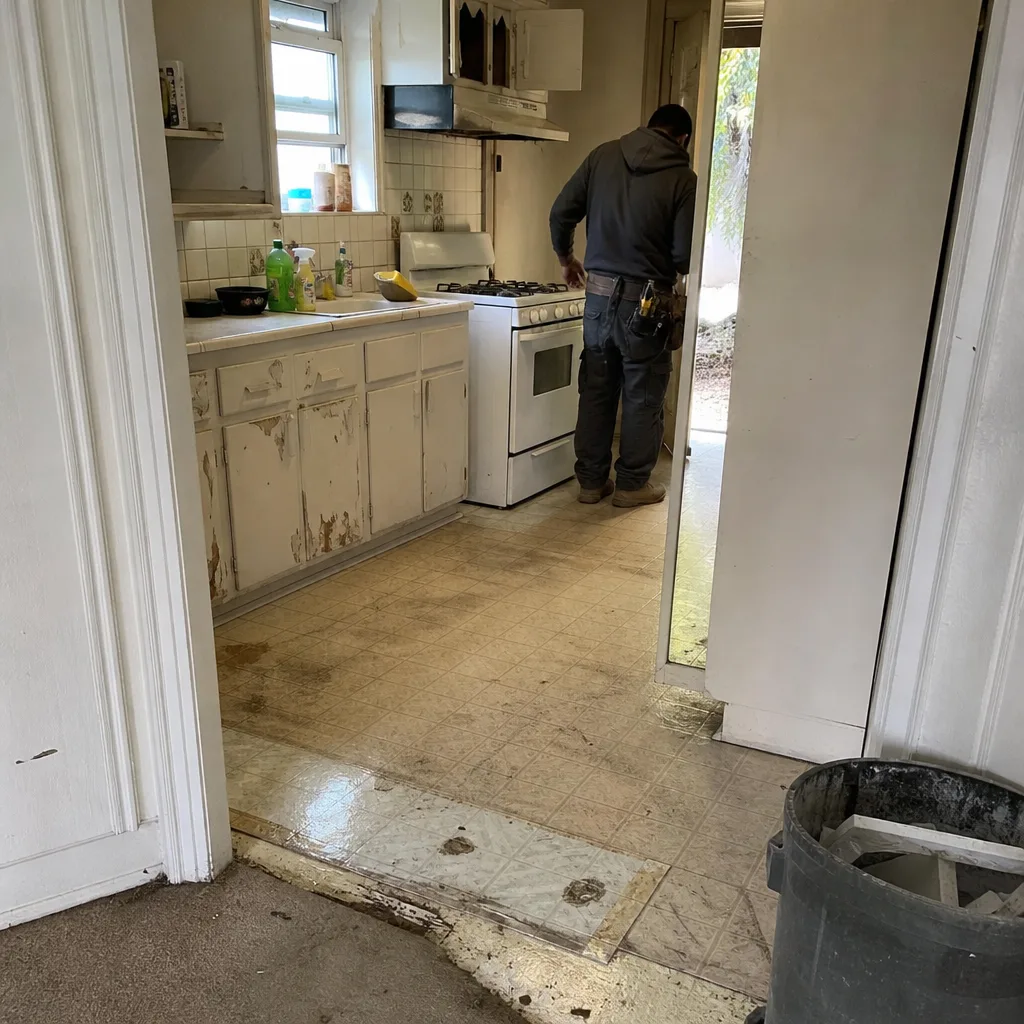 Before
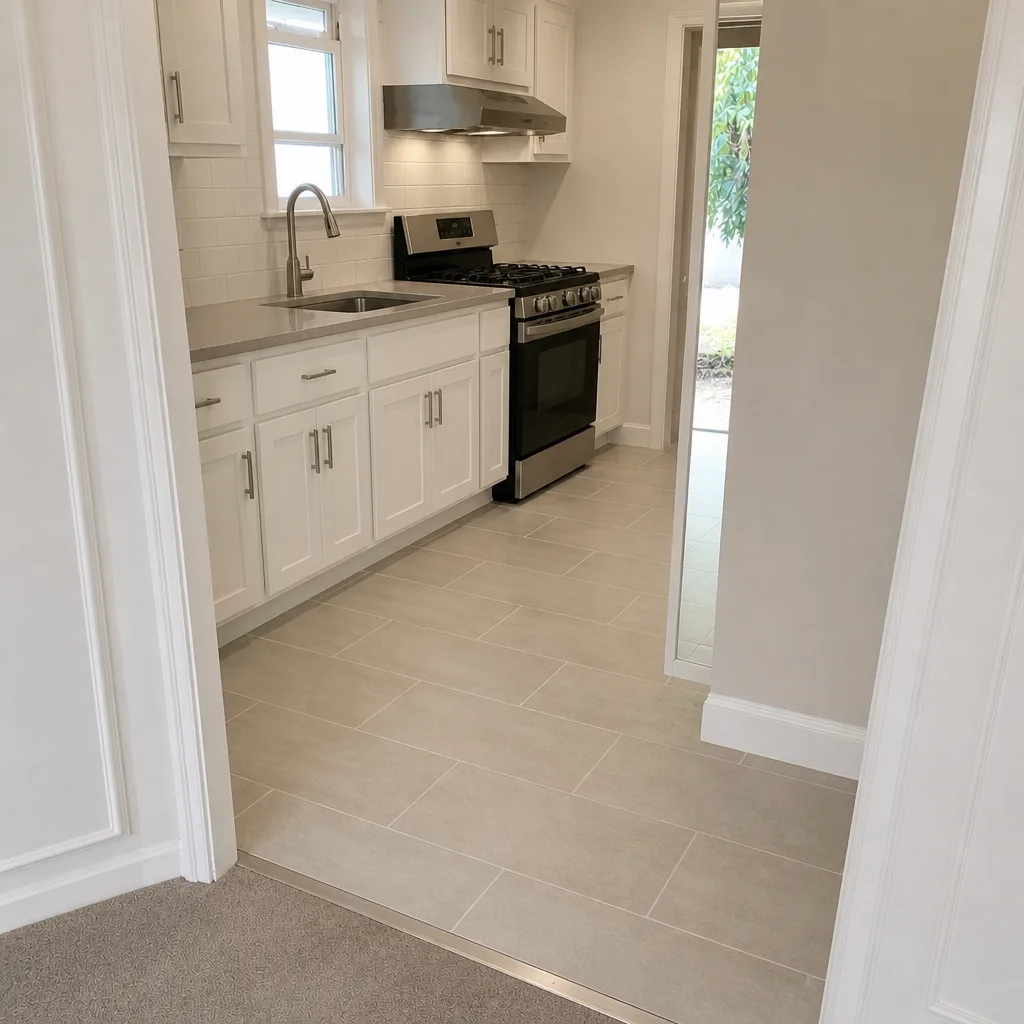 After
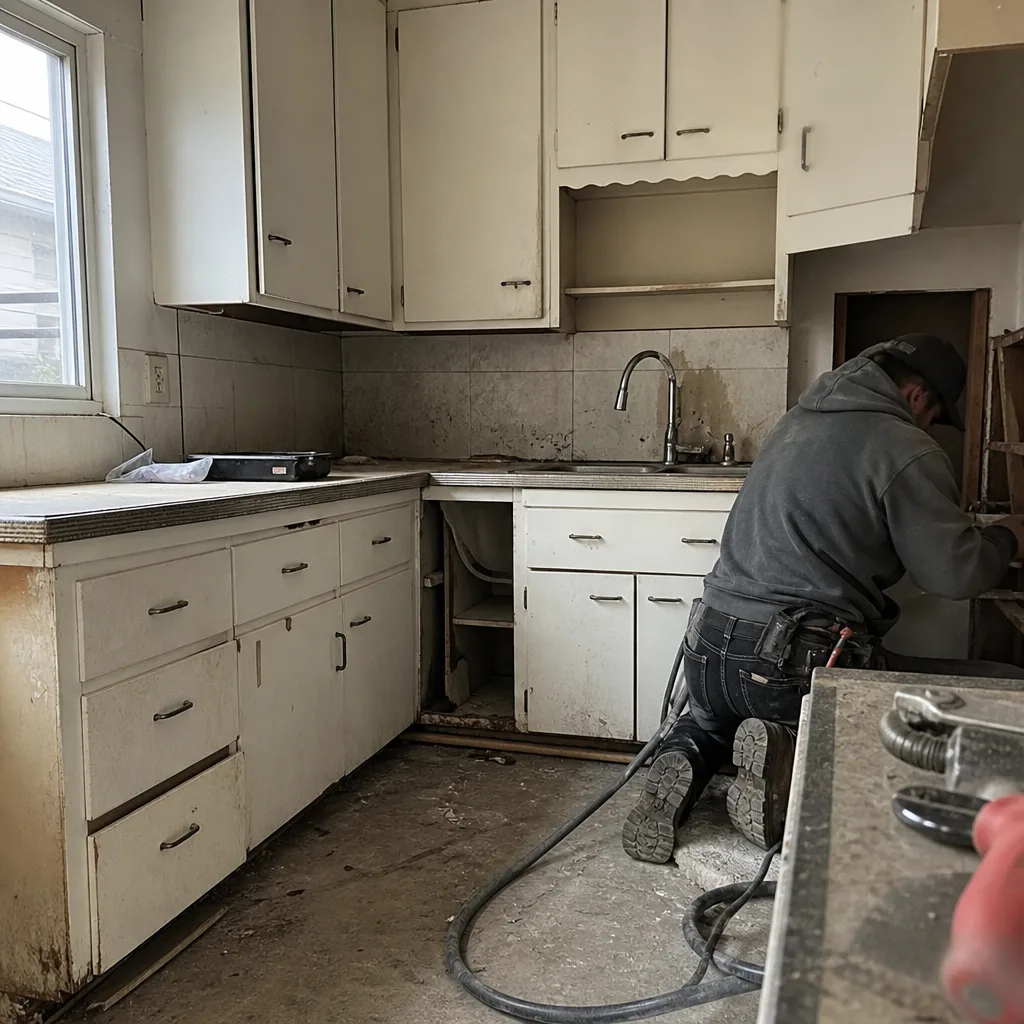 Before
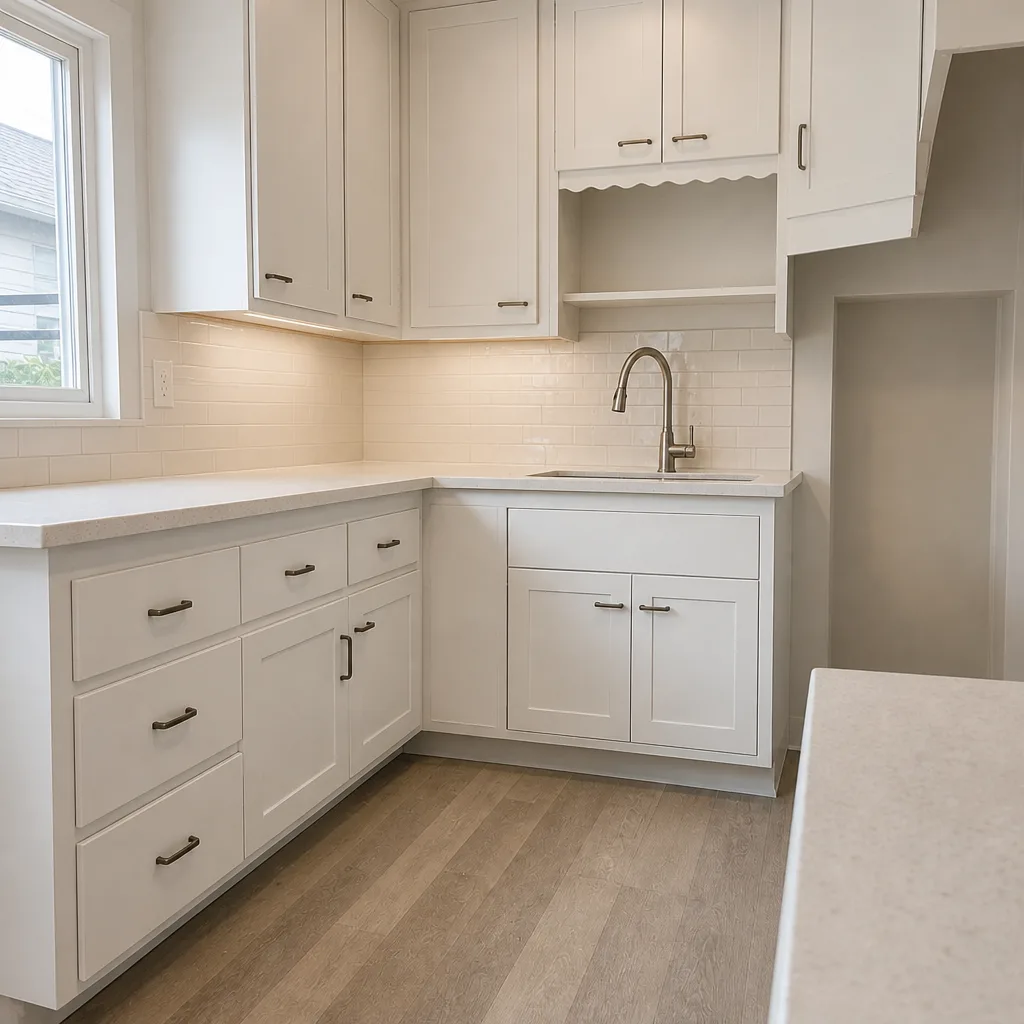 After
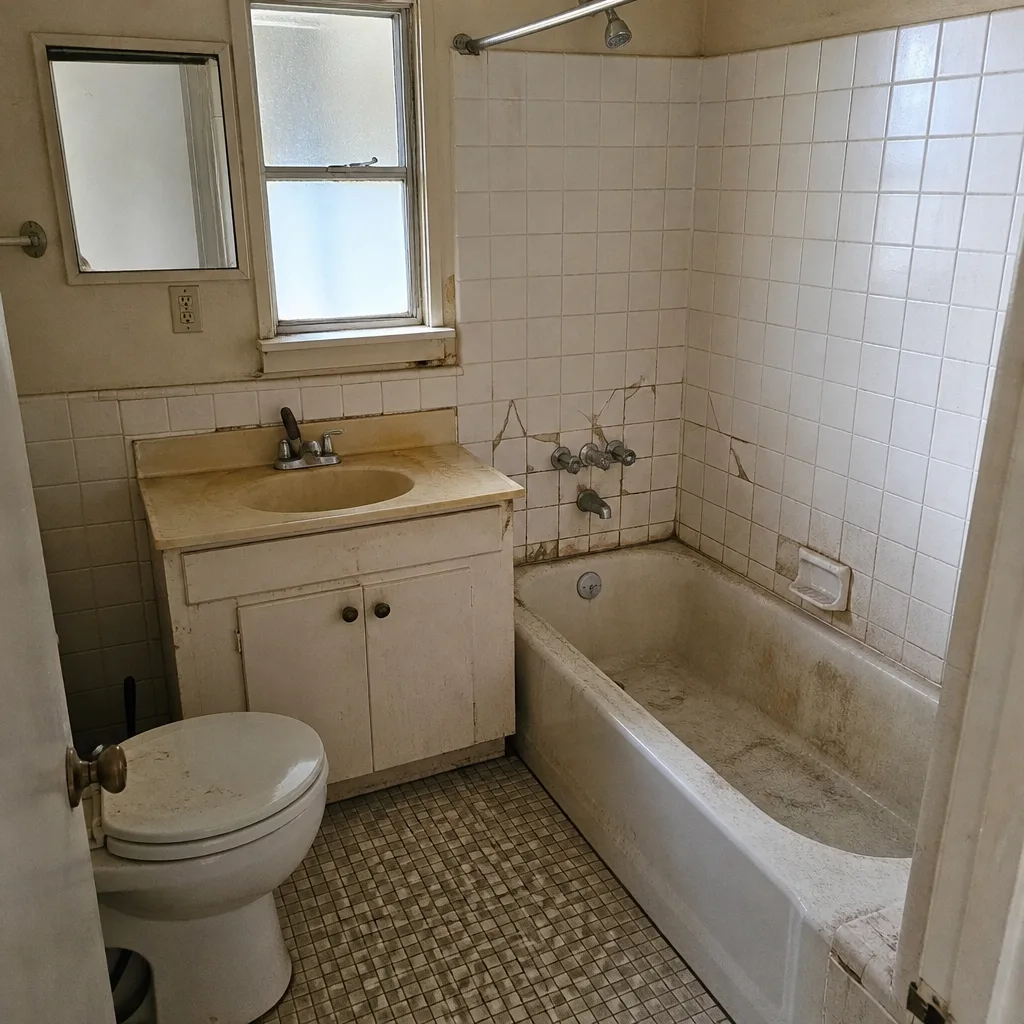 Before
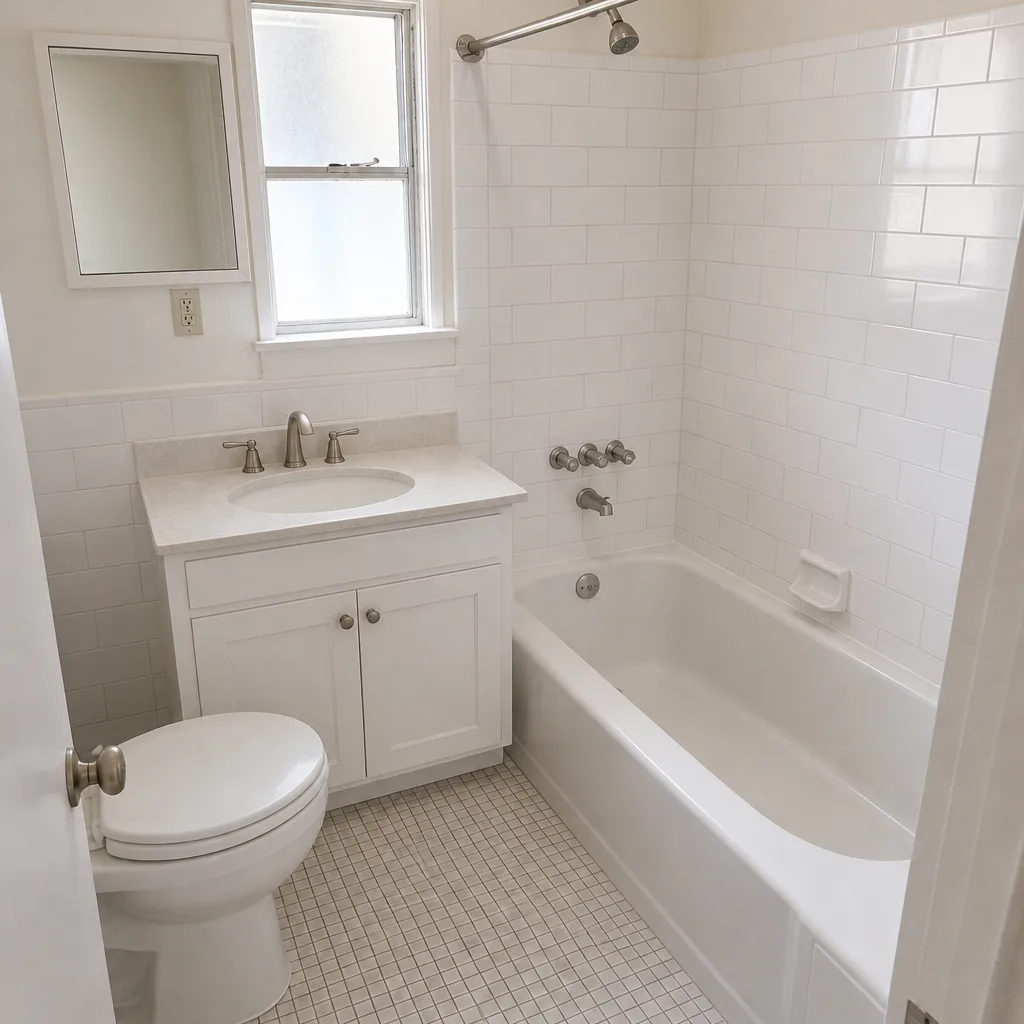 After
The Bottom Line
Berkeley driveways don’t fail from bad pavers – they fail from base movement driven by clay soil, marine moisture, and heritage tree roots. The checklist is twice-yearly inspection timed to the wet-dry cycle, polymeric sand top-ups every 12 to 24 months with a full reapplication every 2 to 3 years, storm drain and joint maintenance tied to Berkeley’s curb requirements, and a clear go/no-go decision between a maintenance fix and a base reconstruction. Skip the fall inspection and you pay for it in the spring. Catch the early signs – a single lifted row of pavers, sand washout at the joints, efflorescence that won’t clear – and you save the reconstruction entirely.
Ready to Get a Straight Answer on Your Driveway?
Groundwork Construction Co. of Berkeley connects homeowners with independent local professionals who do the work – driveway maintenance, base inspection, and full paver reconstruction – under the 730-Day Done Right Promise. Upfront pricing, no surprises. Free project estimate and design consult. Whether you suspect one bad section or want a whole-drive assessment, start with a conversation. Call (855) 471-4163 for your free estimate and design consult. Estimates are free, calls are answered by a live person 24/7, and if the work turns out to be maintenance rather than reconstruction, we’ll tell you that first.
Written by the team at Groundwork Construction Co. of Berkeley.