Last updated November 18, 2026

Free written scope consultation - allowances, timeline, and change-order rules on paper before a single trade is scheduled
Choosing the Right Construction Brand: A Buyer’s Guide for Berkeley
A homeowner we worked with in the Berkeley Hills installed top-of-the-line windows and watched them leak within four years. The windows were fine. The flashing system underneath them wasn’t rated for the same wind-driven rain the windows were built to handle. That’s the part nobody warns you about. Brand selection in a Berkeley remodel isn’t a prestige decision, it’s a systems decision. Pick one component in isolation and you can quietly void the warranty of everything installed around it. This guide walks through how material brands actually perform in Berkeley’s climate and seismic reality, how to read warranty language past the headline number, and how to build a combination that holds together for decades instead of failing one piece at a time.
Quick Answer
The best construction material brands in Berkeley are the ones whose warranty terms, installation requirements, and performance ratings are compatible with each other and with Berkeley’s bay-side wind, hillside rain exposure, and seismic movement. Pick a brand for each category based on how it interoperates with the components around it, not on the shelf price alone. A mid-tier product installed as part of a properly specified system will outperform a premium product installed in isolation every time.
Styles & brands we work with
- Kitchen remodeling
- Bathroom remodeling
- Home additions & ADU
- Roofing
- Windows & doors
- Driveway & pavers
- Fence
Table of Contents
- Why the brand on the box matters more in Berkeley than most homeowners expect
- How to read a manufacturer warranty past the number of years
- Berkeley climate and seismic performance: which brand claims actually hold up
- Why contractor brand partnerships affect your claim outcomes
- The compatibility matrix problem: where warranties quietly cancel each other
- A step-by-step method for selecting brands as a system
- What Groundwork brand partnerships mean for your protection
- Common mistakes to avoid
Why the brand on the box matters more in Berkeley than most homeowners expect
A brand is three things stitched together: a performance claim, a warranty contract, and a service supply chain. In a mild market, those three rarely drift far enough apart to matter. In Berkeley, they do. The city sits on a seismic fault, gets a mix of fog, wind-driven rain, and summer sun exposure that varies block by block, and has a housing stock that spans 1920s Craftsman bungalows in the Elmwood to mid-century flat-roof homes in the Berkeley Hills. Each of those conditions stresses materials differently.
What most homeowners hear in a sales conversation is the performance claim. What actually protects them eight years down the line is the warranty contract and the supply chain – specifically, whether the manufacturer will answer a claim quickly, whether replacement parts are still produced, and whether the installer had a relationship with the brand that gets the claim resolved. A brand that’s been sold to a private-equity owner and rebranded twice in a decade behaves very differently from a brand with a stable product line and a mature service network.
We’ve seen this play out in Berkeley roofs. Two identical-looking architectural shingles, same warranty duration in years, drastically different real-world outcomes because one manufacturer has a rigorous installation certification program for the installer and one just sells the box. When the homeowner files a claim at year eight, the certified install relationship gets a claim adjudicated in days and the box-only install faces a longer back-and-forth. Brand matters. But it matters through the contract and the service network, not the color of the package.
- Performance claim: wind rating, uplift rating, water resistance, impact resistance – the numbers on the spec sheet.
- Warranty contract: the legal document that determines what’s actually covered, for how long, and under what conditions.
- Supply chain: whether parts, panels, and matching components are still available in 10, 15, or 20 years.
How to read a manufacturer warranty past the number of years
A “50-year” warranty doesn’t mean what most people hear. In the residential construction market, that number is often a pro-rated material-only figure on a component that will fail first somewhere else – the flashing, the caulking, the fasteners – none of which are covered for that duration. The honest way to compare two brands starts with three terms: limited, transferable, and prorated.
Limited means the manufacturer defines a specific list of failures they cover and everything not on that list is excluded. Nearly every residential product warranty is limited in some way. That’s fine – the question is how wide the list is. If a window warranty covers “seal failure of the insulated glass unit” but excludes water intrusion through the frame, and the frame is the actual point of failure in a Berkeley wind-driven rain event, the warranty duration is irrelevant.
Transferable means the remaining warranty moves to the next buyer if you sell the home. In Berkeley’s housing market, where homes in neighborhoods like Northbrae and Thousand Oaks routinely resell, a transferable warranty is worth real money at the closing table. Manufacturers that charge a modest transfer fee are often the ones with the more durable coverage terms – the fee funds the administrative side of a real warranty program.
Prorated means the payout decreases over time. A 30-year prorated warranty that pays 100% in year one and 10% in year twenty-five is a very different thing from a 25-year non-prorated warranty. Always look at the year-by-year schedule, not just the year count on the cover.
- Read the exclusions section first. It’s the shortest part of the document and the most important.
- Check whether the warranty is prorated, and find the schedule of payout percentages by year.
- Confirm whether the warranty is transferable and what the transfer fee is.
- Look for a “labor” component. Most manufacturer warranties cover material only. Labor coverage usually comes from the installer’s warranty, not the manufacturer’s.
- Check what the manufacturer requires for claim filing – many require that the installer be certified or the claim is denied outright.
- Check the arbitration clause. Some require binding arbitration, which is a very different path than small claims court.
Here in Berkeley, we’ve watched a homeowner try to file a claim at year nine on a roof, only to learn that the “50-year” warranty was 25-years prorated on the shingle and 5-years on the underlayment that actually failed. That’s a warranty structure to walk away from, and it’s common. Ask the question before signing, not after a leak.
Berkeley climate and seismic performance: which brand claims actually hold up
Berkeley is essentially three climate zones stacked on top of one another. The flats from West Berkeley up to Shattuck get morning fog and afternoon sun that stresses exterior paint and sealants through regular expansion and contraction. The hills above the Cal campus catch wind-driven rain during atmospheric river events that produces horizontal water infiltration no downward-facing flashing is designed for. And the entire city sits within seismic shaking zones that will test whether a manufacturer’s attachment and fastener system is genuinely rated for cyclic movement or just marketed that way.
What this means for brand selection in each major category:
- Roofing: Look for shingles rated for wind uplift above the standard code requirement, and look for manufacturers whose product certifications specifically reference wind-driven rain testing rather than just static water resistance. In Berkeley hillside homes, the underlayment brand matters as much as the shingle brand – a premium shingle over a commodity underlayment is a warranty waiting to be denied.
- Siding: Fiber cement and engineered wood outperform in Berkeley’s marine environment because they hold paint through the fog cycle far better than vinyl or unsealed wood. A brand with a written paint adhesion commitment on their fiber cement is worth more than one that just says “resists moisture.”
- Windows: Look for brands that publish a design pressure (DP) rating appropriate to the exposure of the specific wall. A window facing the Golden Gate wind corridor needs a higher DP rating than a courtyard window in the flats, even on the same house.
- Concrete and pavers: Berkeley’s soil moves, especially on the hillside. Look for paver brands with a specific installation specification for expansive soils and for base material manufacturers with published compaction standards. Quikrete and Sakrete both publish detailed installation standards for their base and concrete products that a competent installer can reference on site. Cambridge Pavers and Oldcastle both publish installation manuals with specific soil and drainage requirements. Without those standards referenced in your bid, the paver warranty is thin.
The pattern to notice is that the brand certifications that actually matter are the ones tied to installation standards, not the ones tied to marketing awards. A “Best Brand of the Year” badge is meaningless. A published installation manual that the manufacturer will hold your installer to is not.
Why contractor brand partnerships affect your claim outcomes
Two contractors quoting the same shingle or the same window at the same price are not offering the same product. One is a certified installer with an established relationship. The other buys off a lumber yard shelf. When the product fails, the difference is enormous.
Certified installers get three advantages that homeowners rarely see until they need them.
- Warranty upgrades: Most major manufacturers offer extended labor or material warranties on the same product when it’s installed by a certified contractor. The duration number on the box doesn’t change, but the covered claim on the install does. We’ve seen this cut both ways in Berkeley – a GAF-certified install gets a materially better warranty on the same shingle as an uncertified one.
- Substitution rights: When a discontinued product needs replacement, a certified installer can often get the manufacturer to substitute a comparable current product. An uncertified buyer usually gets told the product is discontinued and the warranty is limited to a cash payout at the prorated rate.
- Claim resolution speed: Manufacturers route claims through their certified network first. If the installer is outside the network, the claim sits in a queue. This can be the difference between a roof repaired in three weeks and one patched with a tarp for three months.
This is why we curate a portfolio of brands rather than buy whatever’s on sale. Groundwork Construction Co. maintains relationships with GAF, CertainTeed, Andersen, Pella, James Hardie, KraftMaid, Kohler, and Belgard, among others – because each of those relationships gives our customers a better claim path when something goes wrong. The relationship is invisible when everything works. It’s the entire game when something doesn’t.
The compatibility matrix problem: where warranties quietly cancel each other
Here’s the piece of the puzzle that almost no contractor explains and no manufacturer will volunteer. When you install Brand A next to Brand B in the wrong configuration, the warranties can void each other – and neither manufacturer is required to tell you. The homeowner is left holding a failed system where each side points at the other.
Common pairings that generate claims problems in Berkeley:
- Windows and exterior sealants: Many window warranties require a specific class of sealant on the perimeter. Use a different brand and the window warranty on seal-related failures is void. Read the installation manual’s sealant spec and honor it.
- Roofing and gutters: Some roofing manufacturers require their own gutter attachment system or a specific flashing material to preserve the roof warranty around the drip edge. Mismatched brands void the perimeter coverage.
- Siding and windows: The pan flashing and sill pan details often have to be a specific thickness, a specific material, and a specific configuration to preserve both the window and siding warranties. Specifying one product and letting the installer figure out the interface is the single most common warranty break we see in Berkeley.
- Pavers and base: A paver warranty typically requires a specific base material and compaction. The base brand and the paver brand have to have compatible specs, or the warranty is void at the moment of installation.
- Concrete and reinforcement: A concrete warranty that assumes a particular mix design and reinforcement spec is void if the installer substitutes either, even if the substitute is “better.”
The fix is straightforward. Before the bid is signed, ask the contractor for a written compatibility statement per assembly. That means a document that names the brand of each component, cites each manufacturer’s installation requirements for interfacing with the adjacent component, and states that the contractor has verified compatibility. If the contractor can’t produce one, they’re guessing, and the guess comes due at claim time.
A step-by-step method for selecting brands as a system
The good news is that this isn’t complicated once you have a method. Here’s the process we walk Berkeley homeowners through at the estimate stage. It’s designed for a homeowner who isn’t in the trades and doesn’t want to become an expert in ceramic coatings by Tuesday.
- Define the assembly, not the product. Before choosing brands, list the assembly. For a window, that’s the window, the flashing, the sealant, the siding interface, and the interior trim. For a roof, that’s the shingle, the underlayment, the drip edge, the ridge vent, and the flashing system. Each assembly has to work as a unit.
- Pick one “load-bearing” brand per assembly. The load-bearing brand is the one whose installation requirements govern the rest. On a roof it’s usually the shingle manufacturer. On a window it’s the window manufacturer. On a paver driveway it’s the paver manufacturer.
- Verify compatibility of the supporting components. For each supporting component in the assembly, confirm it meets the load-bearing brand’s written installation requirements. Where it doesn’t, either change the supporting brand or change the load-bearing brand.
- Get the compatibility statement in writing. Ask the contractor for a line-item document that names each brand per component and states compatibility. This is the document you’ll reference at year eight if a claim ever comes up.
- Check the warranty chain short of the assembly. The final warranty is only as strong as the weakest link in the assembly. A 50-year shingle over a 10-year underlayment is a 10-year roof, no matter what the shingle box says.
- Verify the installer’s brand certification. For each load-bearing brand, confirm the installer is certified. Certification is the chassis on which the extended warranty sits.
- Confirm the workmanship warranty behind the manufacturer warranty. Manufacturer warranties cover material. Workmanship warranties cover the labor and the installation, which is where most failures happen. The two should stack, not overlap awkwardly.
This is why we structure our own work around the 730-Day Done Right Promise. If something in the assembly fails within 730 days of the final walkthrough – whether it’s the material, the installation, or the compatibility between them – we make it right. It’s one of the longest workmanship guarantees in the residential construction space, and it’s specifically designed to close the gap between the manufacturer’s warranty and the labor side that no manufacturer covers.
What Groundwork brand partnerships mean for your protection
A brand partnership is only useful to a homeowner if it creates a clear accountability chain. Here’s what ours does.
We curate verified brand partners across our seven core service lines – kitchens, bathrooms, roofing, windows and doors, fences, driveways and pavers, and additions and ADUs. That means when a Berkeley homeowner asks for a specific roofer or window brand, we’re not scrambling – we already have the relationship and the certification. When the product fails or underperforms, we’ve already got a path to resolution that doesn’t require the homeowner to advocate against a manufacturer they’ve never spoken to.
The accountability chain works like this. If a branded product installed by our team fails within the workmanship warranty, we handle the claim. If the manufacturer’s coverage applies, we file it. If the manufacturer’s coverage doesn’t apply, the 730-Day Done Right Promise covers the repair. The homeowner isn’t stuck in the middle trying to determine whether the failure was a material defect or an installation defect. That’s our job, and we take it.
Two more pieces matter here. First, we publish brand names in the bid rather than generic “premium materials” language. You should be able to read your own bid and know exactly which manufacturer you’re buying. Second, our technicians are background-checked and arrive in uniform – the install crews are the ones whose workmanship the brand’s certification covers, and we treat them with the same care we treat the relationship with the brand. Sloppy installation voids a certification faster than anything.
If you’re building or renovating in Berkeley and want a single contractor who manages the brand side of the assembly from foundation to finish line, that’s the shape of the conversation we want to have. For a broader view of what we cover, our Groundwork Construction Co. of Berkeley home lays out every service line, and if your project involves exterior work you’ll want to look at fence installation in Berkeley or driveway and pavers in Berkeley for brand specifics in those categories. Homes with additions usually need to coordinate brand decisions across a much wider set of assemblies – see home additions and ADU in Berkeley for the sequencing.
Common Mistakes to Avoid
- Choosing the brand by the warranty years on the box. A “50-year” number is almost never the actual coverage on the component that will fail. Ask for the prorated schedule and the exclusions list before comparing.
- Specifying premium in one category and commodity in its neighbors. A premium window over a builder-grade flashing near the Berkeley Hills fog line is a four-year window. The assembly has to match.
- Skipping the installer certification check. A top-tier brand installed by an uncertified crew loses the extended warranty that usually comes with the brand. Confirm the installer is on the manufacturer’s certified list.
- Ignoring how the seam between two products voids both warranties. Window-to-siding interfaces, roof-to-gutter drip edges, and paver-to-base transitions are where most Berkeley warranty claims break, and neither manufacturer will volunteer this during the sale.
- Taking “premium materials included” at face value. Without the brand names on the bid, you don’t know what you’re buying. Ask for the manufacturer, product line, and model in writing before signing.
- Overlooking transferability when planning a resale. Berkeley is a resale market. A transferable manufacturer warranty moves value to the next owner and often shows up at negotiation time. A non-transferable warranty doesn’t.
- Underweighting workmanship warranty in favor of the manufacturer warranty. Most failures happen in the installation, not the material. A long workmanship warranty that stacks with the manufacturer warranty beats a longer material warranty every time.
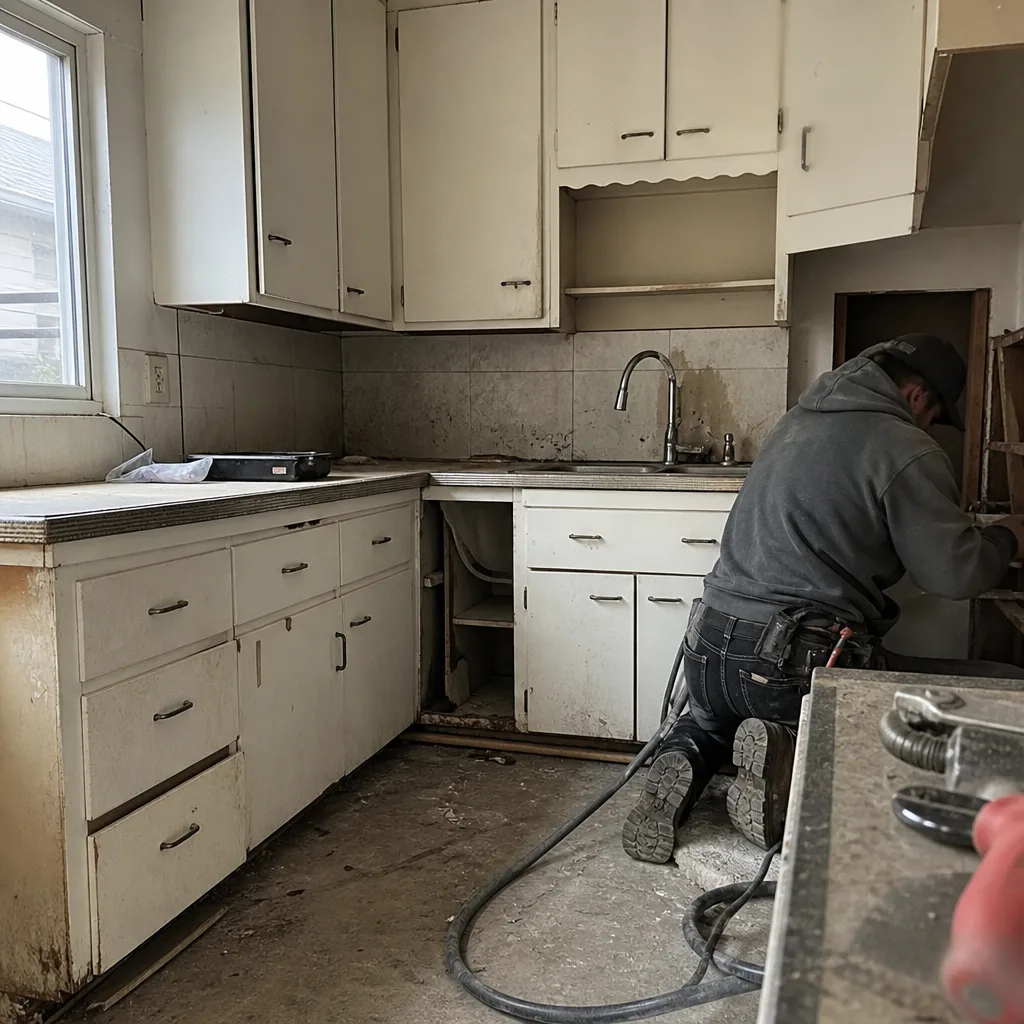
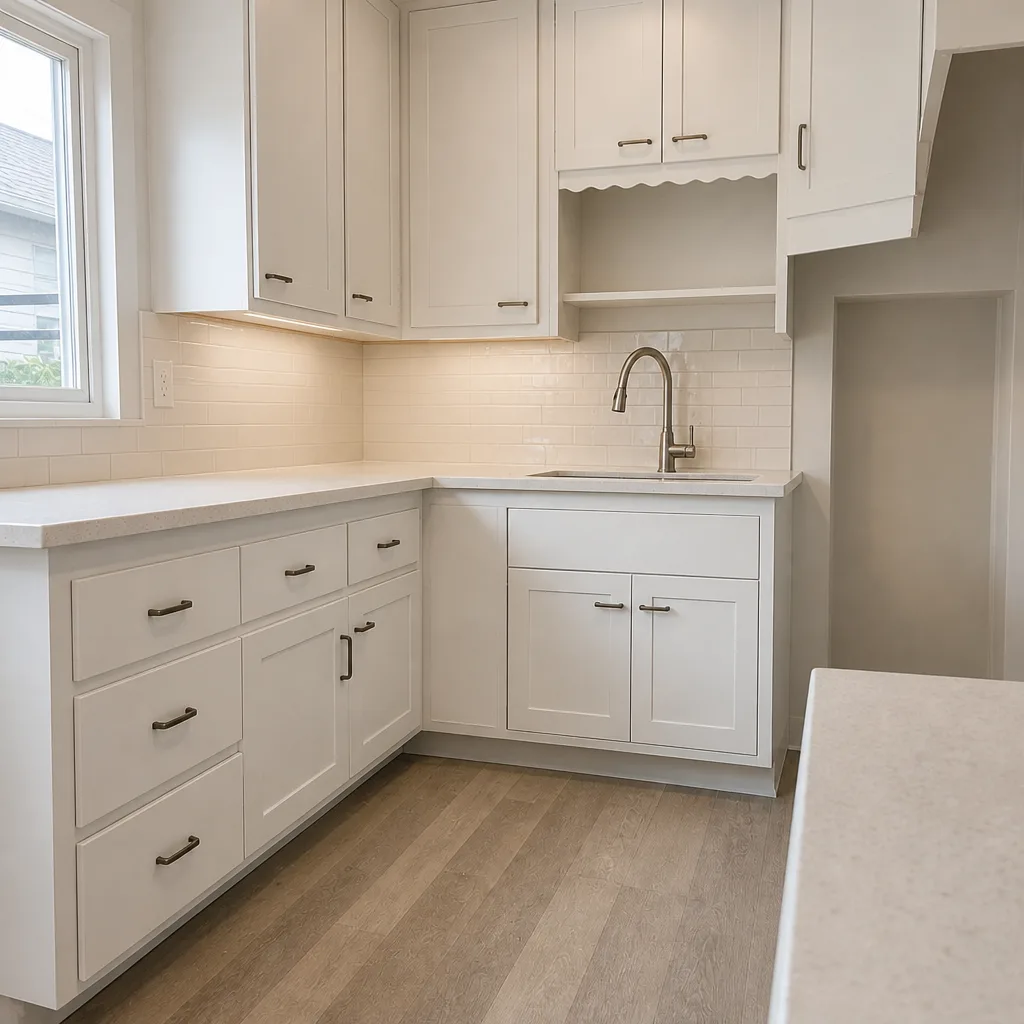
See the difference
 Before
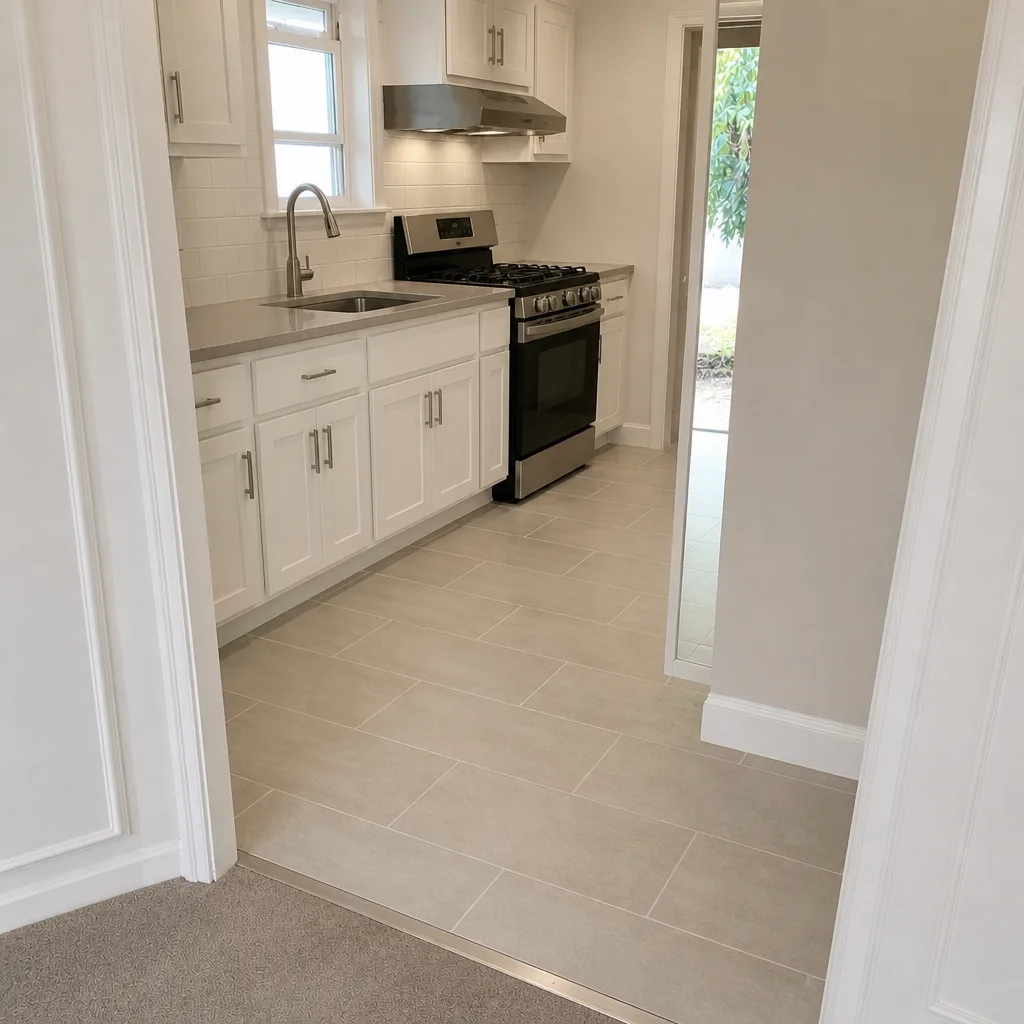 After
 Before
 After
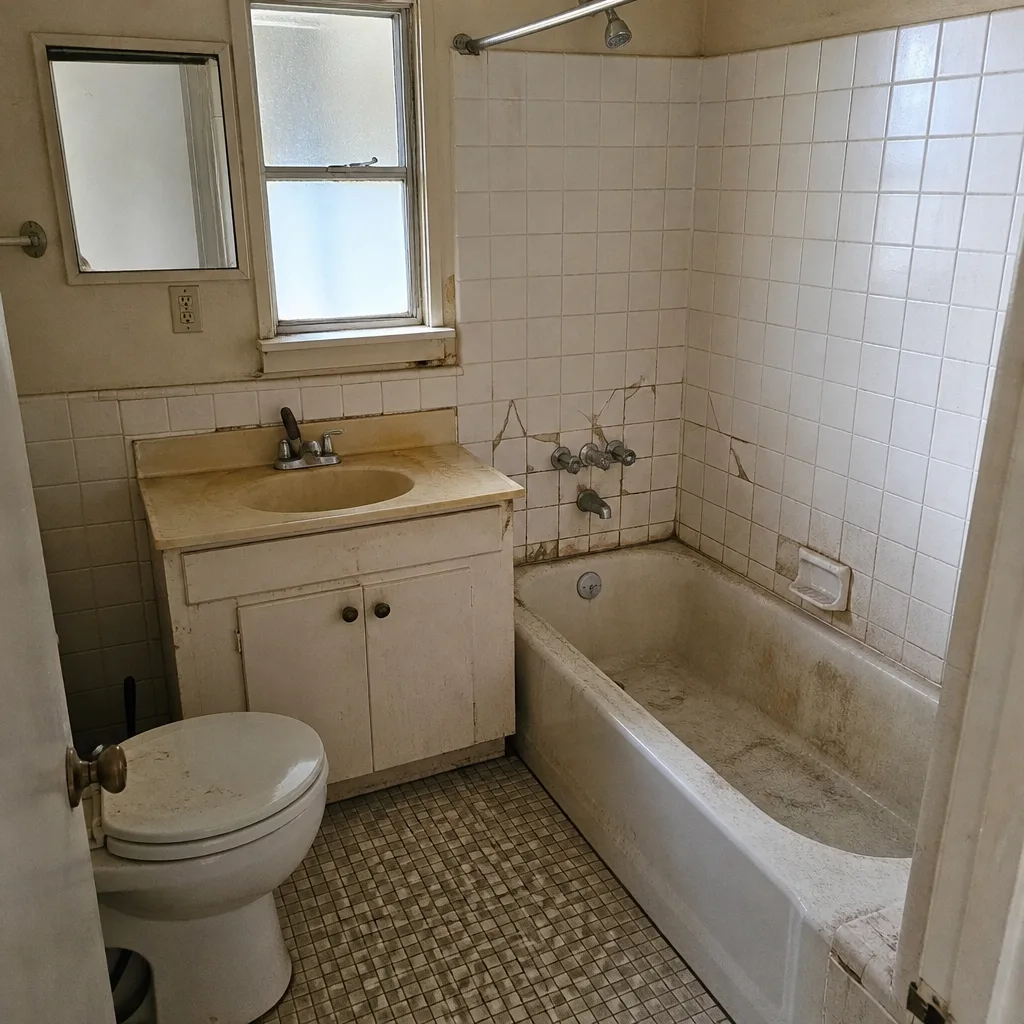 Before
 After
When to Call a Professional
Most of the decisions in this guide are decisions a homeowner can make – with the right information. But a few situations genuinely need a trained set of eyes before the bid is signed. Call a professional if any of the following is true: you’re replacing a roof on a home above the Berkeley Hills fog line where wind-driven rain exposure is severe, you’re replacing windows and want to confirm DP ratings appropriate to each wall’s exposure, you’re installing siding or a driveway where the base and soil conditions of a Berkeley hillside lot are going to test the assembly, or you’re getting a bid where the brands aren’t named in writing and you want a second opinion on the assembly before you sign. A structural or seismic upgrade adjacent to any of those scopes is another reason to get professional eyes on the plan early. Groundwork Construction Co. of Berkeley offers free estimates in Berkeley – call (855) 471-4163 to schedule one. Our technicians have up to 12 years of experience, and the estimate includes a written breakdown of brands and assemblies per scope.
Frequently Asked Questions
The best roofing brand for a Berkeley home is the one whose shingle, underlayment, and flashing system are compatible with each other and rated for the specific wind exposure of the property. In the Berkeley Hills, that usually means a GAF or CertainTeed system installed by a certified contractor with an underlayment spec matched to the shingle. The brand name on the shingle matters less than whether the full assembly is certified and installed to the manufacturer’s written standard. Call (855) 471-4163 for an exact quote on your roof – estimates are free.
Premium window brands are worth the extra cost in Berkeley when they’re specified at a design pressure (DP) rating appropriate to each wall’s wind exposure and paired with the correct flashing system. A premium window installed in isolation without matching flashing is not worth more than a mid-tier window installed as part of a proper assembly. The premium brand earns its price through tighter glass seals, better frame tolerances, and better warranty terms – all of which get undermined if the flashing interface is wrong. Call us for a free estimate that includes the DP rating and flashing spec per wall.
Groundwork names the specific manufacturer and product line for each scope in the written estimate, not just “premium materials.” That includes KraftMaid and Kohler in kitchens, GAF and CertainTeed on roofs, Andersen and Pella for windows, and James Hardie for siding, with the specific product line noted per assembly. If a brand isn’t named in the bid, ask for it before signing. Call (855) 471-4163 to schedule a free estimate.
A transferable warranty means the remaining coverage on the installed system moves to the buyer when you sell. In Berkeley’s resale market, a transferable manufacturer warranty can be negotiated as part of the sale and often adds real value at close. Check whether the warranty is transferable and whether the manufacturer charges a transfer fee – most do, and the fee funds the administrative side of a real warranty program. Ask us for the transfer terms on any brand you’re considering at (855) 471-4163.
Yes, in some cases. Many window and roofing warranties require a specific class or brand of sealant or flashing on the perimeter, and using a different product voids the warranty on seal-related failures specifically. Verify the sealant and flashing spec from the manufacturer’s installation manual before work starts, and get the contractor to confirm compatibility in writing. This is exactly the kind of gap our 730-Day Done Right Promise closes – if a compatibility problem surfaces during the workmanship window, we make it right.
Brand partnerships usually improve warranty coverage and claim speed more than they lower the raw material price, though volume purchasing through a certified relationship does tend to bring material cost down versus a one-off retail buy. The bigger value in Berkeley’s market is on the claim side – certified installer relationships shorten claim resolution and unlock extended coverage on the same product. We also offer no-hassle upfront pricing with 0% financing for 18 months and $1,000 off projects over $10,000. Call (855) 471-4163 – the estimate is free and the pricing is written.
The Bottom Line
Choosing the right construction brand in Berkeley comes down to four things: whether the brand’s warranty terms actually cover the failures you’re likely to see, whether its performance ratings match Berkeley’s wind, rain, and seismic exposure, whether the installer is certified to trigger the extended coverage, and whether the entire assembly is compatible in writing. The brand name on the box matters – but only as part of a system that holds together. Groundwork Construction Co. of Berkeley brings verified brand relationships across every service line, a written compatibility approach at estimate, and the 730-Day Done Right Promise standing behind the work. If you’re ready to talk through brands and assemblies for your specific project, call (855) 471-4163 for a free estimate.
Written by the team at Groundwork Construction Co. of Berkeley.