Last updated November 18, 2026
Free written scope consultation - allowances, timeline, and change-order rules on paper before a single trade is scheduled
The Complete Driveway & Pavers Guide for Berkeley Homeowners
Most driveway paver failures in the East Bay aren’t caused by bad pavers. They’re caused by a base designed for somewhere else. Berkeley’s expansive clay soil can move an inch or more seasonally, and the standard 4-inch gravel base that national guides recommend won’t hold it. A driveway that looks perfect in year one can heave, settle, and crack by year three because nobody accounted for the ground underneath it. This guide covers what actually matters for a driveway in Berkeley: soil, base depth, permits, material performance in coastal fog, historic district rules, and how to read a soil report so your bid is built on real numbers instead of guesswork.
Quick Answer
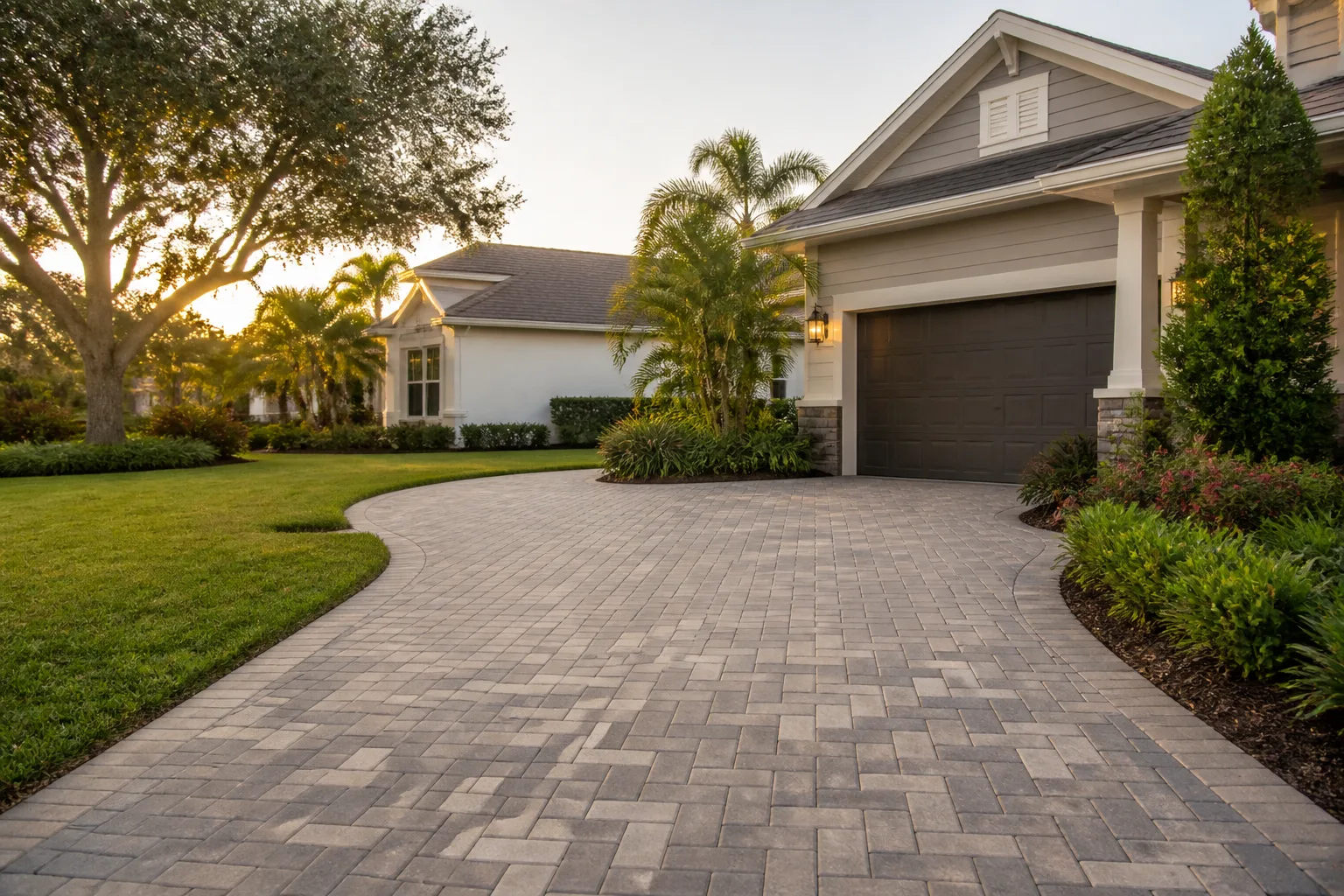
A driveway paver project in Berkeley needs a base that’s 6 to 8 inches of compacted aggregate, not the 4-inch national standard, because the city’s expansive clay soil moves seasonally and will work a shallow base loose within a few seasons. Permeable pavers and stormwater compliance often come into play under Berkeley’s low-impact development rules, and historic district or HOA overlays in neighborhoods like Claremont and Elmwood can restrict materials and finishes. Expect material selection to hinge on freeze-thaw and salt-fog performance, not just color and price.
Styles & brands we work with
- Kitchen remodeling
- Bathroom remodeling
- Home additions & ADU
- Roofing
- Windows & doors
- Driveway & pavers
- Fence
Table of Contents
- Why Berkeley’s Soil Changes Everything About Paver Installation
- How Deep Does Your Paver Base Need to Be in Berkeley?
- How to Read a Soil Report and Use It to Spec Your Base
- Berkeley Permits and the Stormwater Rules That Affect Your Driveway
- Which Pavers Actually Hold Up in Berkeley’s Coastal Fog?
- Historic Districts and HOA Rules in Claremont and Elmwood
- What Driveway Pavers Cost in Berkeley
- The Installation Sequence, Step by Step
- Keeping a Berkeley Driveway in Shape
Why Berkeley’s Soil Changes Everything About Paver Installation
Berkeley sits on some of the most expansive clay soil in the Bay Area, and that single fact reshapes the whole project. Expansive clay swells when it absorbs water and shrinks as it dries. In Berkeley’s wet-winter, dry-summer pattern, that cycle repeats every year, and the soil under a driveway can move an inch or more between seasons. A paver system is only as good as the base beneath it, and a base that can’t absorb that movement will telegraph every bit of it up through the surface.
We’ve watched this play out in neighborhoods across the flats, where driveways installed with a thin base develop the telltale ridge-and-dip pattern within a couple of winters. The pavers themselves are often fine. The base failed. That’s the distinction national guides miss: they’re written for stable, well-draining soils, and Berkeley isn’t that.
Two more local factors stack on top of the soil:
- Seismic movement. Berkeley’s proximity to the Hayward Fault means the ground isn’t just moving vertically with moisture; it shifts laterally too. A properly engineered base with edge restraint handles this far better than a loose, shallow one.
- Slope and drainage. Many Berkeley lots sit on a grade. Water that pools against a garage door or runs under a driveway edge will undermine the base faster than anything else. Grading and drainage have to be designed in, not patched afterward.
None of this is meant to scare you off pavers. It’s meant to explain why a Berkeley driveway is a different engineering problem than the same square footage in, say, Fresno or San Diego. Get the base right and pavers last decades here. Get it wrong and you’ll be redoing the job.
How Deep Does Your Paver Base Need to Be in Berkeley?
In Berkeley, plan on 6 to 8 inches of compacted aggregate base under a residential driveway, compared with the 4-inch standard you’ll see in most national installation guides. That’s the short answer. The longer answer depends on your specific lot, the traffic load, and what the soil report says, but 6 to 8 inches is the practical starting point for this area.
Here’s why the extra depth matters. A base does two jobs: it spreads the load from vehicles across a wider area, and it provides a stable platform that doesn’t shift with the soil beneath. On expansive clay, a thin base simply rides the movement of the clay below it. A thicker, properly compacted base gives you a buffer layer that isolates the pavers from that seasonal swell and shrink. It also gives water somewhere to drain through instead of sitting at the soil interface.
What determines the exact number:
- Soil classification. Heavier clay means deeper base. Sandy or well-drained pockets can sometimes take less, but you won’t know without testing.
- Traffic. A standard passenger vehicle driveway lives with 6 to 8 inches. If you park an RV, a heavy truck, or frequently load the driveway, go toward the top of that range or beyond.
- Drainage conditions. Low spots that collect water need more base and better subgrade prep.
- Frost and freeze-thaw. Berkeley rarely freezes hard, but cold snaps in the hills do occur. The base needs to handle minor freeze-thaw without loosening.
Compaction is as important as depth. A base that’s 8 inches deep but only half-compacted is worse than 6 inches done right. Each lift of aggregate should be compacted in layers, typically 2 to 4 inches at a time, using a plate compactor or roller. Ask any contractor you talk to how many lifts they compact and what equipment they use. If the answer is vague, that’s a signal.
How to Read a Soil Report and Use It to Spec Your Base
A site-specific soil report tells you what’s actually under your driveway, and it’s the document most contractor bids skip entirely. Most bids assume a soil type and price accordingly. On Berkeley’s clay, that assumption is where budgets and schedules go sideways. A soil report removes the guesswork and lets the base depth be engineered to your lot.
What a soil report includes, and what each part means for your project:
- Soil classification and plasticity index. The plasticity index (PI) measures how much a soil swells and shrinks with moisture. High PI means highly expansive clay. High PI equals a deeper base and, in some cases, subgrade treatment or a geotextile separation layer.
- Bearing capacity. This tells you how much load the soil can support. Lower bearing capacity means the base has to spread the load wider, which usually means thicker base and stronger edge restraint.
- Moisture content and drainage characteristics. Poorly draining soil holds water at the base interface. That pushes you toward permeable paver systems and better subsurface drainage.
- Depth to stable material. If there’s fill or loose material near the surface, it may need to be removed and replaced before any base goes down.
How to use it: hand the report to your installer and ask them to spec the base depth, aggregate type, and compaction standard from it, in writing. A bid that references your specific soil conditions is a bid built on facts. A bid that says “standard base prep” is a bid built on hope. In our experience, the projects that go smoothly are the ones where the soil report informed the spec before the first shovel went in.
Berkeley Permits and the Stormwater Rules That Affect Your Driveway
Berkeley takes stormwater seriously, and a driveway project can trigger compliance requirements under the city’s low-impact development (LID) rules. If your project adds impervious surface, replaces a significant area of paving, or affects how stormwater leaves your property, you may need to manage runoff on-site rather than letting it flow to the street and storm drains. That’s where permeable versus impermeable paver choices stop being a design preference and become a code question.
When a driveway project typically triggers stormwater review:
- New driveway construction or a full replacement that increases impervious coverage.
- Expansion of an existing driveway’s footprint.
- Projects that change drainage patterns or send runoff toward a neighbor or the public right-of-way.
- Work in areas subject to the city’s creek protection or hillside ordinances.
Permeable pavers, permeable joint material, and on-site drainage features like bioswales or infiltration trenches are common ways to meet LID requirements. They also happen to make engineering sense in Berkeley, because letting water infiltrate reduces the moisture swings that stress an expansive clay base. There’s a real alignment here between what the code wants and what your driveway needs.
Before any work starts, confirm whether your project needs a permit and what stormwater measures apply. Pulling the right permits and passing inspection isn’t optional paperwork; it’s what protects you if you ever sell the house or need to defend the work. A contractor who shrugs off permits is a contractor who’s leaving you holding the risk. Ask upfront, get it in writing, and make sure the permit is pulled in the right name.
If your project expands into a larger hardscape or outdoor living plan, it’s worth coordinating with Groundwork Construction Co. of Berkeley home so the driveway, drainage, and surrounding structures are designed as one system.
Which Pavers Actually Hold Up in Berkeley’s Coastal Fog?
Berkeley’s coastal fog and occasional freeze-thaw cycles punish the wrong paver. A paver that performs beautifully in Southern California’s dry heat can spall, fade, or chalk here within a few years. Spalling is when the surface layer flakes or peels off, usually because moisture gets into the paver, freezes, and expands. Fog keeps surfaces damp; cold snaps do the rest. Choose for moisture and freeze-thaw resistance first, appearance second.
What separates a paver that lasts here from one that doesn’t:
- Water absorption rate. Lower absorption means less moisture penetration and far less spalling risk. Ask for the absorption spec, not just the color name.
- Compressive strength. Higher strength resists cracking from vehicle loads and minor ground movement.
- Freeze-thaw rating. Some manufacturers test and rate for freeze-thaw. On a Berkeley hillside lot, that rating matters.
- Colorfastness. Cheap pigments fade under UV and fog. Quality manufacturers use through-body color or proven surface treatments.
Reputable manufacturers like Cambridge Pavers and Oldcastle both make product lines suited to this climate, and their spec sheets will tell you the absorption and strength numbers. For the setting bed and joint sand, products from Quikrete and Sakrete are widely used and reliable when specified correctly. The brand on the pallet matters less than whether the specific product line is rated for a damp, freeze-thaw climate. A premium paver in the wrong product line still fails; a mid-range paver in the right line performs.
For a deeper look at material options and installation specifics, see our Driveway & Pavers in Berkeley service page.
Historic Districts and HOA Rules in Claremont and Elmwood
In neighborhoods like Claremont and Elmwood, your driveway may be subject to design review, historic district overlay rules, or HOA covenants that restrict what materials and finishes you can use. These aren’t small technicalities. They can dictate whether you’re allowed to use a particular paver color, pattern, or even permeable versus solid surface, and they can add weeks to a project timeline.
What these overlays commonly restrict:
- Material type. Some historic districts favor certain materials or discourage modern alternatives. Permeable systems sometimes need design review even when the code requires them.
- Color and finish. Earth tones, muted palettes, and specific finishes are often required to match the neighborhood character.
- Pattern and layout. Herringbone, running bond, and other patterns may be reviewed for compatibility with surrounding properties.
- Visibility from the street. Driveways visible from the public right-of-way often face stricter review than those tucked behind a fence or hedge.
The practical move is to check your property’s overlay status before you fall in love with a paver. Pull the address through the city’s planning resources, read your HOA covenants if you have them, and ask your contractor whether they’ve worked within those rules before. A contractor who knows the Claremont and Elmwood overlays will flag potential issues in the first conversation, not after the pavers are ordered.
If your project also involves a new fence or gate along the driveway, our Fence Installation in Berkeley team can coordinate so the materials and finishes line up and the design review is handled in one pass.
What Driveway Pavers Cost in Berkeley
Driveway paver installation in Berkeley generally runs higher than national averages because of the deeper base, soil testing, and permit and stormwater compliance requirements. Most residential projects land in a wide range depending on square footage, site access, material choice, and how much grading and drainage work is needed. Expect the base prep and soil work to be a meaningful portion of the total, not an afterthought line item.
Typical cost factors, as ranges rather than fixed quotes:
- Base prep and excavation: 6 to 8 inches of compacted aggregate, plus removal of unsuitable soil, is a substantial share of labor and material cost. Deeper base and subgrade treatment push this higher.
- Soil testing: A site-specific soil report is an added cost, but it prevents expensive surprises and lets the base be engineered correctly.
- Permits and stormwater compliance: Permit fees, design review fees, and drainage features like infiltration trenches or bioswales add to the total.
- Paver material: Premium lines cost more than standard lines, and freeze-thaw-rated products can carry a premium.
- Site access and grading: Steep lots, tight access, and significant grading work all raise labor.
Every quote should be a written, line-item quote, so you can see what you’re paying for and compare bids apples to apples. Vague lump-sum bids are where change orders come from. Upfront pricing, no surprises, is the standard to hold contractors to. For context on how driveway pricing fits with other exterior projects, our Driveway & Pavers in Berkeley page breaks down the scope in more detail.
The Installation Sequence, Step by Step
Knowing the sequence helps you evaluate a bid and spot shortcuts. Here’s the order a properly built Berkeley paver driveway follows:
- Site assessment and soil testing. Confirm soil classification, bearing capacity, and drainage conditions. This drives every number that follows.
- Permit and design review. Confirm stormwater compliance requirements and historic or HOA restrictions before ordering materials.
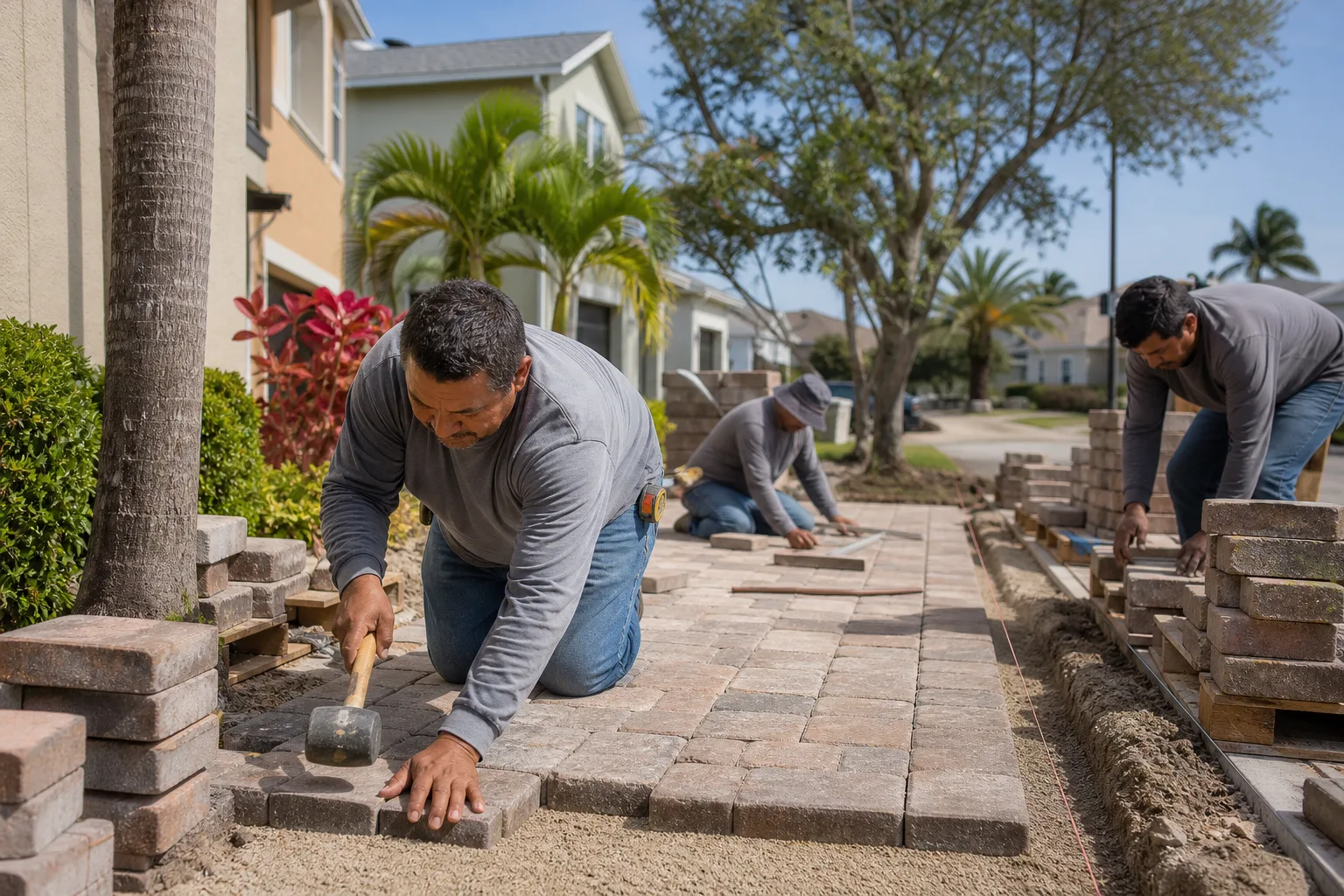
- Excavation to the correct depth. Remove existing surface and soil to accommodate the base depth plus the paver and setting bed thickness.
- Subgrade preparation and stabilization. Compact the subgrade and, where the soil report calls for it, install a geotextile separation layer to keep fine clay from migrating into the base.
- Base installation in compacted lifts. Place aggregate 2 to 4 inches at a time and compact each lift. Total compacted base depth of 6 to 8 inches on most Berkeley lots.
- Edge restraint installation. Secure edges with a proper restraint system, concrete curb, or edge restraints to hold the base and pavers against lateral movement.
- Setting bed and pavers. Spread and screed the setting bed, lay pavers to the approved pattern, cut edges cleanly, and check slope and drainage.
- Joint sand and compaction. Fill joints with the specified sand, compact the surface, refill joints, and clean.
- Final inspection and walkthrough. Confirm drainage, finish, and that the work matches the approved scope.
Each step is a checkpoint. If a contractor skips soil testing or compacts the base in one deep lift, the driveway may look great on handover and fail within a few winters. A written scope should reference each of these steps, and a good contractor will walk you through them without prompting.
Keeping a Berkeley Driveway in Shape
A properly installed paver driveway in Berkeley needs light maintenance, not constant rescue work. The goal is to protect the base and keep water moving away from the house. Most of what matters is visual inspection, done once or twice a year.
- Re-sand joints when they drop. Joint sand locks the pavers and keeps water from reaching the base. Over time, rain and foot traffic remove it. Refill with the manufacturer-specified sand, not just any sandbox sand.
- Watch for settling and heaving. A little movement at edges is normal. Repeating ridge-and-dip patterns or one section dropping a half inch or more signals a base or drainage problem that needs a closer look before it spreads.
- Keep water moving. Clear leaves from drains, check that runoff flows away from the garage and house, and make sure infiltration areas aren’t clogged with silt.
- Deal with weeds in joints promptly. Small weeds are cosmetic; leaving them lets roots work into joints and open space for water.
- Avoid salt-based deicers. On any paver, they can damage surfaces and joint sand. Sand or a paver-safe deicer is safer.
If your driveway connects to a larger outdoor project, such as a new addition with an expanded parking area, coordinate the work so the drainage and grading are designed together. Our Home Additions & ADU in Berkeley team handles the structural side when a paver project is part of a bigger plan.
Common Mistakes to Avoid
- Using the national 4-inch base standard. It’s the single most common failure mode in Berkeley. On expansive clay, that base moves with the soil and the driveway fails within a few seasons. Spec 6 to 8 inches and compact in lifts.
- Skipping the soil report. Bids that assume a soil type and price accordingly are guessing. On Berkeley’s clay, a site-specific report is what lets the base be engineered correctly and keeps costs honest.
- Ignoring stormwater compliance until after the pour. Berkeley’s LID rules can require permeable pavers or on-site drainage, and retrofitting those into a finished design adds cost and delay. Check requirements before ordering materials.
- Choosing pavers on looks alone. Southern California pavers can spall and fade in Berkeley’s coastal fog within a few years. Check water absorption and freeze-thaw ratings, not just color.
- Overlooking historic district and HOA overlays. In Claremont and Elmwood especially, design review can restrict material, color, and pattern. Confirm before you buy.
- Accepting a vague, lump-sum bid. A line-item written quote is the only way to compare bids and prevent change orders. The number you see should be the number you pay.
- Treating edge restraint as optional. Without proper restraint, pavers creep and joints open. It’s one of the cheapest parts of the job and one of the most important.
See the difference
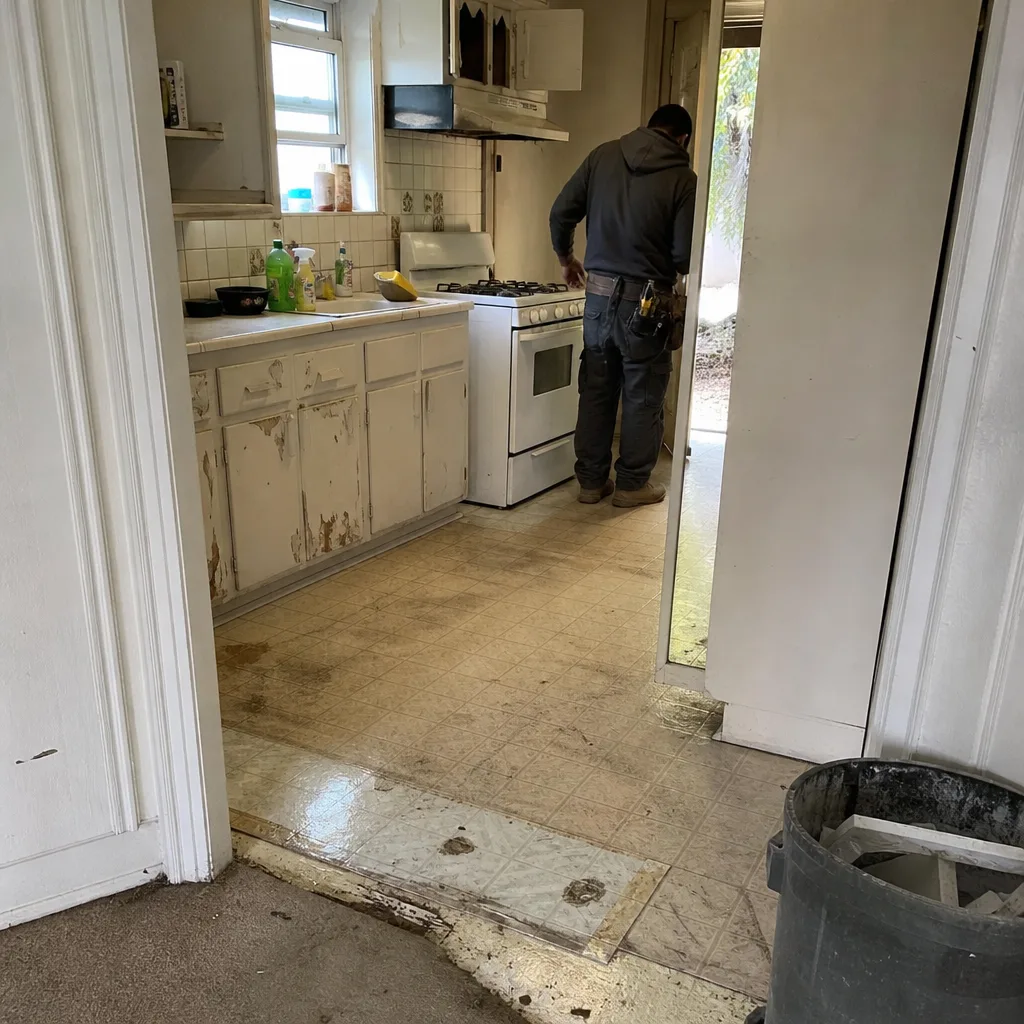 Before
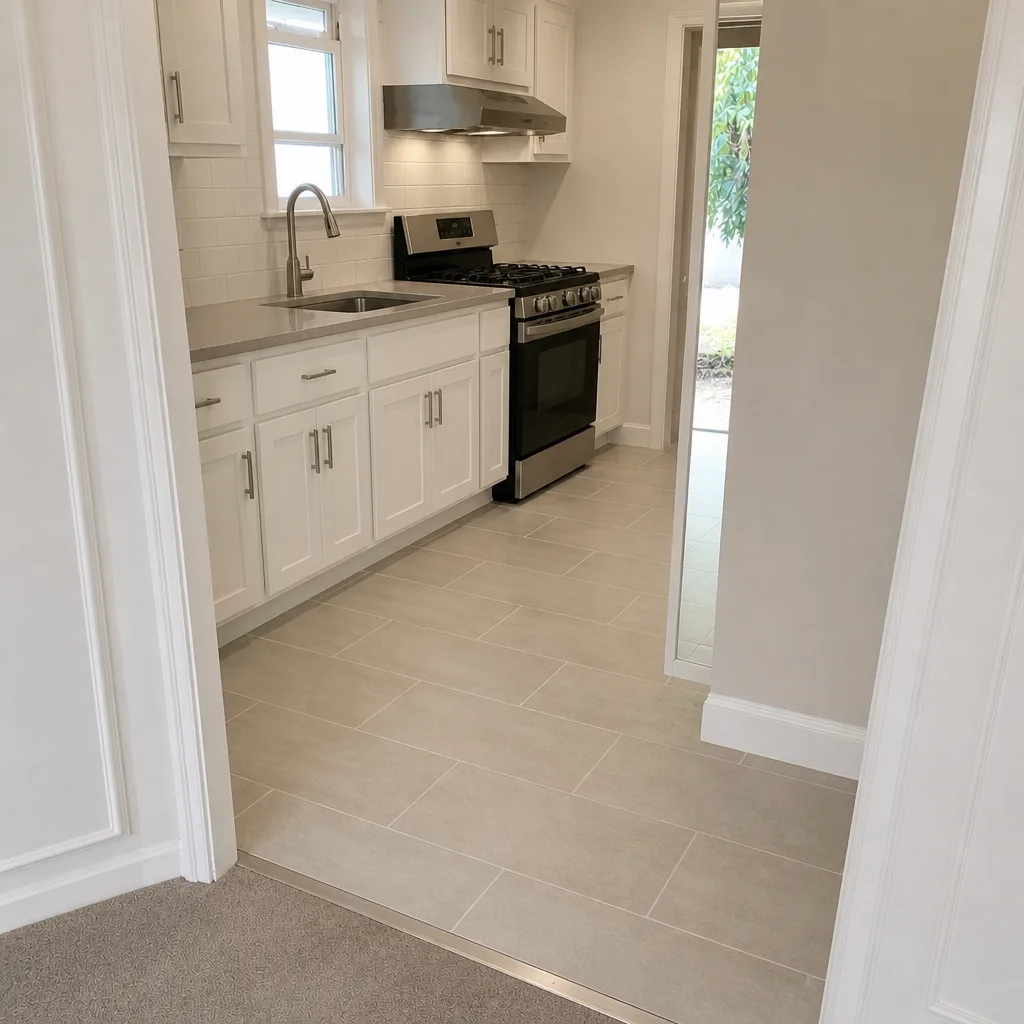 After
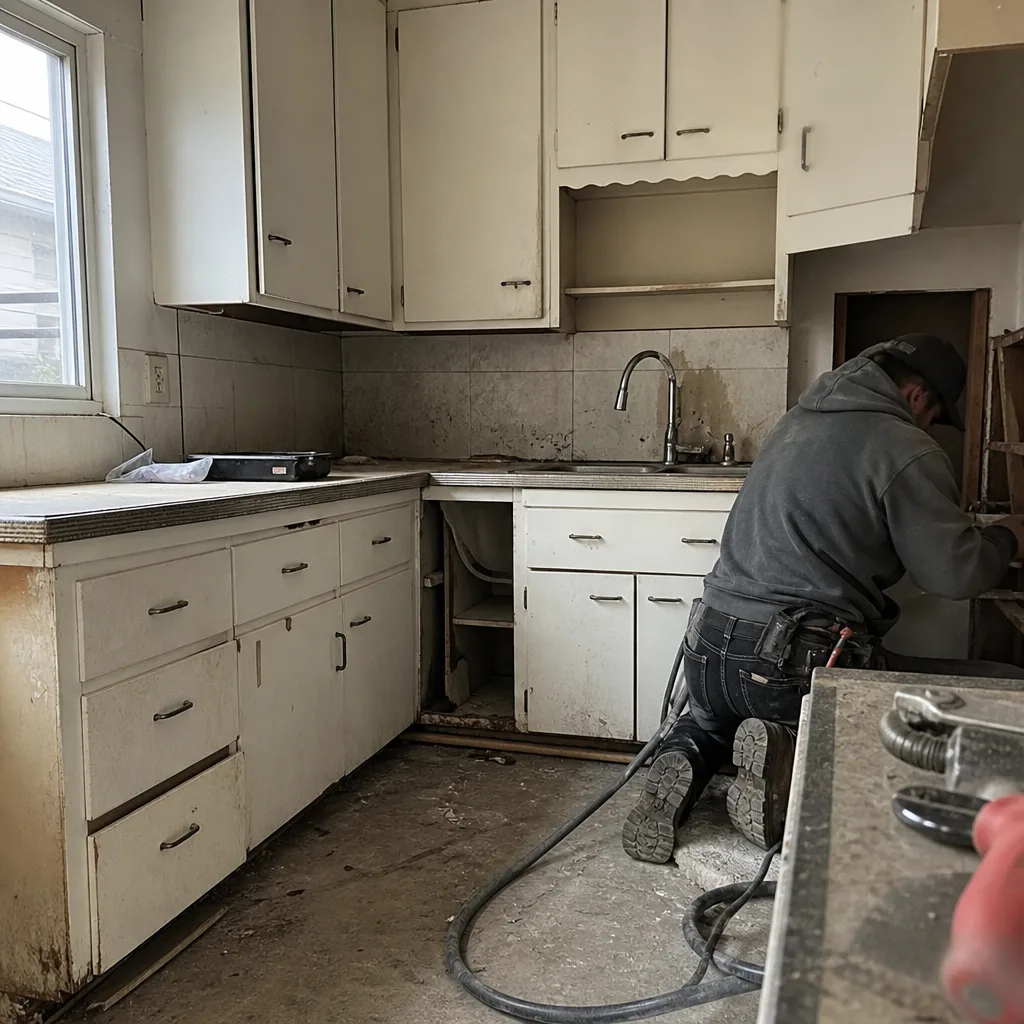 Before
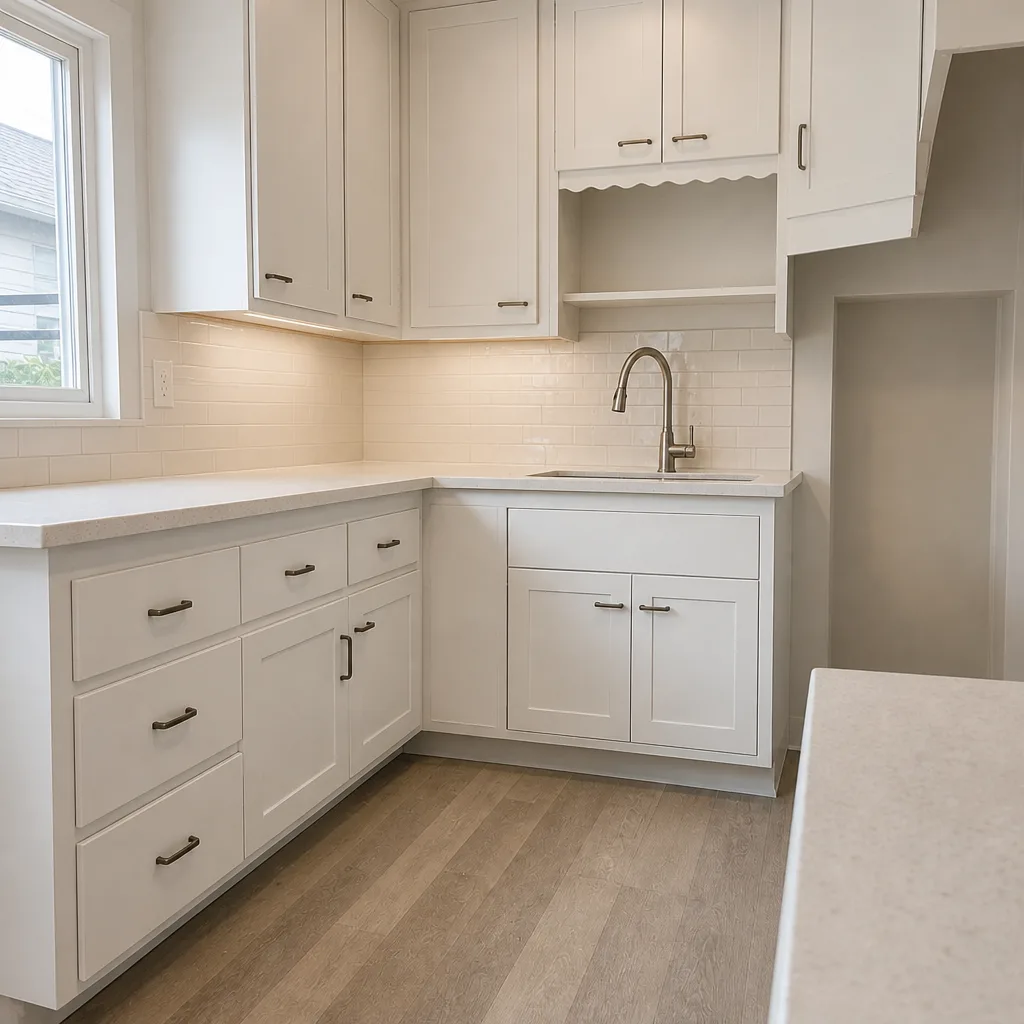 After
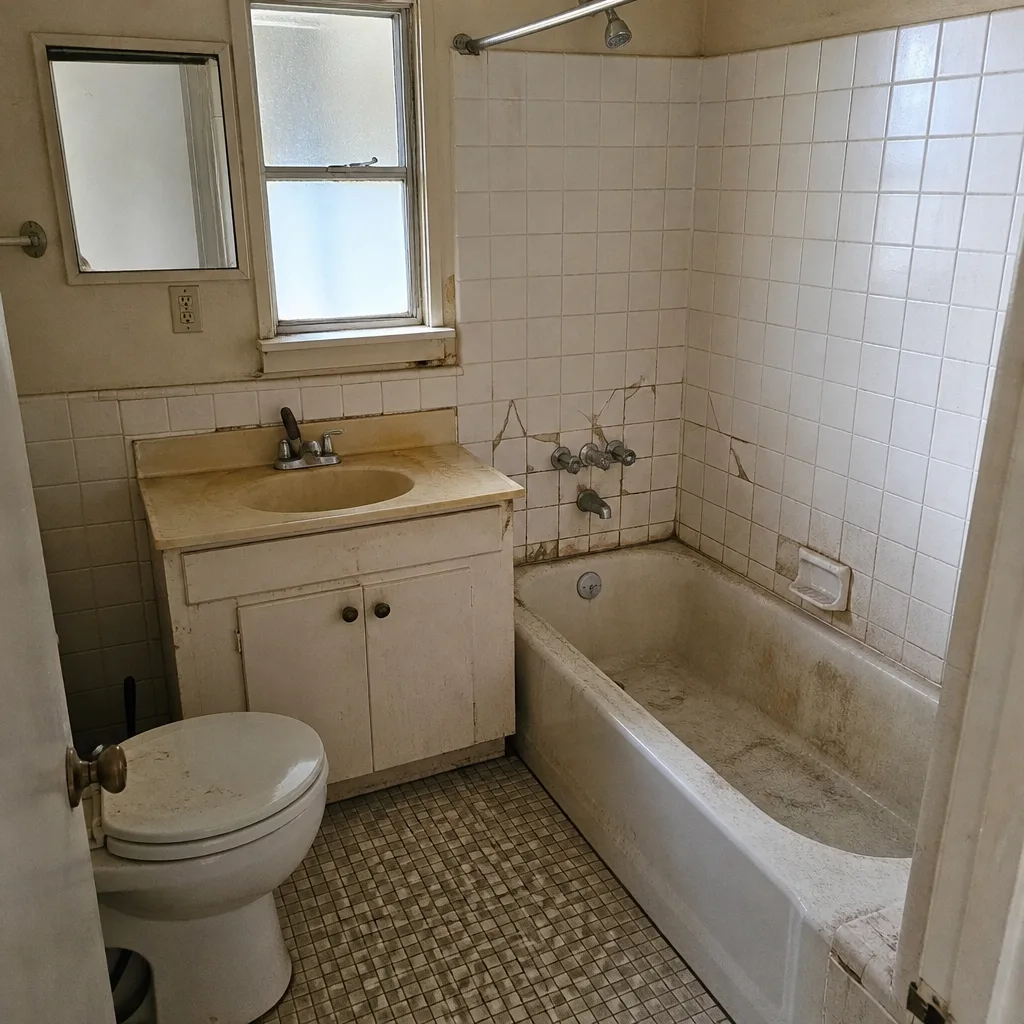 Before
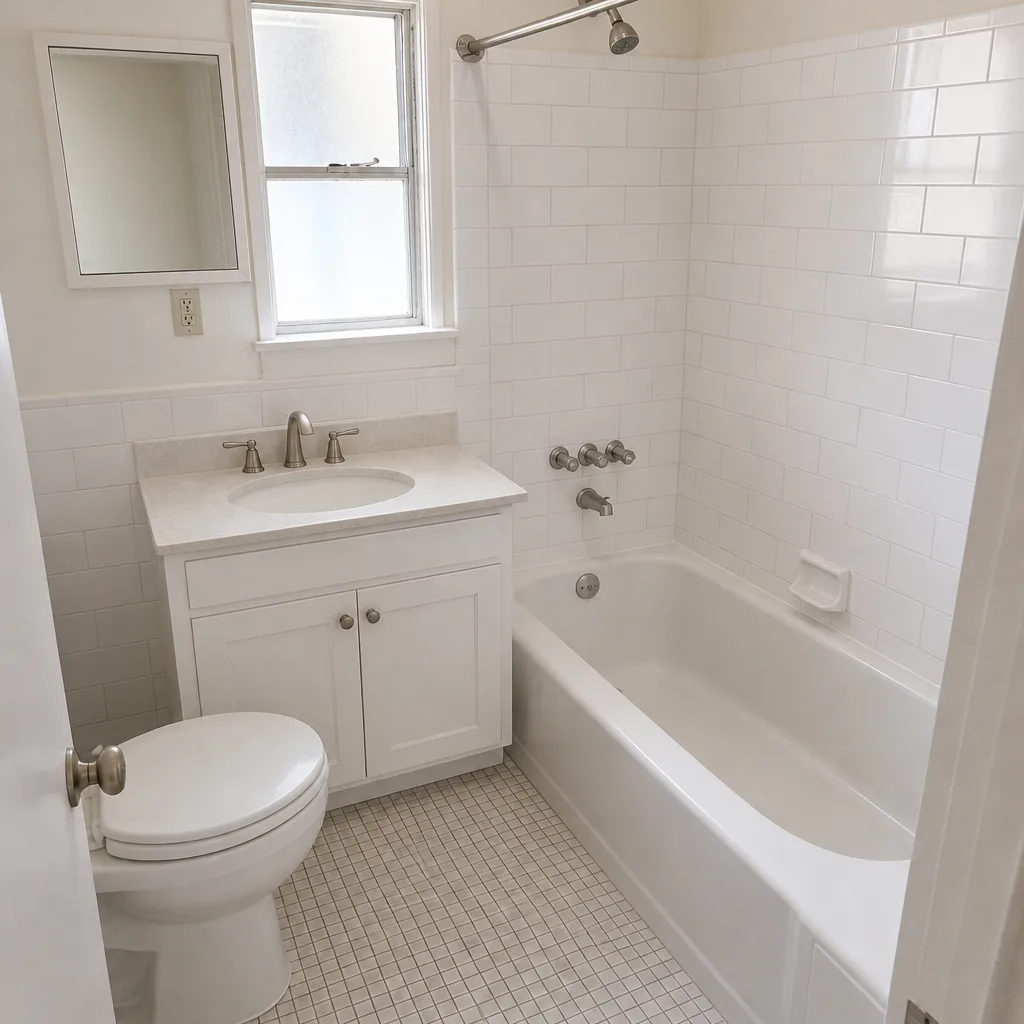 After
When to Call a Professional
Some driveway work is a reasonable DIY project. A Berkeley paver driveway with 6 to 8 inches of base on expansive clay is not one of them. The excavation, lift-by-lift compaction, soil evaluation, and drainage design all have to be right, and getting them wrong means redoing the whole job. Call a professional when the soil report shows high plasticity clay, when your project touches stormwater compliance or design review, when the lot is sloped, or when the driveway is part of a larger structural plan. Get a written line-item quote that references your actual soil conditions, permits, and the compaction standard. Groundwork Construction Co. of Berkeley offers free estimates in Berkeley – call (855) 471-4163.
Frequently Asked Questions
Plan on 6 to 8 inches of compacted aggregate base under a residential driveway in Berkeley. That’s deeper than the 4-inch national standard because the city’s expansive clay soil moves seasonally and a shallow base will loosen and fail. The exact depth depends on your soil report and traffic load. Call (855) 471-4163 for an estimate built on your actual soil conditions.
Often, yes. Berkeley’s low-impact development rules can require stormwater compliance when a project adds or replaces significant impervious surface, and many projects need a permit. Confirm requirements before ordering materials, and make sure any contractor pulls permits in the right name. Call (855) 471-4163 to talk through your project’s permit scope.
Most failures come from a base designed for stable soil, not Berkeley’s expansive clay. When the clay swells and shrinks seasonally, a shallow base rides that movement and the pavers heave and settle. Coastal fog and freeze-thaw cycles then cause spalling in pavers not rated for the climate. Get the base and the material spec right, and the driveway lasts decades.
In neighborhoods like Claremont and Elmwood, yes, they can. Design review and HOA covenants may limit material type, color, finish, and pattern. Check your property’s overlay status and HOA documents before choosing a paver, and work with a contractor who knows those rules. Call (855) 471-4163 to discuss what applies to your address.
It’s what separates a bid built on real numbers from one built on assumptions. A site-specific soil report tells you the clay’s plasticity index, bearing capacity, and drainage behavior, which together determine base depth and whether subgrade treatment is needed. Most bids skip it; on Berkeley clay, that’s where budget surprises come from. Call (855) 471-4163 to plan your project around an actual soil spec.
Most residential drives take several days to a couple of weeks depending on square footage, site access, and whether permitting and design review are involved. The base work, including excavation and lift-by-lift compaction, takes real time and can’t be rushed without risking the whole job. A written schedule in your quote will give you a realistic timeline. Call (855) 471-4163 for a free estimate.
The Bottom Line
A paver driveway in Berkeley is a base engineering project, not a surface decoration. Berkeley’s expansive clay moves seasonally, so a 4-inch base that works elsewhere won’t hold here; plan on 6 to 8 inches, compacted in lifts, informed by a site-specific soil report. Check stormwater compliance and historic or HOA overlays before ordering anything, and choose pavers rated for fog and freeze-thaw instead of the cheapest option on the pallet. Get a written, line-item quote that names the compaction standard. Built right, a paver driveway is a decades-long asset. Built on assumptions, it’s a recurring expense.
Need driveway work done right? Groundwork Construction Co. of Berkeley offers free estimates – call (855) 471-4163. Our technicians have up to 12 years of experience, every project is backed by the 730-Day Done Right Promise, and calls are answered by a live person around the clock.
Written by the team at Groundwork Construction Co. of Berkeley.