Last updated November 18, 2026




Free written scope consultation - allowances, timeline, and change-order rules on paper before a single trade is scheduled
Fence Installation Maintenance Schedule: What to Do and When
Applying wood stain or sealant during Berkeley’s foggy summer mornings – even if the air is warm – is one of the fastest ways to trap moisture in your fence and accelerate the rot you were trying to prevent. Wood needs surface temperature and humidity on its side, not just a clear calendar square. A wood fence in Berkeley that gets treated once and forgotten usually makes it 8-12 years. The same fence on a steady 12-month routine reaches 20-25. That gap is almost entirely about timing, not product. This guide breaks down exactly what to inspect, clean, treat, and replace through Berkeley’s wet/dry cycle, from storm-season checks in January to the dry sealant window in late summer.
Quick Answer
Inspect your fence in January after the rainy season, clean and treat it in May or June once foggy mornings dry out, and apply sealant in the late-summer dry window when wood moisture is low. Probe post bases every year for soft wood, cut back ivy and jasmine before they swallow your rails, and check gate hardware every five years. Berkeley’s wet winters and foggy summers reward a calendar-driven routine over a “whenever it looks bad” approach.
Styles & brands we work with
- Kitchen remodeling
- Bathroom remodeling
- Home additions & ADU
- Roofing
- Windows & doors
- Driveway & pavers
- Fence
Table of Contents
- The Berkeley 12-Month Fence Maintenance Calendar
- The Water-Spray Test: Is Your Sealant Still Working?
- Post-Base Inspection: Catching Rot Before the Concrete Moves
- Vegetation Timing: Ivy, Jasmine, and Bougainvillea
- The 5-Year Hardware Check
- When to Stain and Seal in Berkeley (and When Not To)
- Common Mistakes to Avoid
- Frequently Asked Questions
The Berkeley 12-Month Fence Maintenance Calendar
Most generic fence-maintenance advice is written for a four-season climate – a hard freeze, a thaw, a hot summer. Berkeley doesn’t run that script. Our wet season lands mostly between November and April, and our driest stretch is often September and October, not July. That shifts the whole schedule. A fence in the flats near San Pablo Avenue stays damper longer than one up in the Berkeley Hills where wind dries the wood faster. We’ve seen both, and the timing below is built around the wet/dry cycle that actually governs rot here.
Here’s the working calendar:
- January – post-storm inspection. After the heaviest rains, walk the whole fence line. Look for leaning posts, sagging rails, popped fasteners, and water pooling at the base of posts. Note anything that moved.
- February – March – drainage and base cleanup. Clear soil and mulch away from the bottom of the fence so the wood isn’t sitting in standing water. This is the single highest-value chore of the wet season in Berkeley.
- April – vegetation cutback. As growth takes off, cut vines and shrubs back off the fence before they work into the rails and pickets.
- May – June – clean and treat. Once the foggy mornings start drying out and we get a stretch of warm, dry days, clean the wood and apply stain or sealant. This is the primary treatment window.
- July – August – hardware and gate review. Heat and dry air are hard on gates. Check hinges, latches, and post caps while the wood is stable.
- September – October – second sealant window. This is often the best dry window of the year for a top-up coat or a first application if spring got away from you.
- November – December – pre-storm prep. Tighten loose fasteners, clear debris, and make sure drainage is set before the rains return.
The point isn’t to do all seven items every year at the same depth. It’s that every month has one job, so nothing rots for a year because you forgot to look. If your fence is due for a full replacement rather than maintenance, our Fence Installation in Berkeley page covers materials, styles, and what to expect from a new build.
The Water-Spray Test: Is Your Sealant Still Working?
You can’t tell whether sealant is doing its job by looking. You test it. The water-spray test takes about two minutes and tells you whether the wood is still protected or whether your old sealant has broken down and is now trapping moisture instead of repelling it – which is worse than no sealant at all.
Here’s how to run it:
- Pick a dry section of fence in full sun, away from the gate and corners.
- Spray plain water from a spray bottle onto a 1-foot section of wood.
- Watch what happens for 30 seconds. If the water beads and rolls off, your sealant is intact. If it soaks in and darkens the wood quickly, the sealant has failed.
- Repeat on two or three spots – one low near the rails, one high near the cap – because wear isn’t even across a fence.
Beaded water means you can wait. Fast absorption means it’s time to clean and re-treat. There’s a third result people miss: water that beads for a second and then sits in a film on the surface without soaking in or running off. That’s usually a sign of a degraded film-forming sealer that’s gone tacky – and in Berkeley’s damp air, a tacky film is a moisture trap. When you see that, strip it back and start fresh rather than layering on another coat.
The spray test belongs in your routine twice a year: once in May before the treatment window and once in September. Two minutes twice a year tells you whether you’re spending money on sealant you don’t need or skipping it when you do. For the full range of fencing materials we install and maintain, see our fence installation services.
Post-Base Inspection: Catching Rot Before the Concrete Moves
The post is where a fence actually fails. Rails and pickets can be replaced cheaply. A post that rots at the soil line – or a footing that heaves – means digging out concrete, and that’s a different kind of job. In Berkeley, the post base takes the worst of it: wet winters, damp soil, and mulch piled against the wood all year. A post that’s sound at the top can be hollow at the bottom and you’d never know until it leans.
Probe the base of every post once a year, ideally in February or March while the soil is still wet and soft – soft wood is easiest to detect then. Here’s the protocol:
- Clear the base. Pull mulch and soil back 2-3 inches from the post so you can actually see the wood at the soil line.
- Probe with a screwdriver. Push a thin screwdriver into the post about an inch above where it meets the soil. Firm resistance is good. If it sinks in easily or the wood feels soft or spongy, you’ve got rot starting.
- Test movement. Grab the post and push gently side to side. Any wobble beyond a slight flex means the footing may be compromised.
- Look for water pooling. If soil is graded toward the post or a downspout dumps near the fence line, you’ll keep fighting rot until the drainage changes.
- Check the rails where they meet the post. Rot often starts at the fastener joint, where water gets in and stays.
Early softness caught in February is a much smaller repair than a post that’s snapped a rail and pulled a hinge off the gate. If you find rot in several posts along one run, that’s a sign the whole section may be past patching. Our Groundwork Construction Co. of Berkeley home page shows the full range of what we handle, from fence repair to full rebuilds.
Vegetation Timing: Ivy, Jasmine, and Bougainvillea
Berkeley yards are full of aggressive climbers, and they don’t stop at the fence line. English ivy, star jasmine, and bougainvillea – all common here – will work their way into rails and pickets, hold moisture against the wood, and add weight that stresses fasteners. Ivy is the worst of the three because its aerial roots grip the wood directly and its density keeps the fence behind it permanently damp. In our experience, an unmanaged wall of ivy can shorten a fence’s serviceable life by several years on its own.
The timing that works in Berkeley:
- April: First cutback of the season, before spring growth hardens into the rails.
- June – July: Second pass, focused on anything creeping toward the picket tops and gate.
- September: Third cutback, so growth doesn’t sit through the wet season pressed against the wood.
- Any time: Pull ivy off immediately if you see it gripping a post or pushing under a cap – don’t wait for the next scheduled cut.
Keep a bare strip of at least 6 inches between climbing plants and the fence. That gap lets air move and dries the wood between rains. Jasmine is less aggressive than ivy but still wants to fill the gap, so treat it the same way. Bougainvillea’s thorns make it a hardware and skin hazard, so prune it back hard before it reaches the gate. For properties where the fence and the hardscape go in together, our Driveway & Pavers in Berkeley service covers the surfaces on the other side of that fence line.
The 5-Year Hardware Check
Hinges, latches, and post caps are the cheapest parts on the whole fence and the most likely to fail first. That’s good news, because it means a small amount of proactive attention prevents expensive downstream damage. A latch that fails because nobody oiled it is a nuisance. A post cap that rots through and drips water down into the top of the post is a much bigger problem – the cap is doing real work keeping rain out of the end grain, and once it’s gone, water gets into the one part of the post you can’t see.
Check these every five years, and inspect gates yearly since they take the heaviest use:
- Hinges. Open and close the gate and watch for sagging, squeaking, or a hinge pulling out of the wood. Lubricate annually; replace any hinge showing looseness before it strips the screw holes.
- Latches. Test that the latch catches cleanly. A latch that’s failing slowly lets the gate hang open in wind and swing on its hinges.
- Post caps. Look for cracks, lifted edges, and water staining underneath. Replace any cap that no longer sheds water away from the top of the post.
- Gate bracing and hardware fasteners. Tighten any bolt that’s worked loose. Replace galvanized fasteners showing heavy rust with stainless or hot-dipped galvanized equivalents.
- Gate alignment. A gate that’s dragging at the bottom or rubbing at the top is telling you the post or the frame has moved. Address it before the gate tears itself apart at the hinges.
Replacing a hinge or a cap is a ten-minute job done on your schedule. Replacing a post because the cap failed and water rotted the top is not. If gate or post problems turn out to be structural rather than cosmetic, that’s when our technicians can take a look – the small parts are the bargain, the big structures aren’t.
When to Stain and Seal in Berkeley (and When Not To)
This is the section most fence-care guides get wrong, so it’s worth slowing down. In Berkeley, the foggy summer mornings are the trap. The air temperature can read 68°F at 9 a.m. while the wood surface is still damp from overnight fog and the humidity is high. Apply stain or sealant on wood in that state and you’re sealing moisture inside. The coating looks fine. Six months later, the wood underneath is dark and the rot has already started. That’s the exact failure mode the forgotten-fence-then-recoat crowd runs into.
Wood needs to be below roughly 15% moisture content before you stain or seal it. You don’t need a moisture meter to get most of the way there, but it helps. Without one, use the spray test from earlier plus a hand touch: if the wood feels cool, damp, or clams to the touch, it isn’t ready. If you’re going to spend on a $40 moisture meter, spend it – it’ll pay for itself in avoided rework.
The two application windows in Berkeley:
- Late May to June: Primary window. Fog begins to break and you get consecutive dry, warm days. Clean the wood first, then apply.
- September to October: The secondary and often better window. Dry, warm, lower humidity. If you only treat once a year, this is the one to protect.
Times to avoid: during foggy mornings, right after rain, or when overnight humidity is high and the wood won’t dry before the next fog cycle. Also avoid applying on very hot afternoons when the wood surface is above about 90°F, since the coating can flash-dry and lose adhesion. Clean first – a stain or sealant applied over dirt and old flaking film will fail early, and you’ll be doing it again next year. Choose a penetrating oil-based sealer for most woods in this climate; film-forming finishes need more attention in our damp air and can trap moisture when they break down.
Common Mistakes to Avoid
- Sealing on a foggy morning. The most common Berkeley mistake. The air is warm, the wood is damp, and you trap moisture inside. Wait for a dry stretch even if it costs you a weekend.
- Skipping the water-spray test. Applying sealant over a still-working coat wastes money and can build up a film that traps moisture. Test first, then decide.
- Letting ivy run. Ivy against the fence holds moisture against the wood all year. Cutting it back once a year isn’t enough in Berkeley; three cutbacks keeps it under control.
- Piling mulch against the base of posts. It looks tidy and it rots the post. Keep mulch and soil pulled back and let the base dry.
- Ignoring a soft post because it hasn’t fallen yet. A post that’s soft at the base is a repair; a post that’s fully rotted is a rebuild. Probe in February, not when the gate stops latching.
- Replacing hardware only when it breaks. Post caps especially – a failed cap is a direct channel into the top of the post. Check them every five years, not five years after they fail.
- Treating the fence once and forgetting it. The 8-12 year fence and the 20-25 year fence are often the same materials. The difference is the routine, not the product.
See the difference
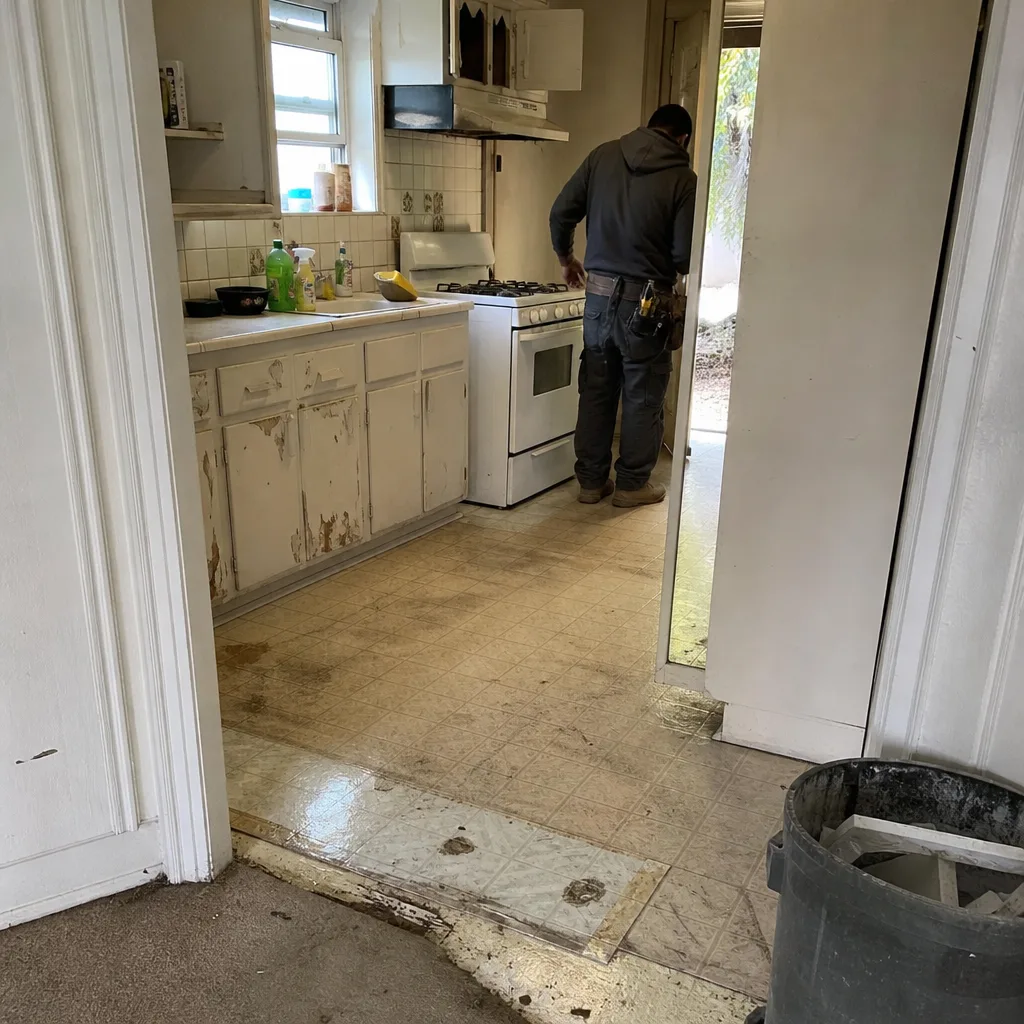 Before
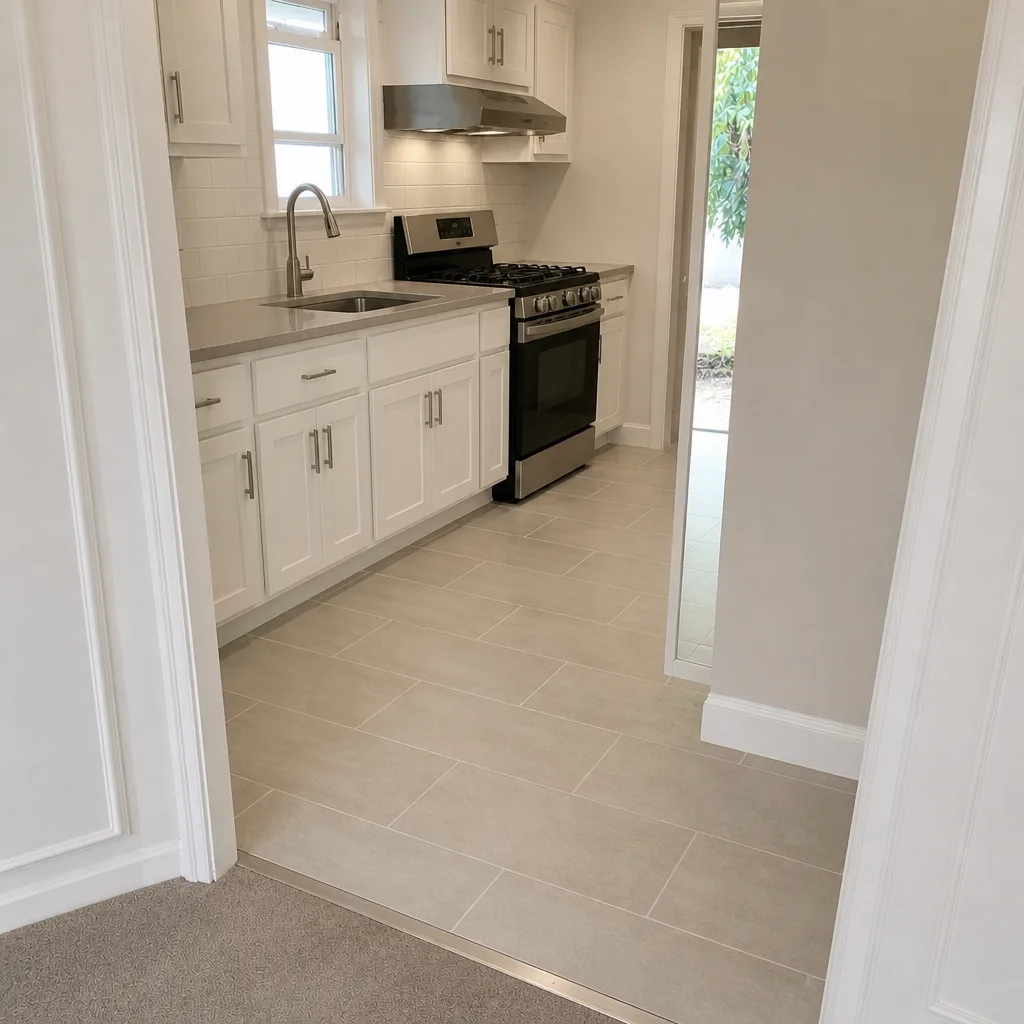 After
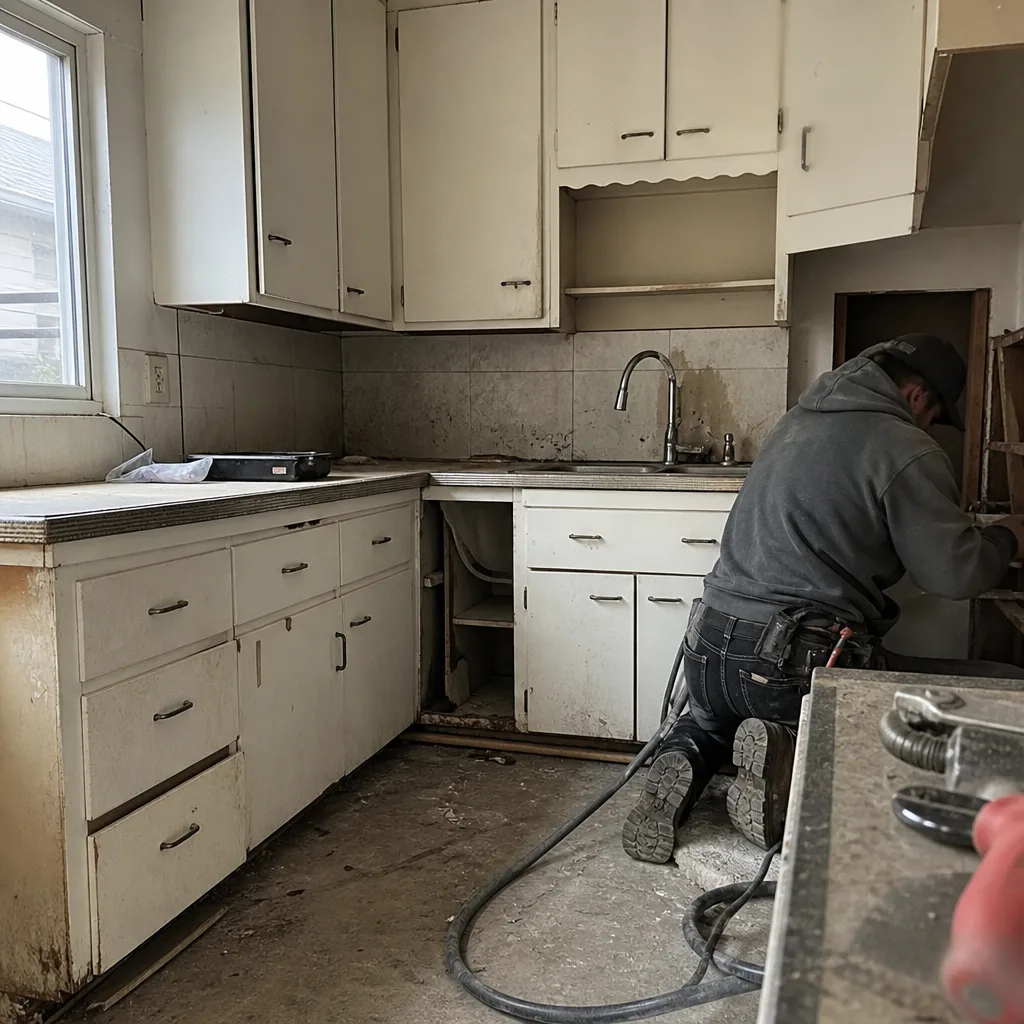 Before
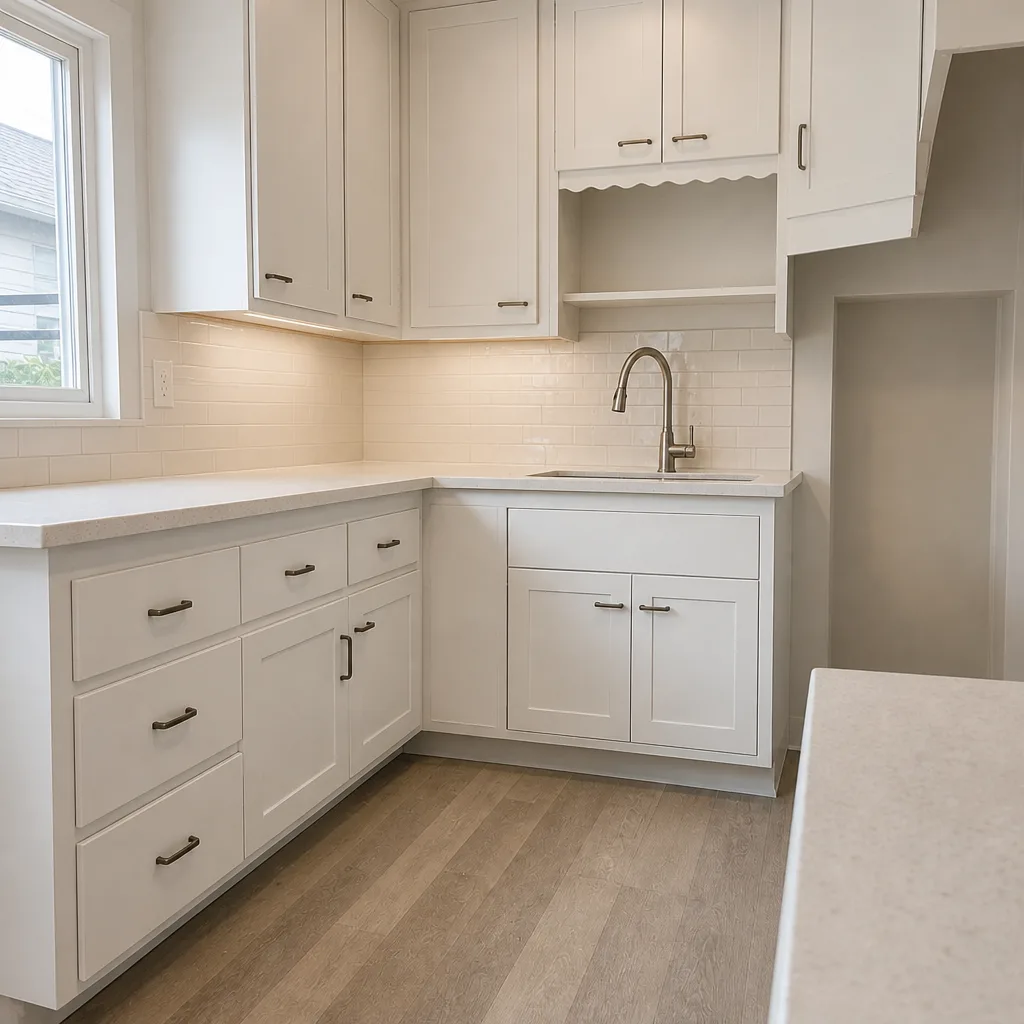 After
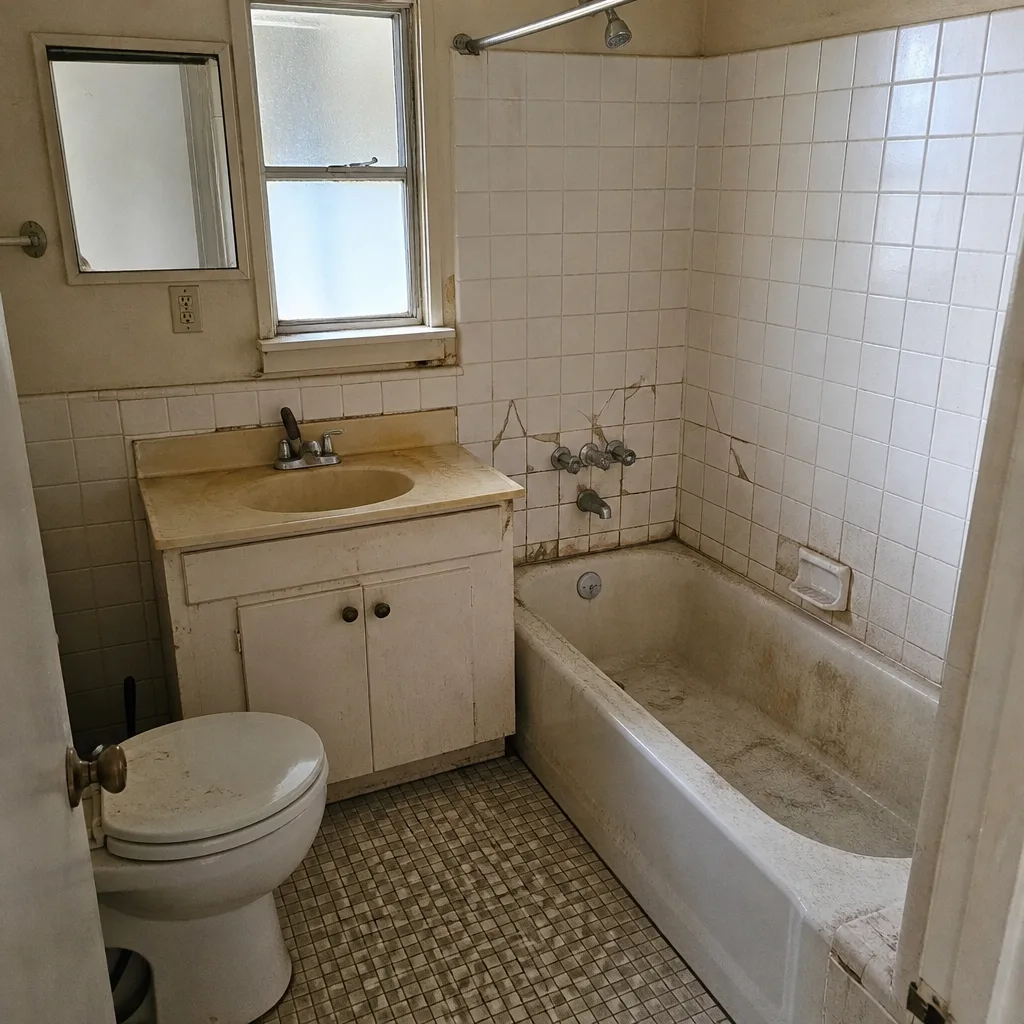 Before
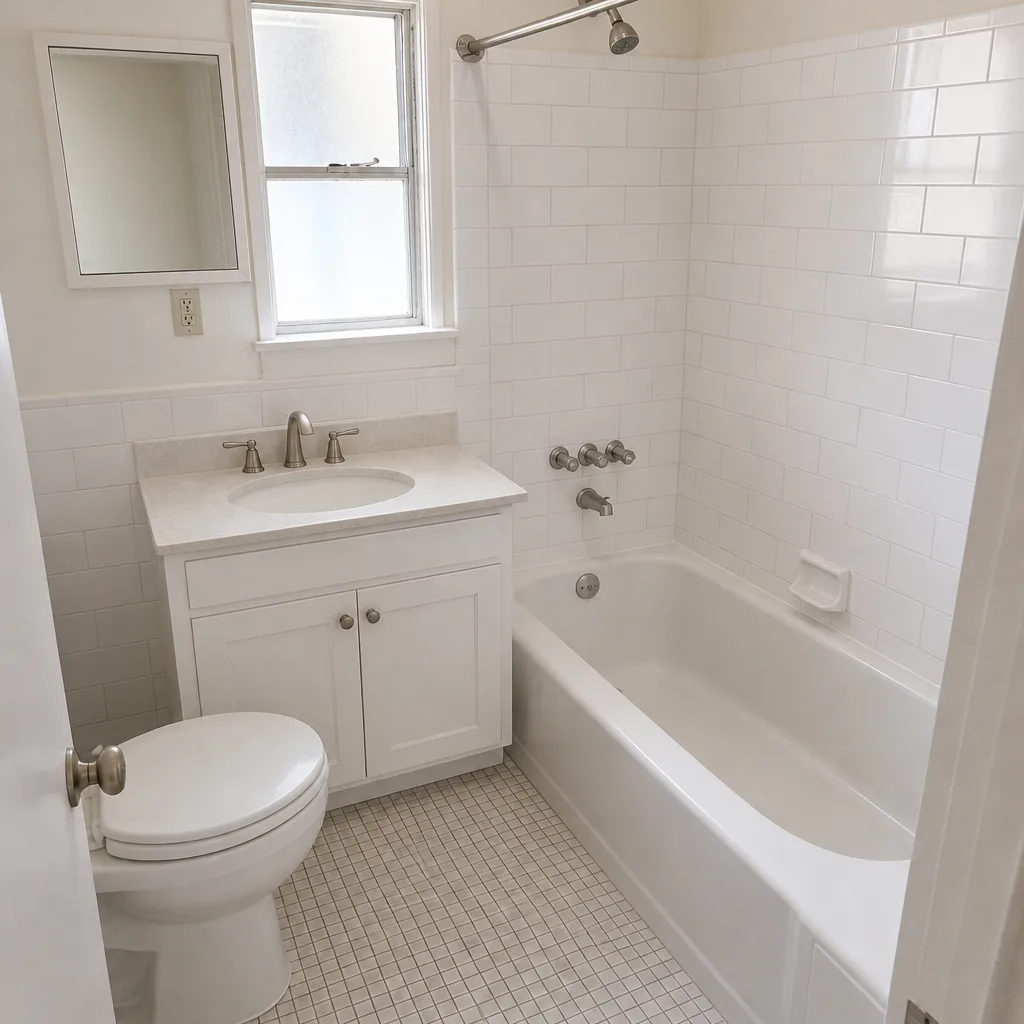 After
When to Call a Professional
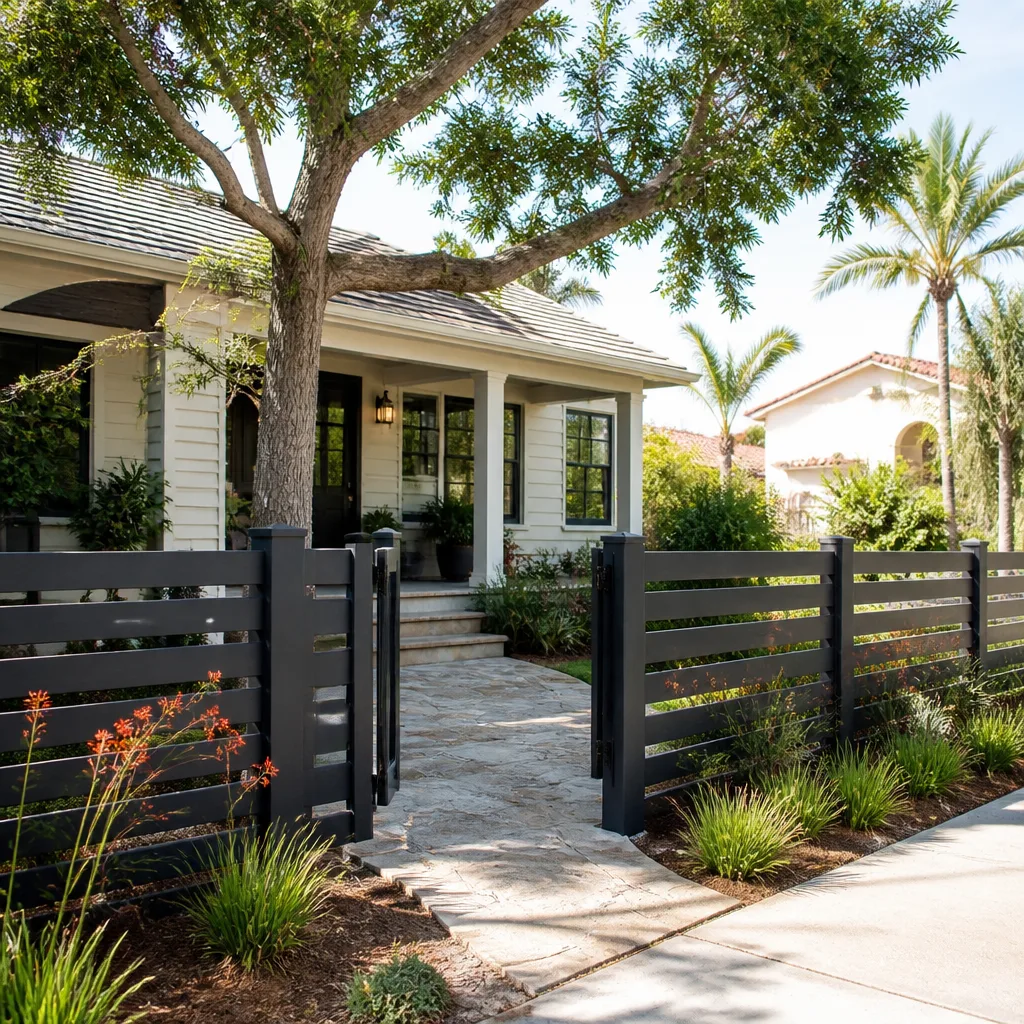
Some fence work you can absolutely do yourself: the spray test, the vegetation cutback, the annual inspection walk, lubricating gate hinges. Other situations call for a trained eye. Call a professional when you find rot in multiple posts on one run, when a gate has moved enough that it no longer latches or drags, when a post has pulled loose and you’re not sure if the footing has failed, when storm damage has taken out a span, or when you’re weighing whether to keep maintaining a fence that’s already past its serviceable life. Structural repair and replacement work involves digging footings, setting posts in concrete, and getting spacing and anchoring right so the fence doesn’t fail at the next storm.
Groundwork Construction Co. of Berkeley offers free estimates in Berkeley. Our technicians have up to 12 years of experience, and every project is backed by our 730-Day Done Right Promise – if it’s not done right, we make it right. Call (855) 471-4163 to schedule your free estimate.
Frequently Asked Questions
Once a year is the working rule in Berkeley, with a top-up check in September and a full clean-and-treat in late May or June. Penetrating sealers usually last 12-18 months here, so the annual spray test tells you whether you actually need to reapply or can wait. If the wood beads water, you’re fine for now; if it absorbs, it’s time.
No. Foggy mornings mean the wood surface is damp even when the air is warm, and sealing over damp wood traps moisture and causes the rot you were trying to prevent. Wait for two or three consecutive dry, warm days and check that the wood feels dry to the touch before you apply.
January, right after the heaviest rains, is the best time to do the first post-storm inspection. The soil is wet and soft, which makes it easier to probe post bases and feel for early rot, and any footing that moved during the winter is still visible. Do a follow-up base check in February or March.
Clear the soil and mulch away, then push a thin screwdriver into the post about an inch above the soil line. Firm resistance means the wood is sound. If the screwdriver sinks in easily or the wood feels spongy, rot has started. Then push the post gently – any wobble beyond a slight flex suggests the footing may have failed.
Yes. Ivy grips the wood directly with aerial roots and keeps the fence behind it permanently damp, while jasmine and bougainvillea work into the rails and add weight to the fasteners. Keep climbing plants at least 6 inches back from the fence and cut them back in April, July, and September in Berkeley’s growing climate.
Yes. Groundwork Construction Co. of Berkeley handles fence installation, repair, and replacement, along with the hardscape and additions that surround it. Every project is backed by our 730-Day Done Right Promise, and calls are answered by a live person 24/7. Call (855) 471-4163 for a free estimate.
The Bottom Line
The difference between a Berkeley fence that lasts a decade and one that lasts more than two is almost entirely timing. Inspect in January after the storms, probe post bases in February, cut back ivy by April, and treat in the dry window of May-June or September-October – never on a foggy morning, and never without testing whether the old sealant is still working. Check hardware every five years. Match the calendar to Berkeley’s wet/dry cycle instead of a generic four-season template and the fence will return the favor. When rot gets ahead of maintenance or a gate has shifted, call (855) 471-4163 for a free estimate – our technicians have up to 12 years of experience and every job is covered by the 730-Day Done Right Promise.
For related projects around the property, from new pavers to fence replacement, see our Home Additions & ADU in Berkeley page and the other services we offer across Berkeley.
Written by the team at Groundwork Construction Co. of Berkeley.