
Last updated November 18, 2026







Free written scope consultation - allowances, timeline, and change-order rules on paper before a single trade is scheduled
Bathroom Remodeling Maintenance Schedule: What to Do and When
Most bathroom grout failures, caulk failures, and fan motor burnouts aren’t random. They follow predictable timelines, and almost nobody tells homeowners about them at project closeout. The brand-new bathroom you walked into on handover day has a clock running on every seam, every seal, every moving part. Skip the first 30-day check and a hairline gap in the shower corner becomes a soft spot in the subfloor two winters later. This guide lays out a real month-by-month, year-by-year maintenance rhythm built around how bathrooms in Berkeley actually age – our marine air, our older housing stock, our wet winters. You’ll get the exact tasks, the timing, and the warranty traps that catch people who treat a remodel like a finished product instead of a machine that needs tuning.
Quick Answer
A bathroom remodel needs a 30-day sealant and caulk inspection, a 6-month deep check of grout, ventilation, and fixtures, and an annual full audit of waterproofing, fan performance, and shutoff valves. In Berkeley’s marine-influenced climate, plan on re-caulking wet-area seams every 2 to 3 years and sealing natural stone annually, because constant humidity degrades sealant faster here than in inland California.
Styles & brands we work with
- Kitchen remodeling
- Bathroom remodeling
- Home additions & ADU
- Roofing
- Windows & doors
- Driveway & pavers
- Fence
Table of Contents
- Why a Bathroom Remodel Needs a Maintenance Schedule at All
- The First 30 Days: What to Check After Move-In
- The 6-Month Deep Check
- After the First Full Rainy Season: The Inspection That Reveals Hidden Gaps
- The Annual Bathroom Audit: A Numbered Walkthrough
- Material Lifespans and How Berkeley’s Climate Shifts Them
- Maintenance Tasks That Void Manufacturer Warranties If Skipped
- How the 730-Day Done Right Promise Works With Your Maintenance
Why a Bathroom Remodel Needs a Maintenance Schedule at All
A bathroom is the hardest-working room in the house. It cycles through extreme moisture swings multiple times a day – a hot shower pushes relative humidity past 90%, then a fan and an open window pull it back down within the hour. That expansion and contraction moves every joint in the room, and every joint is a potential entry point for water. The materials we install are engineered for this, but the sealants and gaskets that protect them are consumables. They wear out on a schedule whether you notice or not.
Here in Berkeley, that schedule runs faster than most of the state. Our marine air keeps ambient humidity higher year-round, and the fog that rolls through the flats in summer means a bathroom that never fully dries between showers unless ventilation is doing its job. Homes near the Berkeley Marina and along the waterfront see this most clearly, but the effect reaches up into the hills too, especially in older homes with original single-pane windows that condense moisture on cool mornings.
In our experience, the bathrooms that hold up for 25 years aren’t the ones with the most expensive tile. They’re the ones where somebody re-caulked the shower before it failed and cleaned the fan grille twice a year. Maintenance is cheaper than repair, every time. A $40 tube of sealant and an afternoon beats a $4,000 subfloor and tile rebuild. That’s the whole case for a schedule, and it’s why we hand new clients a written one at closeout instead of a handshake.
- Caulk and sealant are consumables – they degrade and must be renewed on a timetable.
- Humidity drives the pace – coastal Berkeley runs faster than inland climates.
- Small checks prevent big failures – a soft grout line is a warning, not a cosmetic issue.
- Records protect your warranty – documented maintenance keeps coverage intact.
The First 30 Days: What to Check After Move-In
The month after move-in is when a new bathroom reveals its quirks. Materials settle, sealants cure and shrink slightly, and fixtures that ran perfectly on day one can loosen with daily use. This is also the window where the 730-Day Done Right Promise matters most – if something installed isn’t right, we make it right, and the earlier you flag it, the simpler the fix. Here’s what to inspect in that first month.
- Walk every caulk line in the wet zone. Press a fingernail into the caulk at the shower corners, the tub-to-wall seam, and the base of the glass panels. Fresh caulk should feel firm and slightly rubbery. If it pulls away or feels tacky, note it.
- Check grout for pinholes and shrinkage. Cured grout can pull back from tile edges as it dries. Run your hand along the shower floor and look for tiny cracks at the drain flange and corners – those are the highest-stress spots.
- Test the exhaust fan with a tissue. Hold a square of toilet paper up to the grille while the fan runs. It should pull tight and hold. A weak grip means the fan or ductwork needs attention now, not later.
- Look under the sinks. Check the supply lines, the P-trap connections, and the shutoff valves for any weeping or mineral crust. A drop on a fitting after 30 days is a loose connection, not a mystery.
- Open and close everything. Drawers, doors, the shower door track, the toilet seat hinges. Settling shows up as a rub or a wobble, and it’s easy to adjust in month one.
- Confirm the floor drain or linear drain slope. Pour a quart of water across the shower floor and watch where it pools. Water should head to the drain without a lingering puddle.
Take photos of anything that looks off, with a date. If you bought through us, send them our way. A documented first-month walkthrough is the cleanest way to start the relationship, and it’s how the strongest warranties stay strong.
The 6-Month Deep Check
Six months in, your bathroom has been through a full seasonal swing. That’s enough time for real wear patterns to show. This check takes about an hour and catches the slow leaks and quiet failures that a quick glance misses. In Berkeley, the six-month mark often lands after a wet stretch, which makes it a good time to look for moisture problems.
- Re-inspect all caulk and sealant joints. Look for cracking, discoloration, or separation from the tile. Any caulk that peels back at a corner needs replacing – water gets behind a lifted edge fast.
- Clean and inspect the exhaust fan. Pull the grille, vacuum the dust off the blades, and check the motor for wobble. Dust buildup cuts airflow, and reduced airflow is the number one cause of fan burnout.
- Test the GFCI outlets. Press the test button on every outlet in the bathroom, then reset it. If it won’t reset, the circuit needs a licensed electrician. Leave panel work alone.
- Check the toilet base and supply line. Press gently on the toilet tank and watch for rocking. A rocking toilet compresses the wax ring and can leak into the floor. Inspect the supply line for stiffness or cracking.
- Reseal natural stone if you have it. Marble, limestone, and travertine in a shower need re-sealing every 6 to 12 months. Test with a water droplet – if it soaks in within a few minutes instead of beading, it’s time.
- Look at the shower door and track. Clear the drain holes in the track, check the seals, and tighten any loose hardware on frameless glass.
If your remodel included a bathroom addition or a full structural change, this is also a good moment to glance at anything connected – a new exterior wall, a window, a vent through the roofline. Our Home Additions & ADU in Berkeley page covers how we build tie-ins for long-term water performance, and the same inspection logic applies here.
After the First Full Rainy Season: The Inspection That Reveals Hidden Gaps
This is the inspection most homeowners never do, and it’s the one that matters most in Berkeley. Our rainy season runs roughly November through March, and it’s an unforgiving test of every penetration, vent, and exterior wall the bathroom touches. Cold air outside, warm moist air inside, and a fan working hard – three months of that finds the weak spots.
Wait for the first dry stretch after the rain, then do this walkthrough. Work from the outside in.
- Look at the exterior wall from outside. If the bathroom shares an exterior wall, check for staining, cracked paint, or bubbling near the window and any vent penetration. Water that gets past siding shows up on the outside first.
- Check the window and its flashing. Run a finger along the interior windowsill for moisture. Condensation is normal on cold mornings; actual wetness, staining, or a musty smell is not. Test the window thoroughly.
- Inspect the ceiling and upper walls for water stains. A vent that’s not properly sealed at the roofline is a common culprit in older Berkeley homes. Any ring or discoloration on the ceiling above the shower needs an investigation.
- Smell for mustiness when you first walk in. The nose is a surprisingly good tool. A persistent damp smell after rain often points to a ventilation shortfall – the fan isn’t clearing moisture, or a duct is disconnected in the attic.
- Re-check the caulk and grout after the wet season. Joints stressed by three months of humidity will show their first real cracks now. This is the ideal time to do your first full re-caulk if needed.
If you find evidence of moisture intrusion, don’t wait on it – Berkeley’s rainy season doesn’t give freebies. Call us at (855) 471-4163 and we’ll take a look with a free estimate.
The Annual Bathroom Audit: A Numbered Walkthrough
Once a year, ideally in early fall before the rain returns, do a full audit. This is the deep pass that keeps the whole room healthy and protects your warranty. Block out a couple of hours and work through these steps in order.
- Inspect the waterproofing. Look at every seam in the shower – where tile meets the floor, where walls meet, the shower niche, the curb. Any missing, cracked, or discolored caulk gets replaced. This is the core of the whole schedule.
- Examine the grout across the entire bathroom. Check floor grout, wall grout, and especially the shower floor. Re-grout any area with cracks, voids, or crumbly texture. Sealing grout after cleaning slows future staining.
- Service the exhaust fan. Pull the grille, clean the blades and housing, and listen for bearing noise. A fan that rattles, hums, or loses suction is a candidate for replacement. A new fan is cheap compared to a mold remediation.
- Test every fixture. Run the shower, the sinks, and the tub. Watch the drains for slow flow and the connections for drips. Test the toilet for rocking and check the flapper for a slow leak by adding a few drops of food coloring to the tank.
- Check the shutoff valves and supply lines. Turn each shutoff valve off and back on to keep it from seizing. Inspect the braided supply lines for fraying or stiffness. Replace any that look tired.
- Inspect the tile and stone surfaces. Look for loose tiles, tapping lightly for hollow sounds. Re-seal natural stone. For porcelain and ceramic, check the grout lines for wear.
- Check for mold and mildew in the corners and behind the door. Wipe down any spots with an appropriate cleaner. Persistent mold points to a ventilation problem, not a cleaning problem.
- Log everything. Write down what you checked, what you fixed, and what needs a follow-up. A simple dated log is powerful if a warranty claim ever comes up.
Material Lifespans and How Berkeley’s Climate Shifts Them
Material lifespans are published as national averages. Berkeley isn’t an average. Our moderate temperatures are kind to some materials and our humidity is hard on others, and knowing which is which tells you where to spend your maintenance attention. Here’s how the common bathroom materials actually age here.
- Caulk and sealant: 2 to 5 years nationally. In Berkeley’s wet zones, expect 2 to 3 years before re-caulking. The marine air and daily shower cycles push it toward the short end.
- Grout: 8 to 15 years with proper sealing. Unsealed grout in a humid bathroom stains and cracks faster – plan to seal annually.
- Porcelain and ceramic tile: 20 to 50 years. Near-permanent, but the grout and caulk around it are the weak points that need attention.
- Natural stone (marble, travertine, limestone): decades with annual sealing, but Berkeley humidity makes re-sealing a non-negotiable every 12 months.
- Exhaust fan motor: 10 to 15 years with regular cleaning, shorter if it runs constantly or is undersized for the room.
- Toilet flappers and wax rings: 5 to 10 years for flappers, 10 to 20 for wax rings. Both are inexpensive and worth checking annually.
- Shower glass and hardware: 15 to 20 years for the glass itself, but seals and hardware need checking every 6 months.
None of these numbers is fixed. A bathroom in a mid-century home in the Elmwood or North Berkeley with original ventilation will run faster than one in a newer build in West Berkeley. Use these as the baseline and adjust based on what you actually see during your inspections.
Maintenance Tasks That Void Manufacturer Warranties If Skipped
Here’s the part that surprises people. Several material warranties have maintenance conditions baked in, and skipping them can void coverage – even if a product fails. Knowing which products carry those conditions is how you keep your protection intact.
- Natural stone sealers. Most stone manufacturers require periodic sealing and immediate cleanup of acidic spills. If you never seal, a stain or etch claim may be denied. Keep a dated record of when you sealed.
- Waterproofing membranes. The liquid-applied or sheet membranes behind your tile have strict requirements – no punctures, proper drainage, and correct cleaning products. Harsh chemical drain cleaners can damage membranes and tile grout, voiding coverage.
- Exhaust fans. Many fan warranties require that the unit be installed to code and not be overrun with dust and lint. A fan that never gets cleaned and burns out is a common claim denial.
- Grouts and sealants. Some products require resealing on a documented schedule. Missing it can void the stain warranty. Read the manufacturer’s care sheet – it’s usually a page long and tells you exactly what’s required.
- Fixtures and faucets. Most have finish and function warranties that hold unless you use abrasive cleaners or install a water softener improperly. Stick to the manufacturer’s recommended cleaners.
- Kohler and similar premium fixtures. Brands like Kohler back their products well, but only if the finish is cared for as directed. Skip the harsh scrub pads and the warranty stays valid.
Here’s the practical move: keep a simple maintenance log with dates and a photo or two of each task. If a warranty question ever comes up, you have proof of care. That log also makes any future sale of the home that much smoother.
How the 730-Day Done Right Promise Works With Your Maintenance
Our 730-Day Done Right Promise says that if the workmanship isn’t right, we make it right, for 730 days after your project wraps. That’s one of the longer workmanship guarantees in the residential construction space, and it’s a written commitment, not a marketing line. But it works best when it’s paired with your side of the maintenance rhythm – the checks and re-caulking that keep a bathroom healthy.
Think of it this way. The promise covers how we built it: the tile, the waterproofing, the plumbing connections, the fan install. It doesn’t cover wear and tear on consumables – caulk that’s dried out from three years of showers, a fan that seized after years without a cleaning. Those are the things a maintenance schedule handles, and doing them keeps the line clear between a workmanship issue and ordinary upkeep. If you find something in the first two years that looks like the first kind, we want to hear about it. A written log helps everyone look at the same set of facts.
That’s also why we hand clients a written schedule at closeout. The full-scope approach we take across the home – the same one that carries through to Driveway & Pavers in Berkeley and Fence Installation in Berkeley – is that a job done right includes a plan for keeping it right. And on the material side, the same discipline shows up with partners like Belgard, whose outdoor products carry their own care expectations. High-quality materials and high-quality maintenance go together. Built to last, backed in writing, and kept that way by the people who own the room.
You can learn more about how we approach the whole home at the Groundwork Construction Co. of Berkeley home, and see how we handle large-scale work before you plan your next project.
Common Mistakes to Avoid
- Treating the bathroom as finished on move-in day. The schedule starts in month one, not year five. Waiting to inspect caulk until something looks wrong means you’ve already missed the early warning.
- Using harsh chemical drain cleaners. They can damage tile grout and waterproofing membranes. In a bathroom with a newer membrane-based shower, a drain clog is a job for a plumber or a drain snake, not a bottle of chemicals.
- Ignoring the exhaust fan. A dust-clogged fan is a broken fan. In Berkeley’s humidity, a fan that isn’t clearing moisture is the leading cause of mold problems, and it’s a fix that costs less than forty dollars and takes ten minutes.
- Sealing over dirty or wet surfaces. Sealant won’t bond to a wet or soapy seam, and it’ll fail within months. Clean, dry, and give it time before you seal – every time.
- Skipping the fall audit. Berkeley’s rainy season is a stress test. Doing the annual audit before the rain – not in spring – catches issues before the season punishes them.
- Not keeping records. Manufacturer warranties and workmanship coverage both go smoother with a dated log of what you did and when. A digital folder with photos takes five minutes and pays off later.
- Hiring a handyman for electrical or waterproofing work. GFCI circuits, membrane installs, and vent-through-wall work are code-sensitive. Get a licensed pro – it’s cheaper than a repair and keeps the warranty clean.
See the difference
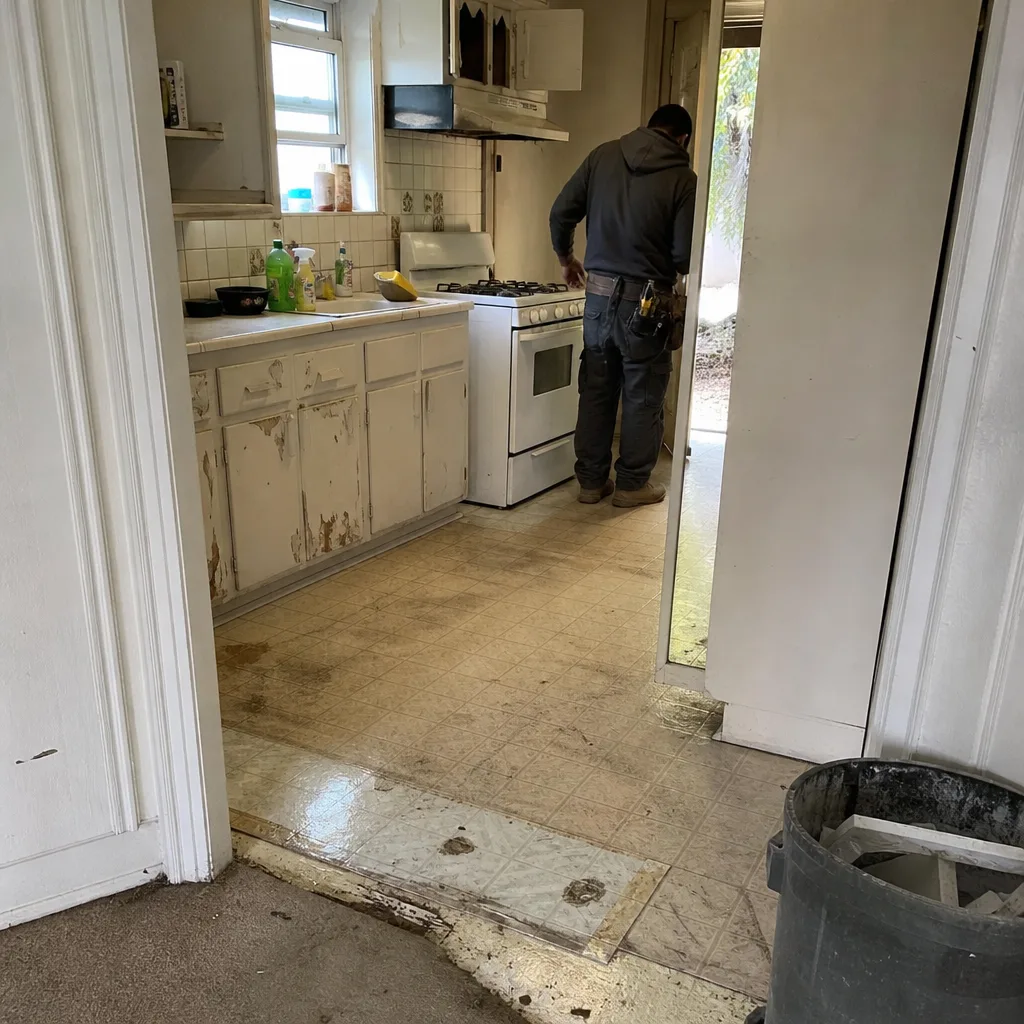 Before
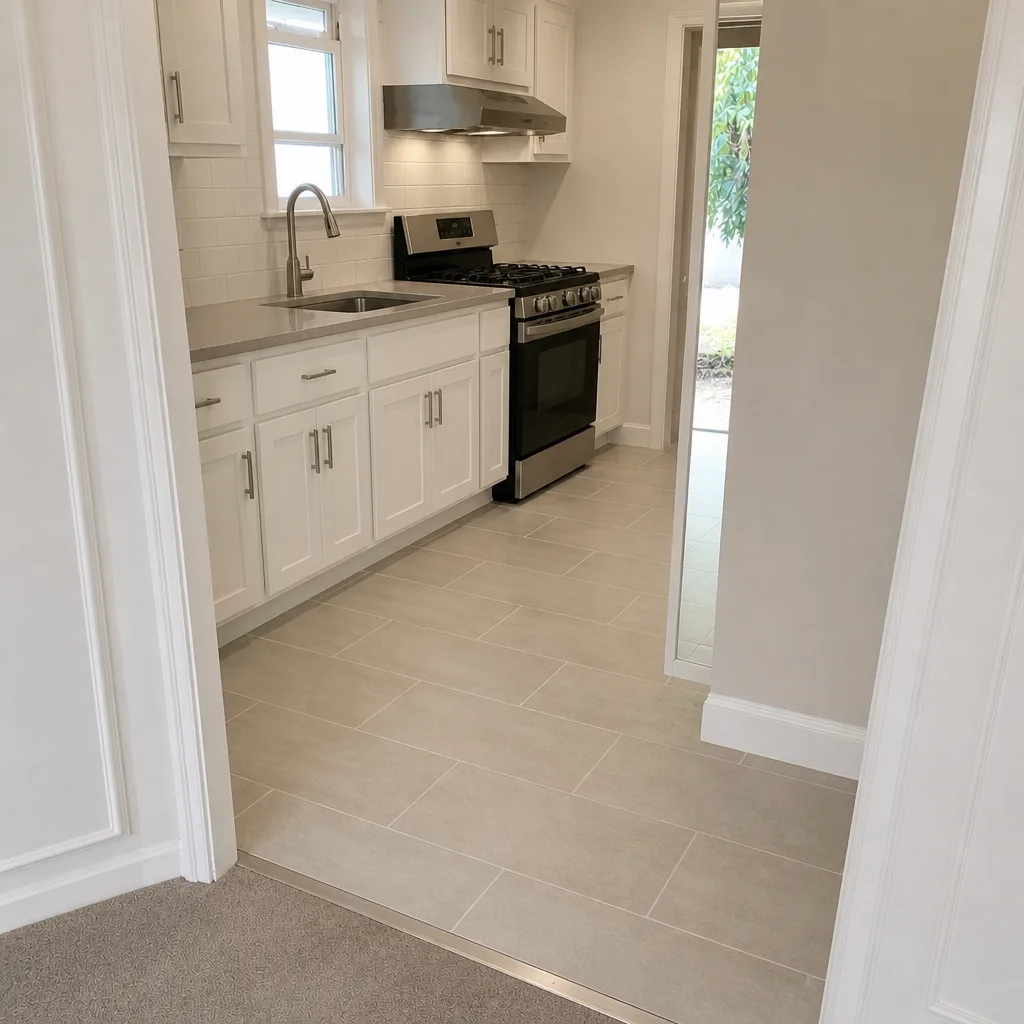 After
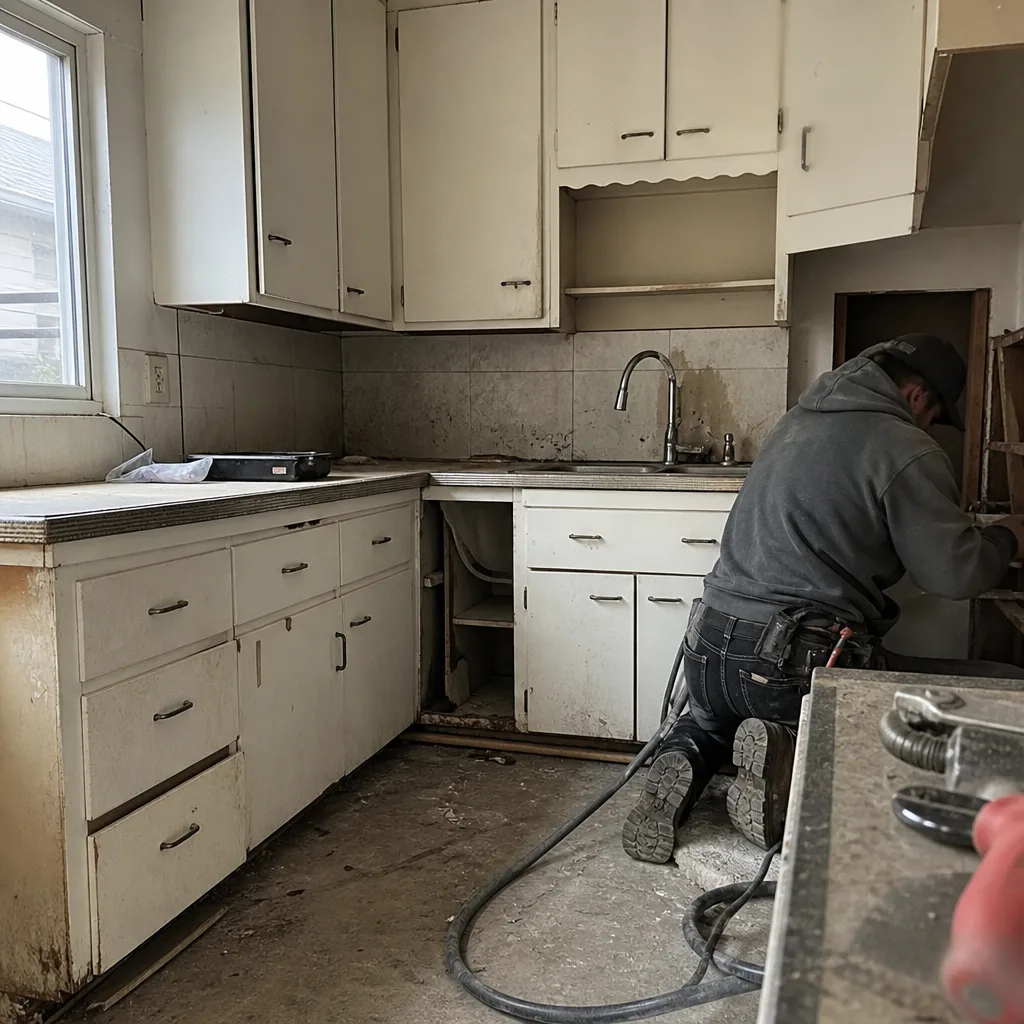 Before
 After
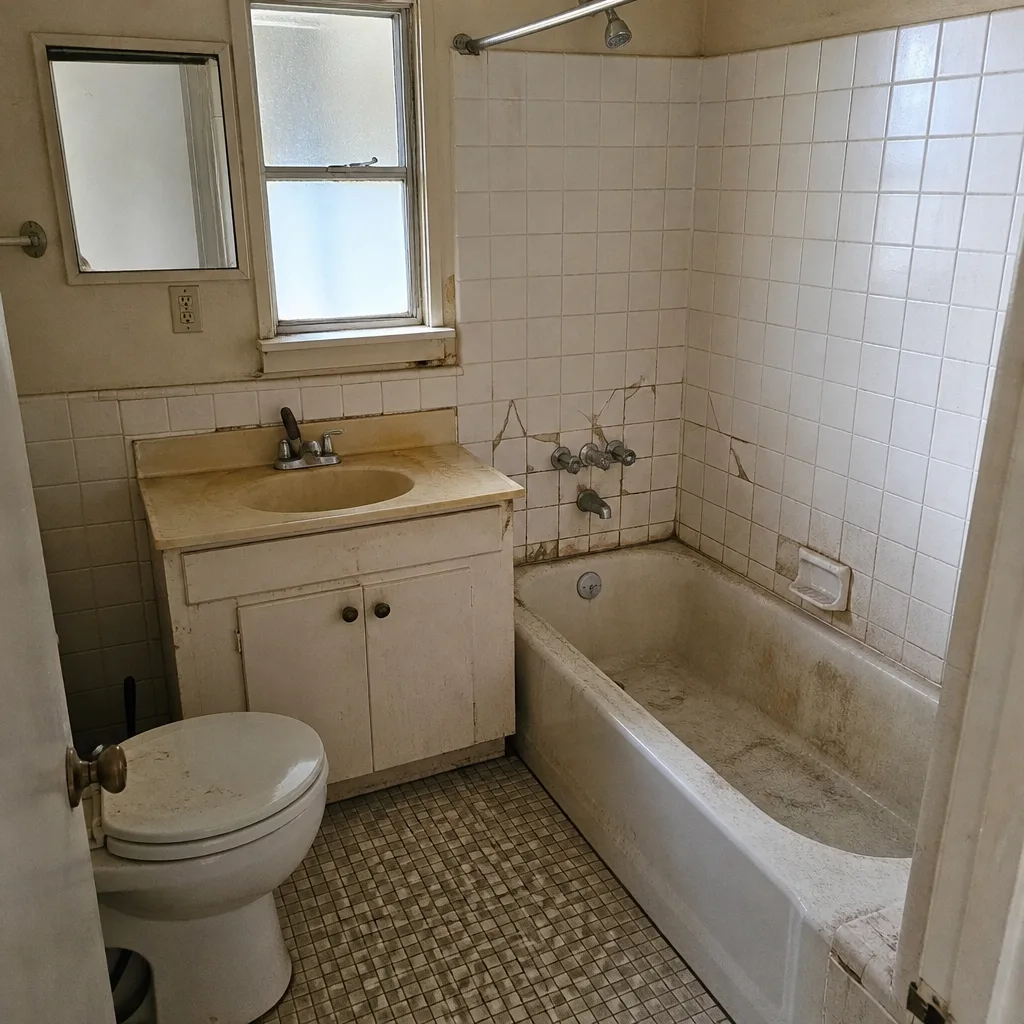 Before
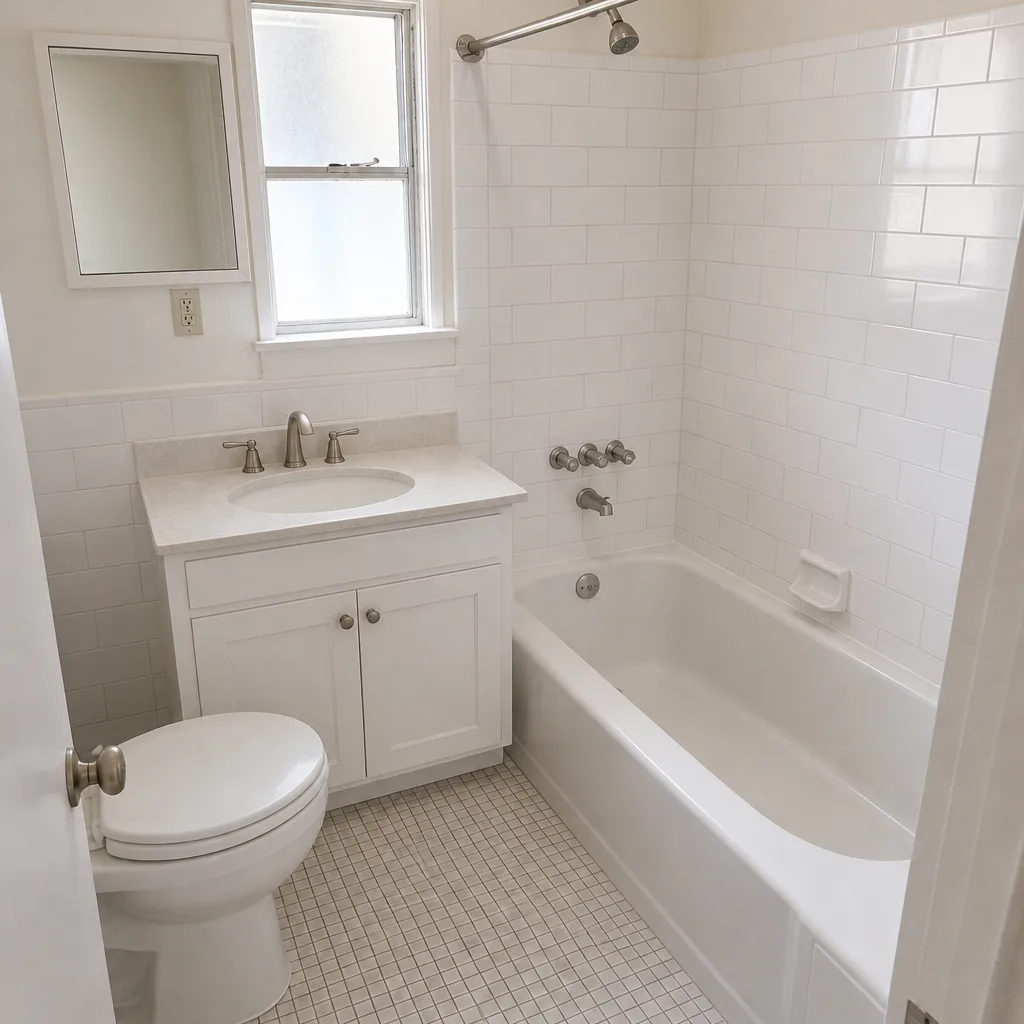 After
When to Call a Professional
Some maintenance tasks are yours. Others are jobs for a licensed professional, and a few are genuinely dangerous to attempt. Call a pro if you see water staining on a ceiling or exterior wall after rain, if a GFCI outlet won’t reset, if a toilet rocks or leaks around the base, if a shower pan holds water, or if you smell persistent damp after cleaning. Leave electrical panel work, gas lines, and major plumbing rough-ins to the licensed trades – those aren’t maintenance tasks, and getting them wrong is expensive and unsafe. If a shower pan or membrane needs rebuilding, that’s a tile and waterproofing job, not a DIY caulk-and-hope repair. Groundwork Construction Co. of Berkeley offers free estimates in Berkeley, and calls are answered by a live person 24/7 at (855) 471-4163. Our technicians bring up to 12 years of experience, and every project is covered by the 730-Day Done Right Promise.
Frequently Asked Questions

Every 2 to 3 years in wet areas for most Berkeley bathrooms, more often in high-use showers or homes near the water where humidity runs high. Inspect it every 6 months and replace any caulk that’s cracked, discolored, or lifting. Call (855) 471-4163 if you’d rather have a pro handle the re-caulk – estimates are free.
The caulk and grout joints in the wet zone, followed by the exhaust fan’s suction and the sink supply lines. Those are the three places where a small issue in month one becomes a big issue in year two. Do the check within 30 days of move-in.
Yes – clean the grille and blades every 6 months and check for wobble or loss of suction. Dust buildup is the top cause of fan burnout. If the fan rattles or can’t hold a tissue to its grille, it’s time for service or replacement.
Yes, if ventilation is weak. Berkeley’s marine climate keeps ambient humidity high, so a fan that’s undersized or clogged lets moisture linger on tile, grout, and paint. Good ventilation and regular re-caulking are the two biggest defenses.
It can, for certain products. Natural stone sealers, waterproofing membranes, exhaust fans, and some grouts all carry care requirements. Keep a dated log of maintenance and stick to manufacturer-recommended cleaners to keep coverage clean. Call us with questions – we’ll point you to the right care sheet.
Plan on 2 to 3 years for wet-zone caulk, 8 to 15 years for grout with annual sealing, 10 to 15 years for an exhaust fan with regular cleaning, and decades for porcelain tile. Humid coastal air pushes the consumables toward the shorter end of every range.
The Bottom Line
A bathroom remodel is a starting line, not a finish line. The room that holds up for 25 years is the one with a homeowner who re-caulks before the seal fails, cleans the fan twice a year, and does a full audit before each rainy season. Berkeley’s marine humidity sets the pace, and the materials do their part when you give them the maintenance they were designed for. That combination – a well-built bathroom plus a written schedule – is what keeps your investment intact, and it’s how the 730-Day Done Right Promise stays strong. Upfront pricing, no surprises, and a plan for the years ahead. That’s how we build.
Ready to plan your next bathroom, or want a pro to look at a maintenance issue? Call Groundwork Construction Co. of Berkeley at (855) 471-4163 for a free estimate. A live person answers 24/7, and $1,000 off projects over $10,000 plus 0% financing for 18 months is available when you plan your remodel.
Written by the team at Groundwork Construction Co. of Berkeley.