Free written scope consultation - allowances, timeline, and change-order rules on paper before a single trade is scheduled
Styles & brands we work with
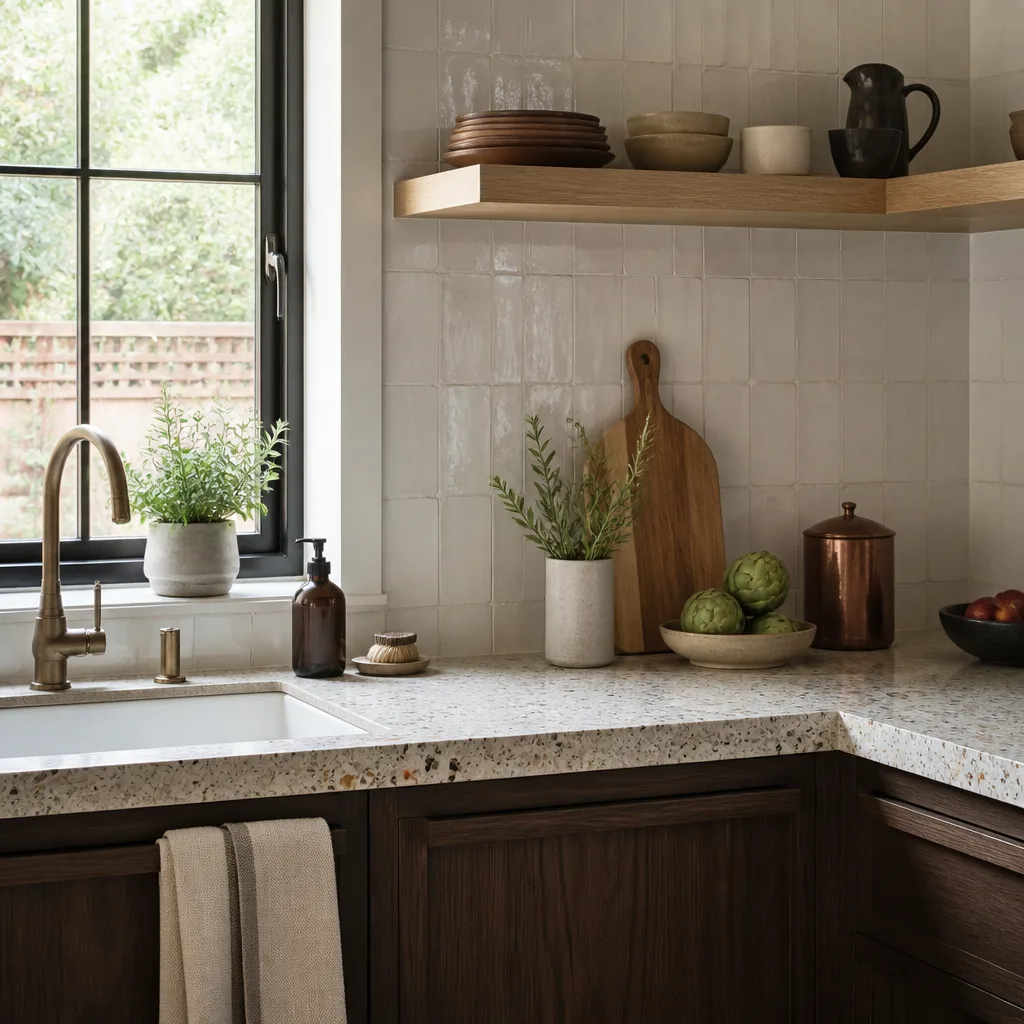
- Kitchen remodeling
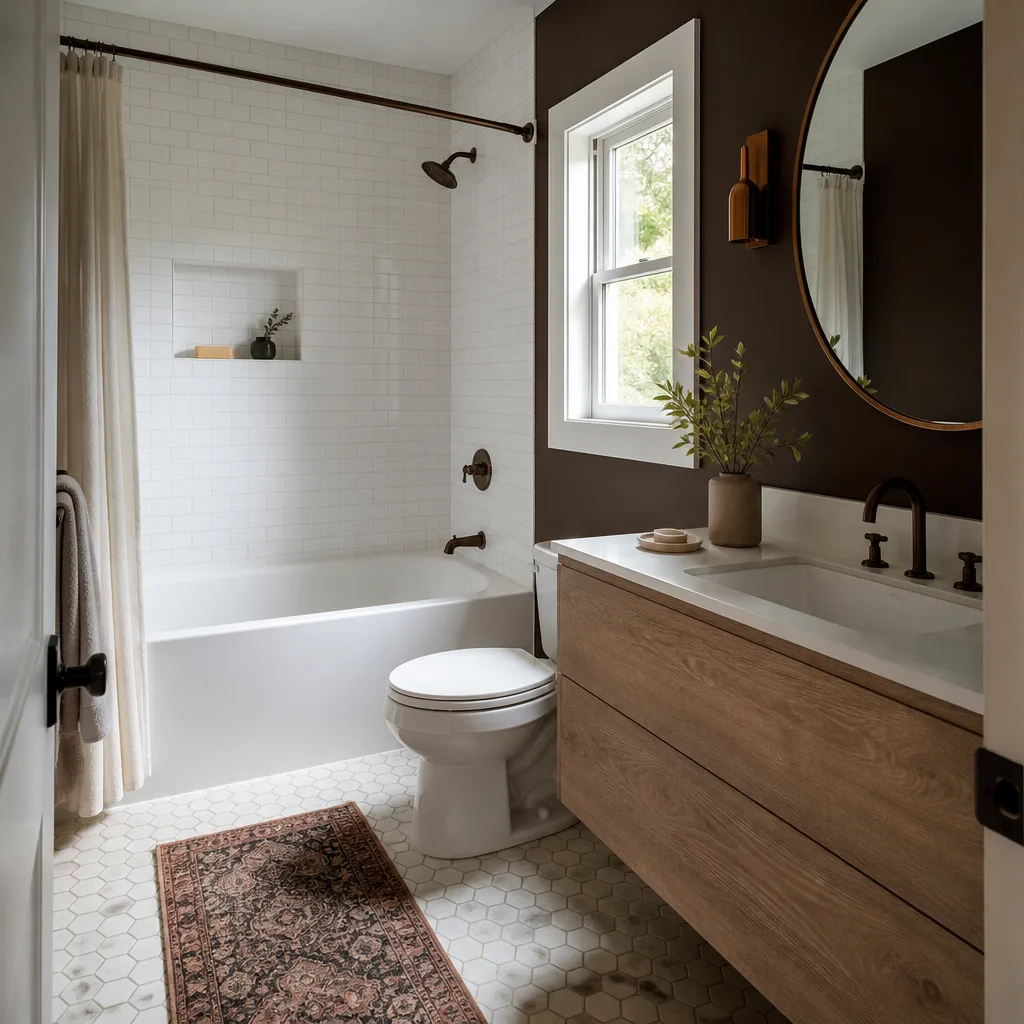
- Bathroom remodeling
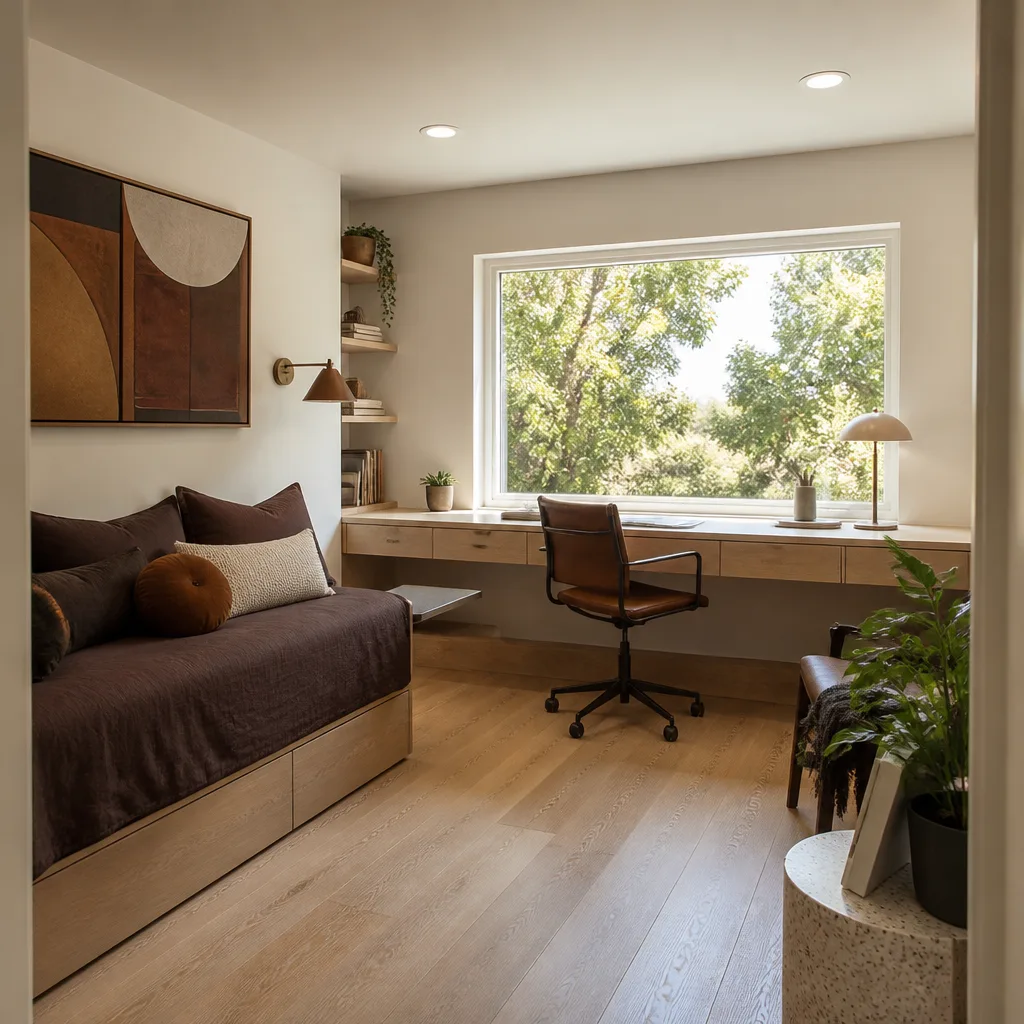
- Home additions & ADU
- Roofing
- Windows & doors
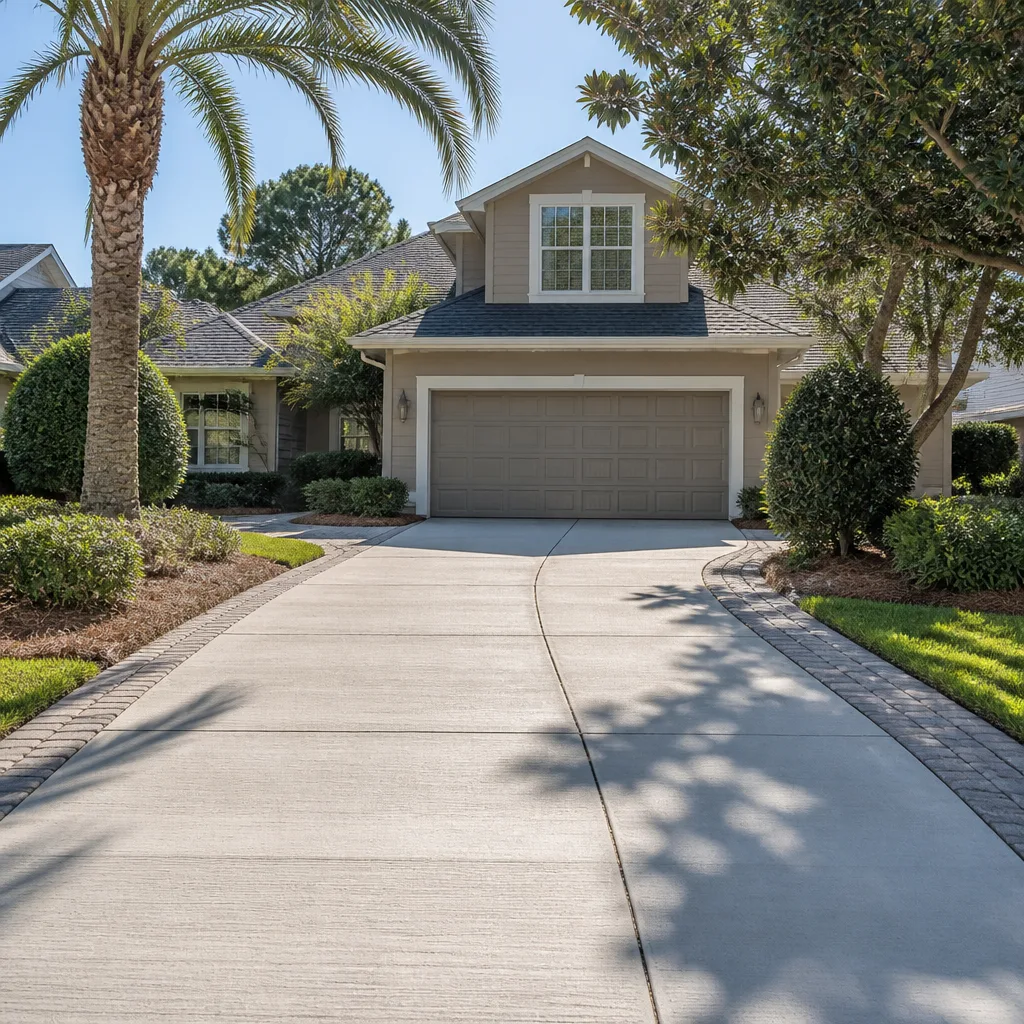
- Driveway & pavers
- Fence
See the difference
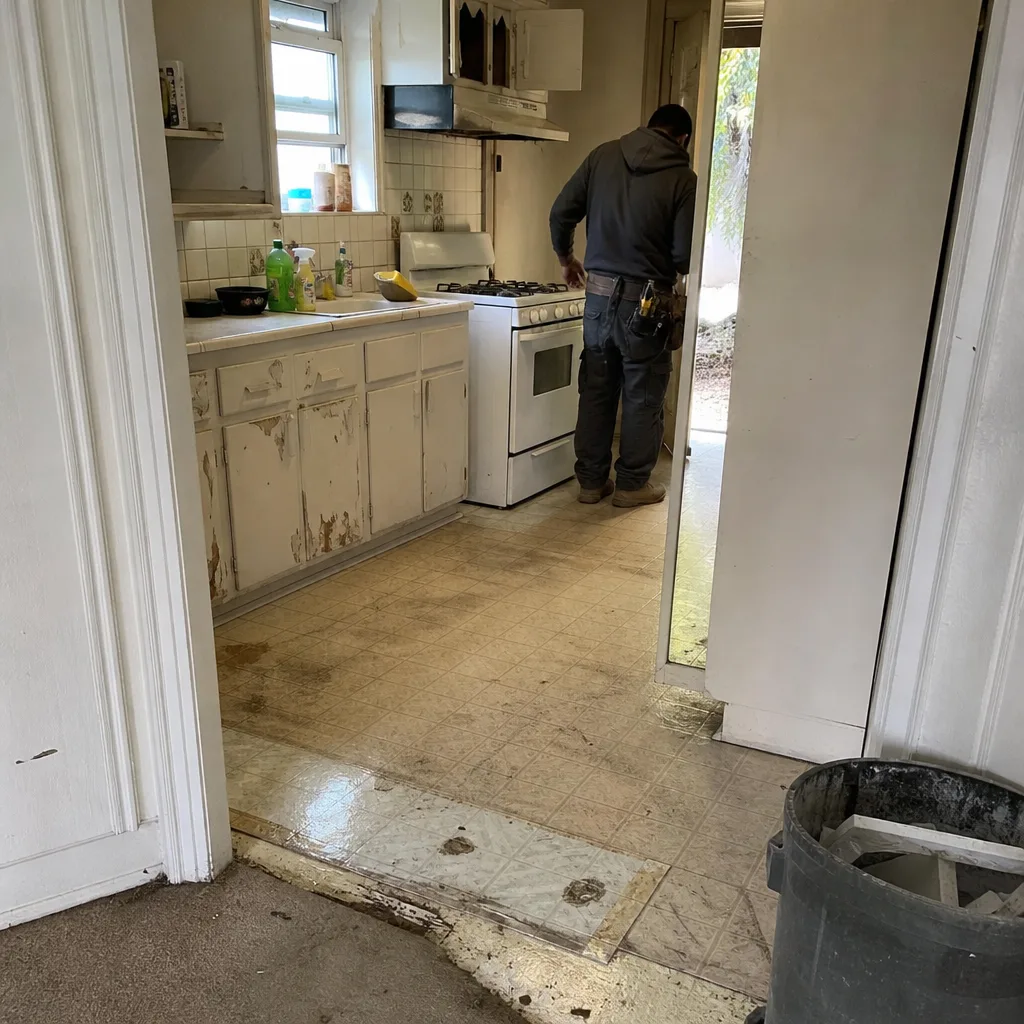 Before
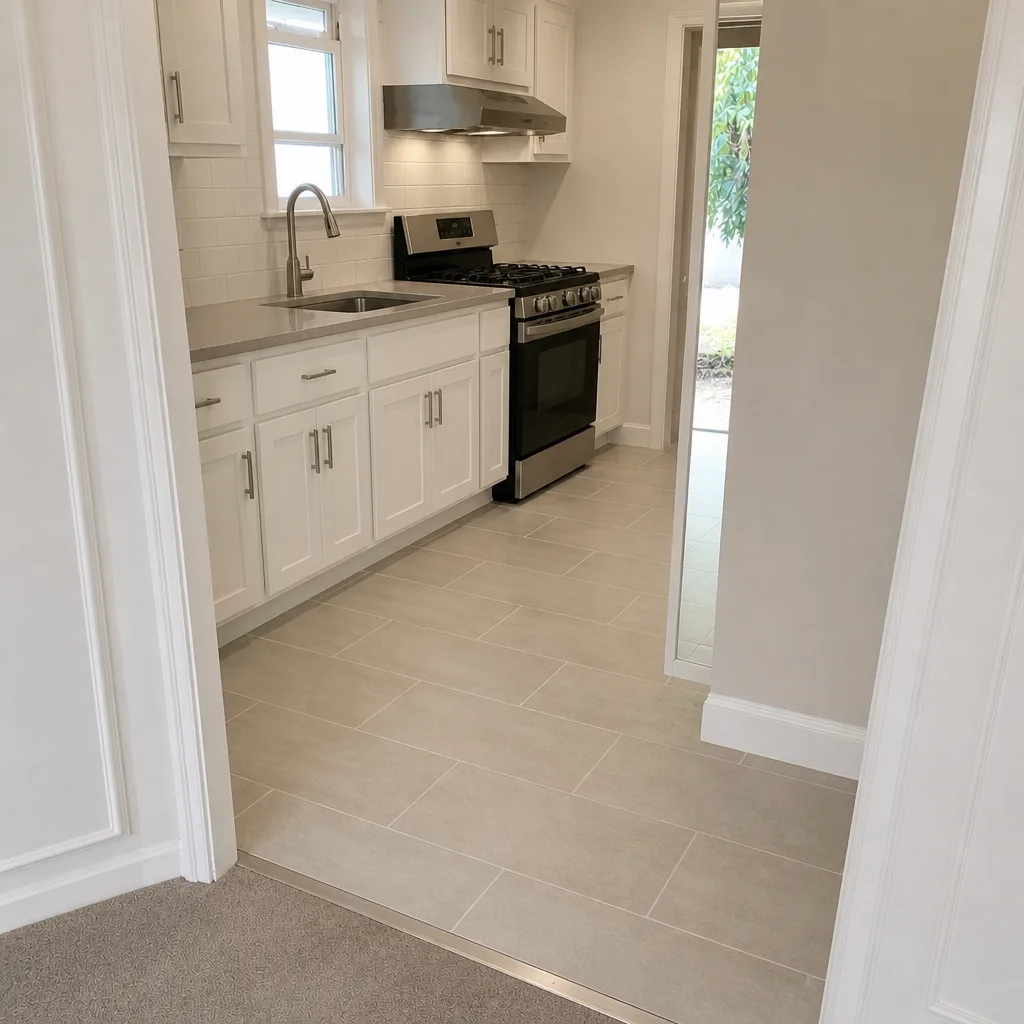 After
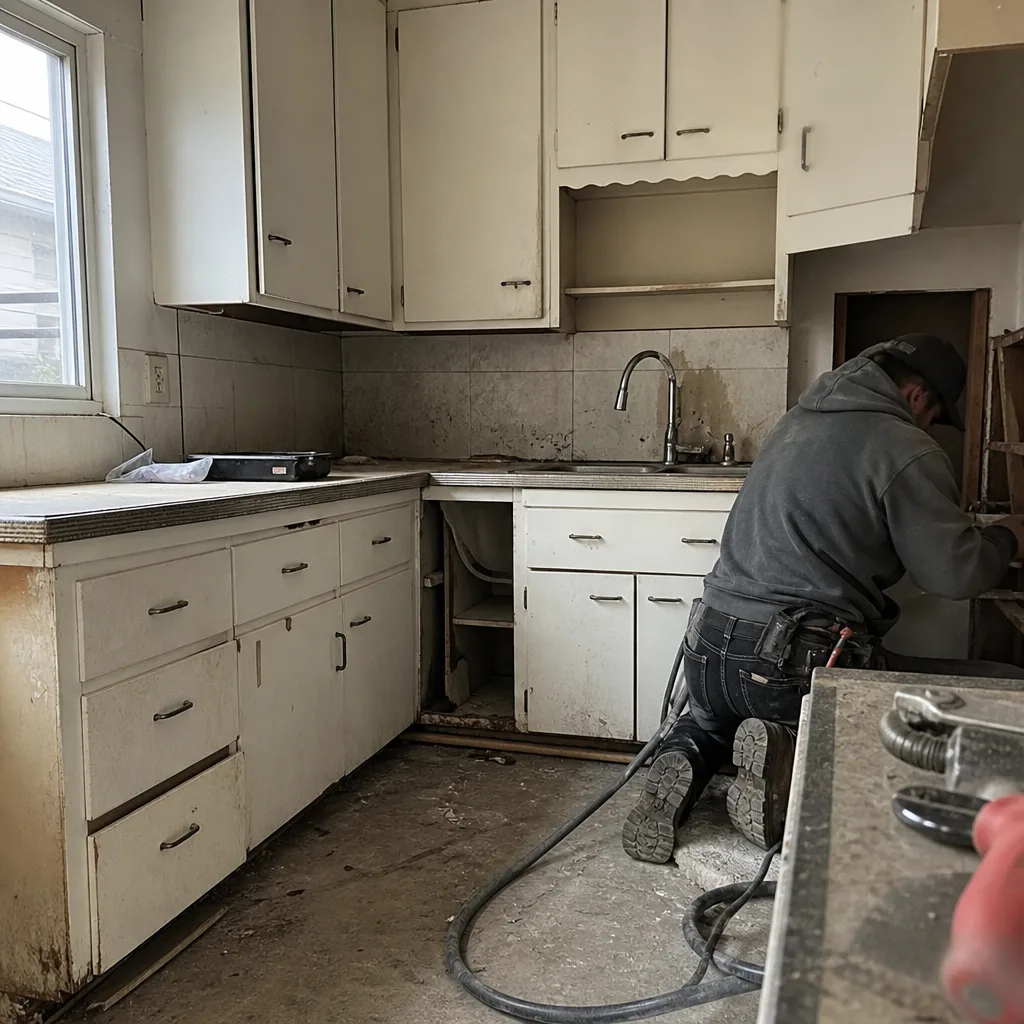 Before
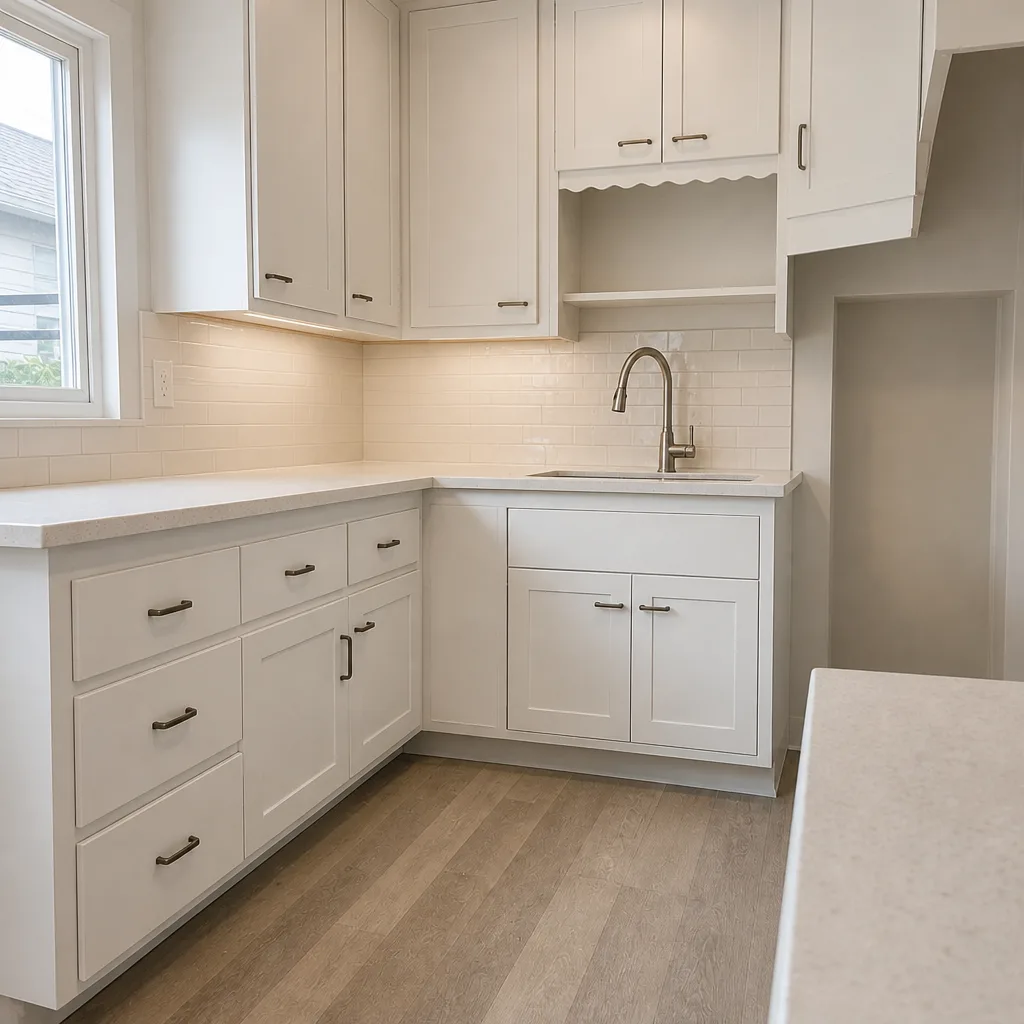 After
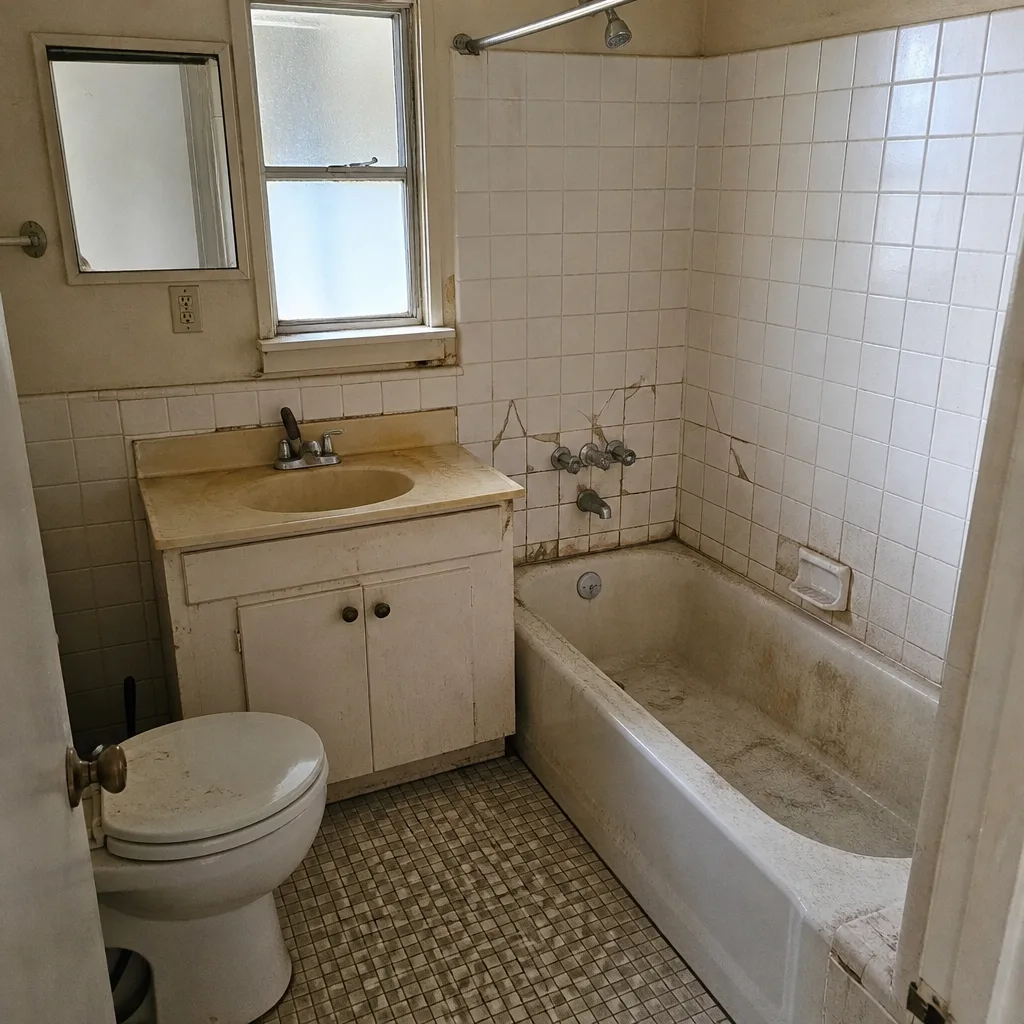 Before
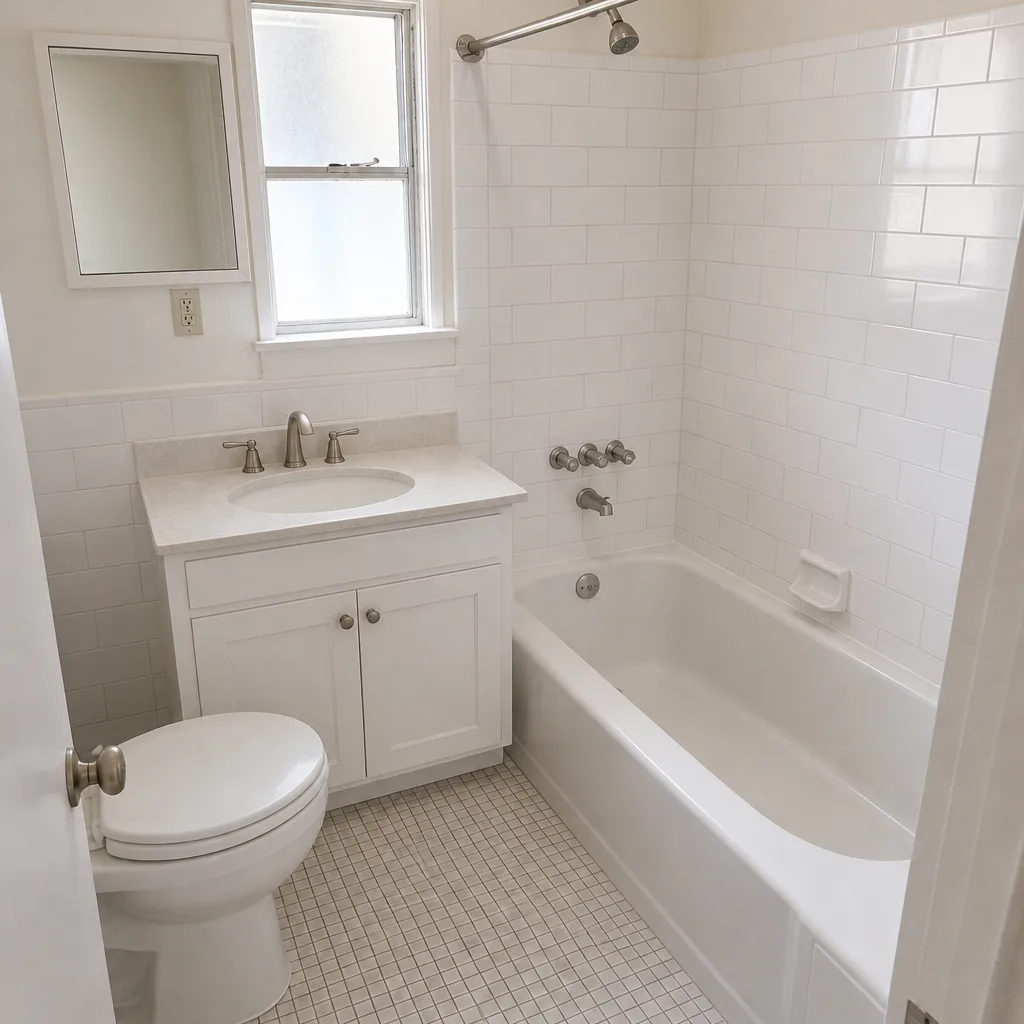 After
How Long Does a Roof Last in Berkeley? The Honest Answer Is Local, Not on the Label
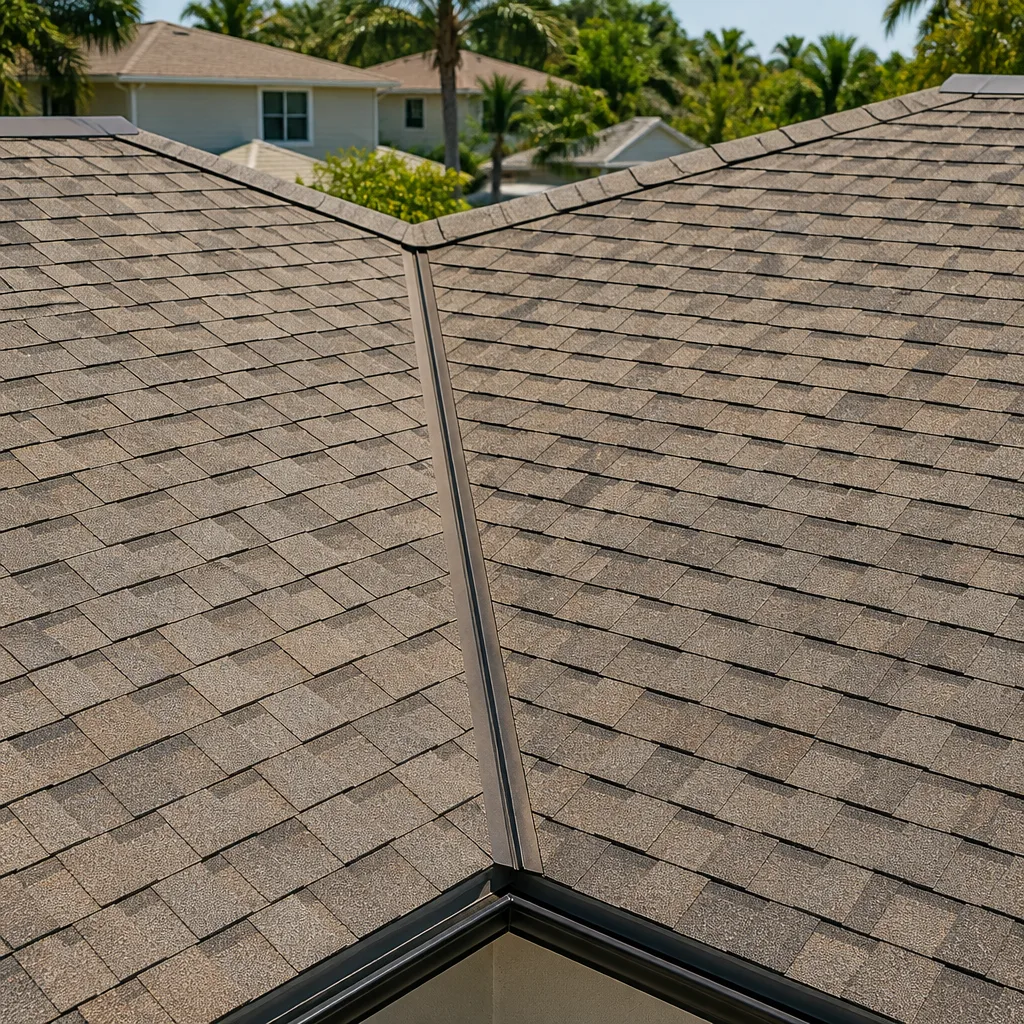
A roof’s lifespan in Berkeley depends less on the shingle wrapper than on which slope it sits and how the fog hits it. A 30-year architectural shingle rated for three decades in Phoenix typically lasts 22-28 years on a Berkeley property, and a 3-tab rated for 25 drops to 15-20 years on a fog-belt north slope. The label is a national average. Berkeley is not an average.
We’re Groundwork Construction Co. of Berkeley, and we’ve torn into enough Elmwood and North Berkeley roofs to know the pattern repeats: the shingles still look fine, the flashing is shot, and the original redwood underneath is holding up better than anything installed after 1980. If you want a straight read on your own roof, call (855) 471-4163. A live person answers, day or night.
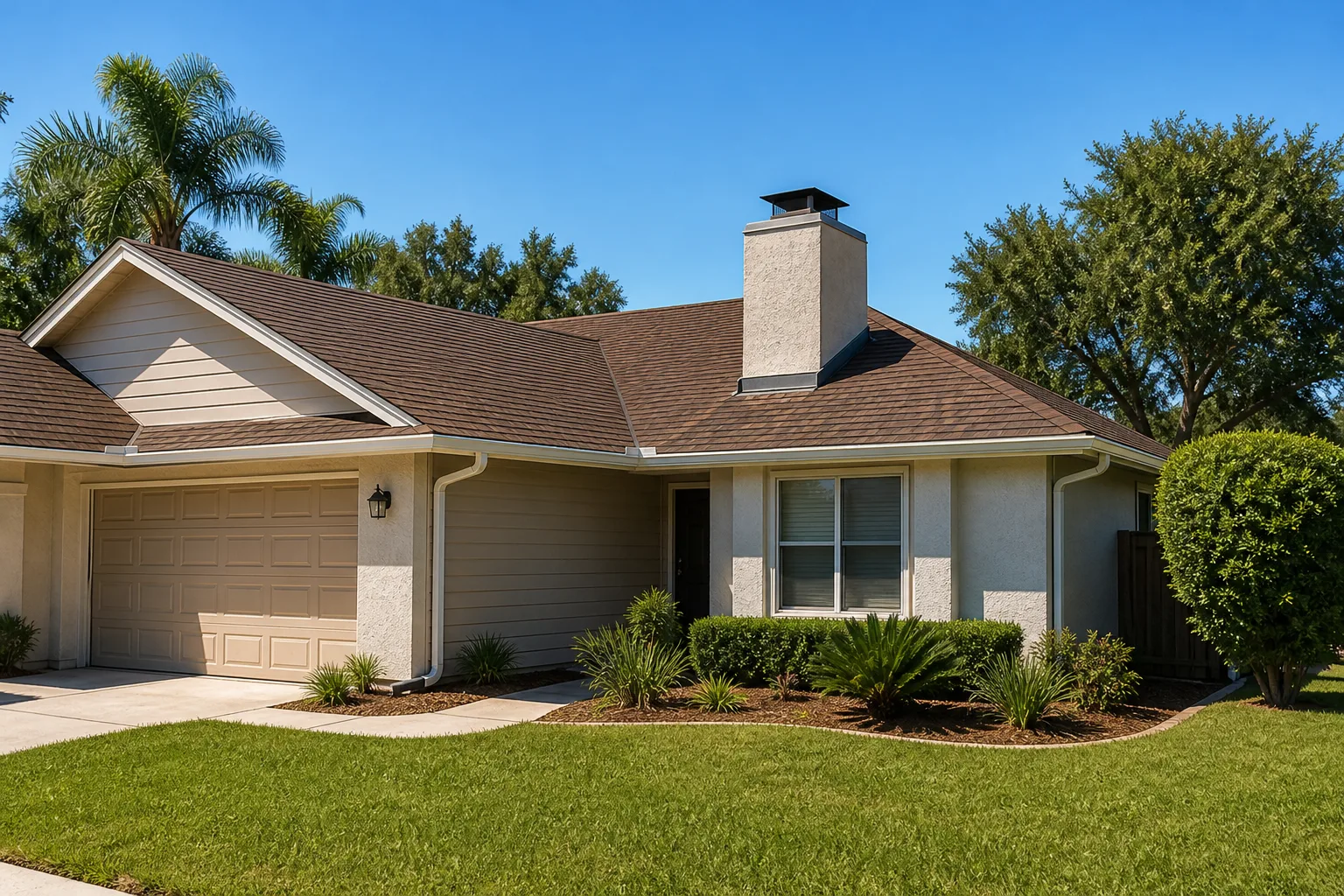
Why Berkeley Roofs Age on a Different Clock
Stand on a flatlands roof in the morning and the fog is still dripping off the fascia. By two in the afternoon the same deck is hot enough to soften sealant. That daily swing is the whole story. Cold marine air, then sun, then cold again – a cycle that repeats almost every day from spring through fall. Roofing materials expand and contract with it. Over a decade, the sealant at every pipe boot and flashing joint gives out long before the field shingles show a single crack.
That’s why we tell Berkeley homeowners the flashing is the real failure clock. When we open a roof that “looks fine,” the field shingles are usually 60 to 70 percent through their life and the penetrations are done. Lichen pressure makes it worse – north and west slopes that stay damp hold a gray-green growth that traps moisture against the granule surface, and once the granules go, the asphalt underneath cooks off fast.
It cuts the other way too. A south-facing roof in the hills gets more sun and dries out between storms, so it may run a few years longer than the flatlands. Microclimate, slope, and shade decide the number. Not the warranty card.
Berkeley-Adjusted Lifespans by Material
Here’s how the common materials actually perform here, compared with their national ratings. These are working ranges from what we see on Berkeley roofs, not marketing figures.
| Material | National Rating | Realistic Berkeley Lifespan | What Shortens It Here |
|---|---|---|---|
| Asphalt 3-tab | 25 years | 15-20 years (fog-belt north slopes) | Lichen, granule loss, daily moisture cycling |
| Architectural asphalt | 30 years | 22-28 years | Flashing wear before field shingle wear |
| Clay tile | 50+ years | 50+ years (tile), 25-30 years (underlayment) | Underlayment fails first; tile outlives it |
| Concrete tile | 40-50 years | 35-50 years | Moisture infiltration at broken pieces |
| Standing seam metal | 50+ years | 45-60 years | Salt air near the bay; fastener seals over time |
The clay tile row is the one that surprises people. The tile itself will outlast your grandchildren. The underlayment under it will not – it fails at 25 to 30 years, and replacing it means lifting and resetting the tile. That’s a real cost most tile roofs hit on schedule, and it’s worth knowing before you buy a tile roof on the strength of “lifetime” language.
For a full replacement in Berkeley, plan on roughly $8,000 to $20,000 for architectural asphalt. Standing seam metal runs $15,000 to $40,000. Repairs are far cheaper when the problem is still small – $400 to $1,800 for most fixes, $600 to $2,500 once tile is involved. A roofer with real Berkeley experience will quote you against these numbers, not inflate them with a five-page addendum. That’s the upfront-pricing, no-surprises approach we work from, and our Roofing team stands behind every install with the 730-Day Done Right Promise: if it’s not done right, we make it right.
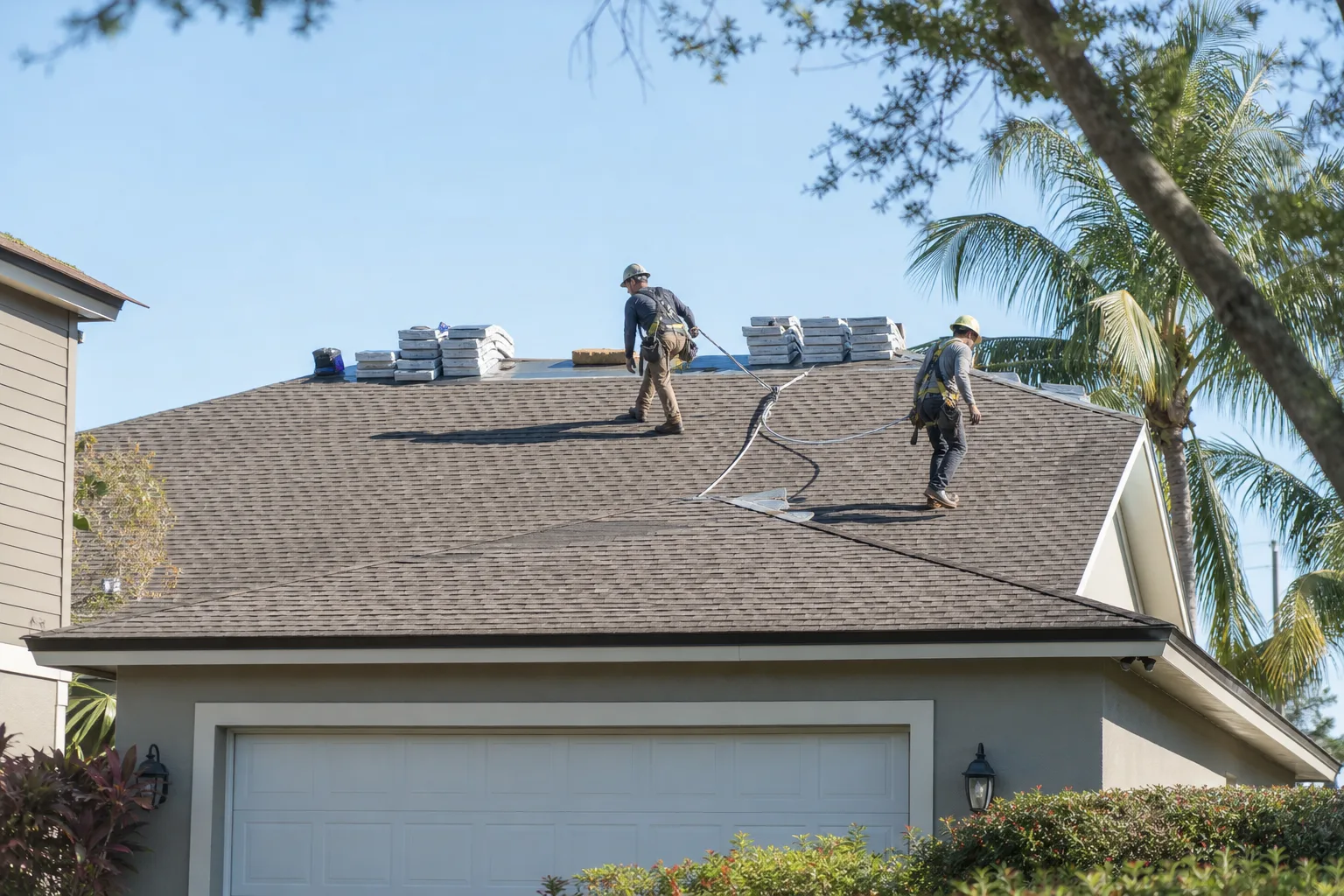
The Redwood Underneath Changes the Whole Question
Pull the layers off a 1920s Craftsman in Elmwood and you’ll often find the original hand-split redwood shingles still structurally sound after a century. They’re not code-compliant, so they come off. But they tell you something the label can’t: original-growth redwood has tight grain and natural tannins that resist rot and insects for well over a century. The framing and sheathing under a failing roof here are frequently in better shape than the roof itself.
That reframes the investment. The question isn’t “is this old house worth a new roof.” It’s “the house is built to outlive three roofs, so protect it properly.” Which means specifying materials that suit a century-old structure, not just the cheapest thing on the truck. On Berkeley projects we often work with GAF and CertainTeed systems where the value lines up, and use Wellborn and Cambria cabinetry and surfaces when a whole-home project brings the interior into the same conversation.
One more thing on old Berkeley stock: in the Elmwood and North Berkeley flatlands we regularly find original redwood framing that’s solid but needs upgrading to current shear-wall and anchor-bolt standards, and once a permit is pulled that often triggers a full seismic retrofit. Budget for that possibility when a re-roof turns into a remodel. Our Berkeley service area team sees it routinely.
The 1991 Fire Rebuilds Are Hitting End-of-Life Right Now
Hillside neighborhoods rebuilt after the 1991 fire used 1990s materials that are now 30 to 35 years old – right at the end of their service life, all at once, across entire blocks. That’s why Berkeley roofers are booked out. Planned replacements this year beat emergency replacements by 15 to 25 percent on price, mostly because a leak in February leaves no room to shop around.
If your home is a hillside post-rebuild, don’t wait for the ceiling to stain. Get the roof looked at while you still have time to schedule it on your terms.
FAQs About Roof Lifespan in Berkeley
Architectural asphalt shingles typically last 22-28 years in Berkeley, 3-tab shingles 15-20 years, standing seam metal 45-60 years, and clay tile 50+ years on the tile with underlayment needing replacement at 25-30 years. Those real-world numbers run shorter than national ratings because of Berkeley’s daily fog-and-sun cycling, lichen on shaded slopes, and premature flashing failure. Call (855) 471-4163 for an exact read on your roof – estimates are free.
If the field shingles are intact and the failure is at flashing, pipe boots, or a valley, a repair in the $400-$1,800 range often buys you five or more years. If granule loss is widespread, shingles are curling or brittle, or you’re over 20 years on asphalt, replacement usually costs less over time than patching. Call (855) 471-4163 and we’ll tell you which one your roof actually needs.
Repair is cheaper in the short run, but only when the damage is localized to flashing or a few shingles. A full replacement runs roughly $8,000-$20,000 and resets the clock for decades, which is usually the better value once your roof is past 75 percent of its lifespan. Call (855) 471-4163 for a no-pressure assessment before you decide.
Almost always because the flashing and sealant at penetrations failed first, not the shingles. The daily expansion and contraction of cold morning fog and warm afternoon sun works the joints loose years before the field shingles wear out. Call (855) 471-4163 to have it inspected while the fix is still small.
Let’s Look at Your Roof Before It Decides for You
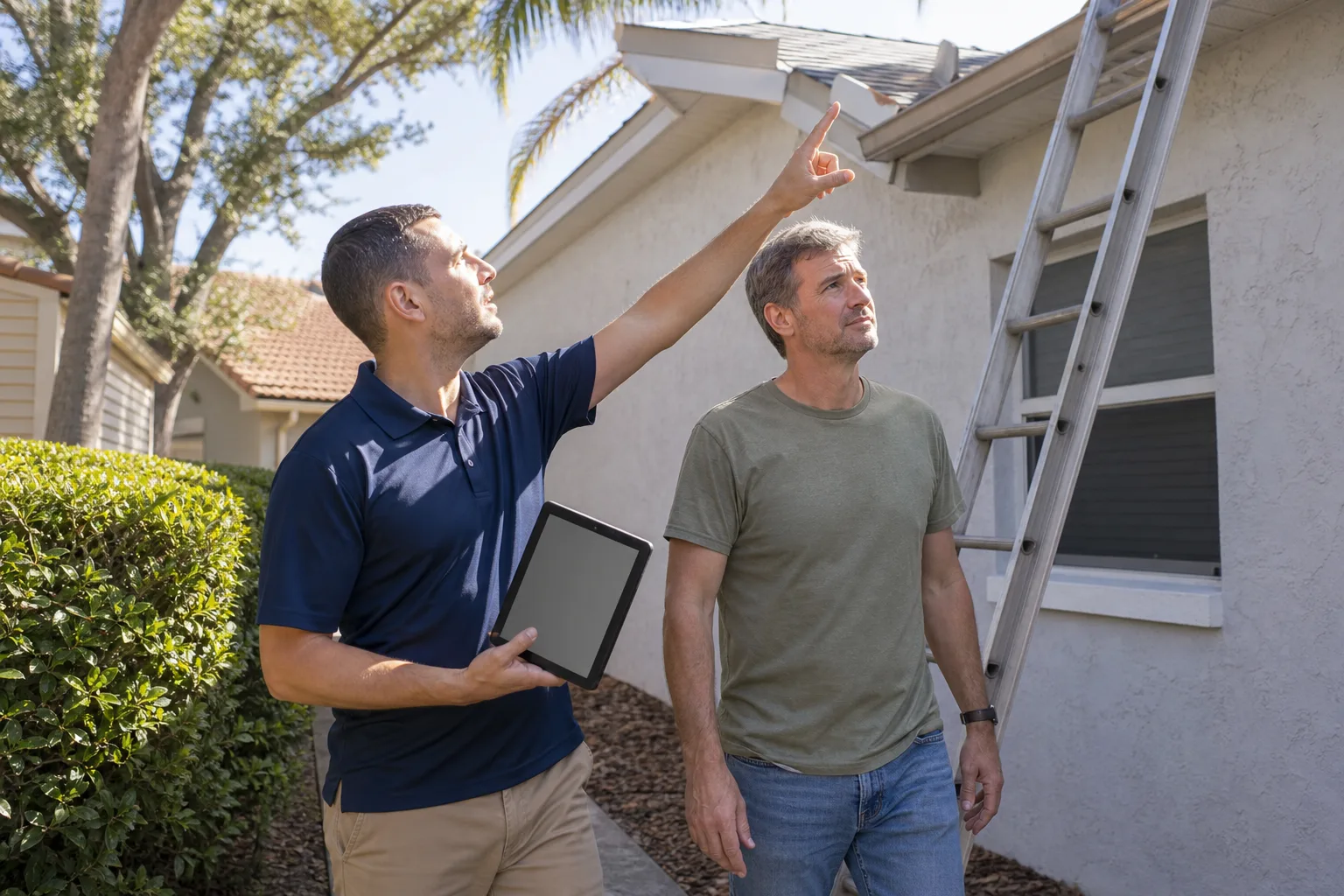
If you’d rather have it looked at, Groundwork Construction Co. of Berkeley offers a no-pressure assessment in Berkeley – call (855) 471-4163. Upfront pricing, a live person on the line anytime, and the 730-Day Done Right Promise behind every install.
Written by the team at Groundwork Construction Co. of Berkeley, serving Berkeley, CA.