Free written scope consultation - allowances, timeline, and change-order rules on paper before a single trade is scheduled
Styles & brands we work with
- Kitchen remodeling
- Bathroom remodeling
- Home additions & ADU
- Roofing
- Windows & doors
- Driveway & pavers
- Fence
See the difference
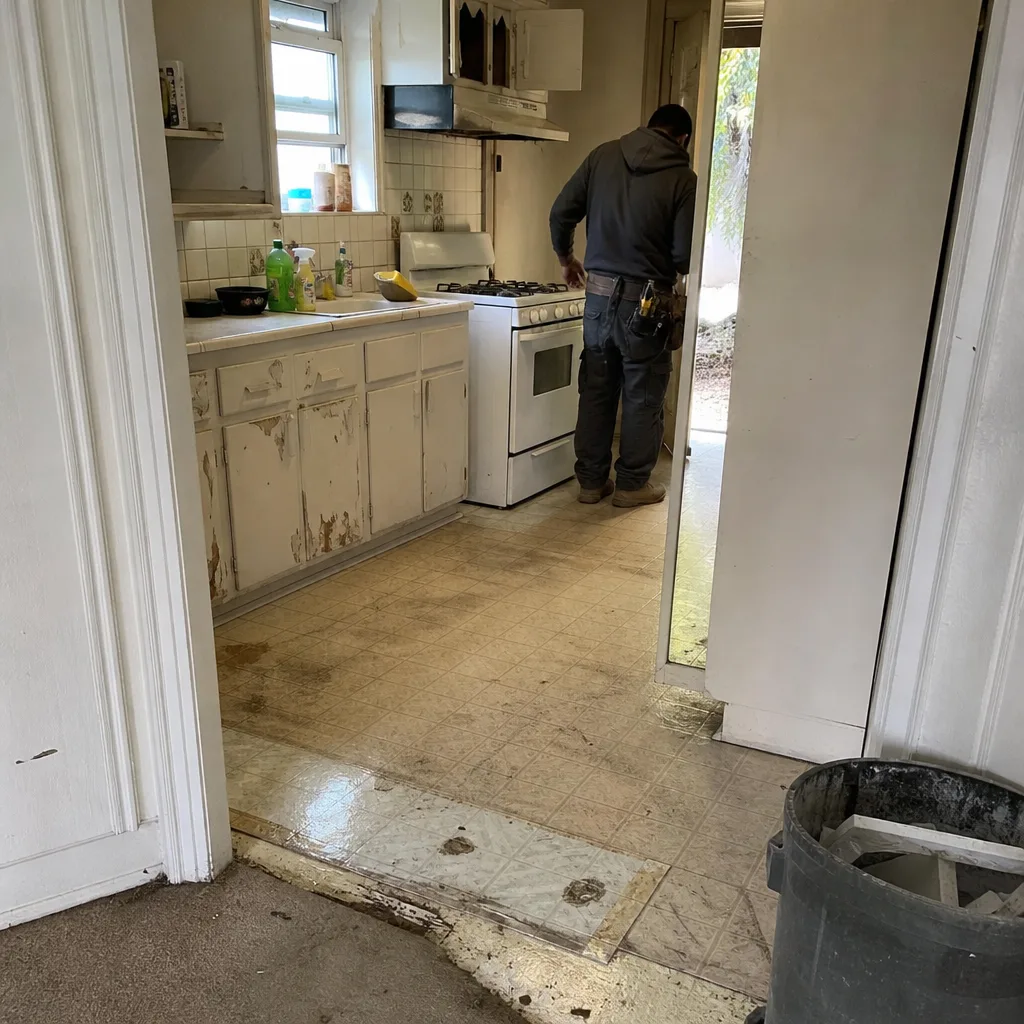 Before
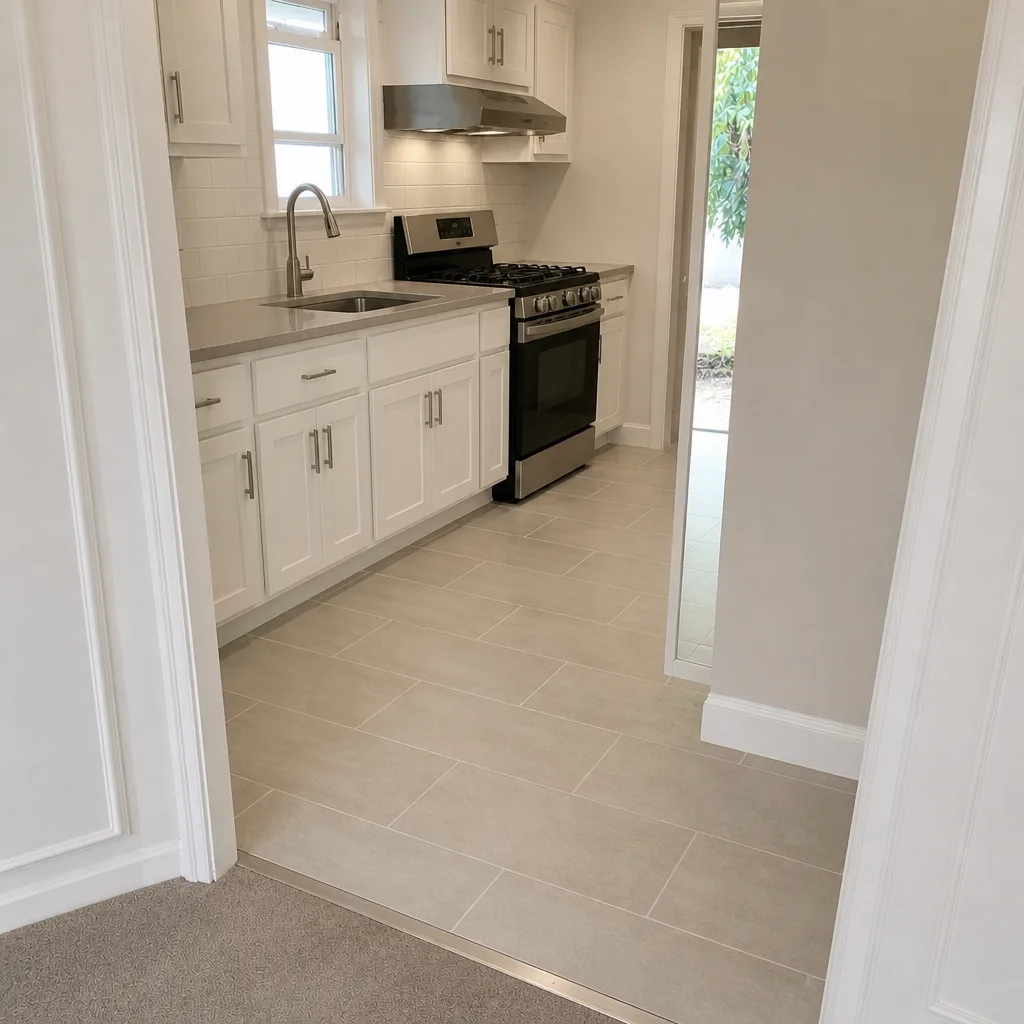 After
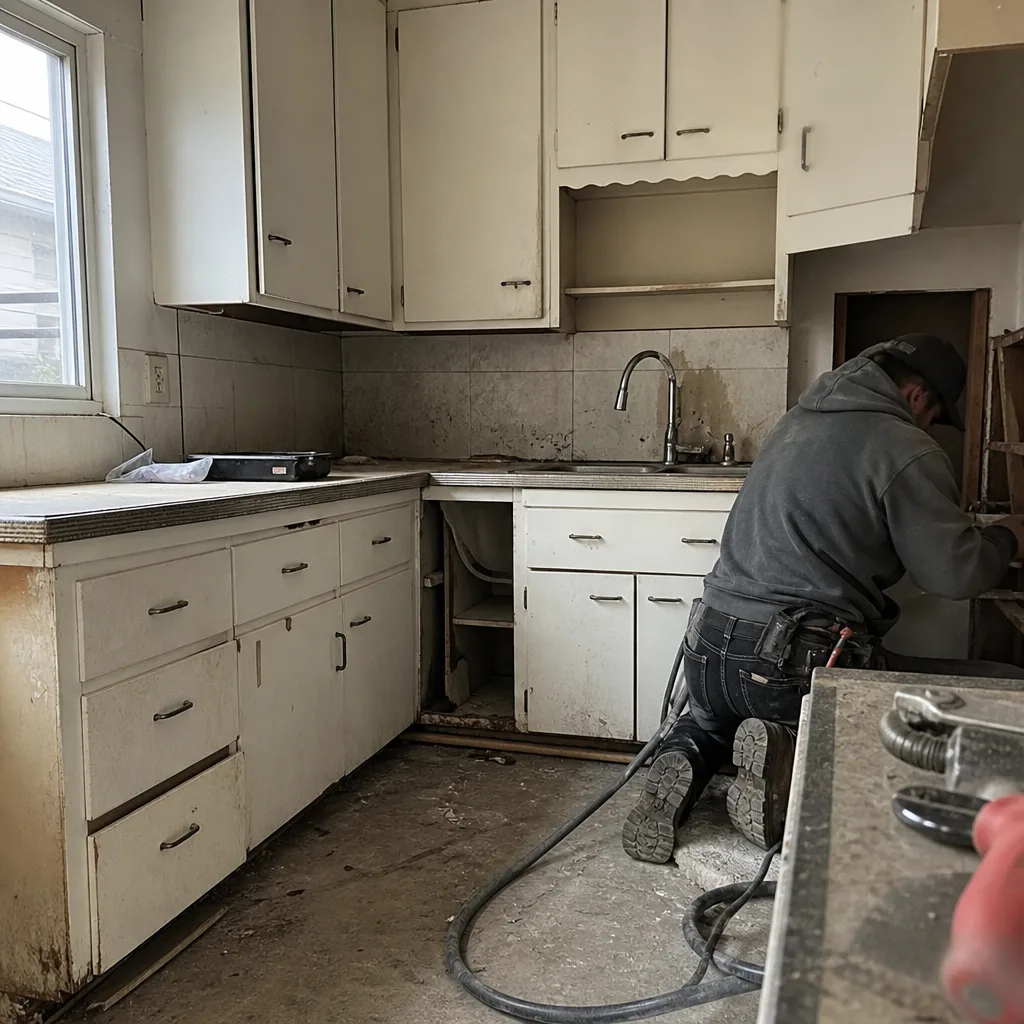 Before
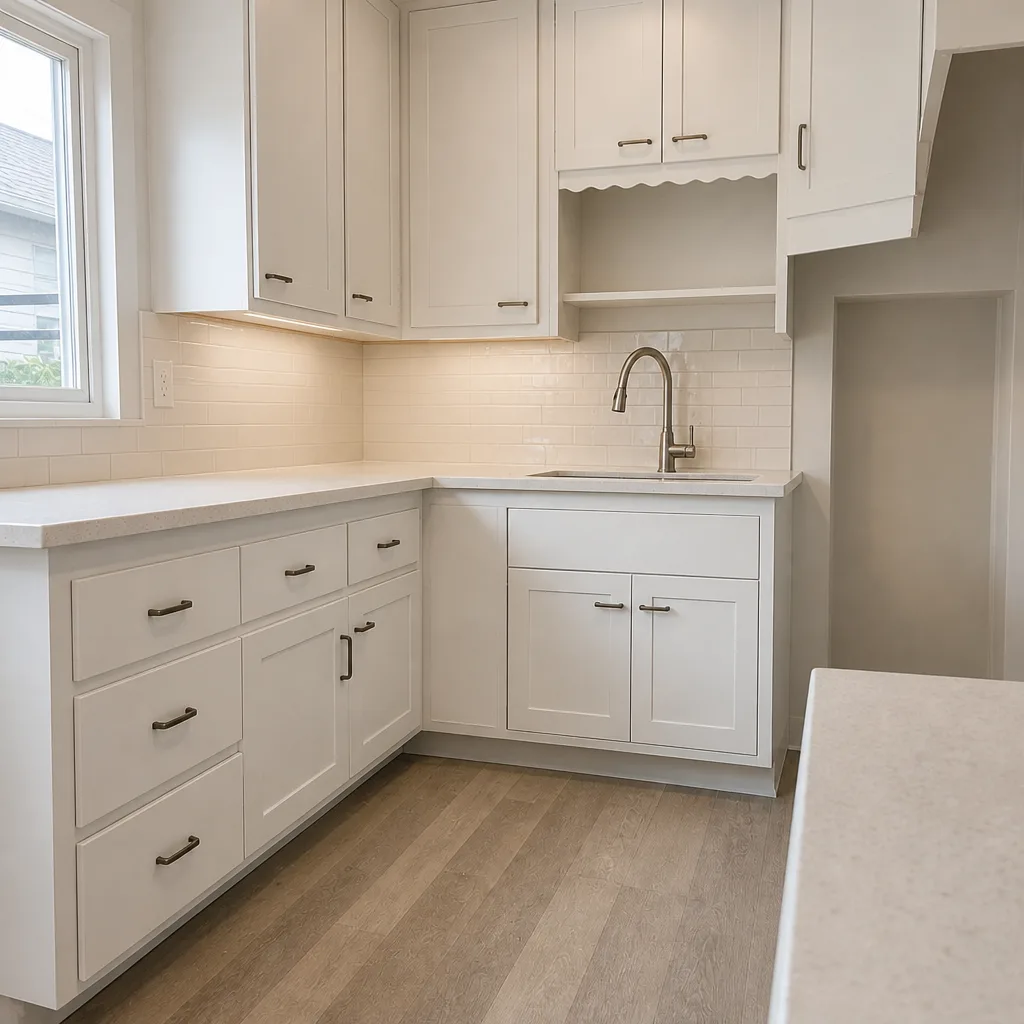 After
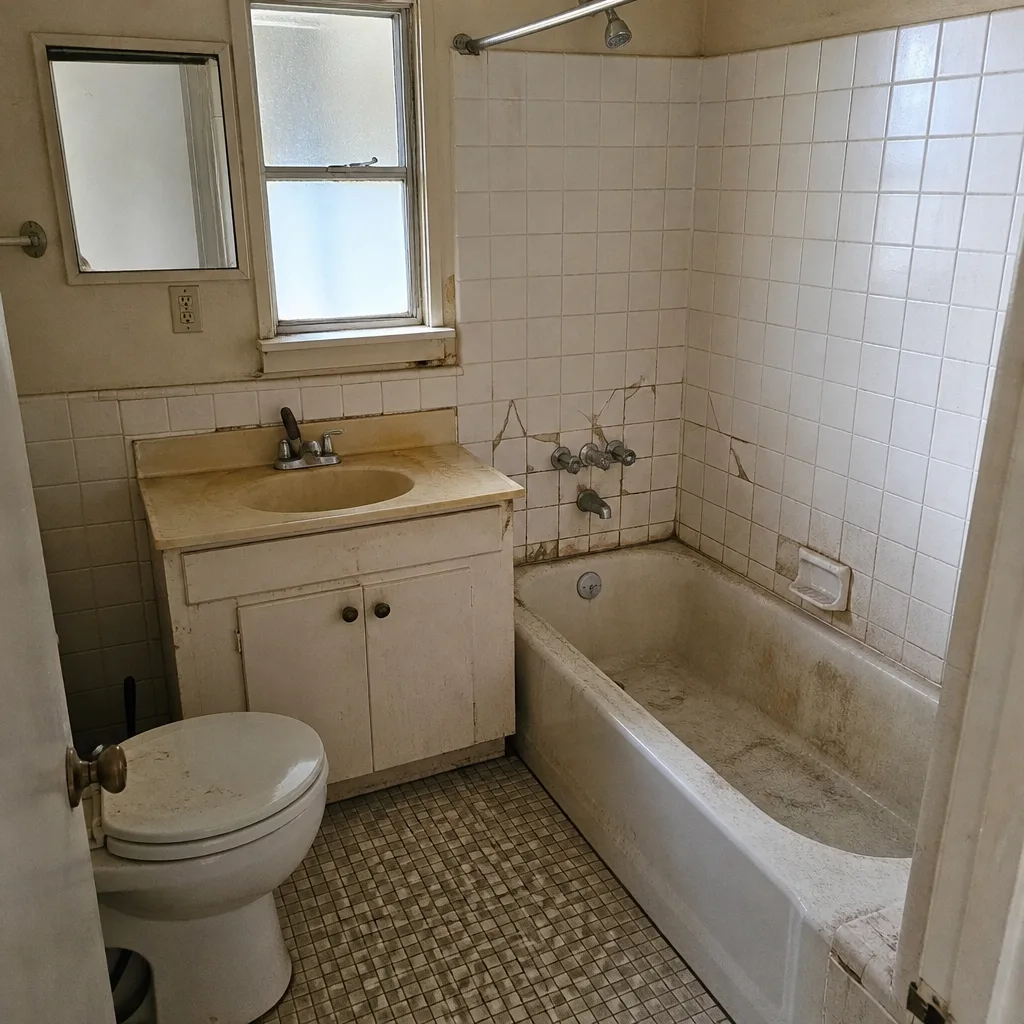 Before
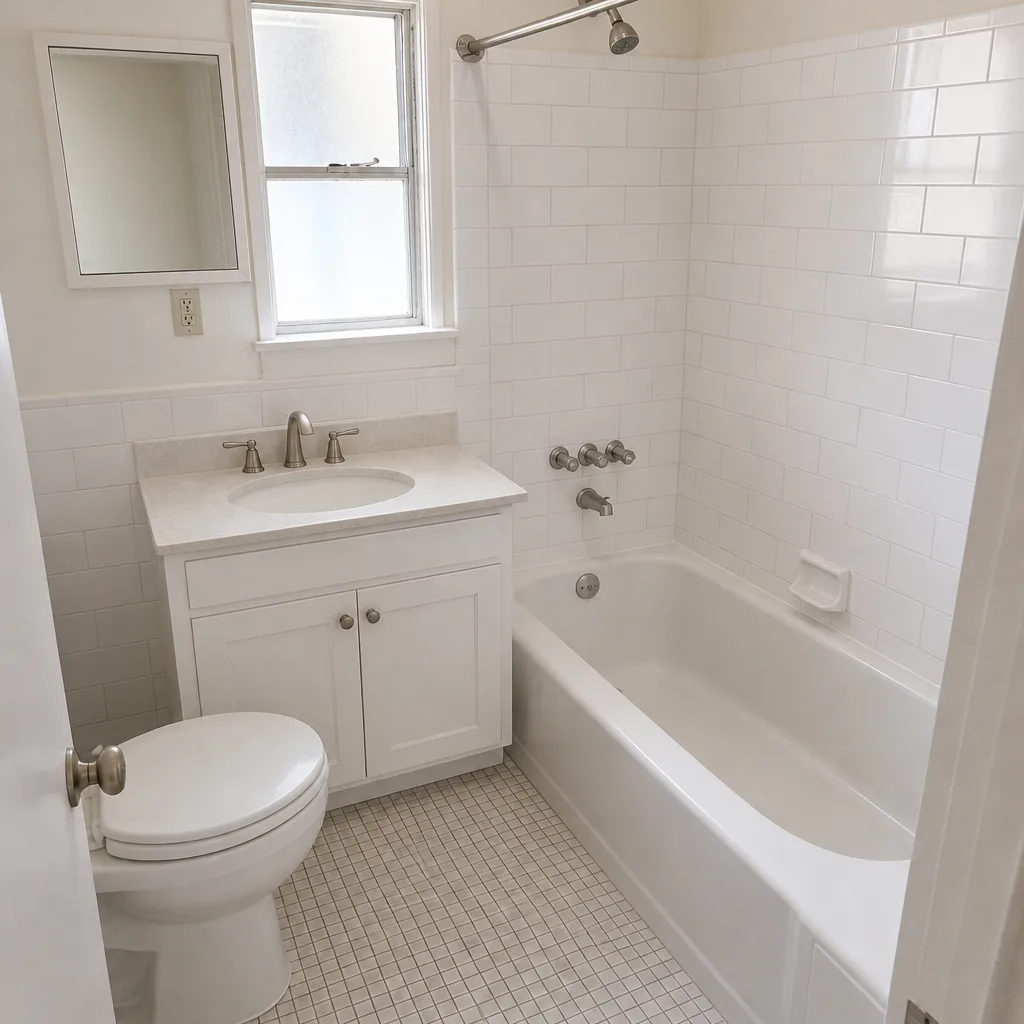 After
Best Roofing Material in Berkeley, CA: Choose Class A Architectural Shingles or Metal Unless You’re Matching a Historic Shingle Look
For most Berkeley homes, the best roofing material is a Class A fire-rated architectural shingle or a standing-seam metal roof. Both satisfy the city’s cool-roof energy rules, both fit within the load capacity of a pre-1940 wood-frame house, and both hold up under the fog belt and winter rains. If your house sits in the hills, fire resistance isn’t a preference, it’s a legal baseline. Call (855) 471-4163 and we’ll tell you which of the two fits your structure and your budget before you commit a dollar.
Here’s the tension almost no roofing guide names: Berkeley is one of the most aggressive green-building cities in the country and one of the most fire-vulnerable. The best material here has to clear a city green-building inspector and a Cal Fire hazard-severity-zone map at the same time. That dual constraint narrows the field fast.
Why the National “Best Material” Lists Don’t Fit Berkeley
Most best-roofing-material articles rank slate, clay tile, and concrete tile at the top for longevity. On paper they’re excellent. On a Berkeley Craftsman with original redwood framing and an unreinforced brick foundation, they can trigger a structural upgrade before a single shingle goes down. That flips the total-cost math in a way a generic list never mentions.
The city’s soft-story apartment stock from the 1920s through the 1960s has the same problem. Weight is a live variable on these roofs, not an afterthought. Heavy tile or concrete often demands new framing, which means the “premium” material you admired online can double your project cost. Architectural shingles usually work within the existing load capacity. That’s the practical reason they win for flatland Victorians and Berkeley boxes.
There’s a second layer. Berkeley’s natural gas ban in new low-rise construction pushes owners toward all-electric builds, and Title 24 cool-roof reflectance requirements mean your roofing material ties directly into whether the home meets energy code. Pick a dark, low-reflectance surface and you can create a compliance headache for your HVAC and envelope. Pick the right one and the roof earns you energy credit. No national best-material article makes that connection, because no national article is written for a Berkeley permit counter.
The Materials That Actually Fit Berkeley’s Housing Stock
Here’s how the realistic options sort out on the homes we actually work on. Our technicians have up to 12 years of experience reading these structures, and the decision usually comes down to three variables: fire zone, load capacity, and whether the house is in a historic district.
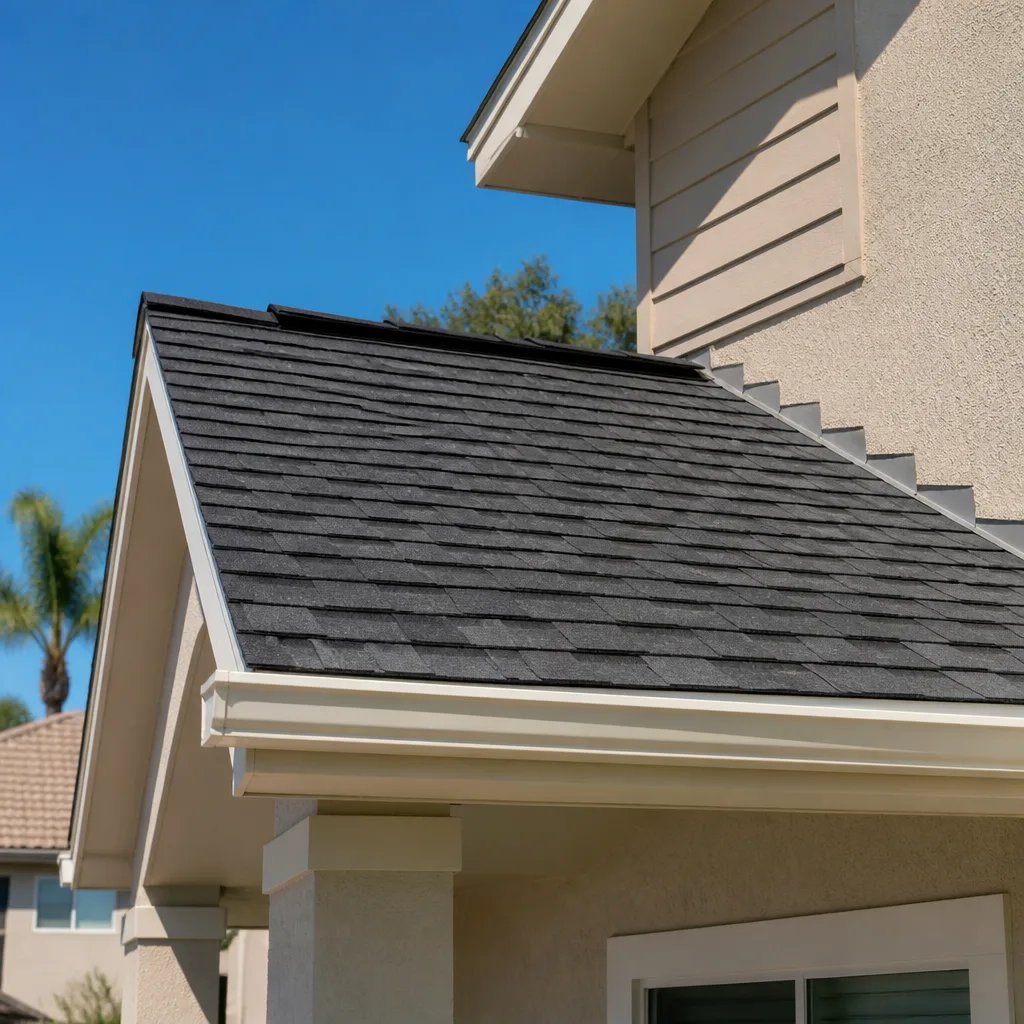
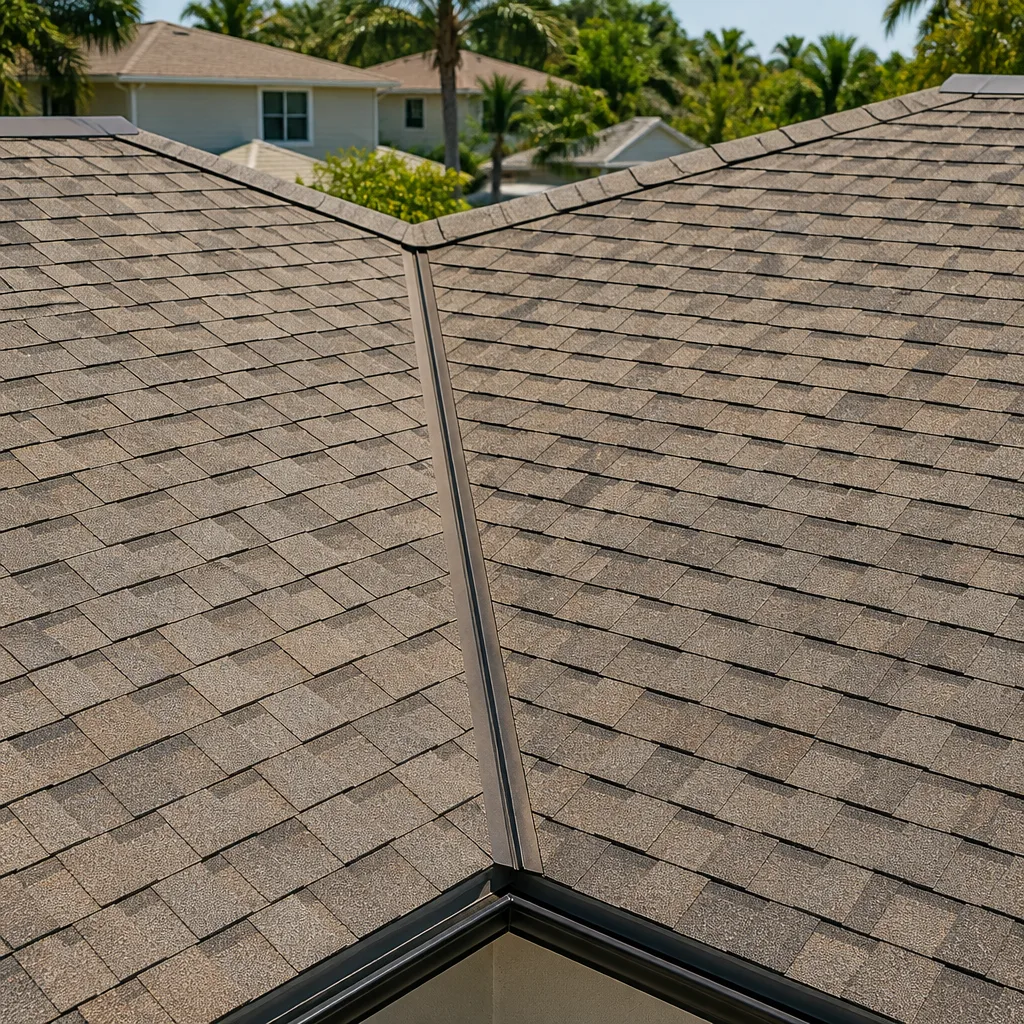
- Architectural shingles (GAF Timberline HDZ, Owens Corning Duration): Class A fire-rated, cool-roof compatible, light enough for original framing. The sweet spot for flatland Craftsman and Victorian homes where weight and cost rule out tile. This is our default recommendation.
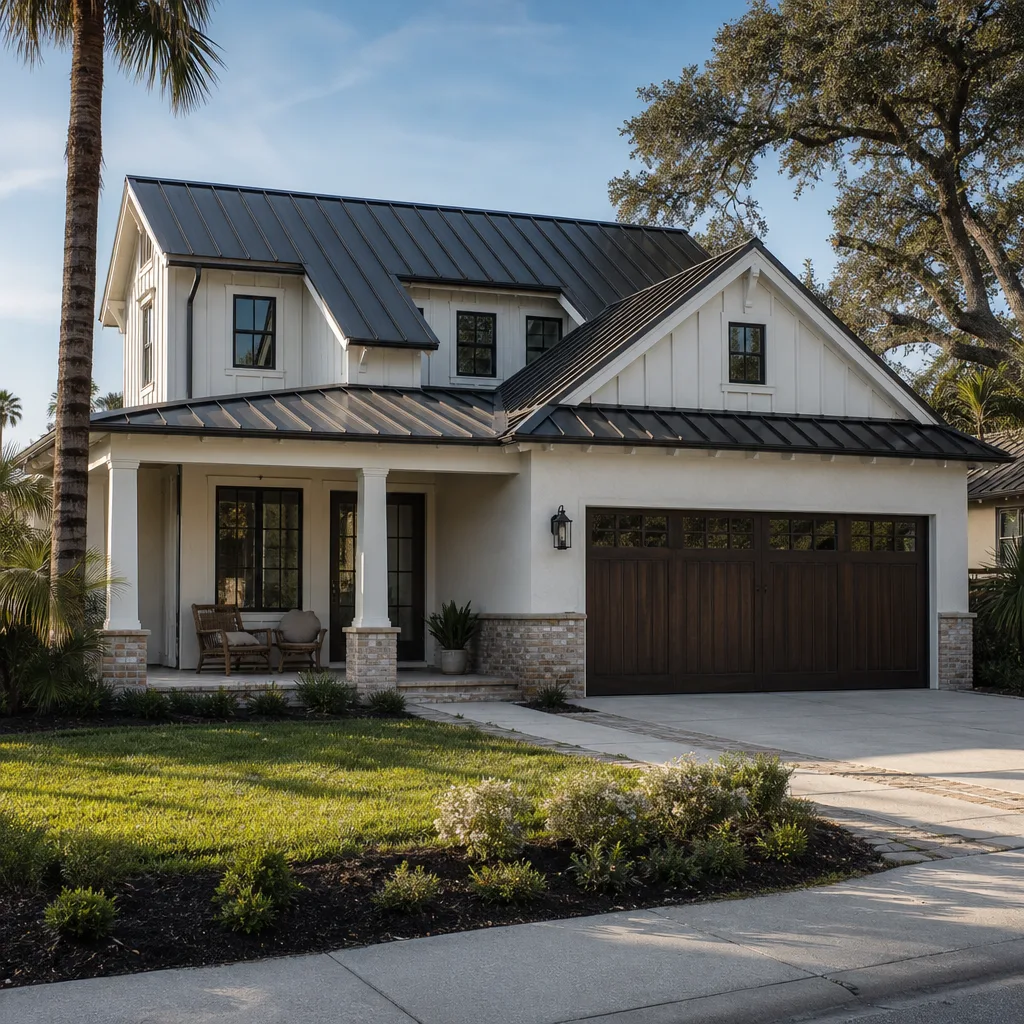
- Standing-seam metal: Class A rated, excellent fire performance for the hills, long service life, and it sheds the winter rain and fog-belt moisture well. Higher upfront cost than shingles but often the right call in the wildland-urban interface.
- Class A synthetic shake: Matches the brown-shingle Berkeley box aesthetic while meeting WUI fire codes and historic-district design guidelines. Most best-material lists skip this entirely, and it’s the answer for owners who want the shingle look without the fire liability.
- Clay or concrete tile: Beautiful, durable, and usually the wrong first choice here unless a structural engineer signs off on the added load. On hillside homes the engineering cost often erases any longevity advantage.
How the Costs Compare in Berkeley
Pricing is where the comparison gets concrete. These ranges reflect what roof work actually runs in Berkeley, and they’re the numbers we quote against.
| Project | Typical Berkeley Range |
|---|---|
| Roof replacement (architectural shingles) | $8,000-$20,000 |
| Metal roof installation | $15,000-$40,000 |
| Roof repair | $400-$1,800 |
| Tile roof repair | $600-$2,500 |
Notice the gap. Metal costs roughly double a shingle replacement, and on many flatland homes it’s hard to justify that premium unless you’re planning to stay 30-plus years or you’re in a high fire-severity zone where the fire performance earns its keep. On a hillside property, the metal premium often pays for itself in insurability alone. That’s a Berkeley-specific reason to lean metal that a cost-per-square-foot chart will never show you.
One operator detail worth knowing: in the Elmwood and North Berkeley flatlands, pulling a roofing permit routinely uncovers original redwood framing that’s still solid but sits outside current shear-wall and anchor-bolt standards. That can trigger a seismic retrofit as part of the job. We flag it during the estimate so it’s a planned line item, not a surprise invoice halfway through tear-off. Upfront pricing, no surprises, backed by our 730-Day Done Right Promise: if it’s not done right, we make it right.
Common Local Scenarios
A few situations come up again and again on Berkeley roofs, and the right material answer changes with each one.
- A 1920s brown-shingle in a historic district: the design review wants the shingle look, the fire code wants Class A. Synthetic shake satisfies both. Architectural shingles in a shake profile are the budget-friendly fallback.
- A hillside home in a high fire-severity zone: fire resistance is the starting point, not a tiebreaker. Metal or a Class A assembly is the baseline, full stop. We specify for the zone first, budget second.
- A Victorian with an aging roof near campus: weight and cool-roof compliance drive the choice. Architectural shingles with the right reflectance keep you code-compliant without touching the framing.
- A soft-story building from the 1950s: load capacity gets checked before anything else. Tile is off the table unless structural work comes first.
We’re not recommending whatever’s on the distributor truck this week. Our curated manufacturer relationships across GAF, Owens Corning, and CertainTeed mean we specify what’s right for your structure, your fire zone, and your budget. When you’re ready to compare options for your own roof, start with our Roofing page for the full picture of how we scope the work.
Matching Material to Structure, Zone, and Budget
The honest framework is three questions, in order. First: what fire hazard zone is the house in? That sets your floor. Second: what can the framing carry without structural upgrades? That rules out the heavy options on most older homes. Third: what’s the budget and how long will you stay? That decides between a good shingle roof and a metal one.
Answer those three and the material picks itself. On the flatlands, that usually lands on architectural shingles. In the hills, it lands on metal or a Class A synthetic assembly. Tile rarely survives all three questions on a century-old Berkeley house. If you want a straight read on your own property, Berkeley service area shows how we approach work across the city.
FAQs
Class A fire-rated architectural shingles or standing-seam metal, depending on whether the home is in a fire hazard zone. For flatland Craftsman and Victorian homes, a product like GAF Timberline HDZ gives you fire rating, cool-roof compatibility, and a weight that original framing can carry. For hillside homes in the wildland-urban interface, metal or a Class A synthetic assembly is the safer baseline. Call (855) 471-4163 for a free estimate on your specific roof.
Yes, if you live in a hillside fire zone or plan to stay in the home for decades. Metal runs $15,000-$40,000 in Berkeley versus $8,000-$20,000 for shingles, so on a flatland home the premium is often hard to justify. In the hills, the fire performance and durability usually earn it back. We’ll walk you through the math for your address without pressure. Estimates are free.
Yes, with Class A fire-rated synthetic shake. It replicates the brown-shingle appearance that historic-district design guidelines call for while meeting the fire-resistant requirements that apply in the hills and other WUI areas. It’s an option most best-material lists leave out. Call (855) 471-4163 and we’ll show you samples that fit both constraints.
Yes. Berkeley’s cool-roof requirements under Title 24 mean the reflectance of your roofing surface ties directly into whether the home meets energy code for the envelope and HVAC. Choose a cool-rated architectural shingle or a reflective metal finish and you help satisfy compliance; choose a dark, low-reflectance surface and you can create a problem. We specify for compliance from the start. Call (855) 471-4163 to talk through your options.
If you’d rather have it looked at, Groundwork Construction Co. of Berkeley offers a no-pressure assessment in Berkeley. We’ll look at the fire zone, the framing, and the budget with you, then tell you which material actually fits. Call (855) 471-4163 for a free estimate. Live person, 24/7.
Written by the team at Groundwork Construction Co. of Berkeley, serving Berkeley, CA.