



Free written scope consultation - allowances, timeline, and change-order rules on paper before a single trade is scheduled
Styles & brands we work with
- Kitchen remodeling
- Bathroom remodeling
- Home additions & ADU
- Roofing
- Windows & doors
- Driveway & pavers
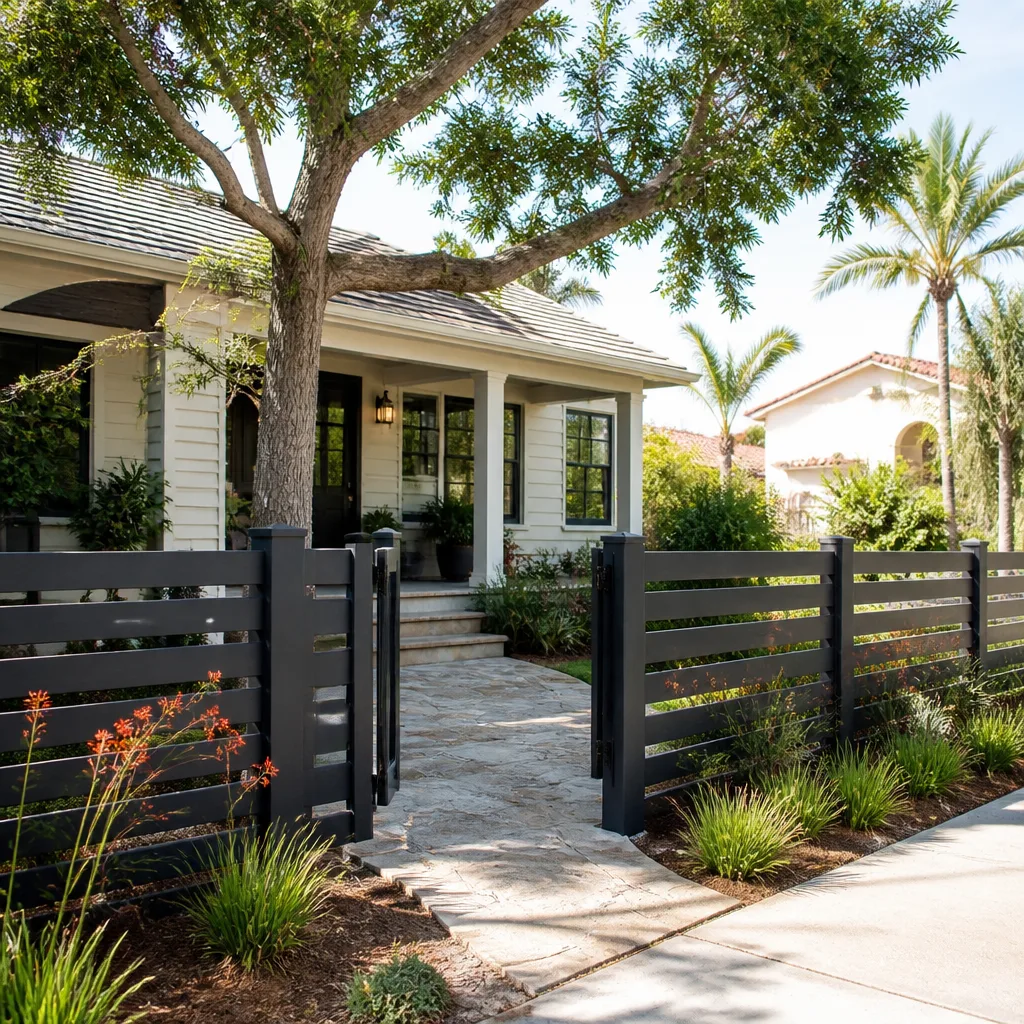
- Fence
See the difference
 Before
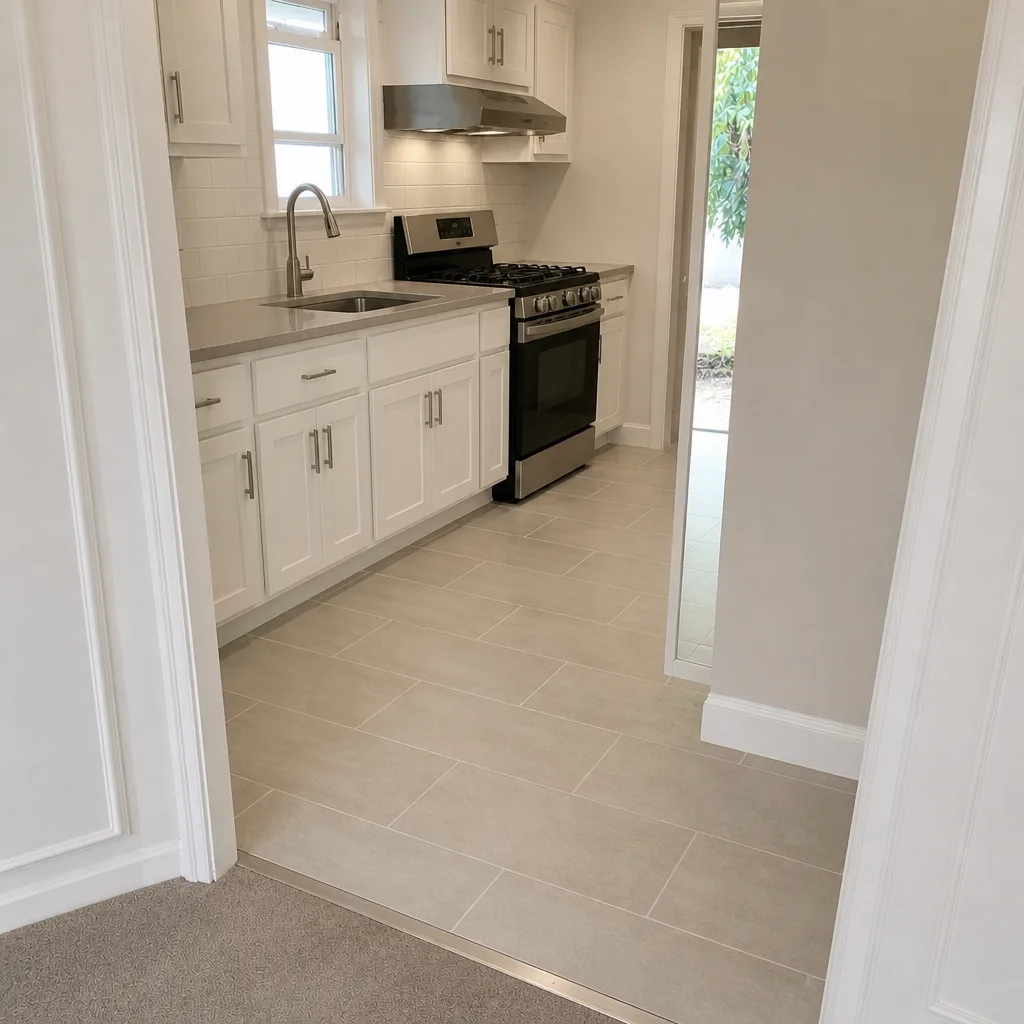 After
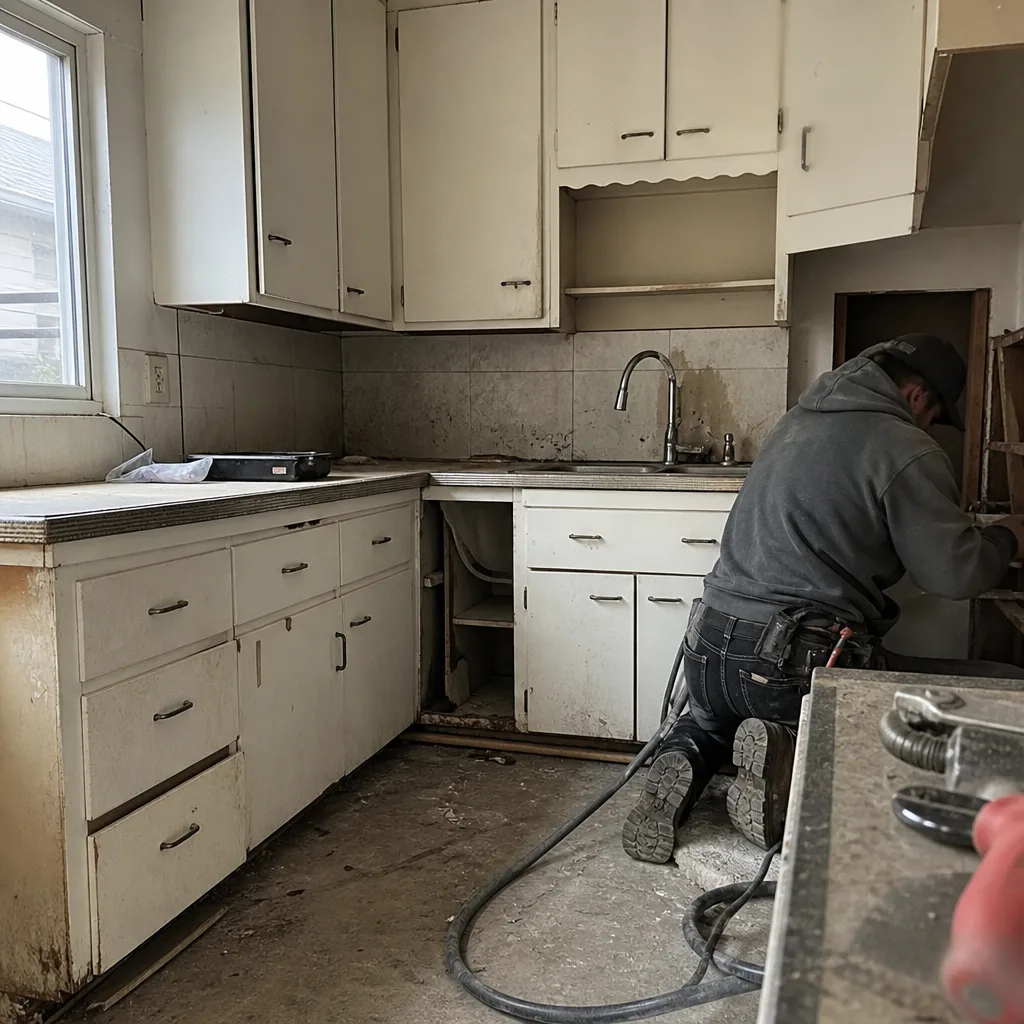 Before
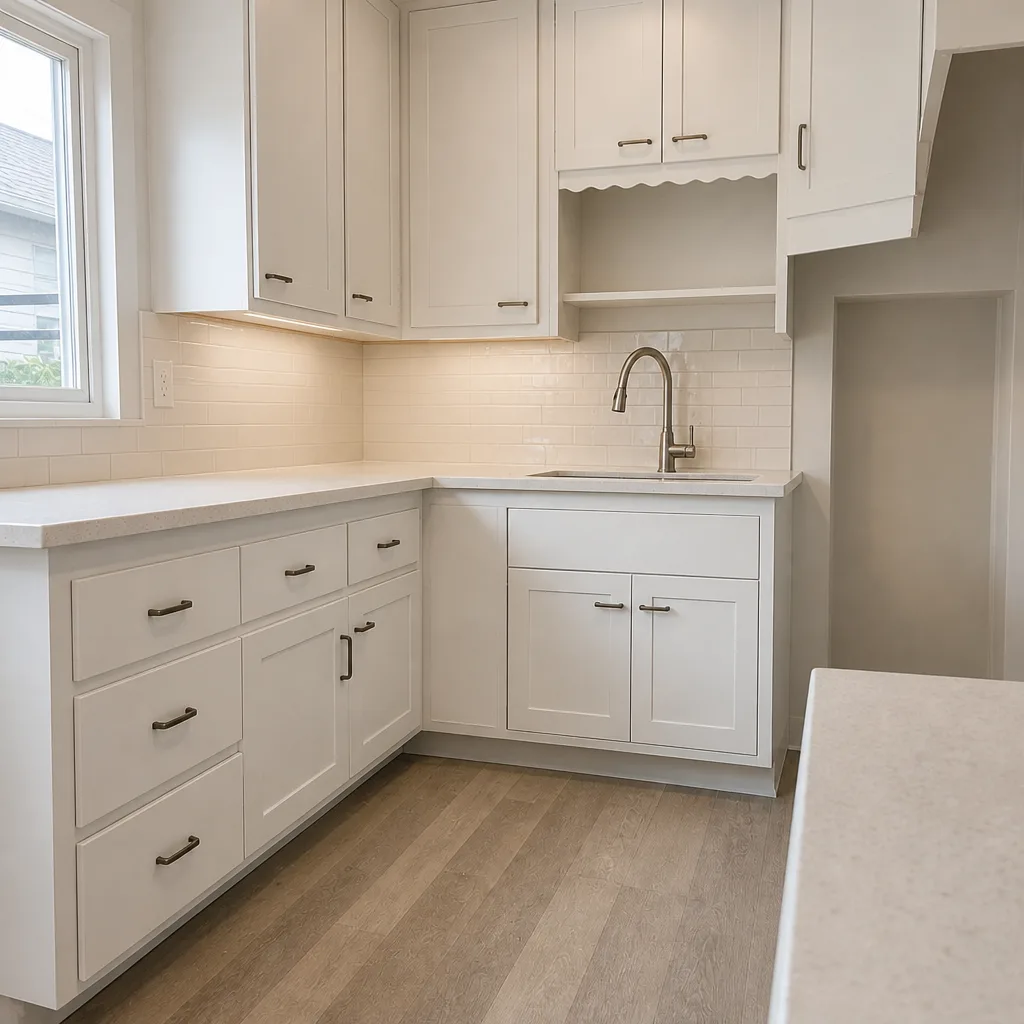 After
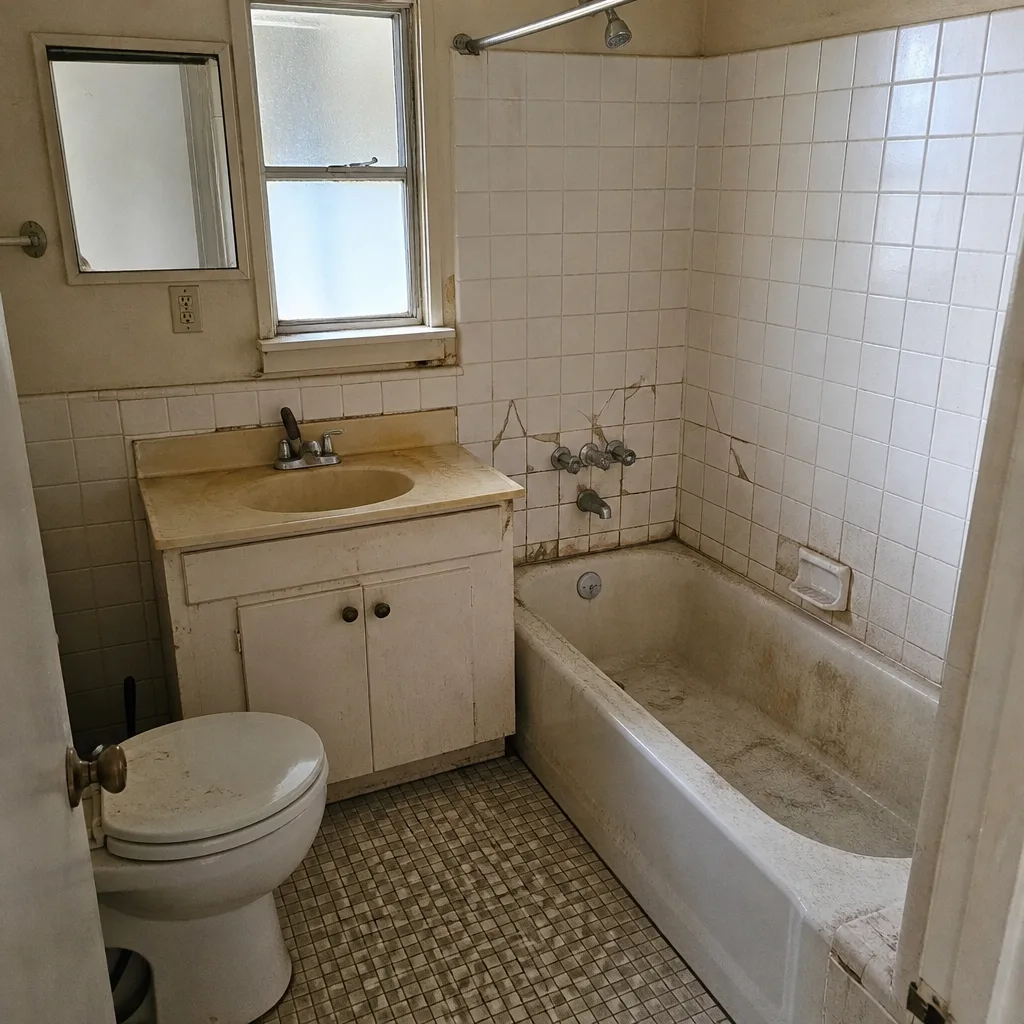 Before
 After
How to Fix a Leaning Fence Post in Berkeley, CA
The short answer: if your Berkeley fence post leans after the wet season, the fix is almost never “re-pour the same hole.” You have to widen the excavation, add a gravel drainage collar around the footing, and set a tube form above grade so the post base stays dry when the clay moves. In Berkeley’s expansive Class C clay, that soil swells with winter rain and shrinks through summer dry spells, pushing laterally on footings in a way sandy or loamy soils never do. Reset the post the same diameter as before and you’ll be back here in about 18 months. If you’d rather have it looked at before you dig, call (855) 471-4163.
Key Takeaways
- Most Berkeley fence-post leans trace back to clay soil movement and poor drainage, not a bad original pour.
- The right fix widens the excavation, adds a gravel collar, and raises the tube form above grade.
- A post whose base is rotted from fog-saturated soil needs full replacement, not a reset.
- Replacing more than 50% of a fence structure can trigger a Berkeley permit and a compliant rebuild.
- Typical footing repair and partial replacement jobs in Berkeley run $3,500-$9,000.
Why Berkeley Posts Lean When Posts Elsewhere Don’t
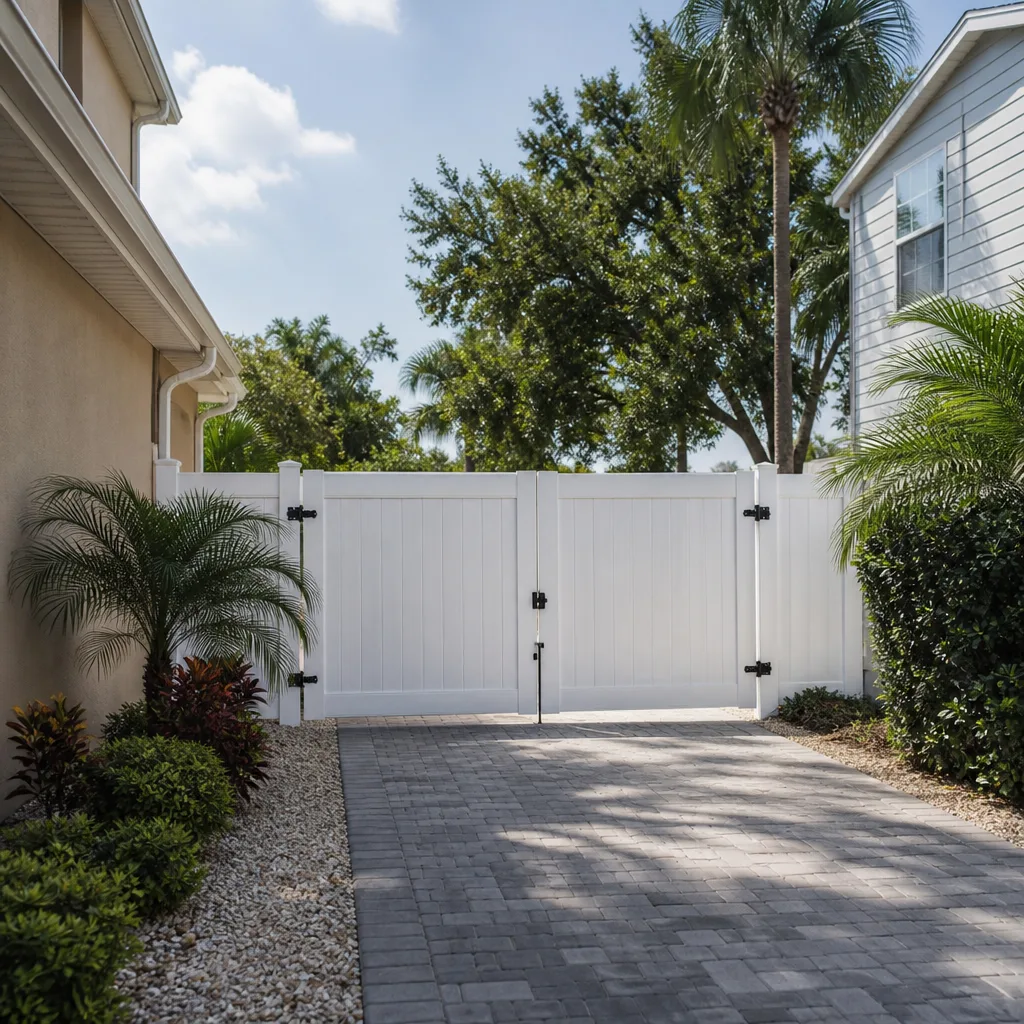
If your Berkeley fence post leans toward the downhill side after the first wet winter, it’s not a bad pour. It’s clay soil doing what clay soil does when water has nowhere to go. The hills and flatlands here sit on expansive clay that holds water like a sponge, then lets it go slowly through the dry months. That cycle creates pressure on fence footings that simply doesn’t exist on a sandy lot in a drier climate.
The tell is timing. A post that was plumb in October and leans by March is giving you a drainage story, not an installation story. The soil around the footing loaded up, swelled, and pushed. When it dried out over summer, it didn’t push back the same way. The lean stayed.
Groundwork Construction Co. of Berkeley sees this pattern across the Elmwood and North Berkeley flatlands, where old lots often have poor surface drainage to begin with. Our technicians have up to 12 years of experience reading these conditions, and they’ll tell you plainly: resetting without fixing the water is a short-term patch.
What a Correct Clay-Soil Footing Redesign Looks Like
The fix isn’t more concrete. It’s better water management and a footing that keeps the post base dry. Here’s what that involves on a Berkeley property:
- Wider excavation: dig out beyond the original hole so you have room for drainage material around the footing, not just fill dirt packed tight against concrete.
- Gravel drainage collar: a ring of crushed gravel around the footing gives water somewhere to go instead of pooling against the post and loading the clay.
- Tube form above grade: a cardboard sonotube lets you set the concrete form higher than the surrounding soil so the post base sits above grade and stays dry through the wet season.
- Proper slope and drainage path: grade the soil so water moves away from the fence line instead of sitting against it.
- Post base hardware: a metal bracket that lifts the wood off the concrete keeps the end grain from wicking moisture.
This is a bigger job than a DIY reset, and it’s the difference between a fix that lasts and one that returns. If the scope is larger than a single post, this ties directly into how we approach Fence Installation from the ground up.
Is It Soil Movement or Rotted Base? Two Very Different Fixes
Not every lean is clay. Before you commit to a footing repair, you have to know which problem you’re actually solving, because the fixes don’t overlap.
Soil movement lean: the post itself is sound, the wood is solid, and the lean appeared over a wet season. The base is intact and the problem is lateral pressure from swelling clay. This is fixable with the footing redesign above.
Rotted base lean: the wood at and just below grade has softened, darkened, or crumbles when you probe it. Berkeley’s fog belt keeps soil damp far longer than the dry-summer climate would suggest, so posts set too low rot from the bottom up. No amount of drainage fixes a rotted post. It has to come out and be replaced, and that usually means the section around it too.
Homeowners often discover the difference the hard way, when they dig down to reset a post and find the base is mush. That’s the moment it stops being a Saturday project. Our background-checked, uniformed technicians handle that assessment same-day when needed, and the phones are answered by a live person around the clock. Explore the full scope of how we handle Fence Installation in Berkeley if you want to start from the whole picture.
The Berkeley Permit Detail DIYers Find Out Too Late
Here’s one a lot of guides skip. If your repair ends up replacing more than 50% of a fence structure, Berkeley building code may require a permit and a compliant rebuild, not just a patch. That threshold arrives faster than people expect when rotted sections turn out to be several posts and panels instead of one.
This matters in a city with some of the strictest rules in the country on green building, seismic, and historic-preservation work. Pulling a permit on an old fence line can trigger requirements a homeowner never planned for, including height and setback compliance. A licensed contractor who works in Berkeley regularly knows where that line is and how to keep a repair from snowballing into a surprise. That’s part of why transparent, upfront pricing matters here: the number you see is the number you pay, and we scope the permit question before the first post comes out.
What a Leaning Post Fix Costs in Berkeley
Footing repair and partial fence work in Berkeley typically runs $3,500-$9,000 depending on how many posts are involved, whether the base is rotted, and whether a permit comes into play. Here’s how the line items break down:
| Scope | Typical Berkeley Range |
|---|---|
| Single post footing reset with drainage collar | $600-$1,400 |
| Multiple post repair and re-set | $1,800-$4,500 |
| Full partial fence rebuild (permit likely) | $3,500-$9,000 |
| New vinyl fence installation | $3,500-$9,000 |
| New aluminum fence installation | $4,000-$10,000 |
A single resettable post is a small job. The moment it turns into rotted sections, a permit, or a whole run of fence, the range climbs toward that $3,500-$9,000 band. We back the work with our 730-Day Done Right Promise, so if something isn’t right we make it right, and that covers the footing and drainage work the same as any other project. Qualifying projects over $10,000 get $1,000 off, and 0% financing for 18 months is available if you’d rather spread the cost of a full rebuild.
When to Call Instead of Digging Further
If you’ve uncovered the post base and it’s soft, if several posts are leaning in the same direction, or if the fix looks like it needs a permit, stop and call. A leaning post in Berkeley is usually a symptom, and the symptom tells you what the real repair is. Getting it diagnosed before you commit to a reset saves you from repeating the problem two winters from now.
FAQs
You can reset a single sound post yourself if the base is solid and the lean is minor, but in Berkeley’s clay you risk the same failure returning unless you address drainage at the same time. A straight re-pour in the same hole doesn’t fix the soil pressure that caused the lean. If the wood is rotted or multiple posts are affected, it’s a bigger job than a DIY reset.
That pattern points to expansive clay soil swelling with winter moisture and pushing on the footing. The lean is the soil moving, not the post failing. Berkeley’s classic wet-winter, dry-summer cycle loads and releases that pressure every year, which is exactly why the fix has to manage water instead of just resetting concrete.
Repairing one or two posts is cheaper than a full replacement and usually the right call when the wood is sound. Partial fence work in Berkeley runs $3,500-$9,000, and a fresh vinyl or aluminum installation lands in a similar band, so if more than half the structure is failing, replacing the run often makes more sense than patching it. Call (855) 471-4163 for an exact quote, because estimates are free.
Same-day assessment is available because our phones are answered by a live person 24/7, with no voicemail and no waiting until Monday. A quick look tells you whether it’s a drainage fix or a rotted-base replacement. Call (855) 471-4163 to get it on the schedule.
If you’d rather have it looked at, Groundwork Construction Co. of Berkeley offers a no-pressure assessment in Berkeley. We’ll tell you whether it’s a reset, a rebuild, or a permit question, with upfront pricing and no surprises. Call (855) 471-4163 for a free estimate and to see how we approach home improvement and fence repair from the ground up.
Written by the team at Groundwork Construction Co. of Berkeley, serving Berkeley, CA.