Free written scope consultation - allowances, timeline, and change-order rules on paper before a single trade is scheduled
Styles & brands we work with
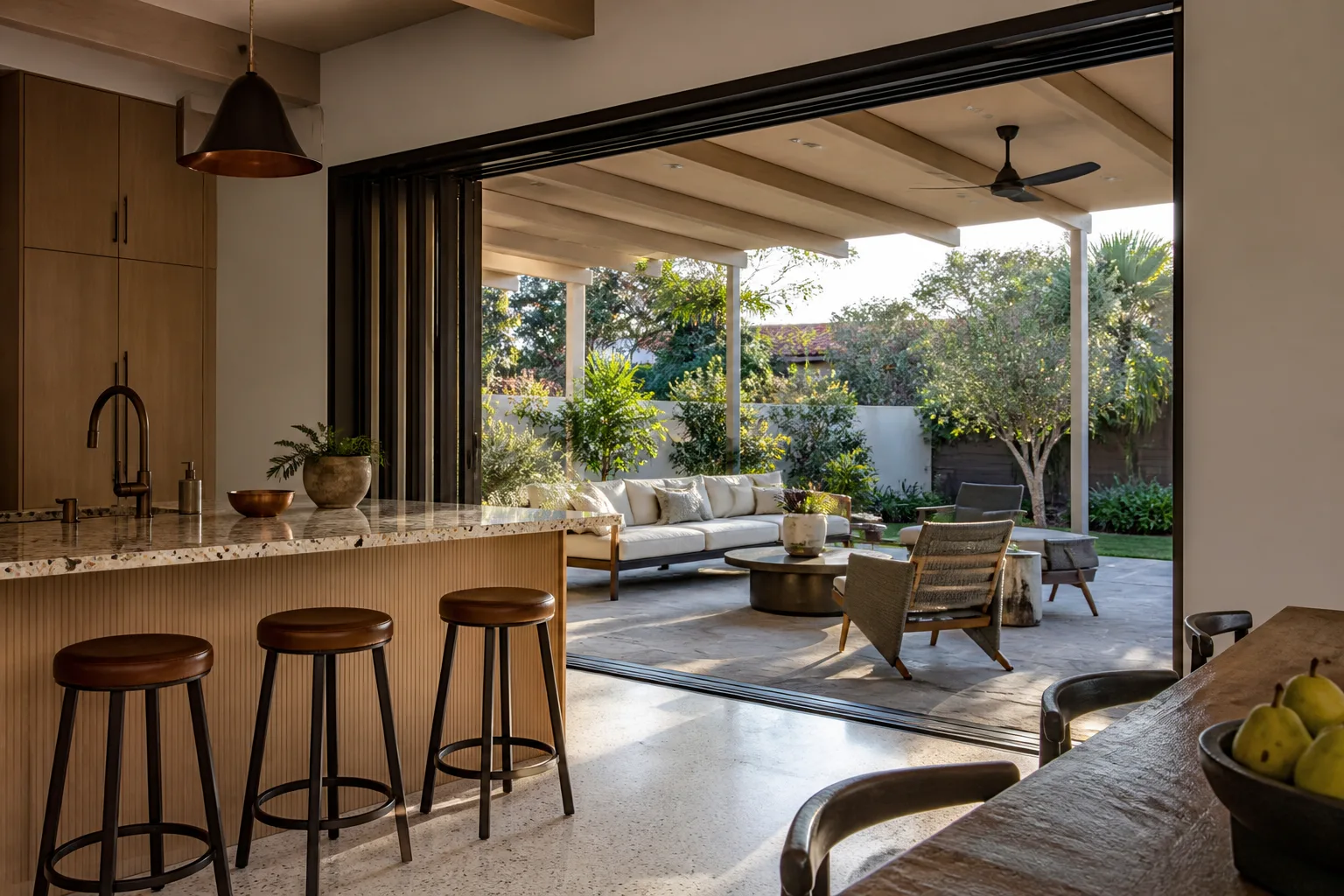
- Kitchen remodeling
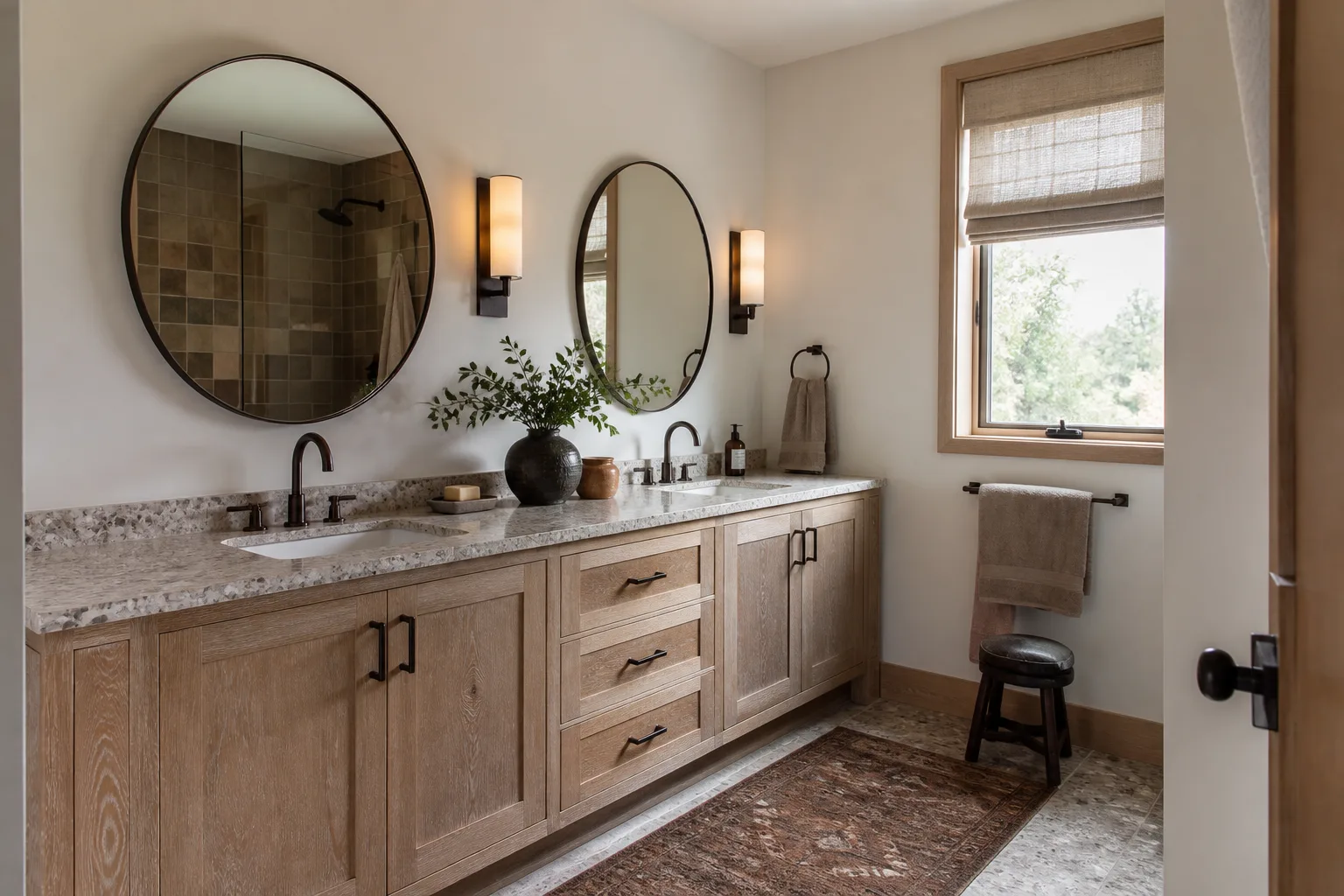
- Bathroom remodeling
- Home additions & ADU
- Roofing
- Windows & doors
- Driveway & pavers
- Fence
See the difference
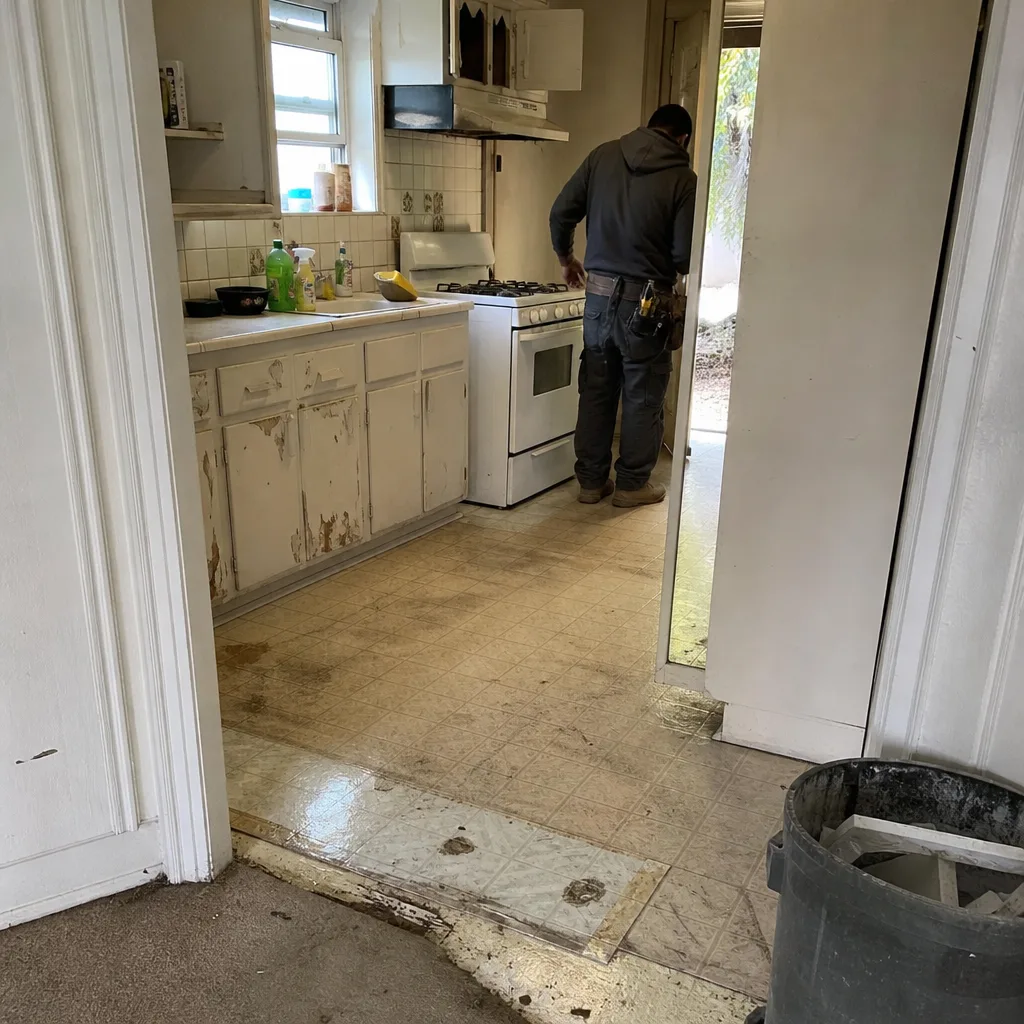 Before
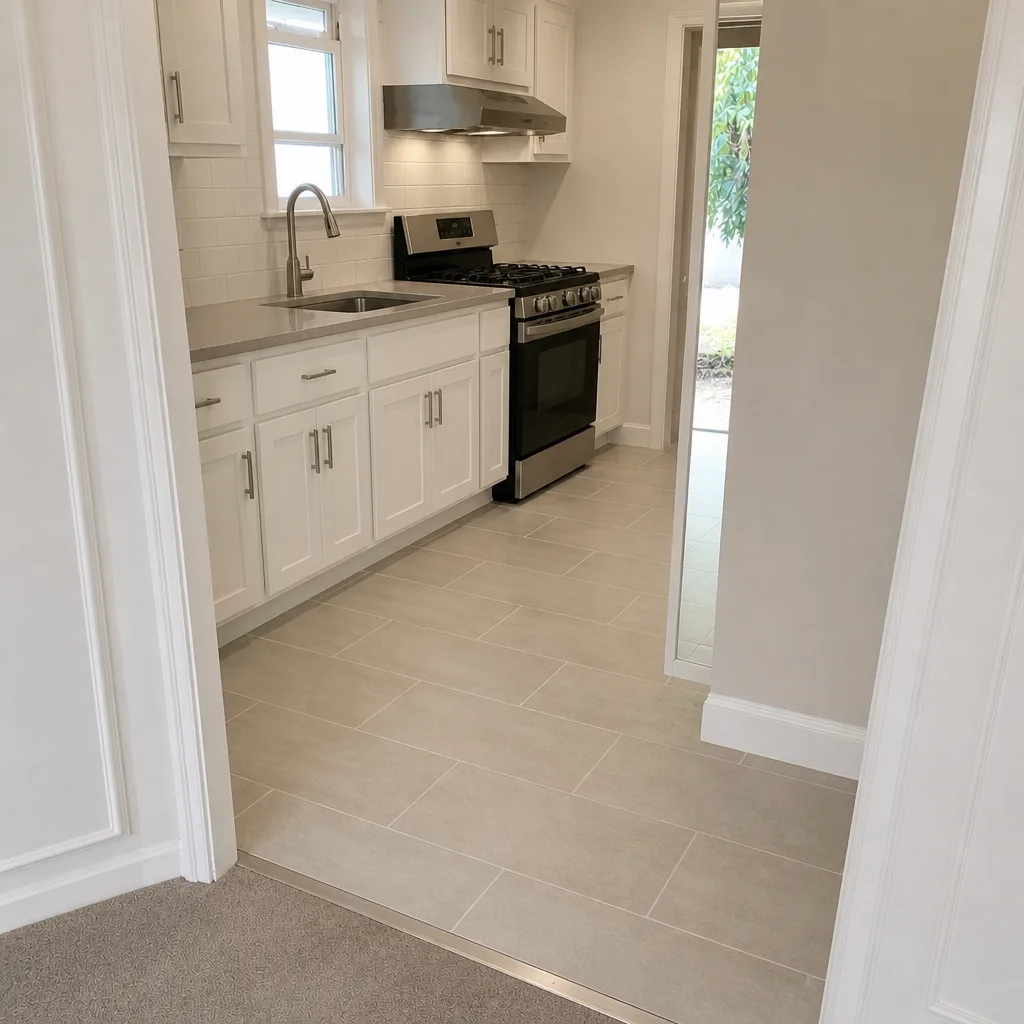 After
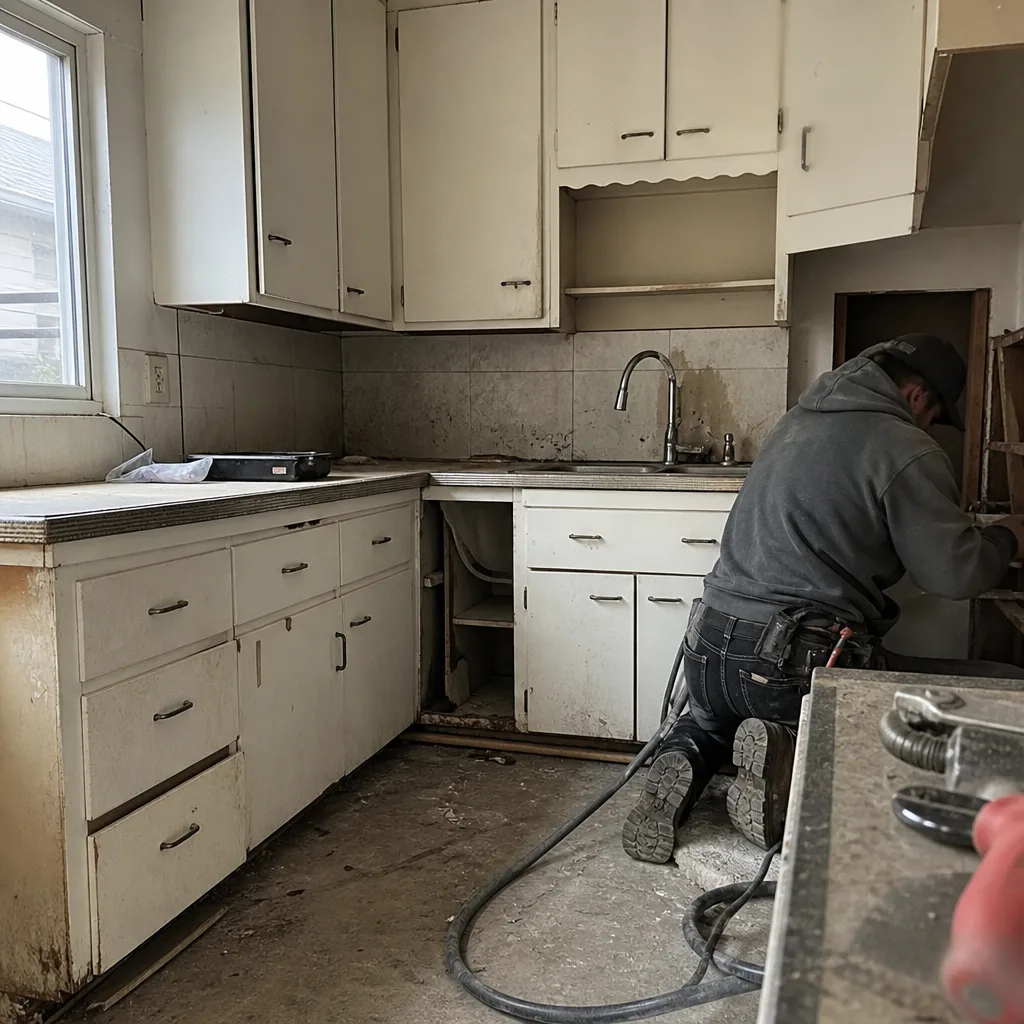 Before
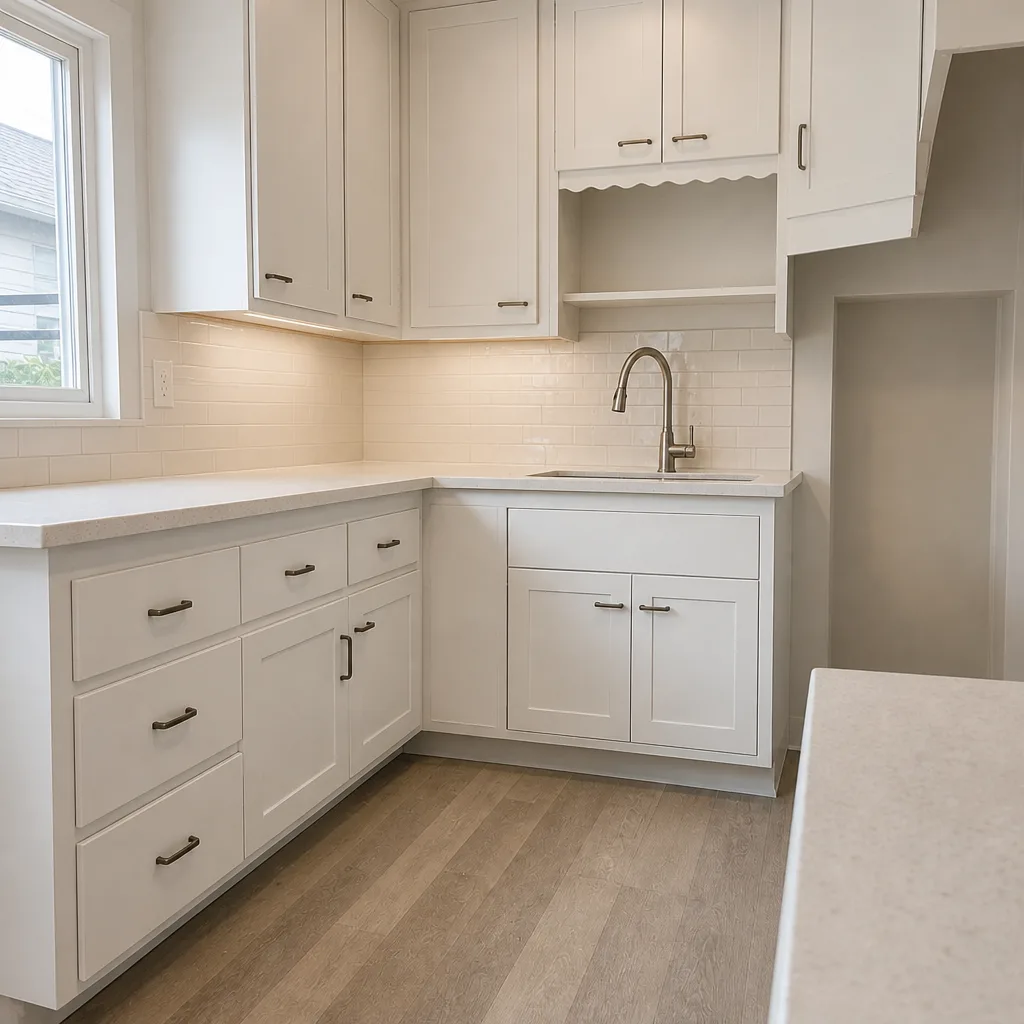 After
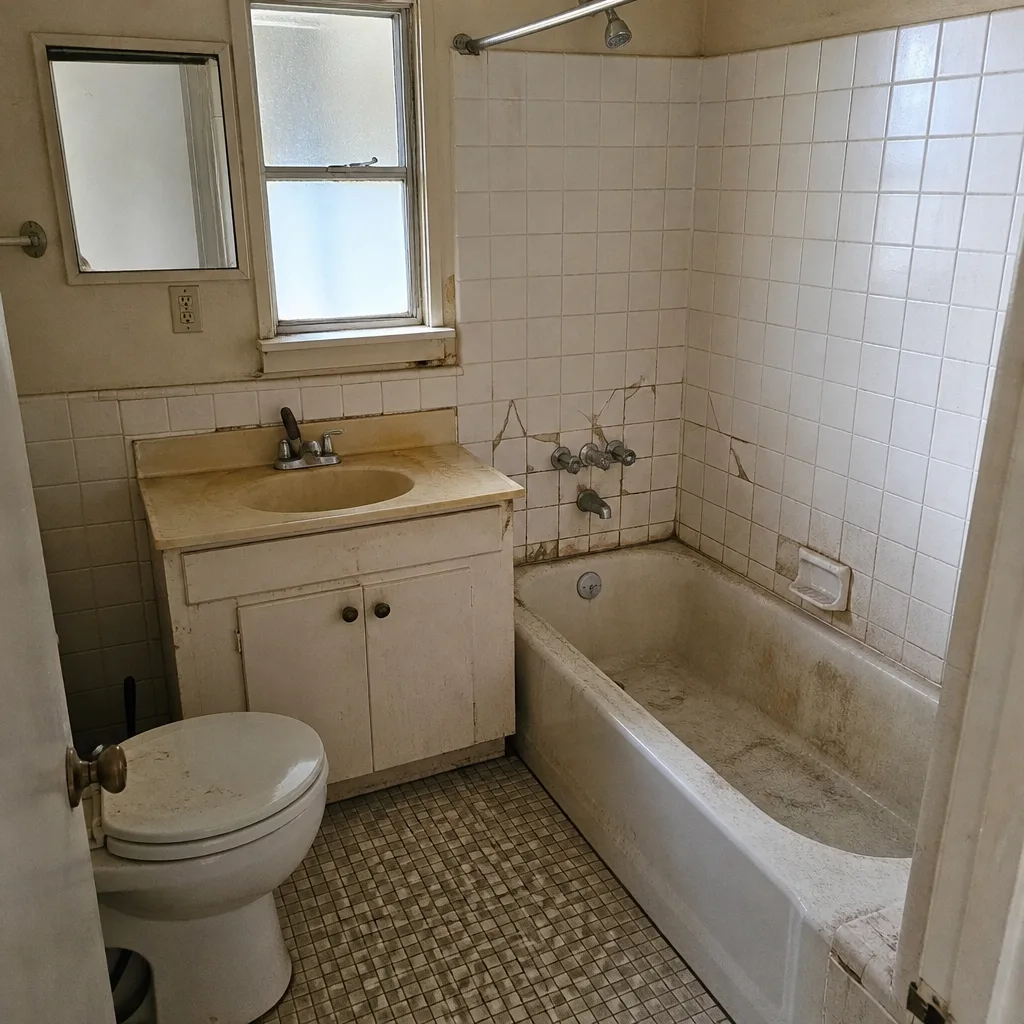 Before
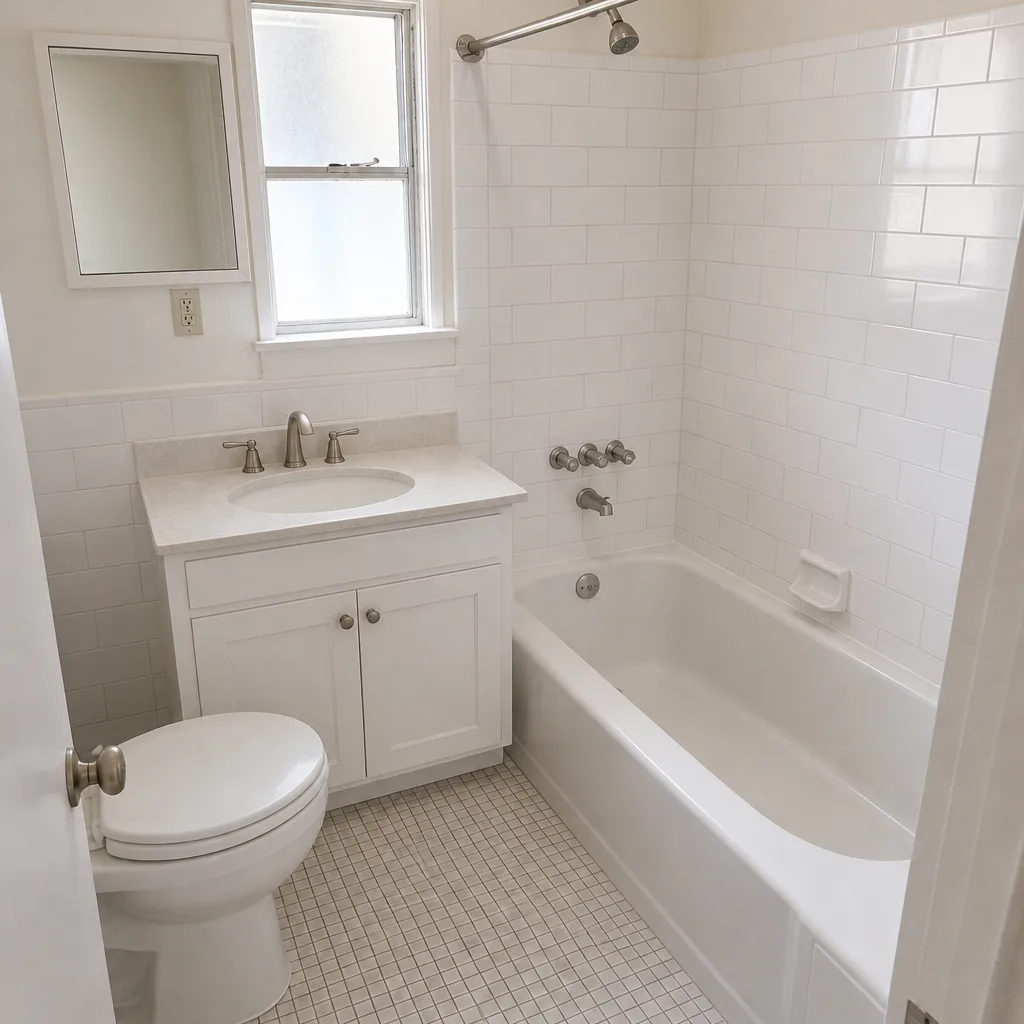 After
JADU vs. Standard ADU in Berkeley: Which One Actually Fits Your Plans?
Choose a standard ADU unless your goal is a small, low-cost unit for a resident who already lives in the house, and you’re fine with a recorded deed restriction staying attached to the title. A junior ADU (JADU) saves Berkeley homeowners $60,000-$120,000 upfront, but it comes with strings that follow the property, not the person. If you plan to rent the main home to an unrelated tenant, sell within a decade, or refinance against the property’s future value, a standard ADU is the safer bet. If you’re carving out a unit for a parent, adult child, or caregiver and staying put, a JADU does the job for a fraction of the price.
We’re Groundwork Construction Co. of Berkeley, and this is a decision we walk homeowners through more than almost any other. Call (855) 471-4163 for a free estimate and design consult.
What the Berkeley Deed Restriction Actually Means
Here’s the part that gets skipped in most “JADU vs. ADU” blog posts. Berkeley requires a recorded owner-occupancy covenant for every junior ADU. This covenant is a legal document tied to the deed, not a checkbox on a permit application. It shows up in title searches. It gets read by appraisers, lenders, and the next buyer’s attorney.
To release it, a homeowner has to submit a formal application to the city. That’s a process, not a phone call, and there’s no guarantee it gets approved on your timeline. If your plan is to rent the main house to a non-owner-tenant at some point, or to sell into Berkeley’s investor market, that restriction changes your calculus. A standard ADU, by contrast, carries no state-level owner-occupancy requirement under current law. You own it, you rent it, you sell the property with it - no covenant in the way.
If you’ve lived in North Berkeley’s flatlands long enough to remember the “Berkeley box” conversions from the 1990s, you know how restrictive these covenants can feel ten years after the fact. We’ve walked homeowners through releasing one, and we’ve also built standard ADUs for clients who guessed wrong on the JADU and needed to pivot.
Size, Footprint, and Rental Income: The Real Numbers
A JADU is capped at 500 square feet and must stay inside the existing home envelope - a converted bedroom, a reconfigured garage, a reshaped laundry room. A standard ADU can run up to 1,200 square feet, or 50% of the main home’s square footage, and can be built detached, attached, or above a garage.
In Berkeley’s dense, close-set neighborhoods, that footprint difference is the whole ballgame for rental income. A 500-square-foot JADU typically rents for less than half of what an 800-square-foot detached unit commands. When you run the numbers over ten or fifteen years of occupancy, the JADU’s upfront savings often get eaten by the smaller monthly rent.
| Feature | JADU | Standard ADU |
|---|---|---|
| Max size | 500 sq ft (interior only) | Up to 1,200 sq ft or 50% of main home |
| Detached allowed? | No | Yes |
| Bathroom requirement | Often shared with main home | Full kitchen + bath |
| Owner-occupancy | Required (recorded covenant) | Not required by state law |
| Berkeley cost range | $45,000-$130,000 | $90,000-$220,000 |
Our Home Additions & ADU work covers both options with the same walkthrough: we show you the specific build cost of each on your property, not a generic per-square-foot estimate. If you want the broader picture on additions and what the Berkeley permit timeline looks like, our Home Additions & ADU in Berkeley page covers that ground.
Why Berkeley’s Old Housing Stock Narrows the Cost Gap
The $60,000-$120,000 JADU savings disappears faster here than in most Bay Area cities. When we open a wall in an Elmwood or North Berkeley Craftsman to convert a bedroom into a JADU, we almost always find knob-and-tube wiring. Sometimes the foundation under the new unit is unreinforced brick. Both of those have to be brought to current code before the JADU can be signed off - and once a permit is pulled, the seismic retrofit requirements come with it.
The JADU’s genuine cost advantage is in avoiding new utility connections and a new foundation. That advantage only holds if the existing systems are already up to code. In Berkeley’s pre-1940 wood-frame homes - which is most of what we work on - rarely they are. Sit down with our team early, and the numbers get worked through honestly before you commit to a path.
Acoustic separation matters too. A JADU shares at least one wall with the main house, often more; it frequently shares HVAC and electrical. In century-old wood-frame construction with minimal soundproofing, that means you’ll hear the resident’s television and they’ll hear your dinner party. A detached standard ADU built with modern acoustic detailing avoids that entirely. If family harmony depends on separation, a standard ADU is the play.
The Real Trade: Upfront Cost vs. Long-Horizon Flexibility
Compare the two on what you want ten years out, not what you want in year one.
- Choosing a JADU makes sense if: an aging parent or adult child will live in the unit, you plan to hold the property for a long stretch, and you won’t need to sell or rent the main house to an unrelated tenant.
- Choosing a standard ADU makes sense if: rental income is part of the plan, you may sell within ten years, you want the flexibility to refinance without a covenant complication, or you want a detached footprint that leaves the main home fully separate.
- Consider a hybrid if: you have a garage that could become a detached ADU, and the JADU conversation becomes less about cost and more about long-horizon value. A garage conversion runs roughly $30,000-$80,000 and can later be upsized into a full standard ADU.
One thing we hear repeatedly from Berkeley homeowners: they called three contractors, got three very different price quotes, and none of them explained the deed restriction. That’s the piece competitors skip. Our proposals show both options with actual numbers, either path built under the same 730-Day Done Right Promise, so the decision is about your goals - not about which option we’d rather build.
The Berkeley Construction Context You’ll Navigate Either Way
Berkeley’s market runs on a tension between its progressive politics - the city was the first in the U.S. to ban natural gas in new low-rise buildings - and a stock of homes that predates most modern code. Pulling a permit here means seismic upgrades tied to the retrofit ordinance, green-building compliance on new square footage, and historic-preservation review in the districts where Craftsman bungalows and brown-shingle Berkeley boxes dominate. In the hills, wildland-urban interface rules add fire-resistant detailing to the list. None of that changes whether you build a JADU or a standard ADU; it just changes the paperwork.
Every Groundwork project is backed by a 730-Day Done Right Promise, transparent upfront pricing, and technicians who arrive in uniform after a background check. Curated brand partners like our full scope of home construction - from the trades we run - mean materials are spec’d to the job, not to what’s in stock. Concrete and utility work on ADU site prep typically runs through partners we trust like Belgard and Unilock.
FAQs
No. Berkeley’s recorded owner-occupancy covenant for a JADU requires the property owner to live in the main home, and the JADU can only be rented to a household of a certain income bracket or a qualifying family member, depending on the specific permit terms. A standard ADU carries no such state-level owner-occupancy requirement. Call (855) 471-4163 and we’ll walk through what that means for your specific rental plan.
A JADU in Berkeley typically costs $45,000-$130,000, while a standard ADU runs $90,000-$220,000 depending on size, site, and utility work. The real question is whether the JADU’s savings survive the code-upgrade requirements Berkeley’s older housing stock triggers. Call (855) 471-4163 for a free estimate - we’ll show you both numbers on your actual property.
The restriction stays with the title. A buyer purchasing a Berkeley home with a recorded JADU covenant inherits the owner-occupancy requirement, which shows up in title searches and can complicate financing, appraisal, and resale negotiations. If a sale is anywhere in your future, that’s a strong argument for a standard ADU. Call (855) 471-4163 to talk through your timeline.
Usually yes, but it depends on whether the existing wiring, foundation, and HVAC are up to current code. In pre-1940 homes, they often aren’t, and the upgrade costs narrow the JADU’s cost advantage significantly. We walk every Berkeley homeowner through the real numbers at the proposal stage. Call (855) 471-4163 and we’ll take a look.
Getting a Straight Answer on Which Path Fits
If you’d rather have it looked at, Groundwork Construction Co. of Berkeley offers a no-pressure assessment in Berkeley - call (855) 471-4163. We’ll walk your property, run both options with real numbers, and explain the deed-restriction implications in plain English before you file anything.
Written by the team at Groundwork Construction Co. of Berkeley, serving Berkeley, CA.