Last updated November 18, 2026
Free written scope consultation - allowances, timeline, and change-order rules on paper before a single trade is scheduled
Construction Cost Breakdown: The Berkeley Homeowner’s Reference for 2026
Most Berkeley homeowners collect three bids and pick the middle one. It feels prudent. But those three bids are usually scoped differently, and the middle number often belongs to the contractor who left the most cost risk undefined. A $120,000 bid can quietly become a $160,000 project once the exclusions surface mid-framing. What follows is a working reference for what construction actually costs in Berkeley in 2026, why the numbers land where they do, and how to read a proposal for what it’s leaving out rather than what it’s promising.
Quick Answer
In 2026, a mid-range kitchen remodel in Berkeley runs roughly $85,000 to $140,000, a bathroom renovation $28,000 to $65,000, a roof replacement $18,000 to $42,000, and an ADU $280,000 to $450,000, depending on site access and finish level. Soft costs (design, permits, engineering, impact fees) add 15% to 25% on top of hard construction costs, and hillside properties carry another 15% to 25% premium over flatlands projects of identical scope.
Styles & brands we work with
- Kitchen remodeling
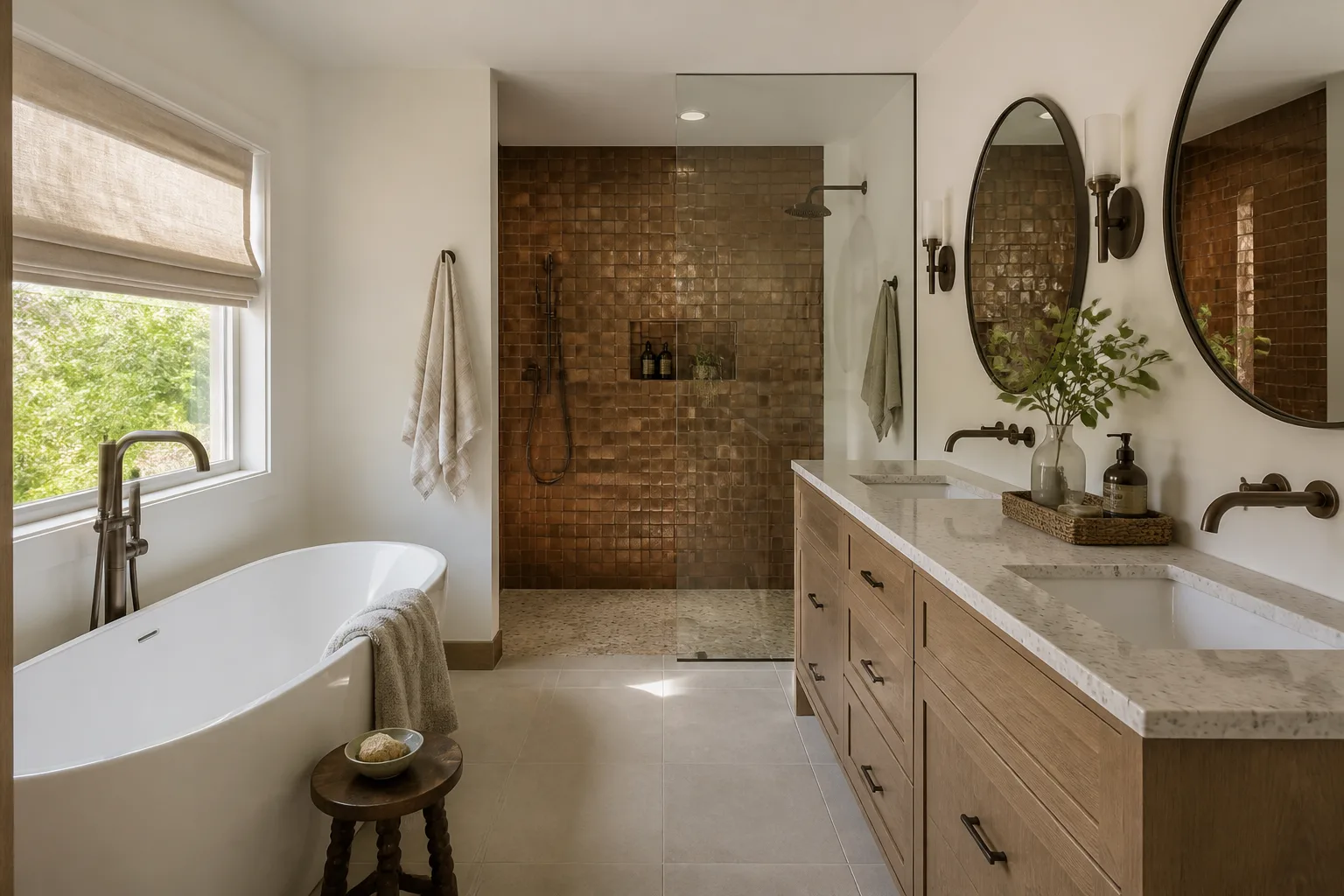
- Bathroom remodeling
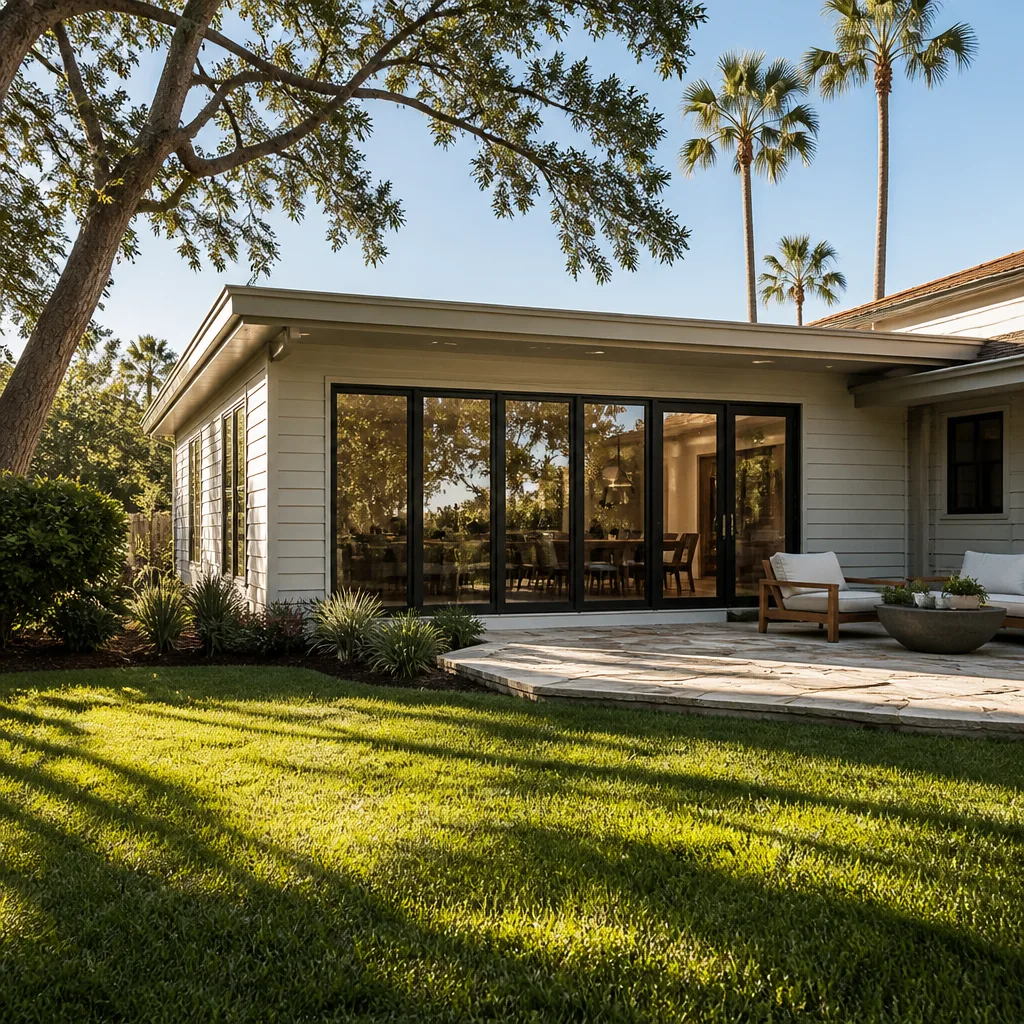
- Home additions & ADU
- Roofing
- Windows & doors
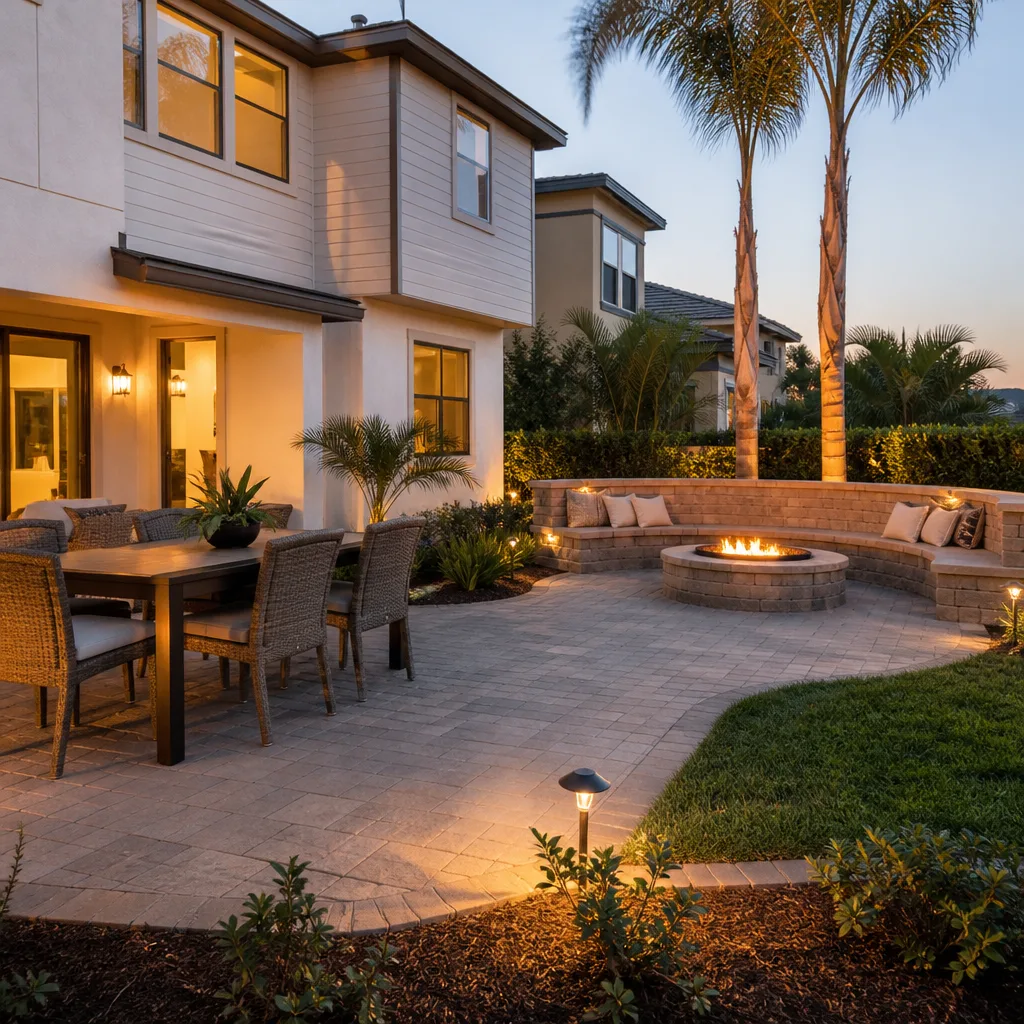
- Driveway & pavers
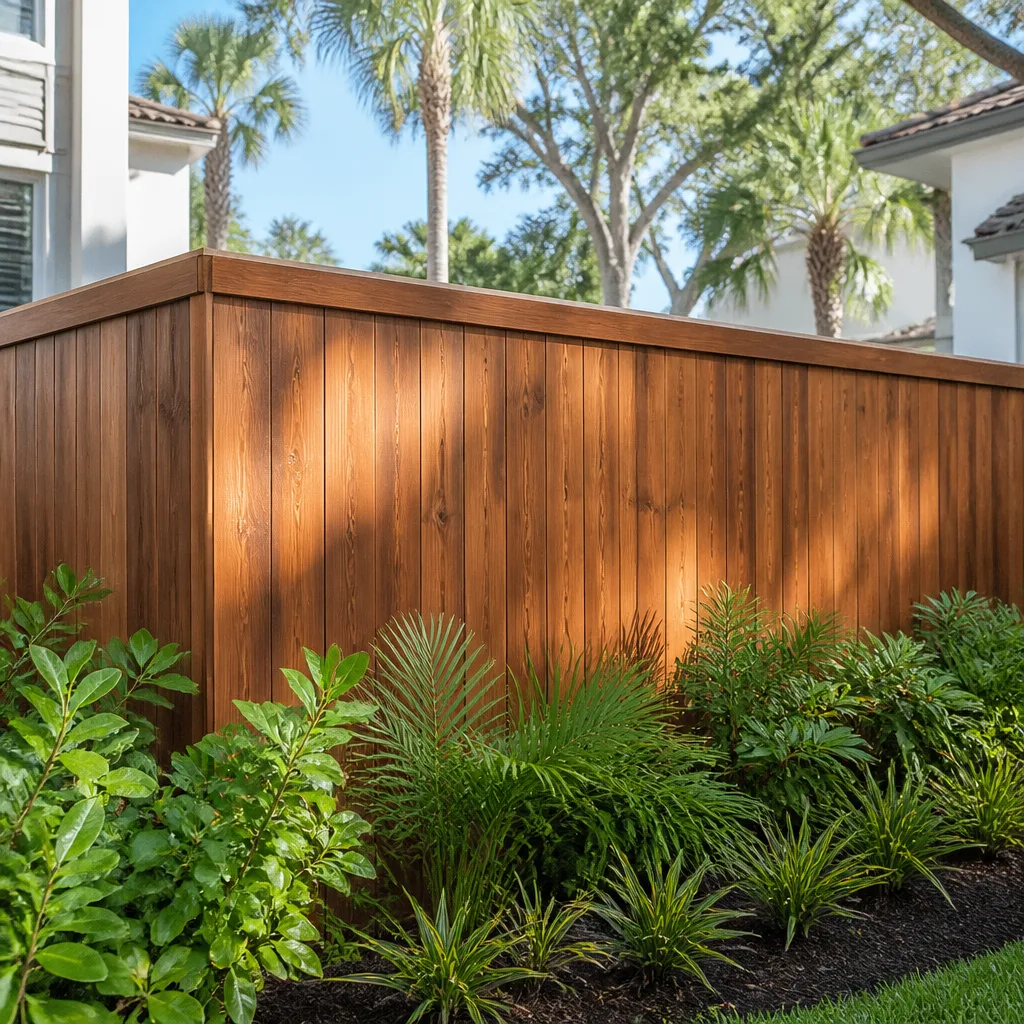
- Fence
Table of Contents
- Hard Costs vs. Soft Costs vs. Berkeley-Specific Costs
- What the Line Items Actually Look Like in 2026
- Why Berkeley Hillside Projects Cost 15-25% More
- How to Read a Bid for What’s Missing
- Material Cost Volatility in 2025-2026
- Permit Fees, Impact Fees, and the Cost of Waiting
- What Transparent Pricing Removes From the Equation
- Frequently Asked Questions
Hard Costs vs. Soft Costs vs. Berkeley-Specific Costs
Every construction budget has three layers, and most homeowners only see the first one. Hard costs are labor and materials – the lumber, the tile, the crew. Soft costs are the design and administration that get you a permit before anyone swings a hammer. Berkeley-specific costs are the fees, inspections, and logistical surcharges that come with building in this particular city, and they’re the layer most out-of-area contractors underestimate.
Here’s how the three layers typically split on a whole-house scale project in Berkeley:
- Hard costs: 65% to 75% of total budget – framing, mechanical, electrical, plumbing, finishes, labor.
- Soft costs: 15% to 25% – architectural design, structural engineering, permit fees, plan check, energy compliance documentation.
- Berkeley-specific costs: 5% to 12% and climbing – school impact fees on new habitable square footage, hillside access surcharges, the time cost of inspection scheduling backlogs, and neighborhood-specific parking or staging restrictions.
The reason this matters is compounding. Soft costs get paid early, before the job is funded by a construction loan draw. A 20% soft cost on a $400,000 Berkeley project is $80,000 out of pocket before framing starts. If those numbers get buried in a lump-sum bid, the homeowner discovers them at the least convenient moment.
What the Line Items Actually Look Like in 2026
Categories move at different speeds. Here are the ranges we’re seeing on realistic Berkeley scopes in 2026, expressed as line-item bands rather than single totals. Treat these as planning ranges, not quotes – every Berkeley property has its own site conditions.
- Kitchen, mid-range (guttafl2xxx 12×14 footprint): $85,000-$140,000. Cabinetry is the swing item – semi-custom from a name brand like KraftMaid sits in the mid band, slab stone countertops add $8,000-$18,000, and plumbing and electrical relocation accounts for $12,000-$22,000.
- Bathroom, full gut: $28,000-$65,000. Tile selections and shower waterproofing systems drive most of the spread.
- Roof replacement, single-family: $18,000-$42,000 for architectural asphalt shingle, with GAF and Owens Corning systems both in the working range. Slate or tile on a Berkeley hills home can double it.
- Windows & doors, whole-house: $22,000-$55,000 depending on count and whether you’re running Andersen, Marvin, or Pella lines on a full replacement versus retrofit.
- Home addition (400-600 sq ft): $180,000-$320,000 plus soft costs.
- ADU conversion or new detached unit: $280,000-$450,000 turnkey, with modular options from manufacturers like Plant Prefab and Mighty Buildings potentially trimming schedule and labor on the right lot.
If you want to see how these bands translate into specific project scopes, our pages on Groundwork Construction Co. of Berkeley home services and our Driveway & Pavers in Berkeley guide walk through the exterior and hardscape side of the same numbers.
Why Berkeley Hillside Projects Cost 15-25% More
Build the same 500 square-foot addition on a flat lot in South Berkeley and on a sloped lot up in the Berkeley Hills and the hillside version runs 15% to 25% more. This isn’t padding – it’s four compounding logistical realities most cost guides skip.
- Access and staging. A hillside lot often has no drive-around, narrow switchback streets, and limited space to stage materials. That means delivery surcharges, more hand-carrying, and a crew that moves slower by necessity.
- Foundation engineering. Sloped sites require deeper foundations, retaining structures, and often pier systems. Structural engineering fees alone can add $6,000-$15,000, and the concrete and steel to execute the design adds more.
- Seismic and geotechnical requirements. Berkeley sits close enough to the Hayward Fault that geotechnical reports and engineered seismic retrofits are standard, not optional. On a hillside, those requirements get stricter.
- Inspection logistics and time cost. When inspections require a specific inspector’s schedule and the property requires a hillside visit, delays stack. Every week of project delay on a construction loan carries interest cost, plus the schedule-slip costs of rescheduling subcontractors.
We’ve watched homeowners buy a “cheaper” hillside bid only to realize the contractor had never priced the access reality. The bid wasn’t cheap – it was incomplete. Ask any contractor bidding a Berkeley hills property to show you where the access surcharge and geotechnical allowance sit in their line items. If those lines don’t exist, the bid is a placeholder.
How to Read a Bid for What’s Missing
The most expensive word in a construction contract is “excluded.” A bid that reads clean at $120,000 can become $160,000 because the homeowner didn’t notice that demolition, disposal, permits, or paint weren’t in the scope. Here’s the checklist to run against any Berkeley bid before signing:
- Is demolition and haul-away included? In Berkeley, disposal fees and dumpster placement on constrained streets are real line items. If they’re not listed, they’re an add.
- Are permits pulled by the contractor or the homeowner? If the homeowner pulls the permit, the contractor shifts plan-check responsibility and cost to you. Ask directly.
- Is the bid fixed-price or time-and-materials? Time-and-materials bids shift every risk (labor overruns, unexpected conditions, material price changes) to the homeowner. Fixed-price bids absorb that risk in the contractor’s line.
- How are allowances defined? An allowance is a guess. A $15,000 tile allowance that turns out to need $25,000 of tile is a $10,000 surprise. Ask for real specifications, not allowances, on anything over $2,000.
- What’s the change-order process? Fixed markup percentages and written approval requirements should be spelled out, not implied.
- What’s excluded by name? Paint, landscaping, HVAC upgrades, and electrical panel replacements are the four most common silent exclusions in Berkeley remodel bids. Look for them.
- What’s the warranty in writing? A verbal “we stand behind our work” isn’t a warranty. Read the actual document.
The difference between a complete bid and an incomplete one is often $30,000 to $50,000 on a Berkeley project. That range is the entire reason we work from no-hassle upfront pricing on every job, and back every project with the 730-Day Done Right Promise – if it isn’t done right, we make it right. The number you see is the number you pay.
Material Cost Volatility in 2025-2026
Material prices in 2025 and 2026 split into two camps: categories that have stabilized and categories still swinging. Knowing which is which changes how you should structure the contract.
Categories that have stabilized: dimensional lumber and framing material, standard drywall, most roofing shingles, and builder-grade plumbing fixtures have flattened compared to the 2021-2023 spikes. A bid on these categories that’s good in January is likely good in June.
Categories still moving: imported tile and stone, engineered hardwood, custom cabinetry, and certain electrical components. Tariffs, shipping, and manufacturing capacity all contribute. A fixed bid on these categories needs either a price-lock clause or a specific allowance structure with escalation language.
How to protect yourself in the contract:
- Ask for fixed pricing on stabilized categories (framing, drywall, roofing).
- For volatile categories, ask for a locked price with a validity window – usually 30 to 60 days – stated in the contract.
- Refuse open-ended allowances without a specified unit price and quantity.
- If a project exceeds 90 days, ask how material escalation on the volatile categories will be handled. Carrying cost on a construction loan runs about $1,200 to $2,400 per month per $250,000 borrowed at 2026 rates, so schedule slip on volatile categories is doubly expensive.
Our approach inside Groundwork is to lock pricing on the stabilized trades and specify the volatile trades in writing before the contract signs. That’s what “from foundation to finish line” actually requires.
Permit Fees, Impact Fees, and the Cost of Waiting
Berkeley’s permit fees are calculated on project valuation, and the fees themselves are a fixed cost you can estimate. What most cost guides miss is that inspection scheduling delays are a real cost, and they hit Berkeley harder than many neighboring cities because of plan-check volume and hillside inspection logistics.
Here’s a realistic fee-and-timing breakdown for a 2026 Berkeley project:
- Building permit: typically $3,000-$12,000 for a mid-scope remodel, scaling with valuation. Additions and ADUs push higher.
- School impact fees: assessed on new habitable square footage. For an ADU or addition, expect $4,000-$12,000 depending on unit size. This is a Berkeley-specific cost most out-of-area contractors don’t budget for.
- Plan check: included in permit but often with a correction cycle that adds 3-8 weeks. Every cycle the plan comes back with corrections costs project time and, on a construction loan, interest.
- Inspection scheduling: plan for a 1-3 week lag between inspection phases. On a project with 6 inspections, that’s a month of calendar time you should budget for in the contract.
Two practical rules: pull the permit before demolition starts (never after), and ask the contractor on day one how many plan-check cycles they expect and who pays for corrections. If a Berkeley contractor gives you “no corrections expected” on anything beyond a bathroom, ask them to put it in writing. A 6-week delay on a $400K project at 2026 borrowing rates costs $2,800-$5,600 in interest before any actual construction is added.
What Transparent Pricing Removes From the Equation
The single decision that determines whether a Berkeley construction budget holds is the type of contract you sign. Here’s what the three common models actually expose you to:
- Time-and-materials: every labor hour and material cost gets tacked onto your bill, with a markup. The contractor has no financial incentive to move efficiently, and every surprise lands on you.
- Allowance-heavy fixed price: the bid looks fixed, but a quarter of the line items are “allowances” that get reconciled at finish selection. A $110K bid can become $145K at tile and cabinet selection.
- Fixed upfront pricing: the number you see is the number you pay. All scope defined, all selections specified at contract, all risk (except truly hidden conditions) absorbed by the contractor.
We work exclusively in the third model. Upfront pricing, no surprises, and the 730-Day Done Right Promise behind it. The 0% financing for 18 months and $1,000 off projects over $10,000 exist precisely to make the transparent model realistic for homeowners who don’t want to drain a savings account up front. If you’re also planning an addition or ADU in 2026, our Home Additions & ADU in Berkeley page shows how the ADU-specific line items break down under the same approach, and our Fence Installation in Berkeley guide covers the exterior work that often gets paired with a larger project.
See the difference
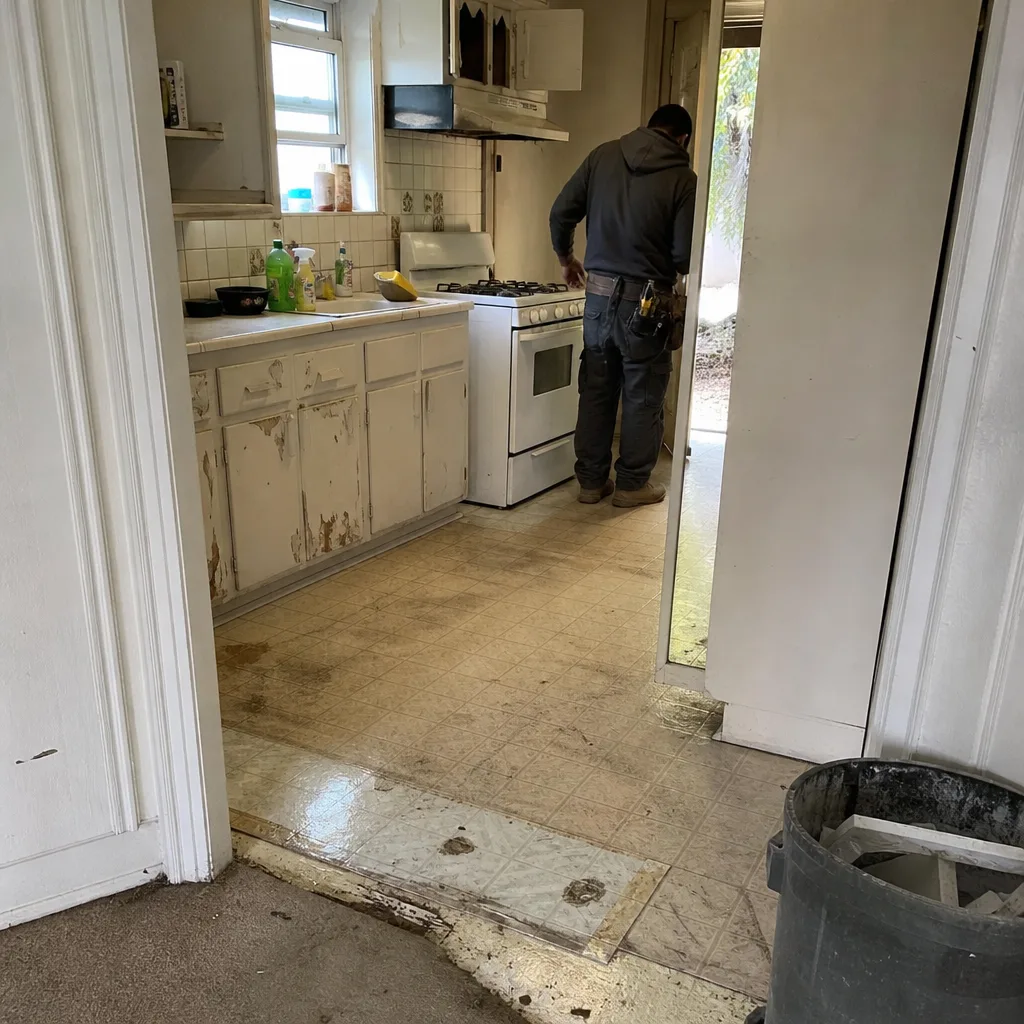 Before
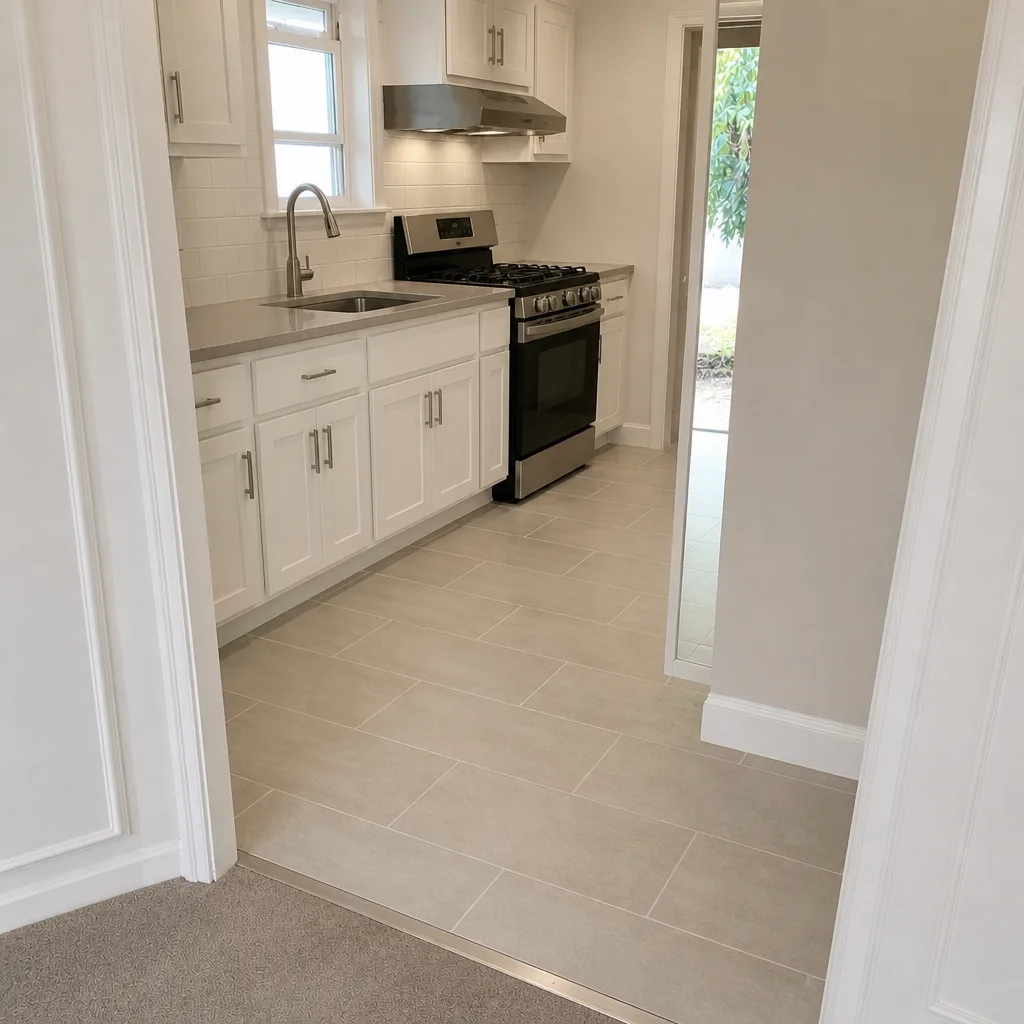 After
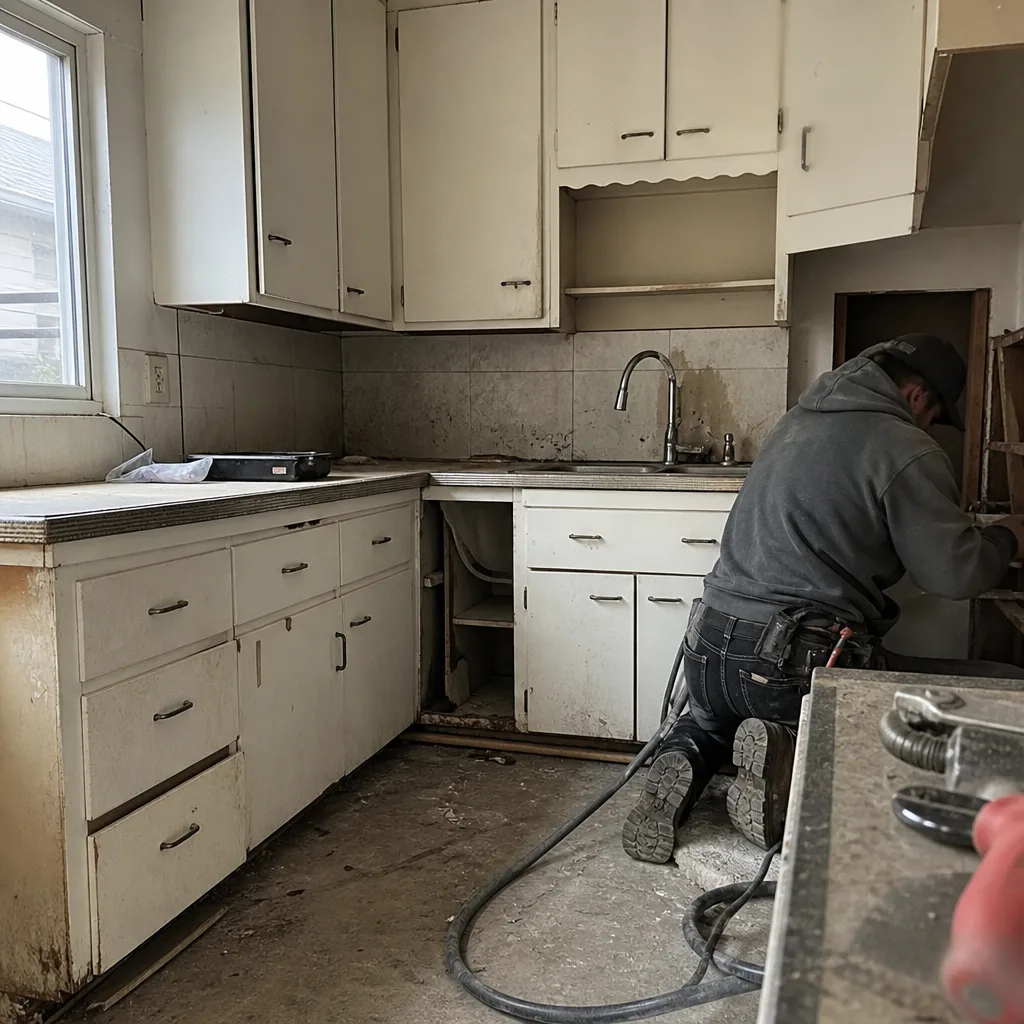 Before
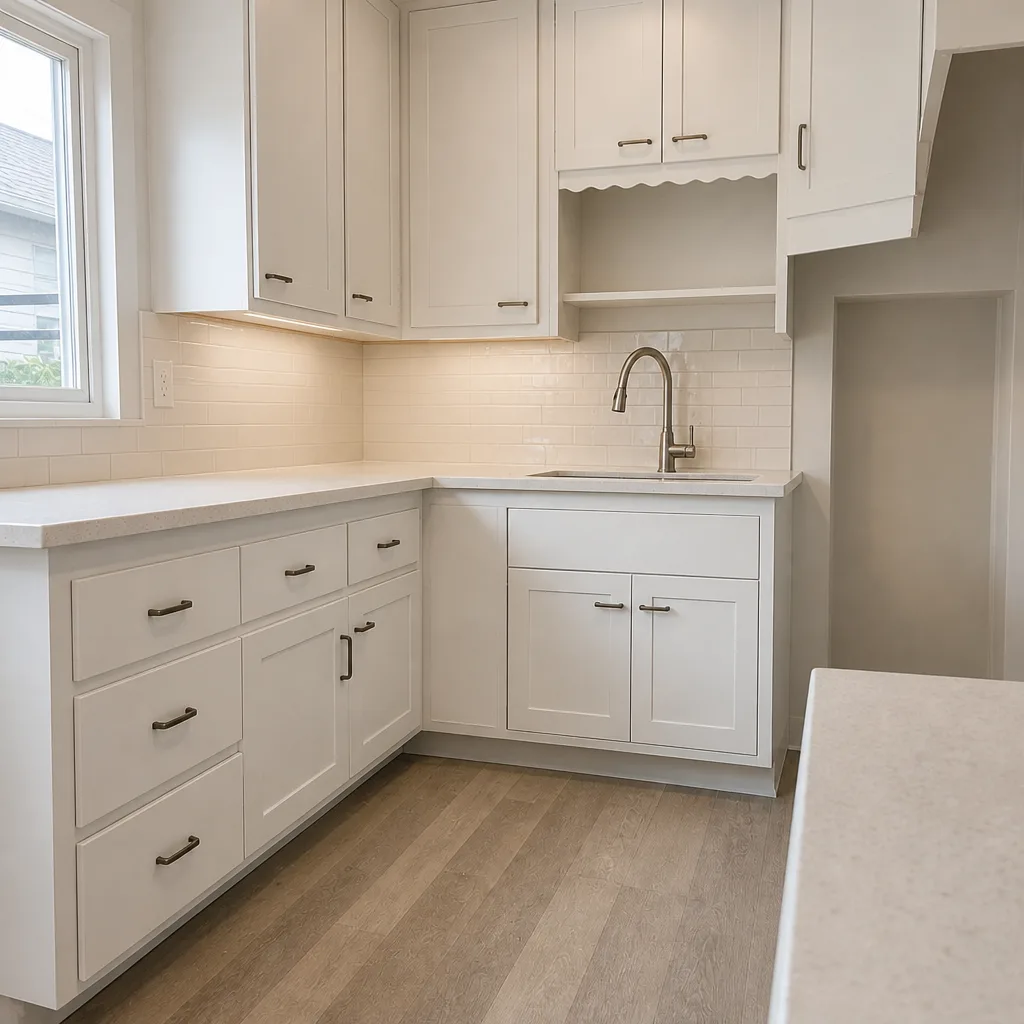 After
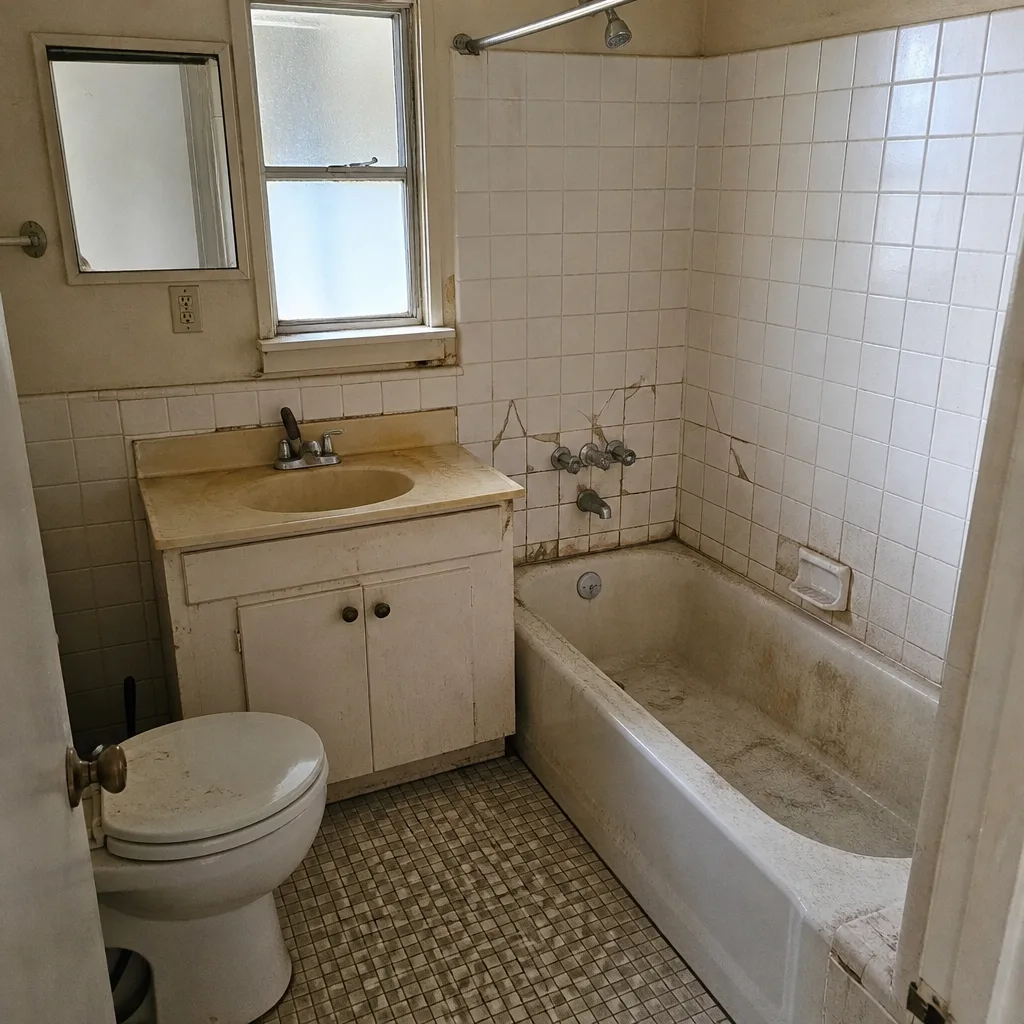 Before
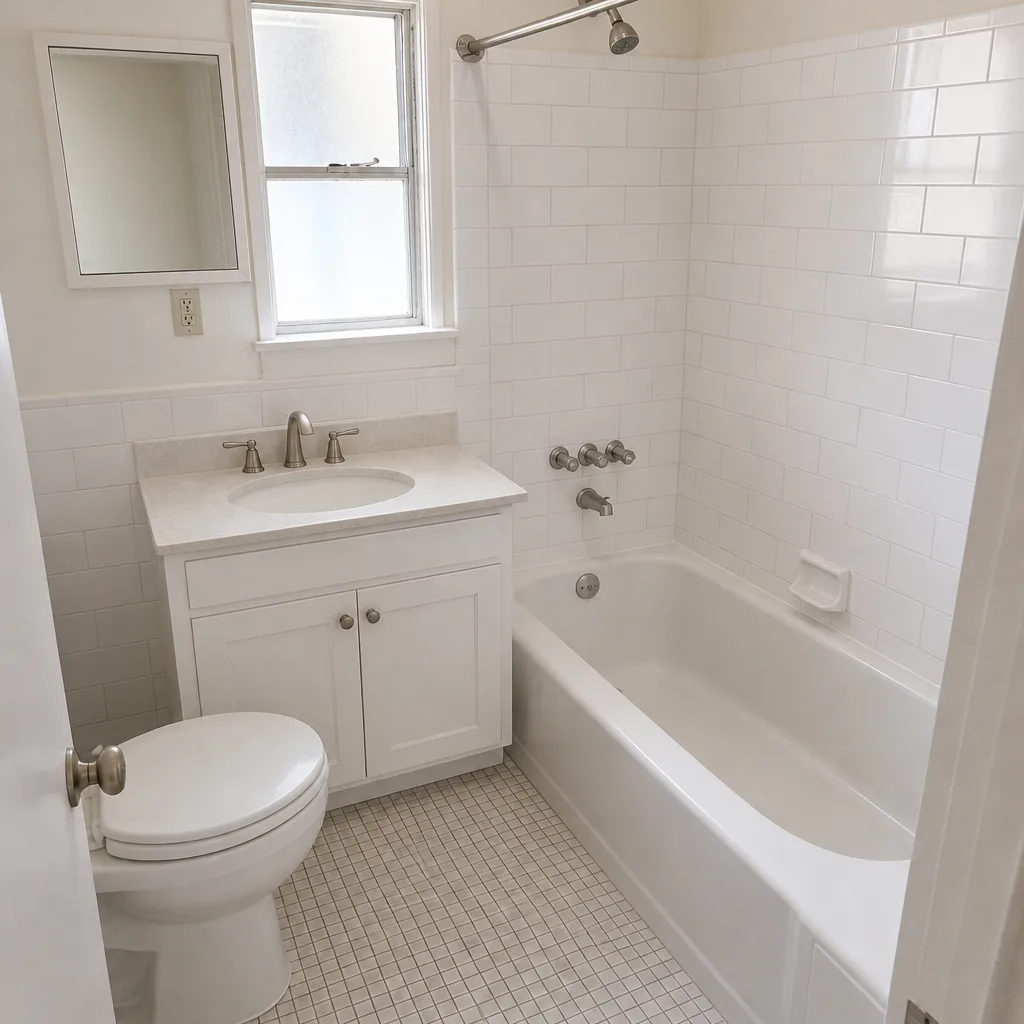 After
Common Mistakes to Avoid
- Picking the middle bid without comparing scope. The middle number means nothing if the low bid excluded demolition and the high bid included a full HVAC upgrade. Line up the exclusions before you line up the totals.
- Trusting an allowance instead of a specification. On a Berkeley project, a $12,000 tile allowance can resolve to $22,000 at selection. Ask for actual tile names and square footage before signing.
- Assuming your hillside lot was priced like a flat lot. If the bid doesn’t have a specific access or geotechnical line, the contractor is guessing. That guess becomes your change order.
- Forgetting Berkeley school impact fees on additions and ADUs. These are separate from the base permit and are one of the most consistently missed costs in out-of-city contractor bids.
- Signing a time-and-materials contract to “save money.” Time-and-materials saves nothing on the homeowner side – it transfers every risk to you while the contractor stays whole.
- Not pricing the schedule slip. On any project over 90 days, delay has a dollar cost at 2026 borrowing rates. Build 4-8 weeks of realistic slack into the plan; don’t accept a rosy schedule as a contract term.
- Ignoring material price validity windows. A bid with no stated price-lock timeline on volatile categories isn’t a fixed bid – it’s a starting point.
When to Call a Professional
Bring in a professional contractor when the project touches structural systems, requires a permit, involves electrical or plumbing relocation, or when you’re pricing anything over $40,000 in scope – those are the thresholds where a missed line item costs more than the design fee. On a Berkeley hillside property, that threshold drops lower: any foundation work, seismic retrofit, or hillside addition should start with a contractor walkthrough before you commit to a design budget. Groundwork Construction Co. of Berkeley offers free estimates in Berkeley – call (855) 471-4163. Calls are answered by a live person 24/7, and every estimate we return is line-item and no-hassle upfront, so you’re comparing real scopes rather than round numbers. For projects over $10,000, you also qualify for $1,000 off, plus 0% financing for 18 months to spread the cash flow across the build. All work is backed in writing by the 730-Day Done Right Promise.
Frequently Asked Questions
A mid-range full kitchen remodel in Berkeley in 2026 runs roughly $85,000 to $140,000 all-in, including design and permits. The range moves based on cabinet brand, countertop material, and whether plumbing or electrical need to relocate. High-end kitchens with custom cabinetry and premium stone can push past $180,000. Call (855) 471-4163 for an exact quote – estimates are free.
Berkeley construction costs are higher because of four compounding factors: union-adjacent labor premiums, permit and school impact fee structures, hillside access surcharges on any property above the flats, and material lead times that add carrying costs to projects over 90 days. A same-scope project in Berkeley can run 10% to 25% more than an equivalent scope in a flat East Bay city.
Yes – any structural work, electrical or plumbing relocation, addition, ADU, or change to habitable square footage requires a Berkeley building permit, and additions and ADUs also trigger school impact fees. Ask your contractor in writing whether they pull the permit and who pays for plan-check corrections. Groundwork pulls permits on every project we manage; call (855) 471-4163 to talk through your scope.
A bathroom remodel typically takes 4-8 weeks, a kitchen 8-14 weeks, a roof replacement 3-7 days, and an addition or ADU 5-10 months including design and permit. The biggest schedule variable in Berkeley is plan-check correction cycles, which can add 3-8 weeks. Call (855) 471-4163 and we’ll give you a realistic calendar for your specific scope – not a hopeful one.
The 730-Day Done Right Promise is Groundwork’s workmanship guarantee: if any element of the work we perform isn’t done correctly within 730 days of project completion, we make it right at no cost to you. It’s one of the longest workmanship guarantees in residential construction, and it’s in writing. Call (855) 471-4163 for the full details and your free estimate.
Not on a fixed upfront pricing contract – the number you see is the number you pay. Price changes only occur if truly hidden conditions surface (undisclosed water damage, non-permitted prior work) or if the homeowner adds scope. Those situations are handled through a written change order that requires your approval before any extra work begins. Call (855) 471-4163 to see a sample of how we structure our fixed-price bids.
The Bottom Line
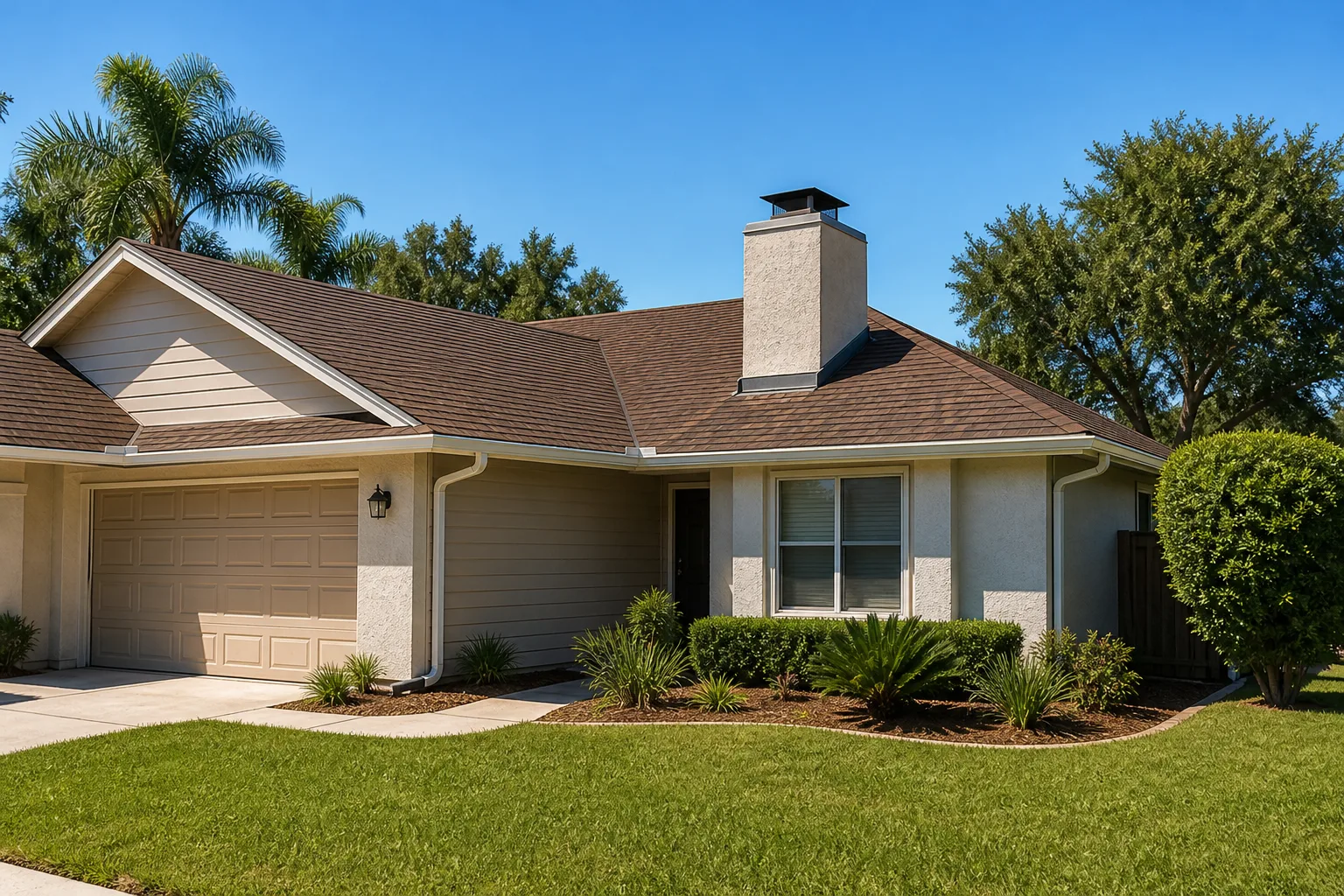
The reason a Berkeley construction budget holds is the same reason a bad one blows up: specificity. Fixed pricing on the stabilized trades, locked validity windows on volatile ones, complete scopes with named exclusions, and a realistic calendar that prices in plan-check cycles and inspection lag. A bid you can read top to bottom and understand line-by-line is the difference between a $120K project and a $160K one. That’s the model we work from – no-hassle upfront pricing, live humans on the phone 24/7, and the 730-Day Done Right Promise behind every job. Call Groundwork Construction Co. of Berkeley at (855) 471-4163 for a free, line-item estimate on your 2026 project.
Written by the team at Groundwork Construction Co. of Berkeley.