
Last updated November 18, 2026






Free written scope consultation - allowances, timeline, and change-order rules on paper before a single trade is scheduled
Construction Warning Signs: A Berkeley Homeowner’s Reference Guide
A diagonal crack running from the corner of a window frame isn’t a cosmetic issue in a Berkeley hillside home. It’s a foundation movement indicator, and the difference between catching it at $4,000 and catching it at $40,000 is knowing what you’re looking at. Most construction failures we’ve inspected announced themselves weeks or months earlier, through sounds, hairline cracks, water marks, and doors that stopped closing right. Homeowners misread those signals as “old house stuff” until a small repair becomes a structural bill. This guide catalogs the warning signs by material and location, tells you which are cosmetic and which are urgent, and explains what a real warranty response looks like when you’ve already had work done in Berkeley.
Quick Answer
The most serious construction warning signs in a Berkeley home are diagonal cracks that grow wider over time, doors and windows that stick suddenly, water staining on ceilings or foundation walls, and exterior cracks that let moisture into a crawl space. Horizontal foundation cracks, cracks wider than a quarter inch, and any crack that appears or widens after a nearby quake all warrant a licensed structural engineer. Cosmetic settling is usually cosmetic; movement that’s active is not.
Styles & brands we work with
- Kitchen remodeling
- Bathroom remodeling
- Home additions & ADU
- Roofing
- Windows & doors
- Driveway & pavers
- Fence
Table of Contents
- How Do You Read a Crack in Berkeley? A Pattern and Progression System
- Water Intrusion Signs That Depend on Your Home’s Construction Era
- Cosmetic Settling vs. Structural Movement in Berkeley’s Geology
- Interior Clues That Point to Exterior Failures
- Roof and Envelope Warning Signs You Can See From the Ground
- Contractor Behavior Warning Signs After the Project Ends
- Material-Specific Failures: Stucco, Siding, Concrete, Fence
How Do You Read a Crack in Berkeley? A Pattern and Progression System
Cracks are the most misread signal in home inspection because they all look alike to an untrained eye. We classify them by three factors: pattern, location, and progression speed. Pattern alone won’t tell you if a crack is structural, but pattern plus location plus how fast it’s growing usually does. Here’s the system we use on every call in Berkeley.
Pattern. Vertical cracks in foundation walls are common and usually shrinkage-related. Diagonal cracks starting at a window or door corner and running toward the ceiling or slab suggest differential settlement at one corner of the home. Horizontal cracks in a foundation wall, especially if the wall is bowing, are a serious load or soil-pressure indicator. Stair-step cracks in brick or masonry are movement indicators, not cosmetic issues. Map cracks in stucco (a network of hairline cracks) are usually drying shrinkage, especially on the sun-facing side of a home.
Location. Cracks at window and door corners carry more weight than cracks in the middle of a wall. Cracks in foundation walls facing a downhill slope carry more weight than cracks on an uphill wall. Cracks on the uphill side of a Berkeley hillside home are most often soil pressure from the slope behind the house; cracks on the downhill side are more often settlement.
Progression speed. This is the one homeowners can measure themselves. Put a pencil mark on each crack near one end, write the date next to it, and remeasure in 30 and 60 days. Stable cracks don’t need action beyond monitoring. A crack that moves even 1/16 inch across 60 days is active and needs evaluation.
Berkeley’s expansive clay soil (the Adeline clay and its relatives) swells with winter rain and shrinks hard in summer, so a home on clay can have cracks that open 1/8 inch in September and close by February. Cracks on bedrock hillside lots tend to be older and more stable, but when they move, they move fast because the ground doesn’t absorb movement. The clay-versus-rock distinction matters more than the crack itself.
Water Intrusion Signs That Depend on Your Home’s Construction Era
Water is behind most of the expensive construction repairs we handle in Berkeley. The signs you should look for depend on when your home was built, because each era fails in its own pattern. We see this constantly walking homes on Thousand Oaks, in the Elmwood, in the flats around McGee-Spaulding, and up in the Berkeley Hills.
1920s bungalows. Original wood windows and unflashed chimneys are the first to leak. Look for soft window sills, peeling paint at the sill exterior, and dark stains on ceiling drywall below the chimney or where a roofline meets a wall. Original cast-iron drain lines under old slabs also fail slowly, and the first sign is often a slight damp smell in a basement or crawl space, not a visible puddle.
1950s ranch homes. The failures here are usually at flat or low-slope roof sections and at the corners of stucco walls. Flat roofs pond water, and a 4-inch ponding spot that lasts more than 48 hours is a leak-in-waiting. Look for interior ceiling stains at wall junctions and rusted or soft soffit boards at the low edge of the roof. The Tuff Shed and detached garages of that era often have no flashing between siding and slab, which lets water wick into the bottom plate of the wall.
1990s hillside rebuilds. These often have wood-framed decks, some with James Hardie siding and some with stucco, and the failures show up at deck-to-house attachments and at window corners facing the weather. A soft deck ledger board, checked with a screwdriver at the joint against the house, is a common sign. Water staining on the top plate under a second-floor window often means failed window flashing, not the window itself.
Whatever era you’re in, the pattern to look for is the same: water inside means water outside, and the first sign is usually discoloration before it’s a drip.
Cosmetic Settling vs. Structural Movement in Berkeley’s Geology
Berkeley is a seismically active city on geology that varies street to street. Two homes on the same block, one on clay and one on rock, can show the same crack and need completely different treatment. The distinction we use is between settling (the home has moved and is done moving) and active movement (the home is still moving or has just moved). The diagnosis is not obvious, and this is where a licensed structural engineer, not a general contractor, needs to be the one to say what’s happening.
Here’s what we use as a working threshold for homeowners to decide whether to call an engineer:
- Call a licensed structural engineer if a foundation crack is horizontal, if any foundation crack is wider than a quarter inch, if the crack has stair-step movement in masonry, or if doors that once closed now stick and a door adjacent is fine. Also call one if a crack appears or widens within weeks of a felt earthquake.
- Call us for a look if cracks are diagonal, narrow, stable, and on a wall with a known water problem. That’s usually a drainage and flashing issue we can address, and we can recommend an engineer if it’s outside our scope.
- Monitor and photograph if cracks are vertical, hairline, on interior drywall, and not changing over 60 days. Cosmetic settling of this kind may need paint and in some cases a simple patch and a crack-tracking plan.
Two structural details make Berkeley’s geology unusually relevant. First, the Hayward Fault runs along the eastern edge of the city, and homes near it are more prone to movement after a tremor. Second, older Berkeley homes were often built without a continuous perimeter foundation, and a “foundation” there may be a short brick stem wall. A short brick stem wall on a hillside lot will show movement signs within a few years of groundwater changes. If your home has one, the threshold to call an engineer is lower than for a home on a poured concrete perimeter.
This isn’t a call we make for you. It’s a call we help you prepare for, so the engineer can see the actual pattern instead of a vague memory of it.
Interior Clues That Point to Exterior Failures
The most useful diagnostic information in a Berkeley home is often inside, even when the actual failure is outside. We ask homeowners to walk their home once a season and check interior signals, then match them to what’s happening to the envelope. This is the section that connects what you see on a wall to what’s wrong at the foundation or roof.
Doors that stick or bind. A single interior door that sticks is usually a hinge or settling issue. Two or more doors that began sticking within the same 30-day window is a movement signal. In a Berkeley home with a pier-and-beam foundation, the first sign of foundation movement is often a front door that no longer catches on its strike plate.
Sloping floors. Every old Berkeley home has a slightly out-of-level floor, so the test isn’t “is it level” but “has it changed.” Set a marble on the kitchen floor and note where it rolls. A floor with a new dip across a five-foot span is a change worth investigating.
Ceiling stains. A ceiling stain directly below a bathroom or a sloped roof is usually a plumbing or roof leak. A stain on a ceiling adjacent to an exterior wall and near the top plate is usually flashing. The shape matters: a “map”-shaped brown stain spreading slowly is a slow leak; a stain with a defined edge and recent drip is faster.
Nail pops and drywall cracks. A line of nail pops along a ceiling drywall seam that appears in one season is a truss or joist movement signal. In an older Berkeley home where the ceiling is nailed (not screwed), seasonal temperature and humidity swings will cause a few nail pops a year, which is normal. A new line of 6 or more nail pops running in a straight line is not.
Musty smell in a crawl space or basement. Berkeley’s clay keeps moisture in the soil under the house from draining, and crawl-space smell is the first sign that the drainage around the perimeter has failed. A seasonal musty smell that clears in summer is a drainage issue; an all-year smell is usually a ventilation problem.
Roof and Envelope Warning Signs You Can See From the Ground
You don’t need to get on a Berkeley roof to spot most of the early danger signs. We ask homeowners to look with binoculars from the street twice a year, usually in October before the rainy season and in March after it. Here’s what to look for, in order of how likely it is to become a real problem.
- Curling or lifting shingles. On a GAF or Owens Corning asphalt roof, shingles that begin to lift at the edges along one slope and not the others are usually a ventilation problem on the underside, not shingle age.
- Granule loss. A visible scatter of dark granules in the gutter or on the planting beds below a slope means the shingle surface is failing. Not urgent, but it tells you the roof’s remaining life.
- Dark streaks. Blue-green or black streaking on the north-facing shingle slope is usually algae, not a structural sign. But streaks that appear only under one chimney or valley can be moisture from a failed flashing.
- Rust at the chimney. A rusted chimney cap and a rust streak down the side is the earliest sign of a chimney leak that will show up as interior water damage the following winter, and it’s a common cause of the ceiling stains we see in Berkeley homes.
- Sagging roofline. Look along the peak or the ridge. A dip in the ridge line means a rafter or truss is failing. That’s a call-now sign and the one we treat most urgently on a roof inspection.
- Failed flashing at a wall-roof junction. Look where the roof meets the side of the house or an addition. If the metal flashing there has lifted, rusted, or been covered with sealant more than once, water is getting behind it during Berkeley’s wet winters.
Along with the roof, check the siding. James Hardie fiber-cement siding fails slowly but the warning signs are visible: soft spots on the bottom edge of a board, and visible cracks in caulking at vertical joints that get sun. If you replaced siding within the last few years and see those signs, the installation or the battens behind it are the question, not the material.
Contractor Behavior Warning Signs After the Project Ends
The most expensive warning signs in a Berkeley remodel often appear after the contractor’s truck has left. A job can look finished and still have a failing detail, and how a contractor responds in the first 90 days after completion tells you more about their warranty than the warranty page in their contract. We’ve watched this play out from both sides; here’s how to tell a real warranty response from a stall.
A real warranty response looks like this. You call and a live person answers, or you get a callback the same day. They ask you to text photos and measurements. They give you a specific date a technician will come out, and the technician comes with tools and background documentation. If a repair is needed, it gets scheduled in the next two weeks and the fix is written on a work order you keep. If the fix needs a subcontractor, they coordinate the subcontractor, not you.
A stall looks like this:
- Repeated promises to “come out next week” with no specific date, more than once.
- Requests to email photos, then no further questions. Real contractors who plan to show up ask pointed questions about what changed.
- A “that’s normal settling” or “that’s how it is with an older house” without inspecting.
- Requests to bring in your own engineer first, before they’ve looked at it themselves.
- Fixes completed without a work order or written record.
- Warranty language that quietly shifts from “we fix it” to “we’ll evaluate it on a case-by-case basis” after the first call.
The clearest warning sign we see in Berkeley homes is a warranty response that depends on the contractor remembering the job. That’s why a written workmanship guarantee with a real response commitment, not a conditional one, is worth more than a discount. The 730-Day Done Right Promise covers a job for two full years, and if something fails in that window, the response is a phone call from a live person to a scheduled visit, not an argument.
Material-Specific Failures: Stucco, Siding, Concrete, Fence
Each material on a Berkeley home fails in its own signature way, and knowing the signature gives you a head start. This section is the material-specific pattern library we use on calls.
Stucco. The first sign of stucco failure is not a crack; it’s a bond break. Tap along the exterior wall with the handle of a screwdriver in a grid pattern. A hollow sound that spreads over a foot or more is a bond break, and moisture is likely behind it. Fine “alligator” cracks are usually cosmetic, but any crack wider than a credit card at the top of a wall needs caulking and a follow-up look at the framing.
Siding (wood, fiber-cement, or composite). Look for cupping and soft ends. On a wood-sided Berkeley home, the bottom board of siding is the failure point because it sits close to splash-back from the roof and the ground. On James Hardie fiber-cement, the failure point is usually a face-nailed joint where caulking has failed, or a vertical joint that’s been overtightened with screws.
Concrete driveways and walkways. Here, the crack pattern tells the story. A crack that runs from a corner of a slab and grows wider month to month is often an under-slab soil problem. A crack that runs parallel to the slab edge and stays narrow is usually shrinkage. A driveway that has a ½-inch step between two slabs is a drainage or subbase issue, not a cosmetic crack, and it usually gets worse. If you’re planning pavers, see our Driveway & Pavers in Berkeley guide for how we handle subbase and drainage.
Fences. The first sign of fence failure is lateral sway at a post, not a leaning panel. Grab a post and push it side to side; a post that moves more than an inch at the top is rotted at the base or set short of the required depth, and it will fail within one wet season. We see this most in older Berkeley fences set in clay that lets water sit at the post base. Our Fence Installation in Berkeley page covers the post-depth and drainage details that prevent it.
Windows and doors. A window that’s fogged between the panes on one side of the home only is a seal failure, and Andersen and Pella both have window replacement programs worth checking. A door that sticks seasonally suggests the door frame is moving with the wood, which is not the same as a foundation issue. And if you’re evaluating a home for an addition or ADU, see our Home Additions & ADU in Berkeley page, which addresses the site and settlement issues specific to Berkeley permits.
Common Mistakes to Avoid
These are the mistakes that turn small signs into large bills, and we see them regularly in Berkeley.
- Treating every crack as cosmetic. A diagonal crack at a window corner can be cosmetic, but it can also be the first sign of foundation movement. Photograph it with a pencil mark and a date before you decide, and get it looked at if it moves.
- Caulking a structural crack. Caulk hides the crack, which is exactly what the diagnostic process needs to see. Never seal a foundation crack before an engineer or a qualified contractor has looked at it.
- Ignoring the crawl-space smell. The damp smell in a Berkeley crawl space in February is often a drainage failure around the perimeter, and the cosmetic fix is a new vapor barrier while the real fix is grading and downspout routing.
- Fixing the interior stain without finding the exterior source. A ceiling stain is the interior symptom of an exterior leak. Painting over it and re-drywalling without fixing the flashing above it means the next stain appears in the same spot within one wet season.
- Assuming older means stronger. A 1925 Berkeley bungalow may have original framing that has held for a century, but it also has original plumbing, wiring, and flashing details that are at the end of their working life. Age and durability are not the same thing.
- Accepting a verbal warranty. A promise from a contractor that “we’ll take care of it” is worth only what’s in writing. A warranty that has a term and a response commitment, not a case-by-case clause, is the one that holds.
- Skipping the pre-rain check. Most Berkeley water-intrusion repairs would be caught in October by a 30-minute walk-around. The cost of a slow leak that gets into the ceiling drywall is at least four times the cost of the flashing repair that prevented it.
See the difference
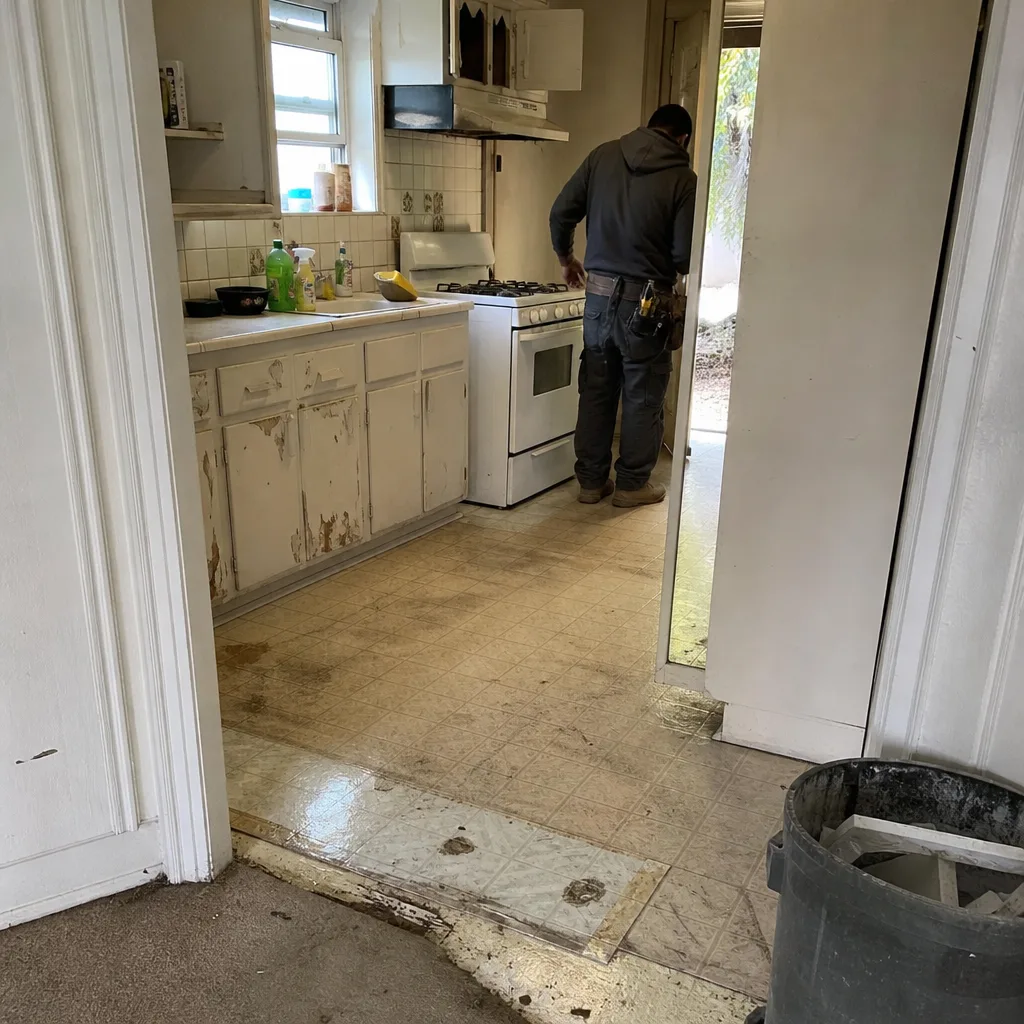 Before
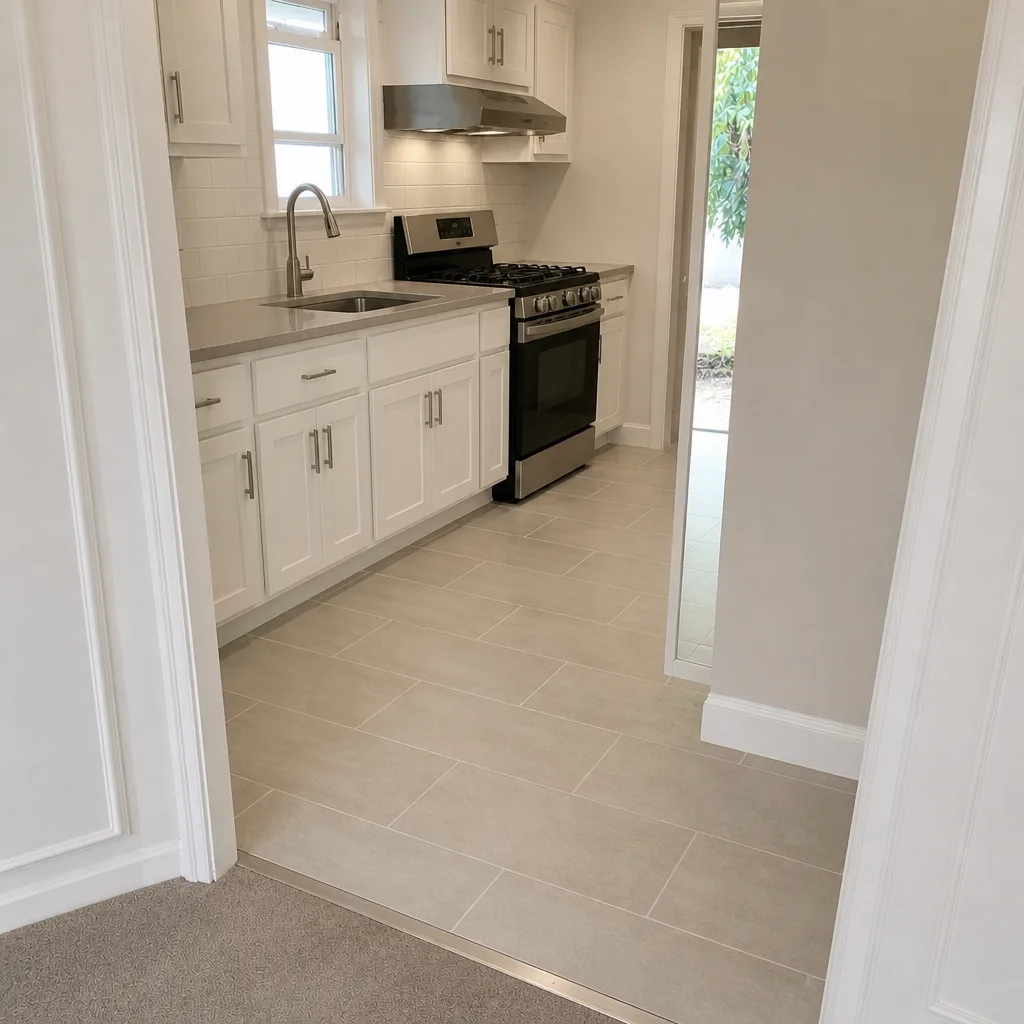 After
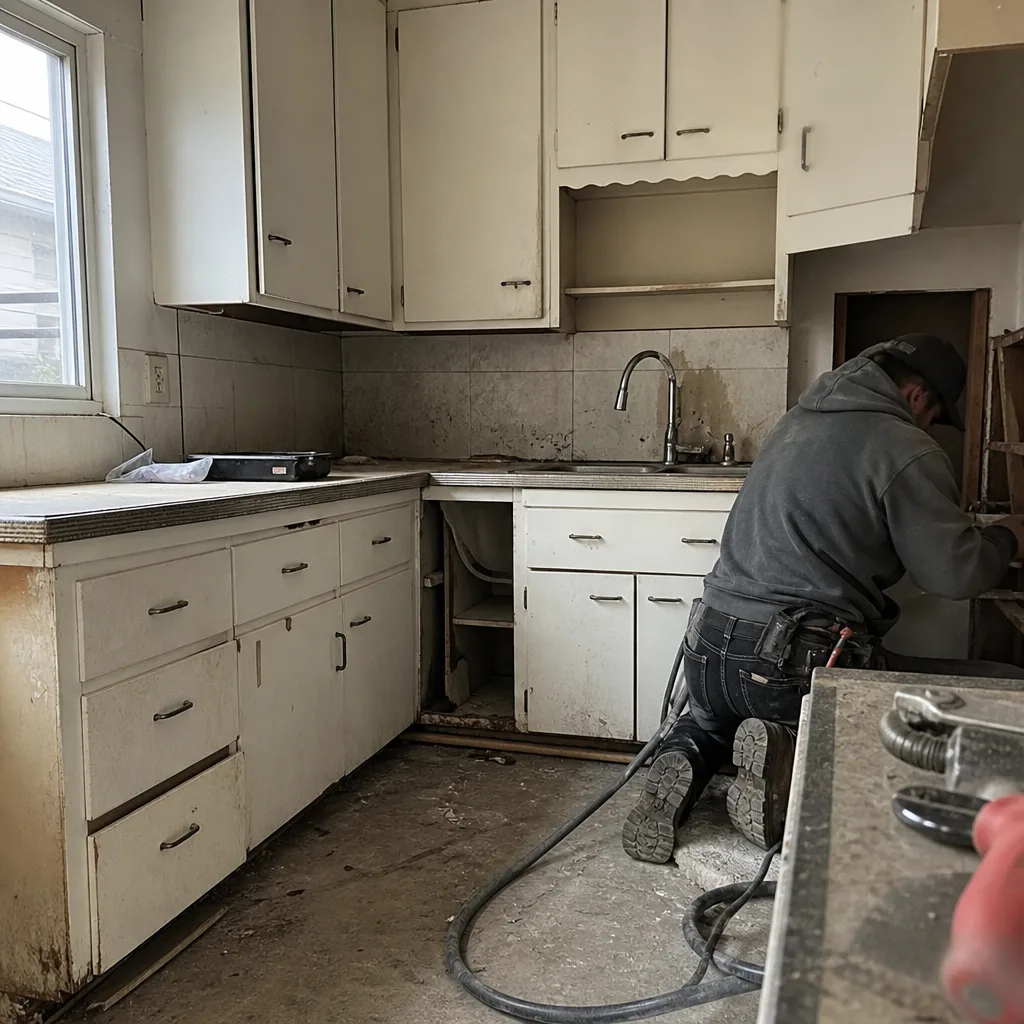 Before
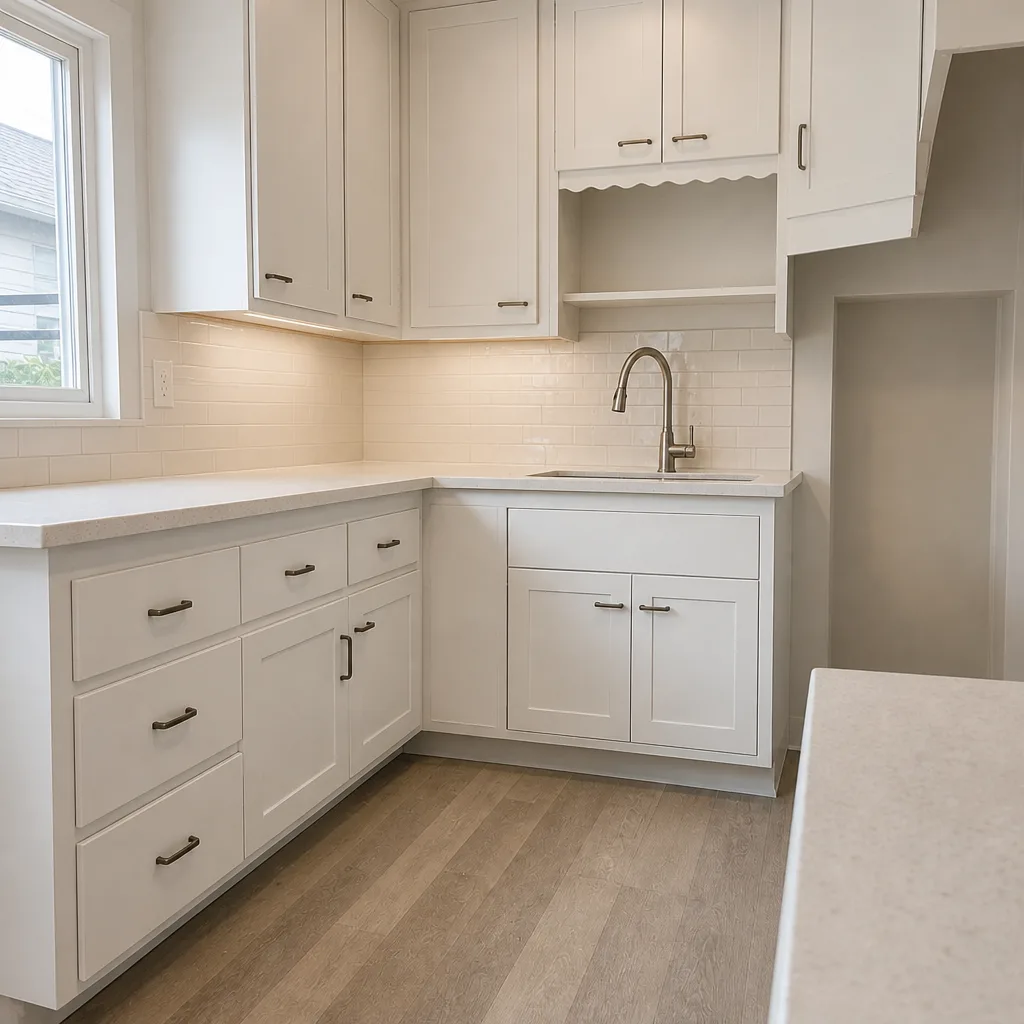 After
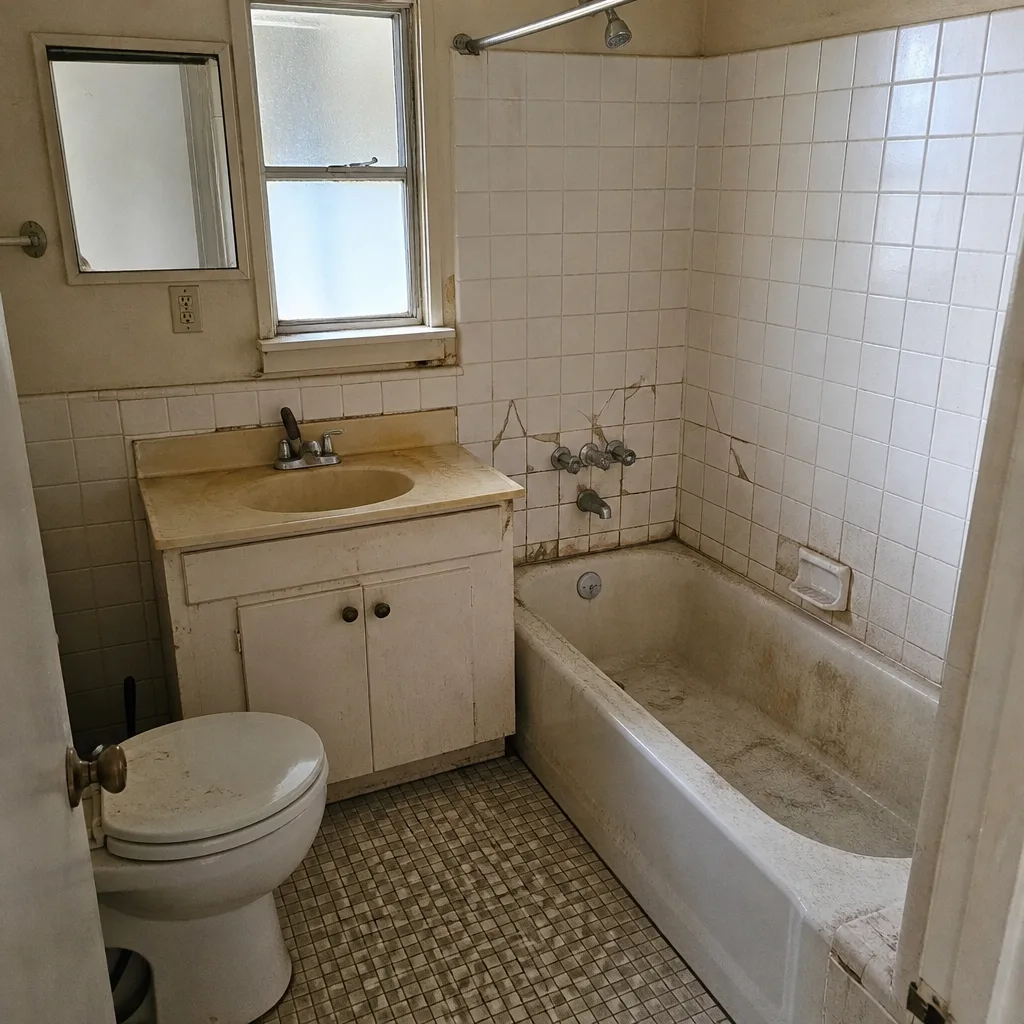 Before
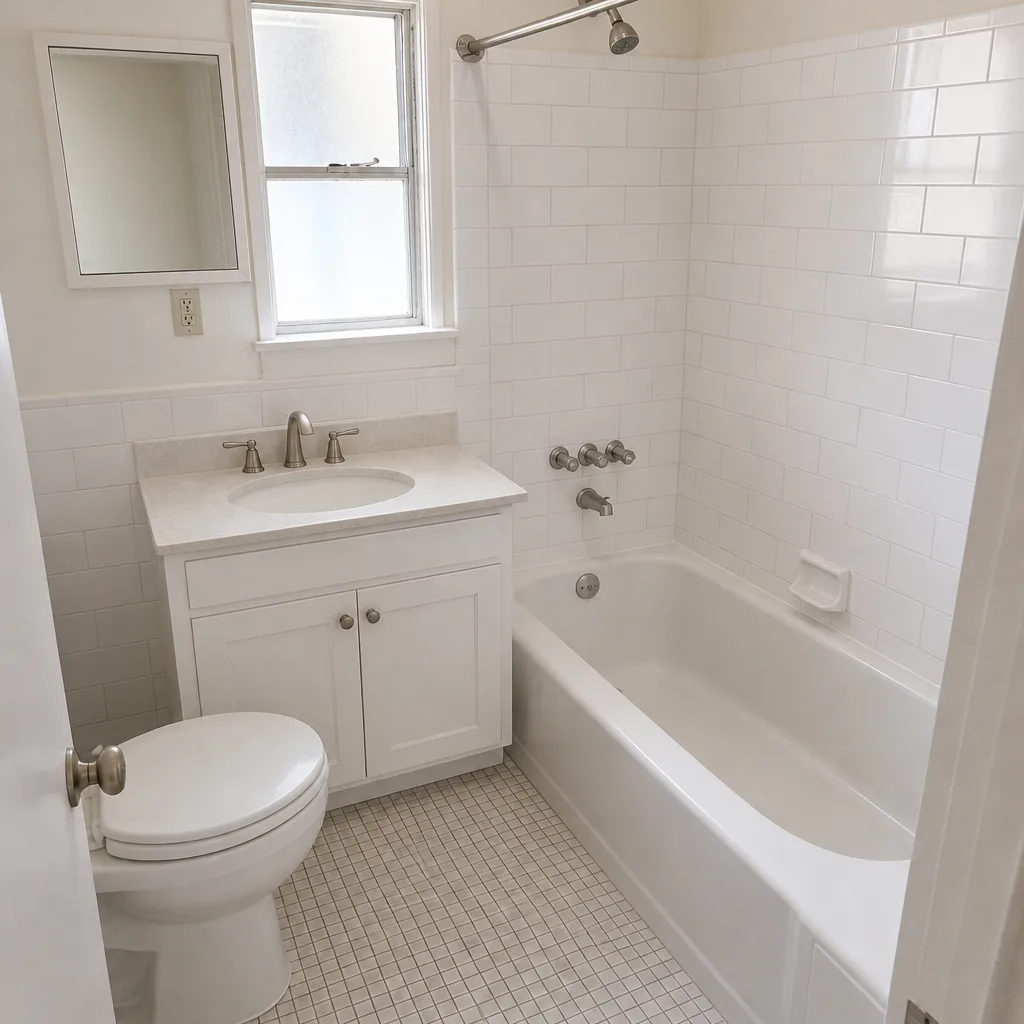 After
When to Call a Professional
Call a licensed structural engineer if you see a horizontal foundation crack, a crack wider than a quarter inch, a sagging ridge, or a door that sticks and a second door that doesn’t move. Call us for a look if the cracks are diagonal, narrow, and near known water, if you see the roof/ceiling stain patterns above, or if you’re planning any project and want a construction partner who will document what’s there before work starts. Groundwork Construction Co. of Berkeley offers free estimates in Berkeley, with a written line-item scope and no surprise pricing. We’ll also tell you when the answer is “this is an engineer’s call, not ours.”
If the signs you’re seeing are on the front of a project that’s already been done, we’ll evaluate the work and help you build a case for a warranty claim even if we didn’t do the original job. From foundation to finish line, and backed in writing, is the way we operate. Call (855) 471-4163 to schedule a free estimate.
Frequently Asked Questions

Foundation crack repair in Berkeley typically costs $450-$1,800 for a hairline-to-moderate crack, and a pier or pier-and-beam repair for a home showing active movement typically costs $3,500-$12,000 depending on how many piers are involved and the site access. Those are ranges, not promises; the actual quote depends on what an engineer finds. Call (855) 471-4163 for an exact quote. Estimates are free.
No, if the work was scoped correctly and the contractor wrote it as a fixed-price scope. Groundwork Construction Co. of Berkeley prices the job upfront, and the number you see is the number you pay unless you request a change order that changes the scope. If a contractor’s bid is a “ballpark” with a “we’ll see what’s inside the wall” clause, that’s the warning sign, not the price. Call (855) 471-4163 for a free upfront-priced estimate.
Yes, for any project that requires one. Work on an addition, an ADU, a kitchen or bath remodel, a roof, and most structural repairs requires a permit in Berkeley, and ground-up work needs plan review through the city. We handle the permit filing and we schedule the inspections. Call (855) 471-4163 to talk through your project’s permit requirements.
Measure it. Mark a crack with a pencil tick and a date, remeasure in 30 and 60 days, and a crack that moves 1/16 inch or more in that window is active. Diagonal cracks at a window or door corner with active movement are the most common pattern that needs a structural engineer. A stable hairline crack, even a diagonal one, is almost always cosmetic. Call (855) 471-4163 if you’re unsure, and we’ll take a look for free.
A licensed structural engineer should evaluate horizontal foundation cracks, a crack wider than a quarter inch, a sagging ridge, or movement that began after a quake. A general contractor can evaluate the installation and drainage issues that cause most water intrusion, and can tell you when it’s time to bring the engineer in. The division matters because an engineer’s letter is often the document you need for insurance or a permit. Call (855) 471-4163 and we’ll help you decide which route your home needs.
A real workmanship warranty has a named term, a stated response commitment, and a written work order for every visit. Groundwork Construction Co. of Berkeley backs its work with the 730-Day Done Right Promise, and if something we installed fails within that window, we make it right. A warranty that says “evaluate on a case-by-case basis” is a warning sign, not a warranty. Call (855) 471-4163 to schedule a free estimate.
Homes on the hillside lots east of the Hayward Fault tend to show movement signs after quakes, and homes on the clay flats between Sacramento Street and the Bay show seasonal crack movement and crawl-space moisture. The pattern is remarkably local, so much so that it’s more useful to know your soil than your neighborhood. Call (855) 471-4163 and we’ll take a look for free.
The Bottom Line
Most construction failures in a Berkeley home announce themselves weeks before they become expensive. A diagonal crack at a window corner, a door that stopped closing, a crawl space that smells musty in February, a ridge that dips: each is a signal, and each has a pattern you can learn. The pattern tells you whether to monitor, call a contractor, or call an engineer. When you can’t tell which, the free estimate is the right next step, and so is a contractor who puts the warranty in writing and answers the phone when you call about it.
If you’re ready for a straight answer on what you’re looking at, start with our Groundwork Construction Co. of Berkeley home page and tell us what you’re seeing. Call (855) 471-4163 for a free estimate. Estimates are free, the price is upfront, and if it’s not done right within 730 days, we make it right.
Written by the team at Groundwork Construction Co. of Berkeley.