Last updated November 18, 2026



Free written scope consultation - allowances, timeline, and change-order rules on paper before a single trade is scheduled
Home Additions & ADU Warning Signs Every Homeowner Should Know
The most expensive ADU mistakes in the Bay Area don’t come from obvious fraud – they come from legitimate contractors who underscoped the job, and a contract that gave the homeowner no protection when the number changed. In our experience across Berkeley, the project that goes sideways rarely started with a shady bidder. It started with a fair bid, a thin contract, and a homeowner who didn’t know what to look for until the framing was already up. This guide walks through the contract provisions, permitting red flags, subcontractor signals, payment schedules, and mid-project behaviors we’ve seen separate a solid build from a slow-motion problem.
Quick Answer
The warning signs on a home addition or ADU in Berkeley usually show up in five places: a contract with no defined change-order process, allowances that are deliberately vague, a GC who discourages pre-application meetings or skips a soils report on a hillside lot, a front-loaded payment schedule tied to calendar dates instead of construction milestones, and unverified subcontractors without certificates of insurance on file. Any one of these isn’t automatically a scam, but two or more together means you should slow the schedule down and get a second opinion before you sign or release another draw.
Styles & brands we work with
- Kitchen remodeling
- Bathroom remodeling
- Home additions & ADU
- Roofing
- Windows & doors
- Driveway & pavers
- Fence
Table of Contents
- The Five Contract Provisions That Protect You in a Scope Dispute
- Design and Permitting Red Flags
- Subcontractor Warning Signs on Multi-Trade Projects
- What a Suspicious Payment Schedule Looks Like
- Mid-Project Signals to Watch During Construction
- Berkeley-Specific Pitfalls Nobody Warns You About
- Common Mistakes to Avoid
- When to Call a Professional
The Five Contract Provisions That Protect You in a Scope Dispute
A scope dispute on a Berkeley addition is almost never a fight about the walls going up. It’s a fight about what happens when the number changes and nobody wrote down the rules. Five provisions in your contract do most of that work, and finding them missing is the first real warning sign.
- A written change-order process with a defined trigger. Every scope change over a stated threshold (typically $500 to $1,500) should require a written change order signed by both parties before extra work begins. If your contract says “changes will be handled as they arise,” that’s not a process. That’s an open door.
- Allowance definitions with a stated unit price and overage rule. An allowance for tile at $8 per square foot is a number. An allowance “per plan” is a blank check. A fair allowance names the material, the SKU or spec level, the quantity, and exactly how an overage gets billed.
- Substitution approval rights in writing. When a specified product isn’t available, the contractor should not have the right to swap it silently. Your contract should require written notice, a comparable alternative, and your approval before substitution – especially on items like Andersen windows or a specific GAF shingle line where the substitution changes the warranty story.
- Lien waiver requirements tied to each payment. California’s mechanics lien rules mean that if a contractor doesn’t pay a sub, the sub can file a lien against your property. Every payment you make should release a signed conditional lien waiver from the GC and the major subs for the work covered by that payment.
- A defined dispute and cure clause. A solid contract spells out how a complaint gets raised, how long the contractor has to fix it, and what happens if they don’t. If the only remedy in writing is “call us and we’ll work it out,” you have no leverage.
If you’re pricing a project right now, ask your prospective contractor to walk you through each of these five items line by line. A contractor who can’t find them in their own contract is telling you something.
Design and Permitting Red Flags
In Berkeley, design and permitting on an addition or ADU is where most of the schedule risk lives – before a single nail gets driven. The permit process here is more involved than most Bay Area cities because of hillside ordinances, the seismic overlay, and historic district review. A contractor who treats permitting as a nuisance to get around is a warning sign you want to catch early.
- They discourage a pre-application meeting. Berkeley’s planning counter will sit down with you and your designer before you submit to flag zoning issues. If your contractor waves that off as a waste of time, they’re either unfamiliar with the process or hoping not to find out that the plan doesn’t pencil.
- They skip a soils report on a hillside lot. The Berkeley Hills have expansive soils and slope stability issues that show up in foundation and drainage design. A contractor who proposes to “design around it as we go” on a North Berkeley Hills lot is inviting a costly mid-project foundation change.
- No named architect or licensed designer of record. Any structural addition needs a licensed architect or engineer to seal drawings. If your GC is submitting plans drawn in-house without a licensed professional’s stamp, that’s a permit problem waiting to happen even if the drawings look clean.
- They push for a permit bypass. Anyone suggesting an addition can be built under a remodel permit “to save time” is offering you a liability that follows the property, not their business.
- No line showing who handles historic district review. If the property is in or near a Berkeley historic overlay, drawings need to satisfy the Landmarks Preservation Commission. If nobody on the team has done that review before, expect a stalled permit.
Subcontractor Warning Signs on Multi-Trade Projects
An addition in Berkeley touches at least eight trades – foundation, framing, roofing, plumbing, electrical, HVAC, drywall, and finish carpentry. Who actually shows up to run each of them is a warning sign the contract rarely covers. Ask directly.
- No certificates of insurance on file. A licensed GC should be able to hand you a certificate of insurance for every trade they plan to bring on-site, showing general liability and workers’ comp. If they say “all our subs are insured,” ask for the documents. “Trust me” isn’t a certificate.
- No verifiable sub relationships. On a project of this size, a real GC has regular subs they’ve worked with repeatedly and can name. If every trade is a fresh hire, the schedule and the quality are unpredictable.
- Day labor on structural trades. Framing, electrical, and plumbing require licensed, insured contractors. If you see unfamiliar workers arriving without a company name on the vehicle or a consistent supervisor on-site, ask who they work for. And ask to see the license.
- The GC is listed as the “sub” for every trade. One license doesn’t cover plumbing, electrical, and HVAC work in California. If the GC is claiming to self-perform all of it, check the license classifications.
- No supers on file with the subs. Well-run contractors keep a sub schedule and a certificate binder for the whole job. The fact that your GC can’t produce a sub list mid-project means they’re improvising.
What a Suspicious Payment Schedule Looks Like
On a $250,000 to $500,000 Berkeley addition – a range that fits a mid-sized ADU or a two-story addition in Elmwood or Thousand Oaks – the payment schedule is the single most protective document in the contract after the scope itself. Here’s what a healthy one looks like versus one that should set off alarms.
Healthy schedule: a modest deposit (usually 10% or less, sometimes only for permit submission), then draws tied to specific construction milestones – foundation inspection passed, framing complete and inspected, roof dried in, rough mechanical and electrical signed off, drywall complete, final inspection passed. Each draw has an inspection or written sign-off attached.
Red-flag schedule:
- Front-loaded draws. A 30% to 40% payment due at signing before any permit has been pulled or material has been ordered is a warning sign. It puts all the risk on you before work exists.
- Requests for cash. Any contractor who asks for cash “to keep the price down” is offering an undocumented transaction that removes every remedy you have if something goes wrong.
- Payment tied to calendar dates, not milestones. If the schedule says “payment due on the first of each month,” the contractor gets paid whether or not the work moved. Your draw should follow the work, not the calendar.
- No retainage. A 5% to 10% holdback until the final inspection and punch list is standard. A contractor who refuses any holdback is signaling they don’t plan to be around for the closeout.
- Draws requested for material that hasn’t been delivered. A draw for windows that haven’t arrived on-site is a cash-flow loan to the contractor at your expense. If it’s on your property, the draw is warranted. If it isn’t, it usually isn’t.
Mid-Project Signals to Watch During Construction
By the time the foundation is poured on a Berkeley addition, you’ve already made most of the hard decisions. The remaining warning signs are about execution – and homeowners who know what’s normal can catch a problem before it costs six figures to correct.
- Inspections falling behind schedule. Berkeley’s building department inspections need to be scheduled ahead of, not behind, the work. If the framing is closed up before the framing inspection has passed, someone is going to be cutting drywall. Ask for the inspection log each week.
- Unexplained crew absences. A licensed GC with a steady crew has a predictable rhythm. If the framing sub disappears for a week and then two unfamiliar faces show up, that’s a cash-flow signal or a supervision gap. Either way, ask directly.
- Materials stored improperly on-site. In Berkeley’s wet winters, lumber, drywall, and OSB left uncovered or stored flat on the ground will absorb moisture. A professional contractor stages materials on pallets, under cover, and off the ground. Damage here becomes mold and callbacks a year later.
- No site superintendent presence. On a $300,000 ADU build in Berkeley, someone should be on-site every working day supervising the trades. If the GC visits twice a week and returns phone calls from the car, the quality control is happening in someone’s imagination.
- Change orders piling up without a paper trail. If you’re hearing “we need to add that,” but you haven’t signed a change order, the additional cost is not enforceable until it is. Get it in writing before the work continues.
- The crew can’t produce the permit on request. The permit should be posted on-site or available to you. A contractor who “left it at the office” more than once is hiding schedule or scope changes from the city.
Berkeley-Specific Pitfalls Nobody Warns You About
Berkeley’s building environment is specific enough that national checklists miss what actually bites homeowners here. A few things we’ve seen cause real trouble on additions and ADUs around the city:
- Hillside drainage. On panoramic lots in the Berkeley Hills or Claremont, a new foundation or ADU changes stormwater flow in ways that can send water toward a neighbor’s downhill property. A contractor who doesn’t include a drainage plan and a survey is setting the project up for a neighbor complaint and a city inspection order before the first year is out.
- Seismic retrofit requirements. Berkeley requires soft-story and pre-1978 building retrofits in many cases, and additions trigger a re-evaluation of the existing structure. A GC who doesn’t flag that scope is likely leaving it out of the price.
- Unreinforced masonry and historic zones. Additions touching older Berkeley homes near the university or in the Elmwood Historic District have additional review steps. Skipping them means a stalled permit months into the project.
- ADU ordinance compliance. Berkeley’s ADU rules have specific size and setback provisions, plus a pre-approved plan program that speeds things up. A contractor unfamiliar with the current local ordinance may design an ADU that requires variance review.
- Alley access and staging. Berkeley lots are tight, and a staging plan for a multi-trade addition is part of the schedule. If the contractor hasn’t walked the access with the delivery truck in mind, the schedule will show it in week three.
If you’ve read this far and you want a second read on a bid you’ve already received, that’s what we’re here for. You can see how we approach this kind of work on our Home Additions & ADU in Berkeley page.
Common Mistakes to Avoid
- Signing a bid instead of a contract. A bid describes the price. A contract defines the process. A real addition contract in Berkeley runs 20 to 40 pages and covers change orders, allowances, lien waivers, and warranty terms. If you’re handing over a check against a two-page scope letter, you’ve skipped every protection in this guide.
- Accepting a verbal change order. In our experience, most “it was agreed on-site” disputes could have been avoided with a signed change order. If the crew says they need to add framing, ask for the change order before the nails go in.
- Choosing the lowest bid without comparing scope. The lowest bid on a Berkeley ADU is often low because something was left out – drainage, seismic upgrades, or a soils report. Compare scope line by line, not number to number.
- Letting the contractor “handle” the permit without your involvement. Berkeley permits name the property owner and the licensed contractor. You should know what’s on the permit and who’s on the application as the designer of record. It’s your asset on the line.
- Ignoring a sub who won’t show an insurance certificate. A sub without insurance on your property is a liability that follows you, not the GC. Ask before they show up on-site.
- Skipping the foundational work to keep a timeline. Rushing the soils report or drainage plan on a hillside lot to break ground sooner pushes the cost into year two as a foundation repair.
- Not having a second set of eyes on the schedule. If the timeline on paper has 14 weeks of work in 9 weeks of calendar, someone is planning to make it up. That’s a warning sign in advance.
When to Call a Professional
Bring in a professional before you sign, not after you’ve broken ground. If you’ve received a bid for an addition or ADU in Berkeley and the contract doesn’t clearly define the change-order process, the allowance definitions, or the lien waiver requirements, call for a second opinion before you commit. If your current project is behind on inspections, the crew has gone quiet, or the payment schedule is asking for a draw against work that doesn’t exist yet, the earlier you get a trained eye on the site, the cheaper the correction. Groundwork Construction Co. of Berkeley offers free estimates in Berkeley – call (855) 471-4163 to schedule one. Every project we run is backed by our 730-Day Done Right Promise, and every technician on the job is background-checked and arrives in uniform. If you want to model the finished outcome, you can also review how we handle related exterior work on our Fence Installation in Berkeley and Driveway & Pavers in Berkeley pages to see how we sequence multi-trade projects from foundation to finish line.
See the difference
 Before
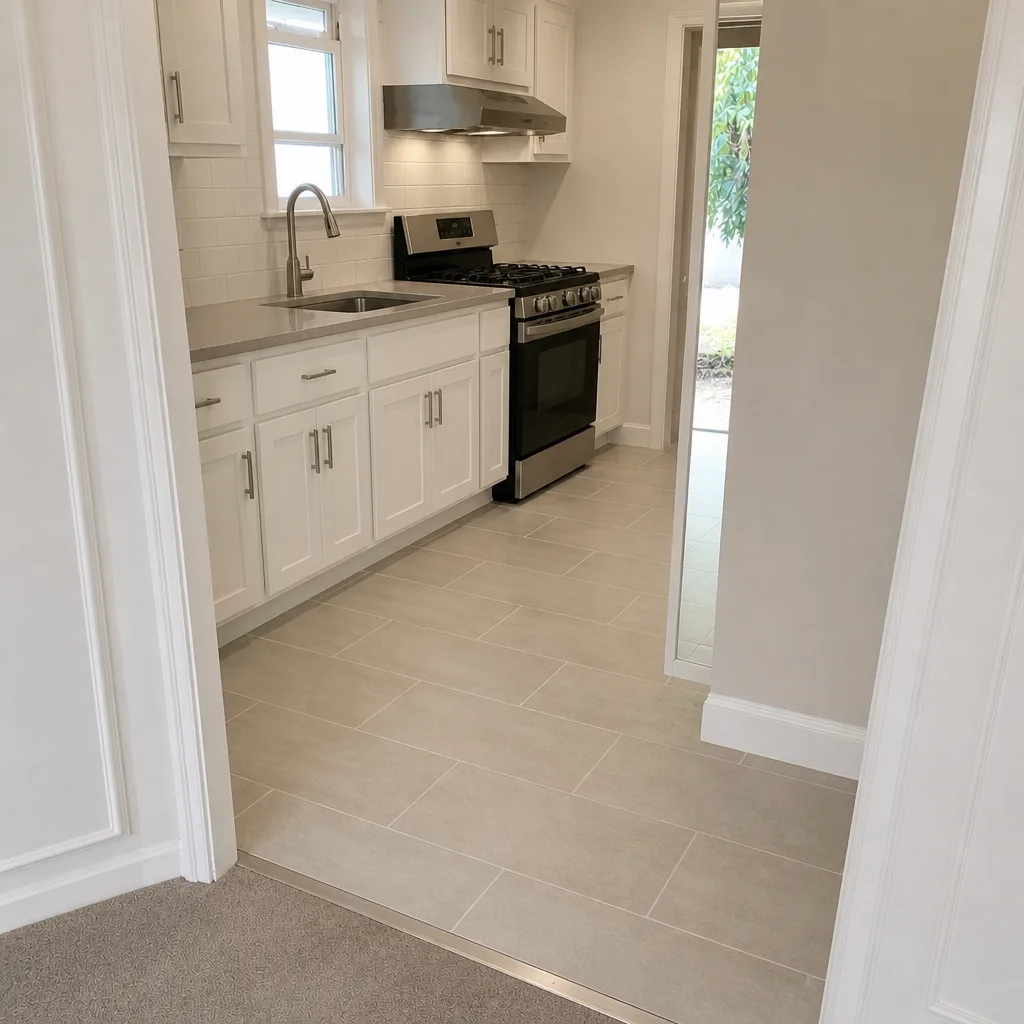 After
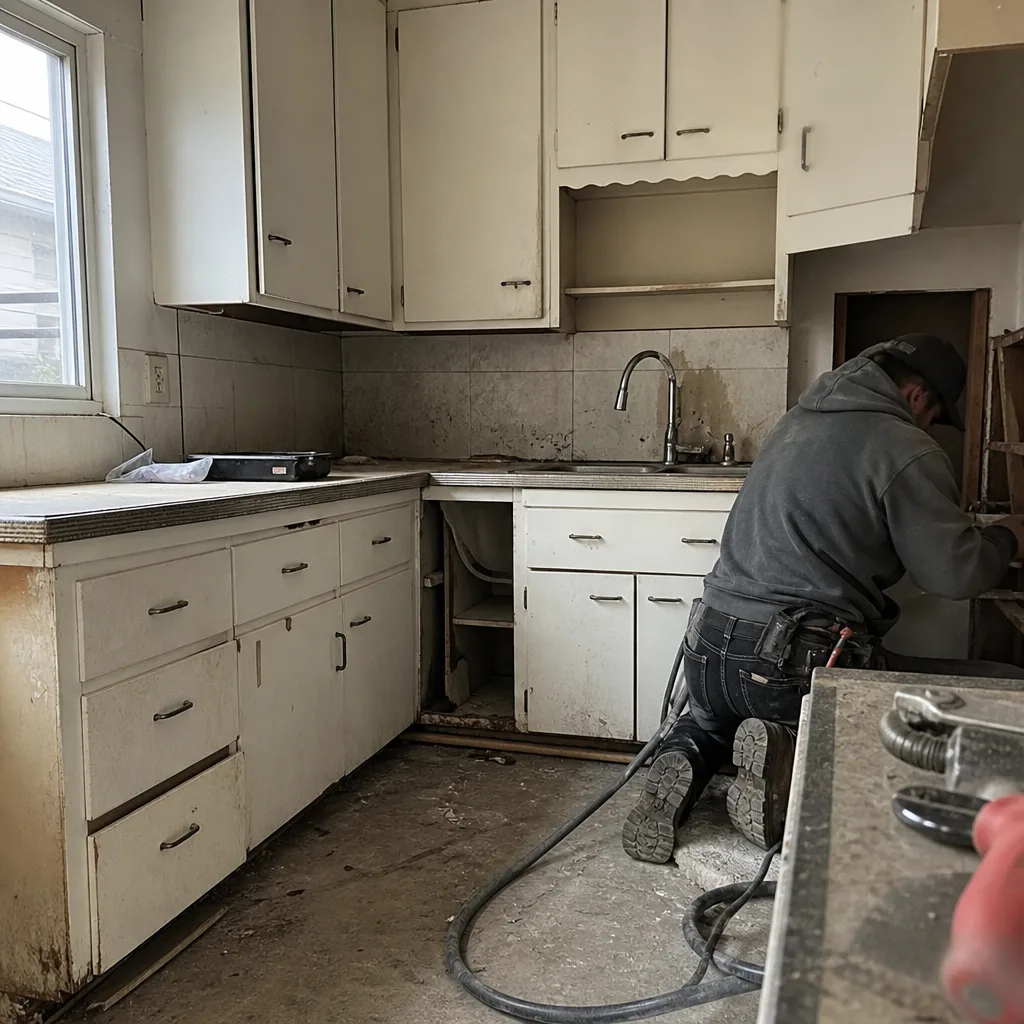 Before
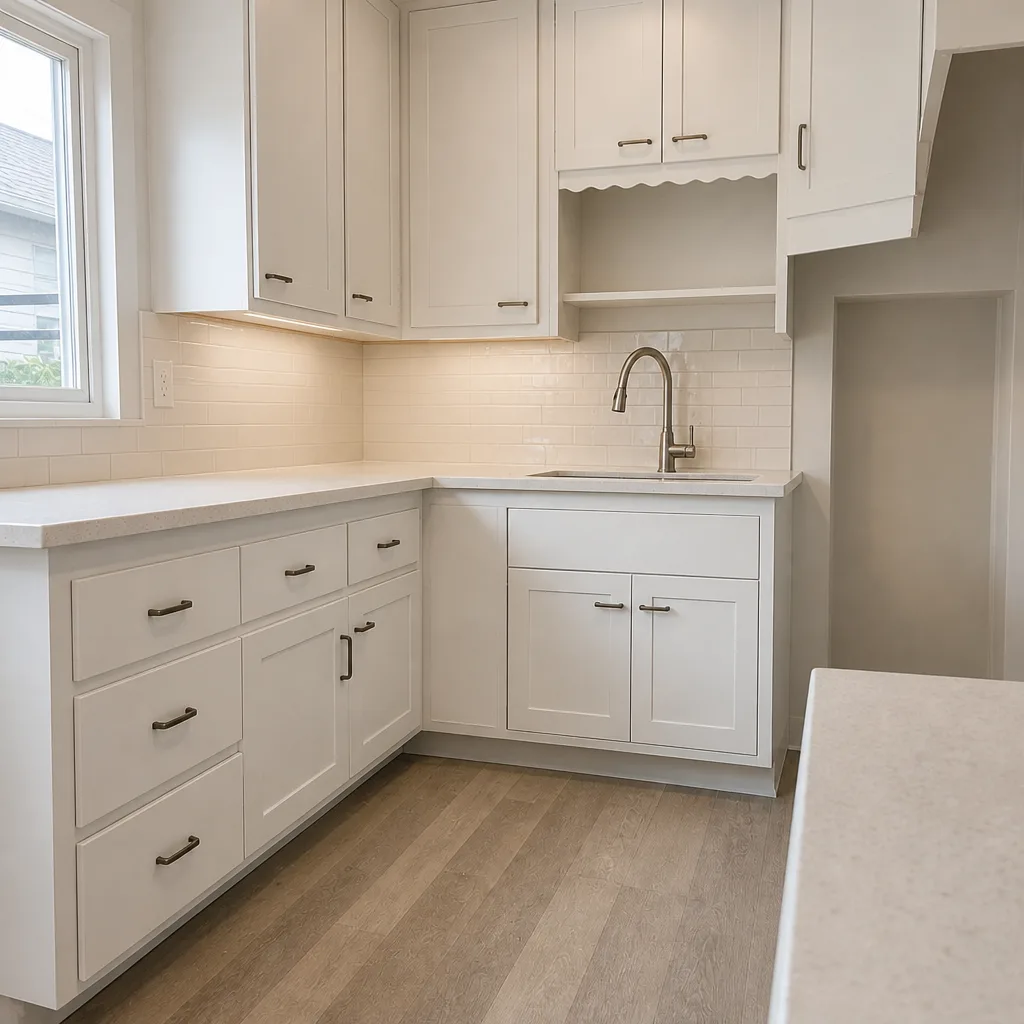 After
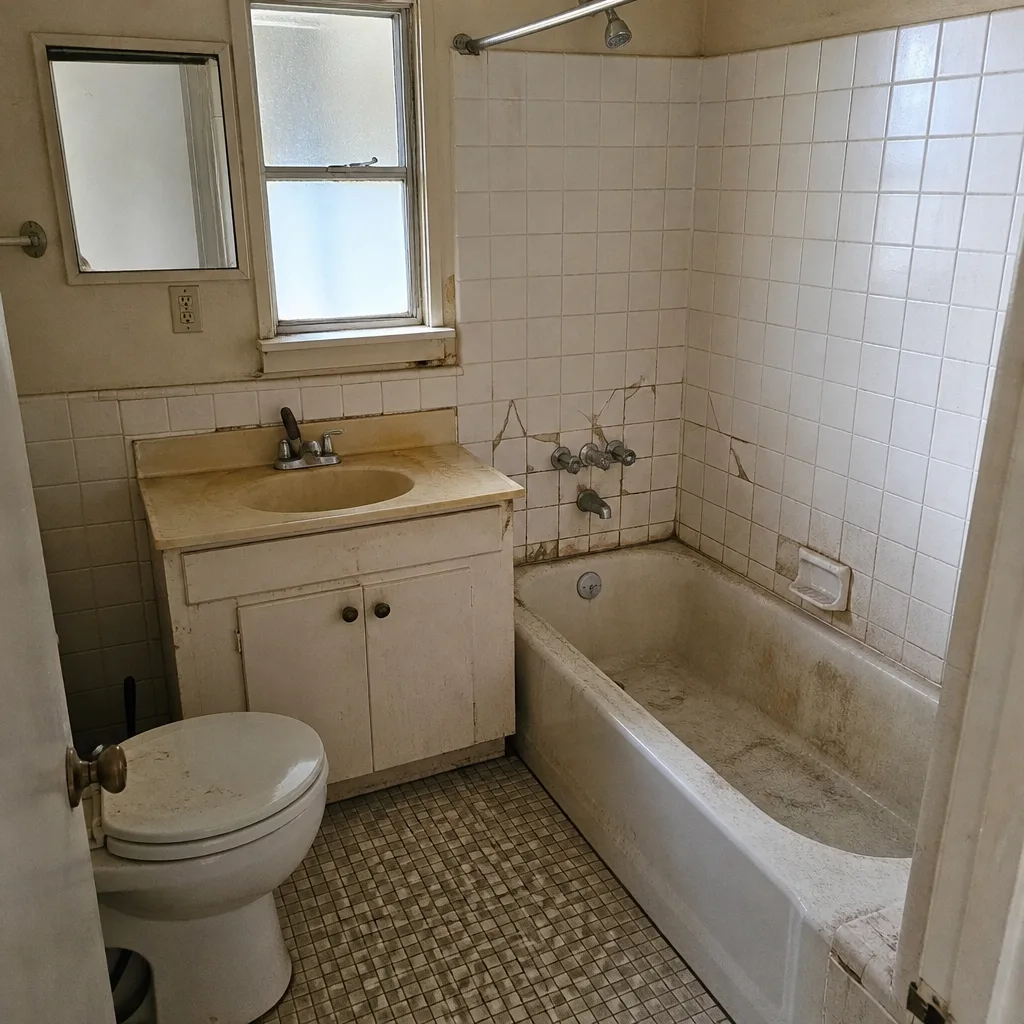 Before
 After
Frequently Asked Questions

The single biggest red flag is a payment schedule that front-loads a large deposit before any permit has been pulled or material ordered, paired with no clear change-order process. Those two together mean the homeowner carries all of the risk if the project slows down, and has no written remedy when the price moves. A solid contract ties draws to construction milestones and requires a signed change order for every scope adjustment over a defined dollar threshold. If you’re not sure whether your contract holds up, it’s worth having someone walk through it with you before you sign. Call (855) 471-4163 – the estimate and consult are free.
For any addition on a Berkeley hillside lot, yes – a soils report should be part of the design process. Expansive soils and slope stability in the Berkeley Hills change how foundations need to be engineered, and a contractor who wants to “figure it out as we go” is setting you up for a costly foundation change mid-project. On flatter lots, a soils report may not be strictly required, but geotechnical review is still normal scope on additions of scale. If your contractor hasn’t mentioned it, that’s a question to ask before signing.
You ask for certificates of insurance on every trade before they show up on-site. A licensed general contractor should be able to produce a certificate for each sub showing both general liability and workers’ compensation coverage. If they can’t, don’t take “everything’s insured” as an answer. The verification is your right as the property owner, and it matters because an uninsured sub injured on your Berkeley property is a liability that follows you. Call (855) 471-4163 if you want a contractor who can produce that documentation without being asked twice.
A fair schedule on a project of that size in Berkeley ties each draw to a construction milestone – foundation inspection passed, framing complete, roof dried in, rough mechanical and electrical signed off, drywall complete, final inspection passed – and includes a 5% to 10% retainage holdback until punch list closeout. Deposits over 10% at signing are unusual. Payments tied to calendar dates rather than construction progress are a warning sign, and any request for cash is a red flag regardless of the size of the project. Get an exact read on what your schedule should look like before you commit. Call (855) 471-4163 for a free, no-pressure estimate.
No. A pre-application meeting with Berkeley planning is one of the best tools you have for surfacing zoning and historic-district issues before you submit drawings, and a contractor who discourages it is either unfamiliar with the process or hoping a problem doesn’t surface. Berkeley’s planning counter will sit down with you and your designer and flag the specific concerns that would otherwise stall a permit two months in. If a contractor is treating the pre-app meeting as a waste of time, that’s a sign of inexperience with the city, not efficiency.
Three things should make you pause immediately: framing closed up before the framing inspection passes, a crew that disappears without notice and gets replaced by unfamiliar workers, and a contractor who can’t produce the posted permit when you ask. Each of these is a signal that supervision or process has broken down. A fourth is materials stored improperly on-site – in Berkeley, a wet winter will ruin uncovered lumber and drywall and turn into mold and callbacks a year later. If any of this is happening on your project, call (855) 471-4163 for a professional second look – the estimate to sort it out is free.
The Bottom Line
The clearest warning signs on a Berkeley addition or ADU aren’t the dramatic ones – they’re the quiet gaps in the contract, the thin scope, the payment schedule that puts every risk on you. Find the five protective provisions in your contract before you sign. Ask for sub insurance certificates. Watch the milestone draws, not the calendar. Check that the pre-application meeting happened and the soils report exists on any hillside lot. And know what a solid project looks like, because that’s the only reliable way to spot when yours isn’t one. If something feels off mid-build, get a second opinion before the next draw – that’s the cheapest intervention you’ll ever make. You can start with how we work from Groundwork Construction Co. of Berkeley home.
Call (855) 471-4163 to schedule your free estimate and design consult. Our technicians have up to 12 years of experience, every project is backed by the 730-Day Done Right Promise, and calls are answered by a live person 24/7 – no voicemail, no waiting until Monday. Upfront pricing, no surprises, and $1,000 off projects over $10,000 with 0% financing for 18 months available.
Written by the team at Groundwork Construction Co. of Berkeley.