Last updated November 18, 2026


Free written scope consultation - allowances, timeline, and change-order rules on paper before a single trade is scheduled
How Long Does Fence Installation Take? Timelines and What to Expect
The average fence installation takes one to three days of physical labor. The average fence project timeline is three to six weeks. That gap is where most homeowners get blindsided. The build itself is rarely the problem. The weeks before a single post goes in are where projects get swallowed: permits, utility marking, material lead times, and contractor scheduling queues. Understanding that hidden pre-construction clock is what separates a fence finished in two weeks from one that drags into month three. This guide breaks the timeline into its four real phases, with a week-by-week calendar you can actually plan around. We do this work in Berkeley, and the local details matter more than any national guide will tell you.
Styles & brands we work with
- Kitchen remodeling
- Bathroom remodeling
- Home additions & ADU
- Roofing
- Windows & doors
- Driveway & pavers
- Fence
Quick Answer
Fence installation usually takes one to three days of on-site labor, but the full project timeline runs three to six weeks from signed contract to finished fence. The extra time is consumed by HOA or permit approval, the mandatory 811 utility locating wait (at least two business days in California), material procurement lead times that vary by fence type, and how far out a qualified contractor’s schedule is booked. In Berkeley, fences over six feet tall need a building permit, which adds measurable time before any digging starts.
Table of Contents
- The Four Phases of a Fence Project
- Phase 1: Permits and HOA Approval
- Phase 2: Utility Locating (the 811 Call)
- Phase 3: Material Procurement by Fence Type
- Phase 4: The Actual Installation Days
- How East Bay Soil and Berkeley Climate Affect Curing Time
- Why Contractor Scheduling Queues Add Weeks
- A Realistic Week-by-Week Calendar
- How Fence Cost and Timeline Connect
- Common Mistakes to Avoid
- When to Call a Professional
- Frequently Asked Questions
The Four Phases of a Fence Project
Every fence project runs through four phases, and they happen mostly in sequence rather than all at once. Homeowners who think of the project as “a few days of building” plan poorly, because the building is the last and shortest phase. When you price and schedule a fence properly, you plan around all four.
Here is the sequence, with typical durations for a residential project in Berkeley:
- Permit and HOA approval. Zero days if your fence is under six feet and your neighborhood has no HOA. Two to eight weeks if you need a city permit, an HOA architectural review, or both.
- Utility locating. California law requires you to call 811 before digging, and the utility operators get at least two business days to mark lines. In practice, plan on three to five business days including the call and scheduling.
- Material procurement. Stock cedar or pressure-treated lumber can be ready in days. Custom horizontal cedar, ornamental metal, or composite panels can run two to six weeks depending on the manufacturer and current demand.
- Installation. One to three days for most residential fences, longer for large lots, complex terrain, or masonry columns.
The mistake is treating phases two through four as a single appointment. They aren’t. Each has its own clock, and the smartest thing you can do is start the slow clocks (permit, materials) on day one so the fast clocks (digging, setting) don’t wait on them.
Why the Phases Overlap More Than You Think
You can run some phases in parallel. You can file a permit application and order stock materials in the same week. What you can’t do is skip the utility locate, because drilling into a gas or electrical line is genuinely dangerous and, in California, a legal exposure. So the pre-construction clock has a hard floor. If you’re also comparing fence options, our guide to Fence Installation in Berkeley covers materials and code in more depth, and the Groundwork Construction Co. of Berkeley home page explains how we scope projects from the first call.
Phase 1: Permits and HOA Approval
This is the phase that most often gets skipped in planning and most often blows up a timeline. In Berkeley, a fence six feet tall or shorter generally doesn’t need a building permit. A fence taller than six feet does. If you want a privacy fence at seven or eight feet, which is common on sloped lots where grade changes make a six-foot fence feel short, you’re now in permit territory and the clock starts.
What that looks like in practice:
- Permit application and review. Berkeley’s permit review for a straightforward fence can run a few weeks. Add time if your property is in a historic district, in the hills with a design review overlay, or if the plans need correction and resubmittal.
- Plot plan and setbacks. You’ll need to show where the fence sits relative to property lines. A fence built even slightly over the line creates a neighbor dispute that can stop the job cold.
- HOA architectural review. Many Berkeley-adjacent neighborhoods and planned communities have design committees that meet monthly or quarterly. Miss the meeting and you wait another month.
One detail homeowners rarely plan for: if you share a fence line with a neighbor, California’s good-neighbor fence rules mean you should coordinate before building. A boundary fence is a shared structure in many cases, and a neighbor who objects mid-project can stall everything. Get the conversation done during the permit phase, not on install day.
How to Speed Up the Permit Phase
Have a plot plan ready before you apply. Know your zone and any overlay designations. If you’re in an HOA, get the architectural packet on day one and find out the next meeting date. If you’re hiring a contractor, confirm in writing who pulls the permit and who pays for it, because that handoff is where projects stall. Our Home Additions & ADU in Berkeley page covers the same permit logic for larger projects, and the pattern holds for fences too.
Phase 2: Utility Locating (the 811 Call)
Before anyone digs a post hole in California, the law requires a call to 811, the free utility notification service. You call, and the utility operators send locators to mark gas, electric, water, sewer, and telecom lines on your property. This is not optional, and it protects both the crew and your home.
The mechanics:
- Call 811 or submit an online ticket at least two business days before digging. Weekends and holidays don’t count toward the wait.
- Utility operators respond within the legally required window, usually within two to three business days, and mark the lines with flags and paint.
- The markings stay valid for a limited window, typically two to three weeks. If your install gets pushed back, the locate may need to be refreshed.
- Your crew hand-digs test holes near any marked lines before setting posts with an auger.
Why this matters for timelines: the locate phase is short but inflexible. If you call 811 on a Friday, the clock doesn’t really start until Monday, and the marking may not be done until Wednesday or Thursday. That’s a week of apparent “nothing happening” that is actually required. Skipping it is how homeowners end up with a severed gas line, a utility repair bill, and a red-tagged property.
The One Safety Caveat to Respect
Never assume you know where the lines are. A property with an old fence often has an old, unmarked irrigation line, a private electrical run to a shed, or a gas line to an outdoor kitchen that the utility companies don’t even know about. Those private lines are the homeowner’s responsibility to locate, and a contractor who asks you about them before digging is doing the job right. If we don’t know for certain, we hand-dig. It takes longer and it’s worth it.
Phase 3: Material Procurement by Fence Type
Material lead time is the most variable phase, and it’s the one homeowners most often underestimate. The fence type you choose drives the schedule. Here’s how the lead times shake out for common Berkeley fence types:
- Pressure-treated pine (dog-ear pickets): Stocked at most yards, typically ready in a few days. The most schedule-friendly choice.
- Western red cedar: Usually stocked in standard pickets and rails, but clear-grade or specific dimensions can run one to two weeks. Custom horizontal cedar runs longer.
- Composite panels: Two to four weeks typical, more during peak demand. The manufacturer produces to order.
- Ornamental steel and aluminum: Four to six weeks or more, because panels are fabricated to your exact lengths and powder-coated. This is the longest lead time of the common options.
- Masonry and brick columns with fencing between: The longest by far, because stone or block supply, custom column caps, and the masonry sub-schedule each add time.
The honest scheduling advice: pick the material based on the fence you want and the maintenance you’re willing to live with, then accept the lead time that comes with it. If the lead time is the problem, the fence type is the lever, not the contractor. The crew can’t install material that hasn’t arrived.
A Berkeley-Specific Material Note
In the Berkeley flats, the mild climate and regular fog mean wood fencing stays relatively stable but can take longer to dry and cure after rain. In the hills, the wind exposure and grade changes push more homeowners toward ornamental metal and heavier posts, which means longer lead times and more careful footing design. If your fence sits on a slope, the panels usually need custom sizing, and that sizing happens at the fabricator, not on site. Plan the lead time around it.
Phase 4: The Actual Installation Days
Now the part homeowners picture when they think of the project. For a typical residential lot, the physical install is one to three days. Here’s how those days break down and what can stretch them.
Day-by-Day Install Sequence
- Day one, morning: layout and test digs. The crew strings the line, confirms the property boundary, and hand-dig tests near marked utilities. This is where “the fence isn’t straight” gets avoided.
- Day one, afternoon: post holes and setting posts. Holes go to depth below the frost line equivalent (not a major factor in Berkeley, but post depth still matters for wind and soil), posts go in, and concrete gets poured around each post.
- Day two: rails, pickets, and panels. With posts set and cured enough to hold, the crew builds the body of the fence. Gates get hung this day too.
- Day three: trim, hardware, cleanup, and a final walk. Finish out caps, apply sealant if specified, install latches, and clear the site.
What stretches the install beyond three days: a very long fence line (over 100 linear feet with complex layout), fencing installed over concrete footings or existing hardscape that has to be demoed, gates that need custom fabrication, or a lot with significant grade changes where posts need stepping to match the slope. Masonry columns add days for curing between courses.
Why Concrete Cure Doesn’t Extend Your Completion Date (Usually)
One thing homeowners worry about is concrete curing. Post concrete typically sets enough to hold the fence in a day or two, and post mix is designed to reach usable strength quickly. Full cure takes longer, but full cure is not the same as “wait before you show people your new fence.” In most cases the fence is complete and usable at the end of the install, even if the concrete at each post is still gaining strength. The exception: heavy gates hanging on a single post or track that needs extra curing time before daily use. A good crew will tell you when to leave a gate unlatched or avoid slamming it for the first week.
How East Bay Soil and Berkeley Climate Affect Curing Time
Berkeley’s geography runs from the flatlands near the bay to the steep hills up toward Tilden, and the soil changes dramatically between them. That matters for the install phase and for how long the job really takes.
- Flatlands: More clay-heavy soil, sometimes with high groundwater in winter. Holes can fill with water and require re-digging or a different concrete approach. Rainy-season installs in the flats can push a job by days while the crew waits for a window.
- Hills: Rock and clay with steep grade changes. Post holes may need rock splitting or a different footing design, and the crew often sets posts in steps to follow the slope. This is slower than flat-ground install and adds a day on a long lot.
- Fog belt neighborhoods: The cooler, moist areas closer to the hills keep wood from drying fast. Wood fencing benefits from a slower cure so it doesn’t twist and check. Going too fast here is a false economy.
The practical takeaway: schedule fence installation in Berkeley for the dry months when you can, and leave a weather buffer in the plan. In our experience, a winter install in the flats is doable but you should build one or two rain days into the expected completion date. It’s the difference between a fence that’s set properly and a fence that shifts within a year.
Why Contractor Scheduling Queues Add Weeks
Here’s the part of the timeline that has nothing to do with your property and everything to do with supply and demand. In a high-demand market like Berkeley, a good fence contractor’s schedule fills weeks ahead. Material prices move. Permits slow down. So you call, get an estimate, sign the contract, and then wait for a slot even though nothing about your fence is unusual.
This is real, and you can plan around it:
- Book early. Contact a contractor four to six weeks before you want the fence, not one week. The best crews are booked two to four weeks out most of the year.
- Ask when the install slot is confirmed. A verbal “sometime next month” is not a slot. Get a window in writing.
- Understand the deposit. A reasonable deposit reserves materials and a slot. That’s how contractors keep a schedule.
- Sequence your own decisions. If you can decide on the fence type quickly, you get out of the queue faster. If you’re still choosing between cedar and composite in week three, you’ve added two weeks yourself.
We see this pattern constantly in Berkeley. Homeowners who start the process in spring get a summer install. Homeowners who start in summer often wait until fall. Neither is wrong; the calendar just shouldn’t be a surprise. And there’s a matching detail on the driveway side: Driveway & Pavers in Berkeley runs into the same seasonal booking pressure.
A Realistic Week-by-Week Calendar
Here’s the single most useful thing you can take from this guide: a week-by-week calendar to plan around. This assumes a typical Berkeley residential fence under six feet with no HOA and stocked materials. Adjust up for permits, HOA review, custom materials, and peak-season booking.
- Week 0: Decide on the fence type and material. Call two or three contractors for estimates. Ask about current booking windows.
- Week 1: Get estimates back, compare line items (not just totals), confirm who pulls any permits. Sign the contract and pay the deposit to hold your slot.
- Week 1 to 2: Contractor files for any permits or HOA approval. You coordinate with neighbors on shared fence lines. Order materials if lead time requires it.
- Week 2 to 8: Wait out permit and HOA review if applicable. Use this time to finalize gate hardware, finish choices, and confirm property lines with a plot plan or survey.
- Week 3 to 4 (or later for custom materials): Materials arrive at the yard and are staged. Your contractor calls 811.
- Week 4: Utility locate completes. Crew confirms test digs are clean.
- Week 4 to 5: Install days. One to three days on site. Final walkthrough with you before the crew leaves.
- Week 5: Walkthrough, cleanup, and payment of the balance. Any punch-list items get handled per your contract.
Plan landscaping around this calendar, not the other way. If you’re putting in new sod or a garden bed along the fence line, do it after the fence is installed. If you’re coordinating with a neighbor on a shared line, get their schedule to match your install week, not your install day.
Payment Schedule Note
Most contractors take a deposit to reserve materials and a slot, with the balance due at completion and final walkthrough. Never pay the full amount upfront. A clear, written schedule that ties payments to milestones (materials ordered, install started, final walkthrough passed) protects you, and a contractor who uses one is signaling how they run the job. That’s the same no-surprises principle behind the 730-Day Done Right Promise we put behind our work: if it’s not done right, we make it right.
How Fence Cost and Timeline Connect
Fence cost and fence timeline are linked, because the slowest phases are also the ones with material and permit costs baked in. Here’s how a typical residential fence cost profile maps to the timeline in the Berkeley market. These are ballpark ranges for planning; your exact quote depends on material, height, layout, and access.
- Pressure-treated wood fence: Most budget-friendly. Shortest material lead time, so the fastest overall timeline. Permits usually not required under six feet.
- Cedar fence: Mid-range. Slightly longer material lead time if you specify clear-grade or custom dimensions. The classic choice for Berkeley lots.
- Composite panels: Higher material cost, longer lead time (two to four weeks typical). Less maintenance over the fence’s life.
- Ornamental metal: Higher cost, longest lead time (four to six weeks or more) because panels are fabricated to length and powder-coated. Adds schedule time in exchange for durability and a specific look.
- Masonry and brick columns: Highest cost and longest timeline. Every masonry column adds curing days before the next course, and the fencing between columns is a separate phase.
Permit costs in Berkeley are modest relative to the fence itself, but they’re a real line item and they carry a time cost. HOA fees for architectural review are a one-time charge with a meeting-schedule time cost. Budget both into the project. If you want a specific number for your lot, our team can put it in writing. Call (855) 471-4163 for a free estimate, and we’ll give you a line-item quote with the timeline attached.
Common Mistakes to Avoid
- Calling the contractor the week you want the fence. In Berkeley, a good crew’s schedule fills weeks ahead. Start four to six weeks out so you get the slot and the material you want.
- Skipping the 811 call. It’s the single most avoidable delay and the single most serious safety issue. Call 811, wait the required two business days, and have the crew hand-dig near every marked line.
- Assuming you don’t need a permit because the old fence was the same height. In Berkeley, any fence over six feet tall needs a building permit, and a historic district or design overlay can add requirements even for shorter fences. Confirm before you order materials.
- Not talking to your neighbor on a shared fence line. California’s good-neighbor fence rules make a boundary fence a shared matter. A conversation in week one prevents a project-stopping dispute in week four.
- Ordering custom materials after the permit clears. The two clocks run in parallel, not in sequence. Order materials the same week you file the permit if the lead time is long.
- Planning landscaping in the same week as install. Sod, garden beds, and sprinkler lines should go in after the fence line is final. Doing it before often means redoing it.
- Paying the full amount upfront. Tie payments to milestones and a final walkthrough. A written payment schedule with a completion hold-back protects you if anything at the end needs fixing.
When to Call a Professional
Some fence work is genuinely a confident DIY project. A short privacy fence on flat ground with stock materials and no permit is within reach for a capable homeowner. The situations that call for a professional are the ones where the hidden clock and the hidden risk stack up. A fence over six feet in Berkeley needs a permit and possibly design review. A fence line that crosses a gas or electrical run or an unknown private utility is a serious safety matter and should be handled by a crew that knows to hand-dig and how. A sloped lot in the Berkeley hills, a masonry column design, an ornamental metal installation, or a shared boundary fence with a difficult neighbor are all cases where the time and risk of going it alone are larger than they first appear. Groundwork Construction Co. of Berkeley offers free estimates in Berkeley, and we’ll tell you honestly whether your project is one we’d recommend handling yourselves. Call (855) 471-4163 to schedule your free estimate.
Frequently Asked Questions
A small residential fence can sometimes be installed in a single day, but most projects take one to three days because posts need time to set and the job includes layout, test digs, gate hanging, and cleanup. A one-day install is only realistic for a short, straight run of stock material on flat ground with no permit. Call (855) 471-4163 for an exact timeline on your lot.
A straightforward fence permit in Berkeley typically takes a few weeks, and taller fences, historic districts, or design review overlays can add more. If your fence is six feet or shorter, you generally won’t need a building permit at all. The exact timing depends on the application and whether plans are ready. Call (855) 471-4163 and we’ll walk you through what your fence height and location require.
The build is days, but the project includes permit or HOA approval, the required 811 utility locate wait, material lead times, and how far out the crew is booked. Those run largely before installation starts, which is why the full timeline is three to six weeks even though hammering pickets takes a few days. Call (855) 471-4163 for a timeline that accounts for every phase.
Yes, seasonal rain in the flats can push install days while crews wait for dry windows, and cooler hills conditions mean wood should cure more slowly to avoid twisting. Scheduling for the dry months typically shortens the timeline. Call (855) 471-4163 for a free estimate and a rain-buffered calendar.
With a written line-item quote, the price shouldn’t change unless you change the scope, such as a material upgrade or a larger gate. Hidden extras usually come from vague bids, not legitimate mid-project changes. Groundwork Construction Co. of Berkeley gives you upfront pricing with the number you see being the number you pay, backed by the 730-Day Done Right Promise. Call (855) 471-4163 to get your quote in writing.
You don’t need to be home the whole time, but you should be available for the final walkthrough and for anyone the crew needs to talk to about the property line. Being reachable by phone the first day covers most of it. Call (855) 471-4163 to schedule your estimate and we’ll explain exactly how the install days run.
The Bottom Line
Fence installation takes one to three days of actual building, but the full project timeline runs three to six weeks, and that gap comes from permits, the 811 utility locate, material lead times, and contractor booking queues. In Berkeley, a fence over six feet needs a permit, and hills-versus-flats soil affects both how fast posts set and how a job gets scheduled. Start four to six weeks before you want your fence. Run the permit and material clocks in parallel. Talk to your neighbor early. Tie payments to milestones. Do that, and your fence project runs on a calendar instead of on luck. Groundwork Construction Co. of Berkeley offers free estimates, live-person phone support 24/7, and the 730-Day Done Right Promise on every project. Call (855) 471-4163 to schedule your free estimate and design consult.
Written by the team at Groundwork Construction Co. of Berkeley.
See the difference
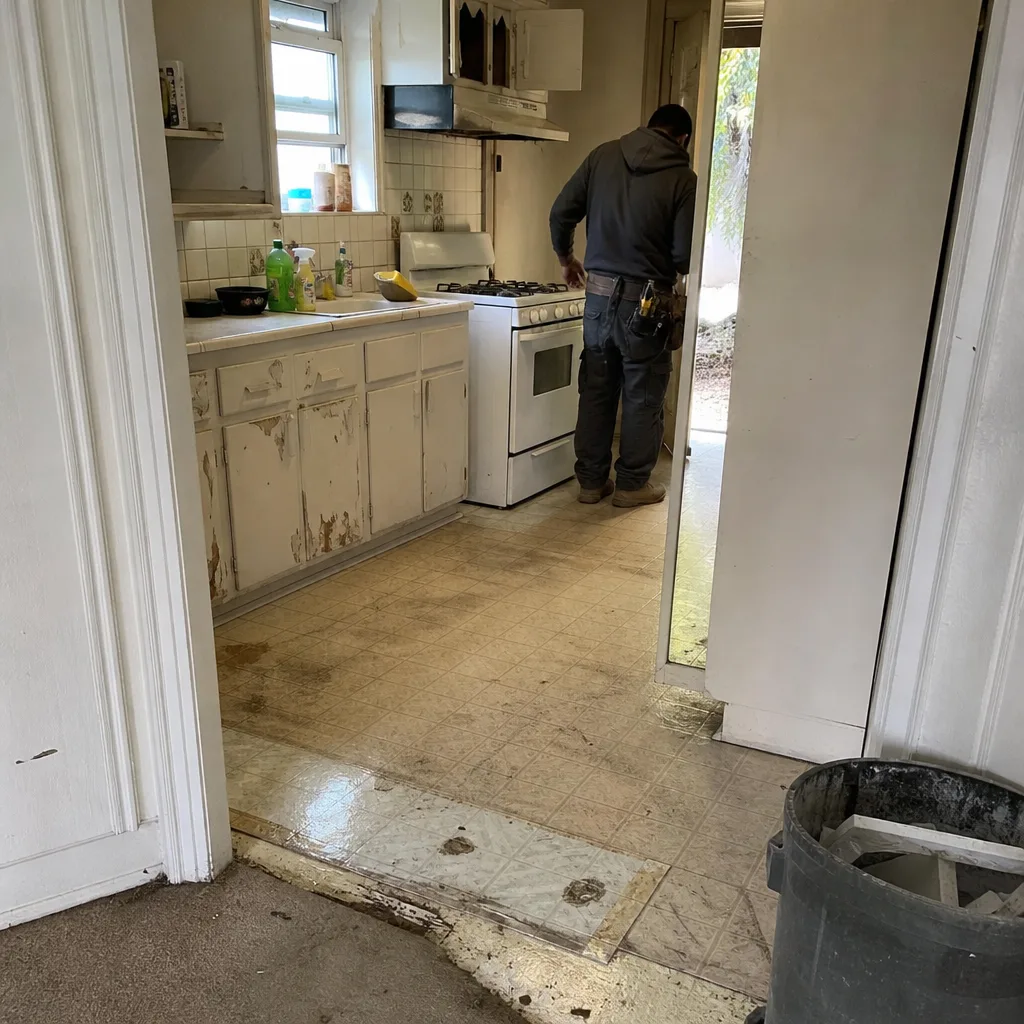 Before
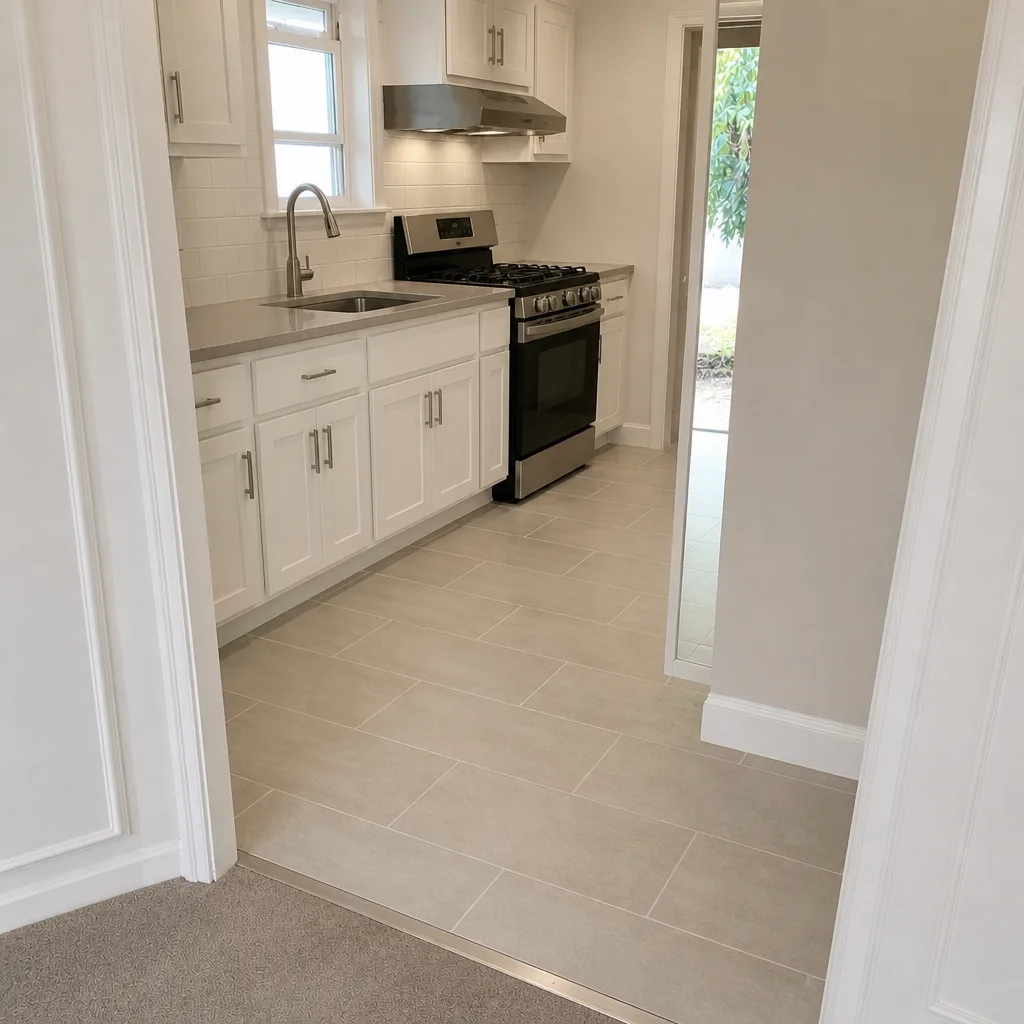 After
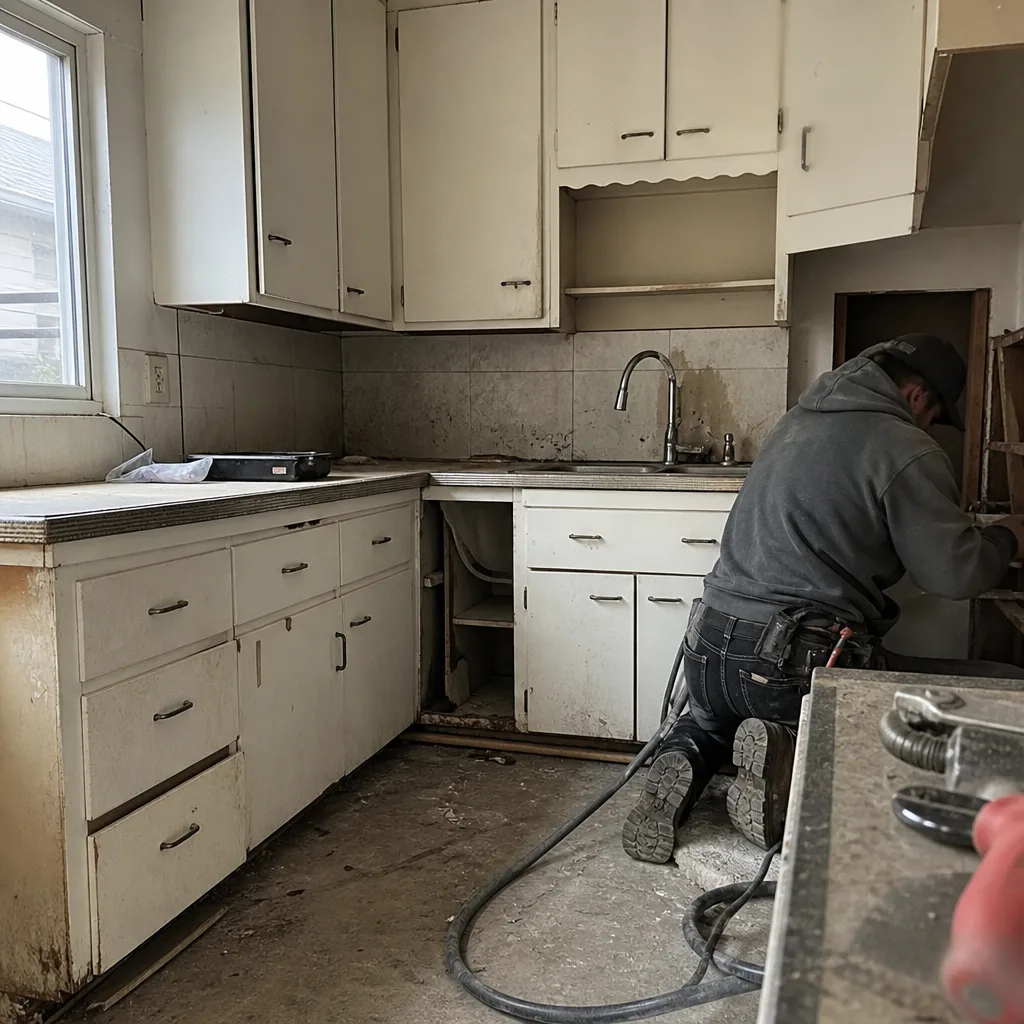 Before
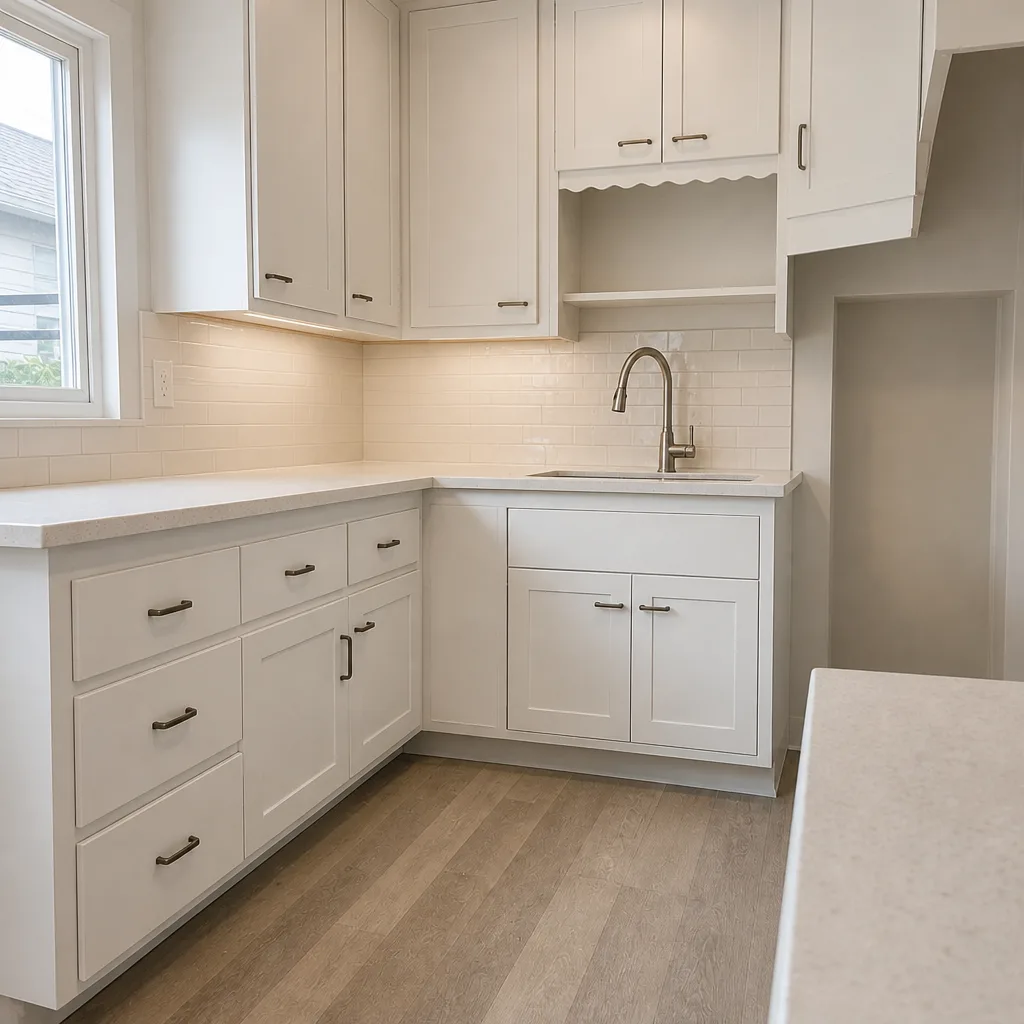 After
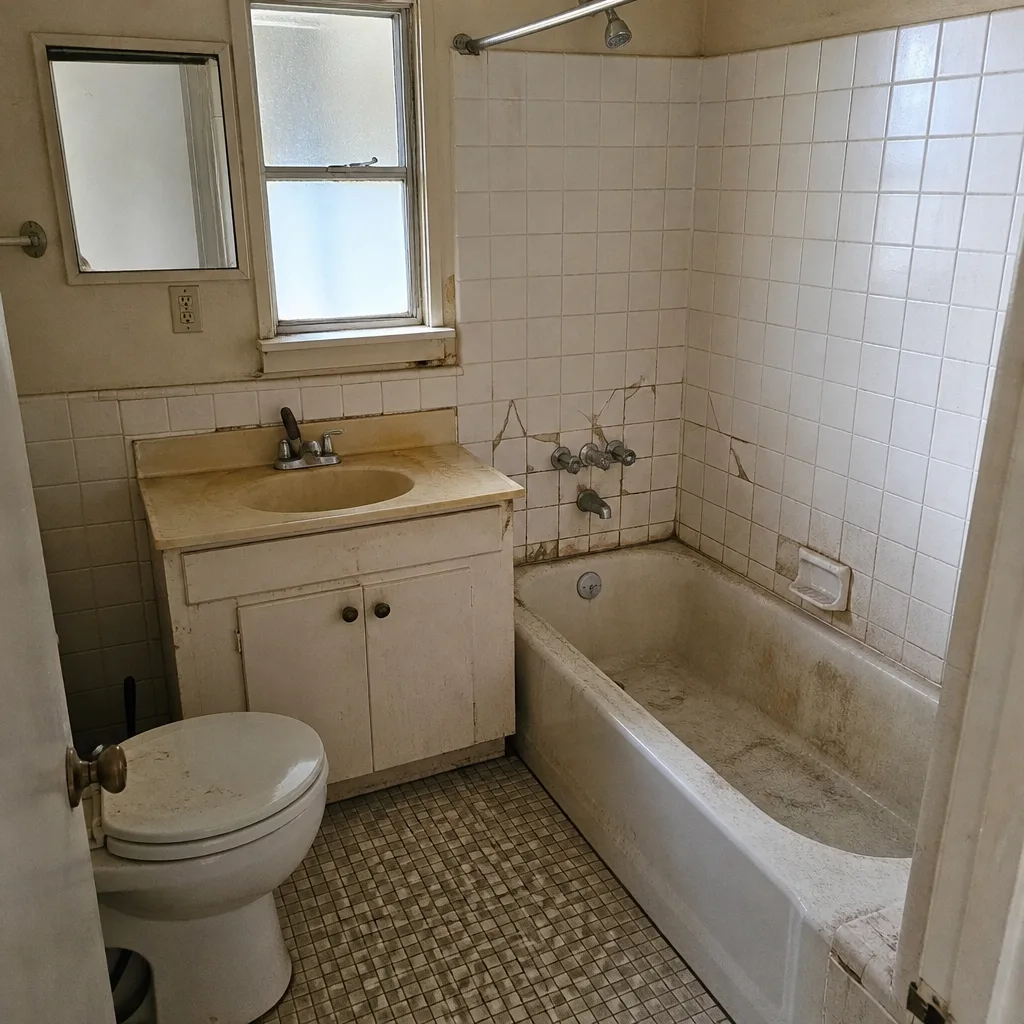 Before
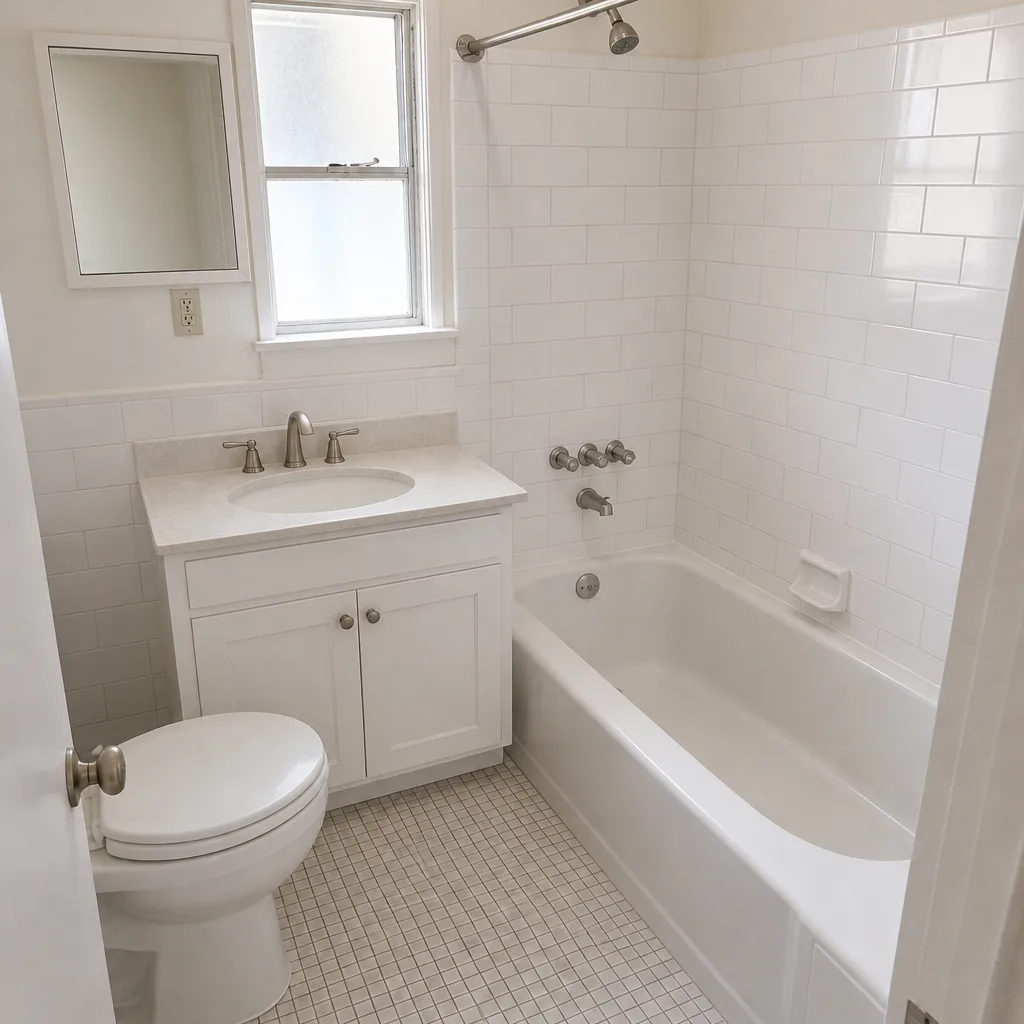 After