Last updated November 18, 2026


Free written scope consultation - allowances, timeline, and change-order rules on paper before a single trade is scheduled
How Long Does Windows & Doors Take? Timelines and What to Expect
A ten-window replacement project can take six to ten weeks from signed contract to final inspection, even though the crew is only on your house for two days. That gap surprises Berkeley homeowners every time. The install itself is the short part. What stretches the calendar is permit sequencing through the city, custom-order lead times from the window manufacturer, and exterior repairs that nobody prices or schedules until the old units come out and the wall cavity is open. In this guide we’ll break down realistic timelines by project size, explain what actually causes delays, and show you how to build a buffer that keeps the work moving without surprises on the back end. We’ve seen enough Berkeley jobs go sideways on the schedule to know where the traps are.
Quick Answer
Plan for a single window swap to take a day, a partial replacement of a few units to take one to three days of labor plus two to four weeks of lead time, and a full-house replacement to run six to ten weeks from contract signing to final inspection. Most of that time is permit review, product manufacturing, and exterior trim and stucco repair, not the actual install. Custom sizes, special colors, and non-standard rough openings each add weeks.
Styles & brands we work with
- Kitchen remodeling
- Bathroom remodeling
- Home additions & ADU
- Roofing
- Windows & doors
- Driveway & pavers
- Fence
Table of Contents
- Timelines by Project Type: Single Unit, Partial, and Full House
- Custom and Special-Order Lead Times by Brand and Line
- Berkeley Permit Processing Timelines and Inspections
- How Existing Conditions Add Time: Stucco, Non-Standard Openings, and Wood Rot
- What ‘One Day Per Window’ Estimates Miss
- Door Timelines: Entry, Patio, and Sliding
- Building a Realistic Contingency Buffer
- Frequently Asked Questions
Timelines by Project Type: Single Unit, Partial, and Full House
The most useful way to think about window and door timelines is to separate “labor days” from “calendar weeks.” Labor is how long a crew is on site. Calendar weeks include everything that has to happen before the crew shows up and after it leaves. Almost every homeowner underestimates the second number and overestimates the first.
Single unit swap
Replacing one window in a Berkeley bungalow usually takes one day of labor. If the new unit is a stock size from a standard line and the rough opening is square, you can realistically schedule and complete the work within two weeks of an approved quote. Add two to three weeks if the unit is custom-specified.
Partial replacement (three to six units)
Two to three labor days for the install, plus two to four weeks of lead time on most stock orders. Exterior touch-up adds half a day. Berkeley permits for this size project are typically reviewed in two to four weeks if plans are submitted cleanly.
Full-house replacement (ten to twenty units)
Two to four labor days for the glass, then one to three more days for trim, flashing, stucco patching, and interior drywall repair. Total calendar time from contract to final inspection is typically six to ten weeks in Berkeley, longer if the home has original wood double-hungs that require framing changes or if you’re ordering a premium line with a long factory queue.
Doors
Entry doors follow similar timelines but with two complications. First, retrofit vs. new construction mounting changes how much framing gets disturbed. Second, custom door slabs (arches, transoms, non-standard widths) add weeks to the lead time. A stock entry door install is a one-day job. A custom one can take eight to twelve weeks from order to install.
If your window and door project is part of a larger renovation – say, a kitchen opening up to a new patio slider – coordinate with the remodel schedule rather than running the two independently. Our Groundwork Construction Co. of Berkeley home page lays out how we sequence overlapping trades on a single scope.
Custom and Special-Order Lead Times by Brand and Line
The window brand you choose has a bigger impact on your calendar than most homeowners realize. Stock lines ship in two to three weeks. Custom lines ship in six to twelve. The difference isn’t price alone; it’s how much time the factory needs to cut, glaze, and finish a non-standard unit.
Our primary window brand partners include Andersen and Pella for wood and aluminum-clad lines. Both are excellent products. Both have significant differences in lead time depending on which series you specify. Here’s how to think about it:
- Stock sizes from a standard series: Two to three weeks typical. This is where you get the best speed-to-quality ratio.
- Custom sizes (widths, heights, or radii not in the catalog): Six to nine weeks. Every dimension requires a custom order package.
- Special exterior colors or interior finishes: Add two to four weeks on top of base lead time. Factories batch these runs.
- Historic profile matching (true divided lite, wood double-hung, custom muntins): Eight to twelve weeks. This is common in Berkeley’s older neighborhoods.
- Premium lines with upgraded glass packages (sound control, low-e, tempered): Add one to two weeks if not stocked in the standard configuration.
Custom door lead times often exceed window lead times because door slabs are heavier, more likely to require hardware prep, and are less often stocked by the manufacturer. A custom entry door with sidelights and a transom can run ten to twelve weeks. We’ve seen patio door systems from premium lines push twelve to fourteen weeks on custom builds.
Order lead time is also affected by when the order gets placed relative to the permit. If the permit takes four weeks and you place the order the day the permit is issued, you’ve stacked the two delays instead of overlapping them. Good sequencing places the order once plans are approved by the city plan reviewer (not just submitted), because the factory can’t legally ship to a job site without the permit in hand anyway in most cases, but the order can be scheduled as soon as the drawing set is final.
Berkeley Permit Processing Timelines and Inspections
Window replacement in Berkeley is not a same-day paperwork event. Depending on whether the work involves a like-for-like replacement (same size, same location, same operation) versus a change to the rough opening size, the permit path is different.
Like-for-like replacement
A same-size, same-location swap typically falls under an over-the-counter or express permit review. For straightforward cases, expect two to four weeks from submittal to issuance. The permit itself is not expensive at this scale, but the review timeline matters when you’re coordinating with a supplier’s ship date.
Changes to opening size or configuration
Any change to the rough opening, the number of units in a bay, or the operation (e.g., converting a single-hung to a slider) triggers a more substantial plan review. Realistically plan for four to eight weeks. This is where a lot of Berkeley homeowners lose a month without realizing it: the resequencing has to happen before the factory order makes sense.
Inspections
In most cases, window replacement requires at least one rough-in inspection (framing, flashing) and one final inspection. For full-house replacement where exterior sealants and stucco are disturbed, expect an additional inspection covering exterior weatherproofing. Plan on one to two weeks of calendar time for both inspections to complete, since inspector availability is a scheduled queue, not a drop-in service.
If your project involves a structural change to the wall systems or a new opening, that work falls under a distinct permit scope. You can see how we approach those larger integrations on our Home Additions & ADU in Berkeley page, where we walk through combined structural and envelope scheduling.
Working around Berkeley’s stuck-in-line reality
The City of Berkeley has its own permit queues, and they shift with the permit volume at any given month. The most reliable advice we can give: don’t assume the permit is fast, don’t assume it’s slow, and don’t order product the same week you submit plans. Instead, get the approved permit first, then place the factory order against the confirmed date. It stretches the calendar by a couple of weeks but it eliminates the “supply sitting on our porch for a month because the permit isn’t done” problem that plagues too many jobs.
How Existing Conditions Add Time: Stucco, Non-Standard Openings, and Wood Rot
This is where Berkeley homes diverge most from the national average. The city’s older housing stock was built across a wide range of decades, which means the exterior wall assemblies, rough openings, and structural framing under the trim vary house by house. You can’t honestly estimate a window timeline here without either opening a wall or assuming the worst and pricing for it.
Stucco exteriors
Nearly all pre-war Berkeley homes have stucco or a stucco-adjacent finish over wood frame. Removing an old window without cracking the surrounding stucco is nearly impossible. Every window pulls a chunk of it. That cracked material has to be patched and re-textured, which is a separate trade from the window installer, and it adds a day to three days per home (not per window). This is often the single biggest reason a “two-day job” becomes a “week on site” job. Stucco patch work also drives the final inspection schedule because the inspector wants to see the completed weather barrier.
Non-standard rough openings
Older Berkeley houses used nominal framing that hasn’t aged into square. A rough opening that measures 30″ at the top can be 30.25″ at the bottom, six inches down. You can either specify a custom unit to fit the actual opening (adds four to six weeks of lead time) or frame down to fit a stock unit (adds a half day of framing labor). Framing down is usually the smarter move unless the home is historic and you need to preserve the opening size.
Wood rot discovery
We find rot behind window trim on the majority of Berkeley homes that are more than fifty years old, especially on the windward (west and north) elevations. The cause is simple: original wood sills, old caulk joints, and forty years of moisture. Replacing the window without replacing the rotted sill and trim is a false economy. The realistic buffer for this is one to three additional days if the rot is confined to a few windows, or a week or more if it’s structural. Ask any window contractor you hire to explicitly include a rot contingency clause in the estimate – a fixed line item for “repair of rotted sill or framing, if discovered.” If they won’t put it in writing, that’s a schedule risk you’re holding, not them.
Flashing detailing at the sill and the head is where most water intrusion starts. In our experience on Berkeley homes, the flashing we replace is what prevents the next round of rot, which is why we don’t skip it in the labor estimate. It adds half a day per elevation.
What ‘One Day Per Window’ Estimates Miss
A lot of contractors quote one day of labor per window and stop there. As a scheduling promise, it’s misleading. As a scope description, it’s incomplete. Here’s what actually happens in a well-run window replacement, and how the time stacks up:
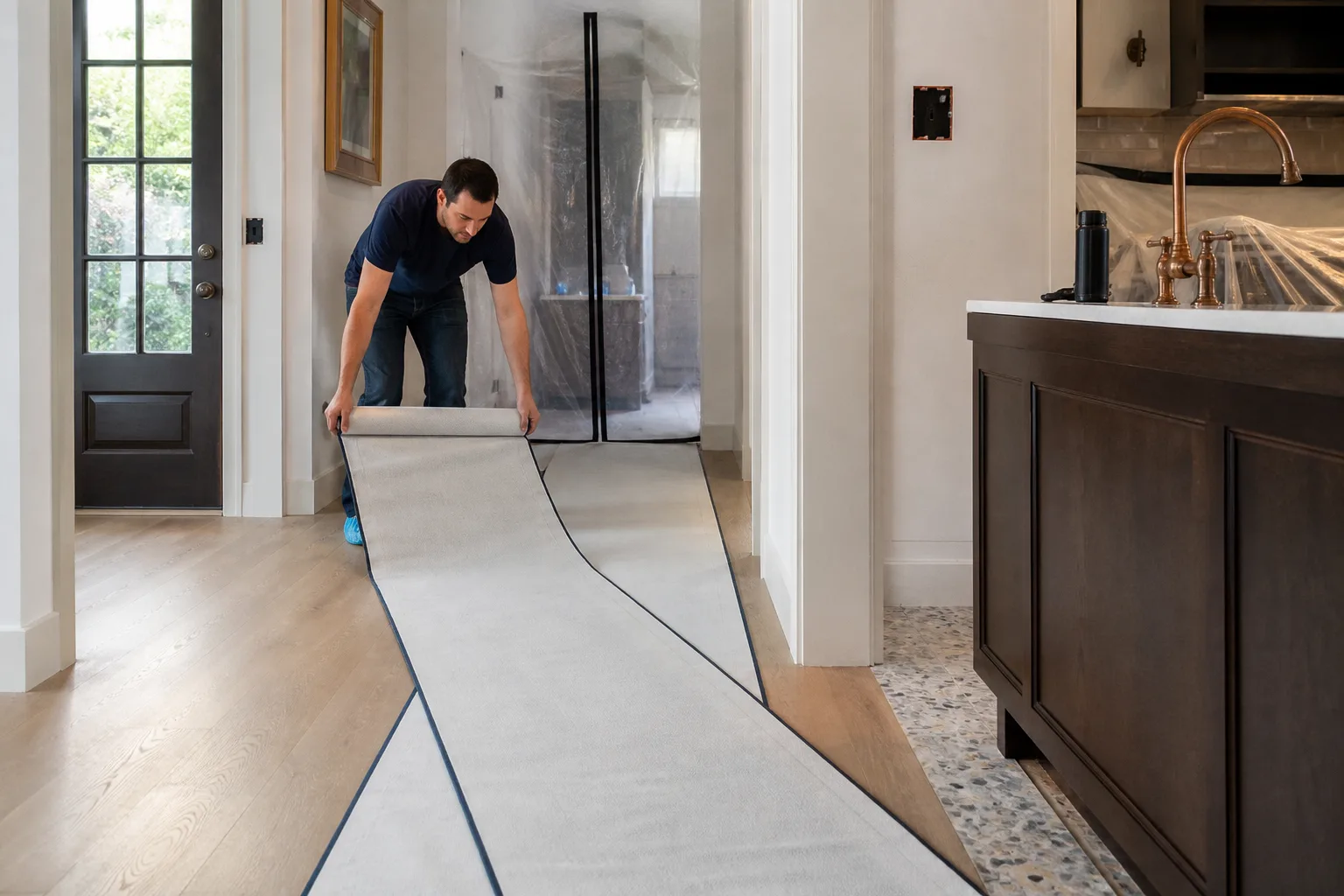
- Protection and prep (1 to 2 hours per elevation): Floor coverings, furniture moving, and drop cloths across doorways and thresholds. On second floors or over stairwells, add another hour of setup.
- Demolition (2 to 3 hours per window): Removing old trim, cutting sealant, freeing the unit. This is where stucco cracks.
- Rough opening cleanup and inspection (30 to 60 minutes per window): Checking for rot, verifying framing square, deciding whether to shim and plane or reframe.
- Flashing and weather barrier (1 to 2 hours per window): Sill pans, head flashing, and the integration of the exterior weather barrier with the new unit. This is where most weather failures happen, and it’s the step that gets cut when crews are moving fast.
- Install and shim (1 to 2 hours per window): Setting the unit plumb and level, fastening, and checking operation.
- Insulation and interior sealing (30 minutes per window): Low-expansion foam or batt insulation in the cavity, plus interior caulk lines.
- Exterior sealant and trim (1 to 2 hours per window): Backer rod, exterior caulk, and any new exterior trim or sill replacement.
- Interior patching and finishing (1 hour per window): Drywall repair, trim reinstatement, and paint touch-up.
Do the arithmetic on that. A crew doing a clean, high-quality install is looking at roughly six to nine hours of work per window, not the three to four that a “one day per window” number implies. That’s why two three-person crews can do ten windows in two days, but a single crew will need four to five. The math only works when you staff up. It’s also why the best time to think about window work is as a scheduled project with a real plan, not as a weekend sprint.
When your window project sits inside a broader exterior scope, the sequencing matters too – fence and site work around the yard need to be coordinated with the truck traffic and staging area. Our Fence Installation in Berkeley page covers some of the staging considerations we think about on combined jobs.
Door Timelines: Entry, Patio, and Sliding
Door replacements follow similar rhythms to windows but with a few differences.
Entry doors
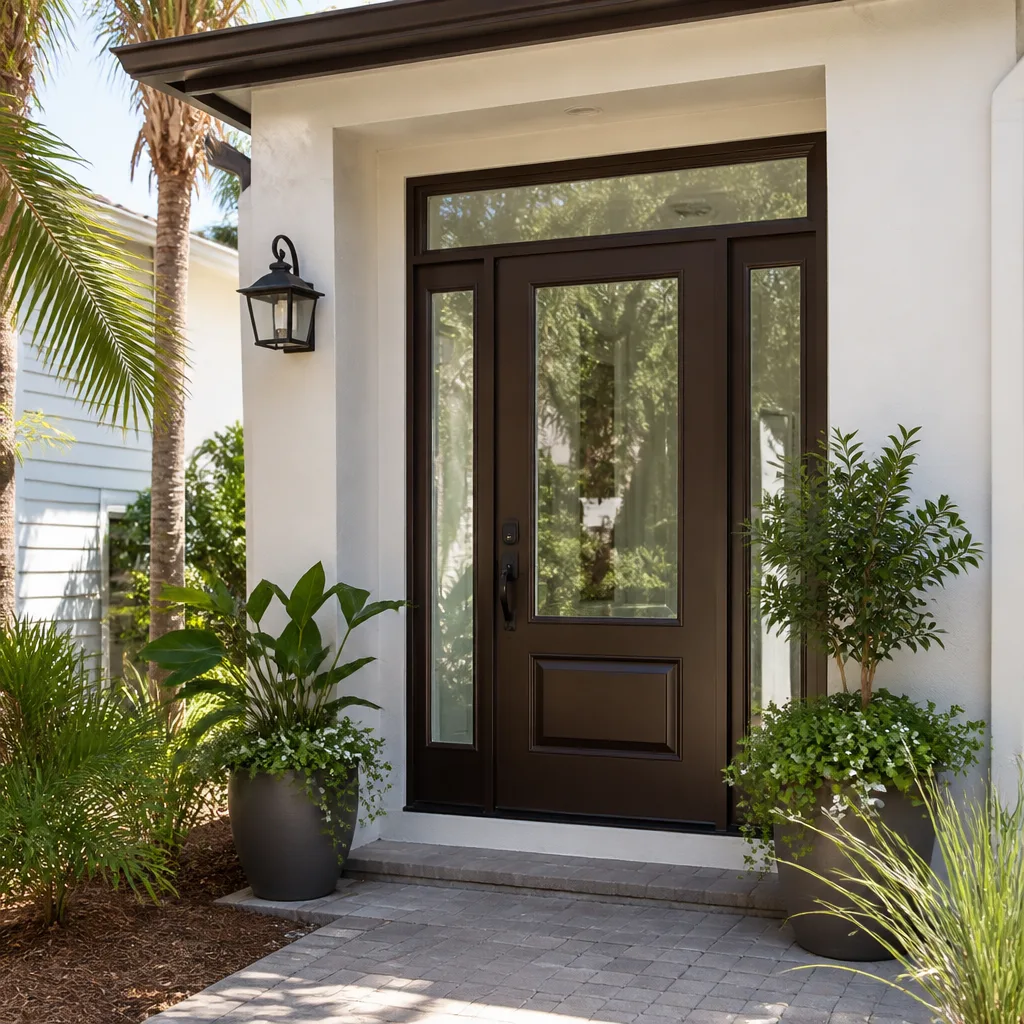
A stock entry door replacement (same size, same swing) is a one-day job when the rough opening is in good condition. A custom-width or arched entry door adds four to six weeks of factory time. A door with sidelights and a transom pushes to eight to ten weeks. Restaining or repainting on site is a separate day.
Patio and sliding doors
Patio doors are heavier, require careful tuning of the rollers and tracks, and any small hinge or track mismatch shows up as an air leak for years. A like-for-like slider swap is one to two days. A change in width or conversion from a swing to a slider requires a permit and framing changes, which pushes to a five to seven-day job once the unit arrives.
Interior doors
Interior doors are faster and generally don’t require a permit unless they are part of a larger structural change. A single interior door swap is a couple of hours. A whole-house interior door replacement is one to three days depending on trim work and painting.
Building a Realistic Contingency Buffer
Every project benefits from a buffer, but the buffer has to be sized to the actual risk. Here’s how we build it on a Berkeley job:
- Start with labor days. Add the crew-on-site estimate (e.g., three days for a partial replacement).
- Add permit review time. Use two to four weeks for like-for-like, four to eight weeks for any size or configuration change.
- Add factory lead time. Two to three weeks stock, six to twelve weeks custom. Overlap the permit and the factory order only after the plan review is approved.
- Add exterior repair time. Stucco patch, trim replacement, and paint add one to three days. Rot remediation can add one week or more.
- Add inspection time. One to two weeks for final verification.
- Add a 15 percent pad. Real projects slip. Weather, unexpected rot, a factory rework, or an inspector’s schedule all move the date. Fifteen percent is a fair realistic pad; ten is optimistic and thirty is overkill.
Total buffer for a mid-sized Berkeley window project: one to two extra weeks, or roughly six to ten weeks overall from contract to final walkthrough. Full-house projects run longer.
None of this has to feel opaque to the homeowner. If your general contractor is willing to share the schedule breakdown – permit weeks, manufacturing weeks, install days, inspection – then you can track the plan as it moves. If the timeline is a single number with no explanation, that’s a warning sign. Groundwork Construction Co. of Berkeley builds the schedule into the estimate as a line item, so you know exactly which stage you’re in and what has to happen next. We back that plan with our 730-Day Done Right Promise: if any part of the workmanship fails, we come back and make it right, for two full years after the final walkthrough.
If exterior work is on a larger scope, say a driveway and paver replacement alongside the window and door project, the sequencing overlaps too. Our Driveway & Pavers in Berkeley page addresses staging and access.
Common Mistakes to Avoid
- Ordering product before the permit is approved. Stock units sit on your porch or in a warehouse for weeks while the plan reviewer works through the queue. Order after plan approval, not after demolition.
- No rot contingency line. Every Berkeley window estimate should include a “repair of unforeseen rot” line item with a stated hourly rate or per-window allowance. If your contractor won’t put it in writing, you’re carrying that risk.
- Skipping the flashing scope. Some quotes include only the labor to set the unit, not the sill and head flashing. That’s the difference between a window that lasts thirty years and one that starts leaking in five.
- Assuming the stucco patch is covered. Stucco repair and exterior paint are frequently left out of window replacement bids and appear as a change order later. Ask explicitly whether exterior patching and paint are included.
- Scheduling the inspection too early. Final inspection can only happen once all trim, sealant, and paint are complete. Booking it prematurely causes a re-inspection fee and a schedule setback.
- Ignoring the rough opening measurement. A “rough opening check” before the order is placed saves four weeks. Measuring the trim opening instead of the true rough opening is a common shortcut that comes back as oversized units or extra framing.
- Not planning for interior patch and paint. Removing trim reveals old drywall seams that weren’t well finished to begin with. Budget for interior paint touch-up on every elevation you touch, not just the room you’re focusing on.
See the difference
 Before
 After
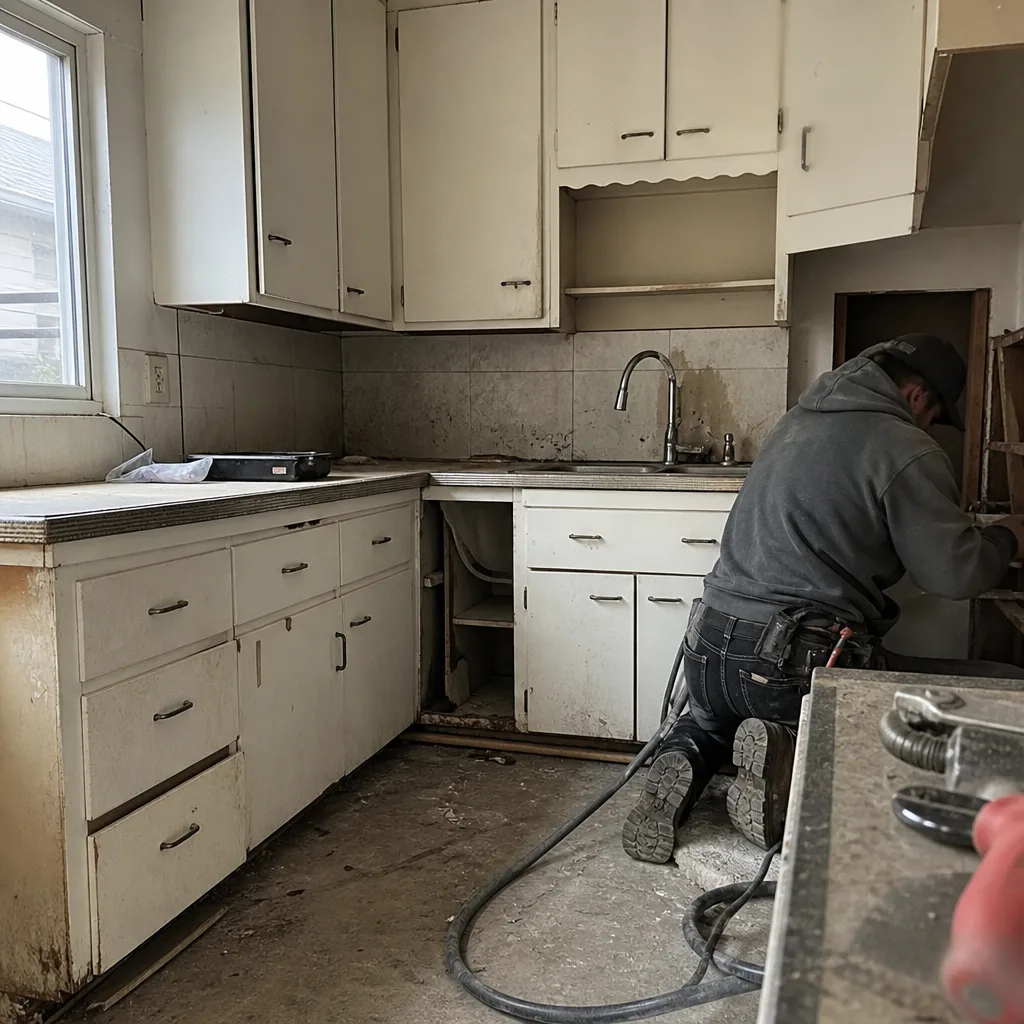 Before
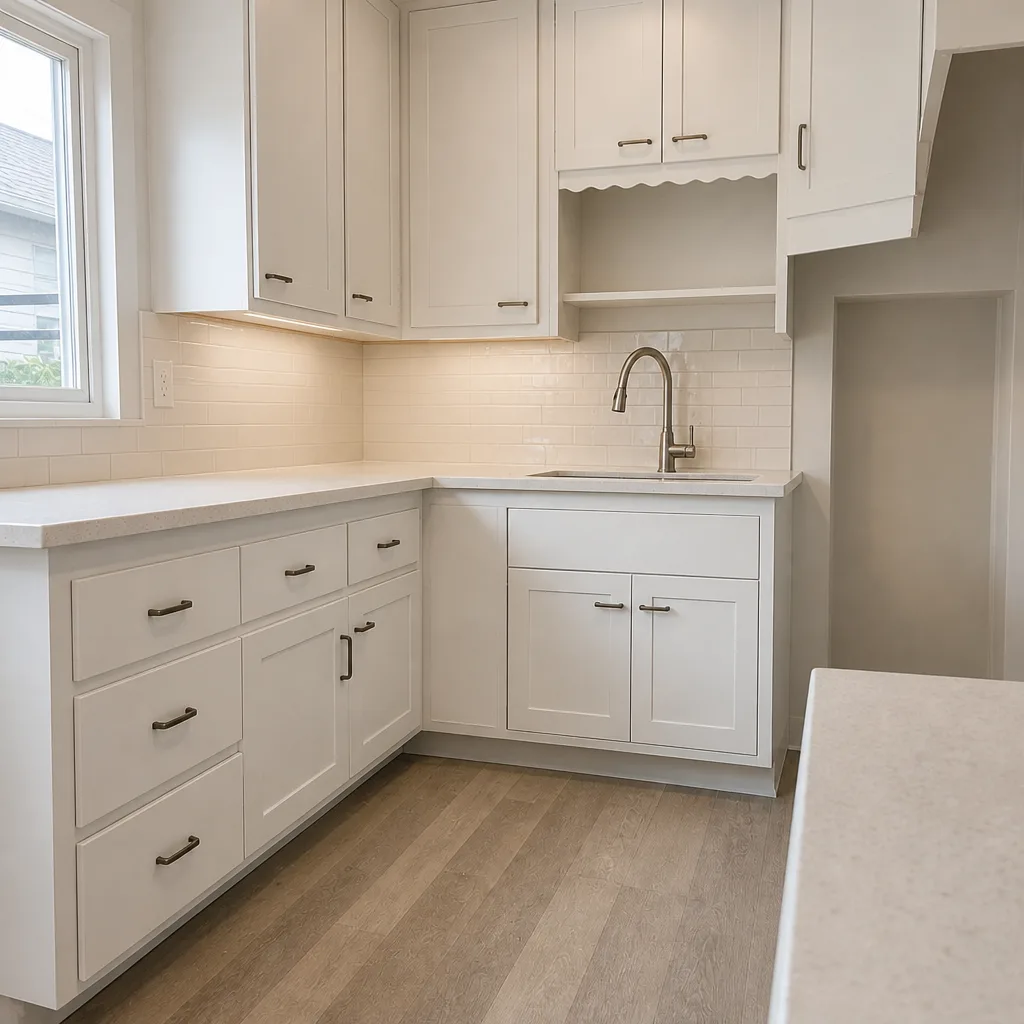 After
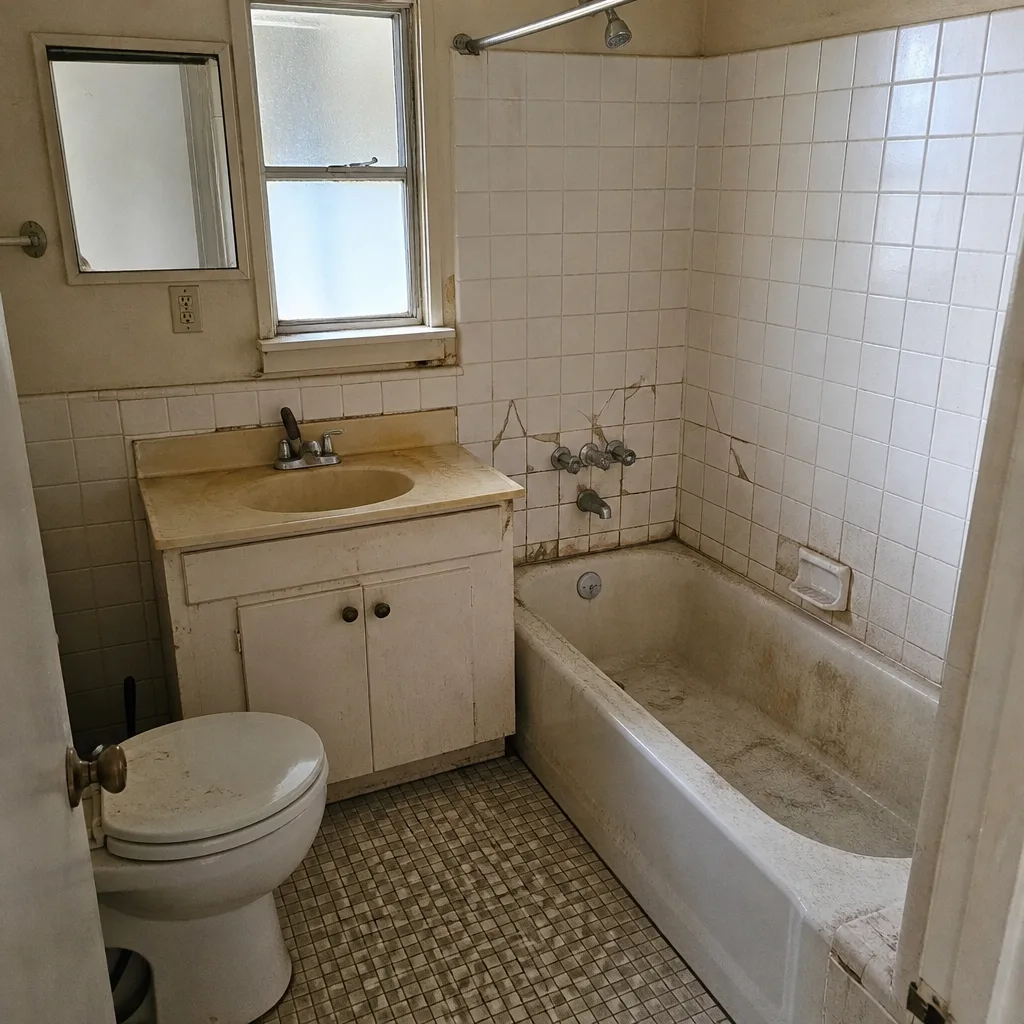 Before
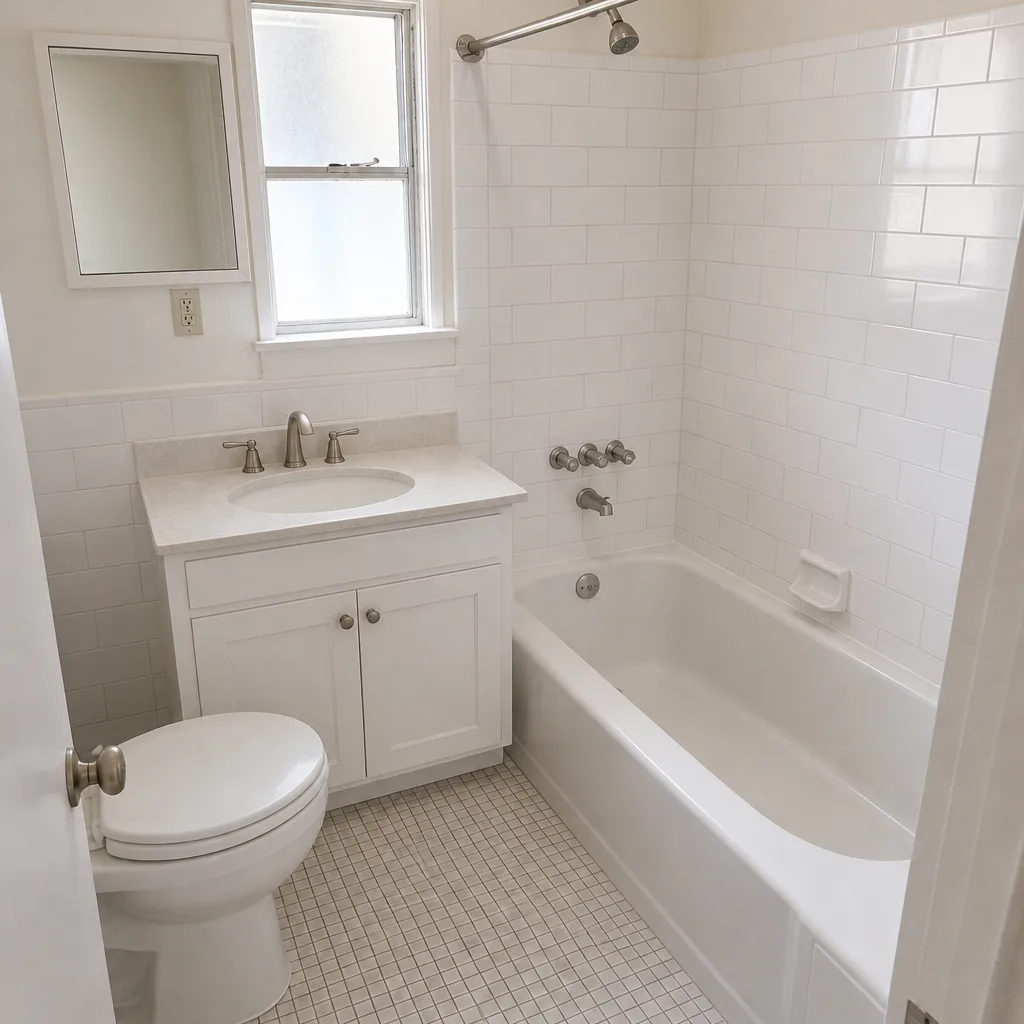 After
When to Call a Professional
Single window swaps are technically doable for a skilled DIYer, but at the point you’re replacing more than one or two units, messing with flashing details on the exterior envelope, or changing rough opening sizes, the odds of a hidden failure climb quickly. Any of the following should prompt a call to a licensed contractor: any project touching more than two units, any change to window or door configuration, any home built before 1970 where you suspect original framing, any sign of prior water intrusion (soft wood around the trim, peeling paint, mold near the interior corners), and any window or door above a first floor where fall risk is real. Groundwork Construction Co. of Berkeley offers free estimates in Berkeley – call (855) 471-4163 to schedule. We come out, measure the openings, walk through the flashing and exterior finishing details, and put the schedule in writing so you know exactly what to expect before you sign anything.
Frequently Asked Questions
A single window takes one day of labor. A partial replacement of three to six units takes two to three days of labor plus two to four weeks of lead time. A full-house replacement runs six to ten weeks from signed contract to final inspection, with most of that time spent on permit review, factory production, and exterior stucco repair. Call (855) 471-4163 for a schedule estimate built to your specific Berkeley home.
Yes, in most cases – even like-for-like window replacement requires a permit in Berkeley, and any change to the rough opening size or operation of the window triggers a more substantial plan review. Plan on two to four weeks for like-for-like review and four to eight weeks for a size or configuration change. Call (855) 471-4163 and we’ll walk through the specific permit path for your project.
Not if the estimate is done correctly. Acknowledge upfront that unforeseen rot and stucco damage exist; the honest way to handle both is a written change-order rate that is stated in the original estimate. Our upfront pricing puts the number in writing before work starts, and any negotiated rate for unforeseen discoveries is agreed before the crew touches the wall. Call (855) 471-4163 for a free estimate with the full schedule and pricing breakdown.
Custom window lead times typically run six to nine weeks, and specialty configurations (historic profile matching, true divided lite, custom exterior colors) push to eight to twelve weeks. Andersen and Pella both offer stock lines that ship in two to three weeks; the trade-off is standard sizing. Call (855) 471-4163 to talk through which lines fit your home and budget.
No. A well-run full-house replacement takes two to four days of install labor and one to three more days of trim, stucco, and interior repair – plus the weeks of permit and factory time before the crew even shows up. Any company promising a one-day whole-house install is either cutting the flashing and exterior detail scope or bringing a very large crew that you should ask about. Call (855) 471-4163 for a realistic schedule.
Pricing depends heavily on unit size, brand line, and lead time, plus the exterior repair scope. A single like-for-like unit runs significantly less than a full-house replacement with custom sizing and stucco repair. The best answer is a written line-item quote that breaks out units, labor, permit, exterior repair, and interiors separately. Call (855) 471-4163 for a free estimate – we’ll give you the itemized number before any work is scheduled.
The Bottom Line
The gap between “the crew is here for two days” and “the project takes six to ten weeks” isn’t a contractor being slow. It’s the honest physics of permit reviews, factory production, stucco and rot repair, and inspection scheduling. The variables that determine your timeline are the size and configuration of the project, the brand line and customization of the units, the age and construction of your Berkeley home, and how cleanly the permit and the factory order are sequenced. Get all four right and the project moves. Get any one wrong and you’re looking at weeks of delay. Groundwork Construction Co. of Berkeley schedules the whole thing in writing and backs it with our 730-Day Done Right Promise. Call (855) 471-4163 for a free estimate and design consult – live person answers around the clock, upfront pricing, no surprises.
Written by the team at Groundwork Construction Co. of Berkeley.