Last updated November 18, 2026






Free written scope consultation - allowances, timeline, and change-order rules on paper before a single trade is scheduled
Seasonal Construction Care for Berkeley: Year-Round Homeowner’s Guide
October in Berkeley is the most dangerous month for a home’s exterior, and it has nothing to do with rain. By the time the first atmospheric river rolls in, most Berkeley homes have spent six months baking through a dry season that quietly opened caulk joints, pulled wood trim away from siding, and packed gutters with debris. When the water finally arrives, it finds every one of those gaps. We’ve walked enough Berkeley properties after the first big storm to know the damage usually predates the rain by months. This guide lays out a month-by-month maintenance calendar built around Berkeley’s actual climate: two aggressive seasons and two transition windows where careful work prevents expensive failures.
Quick Answer
Seasonal construction care in Berkeley follows a two-season rhythm: dry-season inspections and repairs from May through September, then a critical October-November winterization window before the rains, followed by spring checks of what the wet months revealed. The highest-value maintenance happens in the October transition, when sealing, drainage clearing, and trim repair prevent the water intrusion that shows up as damage by January. Berkeley’s hillside and flatlands microclimates age materials at different rates, so the calendar shifts slightly by neighborhood.
Styles & brands we work with
- Kitchen remodeling
- Bathroom remodeling
- Home additions & ADU
- Roofing
- Windows & doors
- Driveway & pavers
- Fence
Table of Contents
- Why Berkeley’s Climate Needs Its Own Maintenance Calendar
- The October Window: Berkeley’s Highest-Stakes Month
- What the Dry Season Does to Berkeley Homes
- Hillside vs. Flatlands: Two Microclimates, Two Schedules
- Winterizing Drainage Under Berkeley’s Stormwater Rules
- Spring Inspection Priorities After the Wet Season
- The Maintenance That Keeps Manufacturer Warranties Valid
- A Month-by-Month Berkeley Maintenance Calendar
Why Berkeley’s Climate Needs Its Own Maintenance Calendar
Berkeley doesn’t have four seasons. It has a wet season that runs roughly November through March, a dry season from May through September, and two transition windows in April and October that decide how much damage your home absorbs. That’s not a quirk of weather small talk; it’s the single most useful fact for planning construction care.
The marine layer rolling in from the Bay keeps summers cooler than inland cities, which sounds gentle but creates its own problem. Cool, moist morning air condenses on exterior surfaces and works its way into any gap in paint, caulk, or flashing. Then the afternoon sun expands those same materials. That daily expand-contract cycle runs for months, and it’s why Berkeley homes on the west side of town often show caulk failures earlier than inland properties that simply bake.
Then there are the Diablo wind events. These dry, offshore winds can spike fire risk and drop humidity fast, pulling moisture out of wood framing, fence boards, and decking in a matter of days. Materials that were stable in June can check and crack after a single strong wind event in September.
Berkeley’s older housing stock compounds all of this. A large share of homes in neighborhoods like Elmwood, Northbrae, and the Thousand Oaks area were built before 1950, which means original redwood trim, wood-framed windows, and masonry that has already been through decades of this cycle. Older materials respond to Berkeley’s rhythm in predictable ways, and the calendar in this guide accounts for that.
One more local factor: Berkeley sits on and below hills, and water moves downhill fast during heavy rain. A drainage problem in the hills above a flatlands block is the flatlands block’s problem too. We’ll get to that in the drainage section.
The October Window: Berkeley’s Highest-Stakes Month
Ask most homeowners when a house needs attention and they’ll say winter. In Berkeley, October is the month that matters. By early October, the dry season has finished its work on your exterior, and you have a short window before consistent rain to fix what’s exposed.
Here’s what six months of dry heat and daily marine-layer cycling has usually done by October:
- Caulk joints around windows and doors have shrunk and pulled away. A hairline gap looks minor until wind-driven rain finds it.
- Wood trim and siding have dried and checked, especially on south and west-facing walls that take the most sun.
- Roof flashing around chimneys and skylights has expanded against its fasteners and may have loosened.
- Gutters and downspouts have collected a summer’s worth of leaves, grit, and seed pods.
- Drainage swales and yard grading have settled, and settled soil pools water instead of shedding it.
- Fence posts and gate hardware have dried and loosened, which the first wind storm will test.
None of these are emergencies in September. By December, several of them can be. A window that leaks a half-cup of water per storm is a rot problem by spring. A gutters system that overflows for three months can wash out a footing.
The October work isn’t glamorous, but it’s the highest-return maintenance on the Berkeley calendar. Sealing, clearing, and tightening before the first big rain costs a fraction of the repairs they prevent.
We’ve seen this pattern repeat across Berkeley properties: the homes that come through the wet season clean are almost always the ones that got attention in that October window. If you want a professional set of eyes before the rain, a free estimate from Groundwork Construction Co. of Berkeley is a reasonable place to start. We’ll walk the exterior, tell you what actually needs work, and skip what doesn’t. Above all, it’s in writing.
What the Dry Season Does to Berkeley Homes
Berkeley’s dry season is deceptive. The marine layer makes it feel mild, but from May through September your home’s exterior is losing moisture with almost no replenishment. Different materials fail in different ways, and knowing which is which tells you what to inspect first.
Concrete and masonry
Concrete driveways, walkways, and patio slabs dry out and shrink slightly during summer. Hairline cracks appear, especially where the slab was poured around older tree roots or over a control joint. Small cracks aren’t structural, but water entering them before winter and freezing or expanding can widen them. Mortar joints on brick and stone walls do the same thing. A repointing job in September is small; a repointing job after a full wet season of water intrusion is not.
Wood framing, trim, and siding
Wood is where the dry season does its quietest work. Trim boards and siding on sun-exposed walls pull away from the structure as they lose moisture. The gap is often less than a quarter inch, small enough to ignore, big enough for driving rain. Wood-framed windows are especially prone to this in older Berkeley homes. The frame moves slightly, the paint film cracks, and moisture finds the wood underneath. This is the path to rot, and it starts in summer, not winter.
Roofing
Asphalt shingles lose their flexibility over a dry summer. The granules that protect them shed, and the mat underneath becomes brittle. By the time storms arrive, the shingles are less able to seal against wind-driven rain. Roofs on Berkeley homes often have a very predictable lifespan once you track how many dry seasons they’ve seen. A roof with a decade of sun cycles behind it deserves an inspection before fall.
Fences and exterior structures
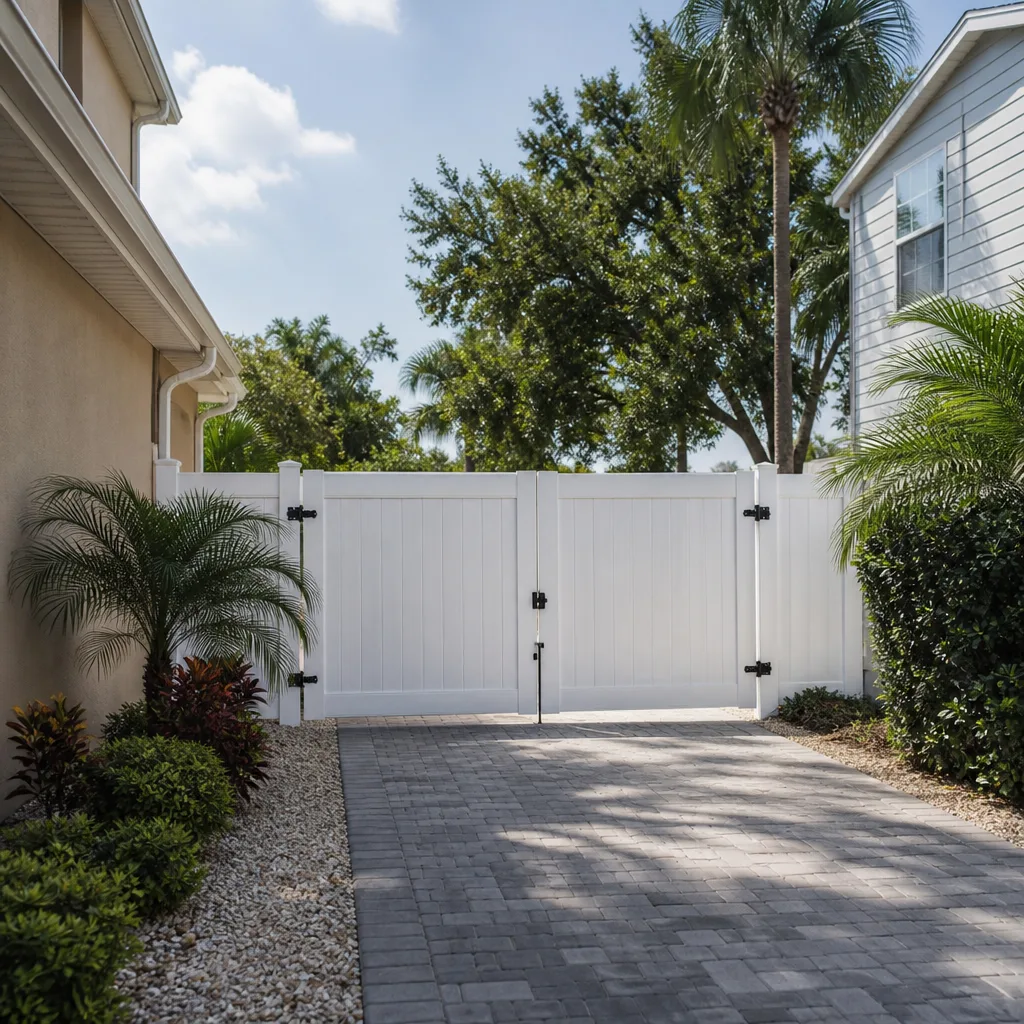
Fence boards and gates dry and shrink in summer. Posts in compacted soil can loosen. If you have a wood fence, checking post stability and gate hardware in September prevents the frustrating discovery in January that a wind event has pushed a whole section over. For repairs approaching a replacement, our guide to fence installation in Berkeley covers what actually holds up in local conditions.
Hillside vs. Flatlands: Two Microclimates, Two Schedules
Berkeley’s geography splits home maintenance into two different problems. If you live in the hills, your issues are water management and wind. If you live in the flatlands, your issues are drainage receiving and marine moisture. Neither group can copy the other’s checklist.
Hillside properties
Homes in the Berkeley hills sit on slopes that shed water fast. That’s good in one sense and bad in another. Fast-moving water carries debris, erodes soil around footings, and finds any gap in a retaining wall. The hills also catch more wind during Diablo events, so roofs and taller structures take more direct stress. Hillside homes should be inspecting retaining walls for movement, checking that swales are clear, and confirming that roof and gutter systems can handle the volume that hits them first. Fire risk in the hills also means exterior materials and the defensible space around the structure deserve attention in dry months. That’s a construction care consideration as much as a safety one.
Flatlands properties
Flatlands homes, from the neighborhoods near the Bay up through the flatter grid of central Berkeley, deal with the opposite problem: water arrives from above and from uphill and has nowhere to go quickly. Soil stays moister longer. Foundations and slabs hold moisture against them. The marine layer sits longer and heavier on flatland blocks, keeping exterior surfaces damp well into the morning. Caulk and paint failures on flatlands homes tend to be about persistent dampness rather than sun, so the inspection focus is different: crawlspace ventilation, foundation drainage, and wood exposed to ground moisture move to the top of the list.
Either way, your neighborhood changes the priority order, not the list itself. Both need the same October attention; they just need it focused differently.
Winterizing Drainage Under Berkeley’s Stormwater Rules
This is the section most homeowners skip, and it’s the one with real consequences. Berkeley’s stormwater management regulations are serious about what leaves your property and where it goes. During winterization, you need to understand the difference between working with those rules and running afoul of them.
The core principle: water that falls on your property should be managed on your property or directed to approved drainage, not dumped onto a neighbor, a public sidewalk, or an unmanaged path that erodes. Berkeley’s rules around stormwater runoff and drainage are designed to reduce pollution and flooding, and they apply to how you handle downspouts, grading, and impervious surfaces on your own lot.
What creates personal liability
- Concentrating downspout discharge so it pours onto a neighboring property or a public walkway. This is the fastest route to a neighbor complaint and, in some cases, liability for their damage.
- Regrading your yard so water that used to sheet away now pools or flows across a property line.
- Letting gutters overflow during storms in a way that erodes soil or pushes water under a foundation. Overflow during the wet season, at scale, can become a nuisance issue with real cost.
- Adding hardscape without planning where the water goes. Patios, pavers, and driveways change runoff patterns. Our driveway and pavers in Berkeley page covers how to build surfaces that manage water rather than simply shedding it onto the next property.
The October drainage checklist is straightforward. Clear gutters and downspouts. Confirm downspouts discharge at least several feet from the foundation and into a splash block or dispersion area. Check yard grading for settled spots and refill them so water sheds away from the house. Inspect any French drain or drainage system for clogs before the wet season fills it. If your property has a steep or complex grade, a professional drainage assessment is worth the cost, because fixing a foundation problem caused by runoff is many times more expensive than fixing the drainage first.
Berkeley does not have a mild version of this problem. The city’s wet season delivers a large share of the annual precipitation in a handful of intense storms. A system that works fine in a drizzle can fail completely in an atmospheric river event. Winterization is about handling the worst storm of the year, not the average one.
Spring Inspection Priorities After the Wet Season
Spring is a report card. It tells you whether your October work held and where moisture got in anyway. The right approach is structured, not casual, so you actually read the evidence.
Follow these steps in order:
- Check ceilings and attic sheathing first. Water stains, discoloration, or a musty smell point to a roof or flashing failure over the winter. Document anything you find with photos and notes.
- Inspect interior window and door frames. Look for bubbling paint, soft wood, or discoloration near the frame. These are signs that wind-driven rain got past the exterior seal.
- Walk the exterior walls and touch the wood. Poke at any spot that looks discolored or raised. Soft wood means moisture penetrated. This is the most valuable check and the one most homeowners skip.
- Examine the foundation and crawlspace. Standing water, damp soil, or efflorescence (the white mineral deposits on masonry) indicate drainage problems that need addressing before the dry season bakes them in.
- Check gutters and downspouts for winter damage. Look for separations, loose hangers, and erosion marks on the ground below, which tell you where water escaped.
- Review fences, gates, and any exterior structures. Winter wind events test hardware and post stability. A gate that no longer closes cleanly is telling you something about the posts.
What you find tells you whether moisture penetrated or was successfully held off. If the October work held, you’ll find dry wood, tight frames, and a clean crawlspace. If it didn’t, spring is the time to fix it, while there’s a dry season ahead to do the work properly. If the inspection points to structural repairs, an addition, or a larger construction project, our guide to home additions and ADU work in Berkeley explains how those projects are scoped and built.
The Maintenance That Keeps Manufacturer Warranties Valid
Manufacturer warranties don’t automatically cover everything. Most residential building material warranties have maintenance conditions, and skipping them is the most common way homeowners accidentally void coverage on materials they paid good money for.
We work with a curated set of brand partners, and the warranty patterns are consistent. Here’s what matters for the materials most commonly installed on Berkeley homes:
Roofing
Roof warranties from manufacturers like GAF and CertainTeed generally require that the roof be installed correctly and that the homeowner not damage it through neglect, such as letting debris accumulate or ignoring a known leak. More importantly, if a roof leak is traced to poor flashing installation or a failed fastening, that’s a workmanship issue, not a material defect, so a 730-Day Done Right Promise matters here. Our guarantee covers the installation side of the work. Every roofing project we complete is backed in writing, and if something wasn’t done right, we make it right.
Windows and doors
Window warranties from makers like Andersen and Pella typically require that frames and hardware be kept clear of debris and that drainage channels built into the frame work properly. If those channels clog and water backs up into the frame, that’s considered lack of maintenance rather than a product failure. Berkeley’s marine layer makes window frame drainage especially important, because moisture sits longer on flatlands homes. A quick seasonal check of weep holes and drainage channels keeps that coverage intact.
Siding
Siding warranties, including from manufacturers like James Hardie, generally require that the siding stay painted or sealed according to the manufacturer’s schedule and that any damage be repaired promptly. Letting a section of siding stay soft and unpainted through a wet season is a coverage risk. Berkeley homes with wood siding should inspect and touch up failing paint in the dry season, well before the rains return.
The general rule
For any exterior material, the warranty often hinges on keeping water away from it and promptly addressing visible damage. That’s exactly what the seasonal calendar in this guide is designed to do. Maintenance isn’t just upkeep, it’s warranty protection. And when the work is ours, the 730-Day Done Right Promise covers the workmanship so homeowners aren’t stuck navigating warranty fine print alone.
A Month-by-Month Berkeley Maintenance Calendar
This calendar is built around Berkeley’s rhythm: dry season repairs, the critical October transition, the wet season, and spring review. Adjust the exact timing if you’re in the hills versus the flatlands, but don’t skip the categories.
January through March (wet season)
- Monitor for leaks after storms; note any interior stains or dampness immediately.
- Clear gutters and downspouts after major storm events, because debris from the storm can block them mid-season.
- Check for water pooling against the foundation. If you find it, address the source, not just the puddle.
- Inspect fences and gates after wind events for loosened posts and hardware.
April (transition)
- Do the full spring inspection outlined above, starting with ceilings and attic sheathing.
- Look for settling around foundations, walkways, and patios.
- Document anything that needs repair before dry-season work begins.
May through August (dry season)
- Repair or repaint failing exterior paint and wood trim while it’s dry.
- Re-caulk windows and doors in dry, warm conditions so materials bond properly.
- Repair concrete and mortar cracks and repoint brick and stone joints.
- Tend to fencing and exterior structures; this is the best window for repairs and replacement. Our guide to fence installation covers material choices for Berkeley conditions.
September (prepare)
- Inspect roofing and flashing. Get eyes on the roof before the wet season, not after.
- Check gutters and downspout connections; repair anything loose.
- Test downspout discharge flow and confirm water disperses away from the foundation.
October (the critical window)
- Seal caulk joints and check all exterior seals while conditions are still dry.
- Clear gutters, downspouts, and drainage systems completely.
- Regrade settled soil so water sheds away from the house; confirm discharge avoids property lines and public paths.
- Inspect and tighten roof flashing, especially around chimneys and skylights.
- Confirm drainage compliance with Berkeley’s stormwater rules before the rains.
November and December (into wet season)
- Monitor the first storms closely; October work is tested here.
- Check for overflow and pooling during and after storms.
- Review any issues before the season deepens; small fixes in early winter are easier than repairs in February.
If you’re planning a larger project, our Groundwork Construction Co. of Berkeley home page outlines the full scope of what we handle, from repair work through full remodels. And the county’s building code requirements are worth knowing for any structural change; when it’s time for a bigger project, we cover those details on our service pages.
Common Mistakes to Avoid
- Treating October like any other month. It’s the one month where catching up on exterior maintenance before the first atmospheric river is far cheaper than doing it afterward. Berkeley homeowners who wait until the first storm usually end up paying for repairs, not prevention.
- Ignoring caulk and paint failures because they look minor. A hairline gap in September is a moisture intrusion path in January. We’ve seen a quarter-inch of failed caulk lead to a rotted window frame and a repair bill many times the cost of a tube of sealant.
- Cleaning gutters but not checking where the water goes. Clearing is only half the job. If the downspout discharges against the foundation or onto a neighbor’s property, you’ve solved the clog and created a different problem, plus possible liability under Berkeley’s stormwater rules.
- Walking past soft wood without touching it. Visual inspection misses rot. Spring inspection means actually poking at any discolored or raised wood. Soft means moisture penetrated, and it needs attention before the dry season hides the problem again.
- Skipping manufacturer maintenance terms. Roof, window, and siding warranties often require specific upkeep such as keeping drainage channels clear and paint in good condition. Skipping it can void coverage on materials you paid for, which is why we treat maintenance as part of every project’s long-term care.
- Copying checklists written for a different climate. Advice built for inland California or for a mild Pacific Northwest climate doesn’t fit Berkeley’s two-season rhythm. Our marine layer, Diablo wind events, and intense wet-season storms create a specific maintenance schedule that generic checklists miss.
- Burying drainage problems under new hardscape. Adding a driveway or patio without planning water flow moves the problem, not solves it. It also can run afoul of Berkeley’s stormwater management rules. Any paving project should start with where the water goes.
See the difference
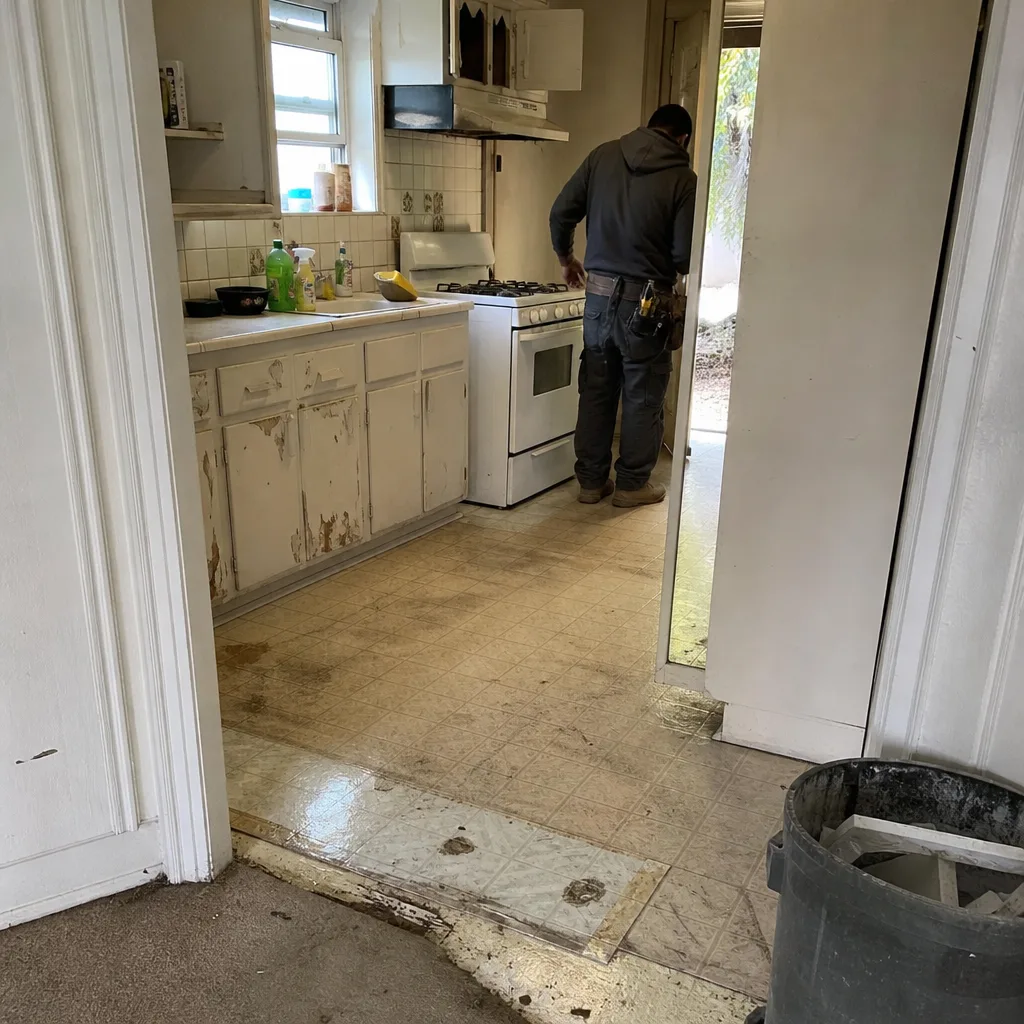 Before
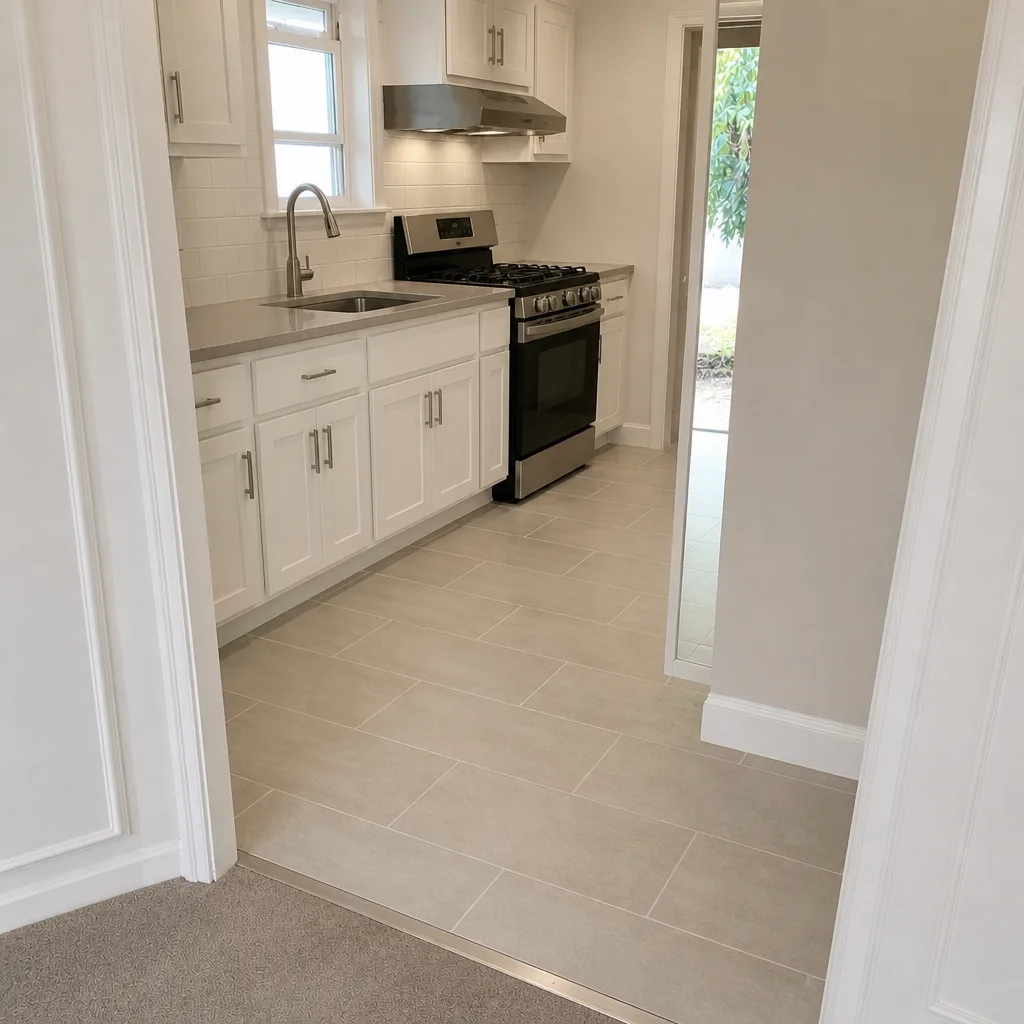 After
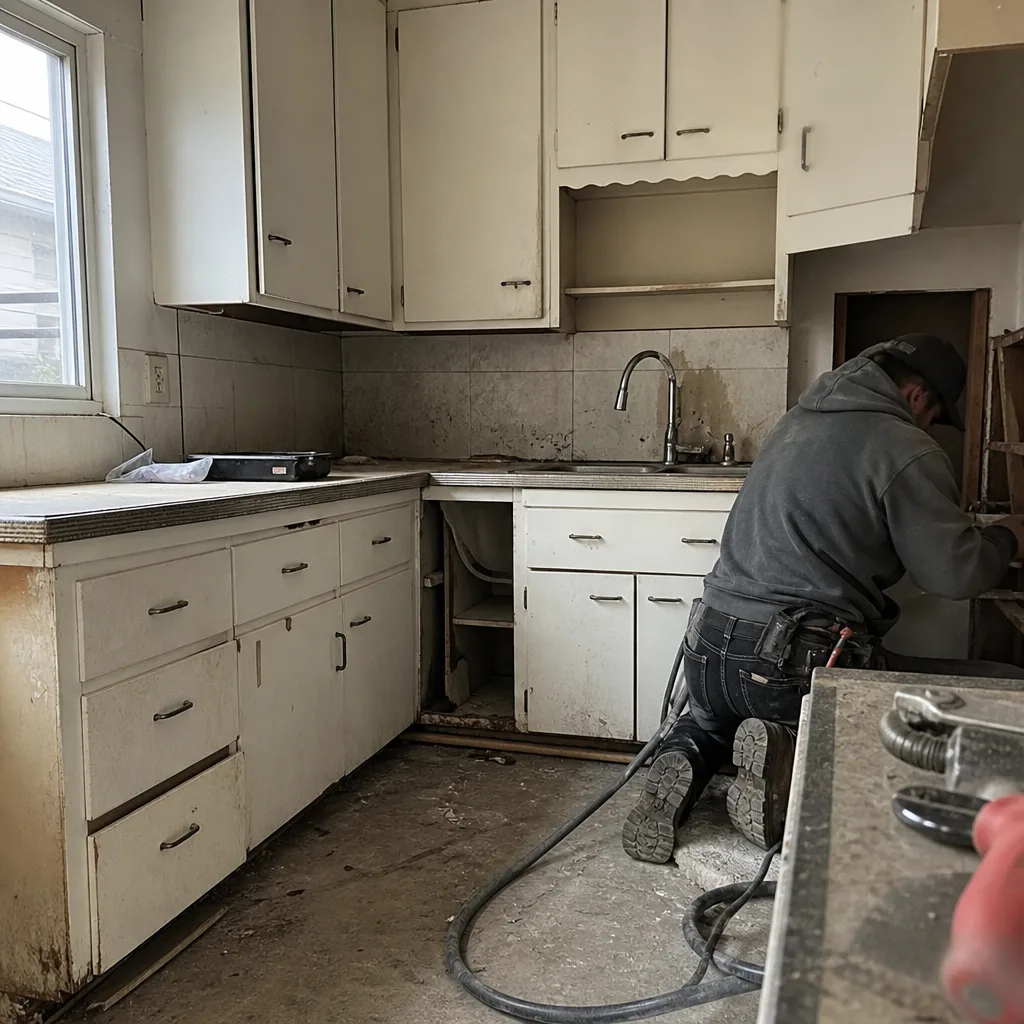 Before
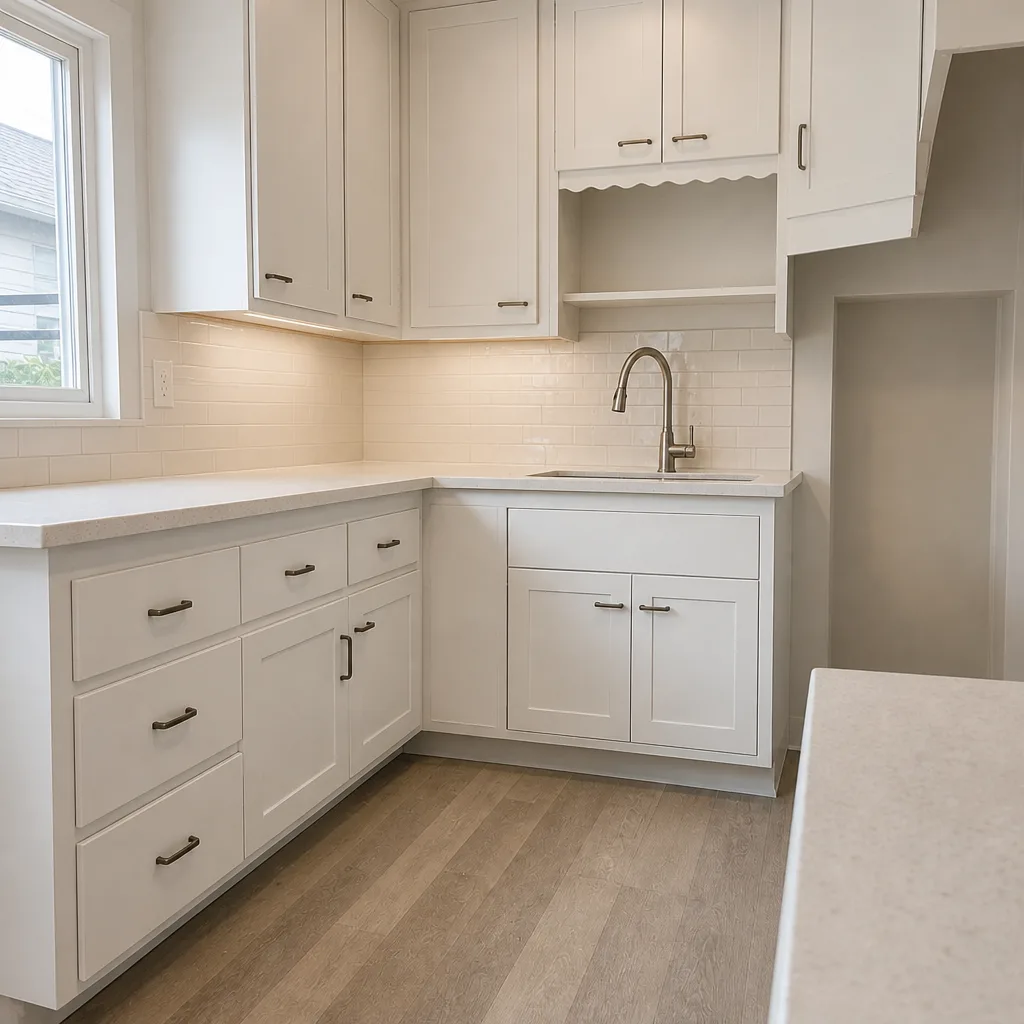 After
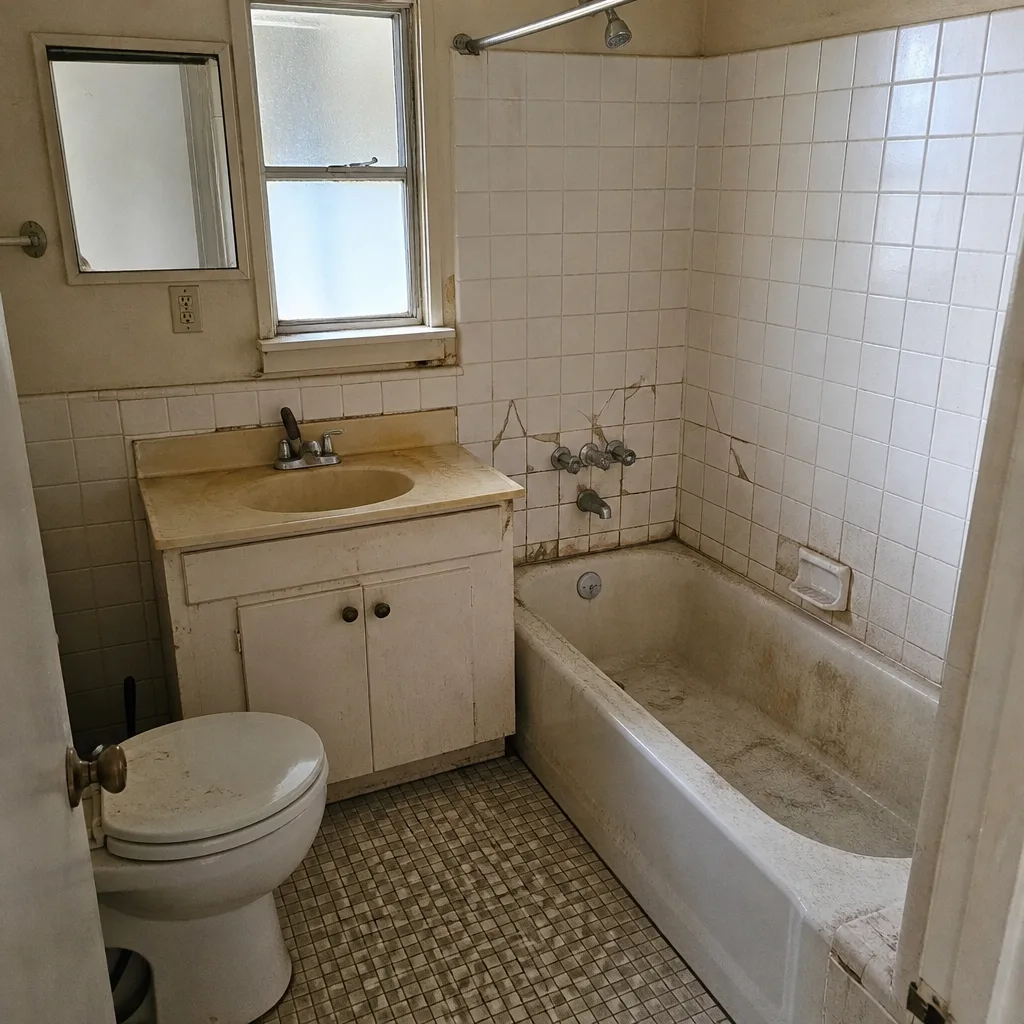 Before
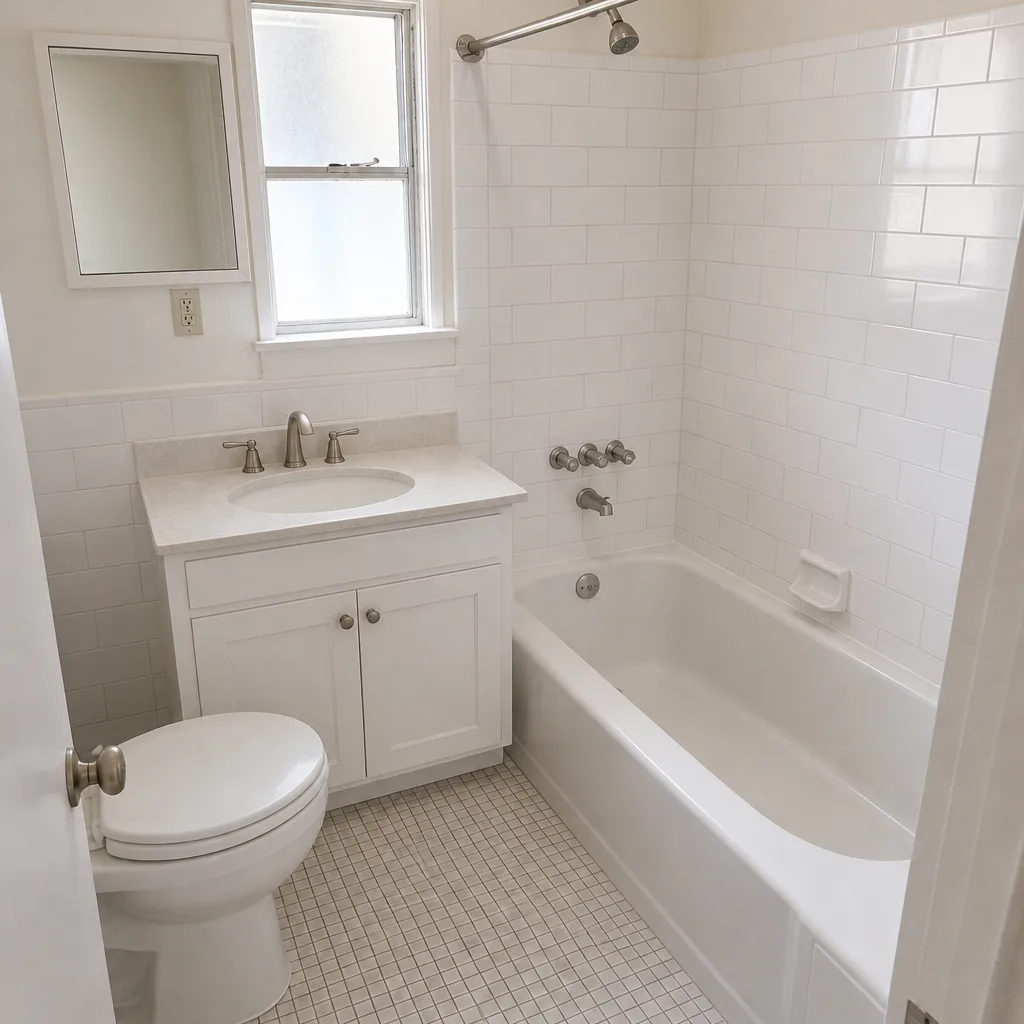 After
When to Call a Professional
Some seasonal maintenance is entirely manageable yourself: clearing gutters, checking caulk joints, and basic visual inspections. Other situations need a trained eye, and a few are genuinely urgent. Call a professional when you find soft or discolored wood on exterior walls, when a spring inspection shows water stains on ceilings or attic sheathing, when your foundation shows standing water or masonry efflorescence, or when drainage involves complex grading. If you’re considering a roof replacement before the wet season, a major repair after storm damage, or a structural project like an addition, call for a scoped, professional assessment rather than improvising. In a wet-season emergency, don’t wait on a leak that’s actively damaging the interior. Groundwork Construction Co. of Berkeley offers free estimates in Berkeley; call (855) 471-4163 to schedule one. We answer with a live person, 24/7, and every project we complete is covered by the 730-Day Done Right Promise.
Frequently Asked Questions
For homeowners in Berkeley, proactive seasonal maintenance typically runs a few hundred to around a thousand dollars for the core items: gutter clearing, caulk and sealant work, and basic inspection. Repairs found during inspection, such as a failed window frame or roof flashing, add to that. The cost is almost always less than the repairs the maintenance prevents. Call (855) 471-4163 for a free estimate, and we’ll give you an upfront number before any work begins, with no surprises.
The best time to schedule exterior repairs in Berkeley is the dry season, from May through September, with October as the final deadline before the wet season arrives. Repairs done in dry, warm conditions bond and cure properly, and they’re finished before storms can find weaknesses. Roof and flashing work especially should happen before October. Call (855) 471-4163 to schedule your free estimate while the weather is still on your side.
Yes. Berkeley has stormwater management requirements designed to keep runoff from causing pollution and flooding, and they apply to how you handle downspouts, grading, and impervious surfaces on your property. The key practical point is that you should not concentrate runoff onto a neighbor’s property, a public sidewalk, or a drainage way that can’t handle it. When in doubt, a professional drainage assessment before the wet season is worth the cost. Call (855) 471-4163 for a free estimate and an honest read on what your property needs.
Check for water stains on ceilings and attic sheathing, bubbling paint or soft wood near window and door frames, discolored or raised exterior wood, and standing water or efflorescence in the crawlspace. Any of these signals that moisture got past your exterior defenses and needs professional attention before the dry season hides it. Call (855) 471-4163 for a free estimate and a full spring inspection before the next wet season.
It can. Most roof, window, and siding warranties from manufacturers like GAF, CertainTeed, Andersen, Pella, and James Hardie include maintenance conditions such as keeping drainage channels clear, maintaining paint, and addressing damage promptly. If a failure traces back to neglected maintenance, the warranty may not cover it. When we handle the work, our 730-Day Done Right Promise covers workmanship, so you’re not left navigating warranty fine print alone. Call (855) 471-4163 for a free estimate.
After a Diablo wind event, inspect fence posts and gates for loosened hardware, check roofing edges and flashing for lift, look for any movement in retaining walls, and confirm trees and nearby structures haven’t dropped debris into drainage paths. Wind events can push materials past their limits even if nothing looks obvious at first glance. If you’re unsure, call (855) 471-4163 for a free estimate and a professional assessment.
The Bottom Line
Berkeley’s climate has a rhythm, and homes that work with it come through the year clean. The dry season opens caulk joints, shingles, and wood trim; the October window is your chance to seal and clear before the wet season arrives; the rains test that work; and spring tells you what held. The homeowners who stay ahead of the calendar spend a fraction of what the ones who wait end up paying. And the warranty on your roofing, windows, and siding usually depends on keeping that same maintenance up to date. It’s not the most exciting work. It’s the work that keeps everything else intact. When you want expert eyes on the job, Groundwork Construction Co. of Berkeley is here to help.
Ready to get ahead of the season? Call (855) 471-4163 for a free estimate. We answer with a live person around the clock, give you upfront pricing with no surprises, and back every project with the 730-Day Done Right Promise.
Written by the team at Groundwork Construction Co. of Berkeley.