
Last updated November 18, 2026






Free written scope consultation - allowances, timeline, and change-order rules on paper before a single trade is scheduled
Windows & Doors Troubleshooting: Common Problems and How to Fix Them
If your door started sticking after last winter’s rains, the door didn’t change – your foundation or framing shifted, and the door is just the messenger. Planing the door fixes nothing. Most window and door problems homeowners call about have a root cause two steps upstream from the visible symptom: a sticking door usually isn’t a door problem, and a drafty window usually isn’t a glass problem. In Berkeley, where clay soils move with the wet and dry seasons and a lot of housing stock dates to the 1920s, that difference between symptom and cause is the whole ballgame. This guide walks you through diagnosing before you spend, so you fix the thing that’s actually wrong.
Quick Answer
Windows and doors should be diagnosed by symptom before any repair is attempted: sticking usually means framing or foundation movement, drafts mean failed weatherstripping or a warped sash, fogged glass means a broken seal between panes, water intrusion usually enters at flashing and sill pans rather than the glass, and hardware failure is almost always a worn component you can identify by feel and sight. The fix follows the diagnosis – repair the door and you’ll be back in the same spot next season. Groundwork Construction Co. of Berkeley offers free estimates for any window or door issue across Berkeley.
Styles & brands we work with
- Kitchen remodeling
- Bathroom remodeling
- Home additions & ADU
- Roofing
- Windows & doors
- Driveway & pavers
- Fence
Table of Contents
- Diagnose First: Why the Symptom Is Rarely the Cause
- Sticking Doors and Windows: What the Messenger Is Telling You
- Drafts and Cold Spots: Where the Air Is Really Coming In
- Fogged Double-Pane Glass: Defogging vs. Sash Replacement
- Water Intrusion: The Entry Points You’d Never Guess
- Hardware Failure: What Wears Out and What You Can Swap
- Cosmetic Wear or Structural Warning: A Field Test with Tools You Own
- When a DIY Fix Will Hold vs. When It Masks a Bigger Bill
Diagnose First: Why the Symptom Is Rarely the Cause
We’ve pulled doors off houses in Berkeley’s Elmwood neighborhood that were planed twice and still dragged on the threshold, because the door was never the problem – the framing around the rough opening had twisted as the foundation settled. That’s the pattern most homeowners miss. A window or door is a rigid rectangle bolted into a structure that moves. When the structure moves, the rectangle gets racked, and the moving part tells you first.
The rule of thumb we use on every job: find out when the problem started and what else changed at the same time.
- Note the season the symptom appeared. Berkeley’s rainy winters and dry summers move expansive clay soils, so a door that swells and sticks in January and frees up in July is a moisture story, not a door story.
- Check whether the symptom is one-sided or even. A door that binds at the top corner opposite the hinges points to a racked frame. A door that binds evenly across the whole top points to a sagging header or settlement.
- Look for companion symptoms in the same room – drywall cracks radiating from window corners, a gap under the baseboard, a floor that feels springy. Windows and walls are a connected system.
- Rule out the cheap culprits before you call anyone: swollen wood (moisture), a loose hinge (screws stripped in soft jamb wood), or debris in the track of a slider.
We approach every window and door call as a full-scope diagnosis, because the fix for a racked opening is different construction work than the fix for a bad sash. For the larger structural picture, our team at Groundwork Construction Co. of Berkeley home can walk a lot line or a frame in a single visit. Two categories – water and framing – cause almost every “mystery” window and door problem we see. Separate those from cosmetics and the rest of this guide falls into place.
Sticking Doors and Windows: What the Messenger Is Telling You
A sticking door or window is a symptom, and diagnosing it correctly saves you from fixing the same problem twice. In Berkeley, where the housing stock includes a lot of 1920s bungalows and 1950s stucco boxes, the cause splits roughly three ways: seasonal wood movement, foundation or framing shift, and hardware or finish failure.
Here’s the symptom-to-cause tree we run through:
- Sticks in wet months, frees in dry: moisture swelling in the wood sash or slab. Usually a finish problem (paint or sealer worn off at the bottom edge, where water wicks up). Refinishing the edges and sealing the bottom cap often solves it.
- Binds at one corner, all year: a racked frame. The opening is no longer square, which usually traces to foundation movement or a twisted header. Planing makes it fit and hides the real issue.
- Drags evenly on the threshold: settling of the wall or threshold, or a door that has sagged on its hinges. Check the top hinge gap – if it’s tight on the strike side and wide on the hinge side, the door has dropped.
- Slider window or door won’t move: debris in the track, a failed roller, or the panel jumped the track. Look for a gap at the top of the panel.
- Rubs only at the strike plate: the strike is misaligned or the hinges are loose. Tighten or replace the hinge screws with longer ones before you touch the door.
Two of those five are foundation-and-framing stories, and in Berkeley we see the corner-bind pattern most often in homes built on the flatlands near the bay, where the soil holds more moisture through the wet season. When a door binds at one corner all year and you can see cracks at the window corners in the same room, stop planing. Call a professional to look at the frame.
Drafts and Cold Spots: Where the Air Is Really Coming In
A drafty window usually isn’t a glass problem – it’s an air-seal problem, and the air almost always enters somewhere other than where you feel it. Air moves through gaps you can’t see from inside, hits your cheek or hand at the most exposed point, and you blame the window. We’ve found the real gap at the rough opening, behind the casing, on jobs where the homeowner had already priced new windows.
Before you consider replacement, run this check with a candle, a stick of incense, or your hand:
- Set a candle or incense near the suspect window on a windy day. Move it slowly along the perimeter – bottom sash, side jambs, top, and the meeting rail of a double-hung. Watch the flame or smoke for flicker.
- Check the weatherstripping with a dollar bill. Close the sash on the bill; if it slides out with no resistance, the weatherstripping has compressed or failed. On a double-hung, test both the meeting rail and the perimeter.
- Inspect the exterior. If you can see light around the frame from inside, that’s an air path. Gaps at the sill and at the rough opening are the usual suspects.
- Look for gaps around the lock and latch side of the door. A gap you can see light through is a gap that leaks air. Adjusting the strike plate or adding weatherstripping fixes it.
Most draft complaints in older Berkeley homes resolve with weatherstripping, adjustable sill shoes, and a tube of exterior sealant at the frame – not new windows. That matters: replacement windows are a real investment, and the companies that sell them rarely tell you a $30 strip of weatherstripping would have done the job. If you’re installing new units anyway, choosing a top brand like Andersen or Marvin is worth the money – matching the glass to the opening is the difference between a window that works for decades and one that’s a problem for years.
Fogged Double-Pane Glass: Defogging vs. Sash Replacement
Fogged glass between the panes is a failed seal. The spacer and sealant between the two panes have let in moisture, and the desiccant that normally absorbs it is saturated. That’s the whole diagnosis. The question is whether to defog, replace the sash, or replace the whole window.
Defogging companies drill small vents into the sealed unit and pump in dry air, then reseal. It works – sometimes – but understand what you’re buying: you’re paying to hide a leak, not to restore the insulating argon fill or the low-e coating performance. The unit will fog again when the seal fails further. In our experience, defogging is worth considering only when the fogging is mild, the panes are otherwise sound, and you’re selling the house soon or protecting a client relationship.
Here’s how we frame the decision:
- Double-hung or casement with a removable sash: replacing just the insulated glass unit (IGU) or the sash is the right fix. It’s cheaper than a full window and keeps the original frame, which matters on older Berkeley homes where the frame contributes to the look.
- Fixed window or a frame in poor condition: full unit replacement is the more honest call. A new IGU in a rotting frame is money down the drain.
- Single-pane glass with a storm window: there’s no seal to fail, so if you see fogging it’s between the storm and the primary, and you’re looking at condensation from interior humidity. Vent the house before calling anyone.
One local note specific to Berkeley: fogging is more common on south- and west-facing windows that take the afternoon sun, because expansion and contraction cycles stress the perimeter seal faster. That’s a geographic detail the generic troubleshooting pages miss.
Water Intrusion: The Entry Points You’d Never Guess
Water rarely enters where it appears. A stain on the interior drywall below a window usually has nothing to do with the glass or sash – it’s the head flashing above, the corner joint of the rough opening, or the sill pan. This is the most expensive misdiagnosis on the list, because water travels and destroys framing and drywall from the inside out. In a place like Berkeley, where we get roughly 25 inches of rain concentrated between November and March, a bad flashing detail can do a decade of damage in a few seasons.
Work the water path in this order:
- Head flashing. The metal above the window that sheds water. If it’s missing, undersized, or sloped the wrong way, water runs behind the siding and into the rough opening. The stain appears below, so homeowners blame the window.
- Rough opening corners. The four corners of the opening, behind the casing, are where water wicks in. If you can see daylight or feel a draft from inside at the corner, water is entering there too.
- Sill pan and its drainage. The sill pan catches water that gets behind the sash and drains it out. If it’s sloped back toward the house or the weep holes are plugged, water pools against the frame and rots it from the bottom up.
- The window-siding seal. Sealant joints fail every 5 to 7 years – the caulk bead is the last line of defense, not the first. Standing water at the base of a window or door should send you straight to the exterior sill.
Look at the wood at the base of the window from outside. If it’s soft when you press a screwdriver into it, the water has been entering for years and the fix is structural, not cosmetic. That’s the moment to call a professional – the repair is more than a window job, and it involves carpentry and flashing knowledge that a handyman usually doesn’t carry.
Hardware Failure: What Wears Out and What You Can Swap
Most hardware failures are simple wear, and you can identify them by feel and sight. The four components that fail first are the lock or latch, the hinges or pivots, the rollers, and the weatherstripping – and two of the four are usually a straightforward part swap.
Here’s how to sort it:
- Door lock won’t latch: the strike plate is misaligned. Close the door slowly and watch where the bolt meets the plate. If it hits high or low, loosen the plate’s screws and shift it. That’s a 15-minute fix.
- Door lock feels loose or wobbly: the lock cylinder or mechanism is worn. On older mortise locks, parts are replaceable. On modern tubular locksets, you replace the whole mechanism – a standard item you can find at a local hardware store.
- Door sags at the knob side: a hinge has pulled loose or the top hinge screws are stripped. Replace the screws with 3-inch wood screws that bite into the stud behind the jamb. If the jamb is too chewed up for longer screws, the hinge needs to be reset – a carpenter’s job.
- Slider sticks or grinds: the rollers or track. Clean the track of grit and inspect the rollers; on most sliders the rollers are replaceable without removing the panel.
- Handle or operator on a casement breaks: these are unit-specific. Match the brand and model – Andersen, Pella, and Marvin all sell replacement operators, but off-brand matches usually don’t fit.
Hardware is where homeowners win the most DIY repairs. If the symptom is “one part that won’t move like it used to,” you’re probably in replaceable-parts territory. If the symptom is the whole door or window not sitting in its opening the way it should, that’s not hardware.
Cosmetic Wear or Structural Warning: A Field Test with Tools You Own
You can tell cosmetic wear from a structural warning with a few tools you already have: a level (or the level app on your phone), a flashlight, a screwdriver, and a straightedge. The goal is to separate “the finish wore out” from “the building moved.” Those two have entirely different price tags, and mistaking one for the other is how homeowners spend $8,000 solving a $200 problem.
Run the tests:
- The level test. Hold the level vertically against the door jamb and horizontally across the header. If the jamb leans or the header sags, the structure moved. A door that’s out of square by a quarter inch or more at the top-opposite-hinge corner is a framing symptom, not a finish symptom.
- The screwdriver test. Push the tip of a screwdriver gently into the wood at the bottom of the window sill and at the door threshold. Soft, spongy, or crumbling wood means moisture damage. Keep poking gently – the goal is the depth of the soft spot, not a hole.
- The crack map. A single hairline crack in the paint is cosmetic. A crack that runs consistently wider toward the window corner, or a set of cracks that fan out from a corner, points to movement at the opening. Note the direction: cracks radiate toward the source of the movement.
- The stick test. Open and close the window or door slowly and listen. A soft tick is hardware. A hard scrape or a bang is the frame or the wall.
- The light test. At night, turn on a light outside and look at the window frame from a dark room. Light means a gap, and a gap that lets light in also lets water and air in. Look at the corners specifically.
If the level and crack map both say “the building moved,” stop. A cosmetic repair will not hold, and you’ll be back at it in a year. That’s when it’s time to have someone look at the framing and the foundation – the work goes beyond window and door repair. When the tests come back clean and it’s just worn finish, you can fix it with a weekend and a tube of caulk.
When a DIY Fix Will Hold vs. When It Masks a Bigger Bill
The line between “I can fix that” and “I’ll make it worse” is narrower than most guides admit, and we’d rather tell you where it is than have you find out the expensive way. Some of this you can absolutely do. Some of it you shouldn’t.
Fixes that hold when you do them
- Weatherstripping and door sweeps on a functioning frame. Replacing weatherstripping and adding a door sweep is a real fix that works, as long as the frame itself is square and sound.
- Strike plate and hinge adjustment when the jamb is solid. Shifting a strike plate or replacing short hinge screws with longer ones fixes the sag or latch misalignment permanently if the wood around them is sound.
- Caulk and sealant at the exterior. Recaulking the window and door perimeter to keep water and air out is maintenance, not repair, and it’s the single best low-effort defense.
Fixes that mask a bigger problem
- Planing a sticking door that binds at a corner. The door will fit this year and stick worse next year, because the frame is still moving. You’ve shaved off a visible warning.
- Resealing fogged glass instead of replacing the unit. You’re hiding a failed seal. The fog returns.
- Adding a thicker door stop or shimming a frame that’s out of square. If the opening is racked, shimming just changes which part rubs next.
- Putting a bead of silicone over a water intrusion point without fixing the flashing behind it. The water will find a new path, usually one you can’t see until the drywall is wet.
The general rule: if the problem is a removable part (hardware, weatherstripping, finish), a homeowner repair usually holds. If the problem is the opening itself – the frame, the flashing, the sill – the fix lives behind the surface, and a surface repair is camouflage. This matters especially in Berkeley homes where the overall structure – not just the window – decides the outcome. A home addition or structural change often shifts those openings, and that’s when the answer is a team that handles frame-to-finish work, like Home Additions & ADU in Berkeley. And if you’re planning exterior work that runs up against your window frames or a gate that won’t swing right, our Fence Installation in Berkeley and Driveway & Pavers in Berkeley pages cover the site work that ties into those structures.
Common Mistakes to Avoid
- Fixing the messenger instead of the message. Planing a sticking door or shimming a sash before you’ve checked the frame or foundation puts a permanent patch over a moving problem. It fits for one season.
- Buying replacement windows before checking the weatherstripping. Most drafts in older Berkeley homes are air-seal problems, and a few door sweeps and a tube of caulk will fix them for the price of dinner. New windows don’t seal a rough opening that’s already leaking.
- Paying a defogger when the sash is removable. Defogging is a stopgap; a new IGU or sash in a sound frame is the honest repair. Ask which one the company is doing before you write a check.
- Chasing a water stain below the window when the water comes from above. Look up at the head flashing and the exterior corner joints first. The stain is the destination, not the leak.
- Ignoring soft wood at the base of a door or window. In Berkeley, the rainy season exposes failed sill pans, and soft wood means the water has been entering for years. Caulking over soft wood locks the moisture in.
- Using the wrong hardware for the brand. Casement operators and multi-point lock mechanisms are unit-specific. Matching Andersen, Pella, or Marvin parts at the model level is the difference between a fit and a return.
- Waiting for the “right week” to call. A door that sticks all year won’t fix itself, and the fix grows more expensive the longer the framing moves. Finding the cause early is cheaper than a larger structural repair later.
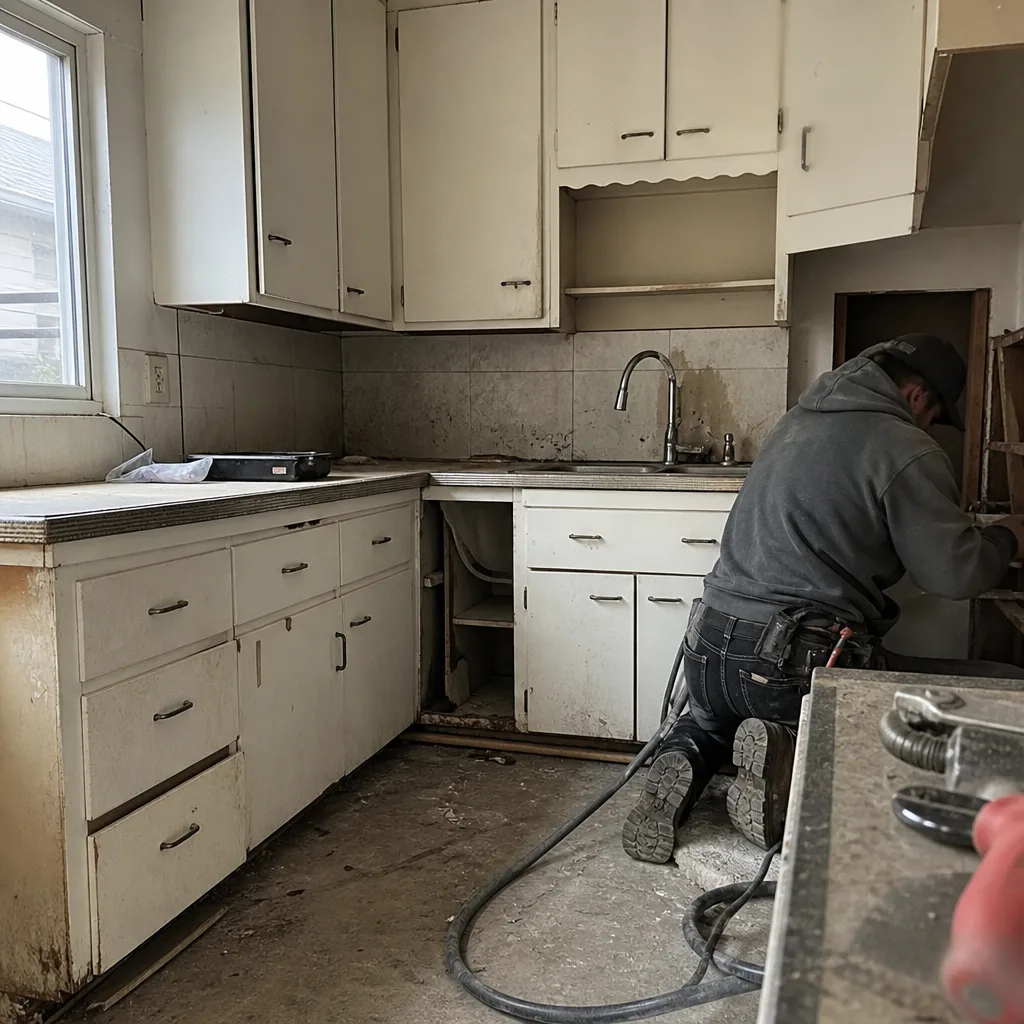
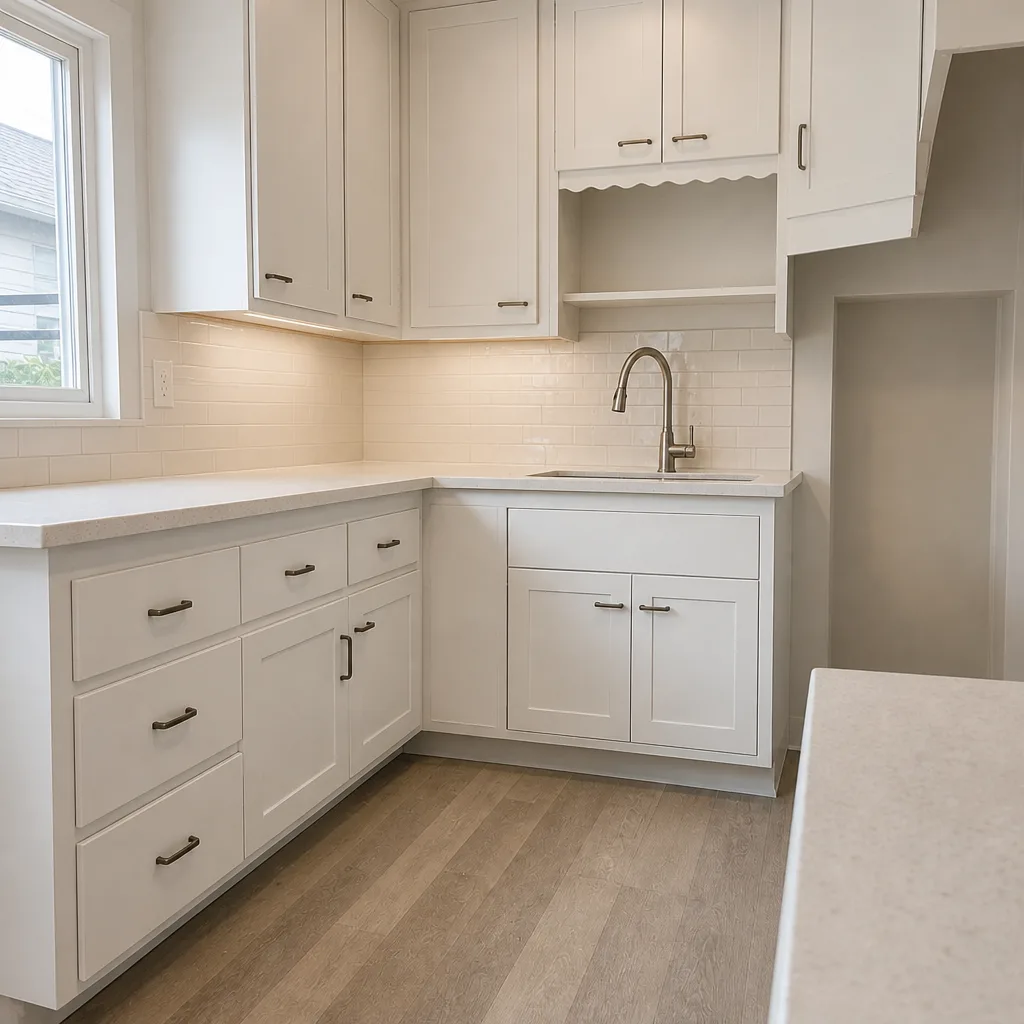
See the difference
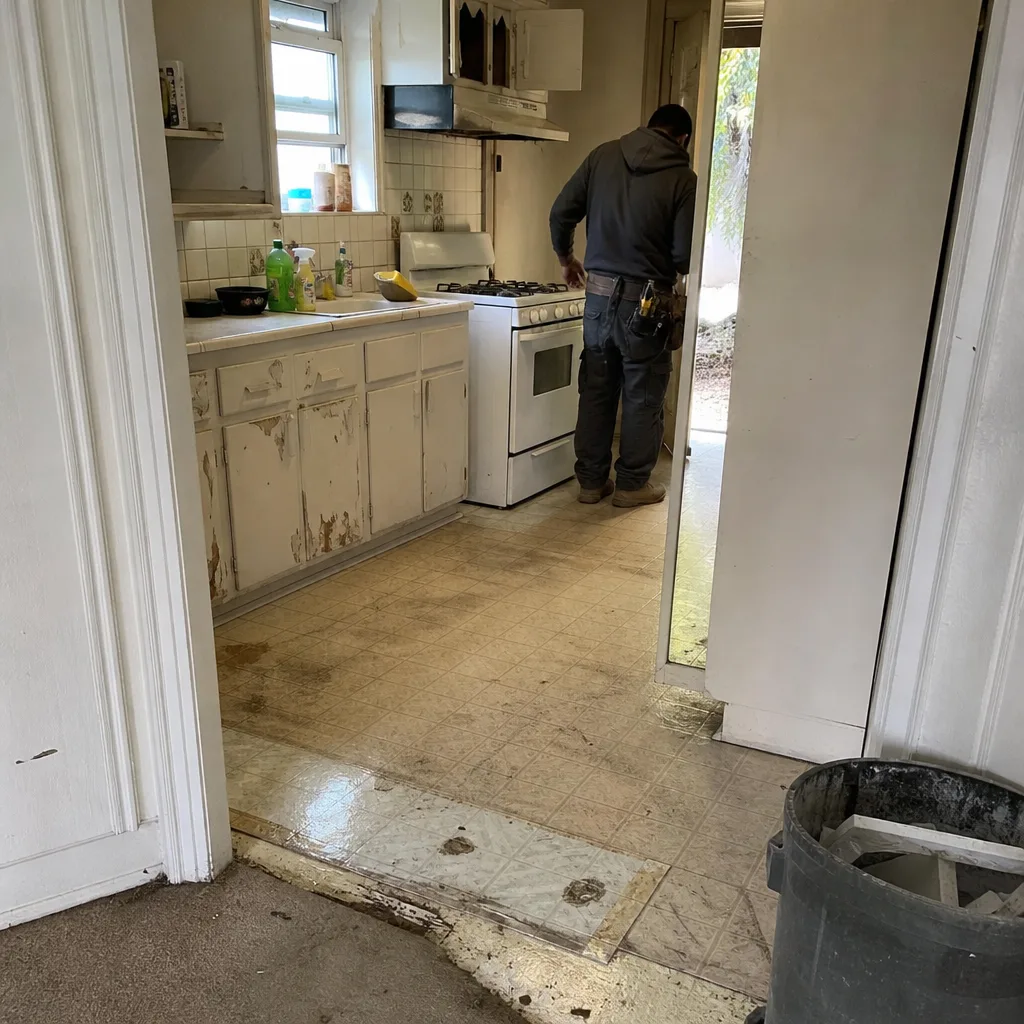 Before
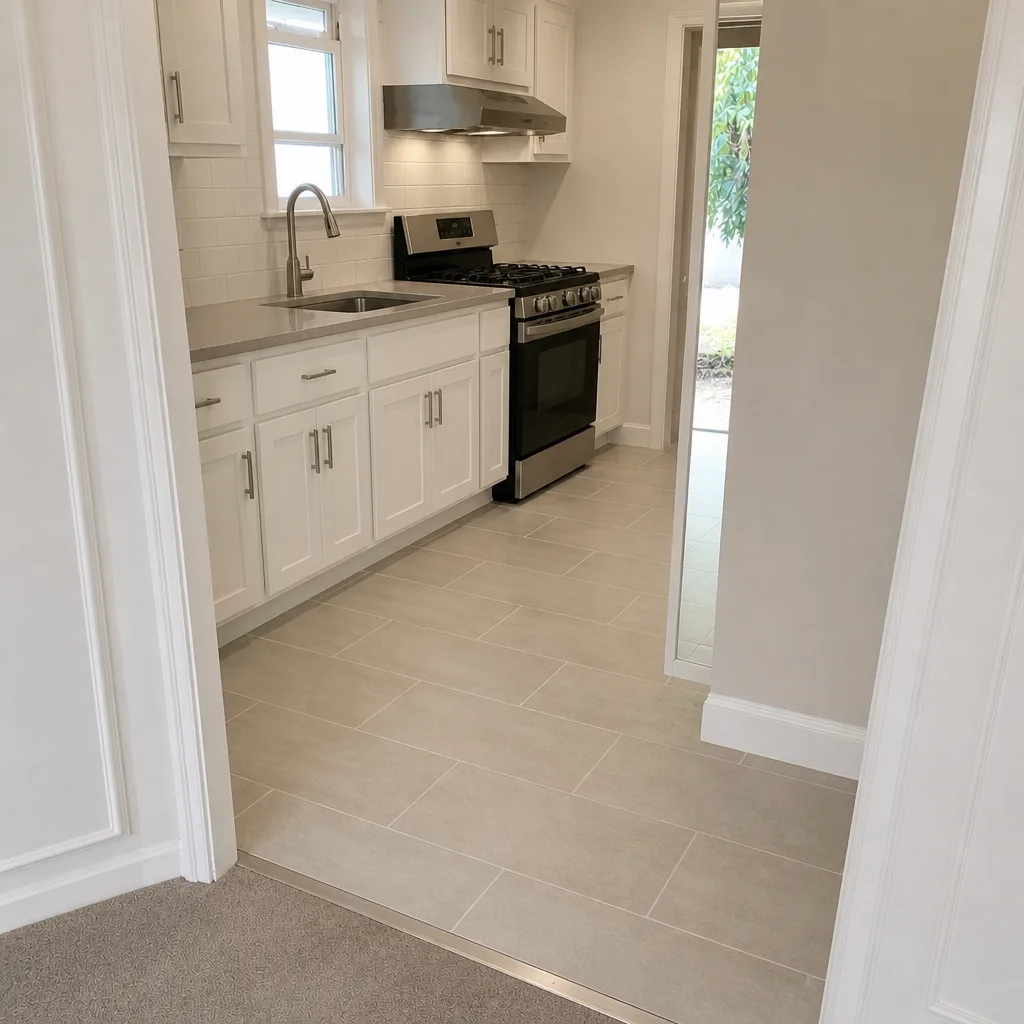 After
 Before
 After
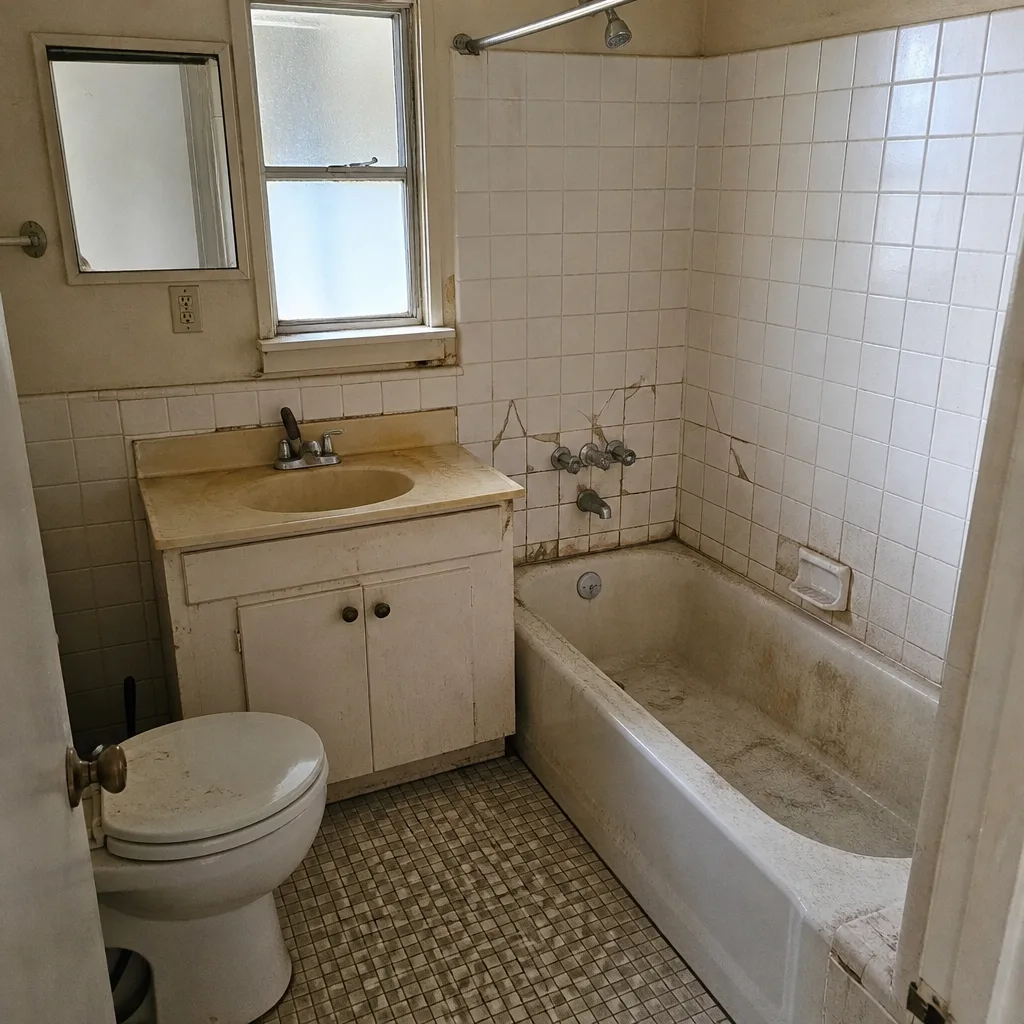 Before
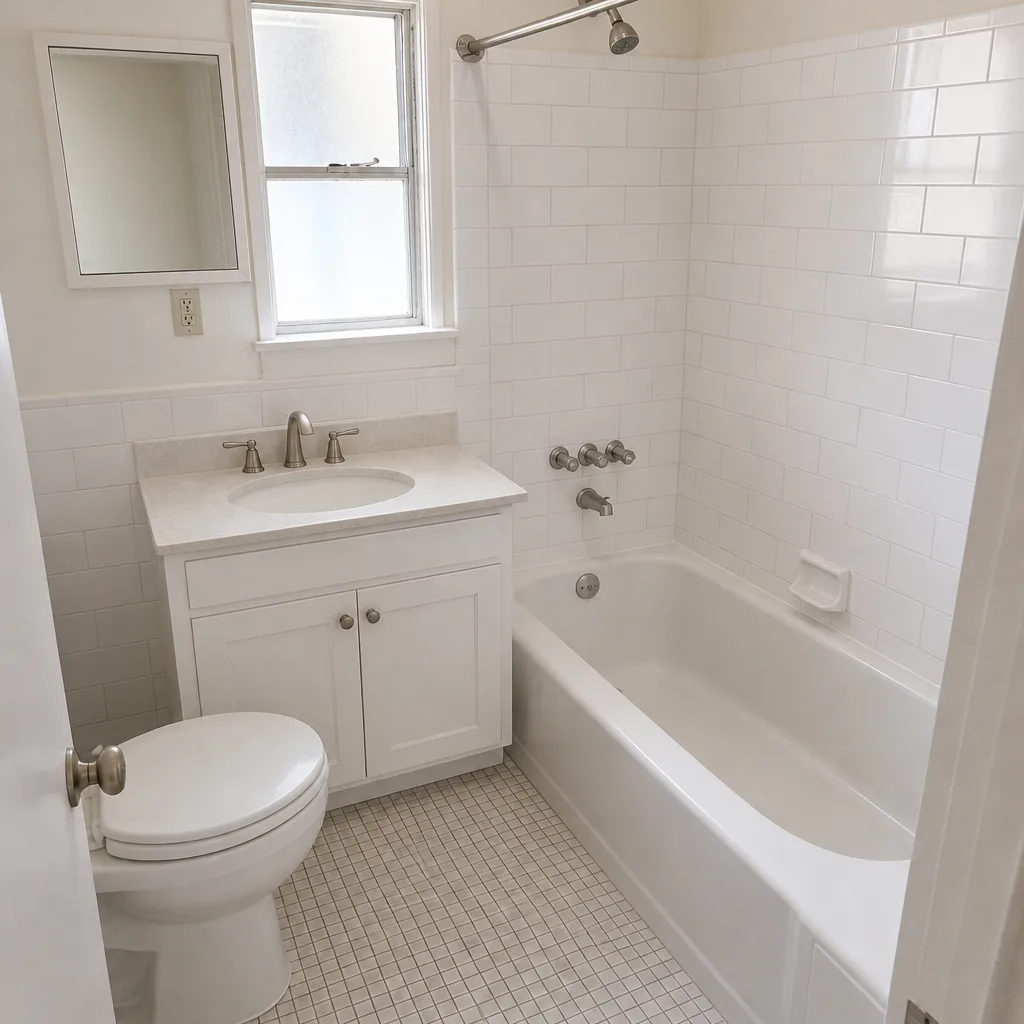 After
When to Call a Professional
Call a professional when the symptom passes your field tests: a door or window that binds at a corner all year, cracks that fan out from an opening, soft wood at the sill or threshold, water intrusion that returns after you’ve caulked, or a frame that’s out of square by more than a quarter inch. Those are structural or flashing repairs, and they need carpentry and building knowledge that a part swap can’t cover. Our technicians have up to 12 years of experience diagnosing exactly these cases, we’ve been in business since 2014, and we approach every job as a full-scope repair from the frame outward. Groundwork Construction Co. of Berkeley offers free estimates in Berkeley – call (855) 471-4163, and a live person will pick up, because our phone is answered by a real human, 24/7.
Frequently Asked Questions

Window and door repairs in Berkeley typically range from $150 to $600 for hardware, weatherstripping, and finish fixes, and $600 to $2,500+ when the frame, flashing, or sill has to be rebuilt. Full window or door replacement runs higher, and cost depends on whether it’s a standard size, a custom unit, or a historic opening. Because Berkeley homes often have non-standard sizes and older frames, a site visit matters more than a phone estimate. Call (855) 471-4163 for an exact quote – estimates are free.
Yes – if the sash is removable, replacing just the insulated glass unit or the sash restores the window without replacing the frame. Defogging services drill vents to dry out the gap, but they don’t restore the argon fill or the thermal performance, and the fog usually returns. If the frame is sound, an IGU or new sash is the real fix. Call us to walk through which option fits your unit.
A door that sticks only during the rainy season is reacting to moisture: the wood swells, or the frame moves as the soil around the foundation absorbs water. That’s a seasonal movement symptom, not a door defect. Check whether the bottom edge of the door is sealed – water wicks up there first. If it sticks all year at one corner, the frame has shifted and needs a professional look. Call (855) 471-4163 to schedule a free diagnosis.
No, if the door is binding because the frame is out of square – planing only masks the symptom and the door will stick again. Planing or adjusting holds only when the cause is swollen wood from a failed finish, or a loose hinge you can tighten. Check the corner gap and the jamb with a level before you shave anything. If the frame moved, you have a structural fix, not a door fix.
Yes, like-for-like window replacement in Berkeley typically requires a permit when the size, location, or type changes, and historic properties in districts like the Elmwood or North Berkeley may have additional design review. A straight sash swap with no structural change is sometimes exempt, but confirm with the city before you order. We pull permits and see the inspection through, so the paperwork isn’t your problem.
Look for a soft spot in the wood at the base of the window on the exterior, a stain or bubbling paint below the window inside, or a draft you can feel at the frame corner. If any of those show up, water is entering at the head flashing, the rough opening corner, or the sill pan – not the glass. Those entry points are behind the surface, so caulk won’t solve it. Call (855) 471-4163 and we’ll find the real path.
Cosmetic damage is finish-level: worn paint, a cracked caulk bead, a scuffed sash. Structural damage shows up as movement – a frame out of square, a sagging header, cracks that fan from an opening, or soft wood from long-term water exposure. Run the level test and the screwdriver test in this guide before you assume it’s cosmetic. If the frame moved, it’s structural.
The Bottom Line
Diagnose before you spend. The window and door symptoms that fill home repair lists – sticking, drafts, fogging, water intrusion, hardware failure – each have a specific cause, and the fix is different for each. In Berkeley’s wet winters and older housing stock, the most expensive misdiagnosis is treating a movement or flashing problem as a finish problem. Find the cause with a few simple tests, match the repair to the cause, and call a professional when the frame, flashing, or sill is involved. Our team has seen these patterns on hundreds of Berkeley homes, we back every repair with the 730-Day Done Right Promise – if it’s not done right, we make it right – and we price every job upfront, so the number you see is the number you pay. Call (855) 471-4163 for a free estimate across Berkeley, and let’s get your windows and doors working the way they’re supposed to.
Written by the team at Groundwork Construction Co. of Berkeley.