Last updated November 18, 2026








Free written scope consultation - allowances, timeline, and change-order rules on paper before a single trade is scheduled
Windows & Doors Warning Signs Every Homeowner Should Know
If your interior door frames are showing new cracks at the corners, your windows probably aren’t the problem. Your foundation or framing is moving, and your doors are telling you before anything else does. Most homeowners call us about a window that won’t close or a door that sticks, then find out the real story is in the wall behind it. This guide covers the warning signs that actually matter: the structural signals hiding behind product complaints, the bid language that predicts a leaky install, and the energy-bill patterns that show up in Berkeley months before you see a single crack.
Quick Answer
The window and door warning signs worth acting on are the quiet ones: new cracks at door-frame corners, doors that suddenly stick or swing on their own, condensation trapped between panes, and a faint musty smell near a sill. Those signal trouble in your building envelope or framing, not just a worn-out product. Caught early, most fixes run in the hundreds or low thousands. Caught late, after rot and water damage spread into walls and framing, they run into the tens of thousands.
Styles & brands we work with
- Kitchen remodeling
- Bathroom remodeling
- Home additions & ADU
- Roofing
- Windows & doors
- Driveway & pavers
- Fence
Table of Contents
- The Four Signs That Mean Structural Movement, Not Product Failure
- Condensation: Normal, or a Failed Seal?
- Reading Bids: Warning Signs Before Work Starts
- Energy Bill Patterns That Reveal Window Failure
- What the First Post-Installation Rainy Season Should Look Like
- How Berkeley’s Climate Accelerates Wear
- Common Mistakes to Avoid
- When to Call a Professional
The Four Signs That Mean Structural Movement, Not Product Failure
When a door quits latching properly, most people think the door is bad. In our experience, a door rarely fails on its own. It fails because the opening around it changed shape, and openings change shape when the building moves. The four signs below all point at movement in the structure rather than the product. If you spot two or more together, stop shopping for a new door and start asking why the opening moved.
- Cracks at the top corners of interior door frames. A small hairline crack in drywall happens. But a crack that runs diagonally from the corner of a door frame up toward the ceiling, or one that’s widened since you noticed it, is a classic sign of settling or differential movement. In Berkeley, the older housing stock near the flats often shows this pattern after dry seasons, and it tracks back to soil movement beneath foundations.
- Doors that suddenly stick, or pop open on their own. A seasonal stick is normal. A door that used to close cleanly and now rubs at the top, or swings open when it isn’t latched, means the frame is no longer square. That’s a framing signal, not a hinge failure.
- Windows that suddenly won’t open, bind, or won’t stay up. A window that worked last year and this year catches on the frame is doing the same thing a door does: riding a crooked opening. On double-hung windows, binding is more often a frame issue than a sash failure.
- Widening gaps between the frame and the wall. Run a straight edge against a door casing. If the trim has separated from the wall in a way that’s grown over a season, the frame is moving independently of the structure around it.
What to do when you spot these: don’t force the door or window and don’t pack the crack with caulk and forget it. Note the date, photograph the crack, and get an inspection of the framing, the foundation, and the connection points between them. Treating the window or door in isolation wastes the chance to catch the real problem while it’s still cheap.
Condensation: Normal, or a Failed Seal?
A little condensation on the glass in winter is normal. Condensation trapped between the panes, or water pooling on the sill in summer, is not. The two look similar from a distance, and the difference tells you whether your building is behaving or failing. Groundwork Construction Co. handles both cases, and in our experience most homeowners can learn the distinction in about a minute.
Normal: condensation on the inside face of the glass in cold weather, which clears as the room warms. It happens on every window when indoor humidity is high, and it’s a ventilation issue, not a window failure. Opening a window or running a bath fan usually resolves it.
Not normal, and worth checking:
- Fog or water droplets between the panes. The seal failed and the insulating gas is gone. The window is no longer doing the job it was bought for.
- Condensation that stays put after the room warms up. The glass is cold because exterior air is coming through, signaling a seal, glazing, or weatherstripping problem.
- Condensation on the interior frame or the wall next to the window. This is a moisture-in-the-wall-assembly signal, not a glass signal, and it’s the one that leads to rot.
- A faint musty smell near a sill. Water has been getting in long enough to support mold inside the wall cavity.
If you see fog between the panes, plan on a glazing or sash fix. If you see moisture in the frame or wall, treat it as a leak investigation before you replace a single unit. Replacing a window over a leaky wall does nothing but hide the water behind new trim.
Reading Bids: Warning Signs Before Work Starts
Some of the most expensive window and door problems we see were set up in the bid, not at the install. A cheap quote that skips the right steps costs more to fix in a Berkeley home than a careful quote costs up front, and the difference shows up in the first rainy season. Here are the warning signs to look for in writing, before you sign anything.
- No flashing specified. A window or door install without a flashing detail at the head and sill is a leak generator. Flashing is the single most important line in the scope, and a bid without it is a bid you shouldn’t sign.
- No rough opening inspection step. The rough opening, the framed opening in the wall, needs to be checked for rot, moisture, and square before a new unit goes in. Bids that skip straight from removal to install are skipping the step that catches existing water damage.
- Exterior caulk listed as the waterproofing. Caulk is a finishing seal, not a waterproofing system. If the bid lists a bead of caulk as the weatherproofing step, the contractor is asking a sealant to do the flashing’s job.
- No mention of sill pans or pan flashing. Doors, especially, need a sill pan under them. Bids that don’t specify one are counting on gravity and luck.
- Unit price without model, brand, or glass spec. A quote without a specific product (an Andersen, a Therma-Tru, an ECO Window Systems unit, a ViewLux) isn’t a quote. It’s a placeholder for whatever is in the truck.
- No cleanup, disposal, or warranty terms stated. The 730-Day Done Right Promise at Groundwork exists because written, long-horizon workmanship terms are the difference between a real contractor and a bid sheet.
Upfront pricing with the number you see and the number you pay is on the other side of this. A bid with specific materials, specific inspection steps, and specific warranty terms is one you can compare apples to apples. A bid missing those is designed to make the comparison hard.
Energy Bill Patterns That Reveal Window Failure
Your windows will tell you they’re failing through your monthly bill before they tell you through your wall. We watch for a specific pattern: a steady year-over-year rise in heating and cooling costs that isn’t explained by rate hikes or a change in habits, especially when it’s concentrated in the seasons where a failing window shows itself. In Berkeley, the mild climate means even a small envelope leak turns up in a comparison of your December and January bills. Use your utility account’s history and look for:
- A sudden bill jump in one season, not all four. A window-seal failure shows up strongest in the season where the temperature differential is biggest, not across the whole year.
- Hot or cold spots near specific windows. Walk the house on a cold morning and use the back of your hand on the glass and the drywall below the sill. A spot that’s noticeably colder than the rest of the room is a performance failure.
- A draft you can feel with the window closed. Smoke from a candle near a closed window should hold still. If it wavers, air is coming in around the frame.
- A room that never warms evenly regardless of how much the HVAC runs. Uneven heat in one room, consistently, is often an envelope issue rather than a duct issue.
- Exterior paint failing below a sill. Paint that peels in a specific, repeating pattern below a window is exterior moisture, and it’s a sign the window and wall are not behaving as one sealed unit.
Replacing a window that’s peeling paint at the sill without investigating the water source underneath is the single most common waste we see in Berkeley. The bills are a signal, not a diagnosis.
What the First Post-Installation Rainy Season Should Look Like
The first rainy season after a window or door install is the real final inspection. A properly installed unit should come through a wet Berkeley winter with no water on the interior, no condensation between the panes, no trim separation, and no smell. Anything else is worth reporting in the first week, not in year two. Here’s what to expect, and what to report.
What’s normal: one or two drops of condensation on the interior glass in cold weather that clear as the room warms, and nothing on the frame or the drywall around it. Exterior signs of a new install settling in, like the trim paint drying and curing, are normal. Small seasonal movement of a new door, which may need a minor adjustment once, is normal.
What to report immediately:
- Water inside the frame, at the sill, or dripping from the head.
- Fogging between the panes of a newly installed unit.
- Any visible water on the wall or floor below a window or door.
- A musty smell near a new install, or any smell that wasn’t there before.
- Trim separation, cracked caulk lines, or trim pulling away from a wall or frame.
- A door or window that quits latching, or suddenly rubs, within the first wet season.
Each of these is a scope issue for the installer to address, and each one is much easier to fix in the first two weeks than in the first two years. A written workmanship guarantee is only worth the paper it’s on if you use it. Groundwork’s 730-Day Done Right Promise covers this entire stretch.
How Berkeley’s Climate Accelerates Wear
Berkeley’s climate looks gentle and it is hard on windows and doors in a specific way. We see the pattern across the flats, the hills, and the neighborhoods between them, and it’s why a warning sign that would be mild in another city can be a serious one here. The combination of wet winters, dry summers, and salt air off the bay is a slow-motion stress test on the building envelope.
The wet-dry cycle. Berkeley winters drive water into any gap that exists, and Berkeley summers dry it back out. Wood framing, sills, and trim expand and contract with the cycle. A joint that opens a sixteenth of an inch in the summer takes on water in the winter and widens. This is why cracks at door frames show up after the dry months and why water intrusion shows up after the wet ones. In neighborhoods like the Elmwood and Thousand Oaks, where the housing stock includes a lot of original wood frame, this cycle is the dominant reason windows and doors fail early.
Salt air. Closer to the bay and the waterfront, salt air accelerates corrosion on hinges, handles, locks, and exposed metal flashing. A door that worked fine three miles inland may need its hardware serviced sooner near the water. We see this on exterior doors far more than interior ones, and it’s worth a look at the hardware any time you’re inspecting the door.
Hillside movement. In the Berkeley hills, the combination of soil movement and older foundations means the structural warning signs in this guide show up more often than they do in flat-land neighborhoods. A door in the hills that suddenly binds is a signal worth taking seriously. A door in a newer build doing the same thing is worth a look but is more likely to be a product or installation problem.
What to check every fall, before the rains come: run the back of your hand along the interior trim around every exterior window and door, look for fresh caulk lines on the exterior, and open and close every window and door once to feel for a new bind. Fifteen minutes of attention in October saves a water investigation in January.
Common Mistakes to Avoid

- Replacing the window without finding the leak. If water is getting into the wall, a new window installed over it will look great for one season and fail in the second. Investigate the wall assembly before you spend a dollar on a new unit.
- Caulking a crack at a door frame as the final fix. Caulk hides a moving joint for a few months. On a door frame that’s moving, it hides the evidence of the movement and lets the underlying problem run another cycle. Find out why the joint is moving first.
- Ignoring fog between panes as a cosmetic issue. A failed seal is a real performance failure, and on a Berkeley home the loss in the building envelope shows up in heating and cooling costs in the same season. It’s not cosmetic and it doesn’t fix itself.
- Accepting a bid without a flashing detail. In our experience, the bids with no flashing line are the ones that generate the leak complaints a year later. Ask for the detail in writing before you sign.
- Skipping the rough opening inspection. A new unit installed over a rotted rough opening is a delayed problem, and the cost of the fix goes up considerably once the new trim is on. The inspection step is not optional.
- Choosing a window brand on price alone. A curated brand partner like Andersen, Marvin, Therma-Tru, or ECO Window Systems costs a little more up front and replaces the problem three times over. The cheapest unit on the truck is the expensive one over ten years.
- Not using the workmanship guarantee in the first wet season. If your install is covered by a real 730-Day Done Right Promise and something shows up in the first rainy season, call. The window to address the small stuff closes while the small stuff is still small.
If you’re also looking at major exterior work alongside window and door updates, the same logic of early detection applies to a Driveway & Pavers in Berkeley project and to a Fence Installation in Berkeley job: catch the moisture before the new build goes on top.
See the difference
 Before
 After
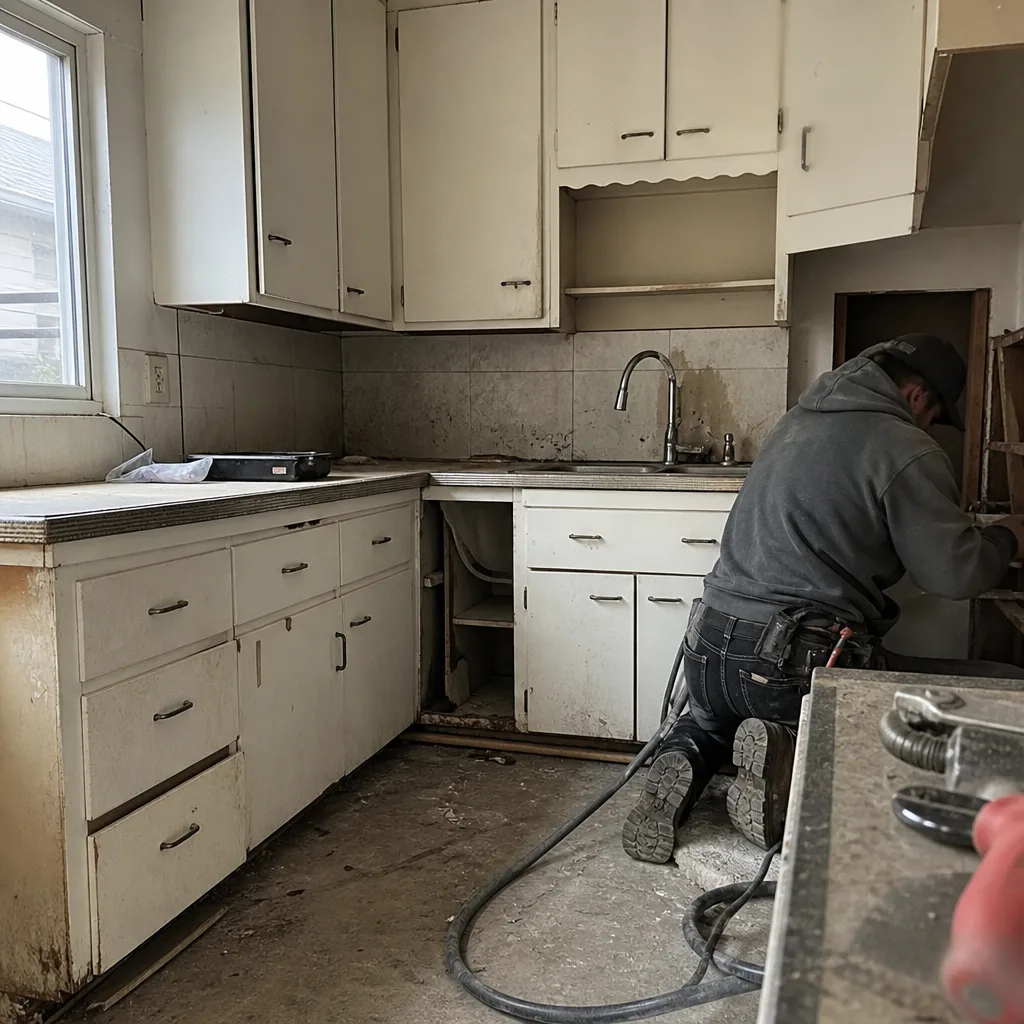 Before
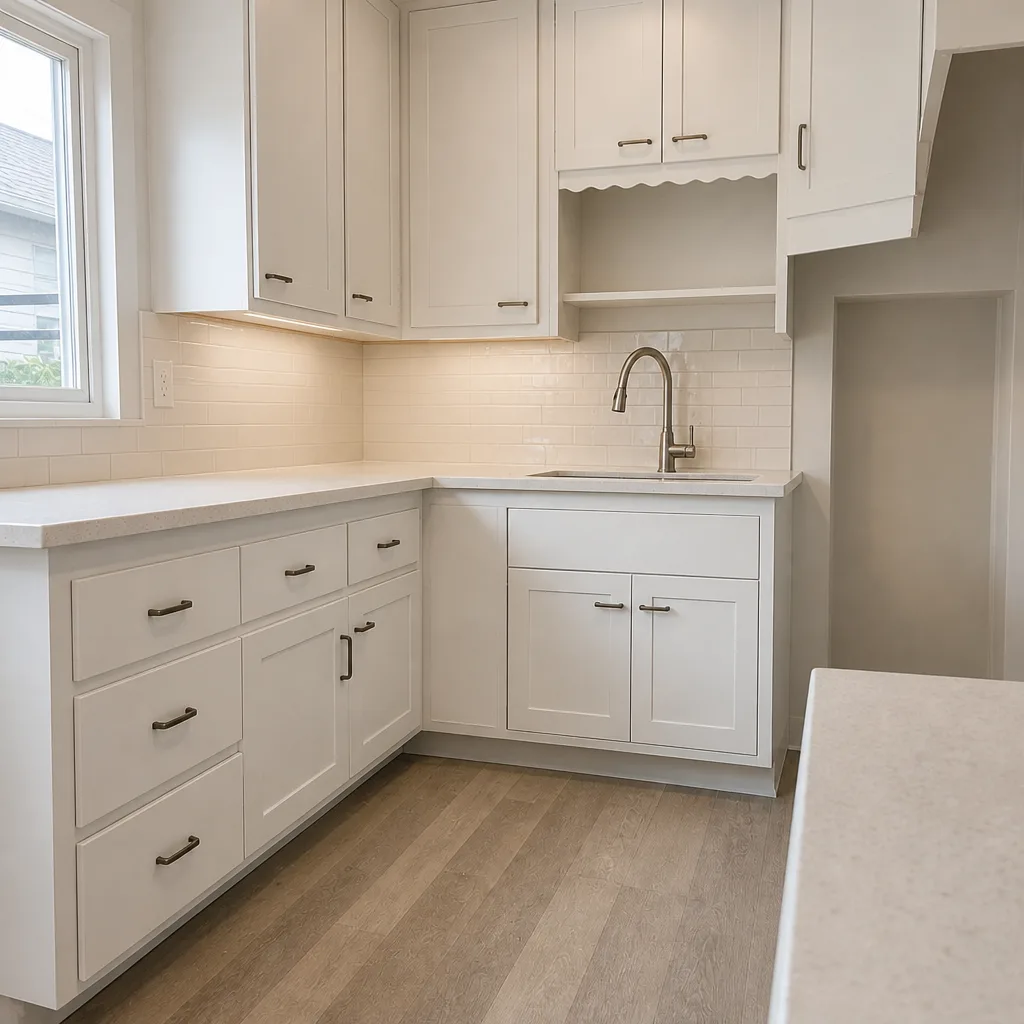 After
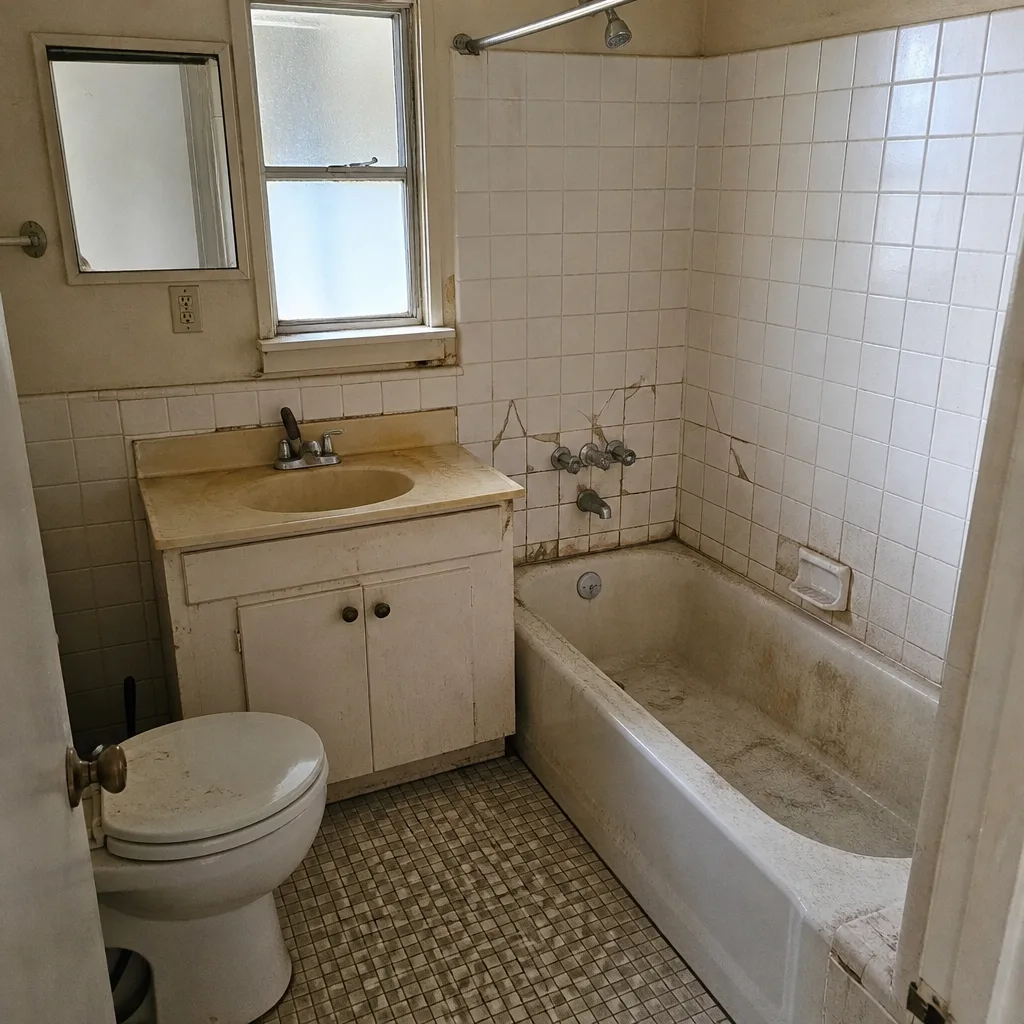 Before
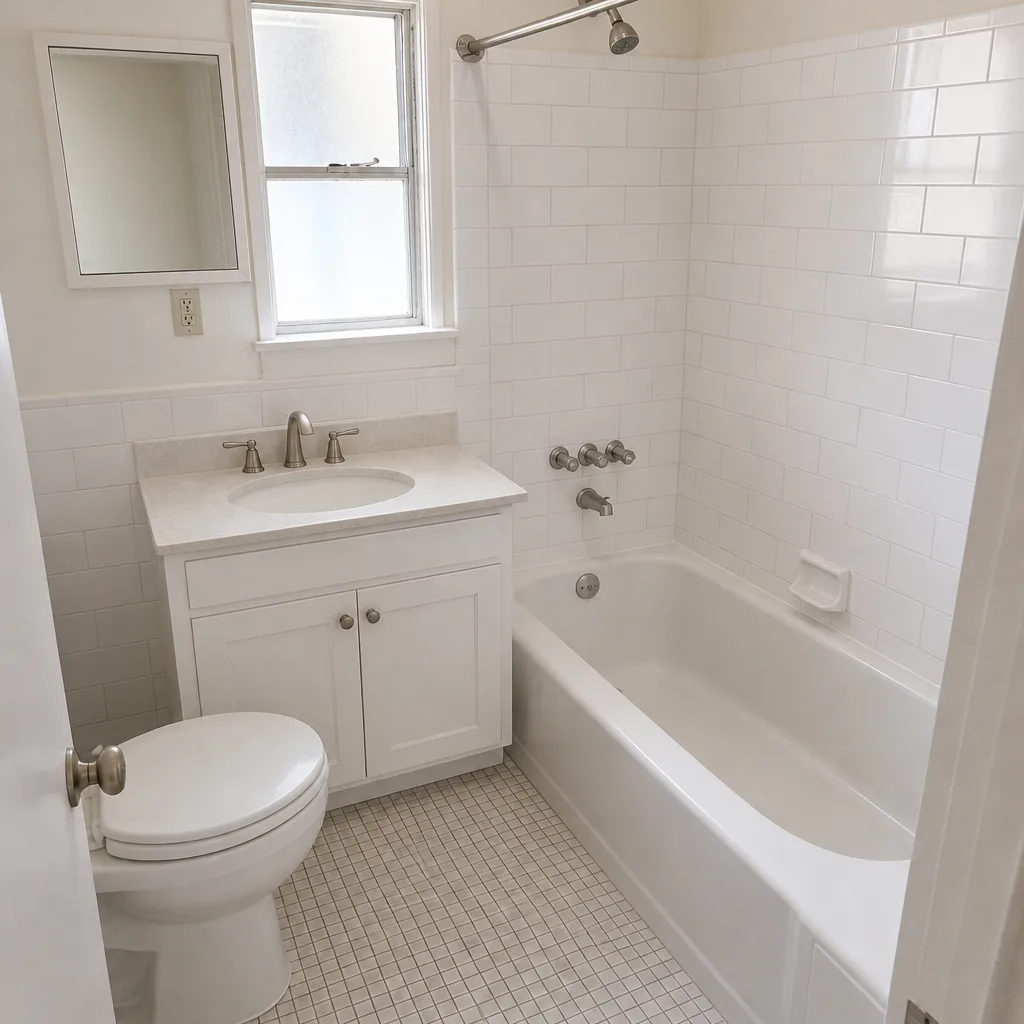 After
When to Call a Professional
Call a professional for a window or door when you see fog between the panes, water inside the frame or on the wall, a musty smell near a sill, or a door or window that has stopped latching or started binding. Call immediately if a crack at a door frame has widened or appeared suddenly, or if a first post-installation rainy season showed water where there should be none. Windows and doors are part of the building envelope, and envelope work done wrong is one of the most expensive mistakes a homeowner can make. Our technicians have up to 12 years of experience on envelope and framing work, and every project is backed by the 730-Day Done Right Promise and a live person answering the phone, 24/7. Groundwork Construction Co. of Berkeley offers free estimates in Berkeley, and we’ll inspect the framing behind the product before we quote a replacement.
For ongoing care of the rest of the envelope, Groundwork also handles Home Additions & ADU in Berkeley work, where window and door specs are set as part of a larger design and the same warning signs apply from the first walkthrough. You can see the full range of services on the Groundwork Construction Co. of Berkeley home page.
Frequently Asked Questions
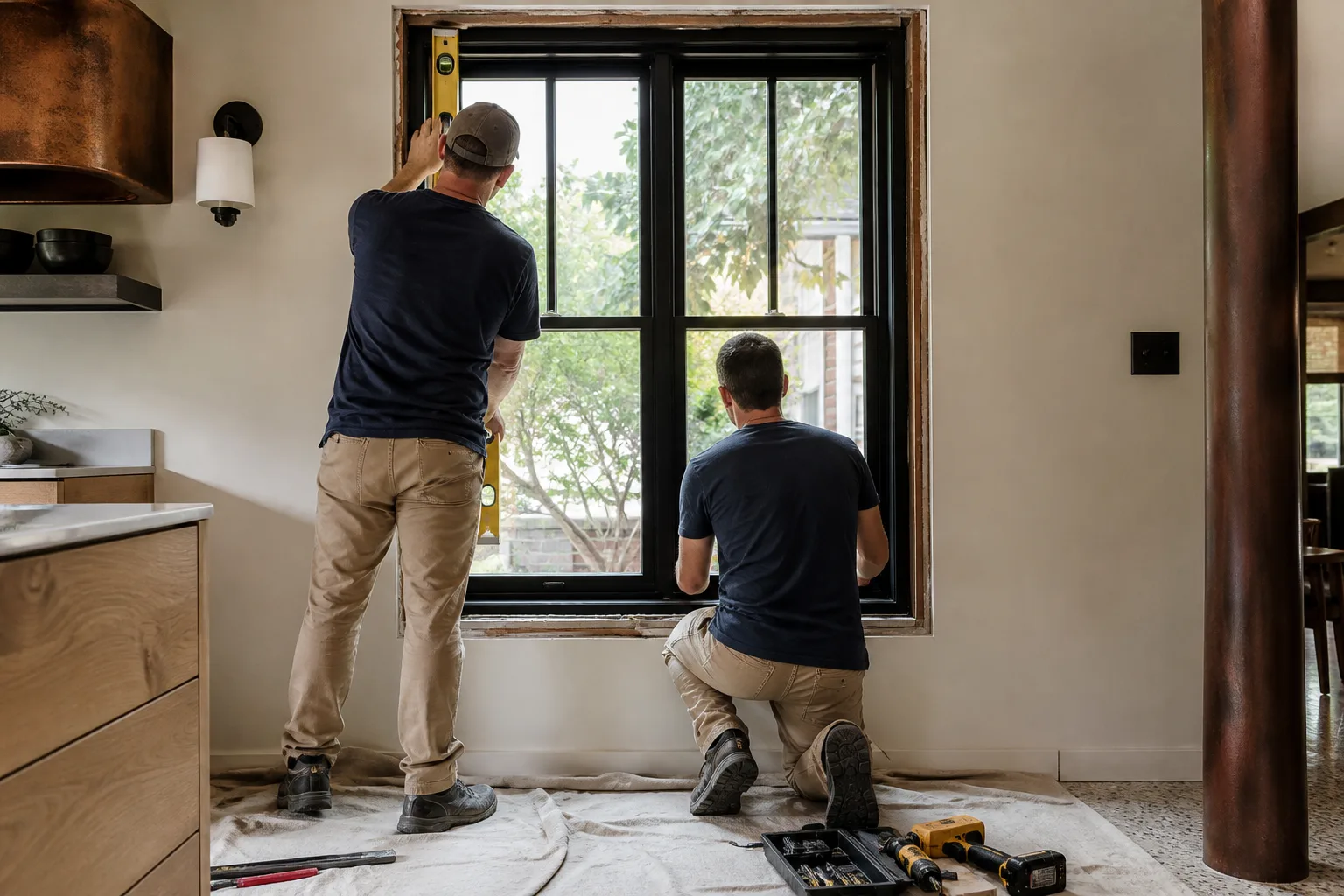
The most serious signs are the structural ones: new cracks at the top corners of interior door frames, doors that suddenly stick or swing open, windows that bind, and widening gaps between the frame and the wall. These signal that your building is moving and your windows and doors are the first to notice. Treat two or more together as an urgent call for an inspection, not a replacement quote.
Normal condensation is on the inside face of the glass in cold weather and clears as the room warms. A failed seal shows up as fog or water droplets between the panes, which won’t clear. Water on the interior frame or the wall next to the window is a moisture-in-the-wall signal, which is the more serious case and worth a professional look before any replacement work.
Berkeley doors stick because the opening has changed shape, usually from seasonal soil movement, hillside settling in the hills, or a wet-and-dry cycle working on older wood framing. A door that used to close cleanly and now rubs is a structural signal, not a hinge problem. In our experience, the older housing near the flats and the Elmwood shows this pattern most often after a dry summer.
Yes. A window-seal failure shows up as a one-season jump in heating or cooling costs, strongest in the season with the biggest temperature differential, along with hot or cold spots near specific windows. On a Berkeley home with a mild climate, even a small envelope leak turns up in a December-to-January bill comparison. Use your utility account history and walk the house on a cold morning with the back of your hand on the glass.
Look for three lines: a flashing detail at the head and sill, a rough opening inspection step to check for rot and square before install, and a specific product spec with brand and model. Bids without those three lines are setting up a leak or a hidden cost. A real bid also lists cleanup, disposal, and workmanship terms, which is why our 730-Day Done Right Promise is written into the scope rather than pitched on a brochure.
Report it in the first week, not in the second year. Water inside the frame, fog between new panes, any water on the wall or floor below a new unit, or a musty smell are all scope issues for the installer to address. The fix is small in the first two weeks and expensive in the first two years, and a written workmanship guarantee exists to be used. Call (855) 471-4163 for a free estimate and a real inspection.
The Bottom Line
The window and door warning signs that matter are the quiet ones: cracks at door-frame corners, doors that stop latching, fog between panes, moisture on the interior frame, a musty smell at a sill. Each one is a signal from the building envelope, and each one costs a fraction of what it costs to catch late. Read your bid the way you’d read a contract, because it is one. Watch your utility bills for a one-season jump. Inspect every window and door before the Berkeley rains come. Caught early, these are fixes; caught late, they’re remodels. Groundwork Construction Co. of Berkeley is here to keep them in the first category.
If you’ve spotted two or more of the signs in this guide, don’t wait for the next rainy season. Call (855) 471-4163 to schedule your free estimate with Groundwork Construction Co. of Berkeley. We’ll inspect the frame, the wall, and the building around it, give you an upfront price with no surprises, and back the work with the 730-Day Done Right Promise. Most jobs we quote are completed in a single visit, and a live person answers the phone, day or night.
Written by the team at Groundwork Construction Co. of Berkeley.