Free written scope consultation - allowances, timeline, and change-order rules on paper before a single trade is scheduled
Styles & brands we work with
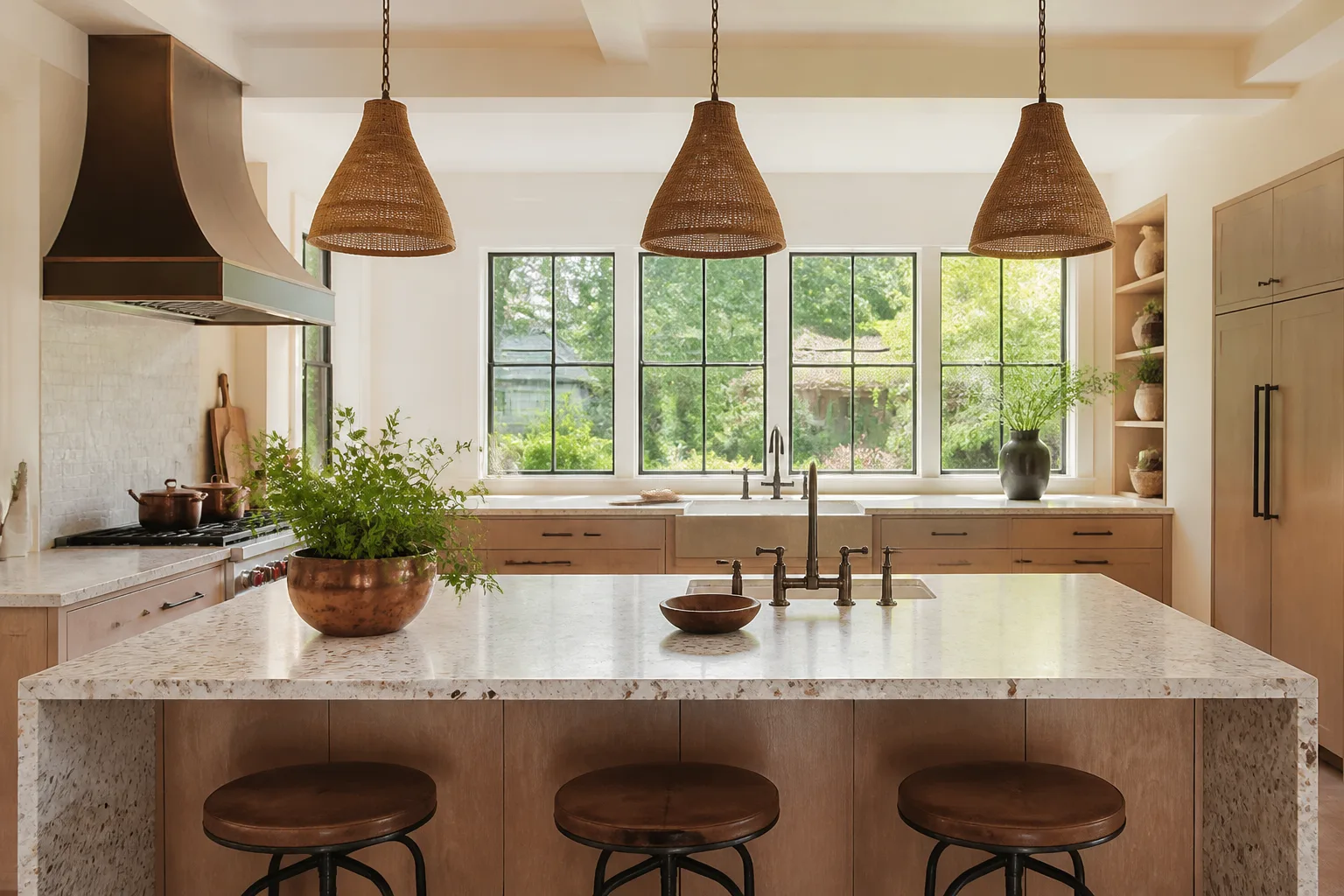
- Kitchen remodeling
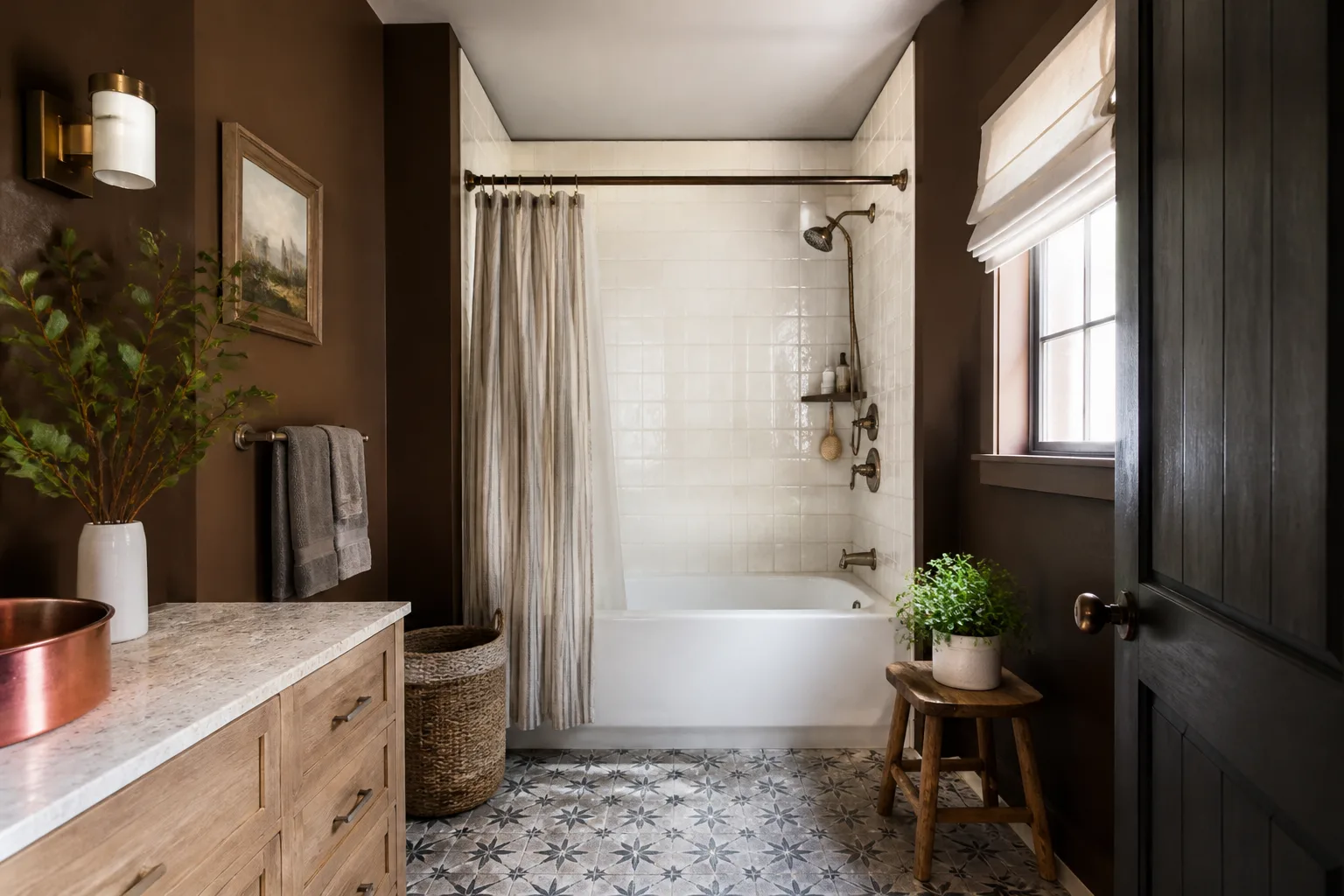
- Bathroom remodeling
- Home additions & ADU
- Roofing
- Windows & doors
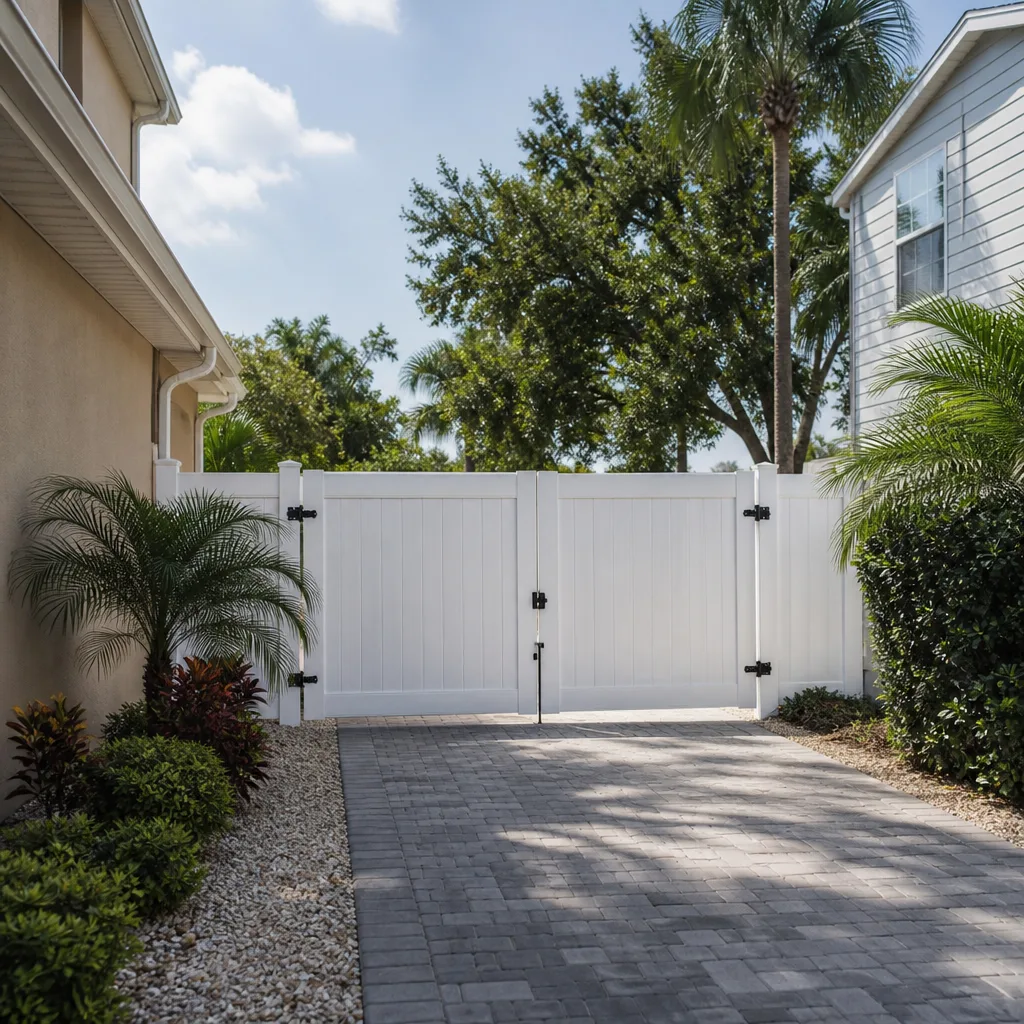
- Driveway & pavers
- Fence
See the difference
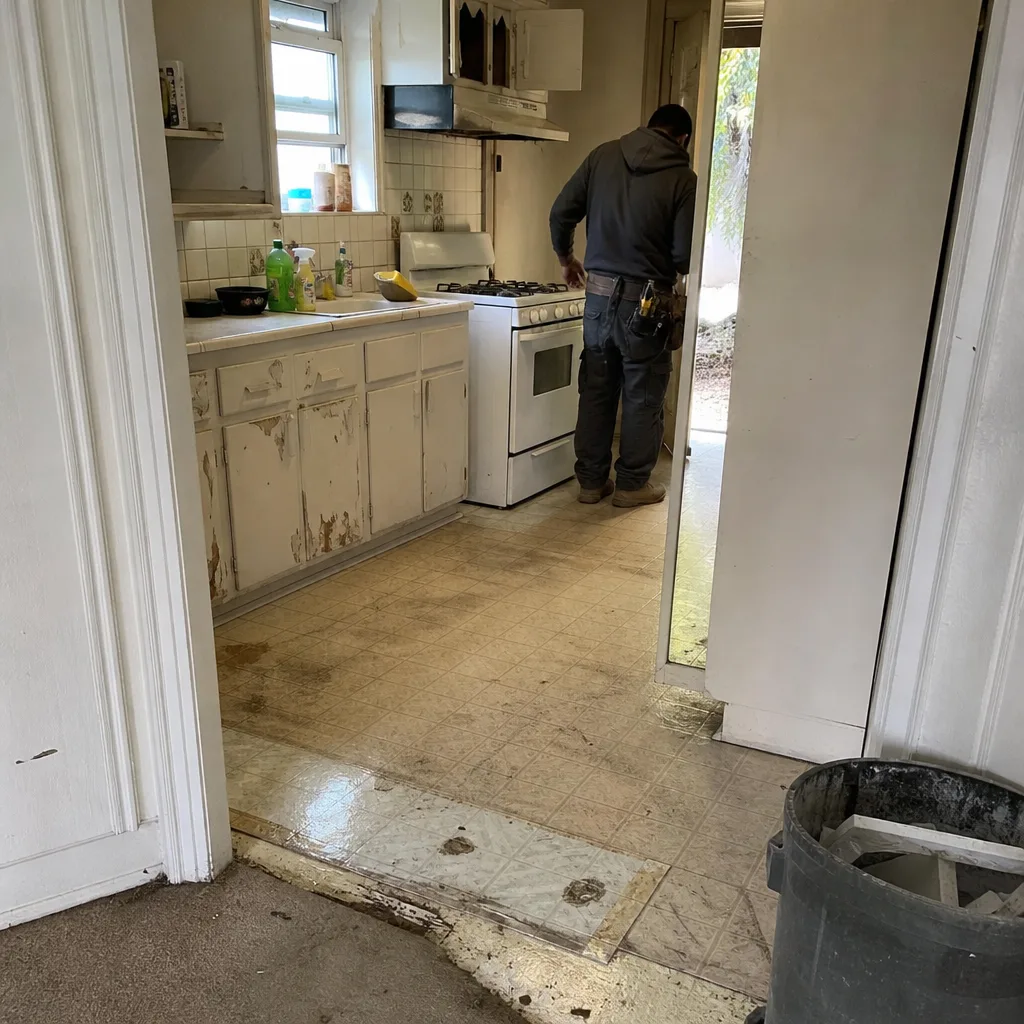 Before
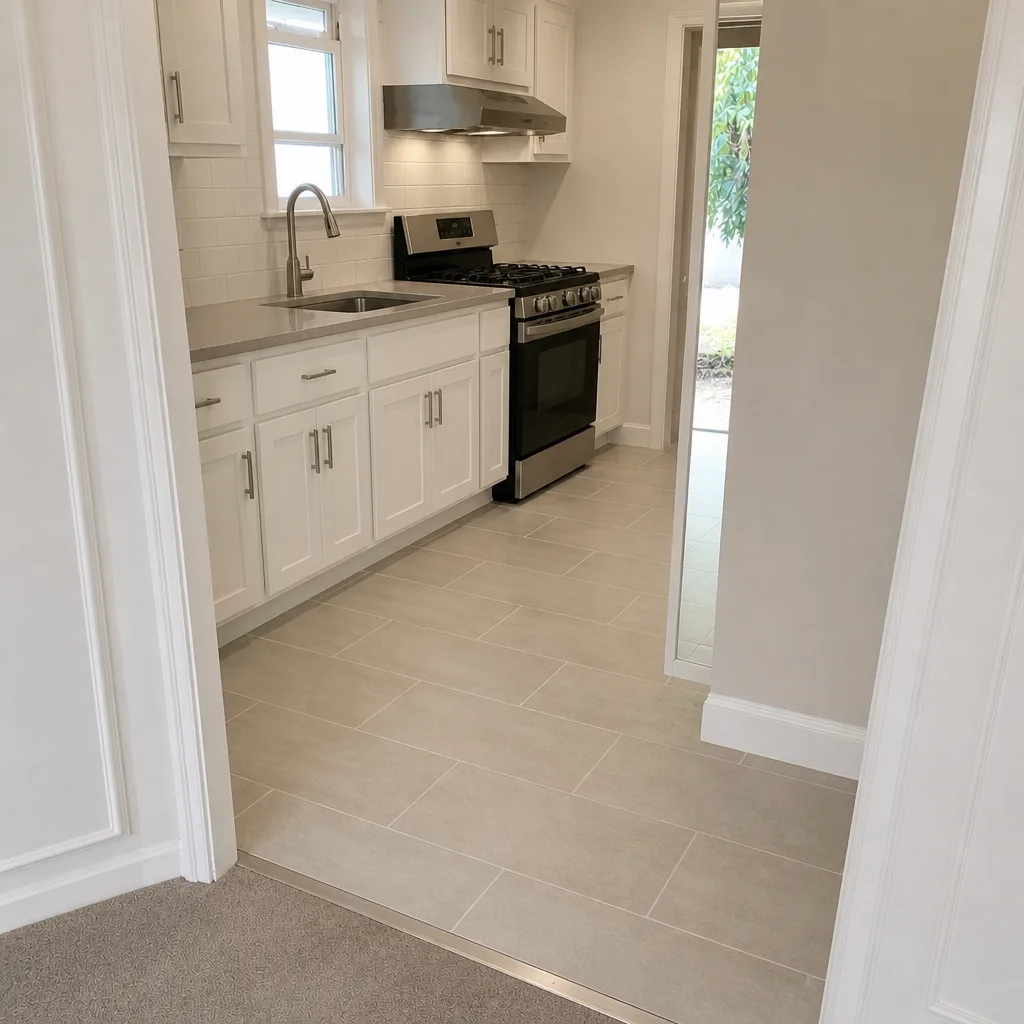 After
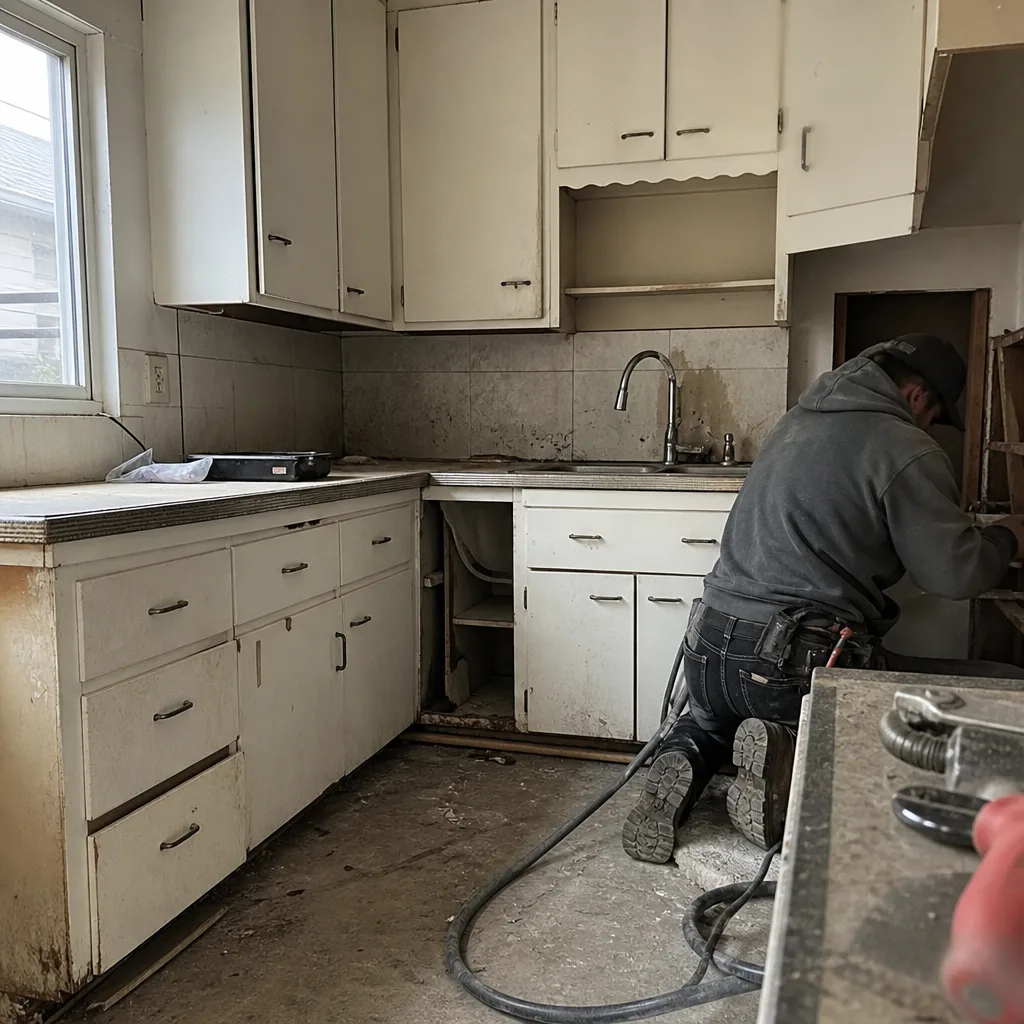 Before
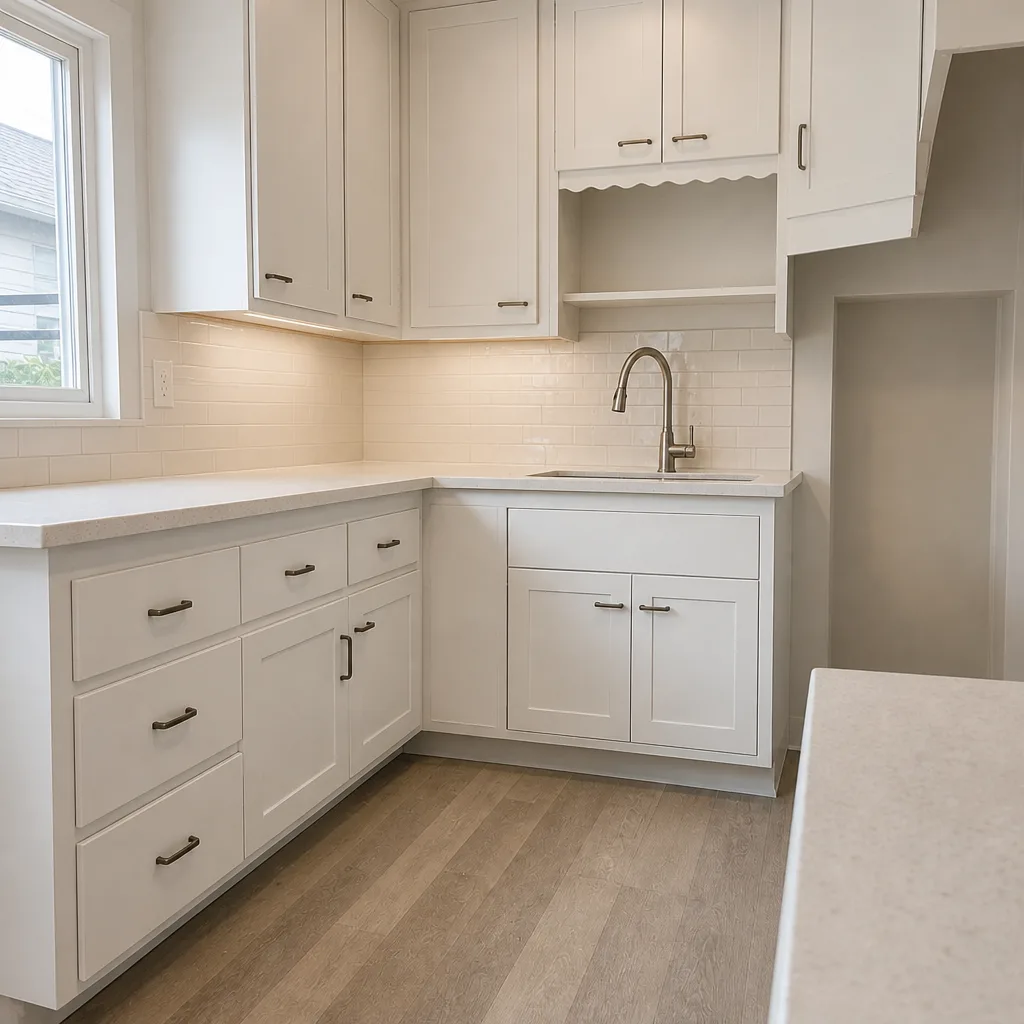 After
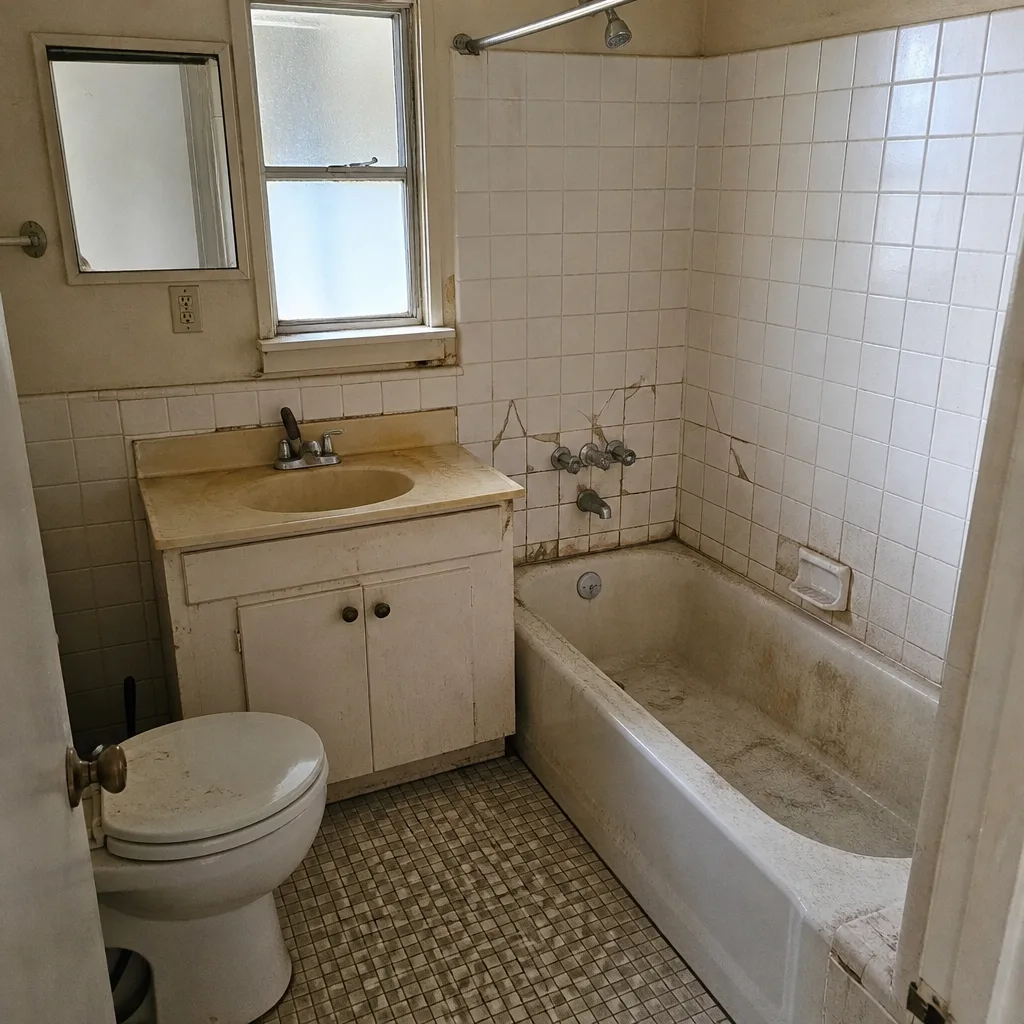 Before
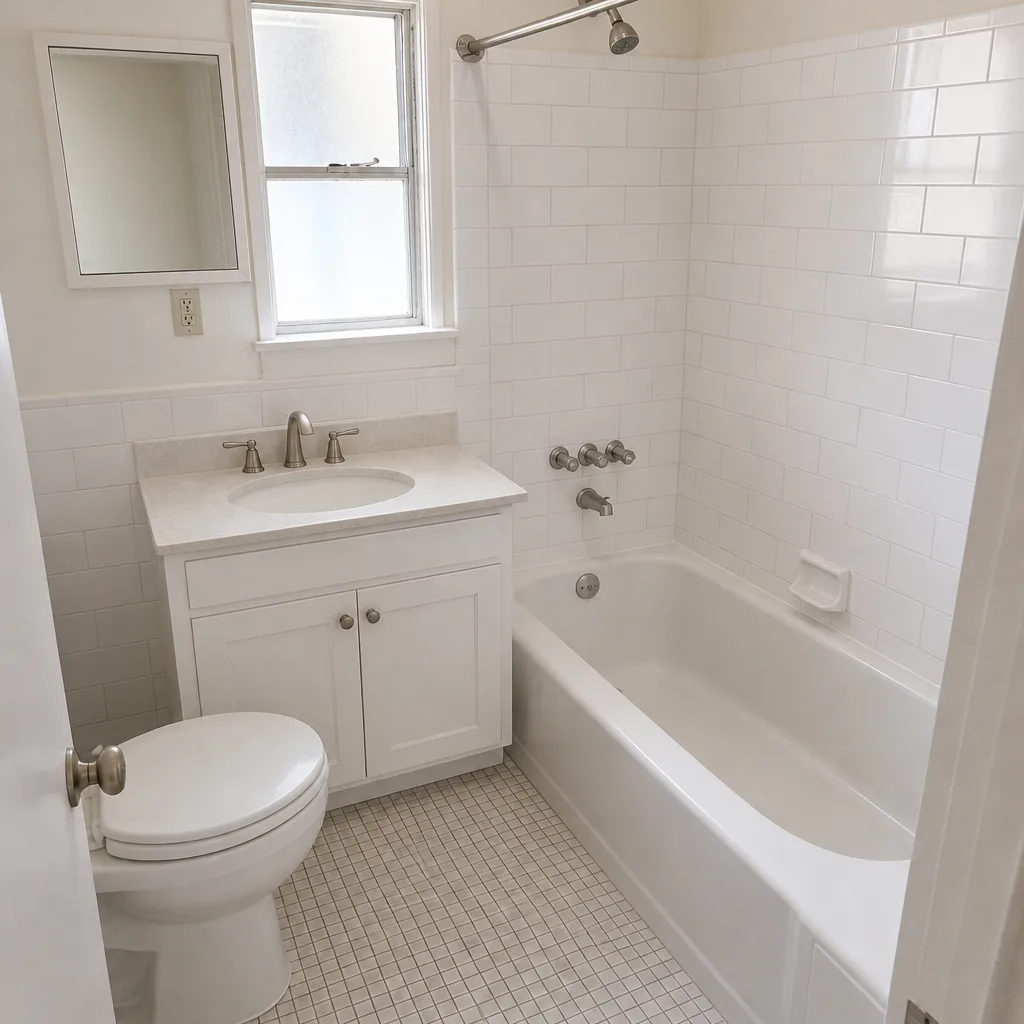 After
How Custom Windows Are Made for Berkeley’s Older Homes
Custom windows are made in six factory stages: field measurement, a CAD profile file, CNC frame milling or extrusion, glass unit fabrication with the specified Low-E coating and argon fill, factory assembly and quality inspection, then delivery to site. The reason that process takes around 10 weeks is that nothing gets picked off a shelf. In Berkeley, that matters because the arch-top windows above a Victorian’s front door, the curved sash openings in brown-shingle homes, and the narrow Craftsman double-hungs are not standard dimensions. They’re fabrication problems that start at a CAD station, not a warehouse rack. If you’re comparing options, call (855) 471-4163 for a free estimate.
What Berkeley’s Housing Stock Demands From a Window Order
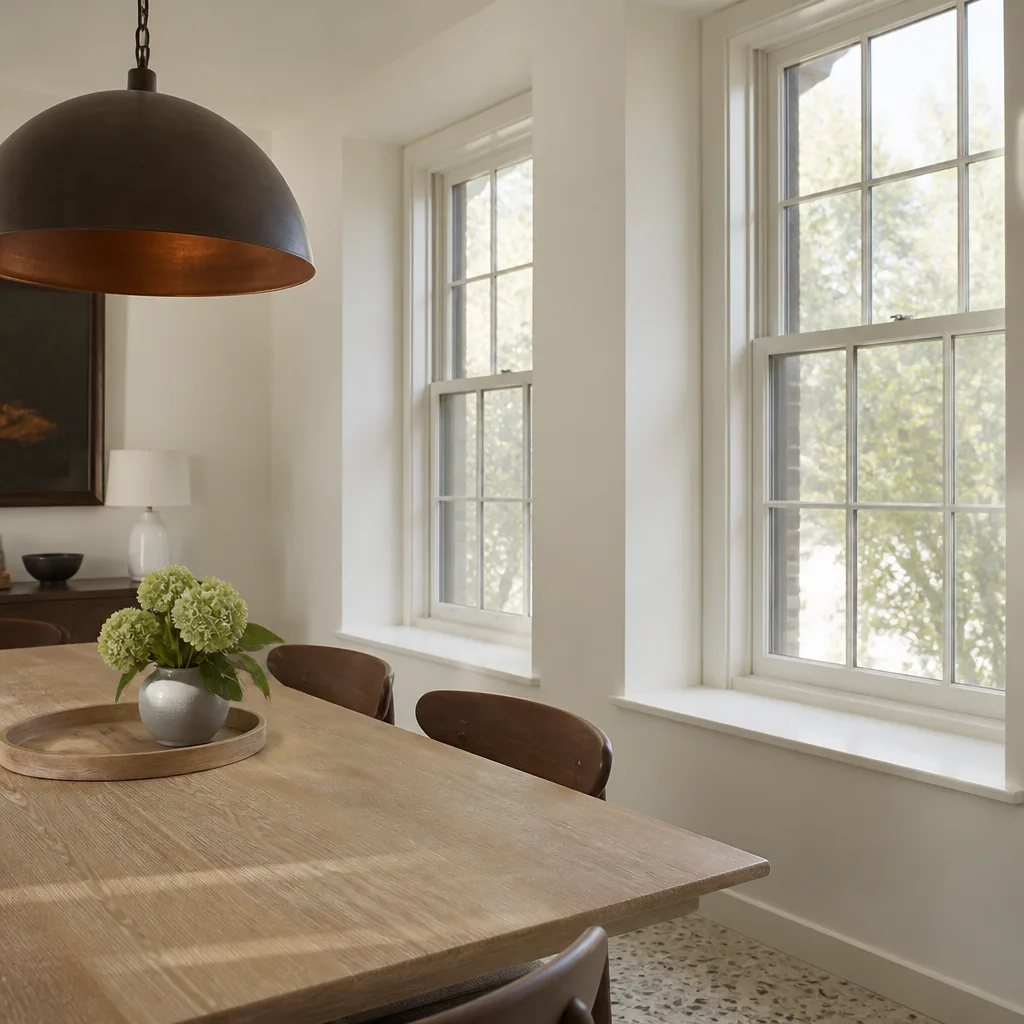
Craftsman bungalows, Victorians, and brown-shingle “Berkeley boxes” built before 1940 dominate this city, and they were rarely built to a standard opening size. They were built by hand, to that particular house. Walking into a proposed window package that assumes a 2-inch-increment frame will fit is where most disappointment starts.
There’s a second layer specific to Berkeley. Its Mediterranean climate means you can build year-round, but you’re still working inward on century-old frames, and the redwood framing we routinely find in the Elmwood and North Berkeley flatlands is usually sound yet has to be brought up to current shear-wall and anchor-bolt standards once a permit is pulled. A window order is often the moment that question surfaces.
Which custom shapes come up most in Berkeley?
Three shapes account for the majority of custom orders we see here. Knowing them helps you understand what you’re paying for:
- True radius arch-tops, common over Victorian dormers and entry doors. The radius has to be measured and templated, because a single-degree error means the sash won’t close cleanly.
- Curved bay units on brown-shingle homes. These are multi-piece assemblies where the radius of the outer unit and the flanking units have to match a curve, not a wall.
- Narrow-sash double-hungs that hold the original Craftsman proportions but need modern insulating glass. The original sash is thin; a modern dual-pane unit is not. The frame has to be re-profiled to keep the original look while meeting the glass thickness the manufacturer can certify.
From CAD File to Delivered Window: The Fabrication Sequence
The sequence below applies to tier-1 manufacturers like Andersen and Marvin, both of which Groundwork Construction Co. of Berkeley works with as brand partners. It’s worth reading in order, because each stage locks in the next.
- Field measurement. A technician measures the opening in multiple planes, not just width and height. For a radius or curved unit, that includes templating the curve.
- CAD profile file. The measurements become a digital profile the factory uses to program the frame. This is where the order becomes a specific, one-off file that can’t be swapped for another house’s window.
- Frame milling or extrusion. Wood frames are CNC-milled from the specified species; clad and composite frames are extruded and cut to the profile in the file.
- Glass unit fabrication. The insulating glass unit (IGU) is built to the exact Low-E coating, argon fill, and spacer system specified on the order. This happens inside the factory, not on site.
- Factory assembly and inspection. Sash, frame, and glass go together, then the unit is inspected against its specification before it leaves.
- Delivery to site. The window arrives as a finished, inspected unit, ready for the install crew.
Why changing your mind about the glass resets the clock
That step-four detail is the one most homeowners underestimate. The Low-E coating, the argon fill, the spacer system, and the IGU thickness are all locked in at fabrication, not at installation. If you decide two weeks after ordering that you want a different solar gain or a different coating, the glass unit goes back through the production queue. The frame may already be built. The window restarts from the glass stage forward. For a Berkeley home with a west-facing wall that gets direct afternoon sun, this is worth deciding correctly the first time (and it’s a conversation worth having before the order is signed, not after).
Why a Tier-1 Manufacturer Beats a Local Fabrication for Berkeley Windows
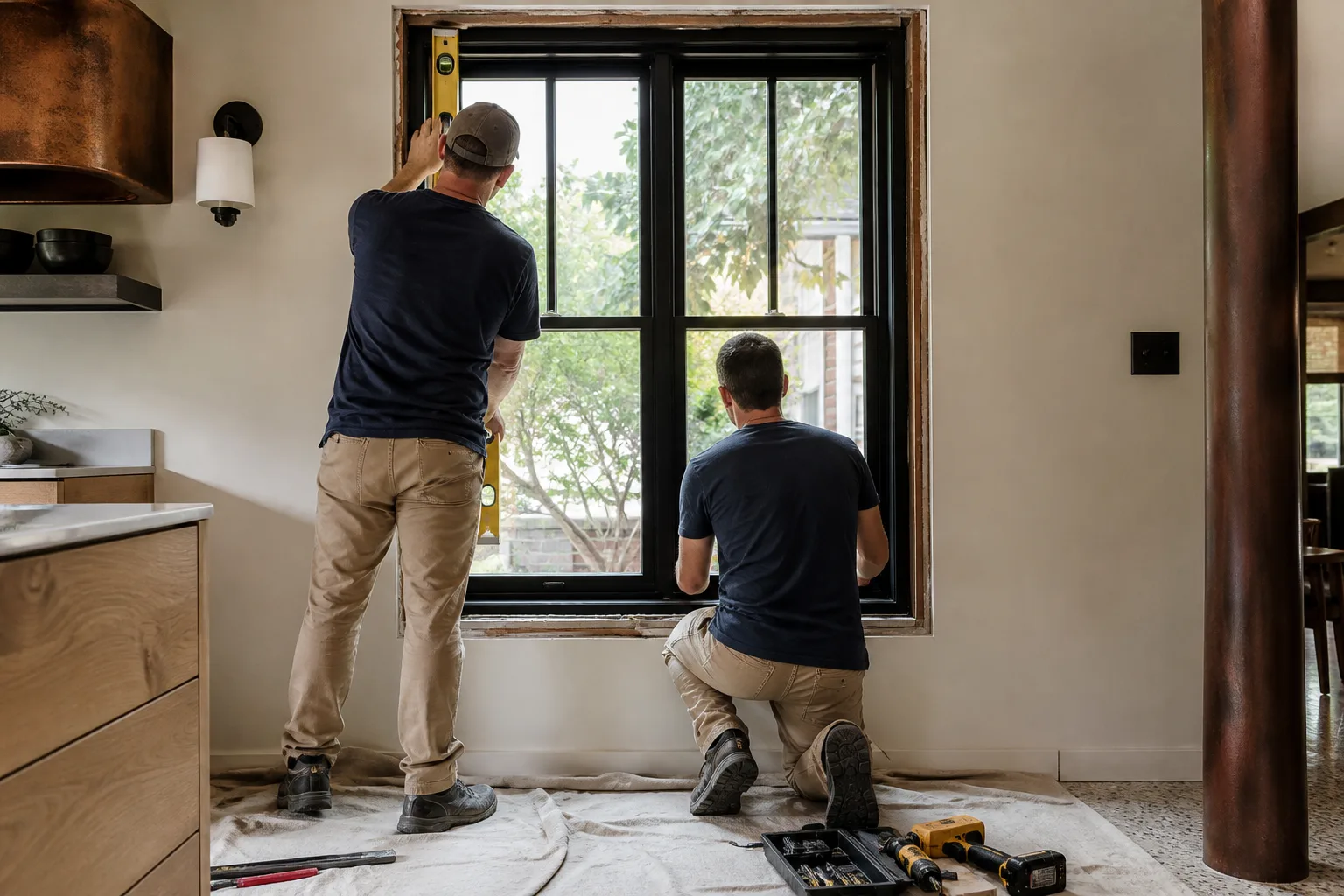
In a seismic design category like Berkeley’s, the difference between a factory-certified IGU assembly and a locally assembled one is not cosmetic. Factory units from a tier-1 manufacturer carry tested and certified structural performance under ASTM standards. That certification is what a plan reviewer will want to see when a window is part of a permitted upgrade, and it’s what matters when a unit is set into a wall that has known seismic requirements.
You can see the same principle at work across every trade we take on: a specified, certified product installs more predictably than a field-built substitute. That’s the thinking behind our Windows & Doors program, which pairs Andersen and Marvin units with installation crews trained on their particular frame systems.
What Custom Windows Cost in Berkeley, and What the Price Actually Includes
Custom windows in Berkeley run higher than stock replacements because each unit is a one-off production item. Here’s what a realistic range looks like on the two product classes most Berkeley homeowners are choosing between:
| Product | Typical Installed Range |
|---|---|
| Standard window replacement (per project) | $4,500 – $15,000 |
| Custom fabricated unit (per window) | $1,200 – $3,500 |
| Impact / high-performance replacement (per project) | $8,000 – $25,000 |
Those numbers are per-project on the replacement lines and per-unit on the custom line, because a custom order is genuinely priced per window. A three-window arch-top package for a Victorian entry costs more than a single replacement in the same house. The 10-week lead time is real, and it’s the trade-off for a window built to your opening rather than to the nearest stock size. We give honest, upfront pricing before the order is placed so you’re budgeting against a real number, not a range that shifts after the deposit.
Because deliverable value on a custom unit is partly about the install, Groundwork backs the installation with the 730-Day Done Right Promise. A window that cost $2,000 to fabricate should be installed to the same standard the manufacturer built it to, and the guarantee runs well past the first wet season in Berkeley.
FAQs
Custom windows typically take around 10 weeks from signed order to delivery, and Berkeley’s historic shapes and permitted projects often sit at the longer end of that. The field-measure and CAD stages take days; the fabrication and IGU stages take weeks, and any change to the glass specification restarts the production cycle. Call (855) 471-4163 for a schedule estimate specific to your opening.
Yes, and it’s among the more common custom orders we handle in Berkeley’s pre-1940 housing stock. Both are templated during field measurement and built to a true radius or curve in the CAD profile, which is exactly why a standard stock window can’t substitute. Call (855) 471-4163 to arrange a measurement visit.
Factory-certified custom units are generally safer for seismic areas because their structural performance is tested and certified under ASTM standards, while locally assembled units don’t carry that certification. For a Berkeley permitted project, that documentation often becomes part of the review package.
Technically yes, but it restarts the entire glass-unit production cycle, which typically adds several weeks to delivery. The Low-E coating, argon fill, and spacer system are all locked in at fabrication, so any change means the IGU is rebuilt from scratch rather than adjusted. Decide the glass spec before you sign.
If you’d rather have it looked at, Groundwork Construction Co. of Berkeley offers a no-pressure assessment in Berkeley - call (855) 471-4163.
Written by the team at Groundwork Construction Co. of Berkeley, serving Berkeley, CA.