Free written scope consultation - allowances, timeline, and change-order rules on paper before a single trade is scheduled
Styles & brands we work with
- Kitchen remodeling
- Bathroom remodeling
- Home additions & ADU
- Roofing
- Windows & doors
- Driveway & pavers
- Fence
See the difference
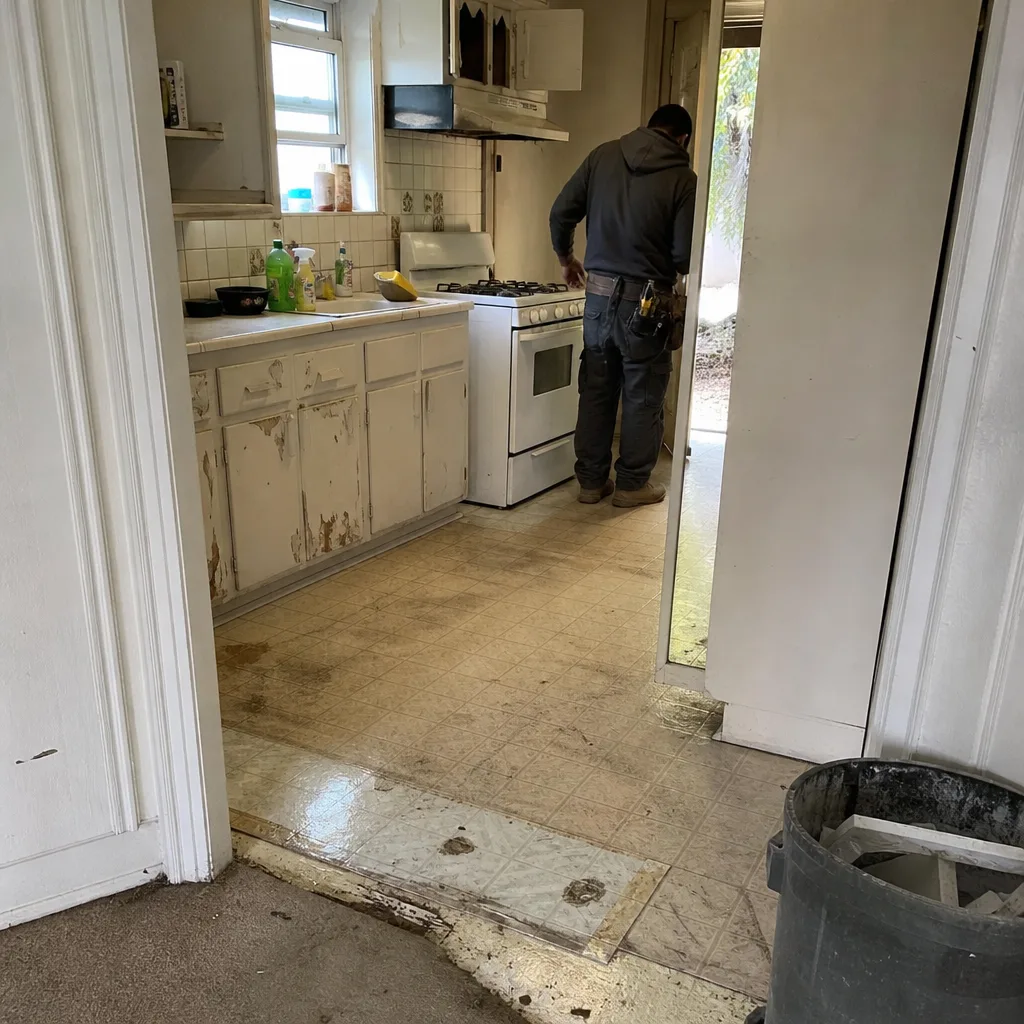 Before
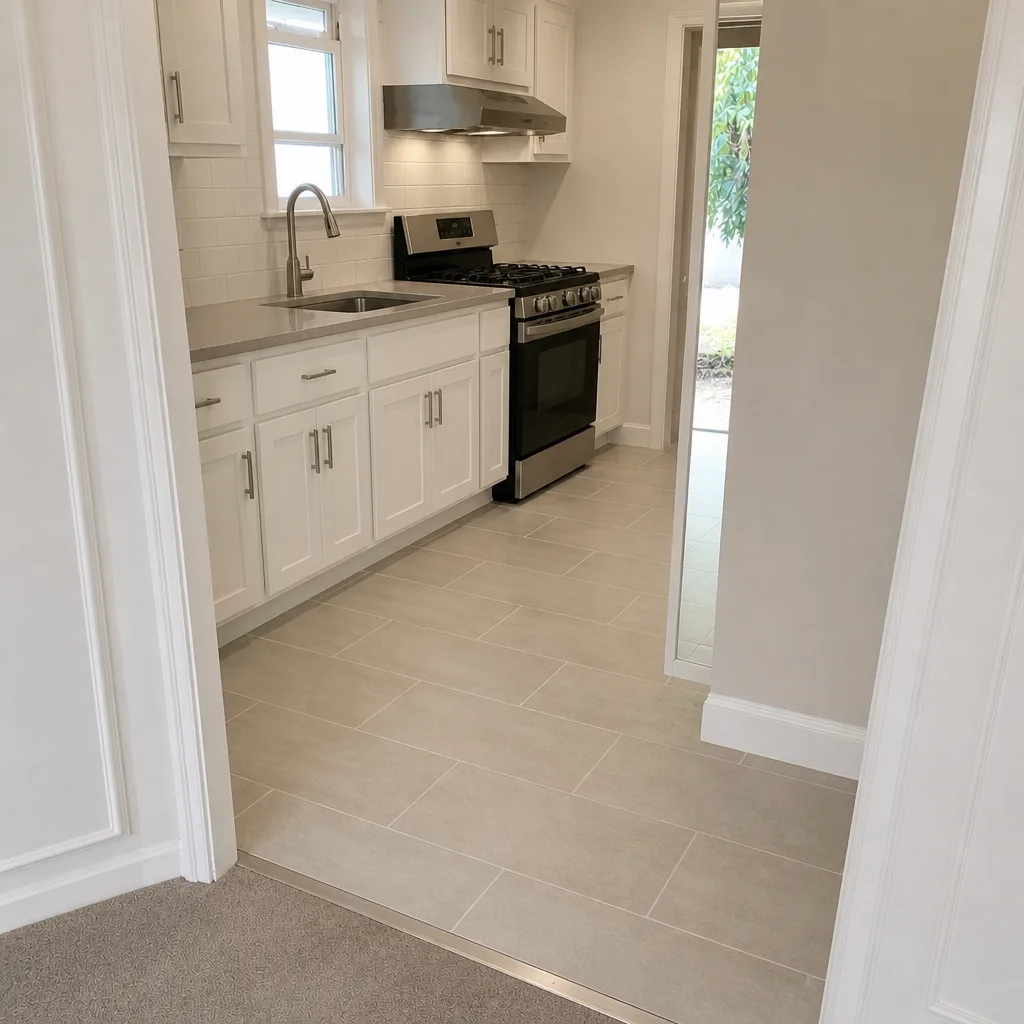 After
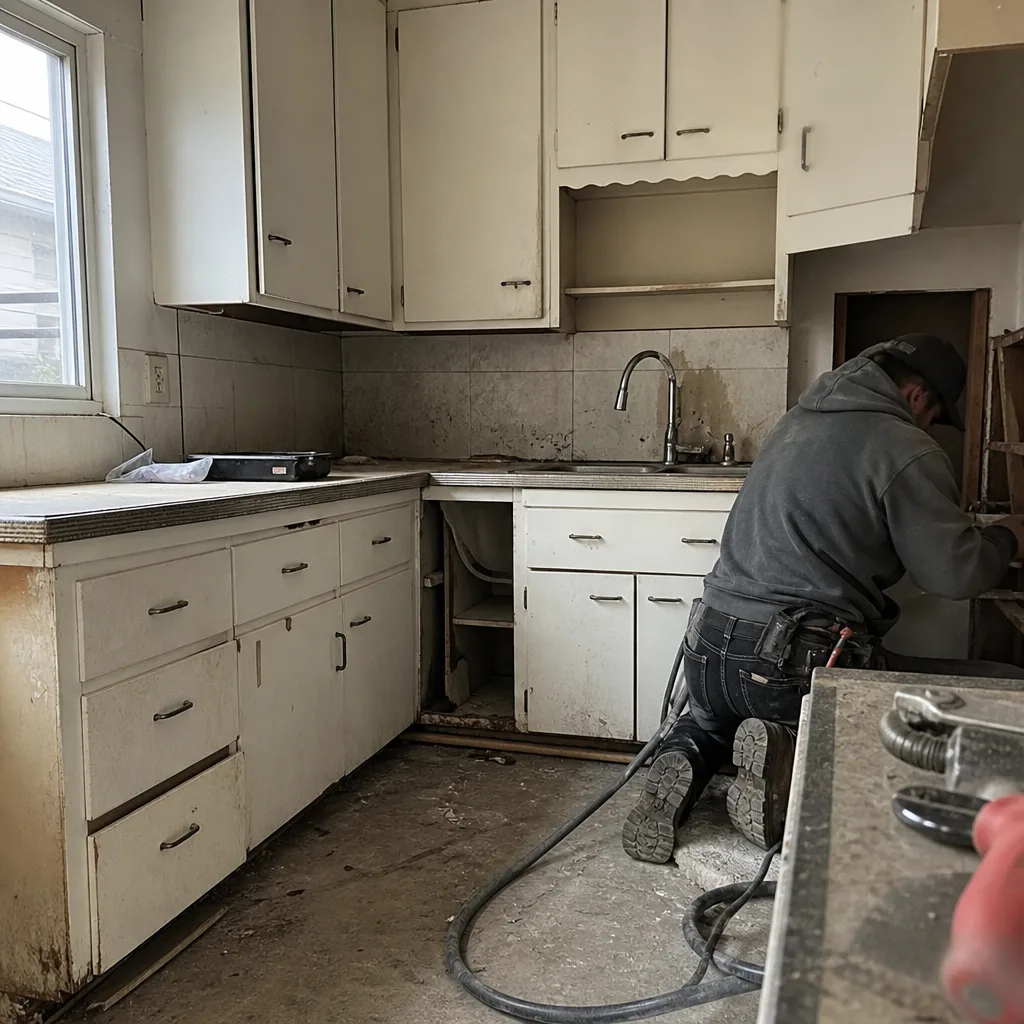 Before
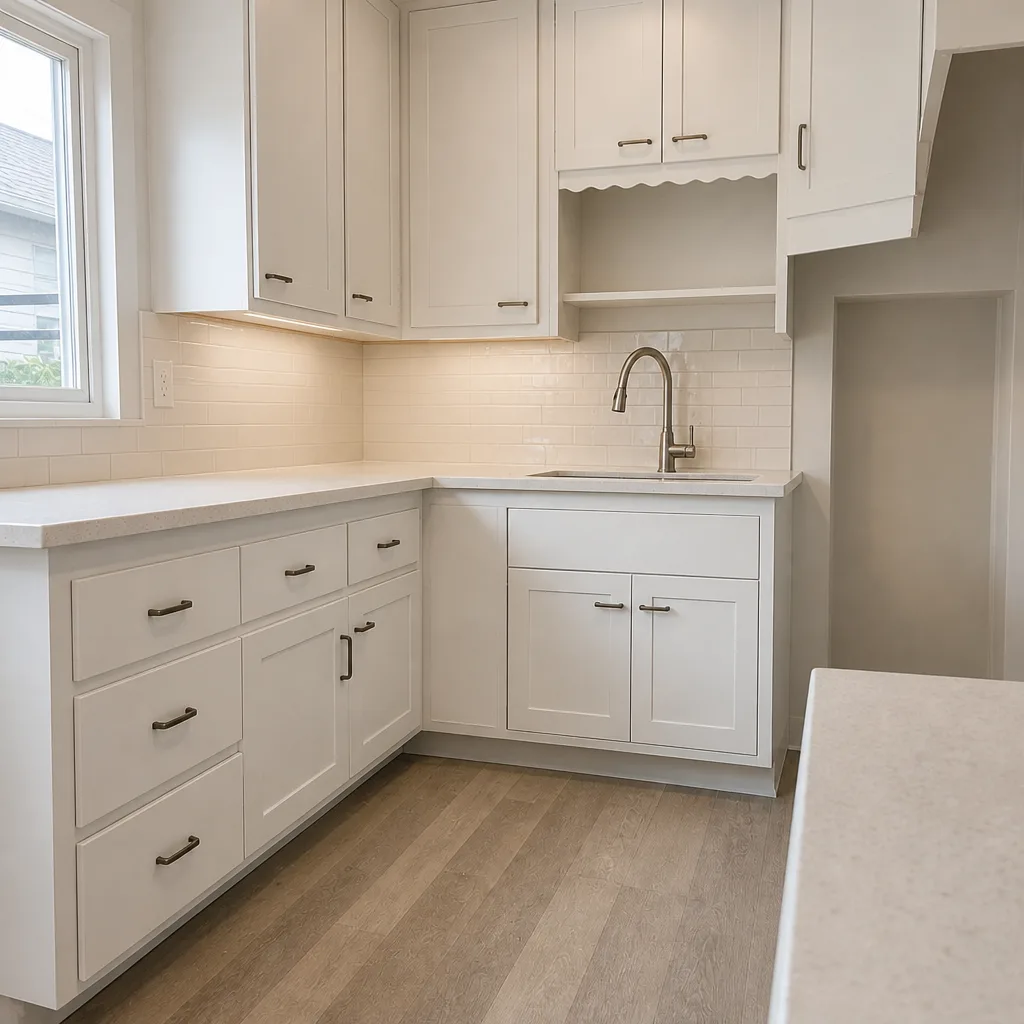 After
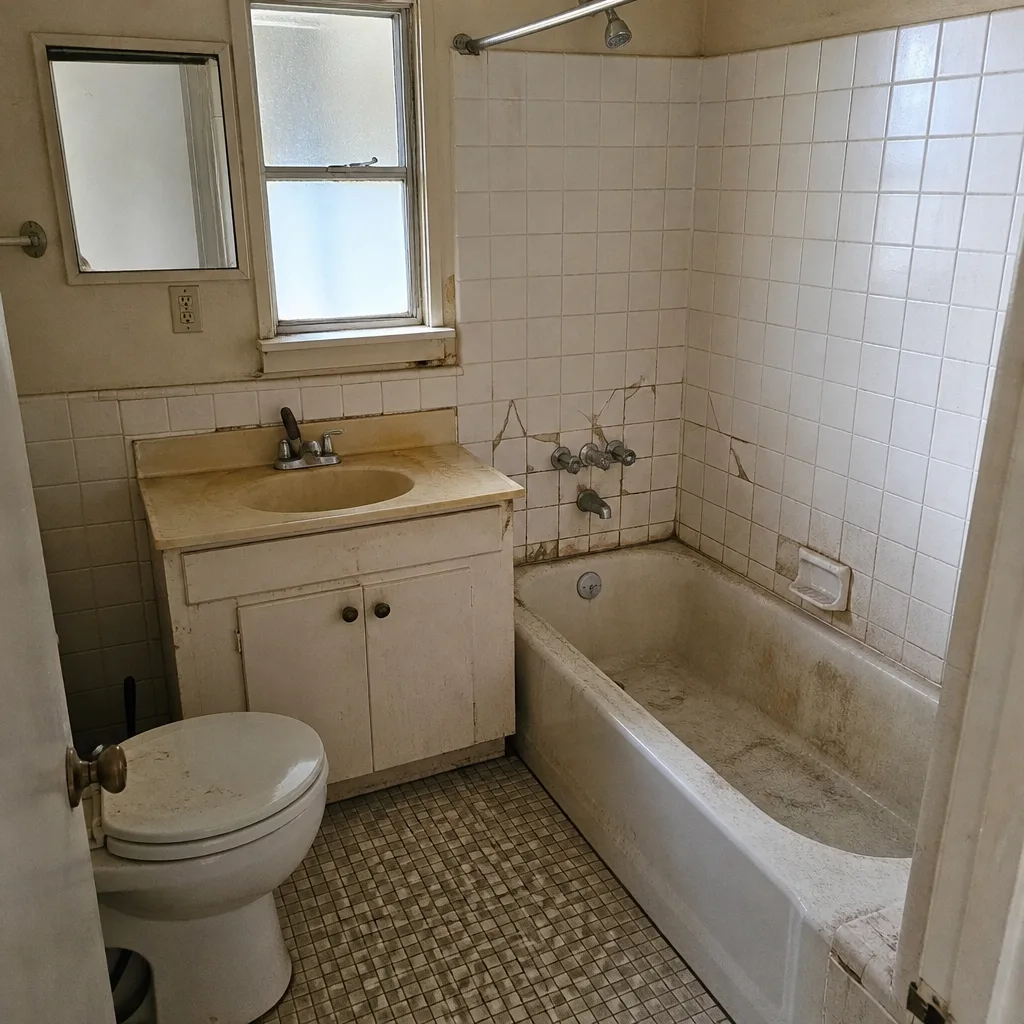 Before
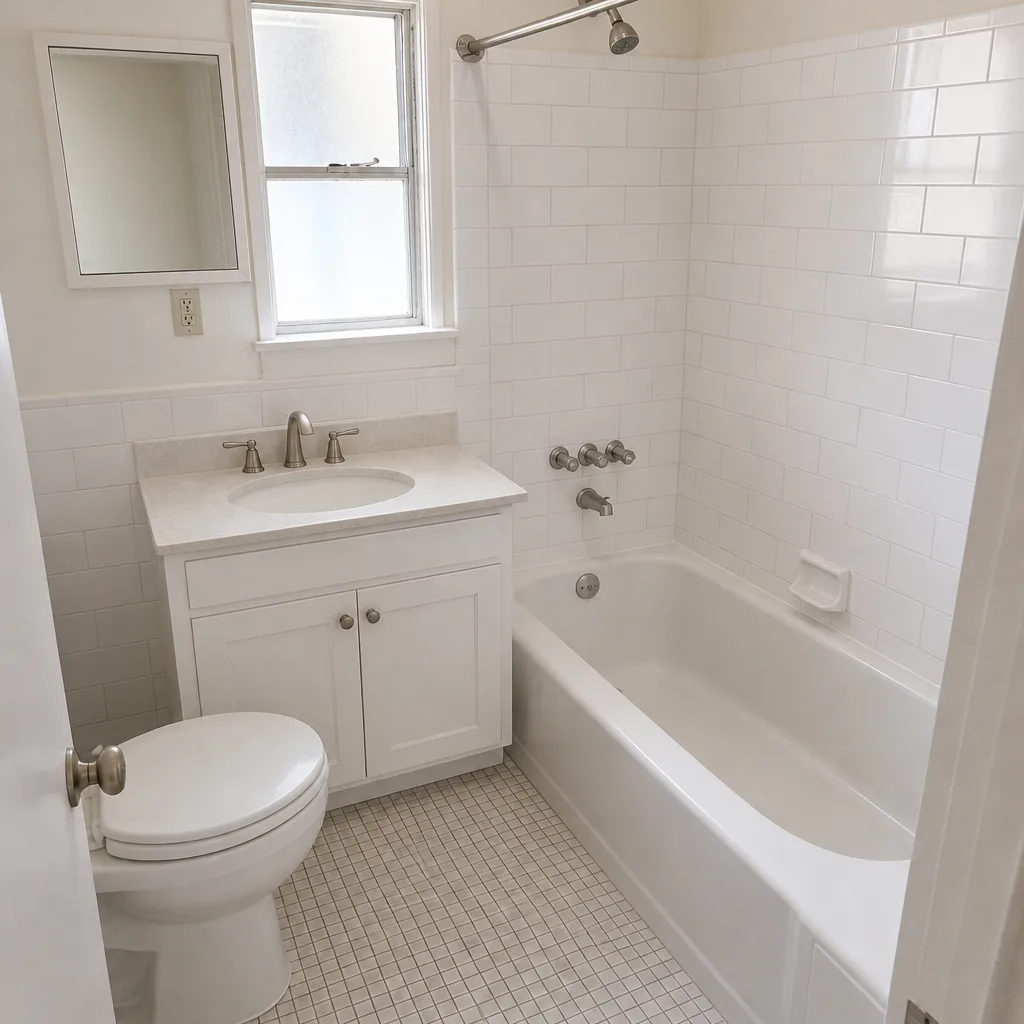 After
How Long Does a Wood Fence Last in Berkeley, CA? The Fog Belt Rewrites the Numbers
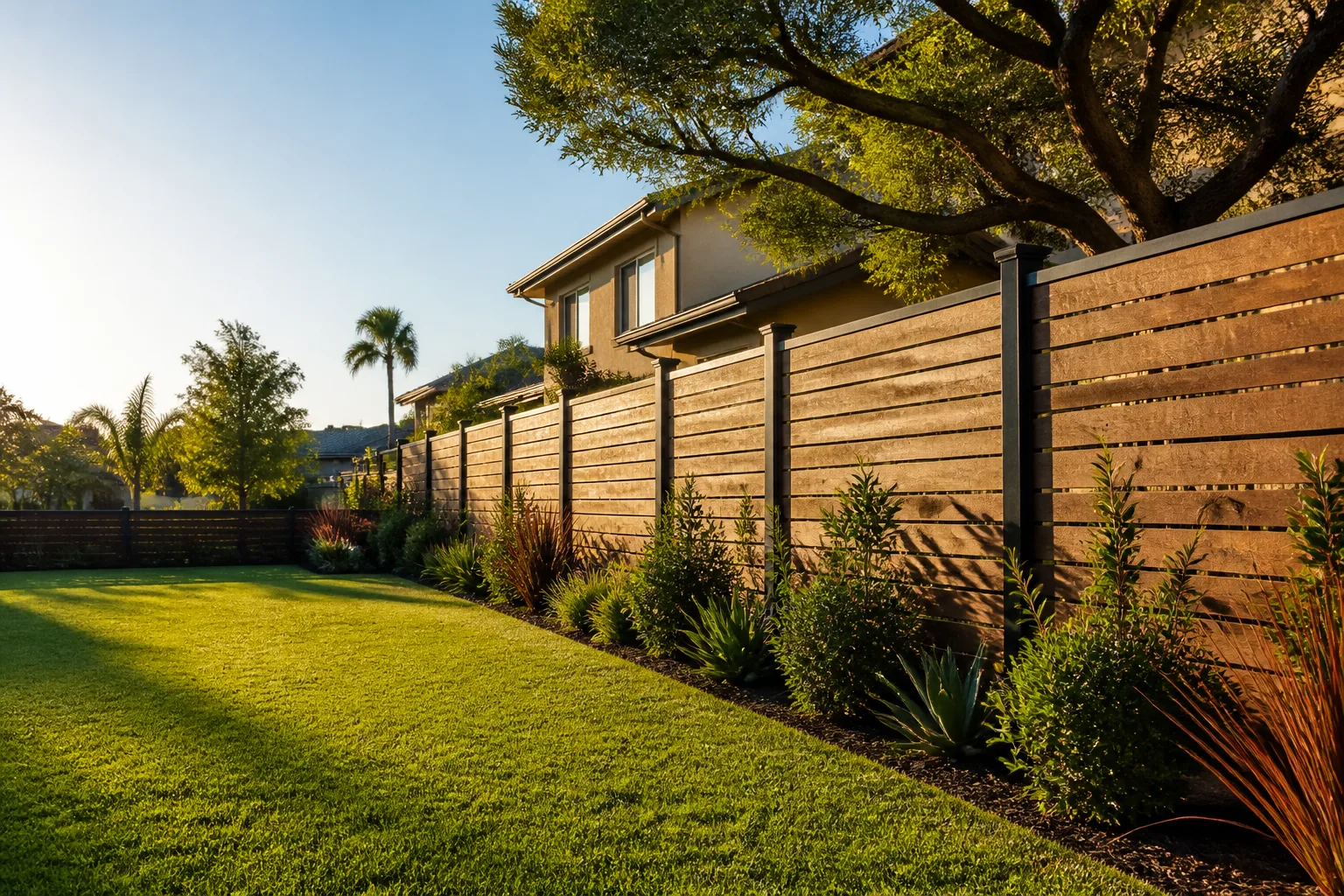
A wood fence in Berkeley typically lasts 12-18 years with proper maintenance, depending on species and exposure. In the fog belt, expect the short end of that range. A cedar fence rated for 15-20 years in Denver may show post rot in 8-10 years on a Berkeley flatland lot that sits in afternoon fog six months a year, and most homeowners don’t find out until the post snaps. For an on-site read on your own fence, call (855) 471-4163.
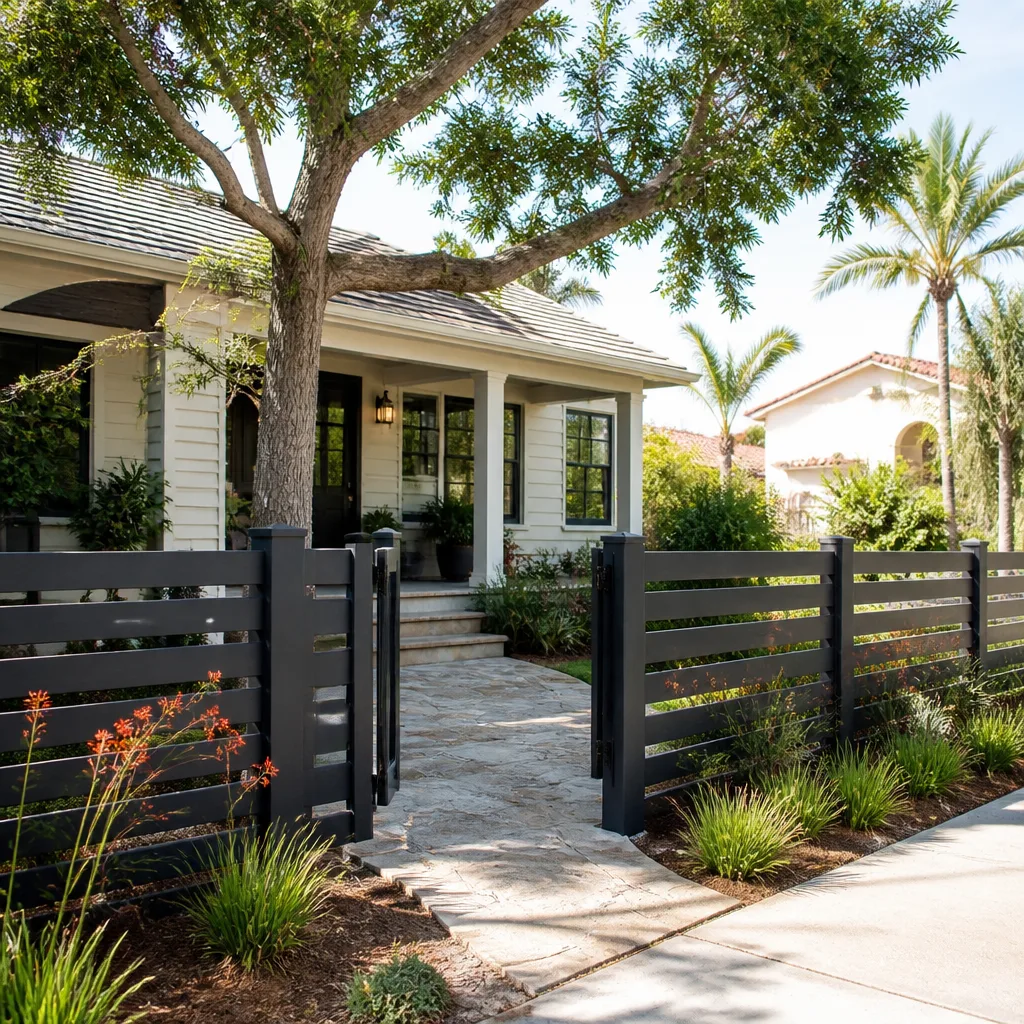
Why Berkeley Climate Punches Holes in National Lifespan Charts
Most lifespan data you’ll find online is written for a continental climate: freeze-thaw cycles that crack wood, dry summers that let it breathe, long cold winters that slow fungal growth. Berkeley doesn’t run that script. The marine layer rolls in through the Golden Gate most afternoons from May through October, and the flatlands between the hills and the bay sit under it. Wood that never fully dries is wood that fungi never stop eating.
The specific failure point isn’t the rails or the pickets. It’s the base of the post, right at the soil line. That zone stays damp for weeks at a time in the flatlands, and rot spreads from there. You’ll notice posts going soft before the field of the fence shows anything wrong.
The city’s old housing stock plays into this too. Fences get hung off footings and property lines that date back to the early 1900s, and those old concrete footings hold water against the post long after the rest of the fence has dried out. An inspection on the field of the fence misses that. You need eyes on the post base and a probe at grade to spot it. That hidden detail is the single biggest reason fences here die younger than the wood-species charts promise.
Which Wood Species Actually Survives Berkeley Fog?
Species matters more here than in dry markets. Here’s how the common fence woods stack up against Berkeley’s marine layer:
- Redwood heartwood: naturally rot-resistant, tight grain, and it handle fog better than almost anything else. Expect the long end of the 12-18 year range when it’s genuinely heartwood and the post base is protected. In Elmwood and North Berkeley, we regularly see original redwood framing from the 1920s still solid while later replacement boards have already failed.
- Western red cedar: naturally rot-resistant and lighter, but it wants air movement. In continuous fog it will outperform pine and lag redwood by a couple of years.
- Pressure-treated pine: the budget option, and the one that suffers most at grade. In Berkeley’s damp soil the treated rating assumes drainage the soil doesn’t give. In wet flatland yards, treated pine posts start going soft years ahead of the national averages.
Post anchoring matters as much as the wood. Deep-set posts in well-drained concrete (we use Quikrete and Sakrete mixes on our installs) will outlast shallow-set posts in the same species by years. Groundwork Construction Co. of Berkeley handles Fence Installation across the flatlands and hills, and the spec we recommend depends on which microclimate your yard sits in.
What Maintenance Actually Extends a Berkeley Wood Fence?
Generic guides tell you to stain every three years and inspect once in a while. In our fog belt, that interval is too loose. Here’s the routine that pays off here:
- Annual base inspection. Every spring, probe the bottom 6 inches of each post with a screwdriver. If it slides in easily, the post is compromised. This one check catches the failure that takes down fences here.
- Stain every two years, not three. The film wears thin faster when wood stays damp. A fresh coat slows moisture uptake at the exact surfaces fog attacks.
- Watch for the early signs. Fog-exposed wood shows its trouble first as black or green staining near the ground, then as a soft surface, then as pickets that start to sag. Catch the staining and you buy years.
- Clear the base. Soil piled against the post and plantings packed tight against the fence hold moisture. A little breathing room at grade matters.
The reward for staying on that schedule: real-world wood fence lifespans in Berkeley can stretch well past a decade on good species. Skip it and you may be replacing posts at year seven.
Repair or Replace? The Decision Point
Here’s the question we get asked most on assessments: when does it make more economic sense to replace than to patch? The rough cutoff is when more than about 30 percent of the posts are soft at the base, or when the fence is past the 12-15 year mark and already showing rot in more than one section. Past those points, patching costs add up faster than a fresh install. Below them, targeted repair usually pays off.
The actual cost to install new fencing runs $3,500-$9,000 in Berkeley depending on length, height, species, and gate count. That’s a market-calculated range, not a bait number. Upfront pricing means the figure we quote is the figure you pay, and 0% financing for 18 months keeps a full replacement from landing as one lump.
| Item | Typical Berkeley Range |
|---|---|
| Full wood fence install | $3,500-$9,000 |
| Post replacement (per post) | $150-$400 |
| Section repair | $300-$900 |
| Bi-annual staining | $400-$1,200 |
Every new install we do is backed by our 730-Day Done Right Promise: if the workmanship isn’t right, we make it right. That’s one of the longest workmanship guarantees in residential construction, and it gives you a documented baseline most contractors don’t offer. And because your call reaches a live person 24/7, you’re never waiting until Monday to get a straight answer.
FAQs
A wood fence in Berkeley lasts about 12-18 years, with the fog belt pushing it toward the lower end on flatland lots and rainy hillside yards. Redwood heartwood and cedar last longest; pressure-treated pine at grade usually goes first. An on-site assessment is the fastest way to know where yours stands; call (855) 471-4163 and estimates are free.
Persistent marine moisture keeps wood damp at the base almost year-round, which lets fungal rot keep working when dry-climate fences get a break. Old concrete footings on Berkeley’s century-old lots hold water against the post and speed it up. A yearly probe at the post base catches the problem early; call us for a no-pressure look.
Yes, when the rot is limited. If fewer than about 30 percent of your posts are soft, targeted post and section repair usually costs far less than a full replacement. If the fence is past 12-15 years and failing in several spots, replacement is the better value. Call (855) 471-4163 for an on-site call on which route fits.
Yes. Every fence we install is covered by our 730-Day Done Right Promise, so if the workmanship isn’t right, we make it right. Our technicians have up to 12 years of experience and arrive background-checked and in uniform. Reach us any hour, and ask about the $1,000 off projects over $10,000.
Get an On-Site Call on Your Fence
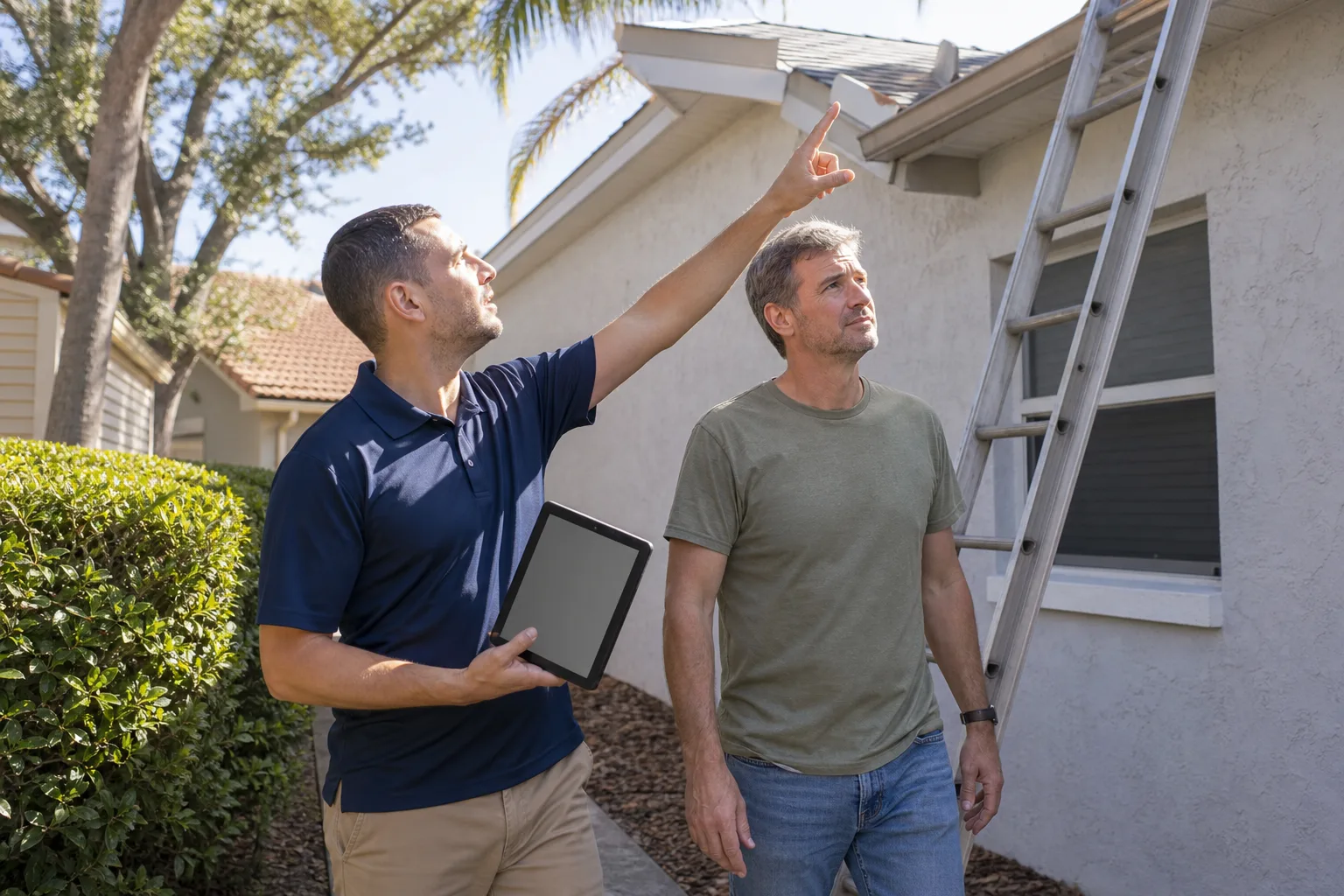
If you’d rather have your fence looked at instead of guessing from a chart, Groundwork Construction Co. of Berkeley offers a no-pressure assessment in Berkeley. We’ll probe the post bases, check for fog damage, and tell you plainly whether it’s a repair or a replacement. Call (855) 471-4163 for a free estimate.
Written by the team at Groundwork Construction Co. of Berkeley, serving Berkeley, CA.