Free written scope consultation - allowances, timeline, and change-order rules on paper before a single trade is scheduled
New Detached ADU in San Leandro: What It Takes and What It Costs
A new detached ADU in San Leandro runs $45,000 to $130,000 for the structure itself, with full-service builds on the higher end, and typically takes 4 to 7 months from permit submittal to final inspection. The price climbs with size, foundation work, utility runs, and finish level. We build these on the flatlands and the acreage edges alike, and we quote them line by line. Call (855) 471-4163 to schedule a free on-site estimate.
How the Build Actually Runs, Stage by Stage
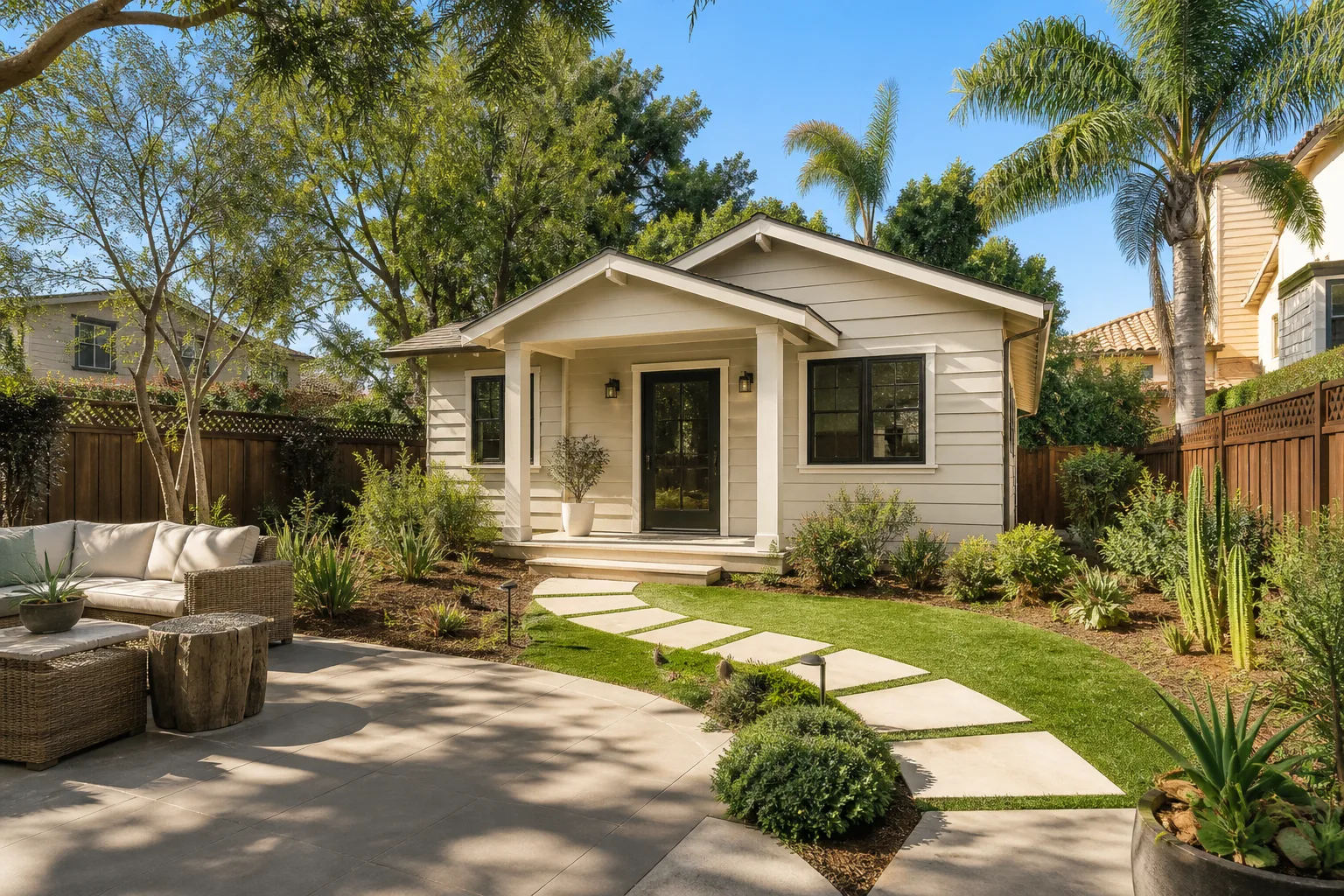
Detached means the ADU stands as its own structure, separate from the house, with its own foundation, roof, and utility connections. That independence is the whole appeal on a lot with room to spare, and it’s also what shapes the schedule. Here’s the real sequence we follow in San Leandro.
- Days 1 to 3: site walk and layout. We stake the footprint, check setbacks against the survey, and confirm where power, water, and sewer will run from the main house. You decide the final placement and orientation before anything gets dug. On sloped or soft ground, this is also where we flag whether a soils report is needed.
- Weeks 1 to 3: excavation and foundation. Trenches go in, forms get set, and we pour the slab or stem-wall foundation. San Leandro’s expansive clay soils often push us toward a deeper footing than a flat-lot build elsewhere would need. You don’t have decisions here; the engineer’s specifications drive it.
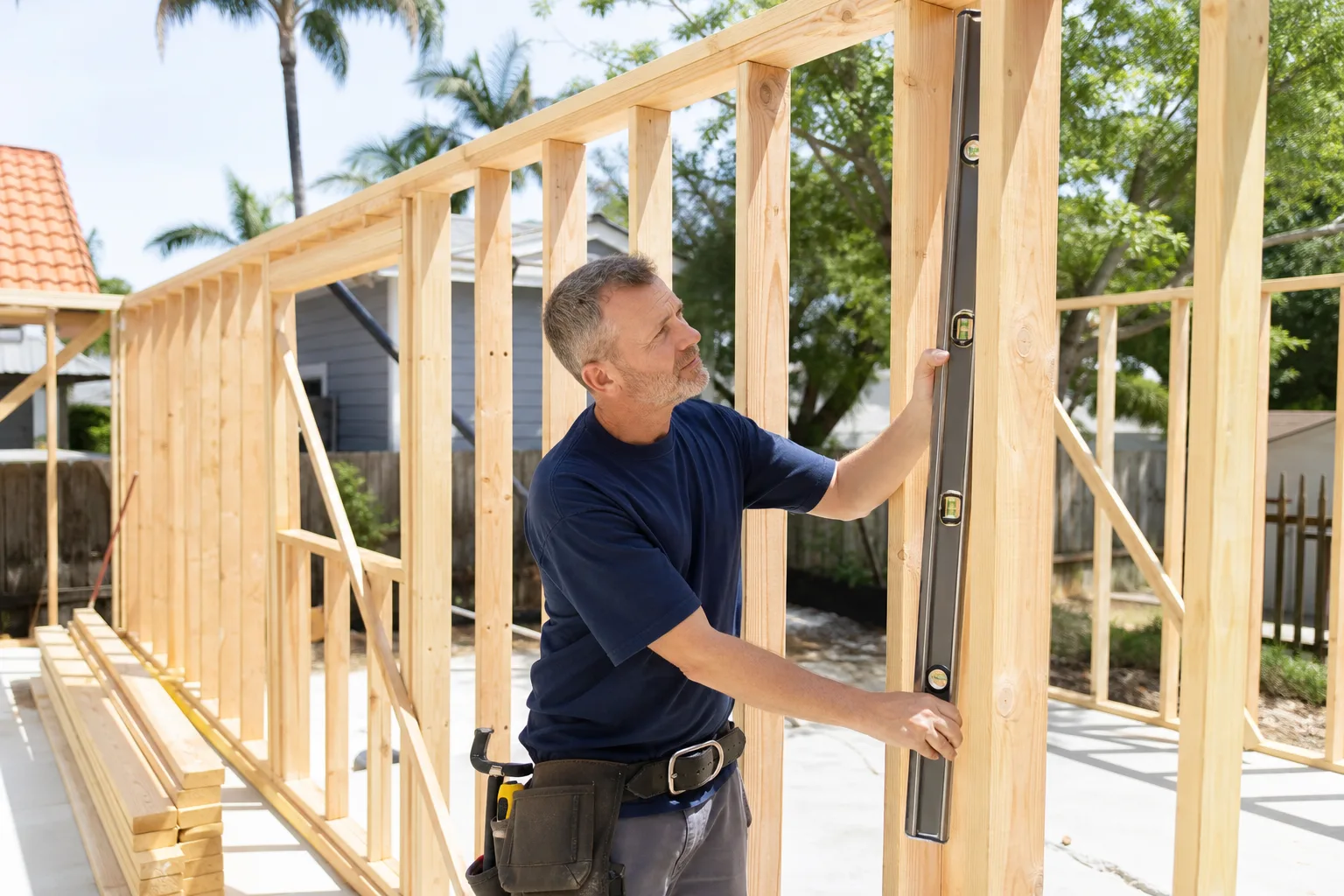
- Weeks 4 to 7: framing and dry-in. Walls go up, the roof gets framed and sheathed, and we close the envelope with underlayment and flashing before the first rain window. You’ll pick exterior siding and window style by the end of this stage so orders land on time.
- Weeks 8 to 14: rough-in trades and inspections. Electrical, plumbing, and HVAC rough-in run through the walls, then the city inspects before anything gets covered. You confirm fixture and appliance locations here, because moving a drain after the slab cures is expensive.
- Weeks 15 to 20: finishes and final inspection. Insulation, drywall, flooring, cabinets, countertops, paint, and trim. We schedule the final inspection and hand over the completed unit with the warranty in writing.
Across those stages, the homeowner makes real decisions at five points: placement, exterior materials, rough-in layout, finish selections, and final walkthrough. Everything else is ours to manage. Our technicians have up to 12 years of experience on this kind of work, and the whole project is covered by the 730-Day Done Right Promise.
Styles & brands we work with
- Kitchen remodeling
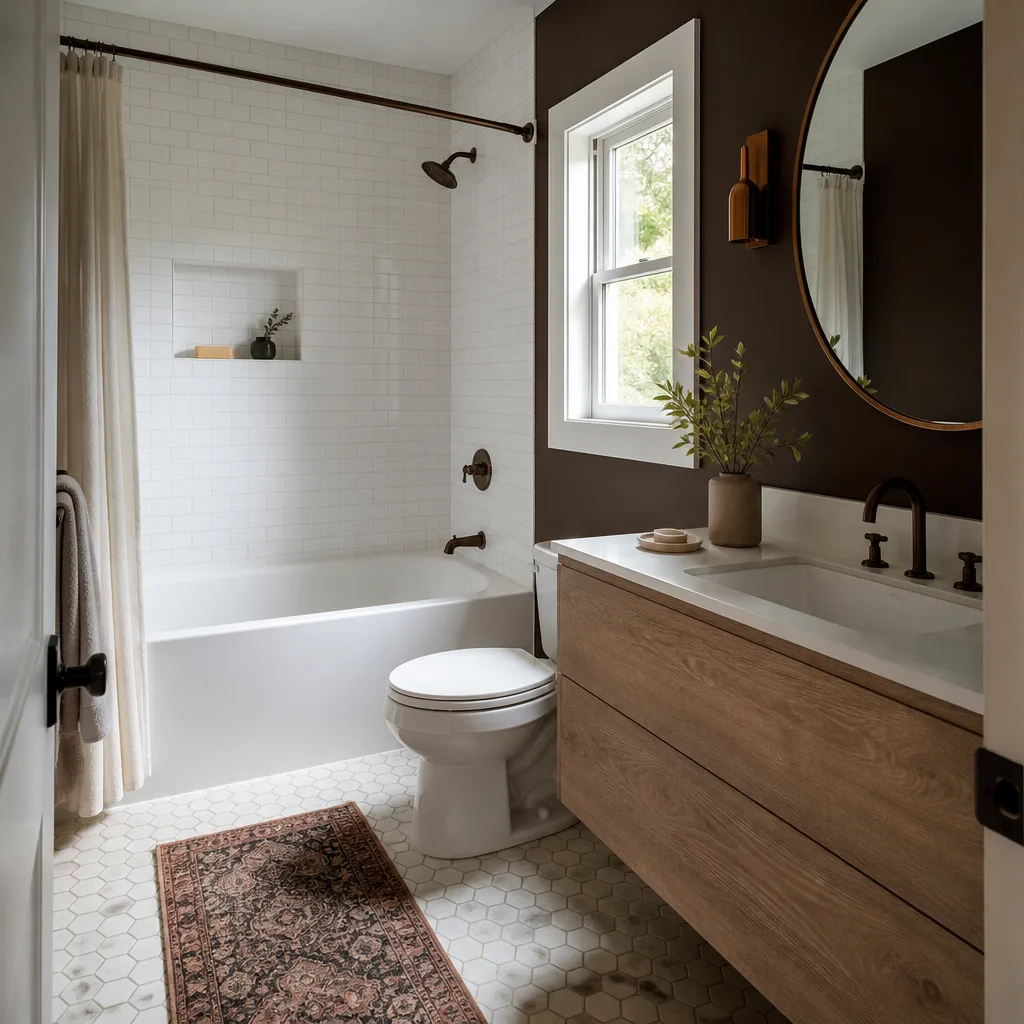
- Bathroom remodeling
- Home additions & ADU
- Roofing
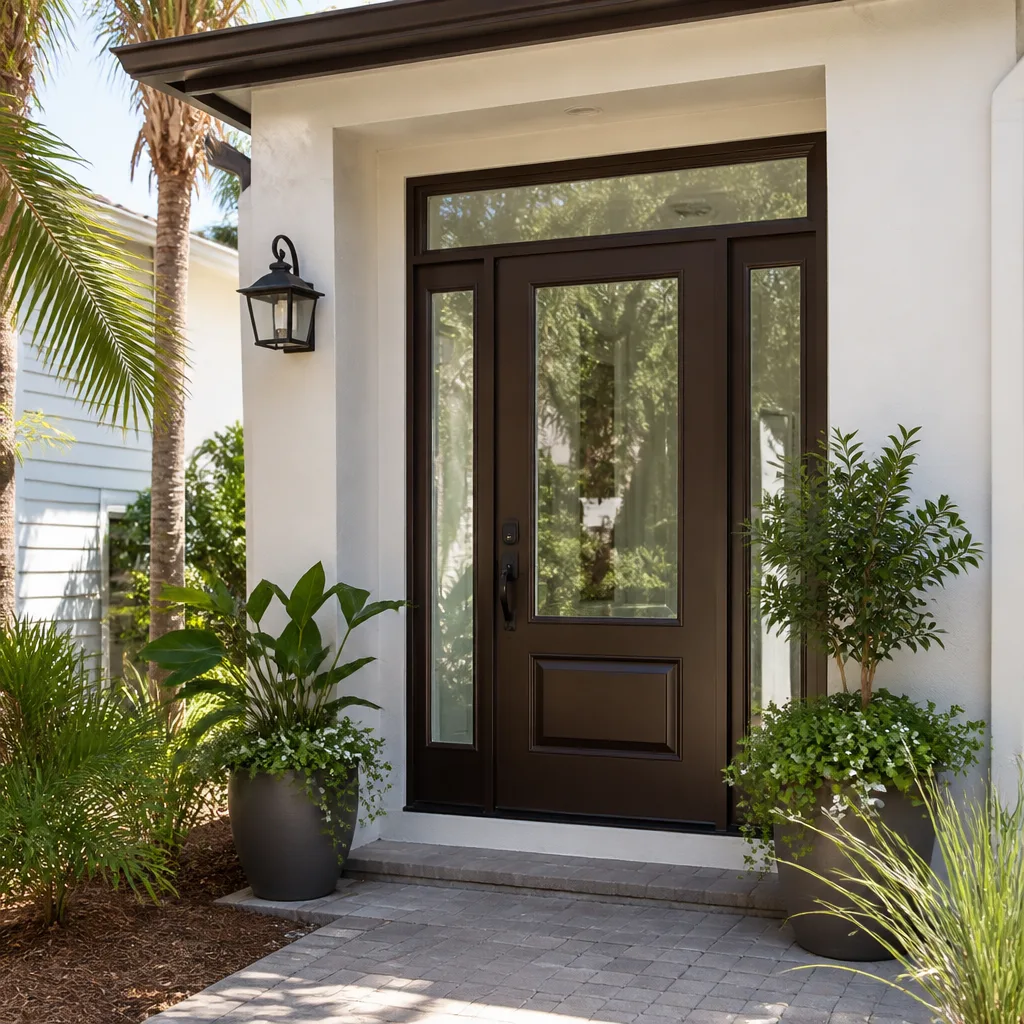
- Windows & doors
- Driveway & pavers
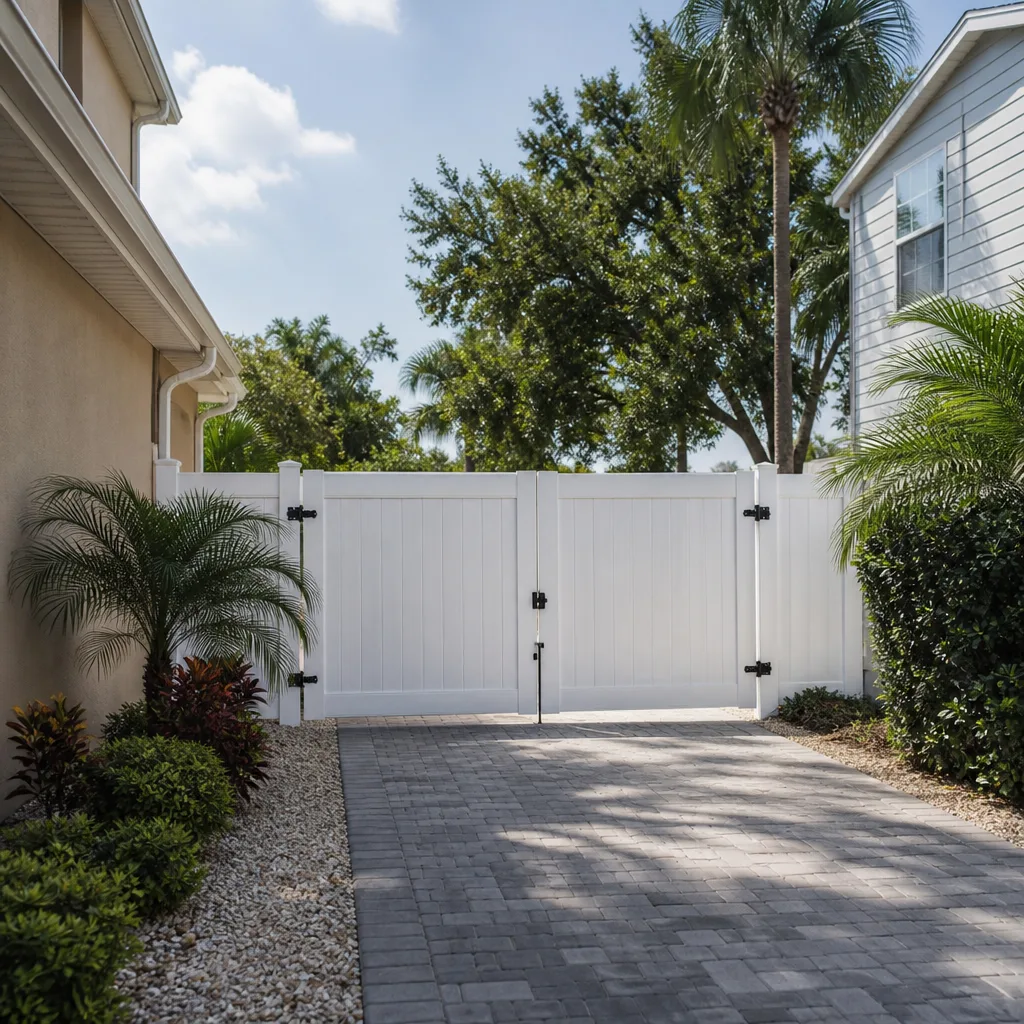
- Fence
The Options You’ll Actually Choose Between
A detached ADU has more moving parts than a garage conversion because you’re building from the ground up. These are the choices that matter most.
- Size and layout. A 400-square-foot studio is the leanest path and the cheapest to build. A 600-square-foot one-bedroom adds roughly a third to the frame-and-finish cost. An 800 to 1,000-square-foot two-bedroom sits at the top of the range. Bigger units pencil out for rental income but cost more up front and take longer to permit.
- Foundation type. A slab-on-grade is the standard and the least expensive. A raised pier-and-beam foundation costs more but suits lots with grade problems or homes where you want to match the main house’s structure. On soft San Leandro ground, the soils report decides this, not preference.
- Exterior cladding. Stucco matches most San Leandro ranch homes and holds up well in the marine climate. Fiber-cement siding costs a bit more and resists moisture-driven rot better. Vinyl is the budget option but looks thinner against the original house.
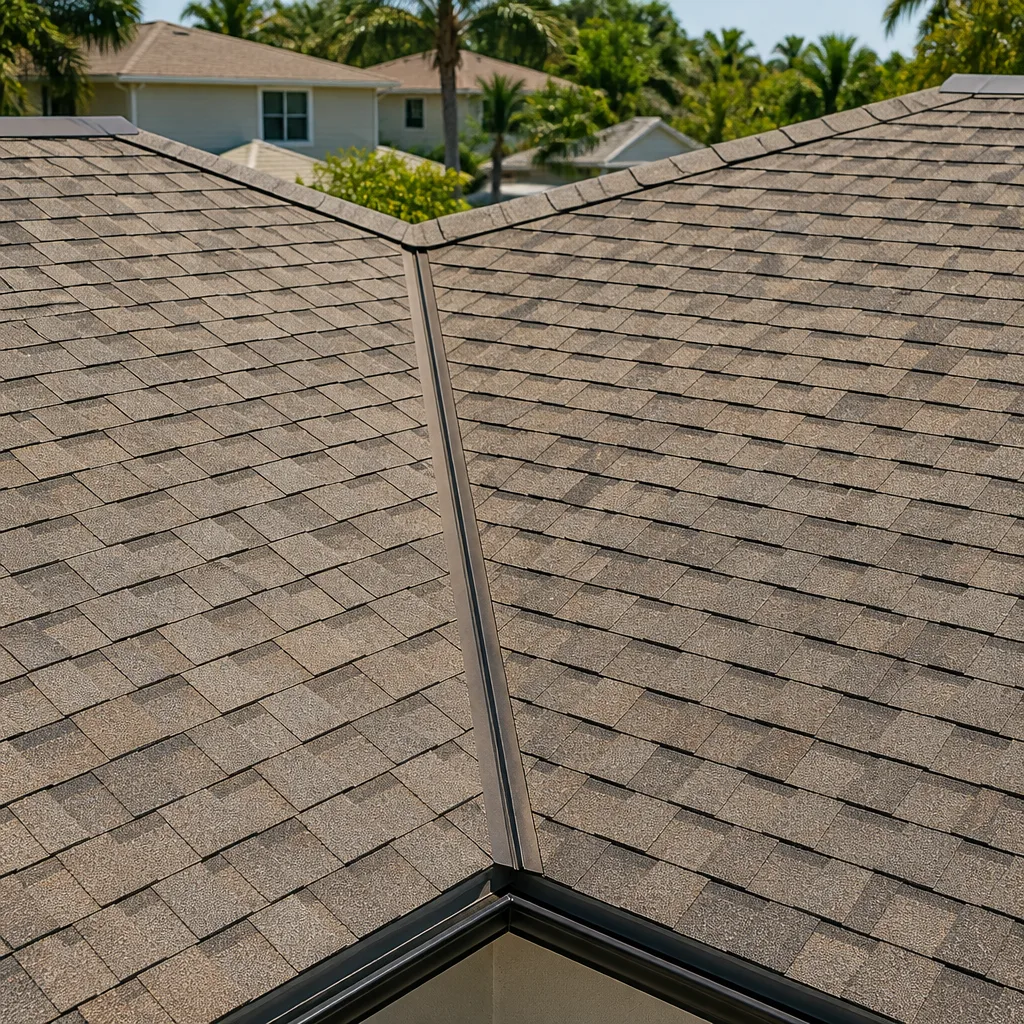
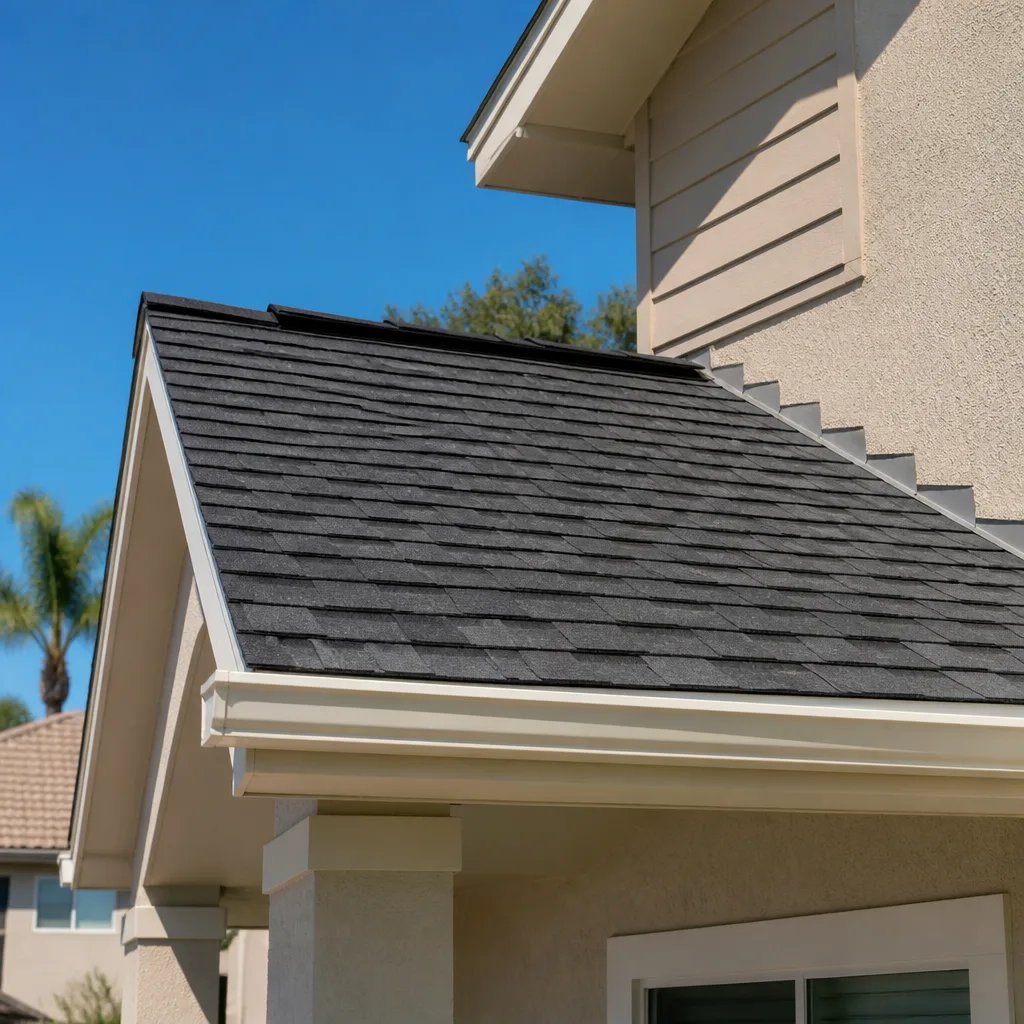
- Roofing. Architectural asphalt shingles from Owens Corning or IKO are the workhorse choice and hit the right balance of cost and lifespan. Standing-seam metal costs more but handles the wet winters and lasts longer. Wind-driven rain makes flashing details the real determinant of roof performance here, not the shingle brand.
- Systems. A ductless mini-split heat pump handles climate control efficiently and sidesteps ductwork. A tankless water heater saves floor space. You’ll also choose whether to run a separate electrical meter or sub-panel from the main service.
None of these require a package deal. You pick what fits the budget and the rental plan, and we price each one transparently.
What New Detached ADU Costs in San Leandro, CA
Expect $45,000 to $130,000 for a detached ADU in San Leandro, with most full builds landing between $90,000 and $130,000. Every estimate we write is line-item and fixed. The number you see is the number you pay.
| Line Item | Typical Range |
|---|---|
| Foundation and site work | $8,000 – $22,000 |
| Framing, roof, and dry-in | $18,000 – $45,000 |
| Electrical, plumbing, and HVAC | $12,000 – $30,000 |
| Finishes (flooring, cabinets, fixtures) | $10,000 – $35,000 |
| Permits and inspection fees | $3,000 – $9,000 |
Five things push a job toward the low or high end. Size is the biggest lever. Site condition comes next: a flat, cleared lot builds cheaper than one needing grading or a deeper foundation for clay soils. Utility distance matters too; the farther the ADU sits from the main panel and sewer line, the more trenching and pipe you pay for. Material grade moves the finishes line substantially. And permit scope drives the rest, since a structural upgrade or a variance adds review time and cost.
A written estimate covers the structural build, systems rough-in, standard finishes, and permit handling. It won’t cover landscaping, fencing, or site cleanup beyond construction debris removal unless you ask for it. Call (855) 471-4163 for an exact quote.
See the difference
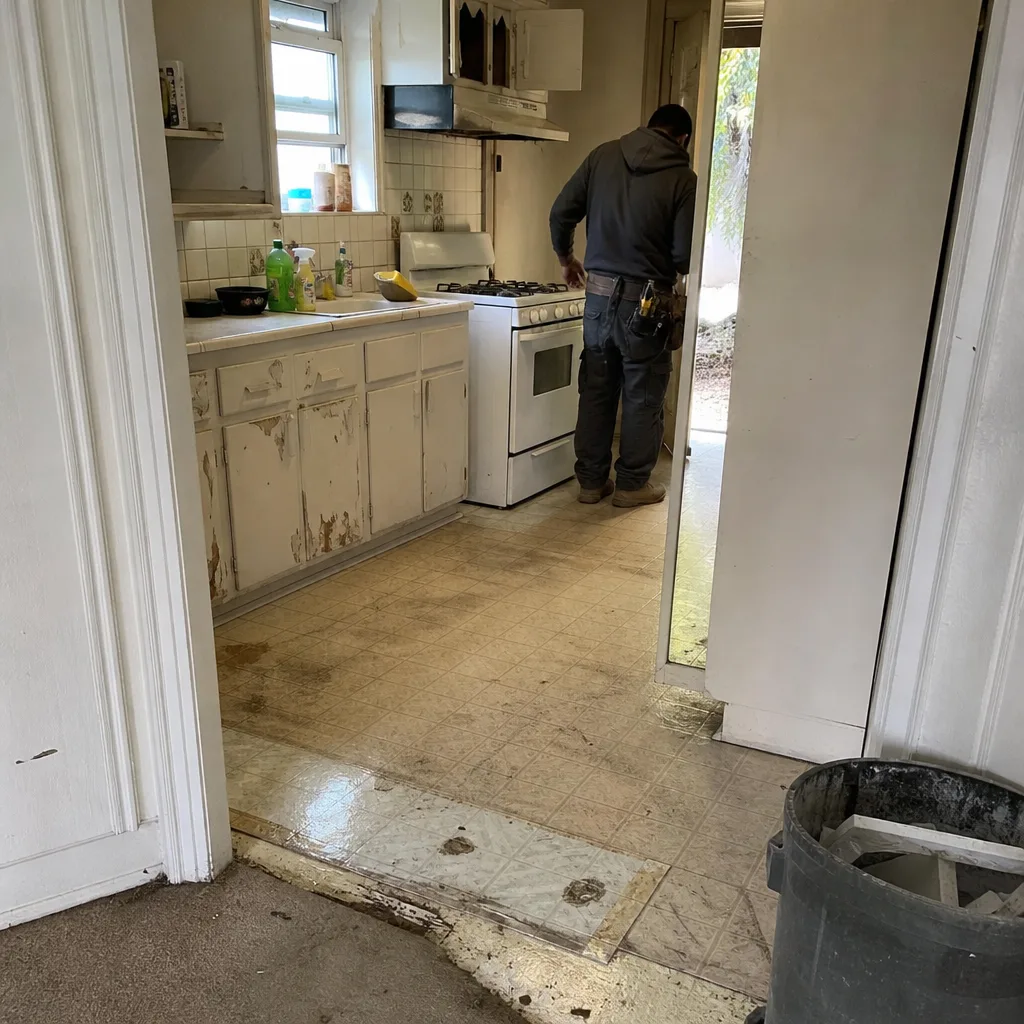 Before
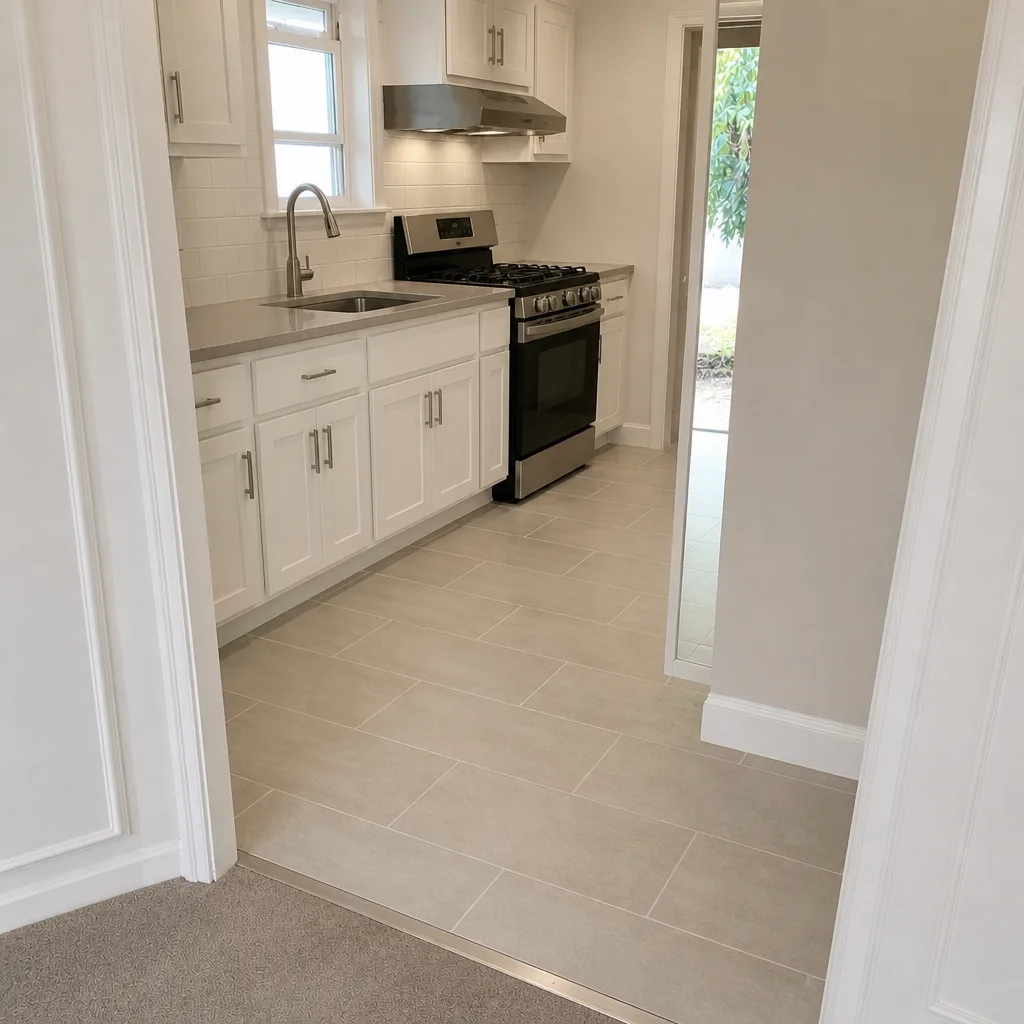 After
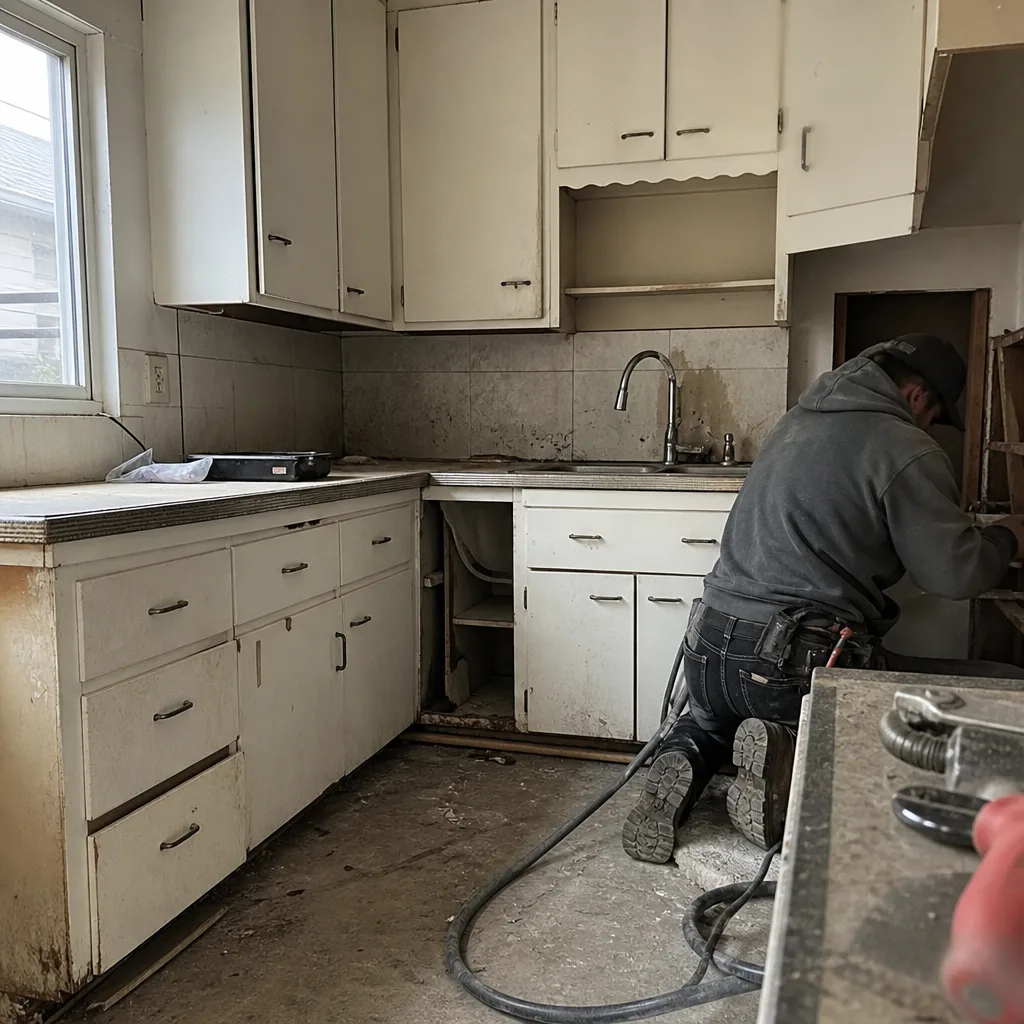 Before
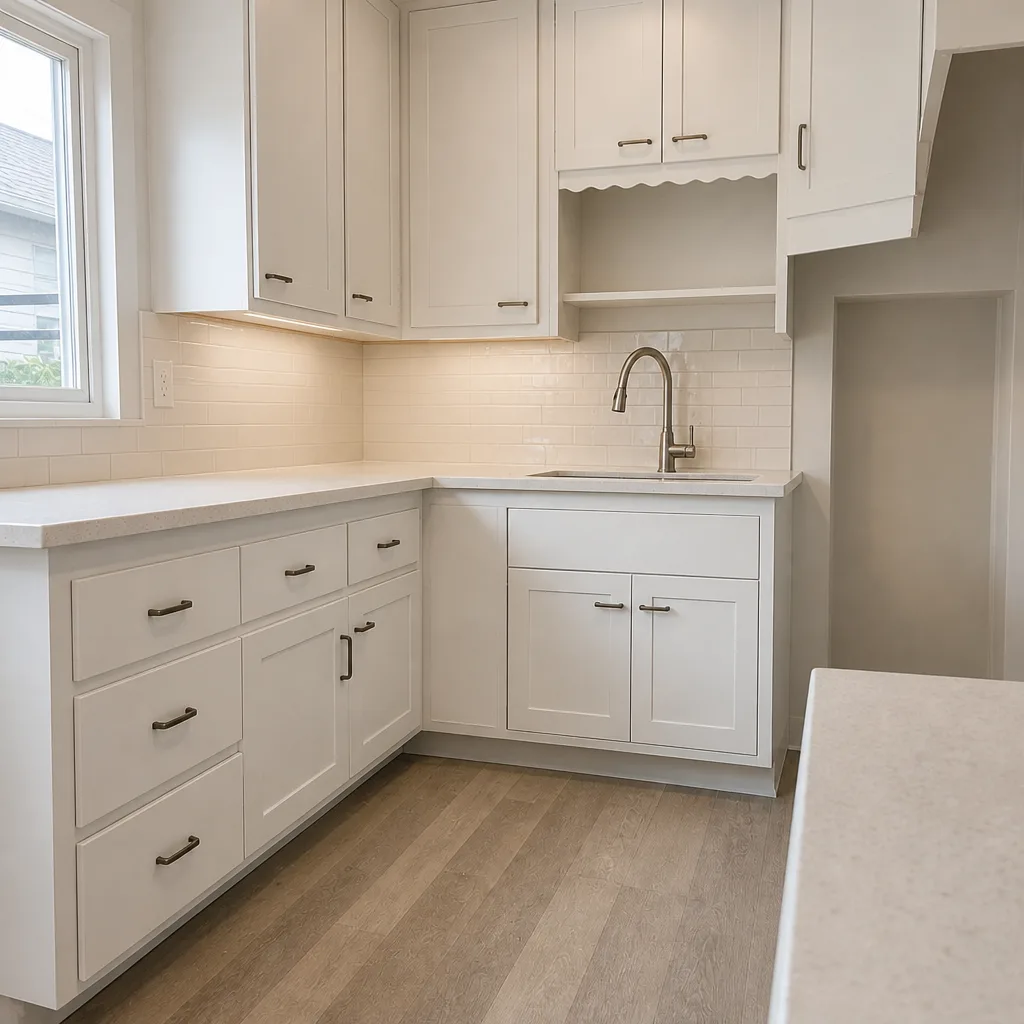 After
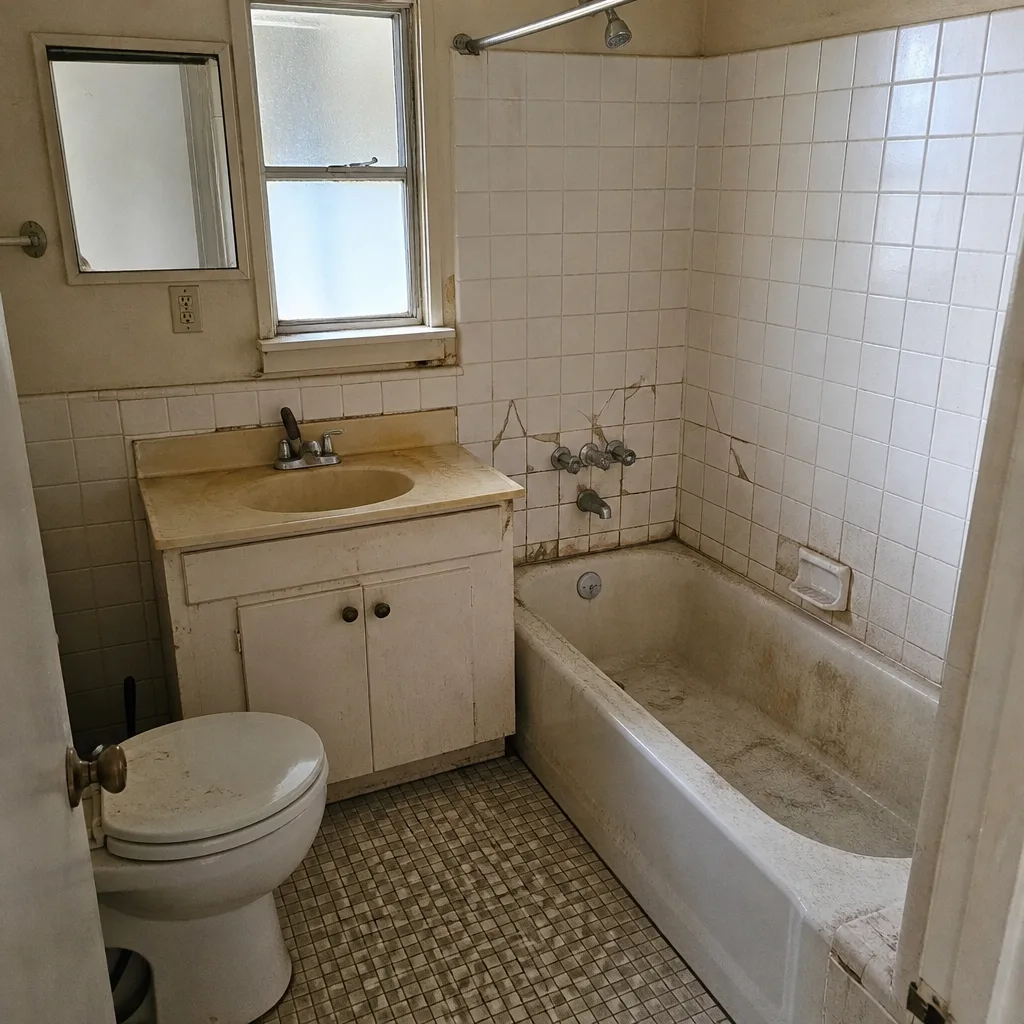 Before
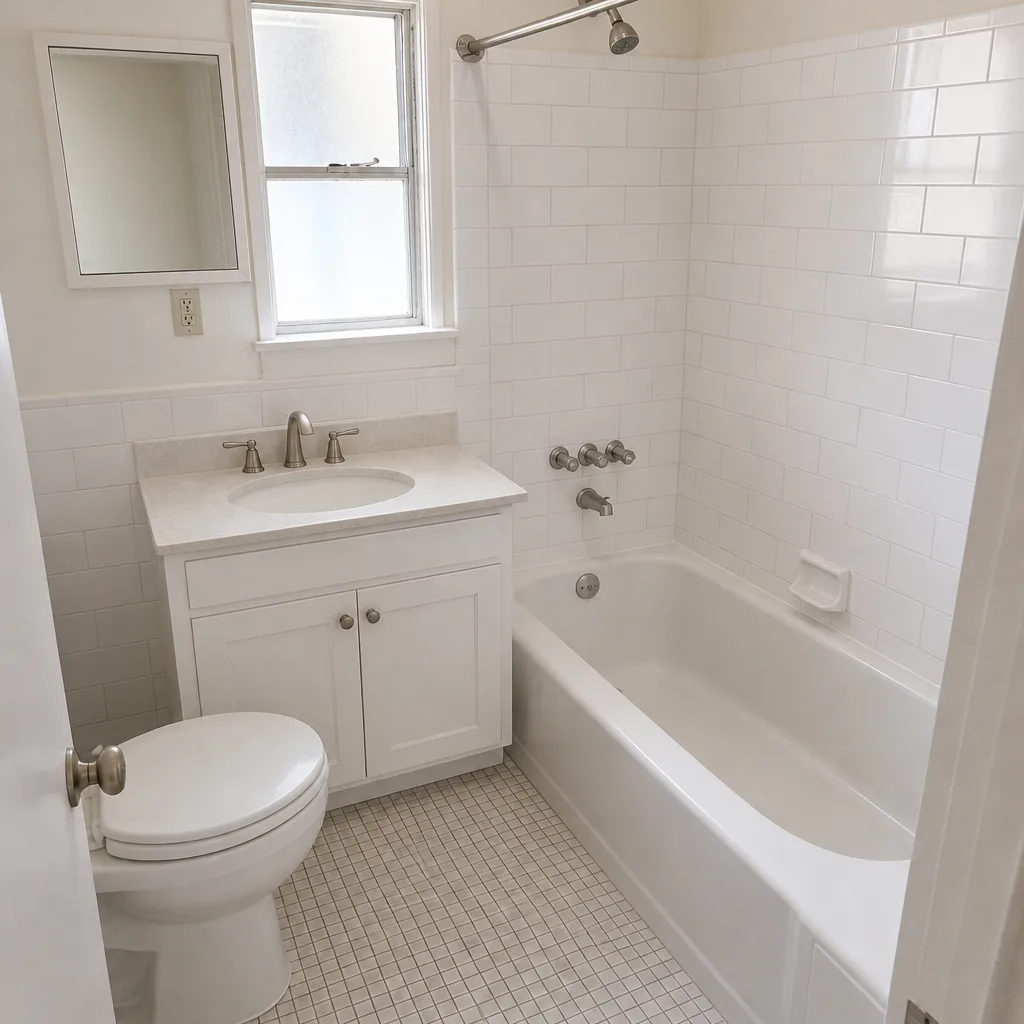 After
What San Leandro Homes Specifically Do to This Job
San Leandro is a mid-century tract-home city, and that shapes every detached ADU we build here. The 1950s and 1960s subdivisions off Washington Manor and Cherrywood left long, flat backyards with room for a second structure, which is good news for a detached build. The challenge is what sits underneath. Many of these homes rest on raised foundations with original galvanized plumbing and aging electrical panels, and the expansive clay soils have settled unevenly over the decades. If the main house is already sitting low, the ADU’s foundation and the utility tie-ins need to account for that movement before the city approves permits.
Alameda County’s seismic retrofit and Title 24 energy requirements tighten the picture further, so we plan for upgraded structural hardware and energy compliance from the first drawing. The wet winters off the Bay and dry summers also mean proper drainage, vapor barriers, and roof flashing aren’t optional; atmospheric river storms have a way of finding the weak detail. We cover these builds throughout San Leandro’s ZIP codes 94577, 94578, and 94579, and if the ADU is part of a full Home Additions & ADU in San Leandro plan, we coordinate the whole scope under one permit set. Homeowners often pair the new unit with a fresh approach, which is where Concrete Driveways & Concrete Work in San Leandro and Paver Driveways in San Leandro come in. See our Home Additions & ADU service and our wider San Leandro coverage for the full picture.
Serving San Leandro, CA – Our Local Coverage Area
We serve San Leandro and nearby communities. Use the map below to see the area we cover. If you’re nearby, we can almost certainly help.
Frequently Asked – New Detached ADU in San Leandro
Plan on 4 to 7 months from permit submittal to final inspection, with construction itself running about 16 to 20 weeks. Permitting through the city can take 6 to 10 weeks on its own, and we track it closely so construction starts as soon as approval lands. Call (855) 471-4163 to get a realistic timeline for your lot.
Yes, a detached ADU always requires a permit, and we pull them for you. The scope covers structural, electrical, plumbing, and energy compliance under Alameda County’s Title 24 rules, and we handle the inspections through to final sign-off. You aren’t chasing the city; we are.
It can, but only if the lot allows separate utility connections, which usually means a new meter and service. Most San Leandro builds tie into the main house because a separate service costs more. We’ll tell you which path fits your property at the estimate. Call (855) 471-4163 to talk it through.
Plan on $45,000 to $130,000 depending on size, foundation needs, and finish level. A studio sits near the low end; a two-bedroom with premium finishes and a difficult site pushes toward the high end. Call (855) 471-4163 for a line-item estimate, which is free.
Every ADU we build is backed by the 730-Day Done Right Promise. If anything we installed doesn’t perform, we come back and make it right for two full years after handover. That’s one of the longest workmanship guarantees in the residential construction space.
Get a Free Estimate for Your San Leandro Detached ADU
If you have the lot and the plan, the next step is a real number. Call (855) 471-4163 to schedule a free on-site estimate for your new detached ADU in San Leandro. We’ll walk the site, check setbacks and soil conditions, talk through size and finishes, and hand you a written line-item quote with no surprises. A live person answers around the clock, and the 730-Day Done Right Promise backs the work.
Written by the team at Groundwork Construction Co.