Free written scope consultation - allowances, timeline, and change-order rules on paper before a single trade is scheduled
Paver Driveways in Pleasant Hill, CA: What the Job Actually Involves
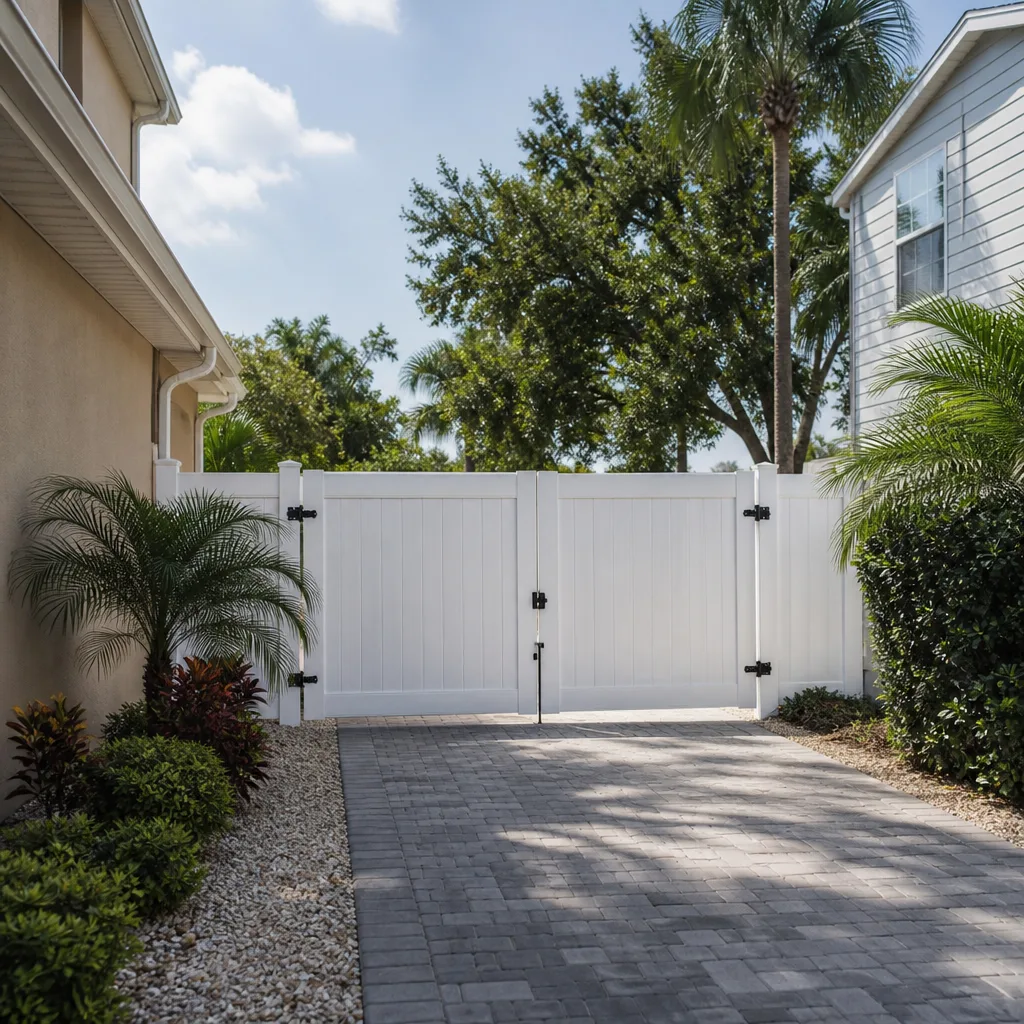
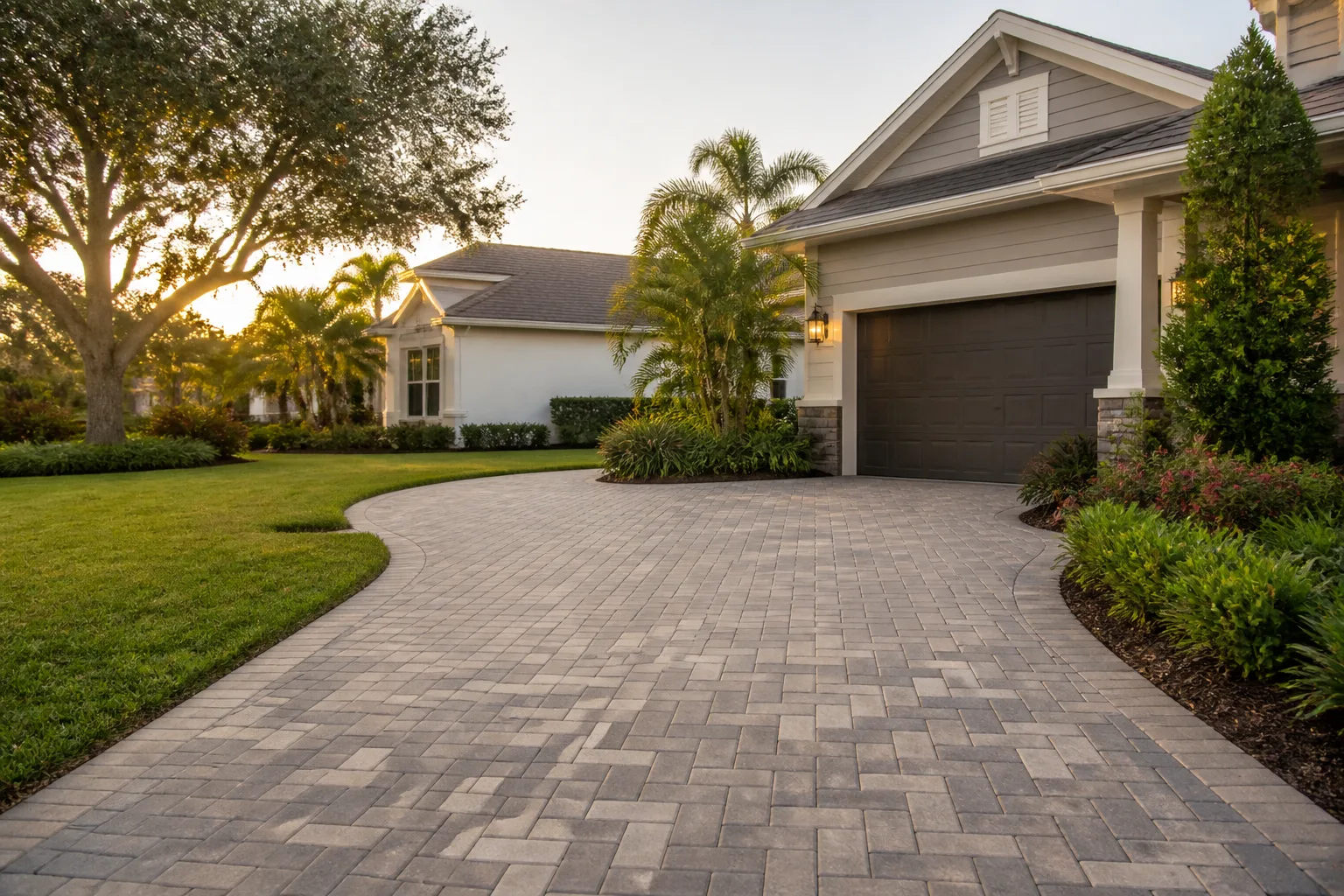
A paver driveway in Pleasant Hill typically runs $7,000 to $18,000 and takes two to five working days from demolition to final compaction, depending on square footage and base depth. You’re looking at excavating the old surface, rebuilding a compacted aggregate base, then setting interlocking pavers over a sand bed with a restraining edge. A standard single-car apron in the 94523 flats usually lands near the low end; a wide, sloping driveway off a Gregory Gardens cul-de-sac pushes toward the top. Call (855) 471-4163 for a free on-site estimate and a written line-item price.
How We Build a Paver Driveway, Stage by Stage
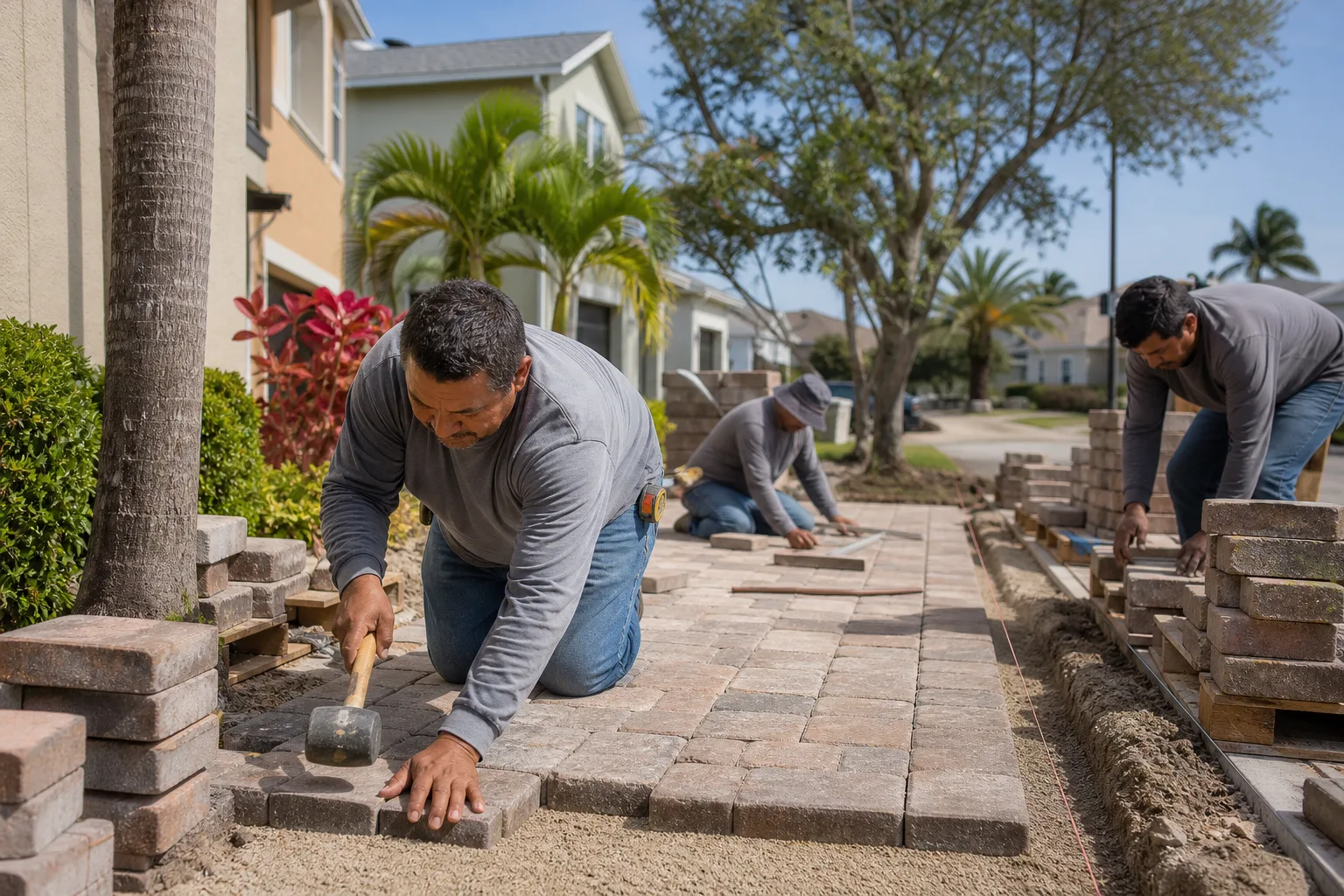
Every paver driveway we build follows the same sequence, and each stage has a decision point where you sign off before we move forward. Nobody should hand you a price and then disappear until the pavers show up.
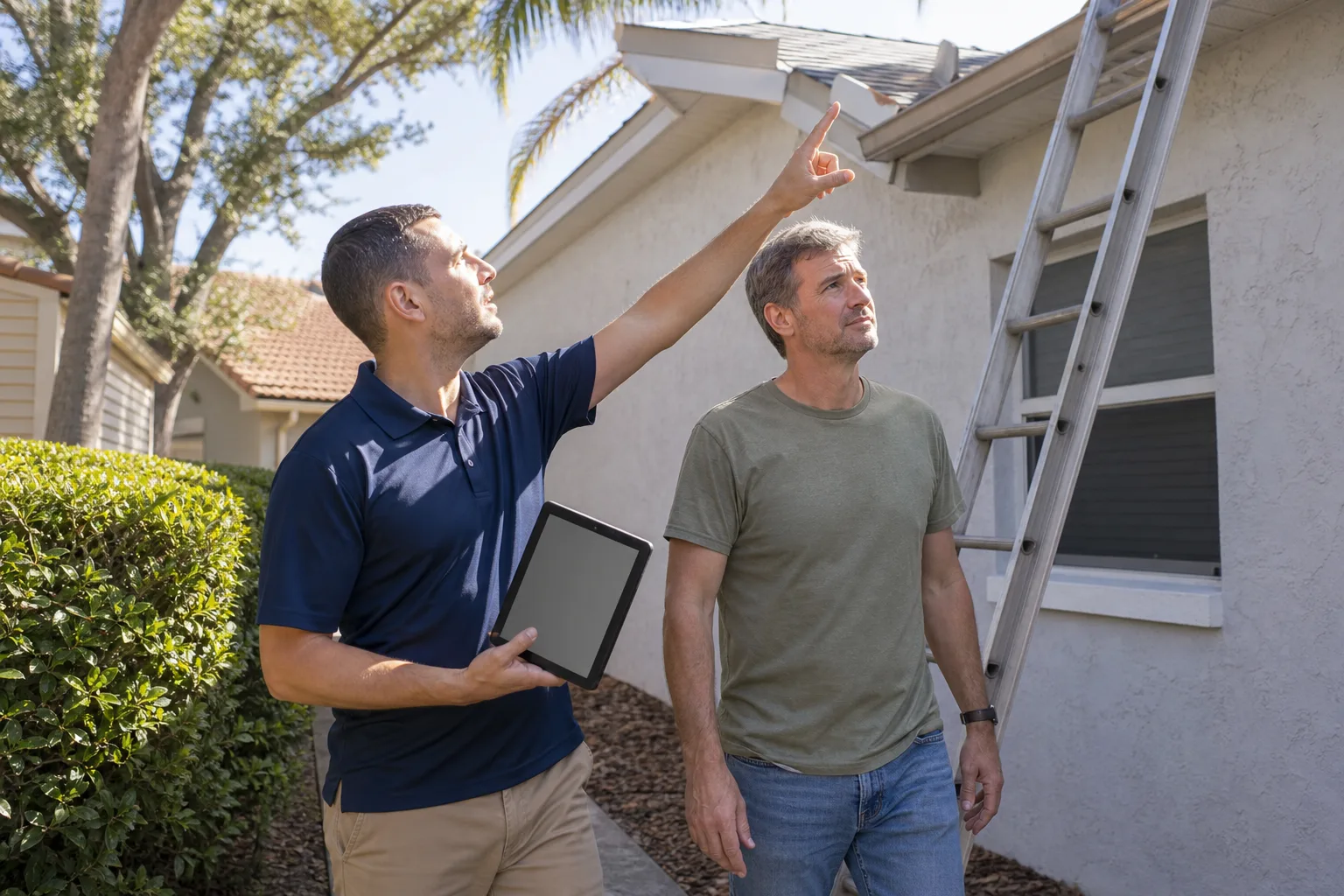
Stage 1: Site review and layout (day 1, half day). We measure the driveway, check the slope away from the garage, and confirm where water currently drains. For Pleasant Hill’s sloped lots, we note whether a channel drain or a small swale is needed so runoff doesn’t sheet toward the foundation. You decide the paver pattern and the border treatment here, because the border changes the cut count and the price.
Stage 2: Demolition and haul-off (day 1 – 2). The existing asphalt, concrete, or gravel comes out, along with roots and soft soil. On older homes near downtown, we sometimes find a buried walkway or a shallow utility line the original builder never documented, which adds a day and a call to the utility locator. You don’t decide anything at this stage; we just keep you updated on what the ground reveals.
Stage 3: Base prep and compaction (day 2 – 3). This is where a paver driveway lives or dies. We excavate 6 to 10 inches, lay geotextile fabric, then build up compacted Class II aggregate in lifts, wetting and plate-compacting each one. Our technicians have up to 12 years of experience reading soil, which matters here because the Diablo Valley’s expanding clay moves when the wet season arrives. You approve the final grade and slope before pavers go down.
Stage 4: Setting bed and pavers (day 3 – 4). A one-inch sand screed goes over the base, then the pavers get laid, cut around curves and the apron, and set with a rubber mallet and plate compactor. You confirm the pattern reads the way you pictured it before we sweep in the joint sand.
Stage 5: Edge restraint, joint sand, and final inspection (day 4 – 5). A hidden concrete or spiked edge locks the field in place, polymeric joint sand fills the gaps, and we walk the finished driveway with you. You get the written 730-Day Done Right Promise at handoff. If a paver settles or a joint opens, we come back and fix it.
Styles & brands we work with
- Kitchen remodeling
- Bathroom remodeling
- Home additions & ADU
- Roofing
- Windows & doors
- Driveway & pavers
- Fence
The Options You’ll Choose Between for a Paver Driveway
Approving “pavers” without picking a specific material and pattern is how homeowners end up surprised at the final number. Here’s what actually changes the result.
- Concrete pavers (interlocking). The most common pick in Pleasant Hill, and the one we install most. Standard grey or colored, 60mm thick for driveways. Durable, repairable one paver at a time, holds up to the valley’s hot summers. Belgard and similar lines give you a wide color range. Best value for most driveways.
- Clay brick pavers. Warmer color, longer lifespan, higher price per square foot. They suit the older ranchers near the downtown where a traditional look fits the block. Heavier and slower to install, so labor climbs.
- Permeable pavers. Open joints or spacer lugs let water drain through the base instead of running off. A real option on lots where runoff toward a neighbor or a creek-side slope is a concern. Higher material cost and a deeper base, but it can reduce drainage headaches.
- Pattern choice. A running bond is fastest and cheapest. Herringbone and basketweave cost more in cuts and labor but lock together harder under tire traffic. Herringbone is worth the extra on a driveway that takes a lot of turning load.
- Border and apron treatment. A contrasting soldier-course border frames the driveway and hides edge cuts. A decorative apron at the street adds curb appeal but adds material and time.
We source through Belgard and other verified partners, so you’re choosing between real samples, not catalog photos.
What Paver Driveways Cost in Pleasant Hill, CA
A paver driveway installation in Pleasant Hill runs $7,000 to $18,000. That range covers demolition, haul-off, base, pavers, edge restraint, and joint sand for a typical residential driveway. A full driveway replacement, if you’re tearing out old concrete at the same time, sits in the $5,000 to $14,000 band depending on removal volume.
Five things push a job from the low end to the high end:
- Square footage. A single-car apron and a three-car sweep are different projects. Price scales with area, not with the word “driveway.”
- Existing surface and removal. Old concrete is heavier to break and haul than asphalt or gravel, and it adds cost.
- Base depth and soil. Sloped lots on expansive clay need deeper excavation and more aggregate, which is common on the hillside edges of 94523.
- Material grade and pattern. Clay brick and herringbone cost more than standard concrete pavers in a running bond.
- Drainage work. A channel drain, swale, or permeable system adds line items but prevents water problems later.
A written estimate from us lists each of those lines separately, with no-hassle upfront pricing: the number you see is the number you pay. What’s often excluded elsewhere is drainage correction, utility relocation, and permit fees if a curb cut or right-of-way change is involved. We tell you those up front rather than mid-job. If the budget is the sticking point, 0% financing for 18 months and $1,000 off projects over $10,000 are standing offers.
See the difference
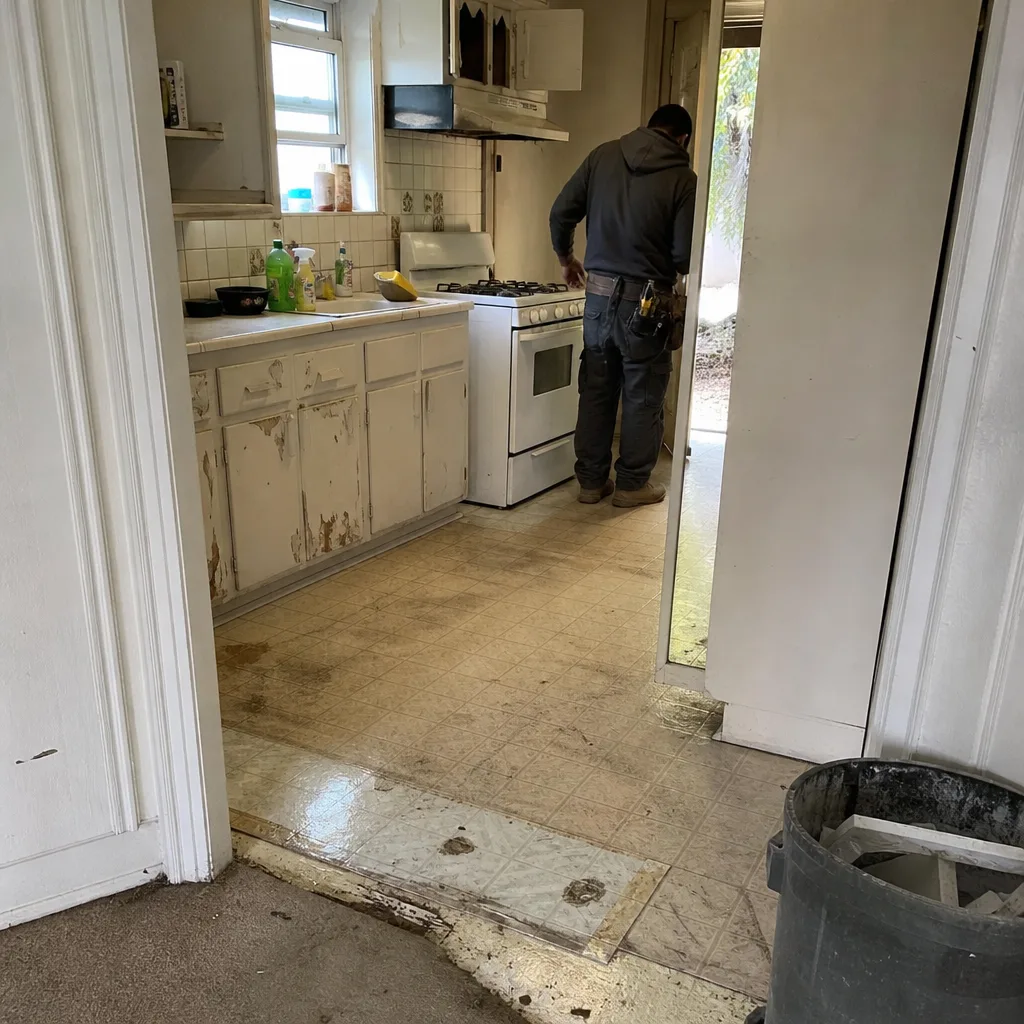 Before
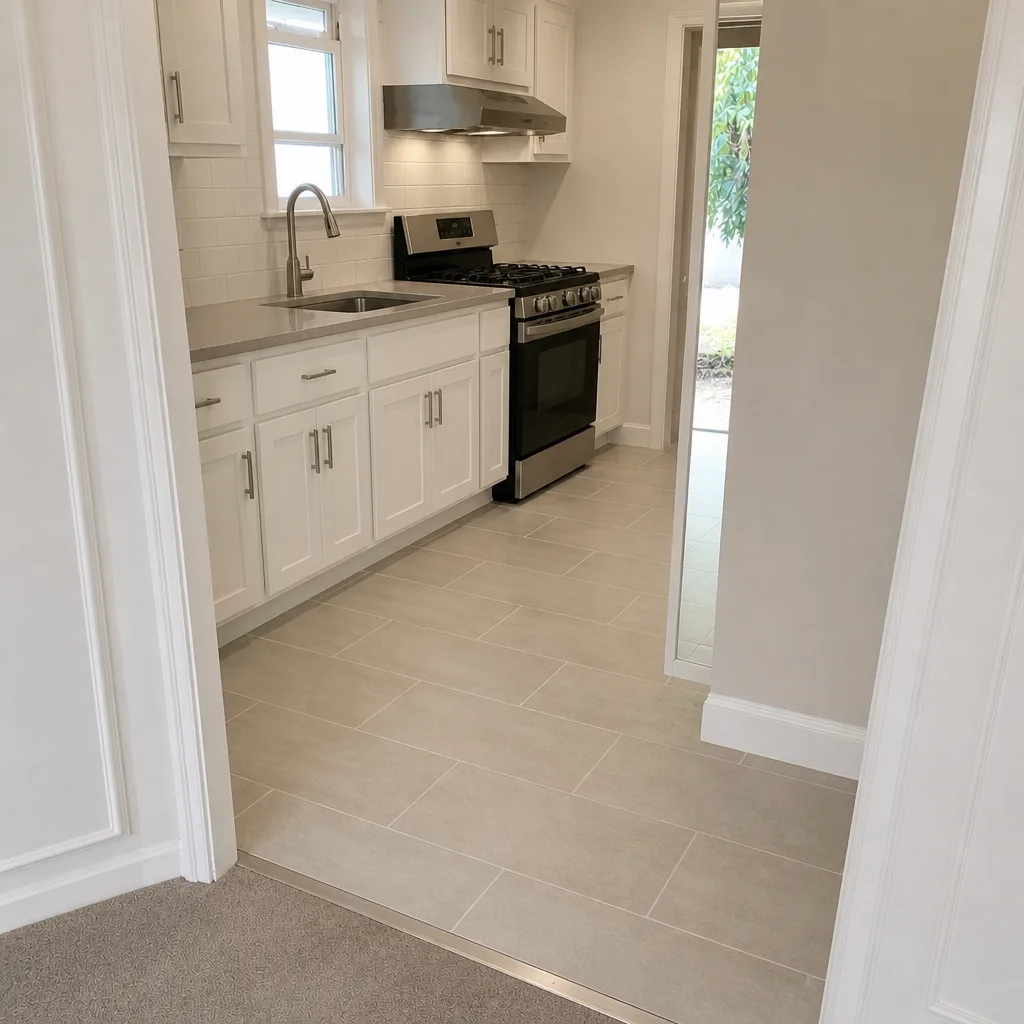 After
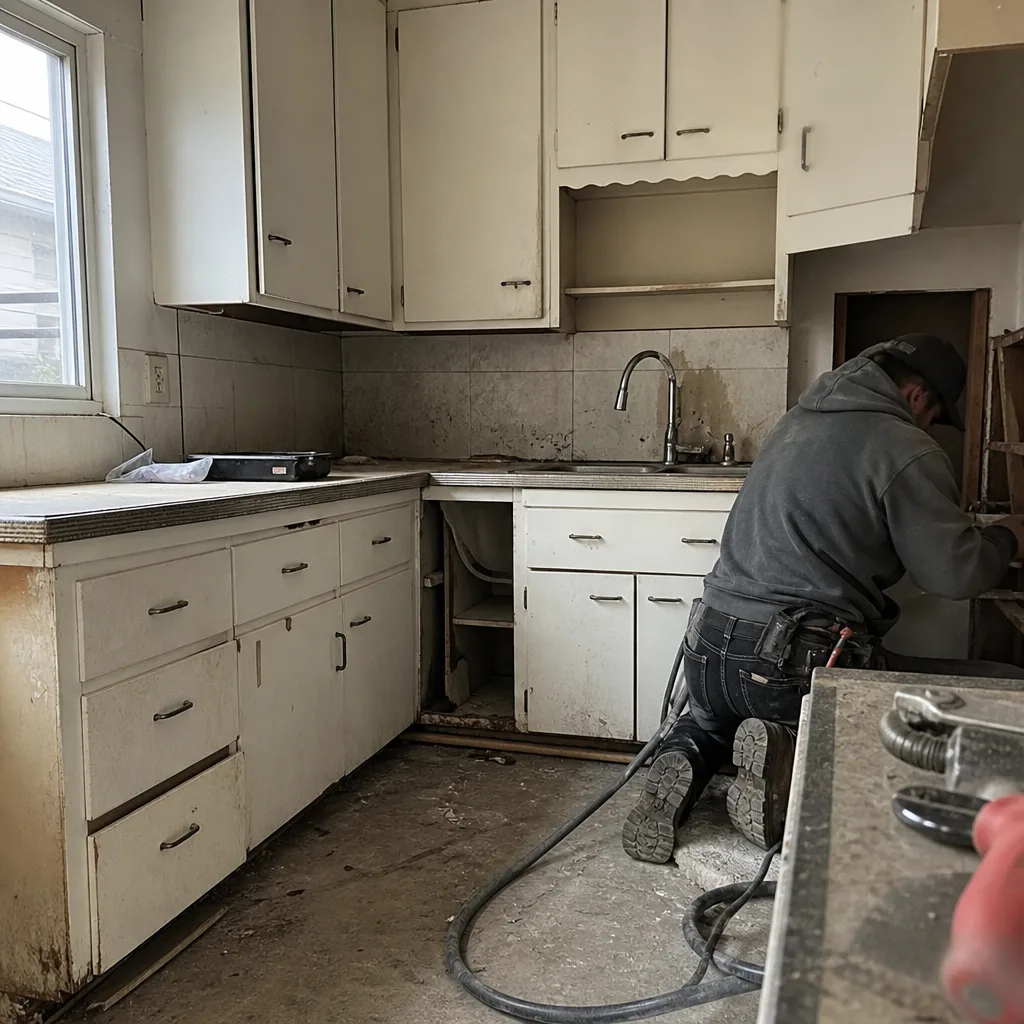 Before
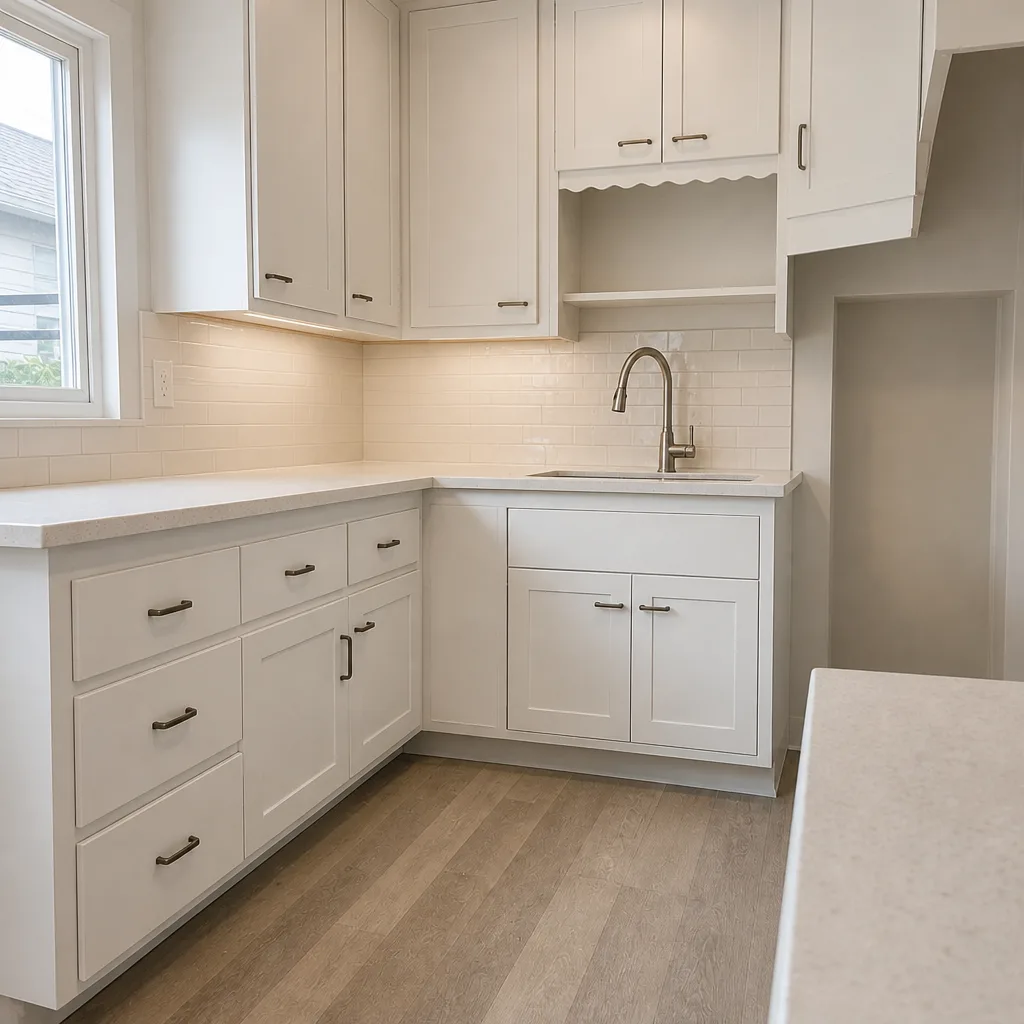 After
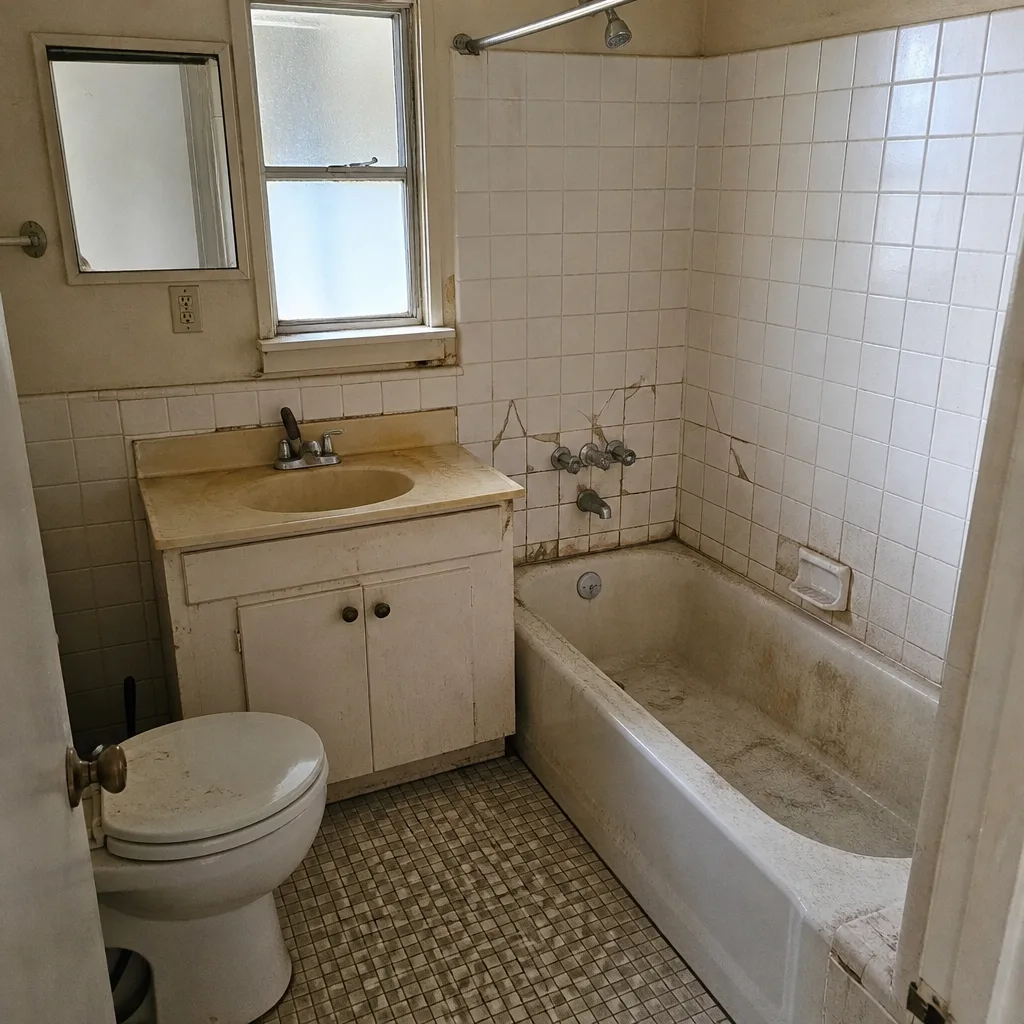 Before
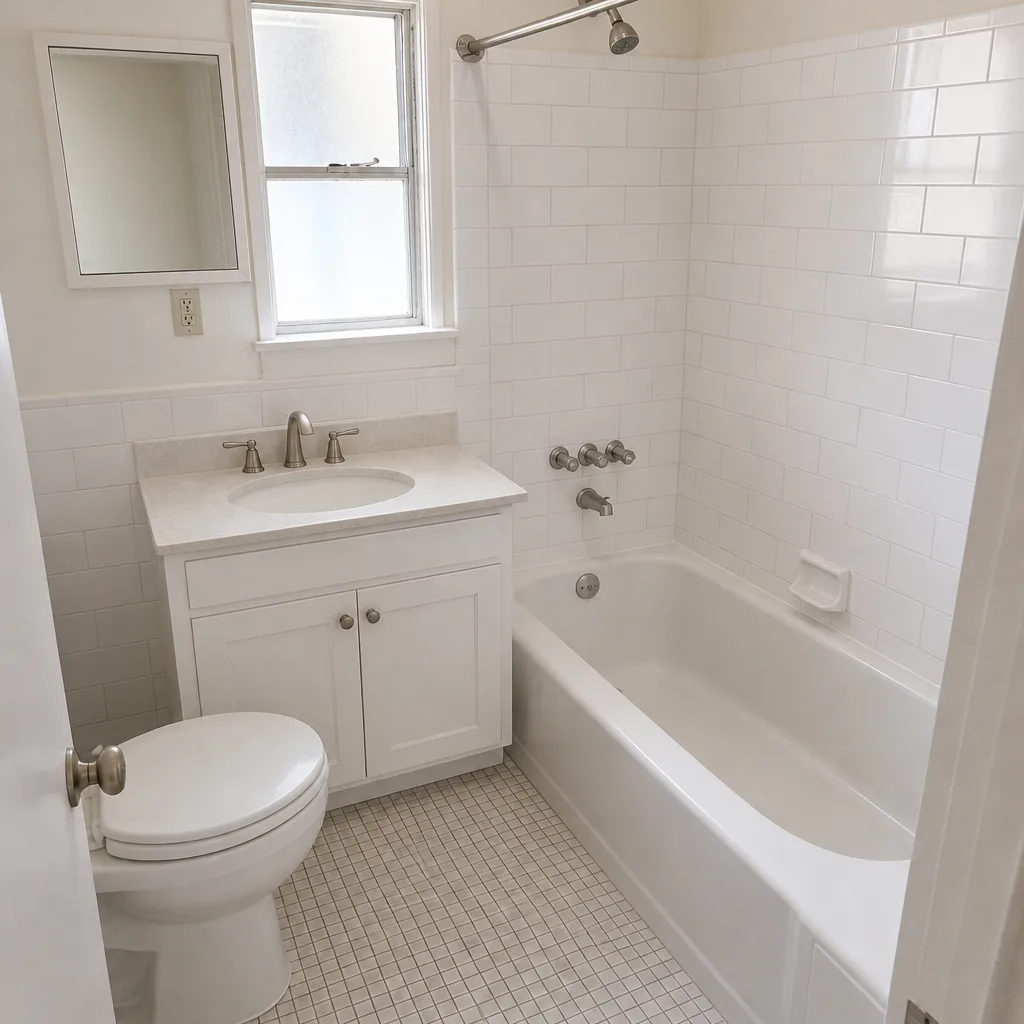 After
What Pleasant Hill Homes Specifically Do to a Paver Driveway Job
Pleasant Hill is a built-out, almost entirely post-WWII Contra Costa suburb. Nearly all the work here is remodel and rebuild, not new development, and that shapes a paver driveway more than you’d expect. The 1950s to 1970s ranchers and split-levels on generous lots around Gregory Gardens and the Poet’s Corner-style tracts often have shallow original slabs and settled aprons, so we’re frequently rebuilding the base from scratch rather than overlaying. The 1960s to 80s condo and townhome clusters near the downtown and the freeway bring a different problem: shared driveways and tight access, where staging and haul-off have to work around neighbors’ parking.
Two local conditions drive the price and the schedule. The inland Diablo Valley gets hot, dry summers and mild, wet winters, so we schedule the excavation and base work to avoid a rain-soaked open trench; a wet base that gets compacted is a base that fails. And the expanding clay soils common on the valley’s slopes mean we build deeper, better-drained bases than a flat inland lot would need. Before any paver goes down, we confirm the grade sheds water away from the garage and the house, because a driveway that pools is a driveway that heaves.
If the driveway is part of a full Driveway & Pavers in Pleasant Hill project, we coordinate the whole scope so the paver work and the rest don’t fight each other. Homeowners often pair this with Door Installation in Pleasant Hill after a new apron changes the garage approach, or with Cabinets & Countertops in Pleasant Hill when they’re refreshing the entry the driveway leads to. Our Driveway & Pavers service covers the wider category, and you can see everything we do across Pleasant Hill on our service-area page.
Serving Pleasant Hill, CA – Our Local Coverage Area
We serve Pleasant Hill and nearby communities. Use the map below to see the area we cover. If you’re nearby, we can almost certainly help.
Frequently Asked – Paver Driveways in Pleasant Hill
Most jobs take two to five working days, with the base stage the one that sets the pace. A simple single-car apron can wrap in two days; a wide, sloped driveway with drainage work runs closer to five. Call (855) 471-4163 and we’ll give you a realistic window for your specific lot.
Many residential driveway replacements don’t need a building permit, but anything touching the curb, the right-of-way, or drainage tied to the City’s review does. We check the requirement for your address before work starts and pull what’s needed. Call (855) 471-4163 with your address and we’ll tell you where you stand.
Yes, in the vast majority of cases. A driveway sits outside the house footprint, so plumbing and framing aren’t in the way unless a utility line runs under the apron. We locate utilities first and work around them. Call (855) 471-4163 to schedule the site check.
Expect $7,000 to $18,000 for a full install, with size, base depth, material, pattern, and drainage driving the final number. Call (855) 471-4163 for an exact quote; estimates are free.
Every paver driveway we build is covered by our 730-Day Done Right Promise: if it’s not done right, we make it right. Call (855) 471-4163 to talk through the details before you commit.
Get a Free Paver Driveway Estimate in Pleasant Hill
We’ll come out, measure the driveway, look at the base and drainage, and hand you a written line-item price with no surprises. That’s the whole visit. Call (855) 471-4163 and a live person answers, any hour, any day. We’ll book a time that works, walk the site with you, and answer every question about pavers, base, and cost before you spend a dollar. Estimates are free, and the number we quote is the number you pay.
Written by the team at Groundwork Construction Co.