Free written scope consultation - allowances, timeline, and change-order rules on paper before a single trade is scheduled
Styles & brands we work with
- Kitchen remodeling
- Bathroom remodeling
- Home additions & ADU
- Roofing
- Windows & doors
- Driveway & pavers
- Fence
See the difference
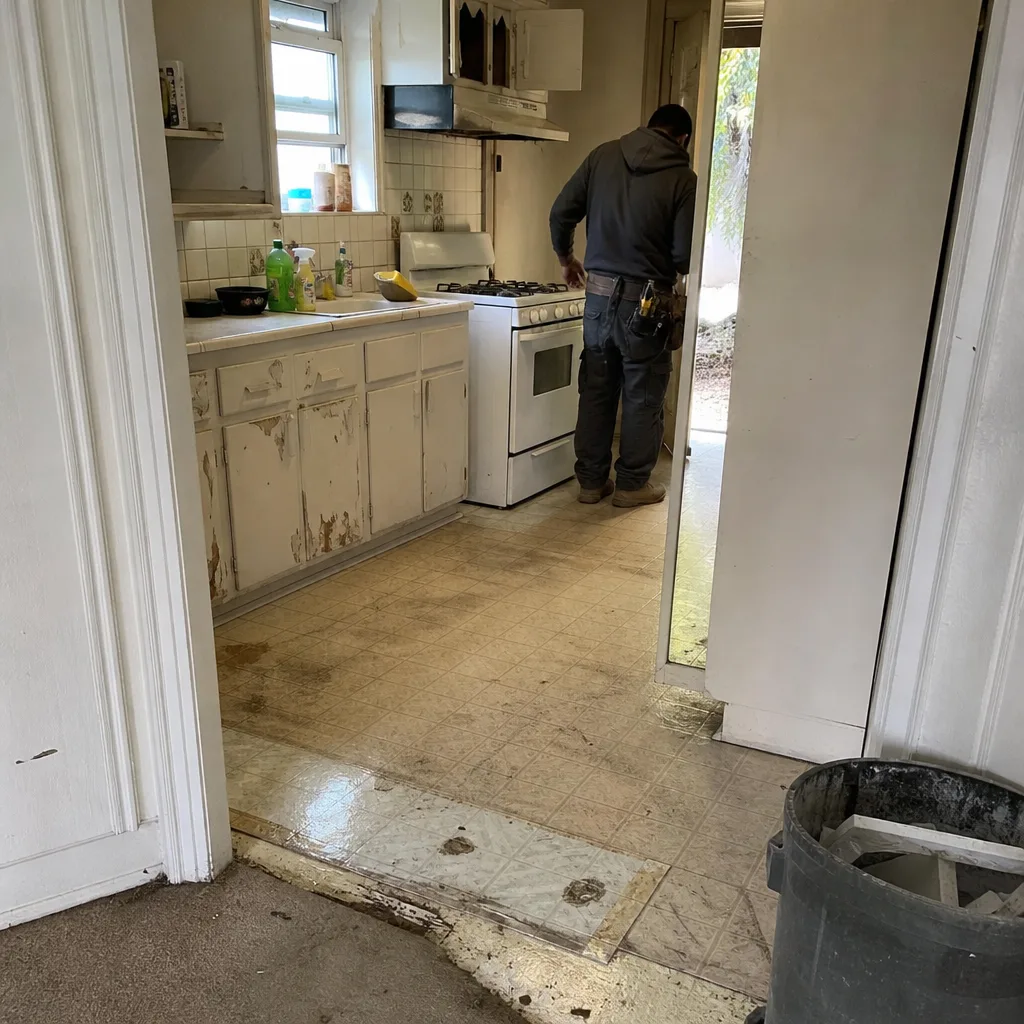 Before
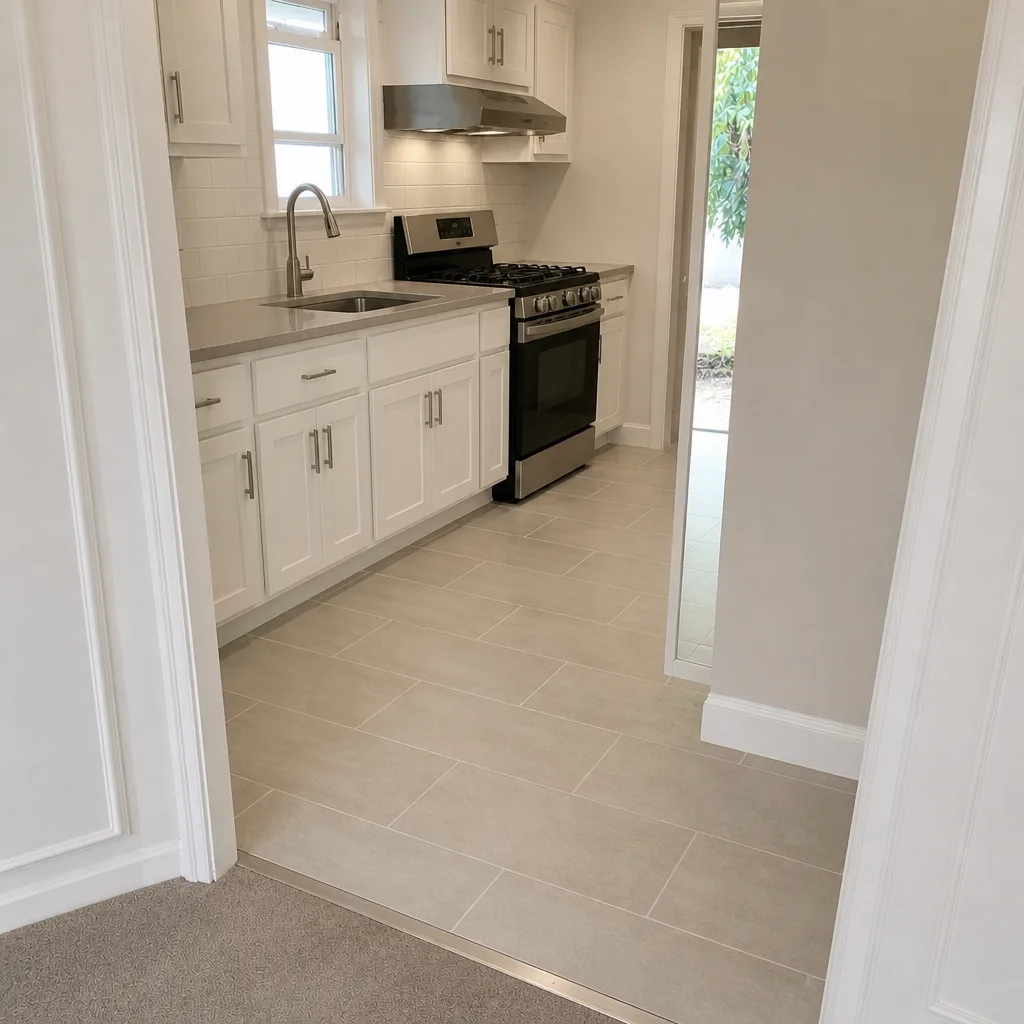 After
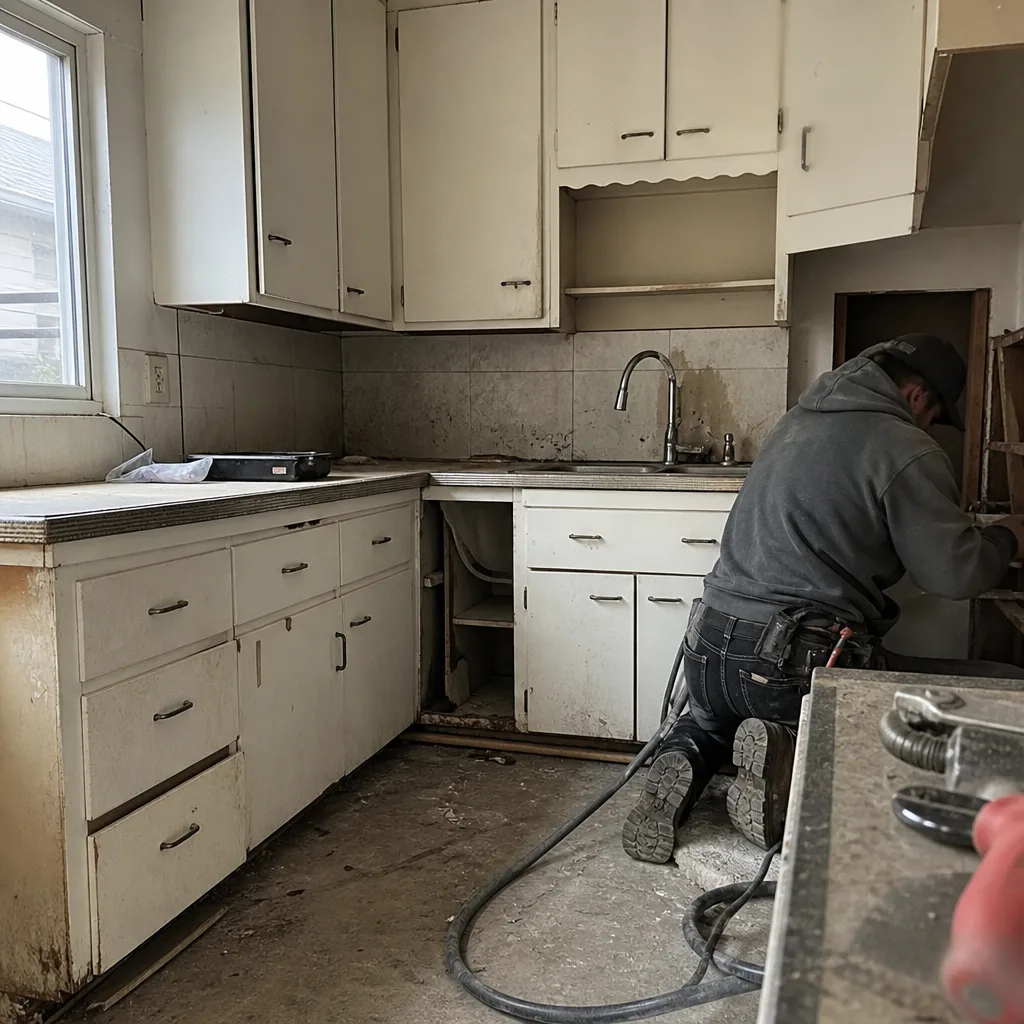 Before
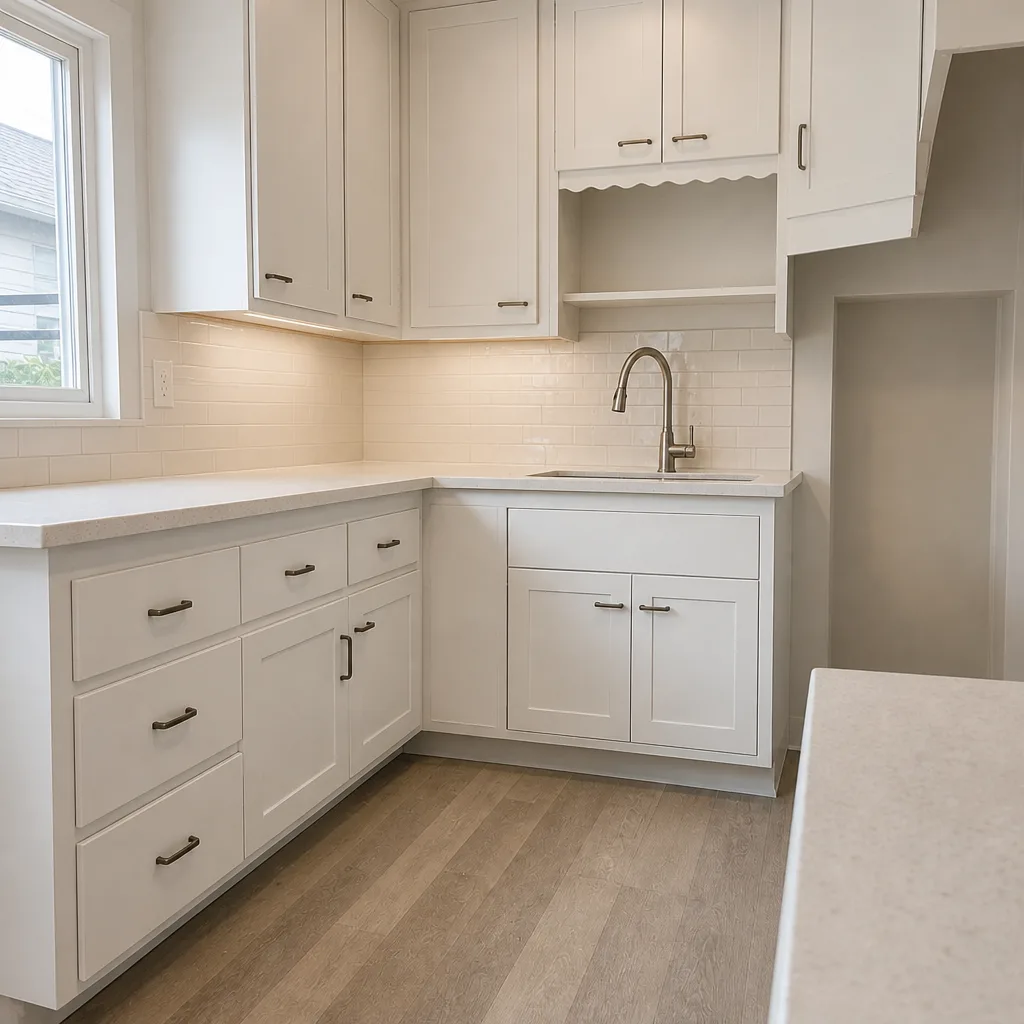 After
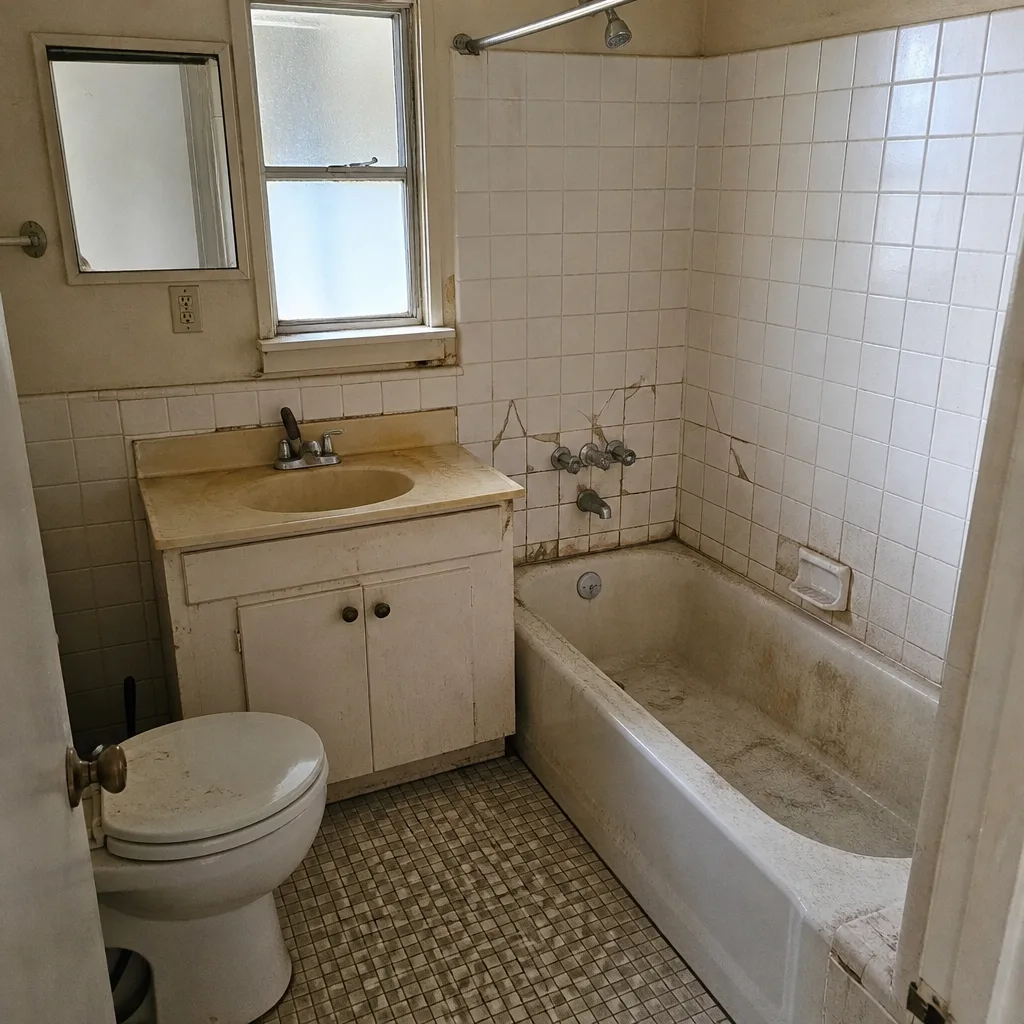 Before
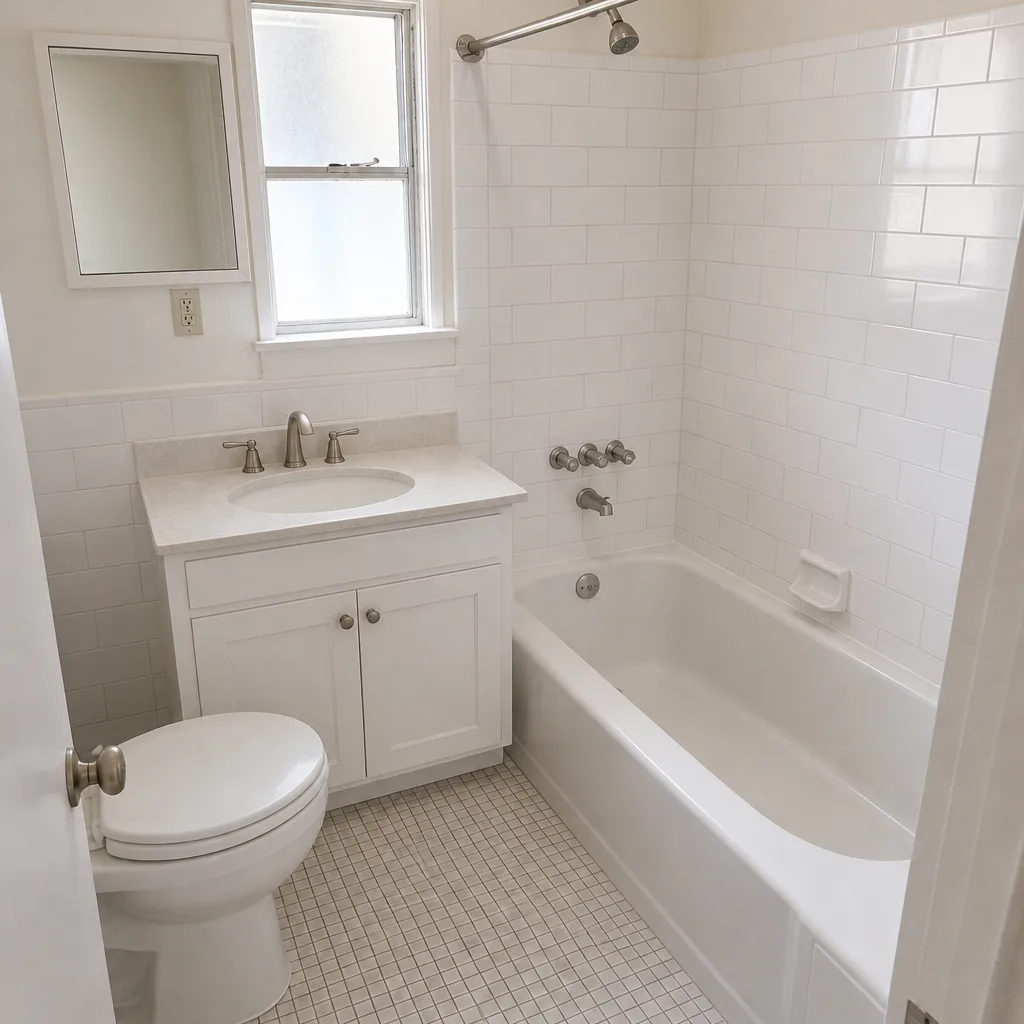 After
What Is Low-E Glass? A Berkeley Homeowner’s Guide to Getting the Coating Right
Low-E glass is window glass with a microscopically thin metallic oxide coating that reflects infrared radiation – the part of sunlight that carries heat – while letting visible light pass through. In Berkeley, choosing the right Low-E formulation matters more than most explainers admit, because our fog-belt climate and our hillside heat exposure pull the correct specification in opposite directions. Pick the wrong coating and you’ll live with it for 30 years.
Groundwork Construction Co. of Berkeley handles Windows & Doors projects across the city, and we’ve seen how a single off-the-shelf glass package can leave one room cold and another room glaring. If you’d rather talk it through with someone who reads spec sheets for a living, call (855) 471-4163.
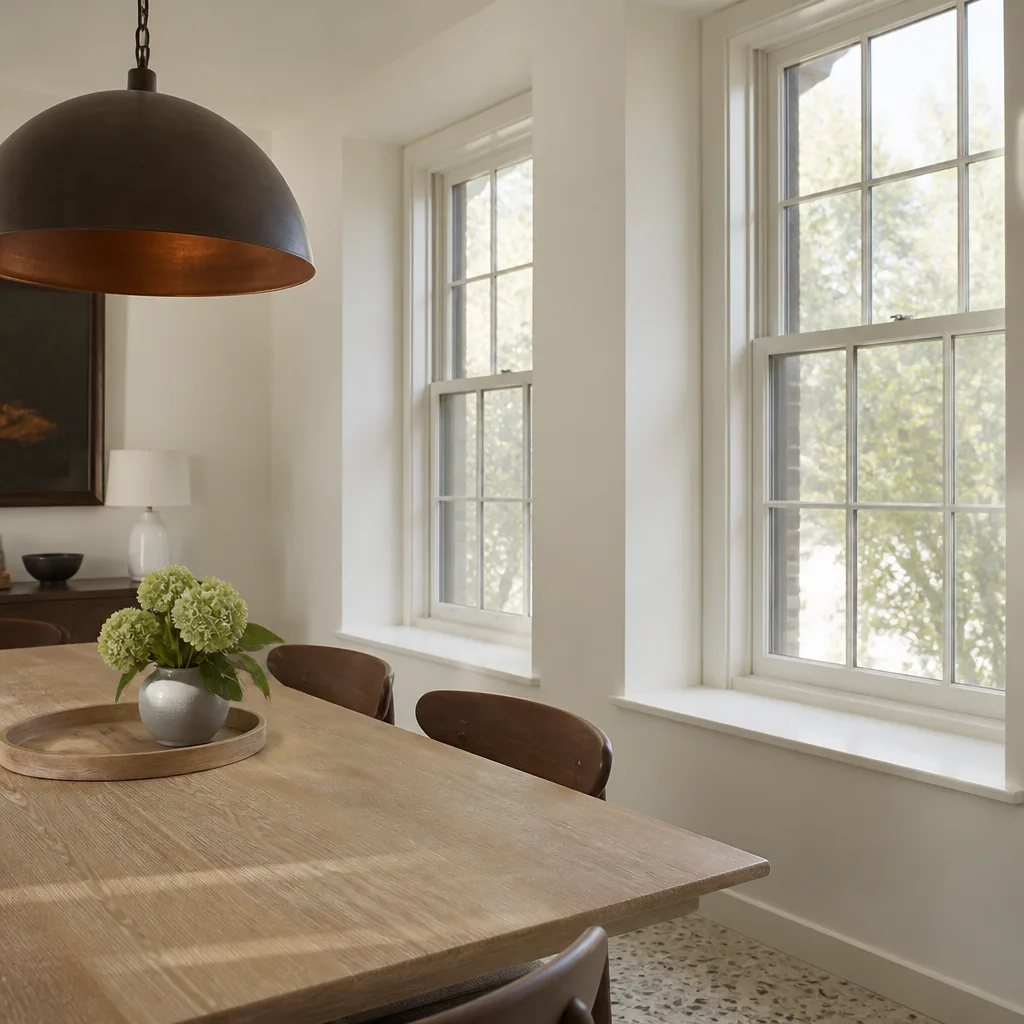
Why Berkeley Isn’t One Climate (And Why Your Glass Shouldn’t Be Either)
Drive from the flats near San Pablo Avenue up into the hills and you cross two different thermal zones in fifteen minutes. On a September afternoon the fog can sit over the west side at 62°F while the east-facing hills run past 95°F. That split is the whole reason a “good” Low-E coating on one side of town can be the wrong coating on the other.
A west-facing Elmwood bungalow spends much of the year under marine layer. It wants solar heat gain. An east-facing hillside home above the Caldecott corridor is the opposite story: it catches the inland heat events that roll through the Diablo Valley, and glass with a high solar gain coefficient turns those afternoons into a greenhouse. Same city, same house style, two different answers.
The building stock reinforces it. Berkeley’s early-1900s Craftsman bungalows, Victorians, and brown-shingle boxes were framed before anyone thought about solar orientation. Original single-pane wood sash is common, and much of it is worth keeping. That’s why we start every window conversation with the floor plan and a compass, not a catalog.
Hard-Coat vs. Soft-Coat: The Low-E Distinction Most Homeowners Never Hear
Low-E isn’t one product. The two families behave differently, and the trade-off matters more than most marketing suggests.
- Hard-coat (pyrolytic) Low-E is applied while the glass is still molten, so the coating fuses into the surface. It’s durable, handles cleaning and handling well, and works fine in a single-glazed or storm-window setup. Its thermal performance is modest compared with soft-coat.
- Soft-coat (sputtered) Low-E is deposited in a vacuum chamber after the glass is made. It delivers the stronger U-factor numbers and is the standard choice for modern sealed insulating units. The catch: the coating is delicate and lives on the inside face of the sealed assembly, so it can’t be exposed to weather or scrubbing.
For Berkeley homes with protected original sash, hard-coat retrofit glazing is often the realistic path because it survives handling and can sit in an existing frame. For a full window replacement, soft-coat inside a sealed dual-pane unit does the heavier lifting.
The Number That Actually Decides Your Comfort: SHGC
Solar Heat Gain Coefficient (SHGC) measures how much of the sun’s heat energy gets through the glass. It runs from 0 to 1, and lower means less heat admitted. U-factor is the mirror image – it measures how fast heat escapes. Here’s where Berkeley homeowners get tripped up: those two numbers can’t both be maximized, so orientation has to drive the decision.
| Berkeley Exposure | What Matters Most | Typical Glass Target |
|---|---|---|
| West-facing, fog-belt flats | Winter heat retention, some solar gain on gray days | Higher SHGC, strong U-factor |
| East / south-facing hillside | Summer heat rejection during inland heat events | Lower SHGC, moderate U-factor |
| North walls, any side of town | Insulation only, no direct sun | Lowest U-factor available |
We’ve watched a single glass SKU get ordered for an entire house – because it was convenient – and the south-facing rooms end up with glare and afternoon heat the homeowner can’t solve with blinds. That’s the mistake this page exists to prevent.
Title 24 Compliance Depends on Which Wall You’re Looking At
California’s Title 24 energy code sets U-factor and SHGC minimums for windows, and those minimums are orientation-specific. A window that passes inspection on the north wall of a Berkeley home can fail on a south wall of the same house. The prescriptive compliance path evaluates each rough opening against how much sun it actually receives.
This is why glass selection has to happen with the plans open on the table, not from a spec sheet alone. Groundwork Construction Co. of Berkeley builds a Title 24 orientation review into the pre-project scoping on window work. We map every opening to its compass direction, confirm the required U-factor and SHGC, then order the matching coating per rough opening. One house. Several glass specs. That’s normal here.
Andersen and Marvin both publish orientation-specific Low-E packages for exactly this reason, which is one advantage of working with a curated portfolio of brand partners rather than a single available SKU. Between the two, and alongside a broad range of trusted manufacturers, we can usually match the right coating to the right wall instead of compromising one room to serve another.
Historic Districts: When Low-E Glazing Is the Only Legal Path
Plenty of Berkeley homes sit in areas where architectural character is a protected asset. Original single-pane wood-sash windows in a Craftsman bungalow often can’t simply be ripped out and replaced with a modern vinyl unit – the Landmarks Preservation Commission and the city’s historic review process exist to keep those façades intact.
Low-E retrofit glazing solves this: you keep the existing sash and frame, and replace only the glass with a Low-E unit built to fit. In the right circumstances it’s both the code-compliant path and the historically appropriate one. It also tends to be the friendlier option on the budget.
Berkeley’s construction market already sits at the intersection of strict green-building rules, seismic requirements, and historic preservation, so window work here is never just a product swap. If you’re in the Elmwood or North Berkeley flats and the framing underneath is original redwood, expect that pulling the window permit may surface other discoveries – which is why we scope the whole assembly before the first pane is ordered.
What Low-E Window Replacement Costs in Berkeley
Glass itself runs a small fraction of the total; the labor, frames, and title-scoping make up most of the bill. Here’s how the ranges break down for Berkeley homes.
| Scope | Price Range |
|---|---|
| Window replacement (whole-house) | $4,500-$15,000 |
| Impact window installation | $8,000-$25,000 |
Upfront pricing, no surprises – the number you see is the number you pay. And with 0% financing for 18 months plus $1,000 off projects over $10,000, a whole-house window package is more reachable than the sticker suggests. Every project carries the 730-Day Done Right Promise: if it’s not done right, we make it right.
Should You Call a Pro, or Is This a DIY Call?
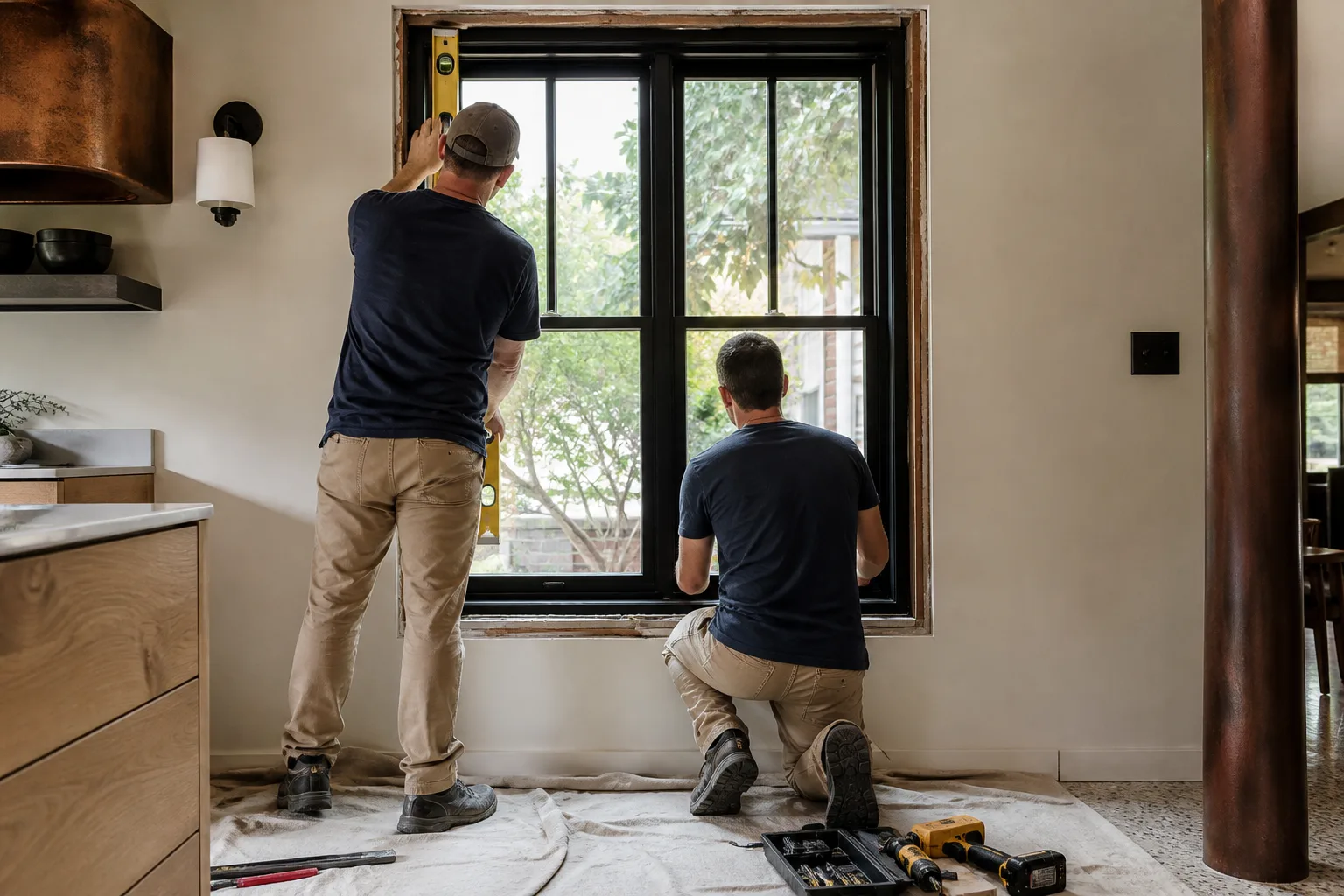
Reading a spec sheet is fine. Removing and reinstalling sealed glazing units in a framed opening, then confirming the assembly against Title 24 per orientation, is a different job – one where a mismeasured unit or a damaged soft-coat surface means a reorder and a reinstall. If you’re just trying to understand what Low-E is, you’ve got your answer above. If you’re picking coatings for a real house in Berkeley, it’s worth having someone walk the openings with you.
FAQs
Yes, but only when the coating matches the orientation of each window. In Berkeley’s fog belt, west-facing glass with a bit more solar gain can help on cold gray days, while east-facing hillside glass needs a lower SHGC to block the summer heat that pushes past 95°F inland. One coating for the whole house usually gets one side of town wrong.
Hard-coat (pyrolytic) Low-E fuses into the glass while it’s still molten, so it’s durable and can work in retrofit or storm-window setups; soft-coat (sputtered) Low-E is applied afterward in a vacuum and delivers stronger insulation but must stay sealed inside the glass unit. For protected historic sash, hard-coat retrofit glazing is often the practical pick; for full replacement, soft-coat inside sealed dual-pane does more.
Often yes, by replacing only the glass in your existing sash rather than the whole window. This matters in Berkeley historic districts, where original wood-sash character may be protected and full replacement may not pass review. Low-E retrofit glazing lets you keep the frame and gain the thermal benefit.
Because the code evaluates each window against how much sun it receives, so its U-factor and SHGC minimums vary by orientation. A unit that meets spec on a north wall of a Berkeley home may fail on a south wall of the same house, which is why glass selection belongs with the actual floor plan in hand, not off a single spec sheet.
If you’d rather have it looked at, Groundwork Construction Co. of Berkeley offers a no-pressure assessment in Berkeley – call (855) 471-4163 for a free estimate. We answer live, 24/7, and our technicians bring up to 12 years of experience to every job.
Written by the team at Groundwork Construction Co. of Berkeley, serving Berkeley, CA.