Last updated November 18, 2026






Free written scope consultation - allowances, timeline, and change-order rules on paper before a single trade is scheduled
Construction Emergency Preparedness Guide for Berkeley Homes
The 1991 Oakland-Berkeley Tunnel Fire destroyed 2,843 homes in a neighborhood that had been told its fire risk was manageable. Thirty-four years later, most of the same street conditions still exist, and new construction has often been built directly into the same access choke points. That’s the uncomfortable truth this guide starts from: Berkeley doesn’t face one hazard at a time. It faces a cascade. An earthquake ruptures a gas line, the leak feeds a fire, and the fire races up a hillside where narrow one-lane roads block the engines that could stop it. This guide prepares Berkeley homeowners for that real failure sequence, not the tidy categories insurance brochures use.
Quick Answer
Construction emergency preparedness in Berkeley means preparing for a cascade, not a single hazard: seismic shaking damages gas and water lines, those failures feed fire risk, and hillside access problems slow every response. The work that matters most is done before an event – documenting your structure for insurance, hardening the connections and materials most likely to fail, clearing defensible space, and knowing exactly who to call for permits and repair. Most of it costs far less than the damage it prevents.
Styles & brands we work with
- Kitchen remodeling
- Bathroom remodeling
- Home additions & ADU
- Roofing
- Windows & doors
- Driveway & pavers
- Fence
Table of Contents
- How to Rank Your Berkeley Parcel’s Risks
- Why Berkeley’s Hazards Work as a Cascade
- Pre-Event Documentation Your Insurer Will Demand
- Defensible Space and the Construction Decisions That Affect It
- The Emergency Contacts to Have Ready Before an Event
- Hardening Your Home: What Actually Helps
- How to Evaluate Post-Disaster Construction Bids
- Emergency Permits and the Berkeley Building Process
How to Rank Your Berkeley Parcel’s Risks
Not every Berkeley home faces the same threat profile. A flat lot in south Berkeley near the Oakland line and a stilted house on a steep Panoramic Hill parcel share a zip code and almost nothing else. Ranking your risks correctly is the foundation of everything else, and you can do most of it with public data before you spend a dollar on construction.
Here’s a practical priority matrix, built for Berkeley’s actual geography:
- Pull your seismic hazard data. USGS and the California Geological Survey publish liquefaction and landslide susceptibility maps by parcel. Berkeley’s flatlands near the marina and the bay fill carry different liquefaction exposure than the Berkeley Hills, where shaking amplifies on steep slopes.
- Cross-reference fire hazard zones. Cal Fire’s Fire Hazard Severity Zone maps classify much of the Berkeley Hills as Very High. If your parcel sits in that zone, fire moves up your priority list immediately – and defensible space requirements become mandatory, not optional.
- Check your flood and drainage exposure. Berkeley gets intense winter storms, and the same hillside lots that face fire risk also channel runoff. A parcel high on a slope can flood a neighbor’s basement and undermine its own retaining walls.
- Map your access route. Drive your own street and honestly assess its width, turnarounds, and choke points. A single-lane road lined with parked cars tells you what a fire engine will face.
- Rank by cascade potential, not isolated probability. A parcel that is moderate on all three hazards but sits on a steep, single-access road is often a higher real-world priority than one that’s extreme on one axis and flat with wide streets.
For a Berkeley homeowner, the matrix usually lands somewhere specific: hillside parcels prioritize fire and access first, seismic second; flatland parcels prioritize seismic and liquefaction first. Write your ranking down. It determines every decision that follows, from fence material to where you store your utility shutoff tools.
Why Berkeley’s Hazards Work as a Cascade
Most preparedness advice treats wildfire, earthquakes, and flooding as three separate checklists. In Berkeley they’re a chain reaction. When the Hayward Fault ruptures – as it will, on its roughly 140-year recurrence cycle – the shaking doesn’t just crack plaster. It shears gas lines, breaks water mains, and shifts foundations on slopes. Those damaged gas lines are ignition sources. The water main breaks can leave hydrants dry just as fires start. And the fires that follow a major quake start in dozens of places at once, overwhelming a response system already stretched by a damaged road network.
Then the hillside finishes the job. Berkeley’s narrow canyon roads – the ones winding through the hills above campus – were never built for modern fire apparatus. In 1991, that bottleneck turned a manageable fire into one that jumped containment lines. New construction wedged into those same choke points today doesn’t improve the odds.
What this means for how you prepare:
- Your gas shutoff knowledge matters more than you think. After a quake, a ruptured line near your foundation can feed a fire for hours before anyone reaches it. Knowing where your meter is and how to shut it off safely is a fire-prevention step, not just a seismic one.
- Access is a resilience asset. A clear, wide driveway with a proper turnaround isn’t landscaping – it’s infrastructure that lets emergency crews reach your home.
- Water independence buys time. If mains break, a stored water supply and functional gravity-fed options keep you covered until service returns.
- Fence and retaining wall choices are fire choices. A wood fence running up a slope is a fuse. The materials decisions covered in Fence Installation in Berkeley do double duty as wildfire defense.
We’ve seen this pattern in the field more than once: a homeowner who hardened for fire but left a vulnerable gas connection and a blocked driveway ended up less protected than a neighbor who addressed the cascade. Prepare for the chain, not the link.
Pre-Event Documentation Your Insurer Will Demand
After a disaster, the hardest construction documentation problem isn’t rebuilding – it’s proving what you lost. Insurance adjusters work from evidence, and a home that burned or cracked down its foundation leaves very little behind. The Berkeley homeowner who built a thorough pre-event record gets faster settlements and fewer disputes. The one who relied on memory gets a lowball offer and a fight.
Build this record now, and store a copy somewhere off-site – cloud storage plus a physical copy with a relative outside the region:
- Photograph every room, wall, and finish. Open closet doors, photograph inside cabinets, capture appliance serial numbers. Empty walls don’t reconstruct themselves in an adjuster’s estimate.
- Document structural systems specifically. Foundation type, cripple wall construction, anchor bolting, roof framing, and sheathing all matter for both claims and rebuild scoping. Berkeley’s older hillside homes often have structural details an adjuster will question without photos.
- Keep contractor and permit records. Retain every remodeling contract, permit number, and material spec sheet. If your kitchen was rebuilt with KraftMaid cabinetry and Cambria counters, that upgrade is claimable – if you can prove it. A contractor who documents their work with line-item pricing gives you the paper trail for free.
- Record a walkthrough video. Narrate what you’re seeing, with dates. It takes twenty minutes and settles arguments.
- Inventory outdoor and structural assets. Fences, driveways, pavers, retaining walls, and outbuildings are all claimable and all routinely undercounted. A driveway and landscape installation documented properly on completion is far easier to claim later.
Brand and material records carry real weight here. When a contractor specifies GAF or CertainTeed roofing, that specificity becomes part of your claim file. Vague “new roof” entries invite disputes; “GAF architectural shingles installed [date], permit [#]” doesn’t. Documented craftsmanship also feeds directly into the value of any written warranty you hold – including the 730-Day Done Right Promise, which is only as useful as the record that anchors it.
Defensible Space and the Construction Decisions That Affect It
Berkeley’s hillside fire zones come with concrete defensible-space requirements, and those requirements overlap directly with construction choices many homeowners make without thinking about fire at all. A new deck, a wood fence, a hedge, a shed – each reshapes the fuel profile around your home. The state’s defensible space framework generally divides the property into zones: immediate clearance near the structure, a reduced-fuel zone extending further out, and access considerations beyond that. Berkeley’s own requirements build on the state model.
Where construction and defensible space collide:
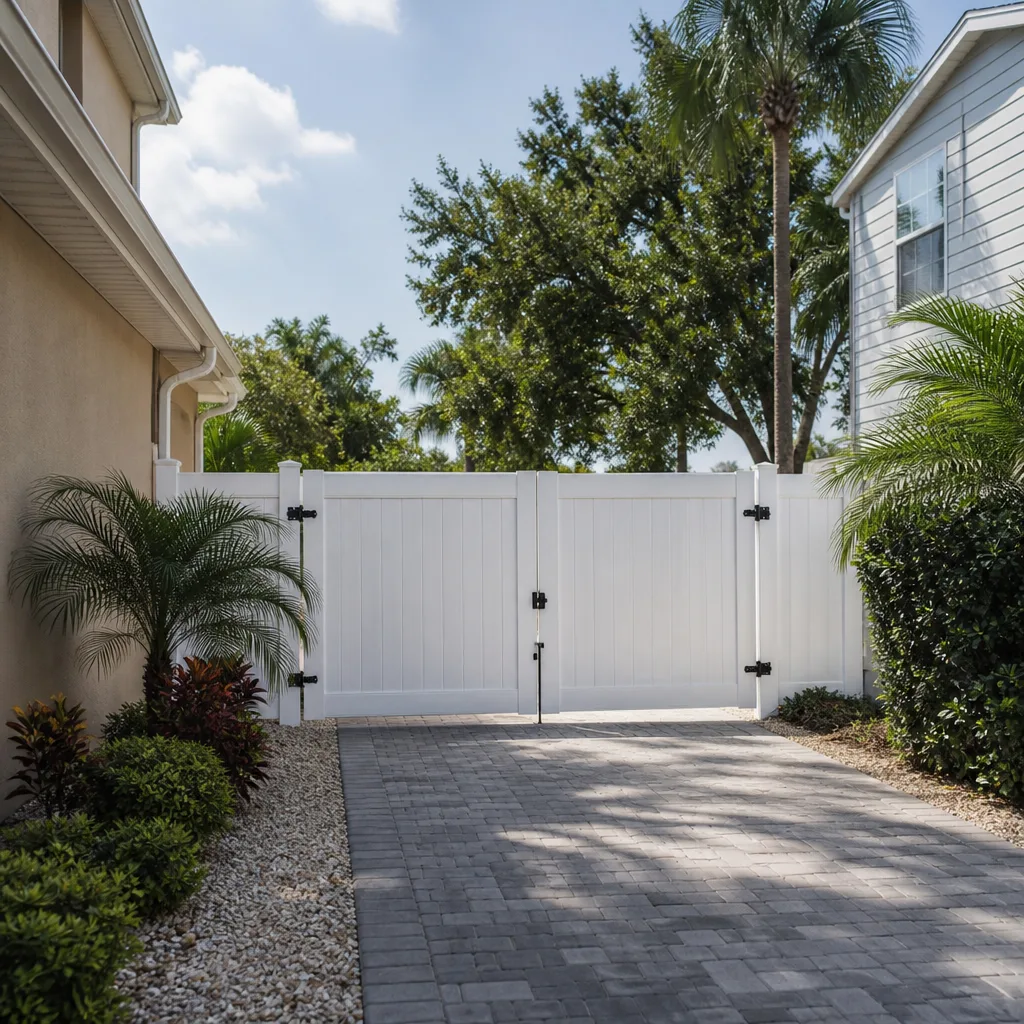
- Fences. A continuous wood fence climbing a hillside acts as a wick – fire travels along it straight to your house. In high-hazard zones, the material and construction choices matter enormously. Non-combustible fence construction and proper setbacks from the structure are among the most effective upgrades available.
- Decks and overhangs. The space under a deck collects leaf litter and dry debris. Enclosing or clearing it removes a classic ignition pocket.
- Retaining walls. Beyond their job holding slope in place during seismic shaking, non-combustible retaining walls (concrete, stone, block) double as firebreaks when sited thoughtfully.
- Landscaping and irrigation. The plants closest to the structure should be the least combustible and the best irrigated. That’s a landscaping decision, but it’s a fire-defense decision first.
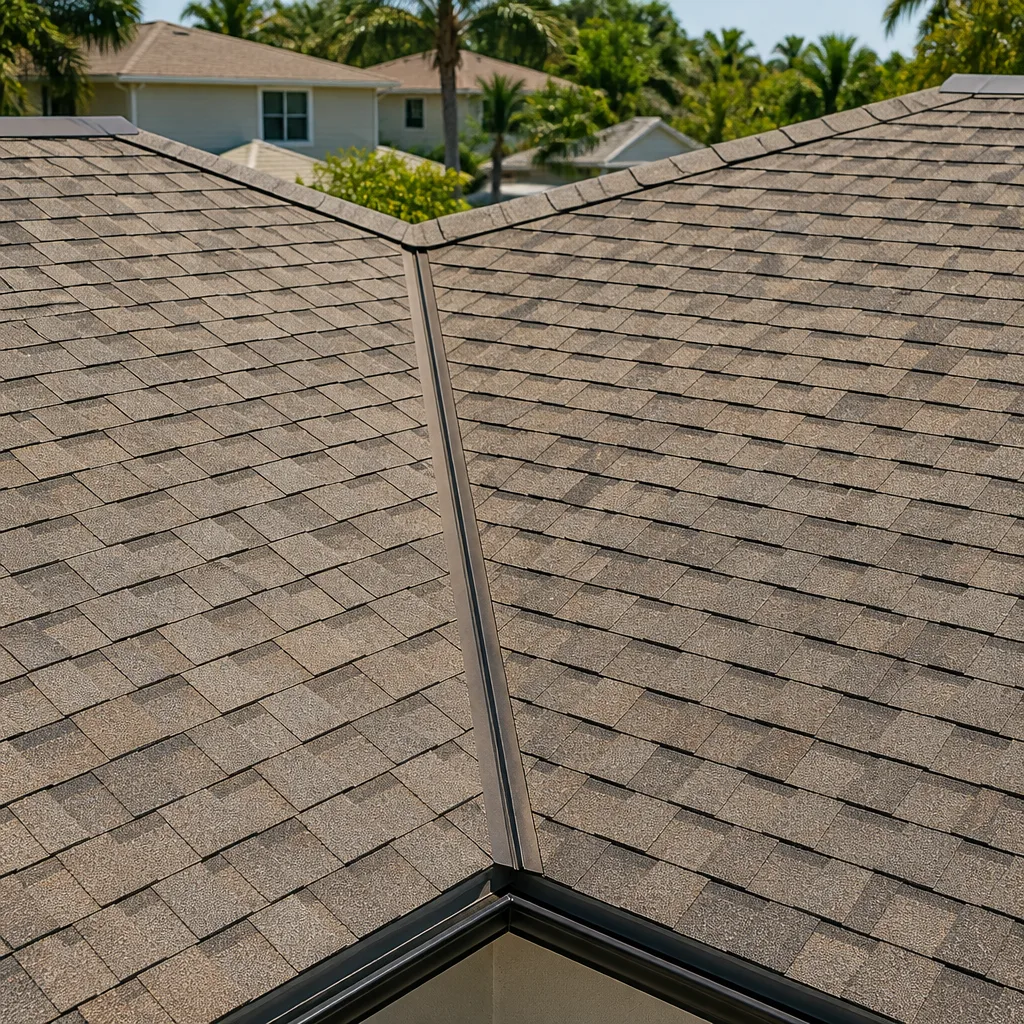
- Roofing and vents. Ember intrusion through vents and roof edges is a leading ignition path. When roof work happens – or is scheduled – ember-resistant venting and Class A roofing materials are worth specifying.
Many Berkeley homeowners discover they can fold fire hardening into planned improvements without extra cost when the project is scoped correctly from the start. If a fence is being replaced anyway, choosing the defensible option is essentially free. If a retaining wall is going in, the seismic and fire considerations ride along. Our Driveway & Pavers in Berkeley and fence work routinely incorporate these decisions because the hillside demands it.
The Emergency Contacts to Have Ready Before an Event
During a real emergency, nobody’s searching for a phone number through a cloud account they can’t log into. The response depends on what’s already written down and physically available – on the fridge, in a go-bag, in a wallet. Build the list now.
Utility shutoff protocol. Know where your gas meter is and keep a proper wrench stored near it. Know your main water shutoff and your electrical panel location. We strongly recommend a licensed professional show you the gas shutoff procedure at least once – and flagging the obvious: gas is genuinely dangerous, and a gas leak after a quake should always be handled by emergency services and utility crews, never by a homeowner trying to fix it. A professional can walk you through the safe shutdown sequence and confirm which requires utility response versus trained hands.
Emergency permit contacts. Berkeley’s Building and Safety division publishes emergency-permit procedures that activate after declared disasters, allowing critical repair work to proceed quickly with permits following. Keep the current contact path and the online portal bookmarked, because post-event instructions change and you’ll want the official source, not a rumor.
What FEMA documentation requires. Federal assistance typically requires proof of ownership or occupancy, damage documentation with photos and dates, and contractor estimates or receipts for completed work. Licensed-contractor estimates carry more weight than informal bids. Keep a licensed contractor’s license and insurance documentation with your emergency file. Line-item written estimates that pass the FEMA documentation bar are the same records that make insurance claims go smoothly.
The human list. Your emergency contacts should include a licensed contractor who can reach you after an event, your insurer’s claims line, and a neighbor who knows your home. Line the numbers up now, not in a blackout. When you do call us at Groundwork Construction Co. of Berkeley, calls are answered by a live person 24/7 – which is exactly why this kind of number belongs on the list.
Hardening Your Home: What Actually Helps
Hardening means upgrading the specific failure points most likely to matter in the cascade. Done well, it’s targeted work, not a whole-house remodel – and it’s the highest return per dollar available to a Berkeley homeowner.
- Retrofit the foundation-to-structure connection. Cripple wall bracing and anchor bolting keep a house on its foundation during shaking. This is the single most consequential seismic upgrade for older Berkeley homes with raised foundations.
- Secure gas appliances and water heaters. Flexible connectors and proper strapping prevent the line ruptures that feed post-quake fires.
- Upgrade roof and vents where roof work is planned. Class A assemblies and ember-resistant vents are cheap to specify during a replacement, expensive to retrofit later.
- Choose non-combustible exterior elements. Decking, fence, retaining walls, and cladding near the structure all have non-combustible options. Ask for them whenever those systems are being replaced.
- Drain the slope intelligently. Proper grading, drainage, and gutters keep storm water away from foundations and slope faces, which is flood defense and public-safety defense at once.
- Keep the access route clear. A wide, unobstructed, easily navigable driveway is your emergency-vehicle lifeline. If you’re redoing one anyway, design it for fire apparatus access, not just aesthetics.
When a planned improvement is on the horizon, this is where the full-scope approach earns its keep. Rather than hiring one contractor for a roof and another for a fence and still another for a retaining wall, one company handling from foundation to finish line means the hardening decisions are made once, coherently, and backed by a written guarantee. Our Home Additions & ADU in Berkeley projects are scoped to the current seismic and fire standards because there’s no sense building into the hazard. The 730-Day Done Right Promise exists precisely because work that fails in an emergency is the worst kind of failure.
How to Evaluate Post-Disaster Construction Bids
The weeks after a major Bay Area event are the most dangerous time to sign a construction contract. Contractor fraud follows every seismic and fire disaster – out-of-town operators, cash-upfront crews, and lowball bids from unlicensed outfits all show up looking to feed on people under pressure. The protection is knowing the contract terms that separate a real contractor from a predator.
Here’s what a protective post-disaster bid and contract looks like:
- License and insurance verified independently. Check the license with the state – never take a business card at face value. A legitimate contractor carries insurance and bond documentation they’ll show you.
- Line-item, written estimates. “We’ll fix everything for $X” is not a bid. A protective estimate breaks out labor, material, and scope line by line. Upfront pricing is the norm, not a courtesy.
- No deposits that exceed legal limits or run before permits. A scam’s signature move is demanding most of the money upfront. Legitimate contracts tie payments to milestones and inspections, and the money follows verified work.
- Permits pulled and inspections passed. A contractor who’s willing to skip a permit is willing to do work that fails later – and unpermitted work can become a claim dispute with your insurer. Read the contract for who’s pulling the permit.
- Fixed price with no change orders. “The price may change once we start” in a crisis is an opening for a shakedown. Protective contracts state the number you see is the number you pay, with defined change-order procedures that require your written sign-off.
- A written workmanship warranty. Photographs of past work don’t protect you if the crew disappears next month. A contract with a real, specified warranty period – the 730-Day Done Right Promise is 730 days of recourse – gives you leverage the scammer never had.
Background-checked, uniformed technicians and a company that answers a live person 24/7 are more signs of a real operation you can hold accountable. The single biggest protective step: never sign during a doorstep pitch, and never pay in cash.
Emergency Permits and the Berkeley Building Process
After a declared disaster, Berkeley’s permit process shifts into emergency mode – but the paperwork still has to get done, and doing it right protects both your safety and your claim. Understanding the path before you need it saves weeks when you don’t have them.
Here’s the general sequence, from a contractor’s perspective:
- Damage documentation comes first. Before demolition or repair, photograph and record everything and, ideally, obtain a licensed contractor’s damage assessment. Insurers and FEMA want evidence; emergency permits often want a scope of work.
- Emergency repair permits cover life-safety work. Structural stabilization, roofing to prevent further water intrusion, and securing utilities fall into categories that can move quickly. The scope of what’s covered is published by Berkeley’s Building and Safety division and changes with the event.
- Inspections still happen. Emergency permits are not a pass on inspections. A legitimate contractor plans for them from day one; a fraudster never mentions them.
- Full permits follow critical repair. Once immediate safety is restored, the permanent rebuild goes through the standard process with plans, plan check, and inspections – and the submittal is where a well-organized contractor saves real time.
Beyond permits, modern rebuilds generally need to meet current code, not the code the house was built to. That matters for Berkeley’s stock of older hillside homes: a rebuild that meets current seismic and fire standards is a safer house, but it’s also a different scope of work than a like-for-like repair. A real contractor spells that out in writing, ahead of the work, at a fixed price. No-hassle upfront pricing with no change orders is exactly the discipline that survives a crisis market. For a full sense of the range of work involved, our Groundwork Construction Co. of Berkeley home page lays out the core service lines, and the work always starts with a free estimate and design consult.
Common Mistakes to Avoid
- Treating hazards as separate checklists. Preparing for fire but ignoring the gas-line rupture that starts the fire, or preparing for a quake but leaving a wood fence running up a hillside, leaves the cascade intact. Rank and address the chain, not the boxes.
- Waiting to document until after an event. The Berkeley homeowner who lost their kitchen upgrades, fencing, and driveway in a claim dispute is a familiar story. Every improvement documented with photos, permits, and material specs is money you can actually claim.
- Choosing a wood fence in a high fire-hazard zone without thinking. The material that looks best in the neighborhood can be the fuse that carries fire to your house. Defensible space requirements apply to fences, not just vegetation.
- Not knowing the gas shutoff location. When the shaking stops, locating the meter and getting it sealed is a fire-prevention step with a short window. Sort it out before the event, with a professional’s help.
- Paying a crisis-market contractor cash upfront. Every post-disaster surge brings out-of-town operators who take the deposit and vanish. Verify license and insurance, demand line-item bids, and tie payments to milestones and inspections.
- Skipping permits to rebuild faster. Unpermitted work can void insurance coverage on the affected area and fail on resale. Emergency permits exist precisely so you don’t have to choose between speed and compliance.
- Assuming emergency crews will reach a choke-point street in time. If your street is one lane wide, prepare for a delayed response by making your home defensible from the structure outward.
See the difference
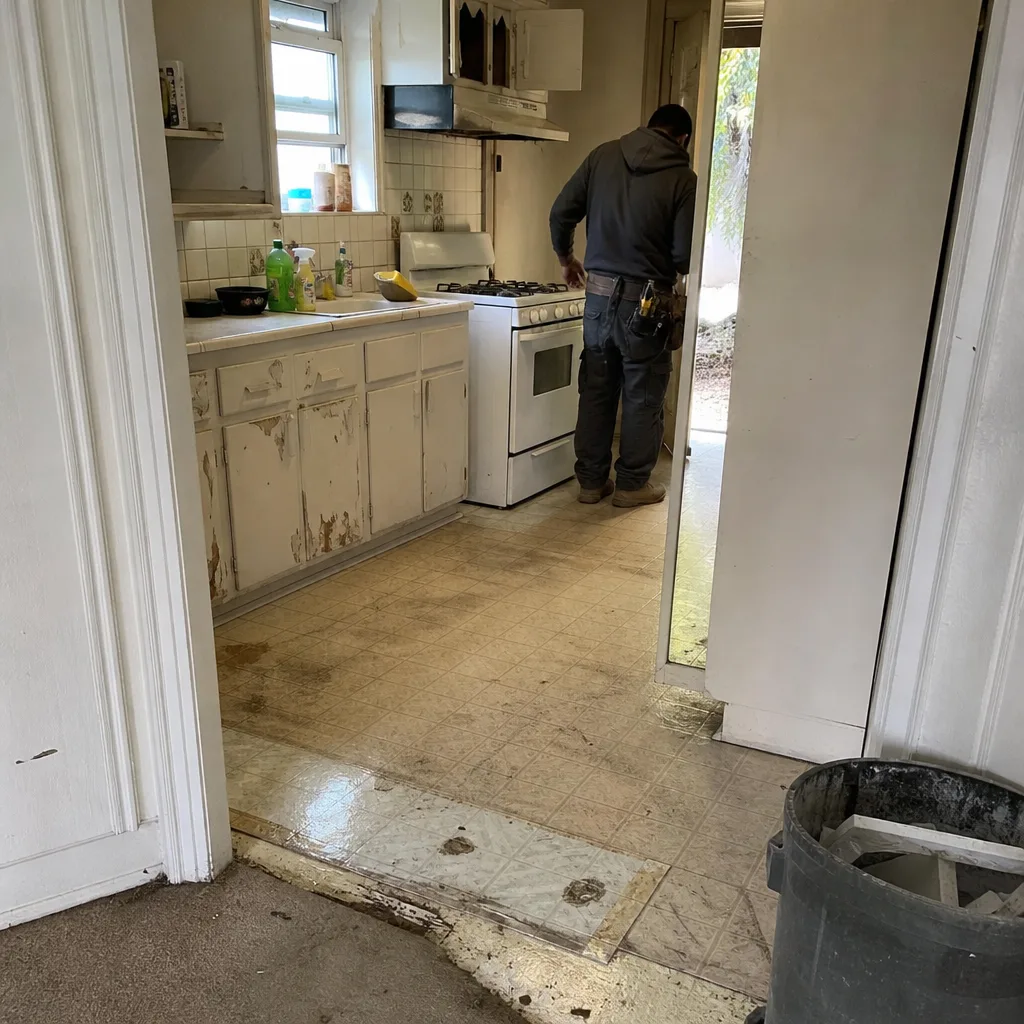 Before
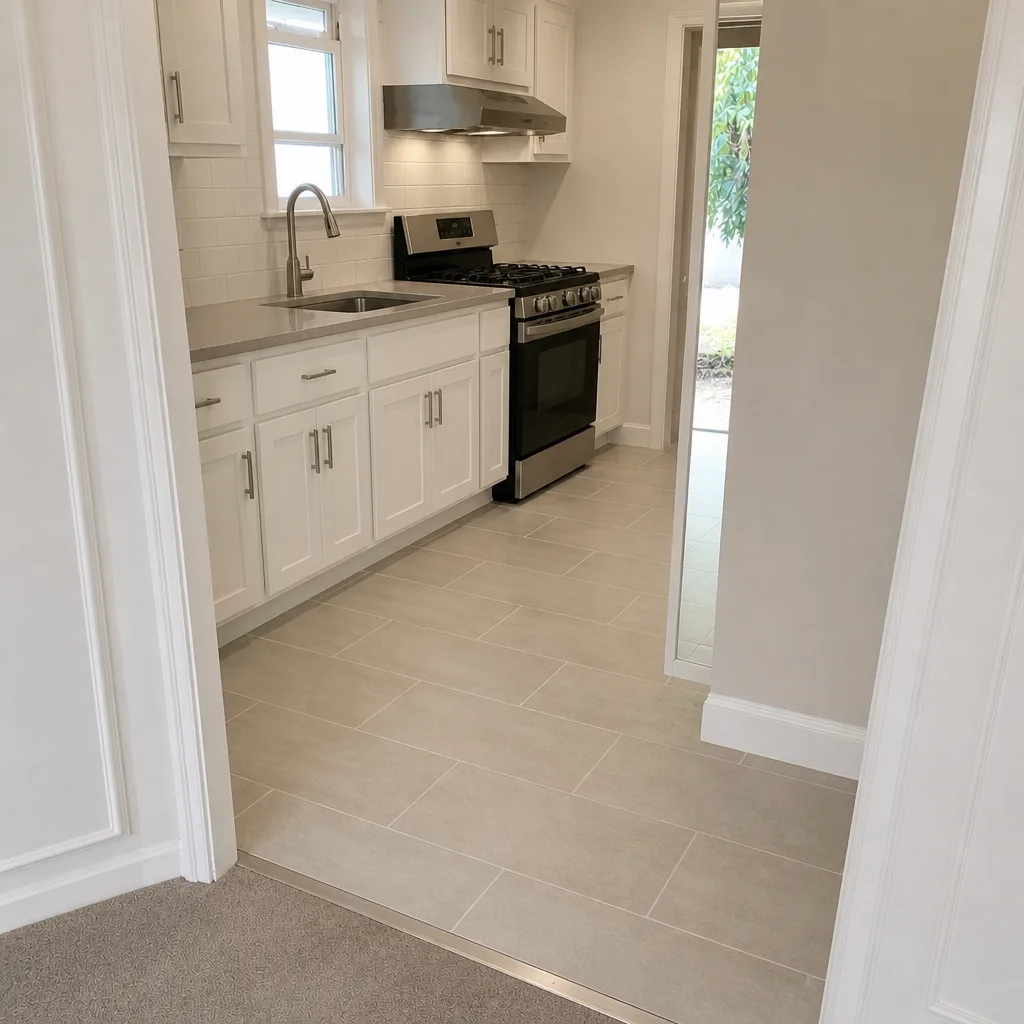 After
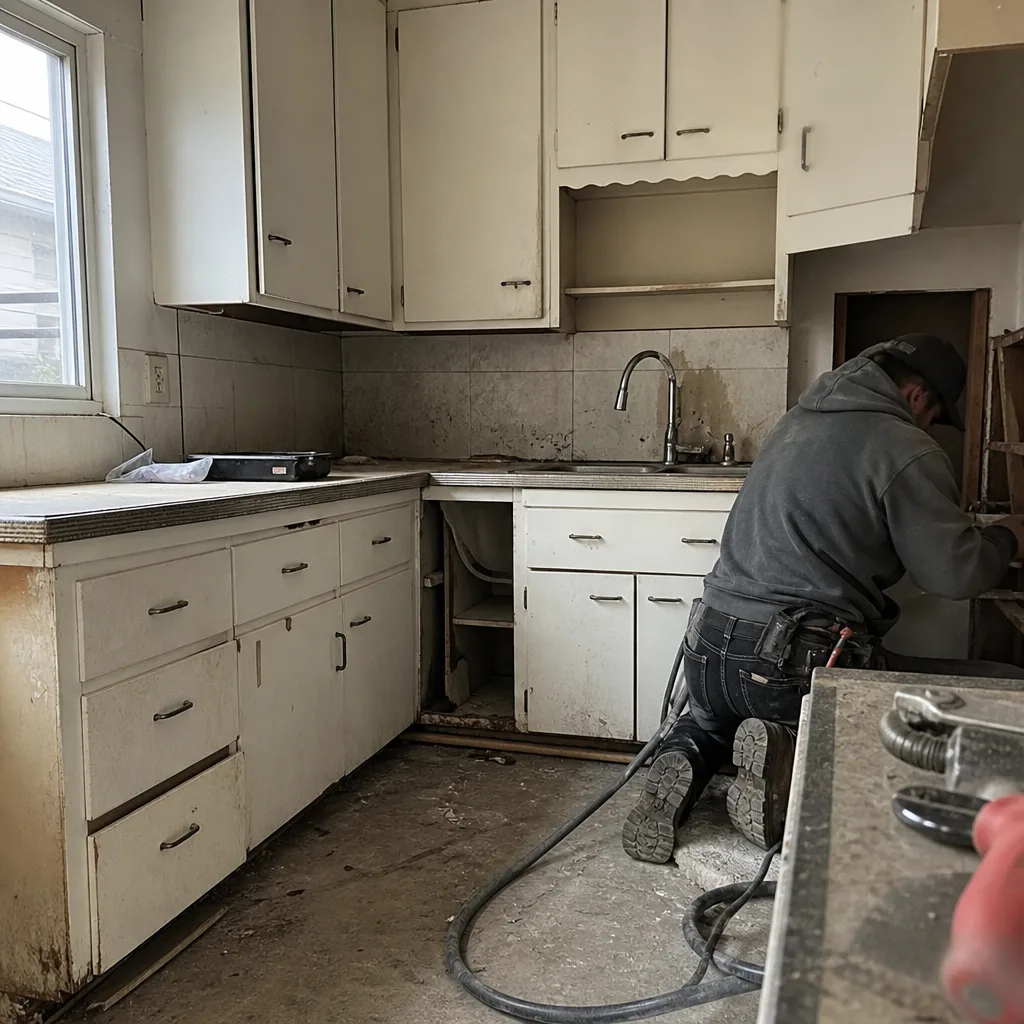 Before
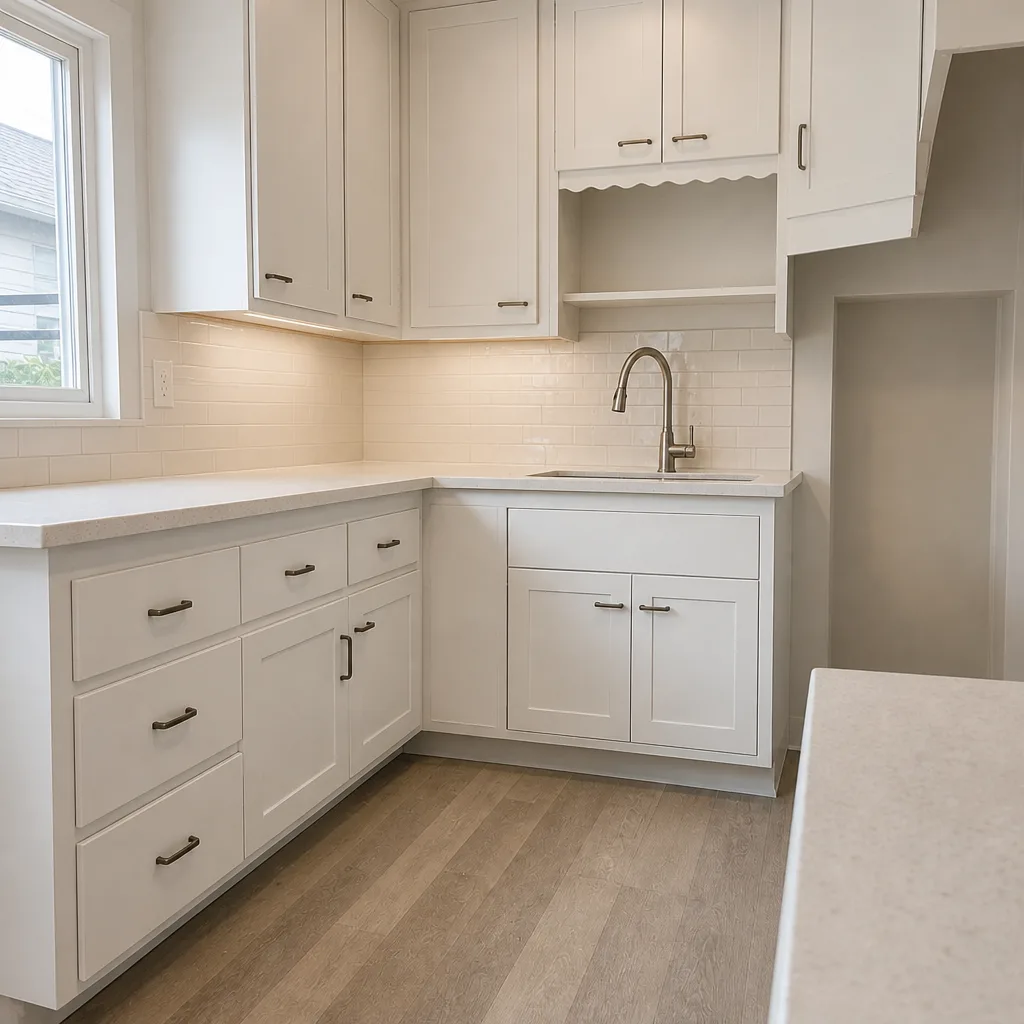 After
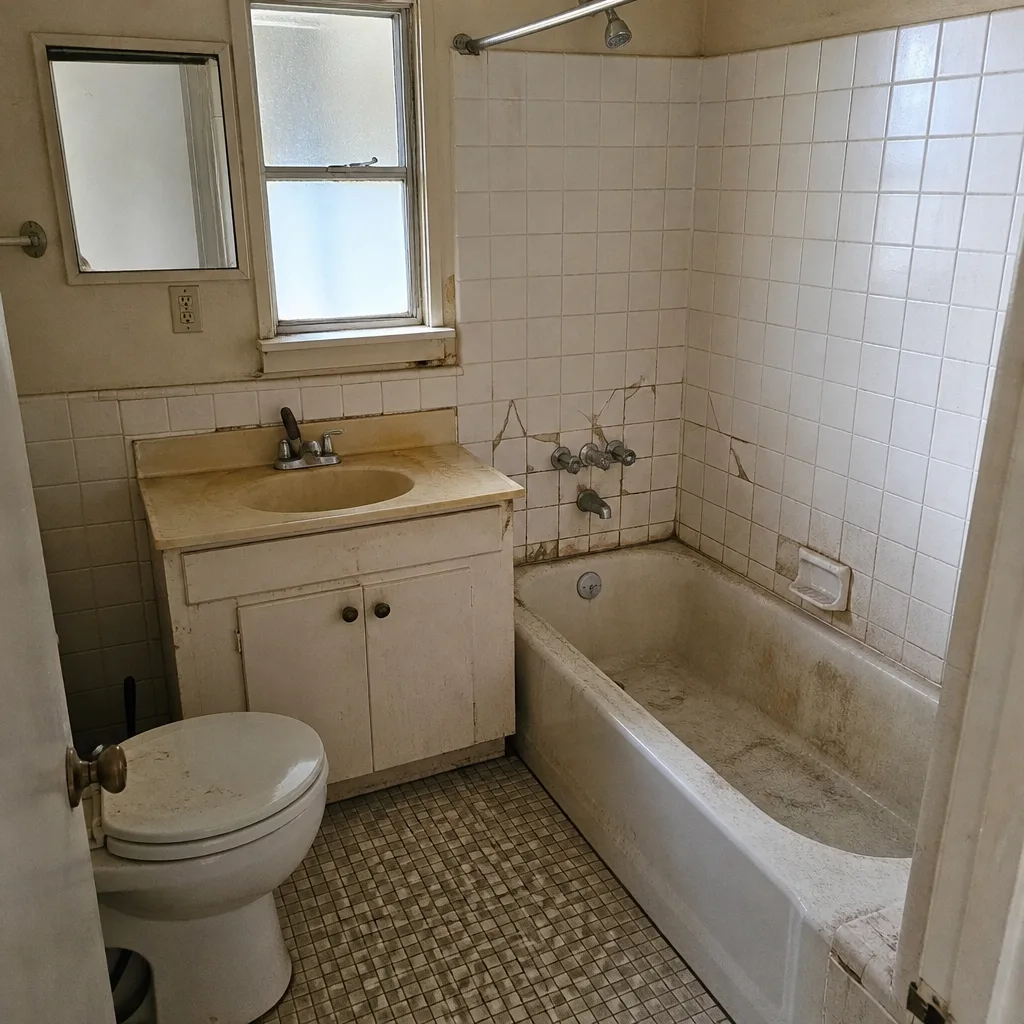 Before
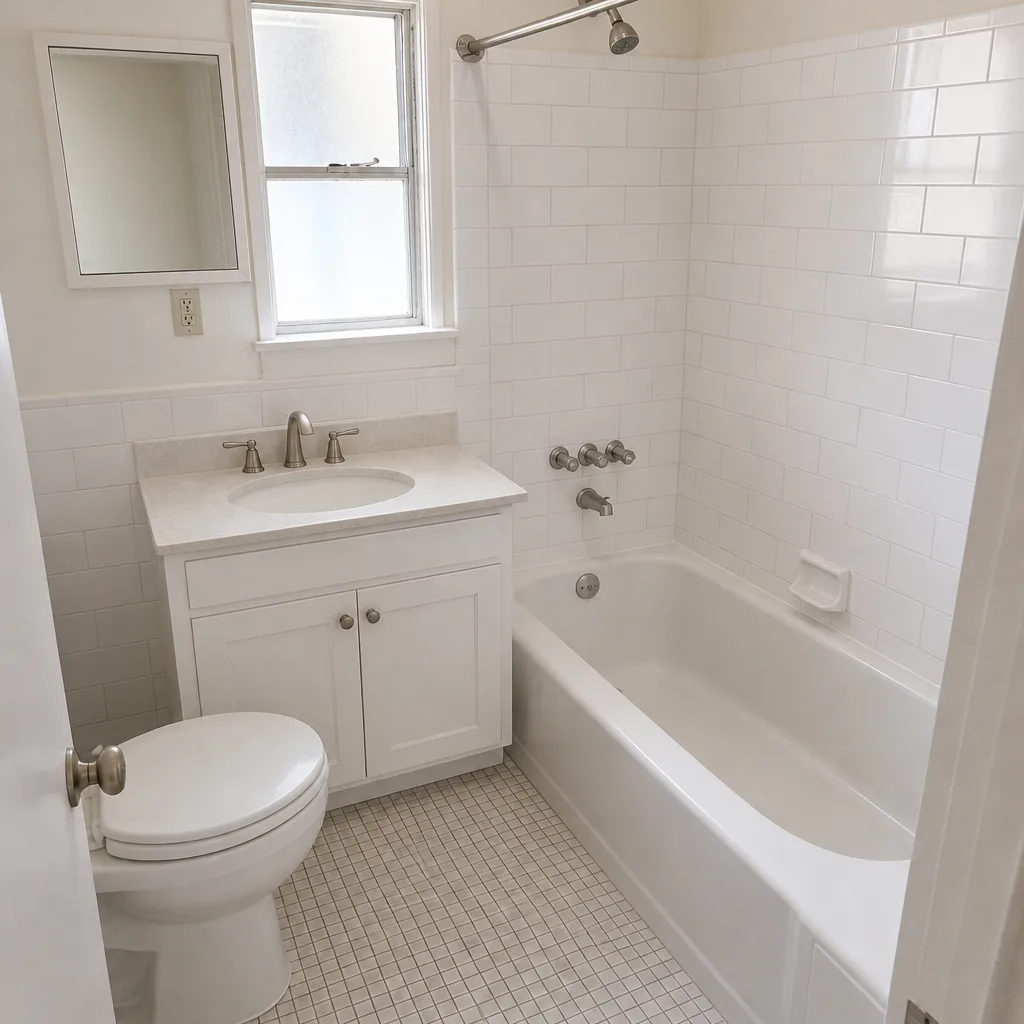 After
When to Call a Professional
Some of this work you can do yourself – walking the property, documenting, building the contact list, keeping the access road clear. But the moment a task touches structure, gas, or fire-hardening materials, bring in a trained professional. Call us when you’re planning a seismic retrofit, replacing a fence or roof in a fire zone, installing a retaining wall or driveway that needs to serve emergency access, or when a post-disaster bid has you suspicious about the terms. We’ve been in business since 2014, and our technicians have up to 12 years of experience on the specific failure points Berkeley homes face. Groundwork Construction Co. of Berkeley offers free estimates in Berkeley – call (855) 471-4163, and calls are answered by a live person 24/7. Background-checked, uniformed technicians arrive on every job, backed by the 730-Day Done Right Promise.
Frequently Asked Questions
The highest-impact single step for most older Berkeley homes is a seismic retrofit of the foundation-to-structure connection – cripple wall bracing and anchor bolting – because it protects the structure every other improvement depends on. That said, the right first step is your hazard priority ranking: hillside parcels may need defensible-space hardening first, while flatland parcels usually prioritize seismic. Call (855) 471-4163 for a free estimate so you start with the right work, not just the loudest recommendation.
Costs vary by scope and parcel, so we won’t quote a number without seeing the home – line-item estimates are how you get the real number. What we can tell you is that folding hardening into planned work (a roof replacement, a fence replacement, a retaining wall) costs far less than retrofitting later, and 0% financing for 18 months plus $1,000 off projects over $10,000 makes it approachable. Call (855) 471-4163 for an exact quote – estimates are free.
No. We quote a fixed, no-hassle upfront price, and the number you see is the number you pay – there are no surprise change orders after the contract is signed. Any legitimate scope change requires your written sign-off, and it’s spelled out before work begins. Call (855) 471-4163 to get a written line-item estimate.
Yes – permits are part of the work, and pulling them and passing inspections is standard on every job. In a declared disaster, Berkeley’s Building and Safety division publishes emergency-permit procedures that let critical repair proceed quickly, and the permanent rebuild follows the standard process. Call (855) 471-4163 and we’ll walk you through the permit path for your project.
Check for a verifiable state license and insurance, a line-item written estimate, a written workmanship warranty, and payment terms tied to milestones and inspections – and never pay a large cash deposit upfront. The most protective single term is a real, specified warranty period; our 730-Day Done Right Promise backs our own work in writing. Call (855) 471-4163 to compare a real bid against whatever you’ve been given.
It depends on scope – a fence or roof replacement moves faster than a full structural retrofit, and emergency permitting during a disaster shifts timelines. We give you a realistic schedule in the estimate and meet it, and the work is completed by background-checked, uniformed technicians. Call (855) 471-4163 and we’ll build a timeline around your home.
The Bottom Line
Berkeley’s hazards don’t arrive one at a time. They chain – a quake shakes loose the gas line, the gas feeds a fire, and the hillside and its narrow roads decide how far it goes. Preparing for that cascade means ranking your parcel’s risks from public USGS and Cal Fire data, documenting your structure before you need to claim, clearing defensible space and choosing non-combustible materials for the fences and retaining walls that sit between fire and your home, and knowing your shutoffs and your contacts cold. Then, when the rebuilding comes, hire on license, line items, permits, and a written warranty – never a cash deposit on a doorstep. That’s construction emergency preparedness done right, and it’s mostly work you do before the ground ever moves. Call (855) 471-4163 for a free estimate.
Written by the team at Groundwork Construction Co. of Berkeley.