Last updated November 18, 2026




Free written scope consultation - allowances, timeline, and change-order rules on paper before a single trade is scheduled
DIY vs Professional Bathroom Remodeling: What’s Safe to Do Yourself
Bathroom demo videos on YouTube pull in millions of views, but they never show what’s behind the drywall: the black mold colony thriving under a slow leak, or the unpermitted plumbing that surfaces during a home sale inspection three years later. The question worth asking isn’t “can I do this myself?” It’s “what does this actually cost when it goes wrong?” This Berkeley guide draws a hard line between the work that rewards a careful DIYer and the work that quietly wrecks your structure and your budget when it’s handled without a license. You’ll learn which tasks are safe, which need a pro, and how to judge your own skill honestly.
Quick Answer
Painting, swapping hardware, regrouting tile, and replacing a toilet or vanity are safe DIY projects if you’re careful. Waterproofing, rough plumbing, electrical work, and shower pan liner installation are not. Those tasks cause hidden, expensive damage that shows up months later, they usually require a permit in Berkeley, and unpermitted work can hurt your home’s resale value. For anything behind a wall or tile, hire a licensed professional.
Styles & brands we work with
- Kitchen remodeling
- Bathroom remodeling
- Home additions & ADU
- Roofing
- Windows & doors
- Driveway & pavers
- Fence
Table of Contents
- Where the Line Really Is
- Safe DIY Tasks in a Berkeley Bathroom
- The Dangerous Tasks: Waterproofing, Plumbing, and Electrical
- California Permits, Berkeley Code, and Resale Value
- The Hidden Costs DIYers Absorb
- Where Confident DIYers Cause the Most Expensive Damage
- How to Rate Your Own Skill Honestly
- Common Mistakes to Avoid
Where the Line Really Is
The deciding test isn’t difficulty. It’s failure mode. Ask yourself: if this goes wrong, what happens? A bad paint job is ugly. You sand it off and repaint. A bad shower pan liner dries out, leaks slowly into the subfloor for months, and rots out joists before you smell anything. That’s the whole divide. Work where a mistake is visible and cheap to fix is fair game. Work where a mistake is invisible and expensive to fix belongs to a licensed professional.
In the Berkeley homes we work on, especially in the older stock around the Elmwood and North Berkeley neighborhoods, the expensive failures cluster in exactly three places: the shower pan, the rough plumbing, and the exhaust fan ducting. All three hide behind finished surfaces. You can’t see them, so you can’t catch the mistake until it’s already done damage.
Here’s the simple way to sort a task before you touch it:
- Is it visible after the job is done? Painting, caulking, and hardware swaps stay visible. You’ll know if you botched them.
- Does it involve water behind a wall? Waterproofing, plumbing supply and drain lines, shower pans. These fail silently and slowly.
- Does it need a permit or an inspection to pass? Electrical and plumbing in California usually do. A pro pulls the permit and stands behind the inspection.
- Would a mistake endanger you or a future occupant? Anything tied to electrical circuits, gas, or structural framing is out of DIY territory.
- Can you undo it in an afternoon? If the answer is no, treat it as professional work.
Most homeowners get this half right. They correctly avoid rewiring the house but still try to set a shower pan themselves, because it looks like spreading mortar and laying a liner. That’s the classic trap. The liner is exactly the kind of quiet structure that punishes a learning curve.
Safe DIY Tasks in a Berkeley Bathroom
Plenty of bathroom work rewards a patient homeowner. These tasks save real money and don’t risk structural damage if you’re careful. They’re also a good way to test your patience and craftsmanship before you commit to a full renovation.
Painting is the easiest win. A bathroom takes roughly one to two gallons for two coats on a typical 5-by-8 layout, and a quality moisture-resistant paint with a satin or semi-gloss finish handles Berkeley’s humid winter air far better than flat. Caulking around the tub and vanity is another weekend job. Use a mildew-resistant silicone, not the cheap acrylic, and give it a full 24 hours to cure before water touches it.
Hardware and fixture swaps that don’t touch the rough-in are also within reach:
- Cabinet hardware and drawer pulls. A drill, a jig, and patience. No permit, no risk.
- Showerhead and faucet replacements where the valve body stays put. You’re unscrewing and re-threading, not moving supply lines.
- Light fixtures on an existing switched circuit, if you’re comfortable turning off the breaker and verifying it’s dead.
- Replacing a toilet on an existing flange with a new wax ring. Manageable, though watch for floor rot around the flange.
- Regrouting or re-caulking tile joints. Tedious but low-risk, as long as the tile and backer are sound.
- Vanity replacement where the plumbing connections already line up and you’re not relocating the drain.
A caveat specific to Berkeley: a lot of our housing stock is pre-1950, and that means the walls behind a “simple” vanity swap on a house built in the 1920s can hide old galvanized supply lines or a drain that’s ready to give out. Before you pull a vanity in a South Berkeley bungalow, do a quick moisture check and look for corrosion on the shutoff valves. If the valves crumble when you turn them, stop and call someone. That’s a signal the rough-in is tired.
If your safe-DIY list keeps growing into a full gut renovation, that’s the moment to think about scope. Projects like a full bath expansion or an added second bath start to touch your home’s structure, and that’s where our Home Additions & ADU in Berkeley team steps in, because the plumbing, framing, and inspection work needs a single accountable contractor.
The Dangerous Tasks: Waterproofing, Plumbing, and Electrical
Some bathroom work should never be a DIY experiment, no matter how many videos you’ve watched. The reason is simple: the failure modes are invisible, expensive, and sometimes dangerous. Here’s what each one actually does when it goes wrong.
Shower pan liner installation. The pan is a sloped waterproof membrane under the tile that channels water to the drain. If it’s pitched wrong, fastened through, or folded incorrectly at the corners, water pools in the wrong place, seeps into the subfloor, and rots the framing. You won’t see it for six months or more, until the ceiling below stains or the floor feels soft. Tearing out a failed pan and rebuilding means redoing the tile, the backer, and possibly the subfloor. In Berkeley’s older homes, that often leads to discoveries about the joists underneath.
Rough plumbing. Moving a drain, relocating a supply line, or tying in new fixtures to old galvanized or copper is where DIY errors get expensive fast. A poorly soldered joint weeps behind a wall; an improperly vented drain gurgles and siphons the trap. Both are permit-required work in California, and the inspector who catches them during a resale inspection won’t be gentle. Plumbing is also the one task where a leak can damage a downstairs neighbor’s unit, which is a real risk in Berkeley’s many duplexes and converted multi-family buildings.
Electrical work. Bathrooms carry special code requirements: GFCI protection at every receptacle, proper bonding of metal fixtures, and exhaust fan wiring that’s vented outdoors. Faulty electrical work near water isn’t an inconvenience; it’s a shock and fire hazard. This is safety-critical work that belongs to a licensed electrician.
Vent fan ducting. Most DIYers get the fan installed and stop there. The fan needs to vent through ductwork to the outside, ideally short, rigid, and insulated, not into the attic or a crawlspace. A fan dumping moist air into an unheated Berkeley attic feeds condensation, mold, and eventually rotted roof framing. Getting the duct routed correctly through an old roof assembly is fiddly work, and it’s one of the most commonly botched parts of a bathroom job.
If your project needs any of these, that’s where we come in. Our technicians have up to 12 years of experience, and our work is covered by the 730-Day Done Right Promise, so if it isn’t done right, we make it right.
California Permits, Berkeley Code, and Resale Value
Permits aren’t paperwork for paperwork’s sake. They’re the record that a licensed professional did the work and an inspector confirmed it meets code. In Berkeley, plumbing, electrical, and structural work in a bathroom typically requires a permit. Cosmetic work like painting and tiling over an intact backer usually doesn’t. Getting this right the first time protects your investment when you sell.
The resale problem is real. When you list a Berkeley home, buyers and their agents pull the permit history. Unpermitted bathroom work surfaces as a red flag, and the fixes are expensive: sellers often have to retroactively permit the work, which means opening walls to show the plumbing and framing, sometimes at the buyer’s demand during escrow. In a competitive market that’s a negotiating chip against you, or a deal killer. The city also keeps records, so a new bathroom that never had a permit is easy to spot.
Beyond resale, there’s the direct safety-and-code angle. California’s recent energy rules push modern bathroom exhaust fans toward higher efficiency and demand proper venting, and electrical code is strict on bathroom receptacles. A licensed pro pulls the permit, arranges the inspections, and signs off. When we run a bathroom job, the permit is pulled and the inspection is passed before we call it done. The number you see on your upfront estimate is the number you pay, with no surprise charges for permits discovered mid-job.
For a sense of how we handle the full scope of a home project, from structure to finish, look at Groundwork Construction Co. of Berkeley home and you’ll see how the same permit discipline applies across every trade we touch.
The Hidden Costs DIYers Absorb
DIY always looks cheaper on paper, but the number on that paper is never the real number. The hidden costs are what get people. Tool rental, material waste from the learning curve, and the re-do costs when a professional has to fix your mistakes often add up to more than a pro would have charged for the whole job.
Start with tools. A professional bathroom job uses a tile saw, a wet saw, moisture meters, a hammer drill, a level and laser, and specialty trowels. You can rent or buy each one, but the costs add up fast. Then there’s material waste. A first-time tiler cuts wrong. A first-time plumber redoes a joint. Each mistake eats a bag of thinset or a length of copper you already paid for.
The biggest hidden cost is the re-do. Here’s how that math looks in a typical Berkeley bathroom:
- Wrong shower pan liner: $1,200 to $2,500 in rework, plus the tile and backer it drags down with it.
- Botched drain tie-in: a few hundred in materials, but days of labor and the risk of a slow leak into your framing.
- Improperly vented exhaust fan: $400 to $900 to reroute ductwork properly, plus any rot remediation in the attic.
- Unpermitted electrical: a licensed electrician’s fee to bring it up to code, plus the permit and inspection costs.
- Tool rental: $150 to $350 for a weekend of specialty tools you might never use again.
When you add those up, a “cheaper” DIY bathroom can easily cost more than hiring a pro, and you spent your weekends doing it. That’s the honest case for professional work in the spots where errors are expensive. It’s also why we push upfront pricing: the estimate shows the full scope, so you’re comparing real numbers, not guesses. If you’re financing a larger project that touches the exterior too, our Driveway & Pavers in Berkeley work uses the same transparent approach.
Where Confident DIYers Cause the Most Expensive Damage
The most expensive DIY damage comes from the most confident homeowners, not the timid ones. Confidence skips the moisture meter and the liner pitch check because “it looked fine.” Two spots in particular punish that confidence hardest.
The first is the shower pan liner. A liner laid flat, or fastened through near the drain, or folded wrong at the corners, traps water in the pan. That water has nowhere to go but down into the subfloor and framing. In Berkeley’s damp marine climate, the rot accelerates. We regularly see this in homes around the Claremont and Rockridge edges of the city, where older construction meets leaking showers that were set decades ago and never had a proper pre-slope. The failure mode is silent: no dripping, no immediate sign, just soft wood and a mold smell you can’t place.
The second is exhaust fan ducting. A fan that vents into the attic instead of outside dumps a steady stream of humidity into a cold crawlspace or roof cavity. Over a Berkeley winter, that moisture condenses on framing and roof sheathing, and mold follows. What looks like a simple “connect the duct” step is actually a careful routing job that depends on where the fan sits relative to the roof and whether the duct runs short and straight. A pro routes rigid, insulated duct to a proper exterior vent and seals it. That’s the difference between a working fan and a slow leak of moisture into your structure.
A third spot worth flagging: relocating plumbing. Moving a drain or supply line from its original position is where a homeowner’s map of the wall often turns out wrong. Old homes in Berkeley are full of surprises in the walls, and a confident swing with a reciprocating saw can nick a supply line or a structural member. Depth checks and inspection before you cut save thousands.
For exterior structures near the bathroom, the same logic applies. A fence that looks like an easy weekend build is actually structural when it holds weight or needs to survive wind, which is why our Fence Installation in Berkeley work uses rated materials like Barrette and Ameristar systems rather than improvised builds.
How to Rate Your Own Skill Honestly
Before you pick up a tool, rate yourself honestly using a simple risk/reward matrix built around bathroom systems. It’s the fastest way to sort what you should touch from what you should hand off. Be honest with yourself. The stakes here are your home’s structure, not your pride.
Here’s how to run it:
- List every task in the project. Break it into small pieces: remove old caulk, paint walls, replace toilet, install shower pan, run new drain, wire the vanity light, vent the fan.
- Score each task on failure cost. Ask: if this fails, is the fix cheap and visible, or expensive and hidden? One point for visible-and-cheap, five for hidden-and-expensive.
- Score each task on your actual experience. Have you done this exact task before, on your own home, without supervision? If yes, you’re a two. If you’ve only watched a video, you’re a four.
- Multiply the two scores. A low-failure-cost, high-experience task is the easiest kind. A high-failure-cost, low-experience task is the one to hand off.
- Honor the result. If a task lands high on the matrix, that’s not a test of your courage. It’s a signal that a professional should own it.
- Re-check your confidence against real evidence. Have you ever done a task like this before and it held for years? If not, treat it as a four even if you feel ready.
- Get a free estimate for the rest. Once you’ve sorted the safe tasks, get a professional quote for the high-risk work so you can compare real numbers.
The pattern is reliable. Painting and hardware swaps land low. Waterproofing, rough plumbing, electrical, and venting land high. For the high-risk list, a licensed pro is the right call, and it usually saves money once you account for the re-do costs above. The best DIYers are the ones who know exactly where their ceiling is and plan around it.
Common Mistakes to Avoid
- Skipping the moisture check before demo. In older Berkeley homes, tearing out a tub without checking the subfloor for rot turns a quick renovation into a structural repair.
- Venting the exhaust fan into the attic or crawlspace. It’s the single most common DIY bathroom mistake, and it quietly feeds mold and roof rot in Berkeley’s damp winters.
- Fastening through the shower pan liner. A nail through the liner from the wrong direction traps water and guarantees a leak you won’t see for months.
- Moving plumbing without a permit. Unpermitted plumbing is a resale inspection nightmare in Berkeley and often costs more to correct than doing it right.
- Assuming “it looks fine” means it is fine. Most bathroom failures are invisible. A moisture meter and an inspection catch what eyes don’t.
- Buying the cheapest materials to save money. Cheap caulk and cheap backer fail in a humid bathroom far faster than a quality product from a trusted brand partner like Kohler.
- Ignoring the permit history on a flip. If you bought a home with a recently remodeled bathroom, ask who pulled the permit. If no one did, budget for it.
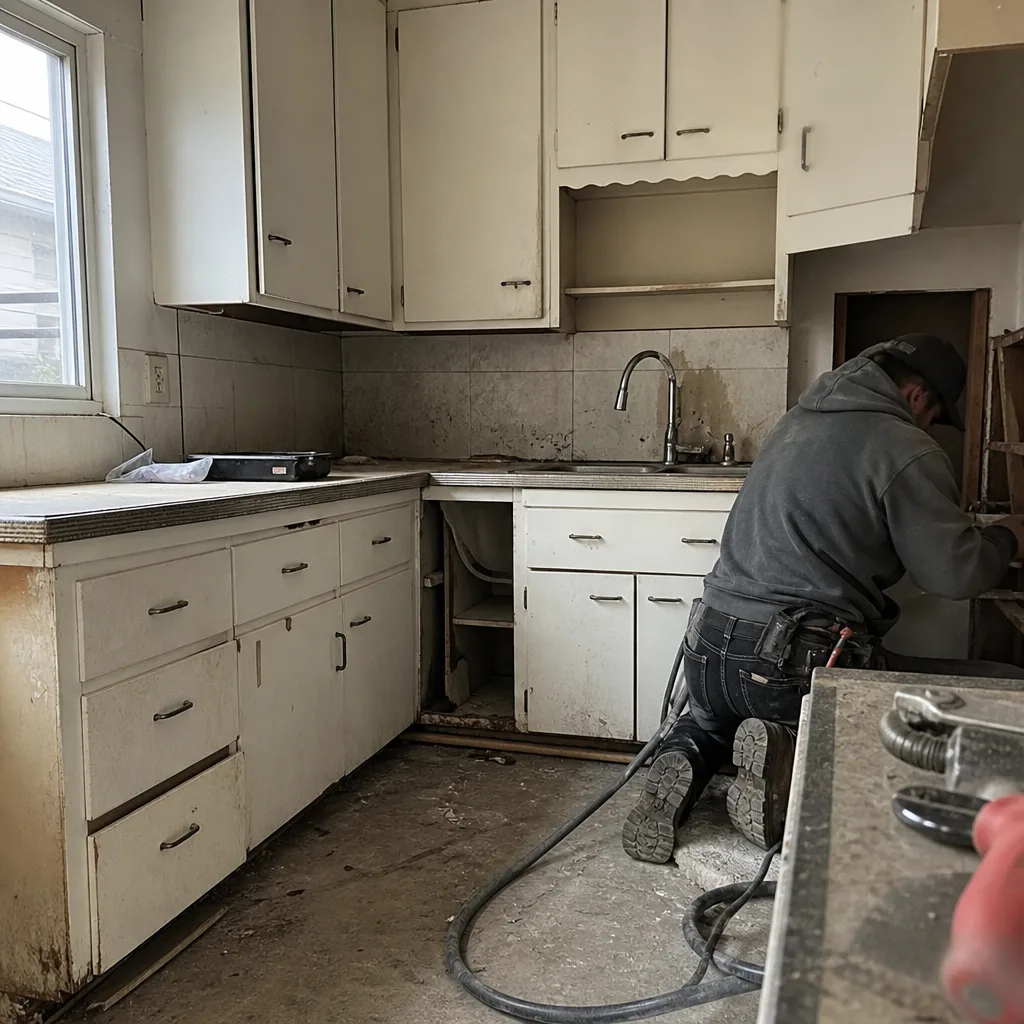
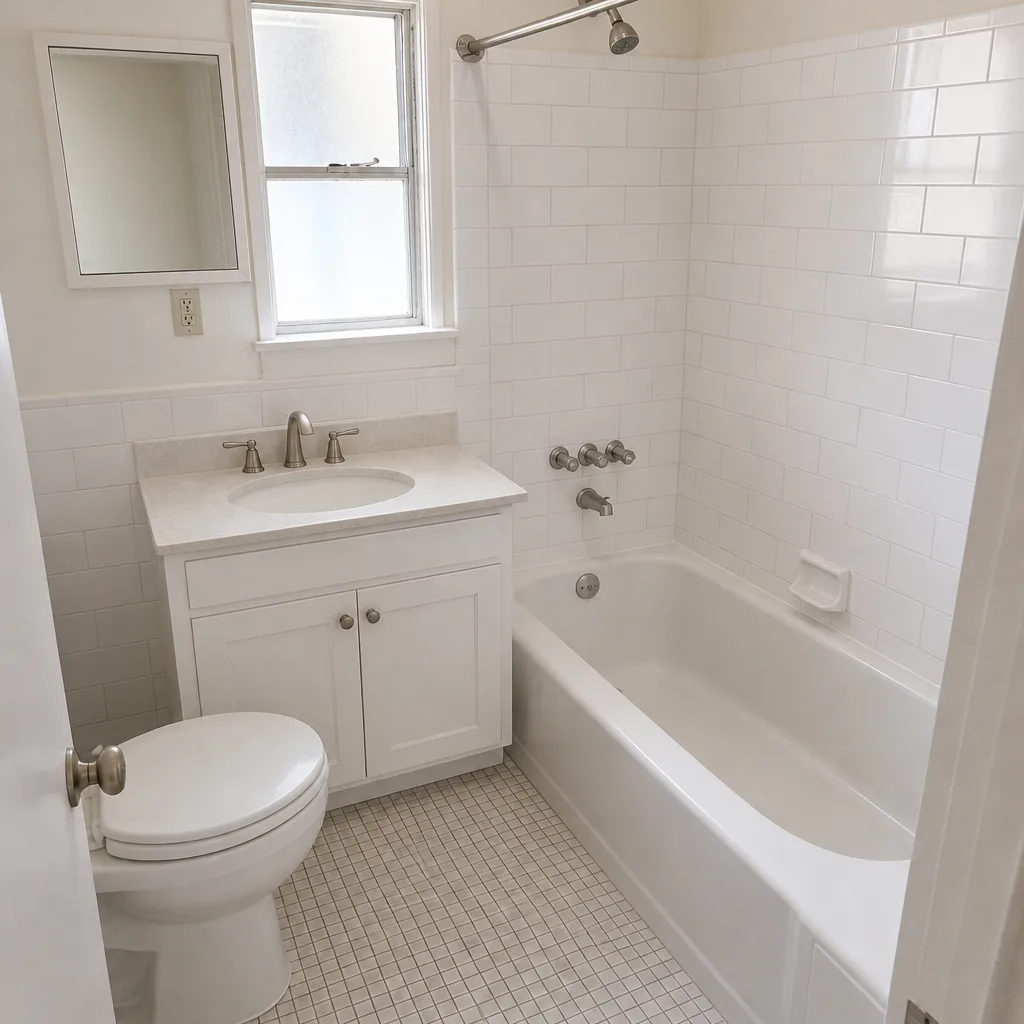
See the difference
 Before
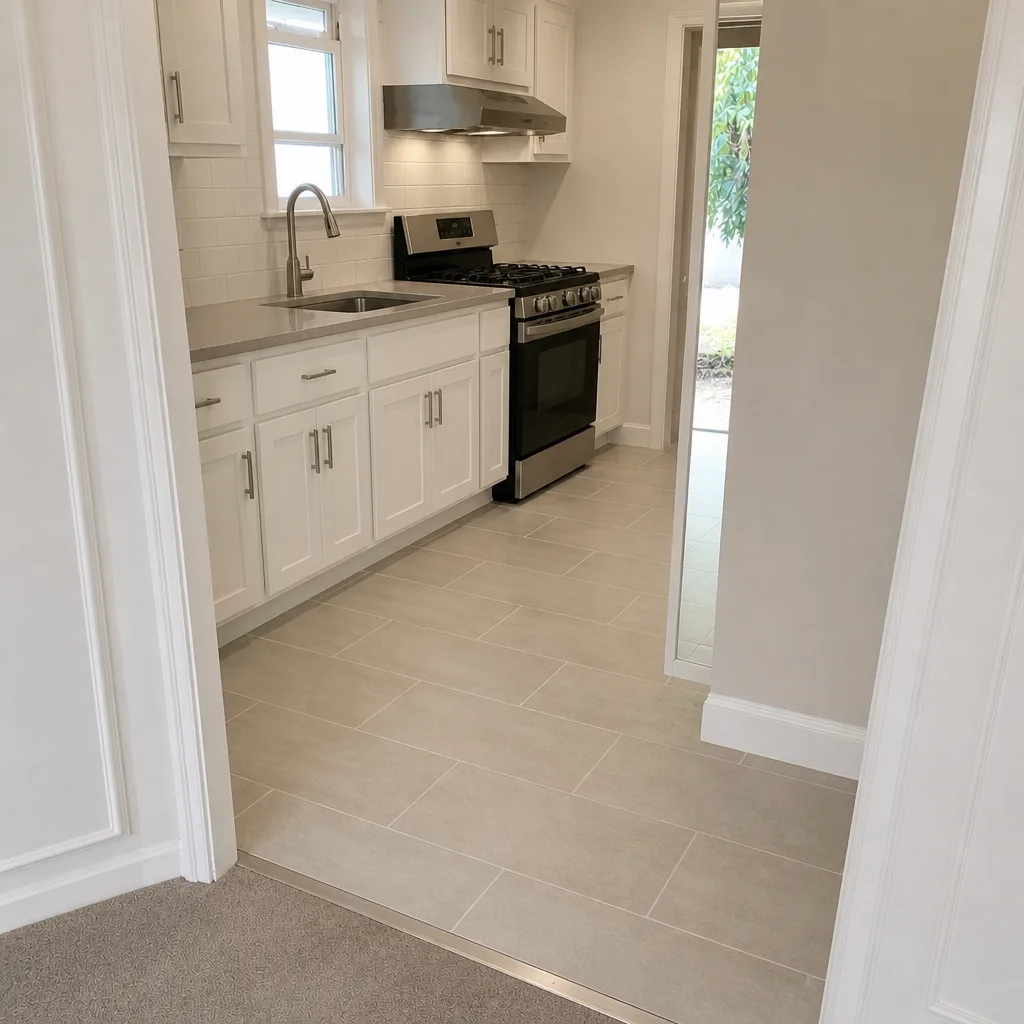 After
 Before
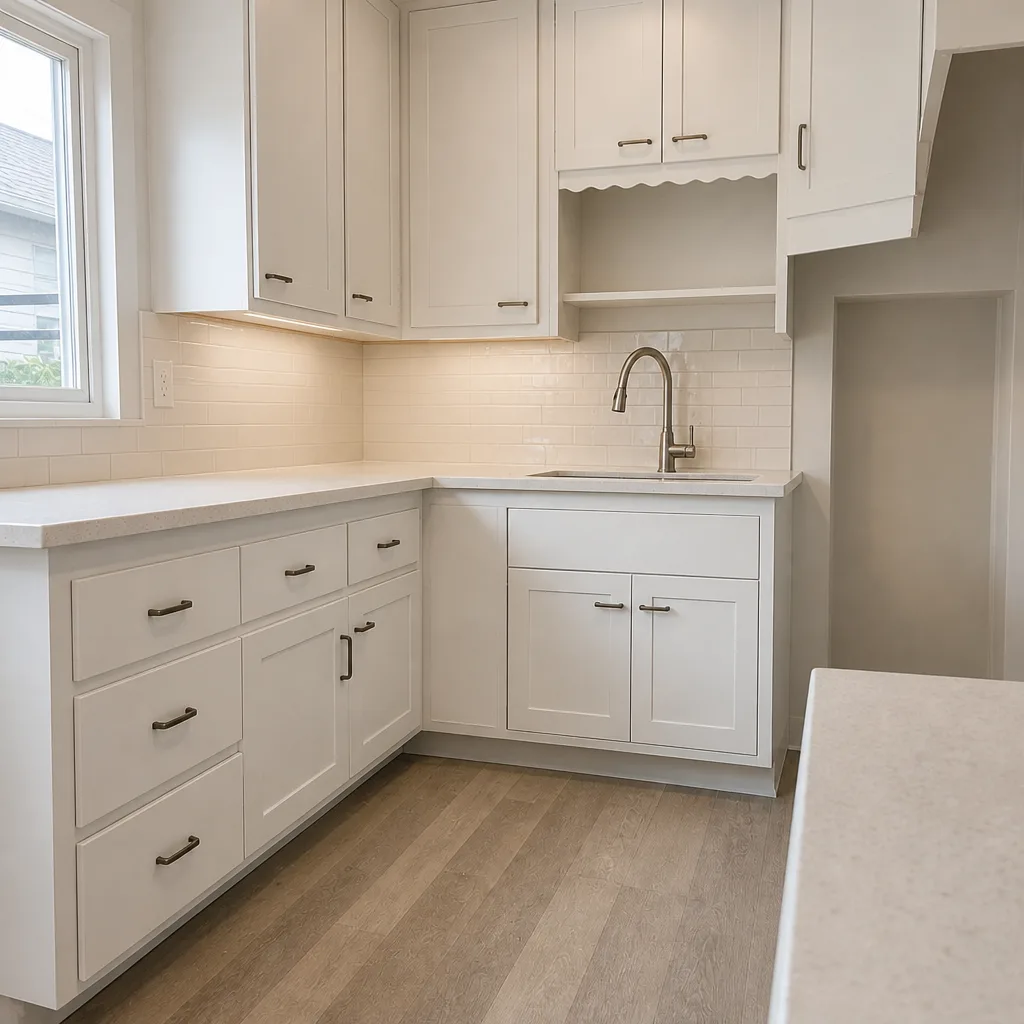 After
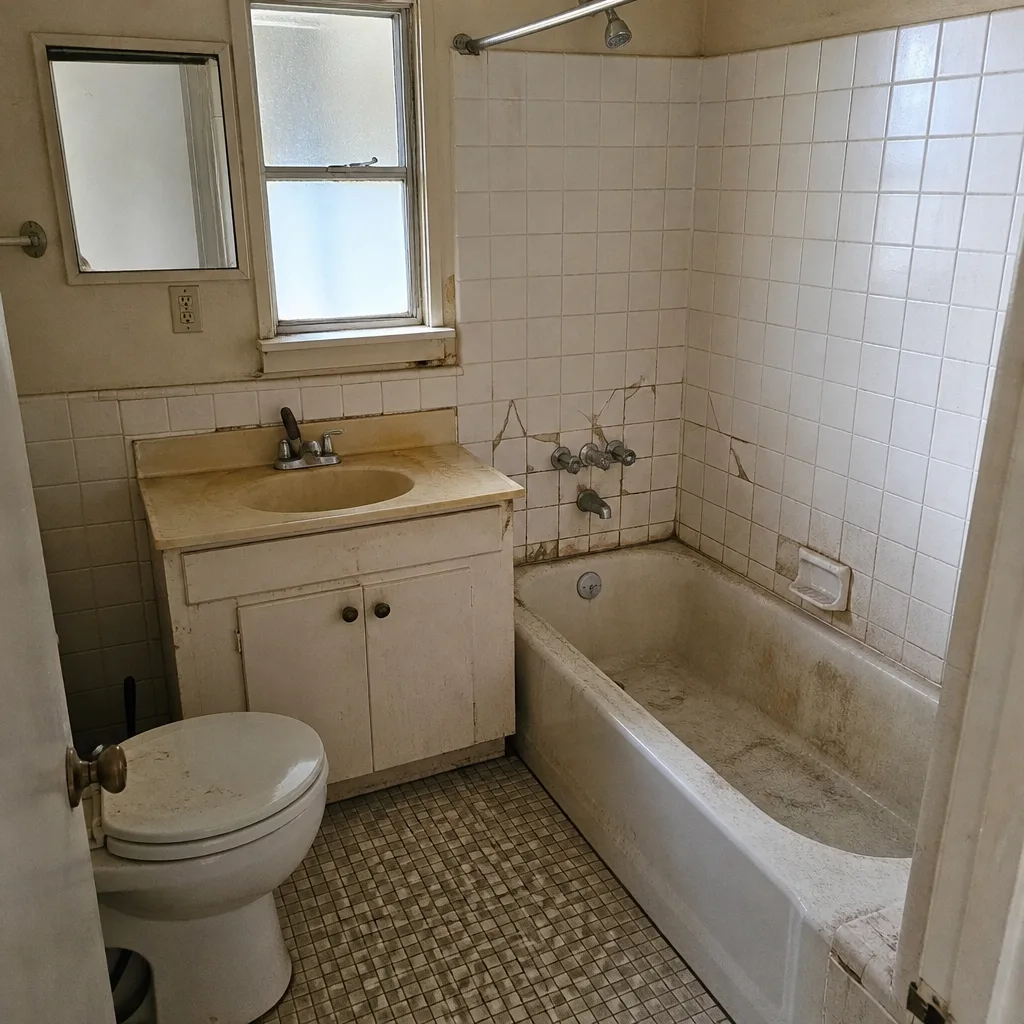 Before
 After
When to Call a Professional
Call a professional when the work involves anything behind a wall or under the floor: waterproofing, shower pan liners, rough plumbing, electrical circuits, and exhaust venting. Call us too if your bathroom is in an older Berkeley home where the framing and lines are a mystery, or if you’re planning a remodel that expands the footprint or adds a second bath. Those jobs touch structure, need permits, and deserve an inspection. Groundwork Construction Co. of Berkeley offers free estimates in Berkeley, and our work is backed by the 730-Day Done Right Promise. Call (855) 471-4163 to schedule yours, and we’ll help you separate the safe DIY tasks from the ones that should stay with a licensed crew.
Frequently Asked Questions
No, waterproofing a shower is not a safe DIY task. A shower pan liner or membrane that’s pitched wrong or fastened through traps water behind the tile, and the rot can take months to surface. A licensed professional sets the liner, tests it, and passes inspection. Call (855) 471-4163 for a free estimate on the waterproofing work.
Any work that changes plumbing, electrical, or structural elements usually requires a permit in Berkeley. Painting, tiling over an intact surface, and swapping hardware generally don’t. When in doubt, call the city and ask, because unpermitted work can hurt your resale. We pull the permits and pass the inspections on every job we take on.
Venting an exhaust fan into the attic instead of outdoors is the biggest and most common. It pumps humidity into the roof cavity and feeds mold, especially in Berkeley’s damp climate. The second biggest is a poorly installed shower pan liner that leaks silently. Both hide until damage is well along.
It depends on the mistake, but the common ones run from a few hundred dollars to more than $2,000. A botched shower pan can run $1,200 to $2,500 with tile repair, and unpermitted electrical adds a licensed electrician’s fee on top. Call (855) 471-4163 for a free estimate to see the real scope.
Yes, if you sort the tasks by failure cost. Painting, hardware, caulking, and fixture swaps are low-risk DIY. Waterproofing, plumbing, electrical, and venting should go to a pro. That split saves money without risking structural damage. We can quote the high-risk scope, so you know where your budget stands.
It can. Unpermitted work shows up in permit records and during resale inspections, and buyers often discount or demand corrections. Correcting it means opening walls and retro-permitting, which is expensive. Licensed, permitted work from a pro protects your resale value and your safety.
The Bottom Line
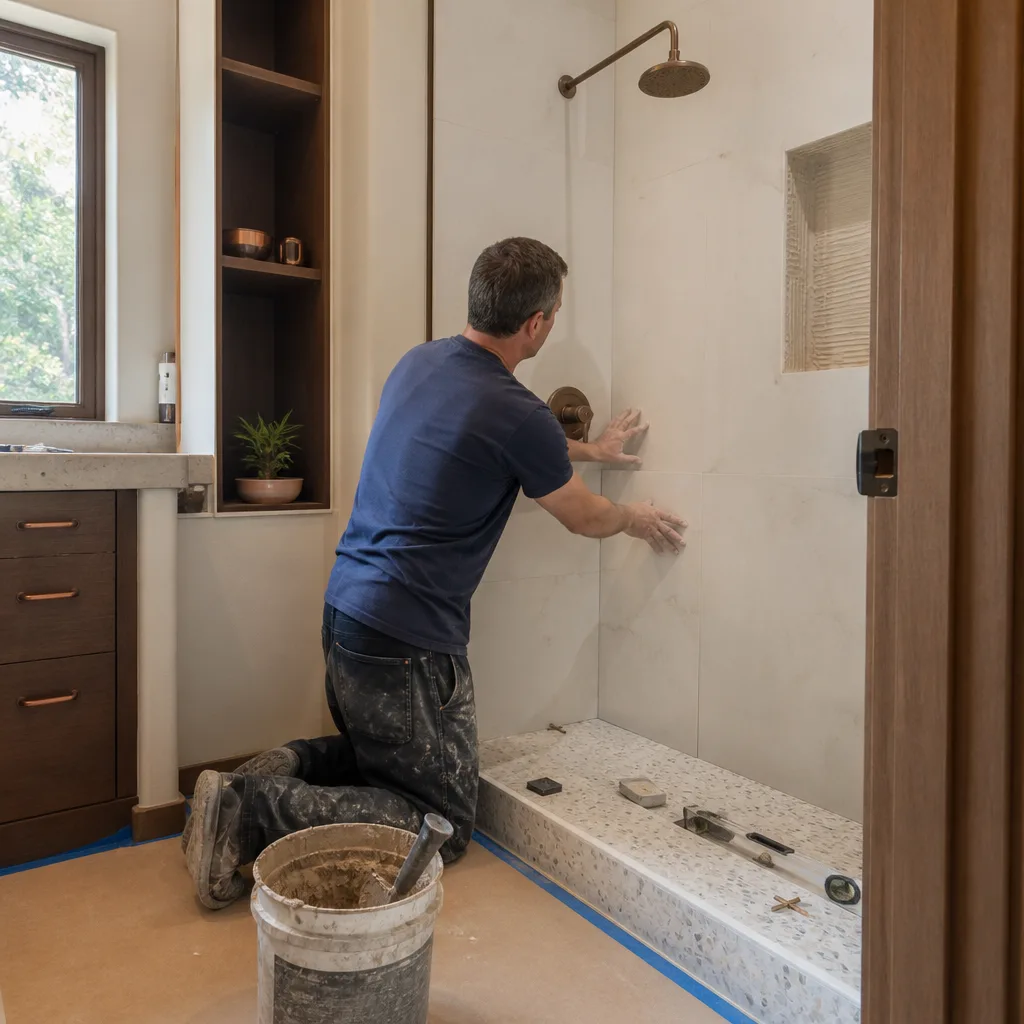
The right DIY question isn’t “can I?” It’s “what happens if I get this wrong?” Painting, hardware, caulking, and fixture swaps on intact plumbing are safe and worth doing yourself. Waterproofing, rough plumbing, electrical, and vent ducting are not, because their failures are hidden, expensive, and often unpermitted in a Berkeley home that will face a resale inspection later. Sort your project by failure cost, be honest about your experience, and hand off the high-risk work to a licensed crew. That split saves money without risking your structure. Groundwork Construction Co. of Berkeley offers free estimates, upfront pricing, and a 730-Day Done Right Promise, so call (855) 471-4163 and we’ll help you draw the line for your project.
Written by the team at Groundwork Construction Co. of Berkeley.