Last updated November 18, 2026



Free written scope consultation - allowances, timeline, and change-order rules on paper before a single trade is scheduled
How Long Does Driveway & Pavers Take? Timelines and What to Expect
The number one cause of driveway paver projects running over schedule isn’t bad contractors. It’s that the original timeline was built on assumptions about your soil and site that turned out to be wrong. A job quoted as three days can become ten the moment the excavator hits unexpected fill or a pocket of standing water under what looked like solid ground. We’ve watched homeowners in Berkeley lose two weeks of their summer because nobody checked the base before promising a finish date. This guide breaks down every phase of paver driveway work, the realistic day counts, the variables that stretch them, and how to write a schedule into your contract that your contractor can actually hit.
Quick Answer
A typical paver driveway in Berkeley takes 5 to 10 working days from demolition to final joint sanding, with the base preparation phase consuming 40 to 60 percent of that time. Add 2 to 6 weeks if permits are required and haven’t been pulled yet, and add 1 to 3 days for narrow or hillside access. Weather between late October and March can push the total to three or four weeks. The honest range for most residential projects, permits included, is three to eight weeks from contract signing to a driveway you can park on.
Styles & brands we work with
- Kitchen remodeling
- Bathroom remodeling
- Home additions & ADU
- Roofing
- Windows & doors
- Driveway & pavers
- Fence
Table of Contents
- Phase-by-Phase Timeline: What Happens on What Day
- How Berkeley Permit Timelines Interact With Construction
- Weather Windows That Matter in Berkeley
- Site Access: Why Narrow Lots and Hillsides Add Days
- The Base Is the Variable Nobody Quotes For
- How to Write a Timeline Into Your Contract
- Curing, Sealing, and When You Can Park
- Common Mistakes to Avoid
Phase-by-Phase Timeline: What Happens on What Day
Every paver driveway follows the same sequence. The differences between a fast job and a slow one live entirely inside how long each phase takes on your specific site. Here’s the breakdown we walk Berkeley homeowners through before we ever put a number on a contract.
- Demolition and removal (1 to 2 days). Breaking out old concrete or asphalt, loading it into dumpsters, and hauling it off. Concrete driveways take longer than asphalt because of the sheer weight and volume. If the old surface was poured over an existing base that’s still sound, you save time; if it was poured directly on clay, everything comes out.
- Excavation and grading (1 to 3 days). Digging down to the required depth for your base layers, typically 6 to 10 inches depending on soil and traffic load. This is where surprises live. Unexpected fill dirt, old footings, roots, or a buried utility line can add a full day each.
- Base installation and compaction (2 to 4 days). Crushed aggregate goes in lifts of 2 to 3 inches and gets compacted between each lift. You cannot rush this. A base that isn’t compacted properly will let pavers settle and shift within a season. This phase consumes more calendar days than any other.
- Bedding sand and edge restraints (half a day). A thin, screeded layer of sand goes over the compacted base, and edge restraints get set in concrete along the perimeter. Quick phase, but only if the base is right.
- Paver laying (1 to 3 days). A crew of three or four can lay 400 to 800 square feet per day depending on pattern complexity. Herringbone runs slower than a running bond. Curves, borders, and cut-ins around drains add time.
- Joint sand and compaction (half a day to a full day). Polymeric or regular joint sand gets swept into the gaps, then the whole surface gets plate-compacted to lock everything together.
- Curing and cleanup (1 to 2 days). Edge restraint concrete cures, and you stay off the surface while joint sand settles. Polymeric sand needs moisture and 24 hours to set.
A clean, accessible, flat Berkeley driveway with a sound base and permits in hand is a five to seven day job. Add any of the variables below and you’re at ten to fourteen.
How Berkeley Permit Timelines Interact With Construction
Here’s the part that catches people. The construction timeline and the permit timeline are two separate things, and contractors who start demolition before permits are issued create delays that fall squarely on you.
In Berkeley, driveway work that changes the curb cut, alters drainage, or involves more than a simple like-for-like surface replacement typically requires a permit through the city. Plan review for driveway and encroachment permits can run 2 to 6 weeks depending on the workload at the permitting counter and whether your project touches the public right-of-way. Projects on hillside lots with drainage implications often draw additional review.
What this means for your schedule:
- Permit first, then demolition. A contractor who tears out your driveway before the permit is approved risks a stop-work order, and you’re the one with a gravel pit for a driveway while the paperwork catches up.
- Overlap intelligently. Material ordering, crew scheduling, and site prep planning can happen while the permit is in review. Demolition cannot.
- Ask for the permit number in writing. Any contractor who says “we don’t need a permit for that” on a Berkeley driveway that changes grade or drainage is either wrong or hoping you won’t check.
When you’re planning a larger project that includes driveway work alongside structural changes, coordinating permits across trades matters. Our guide to Home Additions & ADU in Berkeley covers how permit sequencing works when multiple scopes overlap.
Weather Windows That Matter in Berkeley
Berkeley’s climate is mild, which fools people into thinking weather doesn’t matter for paver work. It matters enormously during one specific phase: base preparation.
From late October through March, Berkeley gets its rain. A compacted aggregate base that takes on water before final compaction is compromised. Water fills the voids, the subgrade underneath softens, and what was a solid 95 percent compaction reading turns into a spongy mess that has to be re-excavated and rebuilt. That’s the difference between a five-day job and a twelve-day job.
What we watch for:
- Rain within 48 hours of base completion. If the forecast shows significant rain before edge restraints and pavers go down, the smart move is to pause after base work, cover it with visqueen, and resume when it dries. That pause costs a few days but protects the entire investment.
- Drainage grading before the wet season. If your driveway slopes toward the house or a low spot, finishing before the rains arrive is more than convenience. It’s protecting your foundation. Driveway work and Fence Installation in Berkeley are often scheduled together for exactly this reason, so water management gets handled in one pass.
- Summer and early fall are ideal. May through mid-October gives you predictable dry windows, faster cure times, and easier scheduling with material suppliers.
If your project lands in the wet months, a contractor who plans for rain covers is worth more than one who quotes you three days and hopes.
Site Access: Why Narrow Lots and Hillsides Add Days
“Site access” sounds like a throwaway line in a quote. In Berkeley, it’s a real cost in both time and money, and it’s one of the most common reasons a timeline blows past its estimate.
Berkeley’s residential streets are narrow. Many lots in the hills have steep, curving driveways with limited turning radius. Equipment that fits easily on a flat suburban lot in another city doesn’t fit here. What that means practically:
- Smaller equipment, more trips. A full-size excavator might not make it up a steep driveway in the Berkeley Hills. Smaller machines do the job, but they move less material per pass, adding a day or two to excavation and base work.
- Material delivery staging. Pavers, base rock, and sand arrive on trucks that need somewhere to park and unload. Street parking restrictions, narrow one-way blocks, and permitted parking zones can mean deliveries get split across multiple trips or staged at a nearby location and ferried in.
- Dumpster placement. Demolition debris has to go somewhere. In dense neighborhoods near the UC campus or in North Berkeley’s tighter blocks, that dumpster may need a street permit and a specific placement window, all of which adds coordination days.
- Neighbor coordination. Steep shared driveways or lots where access crosses a neighbor’s property require arrangements that should be made before the crew shows up, not the morning of.
Add 1 to 3 days to your timeline if your property has any of these conditions. A contractor who walks the site and accounts for them in the original quote is giving you an honest number. One who quotes the same five days regardless is guessing.
The Base Is the Variable Nobody Quotes For
The base layer is where driveway timelines are won or lost. It’s also the part of the job homeowners can’t see once it’s buried, which makes it easy to underbid and easy to cut corners on. We’ve seen what happens when it’s done wrong, and it’s always more expensive than doing it right the first time.
What can go wrong under your existing driveway:
- Expansive clay soil. Much of the East Bay sits on clay that swells when wet and shrinks when dry. If your subgrade is clay, the base needs to be deeper and the compaction more careful, adding a day or two. Skip it and pavers heave within a couple of wet seasons.
- Old fill or buried debris. Properties that were graded or built up decades ago sometimes have construction debris, old concrete, or organic material buried where your base needs to go. Every one of these has to come out and be replaced with proper aggregate.
- Undiscovered utilities. Irrigation lines, old sewer laterals, and undocumented electrical conduit turn up more often than you’d think. Each one requires rerouting or protection before the base can be finished.
- Poor drainage under the existing surface. If water has been pooling under your old driveway for years, the subgrade is likely saturated and soft. That material has to be removed and replaced, not just covered over.
A contractor who quotes a paver driveway timeline before seeing your site is guessing. The professional approach is to excavate a test area or at minimum core through the existing surface to see what’s underneath before committing to a schedule. That one hour of inspection is what makes the difference between a three-day quote and a ten-day reality.
Whatever base work your project needs, it should be covered by a workmanship guarantee that lasts well beyond the first rainy season. The 730-Day Done Right Promise exists for exactly this reason: if the base fails and the driveway shifts, the repair is on us.
How to Write a Timeline Into Your Contract
A verbal promise of “about a week” is worth nothing when week two turns into week four. Get the schedule in writing, with checkpoints, and know what happens if a milestone slips.
Here’s how to structure it:
- Define the start date condition. “Work begins on [date], contingent on permits being issued and materials delivered.” This protects both sides: you’re not paying for a crew to sit idle, and the contractor isn’t starting before conditions are ready.
- Break the schedule into named milestones. Demolition complete, base compaction complete and inspected, pavers laid, joint sand finished, final walkthrough. Each milestone gets a date or a day-count from the previous one.
- Specify who inspects the base. The compaction phase should pass an inspection before the bedding sand goes down. Get it in writing that a failed inspection triggers rework at the contractor’s cost, not yours.
- Define weather exceptions. Rain delays are legitimate. But “weather” should mean measurable precipitation or a forecast that compromises the base, not a vague escape clause. Ask what documentation triggers a delay claim.
- State the remedy for missed milestones. Common structures include a daily credit against the final payment for each day past a milestone, or a defined holdback released only when the final walkthrough is signed. Make the number specific.
- Confirm the final payment schedule. Payment should track progress. A large payment before base work is finished leaves you with little leverage if the schedule slips.
Upfront pricing and a written schedule go together. The number you see is the number you pay, and the dates in the contract are the dates the crew works to. When contractors don’t write down their schedule, it’s usually because they know it won’t hold.
Curing, Sealing, and When You Can Park
Pavers are walkable almost immediately after the final joint sand is swept in, but there are a few days between “done” and “park on it.”
- Walking on pavers: immediately, though stay off the edge restraints for 24 hours while the concrete sets.
- Light foot traffic: right away.
- Parking cars: 24 to 48 hours after the joint sand and final compaction, once polymeric sand has set. Regular sand settles a bit faster.
- Heavy vehicles, delivery trucks, RV storage: wait a week for the base and edge restraints to fully stabilize and the joint sand to settle.
- Sealing: wait 30 to 90 days of cure time before applying a sealer, depending on the product and season. Sealing too soon traps moisture and can cloud the finish. It’s a one-day job and can be scheduled as a separate visit.
If your driveway is part of a larger property upgrade, coordinating cure times across multiple projects matters. Our Driveway & Pavers in Berkeley service page covers how we sequence driveway work alongside other exterior scopes.
Common Mistakes to Avoid
- Accepting a timeline without a site inspection. If a contractor gives you a day count over the phone or from a photo, the number is a guess. Insist on an on-site visit and a base inspection before signing. In Berkeley, hillside lots and clay soils make guessing especially dangerous.
- Starting before permits are pulled. Berkeley driveways with grade changes or drainage work need permits through the city. A stop-work order turns a two-week project into a two-month one, and the fine is yours to sort out.
- Scheduling base work for the rainy season. A single storm during the compaction phase can undo days of work. If your project falls between November and March, confirm the contractor’s rain plan in writing before work starts.
- Forgetting about site access in the quote. Narrow streets, steep driveways, and parking restrictions in the Berkeley Hills and around the UC campus add real days. A contractor who doesn’t account for them in the original timeline won’t hit their number.
- Paying the bulk of the contract before the base is finished. Base work is the most expensive and least visible phase. Keep enough of the payment in reserve to have leverage if the schedule slips or the compaction doesn’t pass inspection.
- Skipping the compaction inspection. A base that passes “looks good” but not a compaction test will fail within two wet seasons. Get the inspection in writing and make sure it happens before the bedding sand goes down.
- Calling for a quote without the site history. If your driveway has been patched or poured over multiple times, or if the property has a history of drainage problems, say so up front. Contractors who know the history plan for it. Those who don’t find it the hard way, and you pay.
See the difference
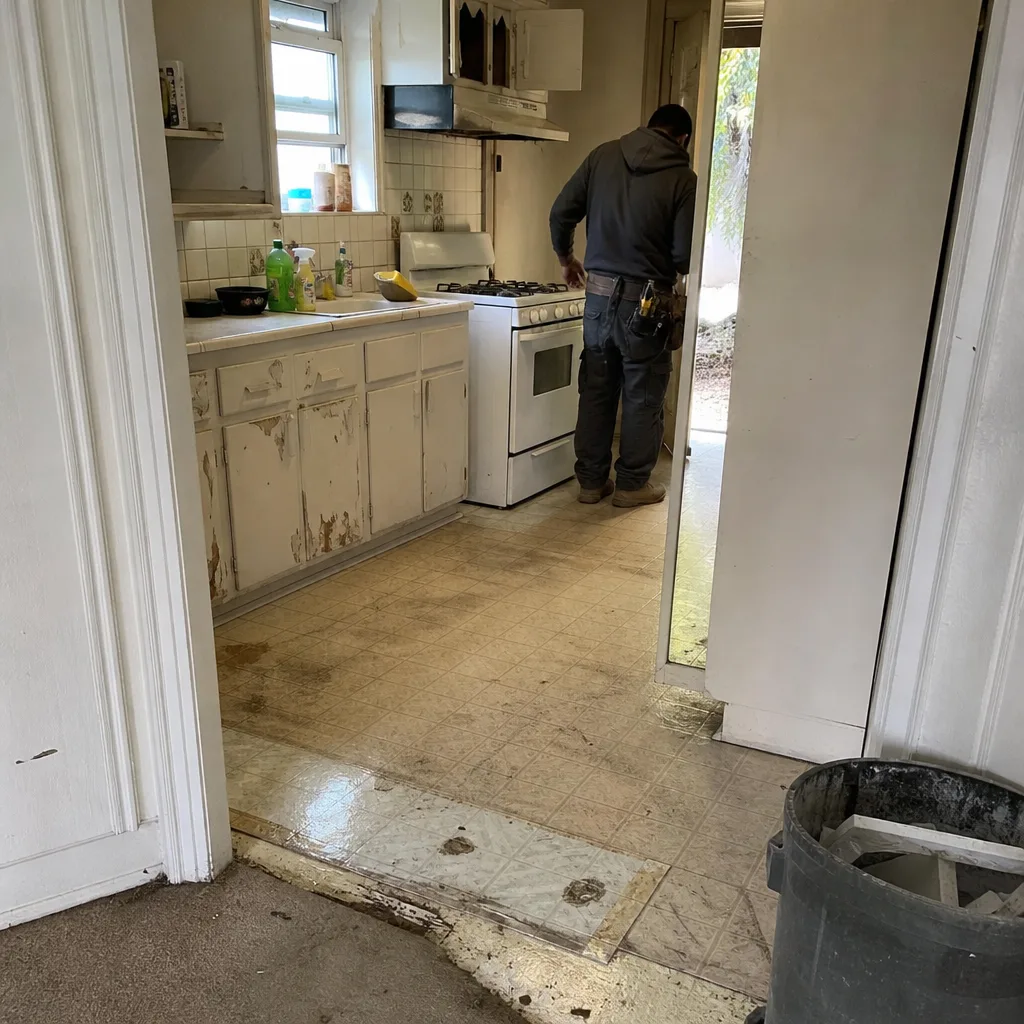 Before
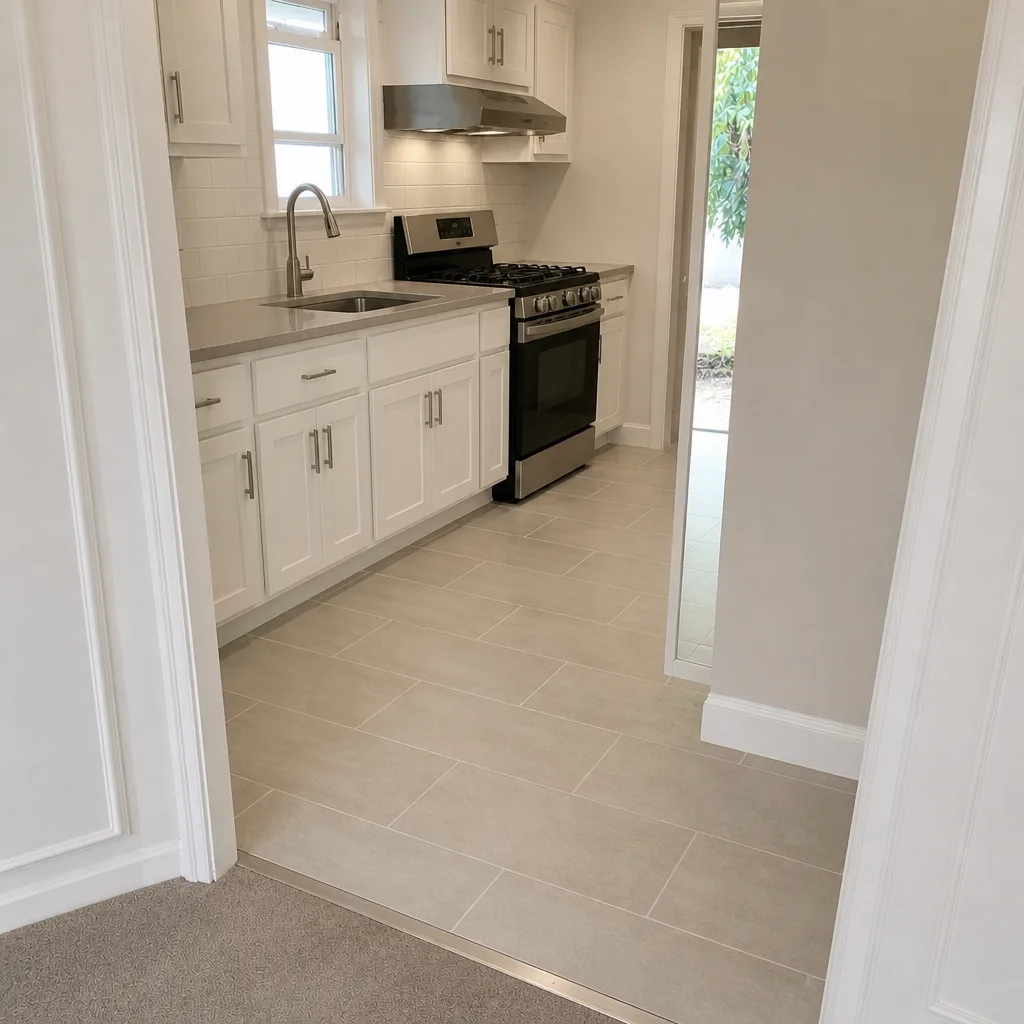 After
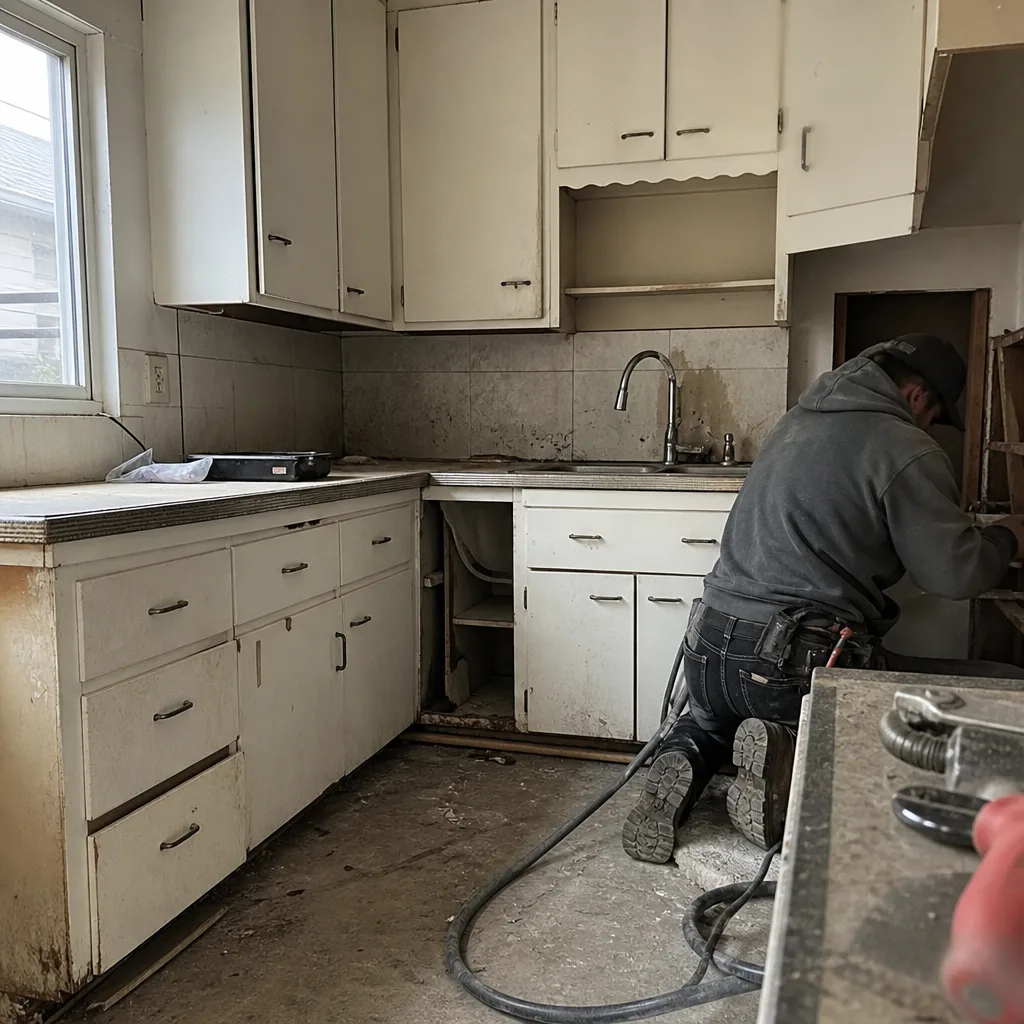 Before
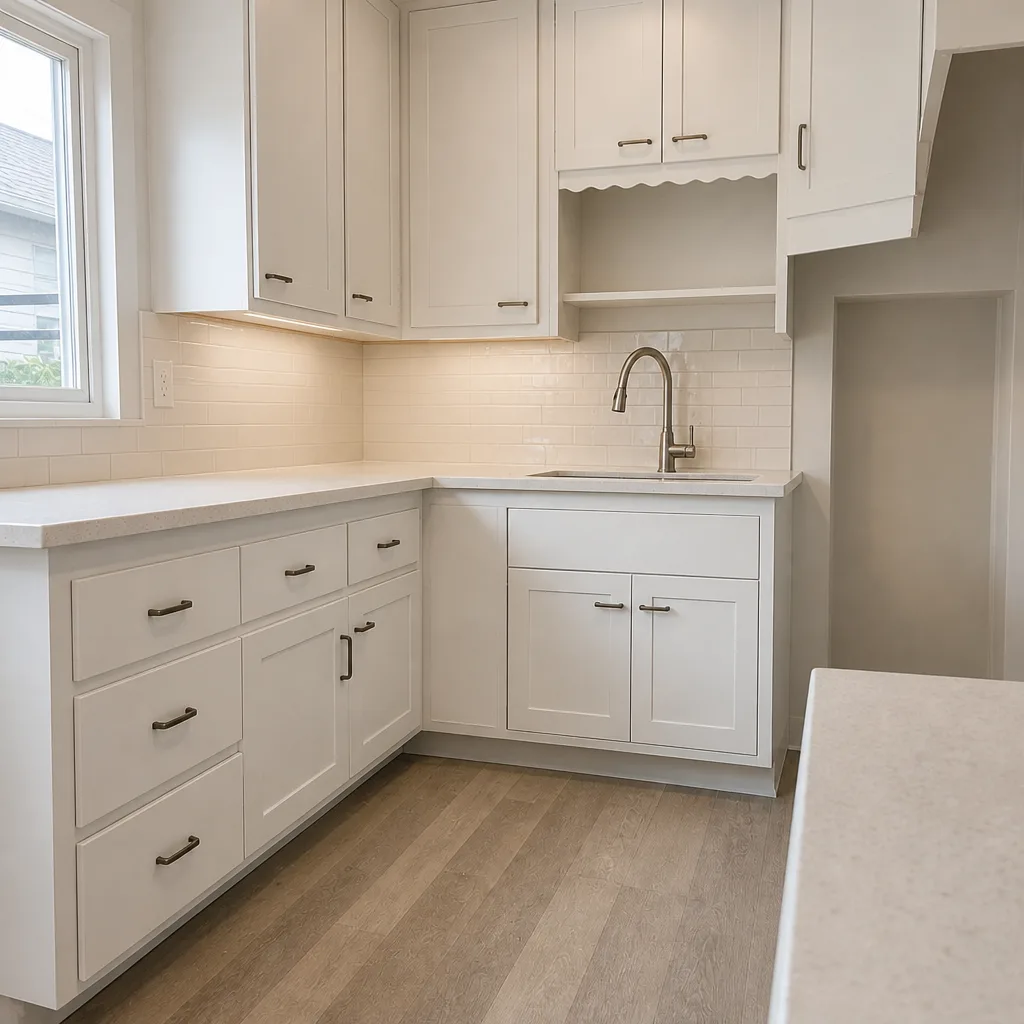 After
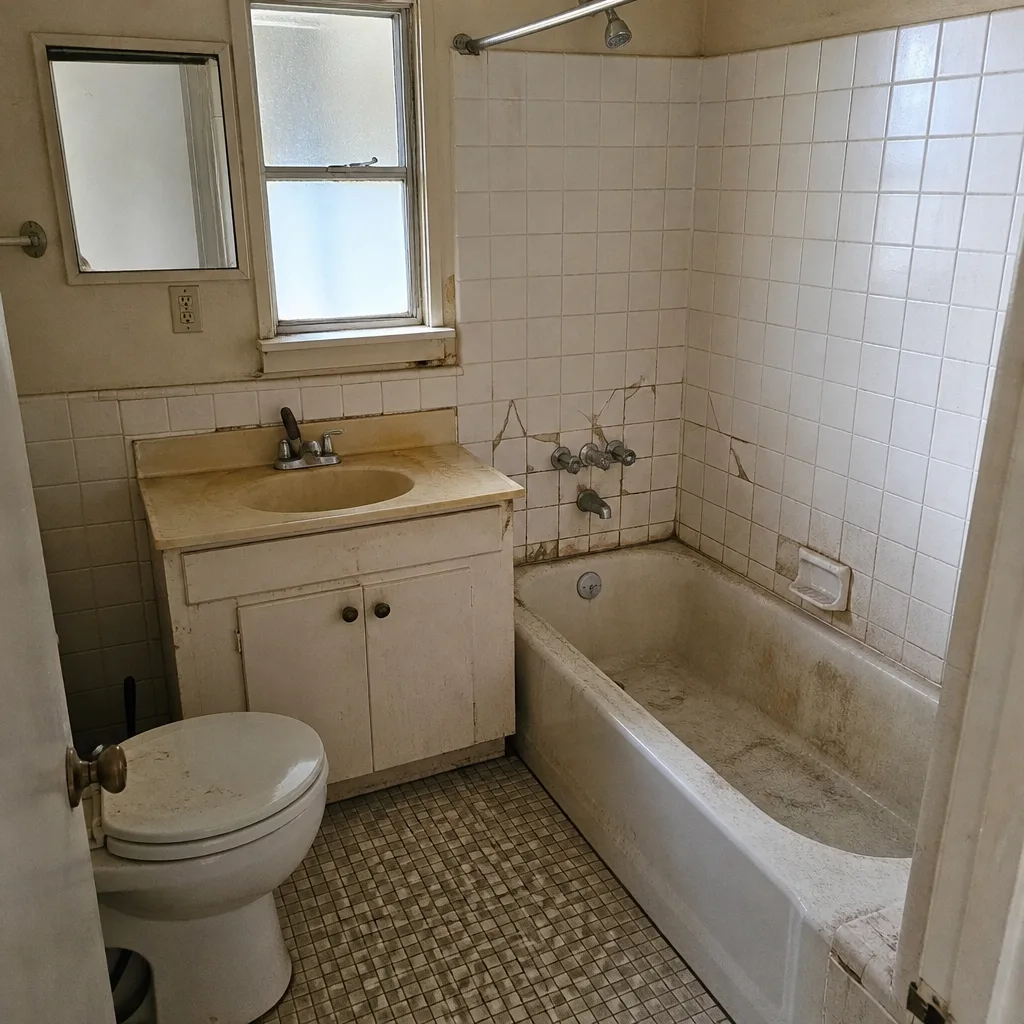 Before
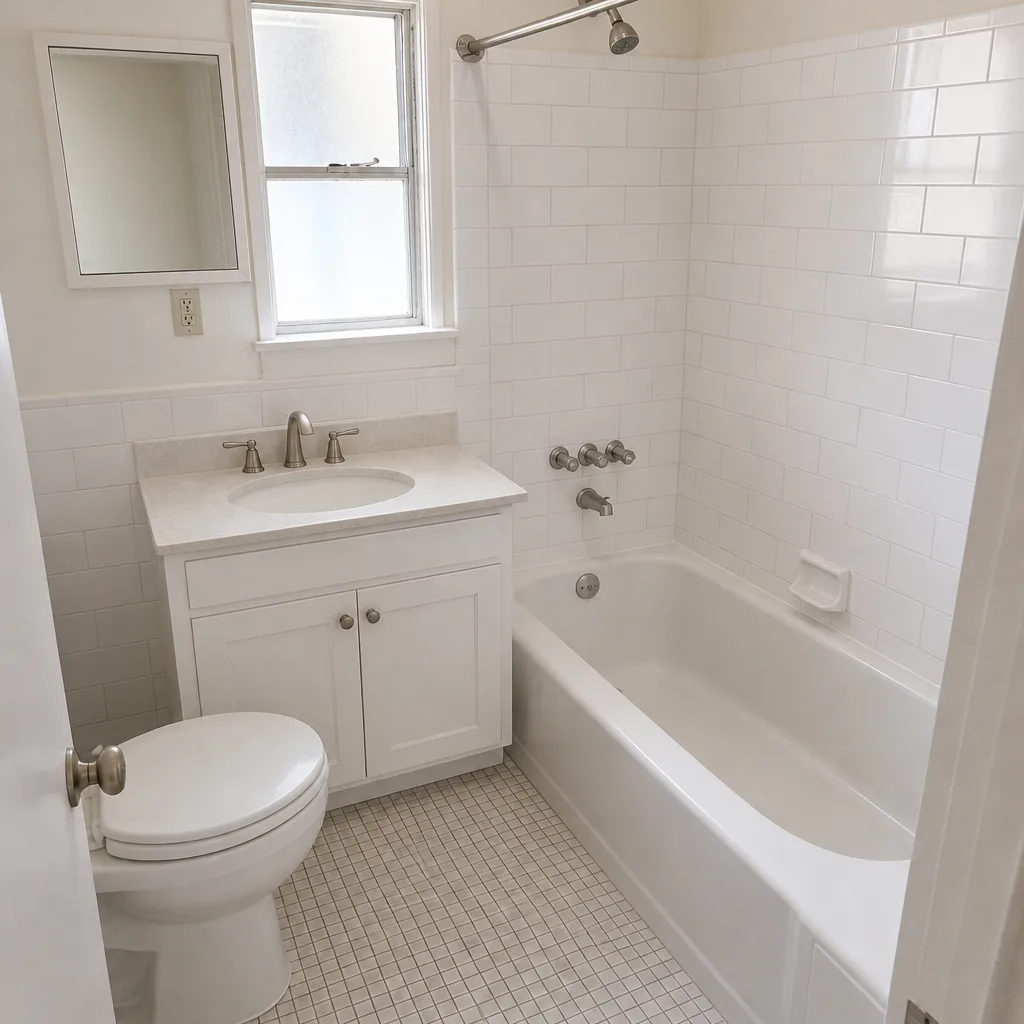 After
When to Call a Professional
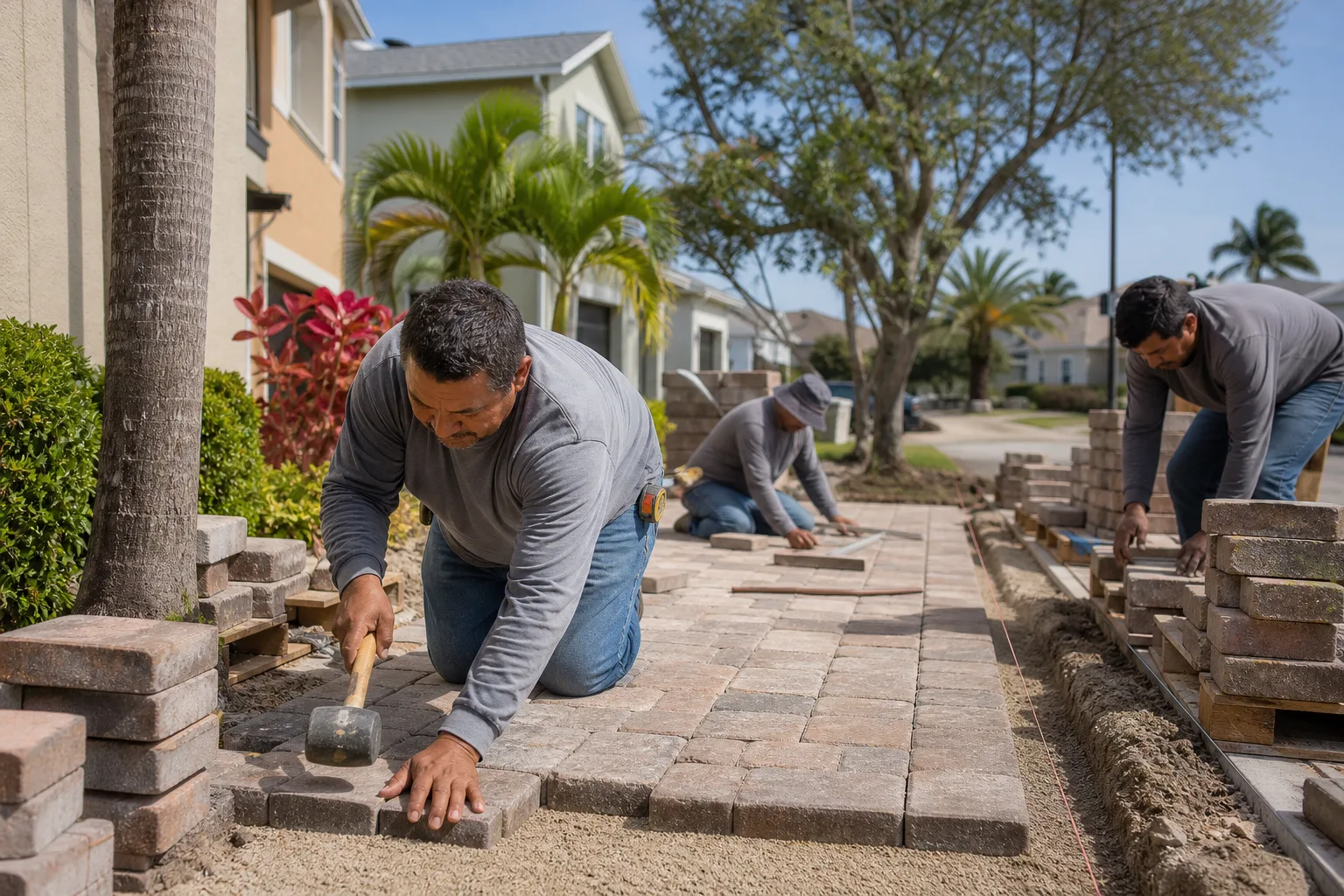
Not every driveway situation needs a full replacement, but the ones that do deserve an honest timeline from someone who’s seen the site. Call a professional when your existing driveway has cracked or settled more than an inch in a way that suggests the base has failed underneath. Call when water pools on or under the surface after rain and the drainage grading isn’t obvious. Call when you’re planning paver work on a steep Berkeley hillside lot where the equipment access, drainage, and permit questions are all live at once. Call when a previous contractor’s work has started to shift, heave, or separate and you need someone who’ll put a written guarantee behind the repair.
Groundwork Construction Co. of Berkeley offers free project estimates and design consults in Berkeley – call (855) 471-4163 to schedule one. We start with a site inspection, test the base conditions before committing to a timeline, and put the schedule and the price in writing before work starts.
Frequently Asked Questions
Most residential paver driveways in Berkeley take 5 to 10 working days of construction, with the base preparation phase consuming most of that time. If permits are required and haven’t been pulled yet, add 2 to 6 weeks of city review time before demolition can begin. The honest total, from contract signing to first parking, is three to eight weeks depending on permits and time of year.
Not during the base phase. Rain that hits an uncompacted aggregate base ruins the subgrade underneath and forces re-excavation. From late October through March in Berkeley, a good contractor will plan for covered base work and check the forecast before starting. Pavers themselves can be laid in light rain, but the base can’t get wet before compaction is finished.
Any driveway that changes the curb cut, alters drainage, or touches the public right-of-way needs a permit through the city of Berkeley. Simple surface replacement of an existing driveway on the same footprint sometimes doesn’t, but the answer depends on the specifics. Ask your contractor to confirm the permit status in writing before demolition starts. If they say no permit is needed on a project that changes grade or drainage, get a second opinion.
Paver driveways vary widely based on square footage, paver type, base conditions, and site access. A basic installation runs higher on Berkeley hillside lots where excavation is difficult and materials need ferrying in. The reliable way to budget is a free on-site estimate with the base conditions inspected, not a per-square-foot number from a phone call. Call (855) 471-4163 – estimates and design consults are free.
It can, and honest contractors plan for it. The three legitimate reasons a schedule extends are a base condition discovered during excavation that couldn’t be seen beforehand, a weather window that compromises the base, or a permit inspection that catches something requiring rework. Each of those should be documented and communicated the day it happens, not three weeks later. A written contract with defined milestones and remedies protects you if those surprises come up.
You can walk on new pavers the same day. Cars wait 24 to 48 hours for the polymeric joint sand to set. Heavy vehicles should wait about a week. Sealing is separate and happens 30 to 90 days later, after the pavers and base have had a chance to settle.
May through mid-October is the safest window. The base stays dry, cure times are predictable, and material delivery runs on schedule. Late October through March is workable but riskier for the base phase. Late October through March installations carry real risk of base work getting compromised by rain before compaction completes, which turns a one-week job into a two-week one.
The Bottom Line
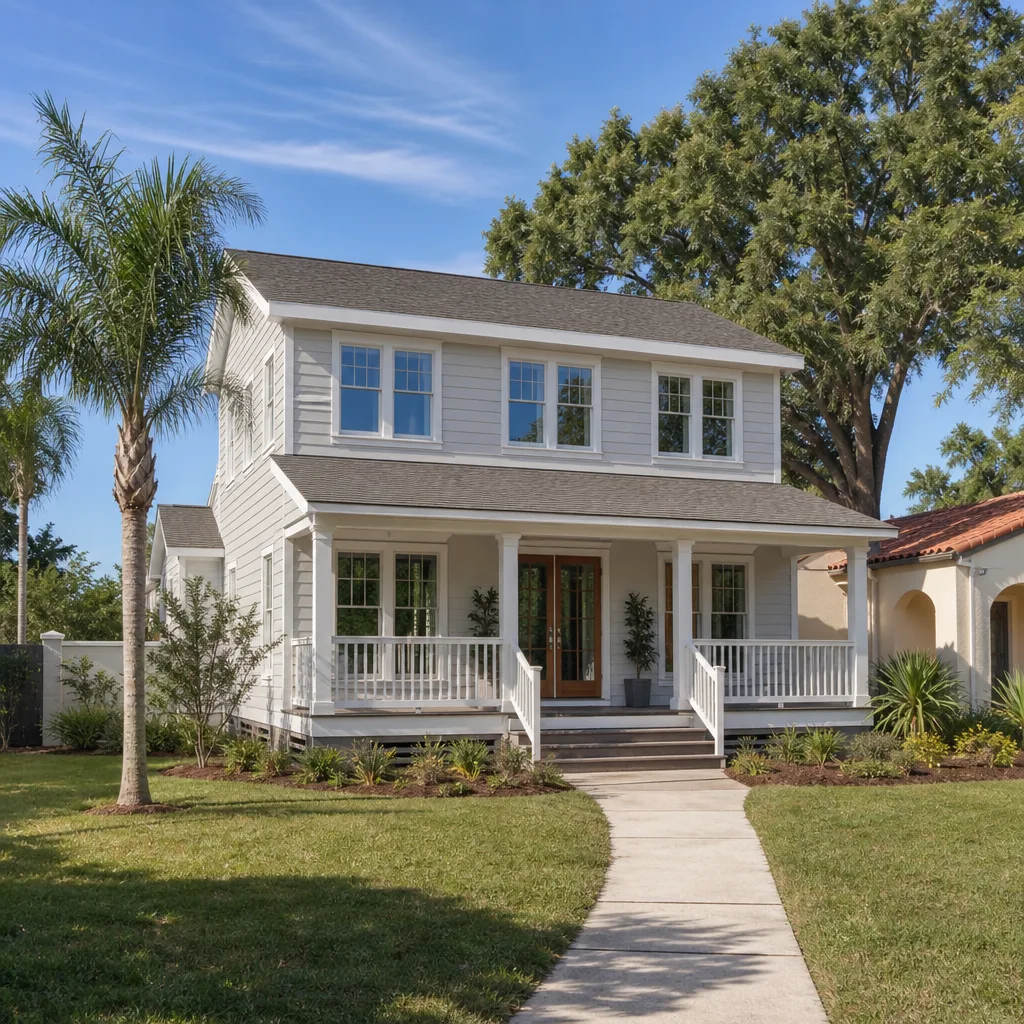
A paver driveway timeline is only as reliable as the information it was built on. The construction itself is 5 to 10 working days for most Berkeley homes, but the real number depends on four things: what’s under the existing surface, whether permits are already in hand, how accessible the site is, and whether the work lands in a dry window or the wet season. Get a site inspection before you sign. Get the permit timeline in writing. Get a base compaction inspection before bedding sand goes down. And get a milestone schedule with defined remedies into the contract. The numbers in this guide are a starting point for the schedule conversation, not a promise from your specific site. That promise should come from a contractor who’s walked your driveway, tested the base, and put the timeline in writing.
Groundwork Construction Co. of Berkeley backs every project with the 730-Day Done Right Promise, answers calls with a live person 24/7, and prices up front with no surprises. It’s the same standard we bring to every scope, from a paver driveway to the finish line of a full renovation. Start with the Groundwork Construction Co. of Berkeley home for a view of the full scope, or call (855) 471-4163 for your free estimate on paver driveway work in Berkeley.
Written by the team at Groundwork Construction Co. of Berkeley.