Last updated November 18, 2026




Free written scope consultation - allowances, timeline, and change-order rules on paper before a single trade is scheduled
Fence Installation Warning Signs Every Homeowner Should Know
A contractor who skips the 811 utility locate call can strike a gas line on your property, and you’re the one holding the bill for the repairs and the evacuated block. It happens more than you’d think because skipping the locate saves the crew about 72 hours of waiting for markings. The obvious red flags (no license, no insurance, cash only) are easy to spot. The dangerous ones hide inside normal-looking job-site shortcuts and contract language that quietly hands liability to you. This guide covers the procedural warning signs most homeowners never catch, with Berkeley-specific soil, permit, and material details so you can verify the work before concrete goes in the ground.
Quick Answer
The biggest fence installation warning signs are procedural, not cosmetic: no 811 utility locate ticket, a contract with vague warranty language, a contractor who skips the staking and layout walk-through, payment demands above 30-40% upfront, and posts set at shallow depth before anyone inspects them. Any one of these shifts liability onto you. Two or more together mean you should walk away. A licensed Berkeley contractor pulls permits, calls for utility locates, stakes the line with you before digging, and puts post depth and material specs in writing.
Styles & brands we work with
- Kitchen remodeling
- Bathroom remodeling
- Home additions & ADU
- Roofing
- Windows & doors
- Driveway & pavers
- Fence
Table of Contents
- The Skipped Utility Locate: The Shortcut That Can Cost You Thousands
- Contract Clauses That Quietly Transfer Liability to You
- What Proper Post Depth Looks Like in Berkeley Soil, and How to Check It
- The Material Bait-and-Switch: Verifying What Actually Gets Delivered
- Payment Structure Red Flags Specific to Fence Jobs
- Staking and Layout: Why the Walk-Through Matters More Than the Build
- Permits and Berkeley Code: Who Pulls Them and Why It Matters
- Insurance and Licensing: What to Verify Before the First Shovel
The Skipped Utility Locate: The Shortcut That Can Cost You Thousands
Before any fence post hole gets dug in Berkeley, the contractor must call 811, the free national utility locate service, so gas, electric, water, and telecom lines get marked. The call is free and the markings usually arrive within a few business days. A contractor who skips it saves that wait and gains nothing else. When a shovel hits an unmarked gas line, the bill for emergency response, repair, and any evacuation comes looking for the property owner first. The contractor’s excuse is always that “the lines weren’t marked,” but the only reason they weren’t marked is that nobody called.
In our experience, this shortcut is most common on small jobs, like a 40-foot side-yard replacement in a neighborhood like Thousand Oaks or Live Oak where the contractor wants to finish in a single day. The temptation to skip the locate and get the crew out fast is real. It should never win.
What a legitimate locate process looks like:
- The contractor files the 811 ticket before scheduling your dig date and gives you the ticket number.
- You wait for the utility markings (usually colored paint or flags along your property).
- The crew re-verifies the markings on dig day, since paint fades and gas lines sit shallower than most people assume.
- If a marking is missing on a segment where a post will go, the contractor hand-digs that hole instead of using an auger.
If nobody mentions 811 during the estimate, ask directly. A professional has the answer ready and can show you the ticket. One who waves the question off (“we know where the lines are”) is telling you they’re willing to gamble with your gas main.
Contract Clauses That Quietly Transfer Liability to You
Read the fence contract before you sign it, specifically for three things: warranty language, post-installation inspection, and permit responsibility. Vague warranty language is the most common liability transfer. “Warranted against defects” sounds reassuring until you notice it doesn’t define a defect, doesn’t say who decides, and doesn’t say for how long. Ask for a written number in years and a written description of what’s covered. A warranty that doesn’t name the failure mode (leaning posts, rot at the base, gate sag) is a warranty that won’t cover the failure you’ll actually have.
Second, look for a post-installation inspection step. A proper fence contract includes a final walk-through with the homeowner, checking post plumb, gate swing, board alignment, and cleanup. If the contract ends at “install fence,” there’s no verification built in, and your only recourse is a phone call the contractor can decline to answer. The fence installation in Berkeley page on our site spells out what a walk-through covers.
Third, permit responsibility. In Berkeley, fences over a certain height, or located in specific setback zones, require a building permit. A contract that says “permits by owner” on a job that needs one is a red flag. The owner usually doesn’t know the local fence height and setback rules, and the contractor knows you won’t ask. Every professional contract names the party responsible for permits in writing. If it doesn’t, ask, and get the answer added to the document.
One more clause to watch: arbitration or dispute-resolution language buried in the fine print. A fair contract offers a clear path to resolve problems. One that funnels every dispute into a process you can’t easily access is a liability shift in disguise.
What Proper Post Depth Looks Like in Berkeley Soil, and How to Check It
Post depth is where fence jobs fail five years later. In Berkeley’s soil, which ranges from clay-heavy flats near the Berkeley Marina to rocky slopes in the Berkeley Hills, posts need to reach below the active soil layer and be set in concrete, or in some hill locations on proper footing, to resist frost heave and soil movement. The rule of thumb many contractors use is one-third of the post’s above-ground height in the ground, but Berkeley’s clay and hill soils often call for deeper settings or engineered footings on slopes. A 6-foot fence with posts set 18 inches deep in clay will lean within a few seasons.
Here’s the part most homeowners miss: you can verify post depth before the concrete goes in. Step-by-step:
- Watch the first hole get dug. Ask the crew to measure the hole depth in front of you with a tape.
- Confirm the post hole is at least one-third of the post’s above-ground height, and deeper if the soil is clay or the yard is sloped.
- Check that a gravel base goes in before the concrete, since it helps drainage in Berkeley’s wet winters.
- Confirm the post is plumb with a level before concrete is poured, not after.
- Ask that the concrete cure before any fence boards or gate hardware go on, typically 24 to 48 hours in Berkeley weather (longer if it’s cold and damp).
If the crew pours concrete on all posts before you’ve had a chance to see one, that’s a procedural red flag. A professional expects you to inspect, and builds the schedule to allow it.
The Material Bait-and-Switch: Verifying What Actually Gets Delivered
The material bait-and-switch is the quietest red flag because it happens before the first board goes up. You spec a certain cedar grade or a specific composite line in the contract, and the crew shows up with a lower grade from a different mill, or with pressure-treated lumber where you were promised cedar, or with composite boards that don’t match the brand you agreed to. By the time the fence is built, the material is in the ground and you’d need a demolition to change it.
How to verify what actually gets delivered:
- Match the delivery to the spec sheet. The contract should list the material, grade, and (where applicable) the brand. When the delivery arrives, compare it line by line. A legitimate contractor expects this and won’t flinch.
- Check the boards for stamps and grading marks. Pressure-treated lumber is stamped with a treatment rating. Cedar has a grade stamp. If the boards are unstamped when the contract promised a specific grade, ask before they go up.
- Look at the posts, not just the boards. The post is the part you can’t replace once it’s in the ground. If the contract promised ground-contact-rated posts and the delivery has non-rated ones, that’s a downgrade that will shorten the fence’s life.
- Confirm gate hardware brand. Gate hardware is a common place to cut corners. Brands like Barrette show up on professional jobs; unnamed hardware in a bag is a cost cut that shows up as gate sag two winters later.
Some of our material partners in related trades include Therma-Tru for doors and Mr-Glass for glazing, and we take the same spec-sheet approach to a fence as we do to a front door. The point isn’t the brand name. The point is that the material in your contract is the material in your yard.
Payment Structure Red Flags Specific to Fence Jobs
Payment structure is the single most reliable red flag on a fence job. A fence is a small project by construction standards (typically a few thousand dollars for a residential run), and a contractor demanding more than 30 to 40 percent upfront on a job that size is asking you to carry their cash-flow risk. A 50 percent deposit on a $6,000 fence is $3,000 in the contractor’s hands before a single post is dug. If they disappear, you’ve lost the deposit and still need the fence.
What a fair fence payment schedule looks like:
- Deposit: 10 to 30 percent at signing, enough to cover material orders.
- Progress payment: a second draw when posts are set and inspected, typically 30 to 40 percent.
- Final payment: the remainder on completion and the walk-through, after you’ve confirmed the line, gate swing, and cleanup.
Watch for these payment red flags in Berkeley:
- Cash only, no written receipt. A contractor who wants cash with no paper trail is avoiding accountability, not taxes.
- Full payment before the walk-through. Once you’ve paid in full, your leverage is gone.
- Payment demanded before materials arrive on-site. Materials should be delivered and visible before any progress draw.
- “Discount for paying in full today.” A price that only holds if you pay cash upfront is a price that was never real. Upfront pricing means the number in the quote is the number you pay, at the schedule in the contract.
Staking and Layout: Why the Walk-Through Matters More Than the Build
Before installation begins, a professional contractor stakes the fence line and walks it with you and, where possible, the neighbor whose property it borders. This step prevents encroachment disputes, and it’s the one most often skipped. A fence built on the wrong side of the property line by six inches becomes a problem you can’t undo without tearing out the fence and going to a mediator.
What a legitimate staking and layout process includes:
- Property line verification. The contractor checks the survey or plat, or asks you for it. If there’s no survey and the line is in question, a professional flags it before digging, not after.
- Physical staking. Wooden stakes and string mark the exact line, with the gate location and any corners or turns clearly marked.
- A staked-line walk-through with you. You walk the line with the contractor and confirm the gate placement, the fence height, and any shared-line agreements with the neighbor.
- A signed layout page. The stakes and string get photographed or sketched and added to the job file before a single post hole is dug.
In Berkeley, where lots in neighborhoods like North Berkeley and the Elmwood are often narrow and shared lines are common, this step is not optional. Skipping it leads to disputes that cost far more than the fence. If a contractor is ready to dig before staking, ask them to stake first. A professional will do it without argument.
Permits and Berkeley Code: Who Pulls Them and Why It Matters
Berkeley has specific fence height, setback, and sight-line rules, and a fence over a certain height near a corner, or one that blocks a view line, needs a permit and an inspection. A contractor who says “you don’t need a permit for a fence” without checking the city code is guessing. The owner carries the liability when the fence fails inspection or a neighbor complains to the city. That means the fence comes down, or you pay a fine, or both.
What to verify:
- Ask the contractor to confirm the permit requirement in writing before work starts. A professional knows the Berkeley rules and can tell you whether your fence needs a permit, in writing.
- Confirm who pulls it. The contract should name the party responsible for the permit application and inspection.
- Ask for the inspection sign-off. A professional job includes passing the final inspection and handing you the documentation.
If the contractor is vague about permits, or suggests skipping them to “save time,” that’s a red flag that goes beyond the fence. It tells you how they handle every other code requirement on the job.
Insurance and Licensing: What to Verify Before the First Shovel
Verify licensing and insurance before the first shovel touches the ground, and verify it directly rather than taking the contractor’s word. In California, you can check a contractor’s license status through the state licensing board, and you can ask for a certificate of insurance naming you as additional insured for the job. A legitimate contractor expects both requests and answers them promptly. A contractor who says “we’re fully insured” without producing a certificate is asking you to trust a claim with no paper behind it.
What “verified” actually means:
- License: the license number matches the company name on the contract and is active.
- General liability: a certificate of insurance exists, is current, and lists the limits.
- Workers’ comp: if the contractor has employees, workers’ comp coverage exists. If they don’t, everyone on your job is an independent contractor and you’re exposed if someone gets hurt.
This is also where a written guarantee matters. Our 730-Day Done Right Promise covers workmanship for two full years, and we put that in writing on every job. Any fence contractor worth hiring puts their warranty in writing with a number of years attached. If you can’t find the number in the contract, ask for it in writing before you sign.
Common Mistakes to Avoid
- Skipping the 811 call to save time. It’s free and usually takes a few business days, and it’s the only thing standing between your post hole and a gas main. A contractor who skips it is gambling with your property, not just theirs.
- Signing a contract with no warranty number in it. “Warranted against defects” is not a warranty. Ask for a specific number of years and a written list of what’s covered.
- Paying 50 percent or more upfront on a small fence job. A fence is not a kitchen remodel, and the deposit should reflect that. Above 30 to 40 percent is a red flag worth walking away from.
- Letting the crew dig before the line is staked and walked. In Berkeley’s narrow lots, a fence on the wrong side of the property line becomes a neighbor dispute you can’t resolve without tearing it down.
- Assuming the material delivered matches the spec sheet. Check the boards and posts against the contract before they go in. A bait-and-switch is nearly impossible to fix after the fence is built.
- Skipping the permit question because the contractor says you don’t need one. Berkeley’s fence height and setback rules are specific. Get the permit answer in writing.
- Not asking who pulls the permit and who inspects the final install. If the contract doesn’t name the party responsible, assume it’s you.
See the difference
 Before
 After
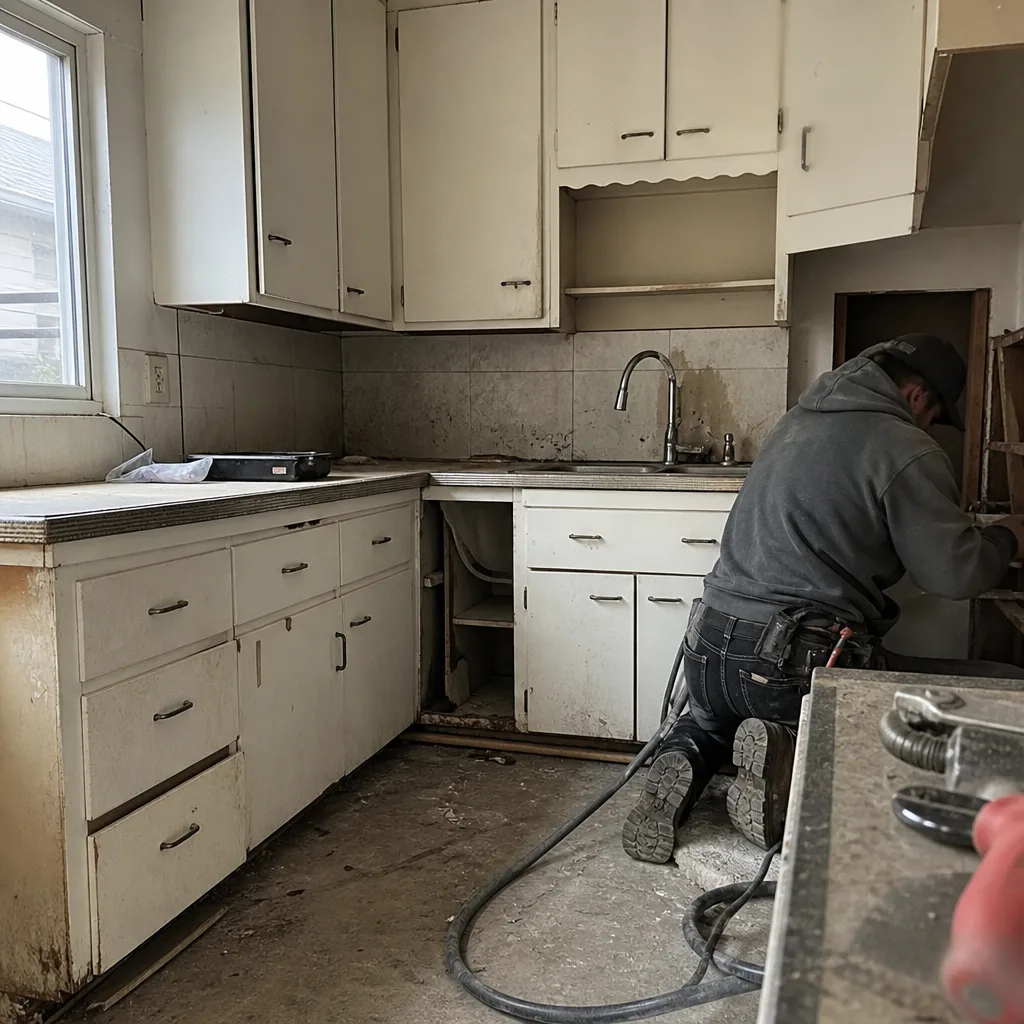 Before
 After
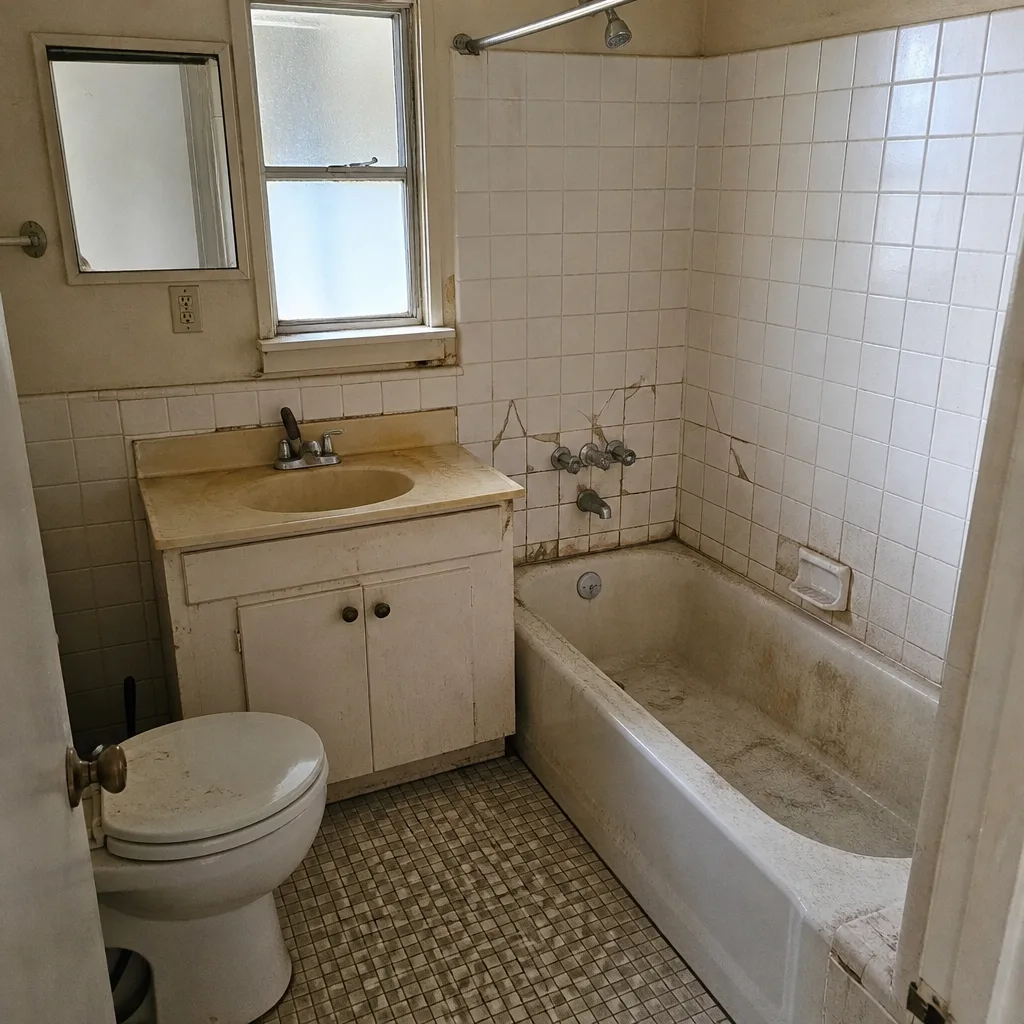 Before
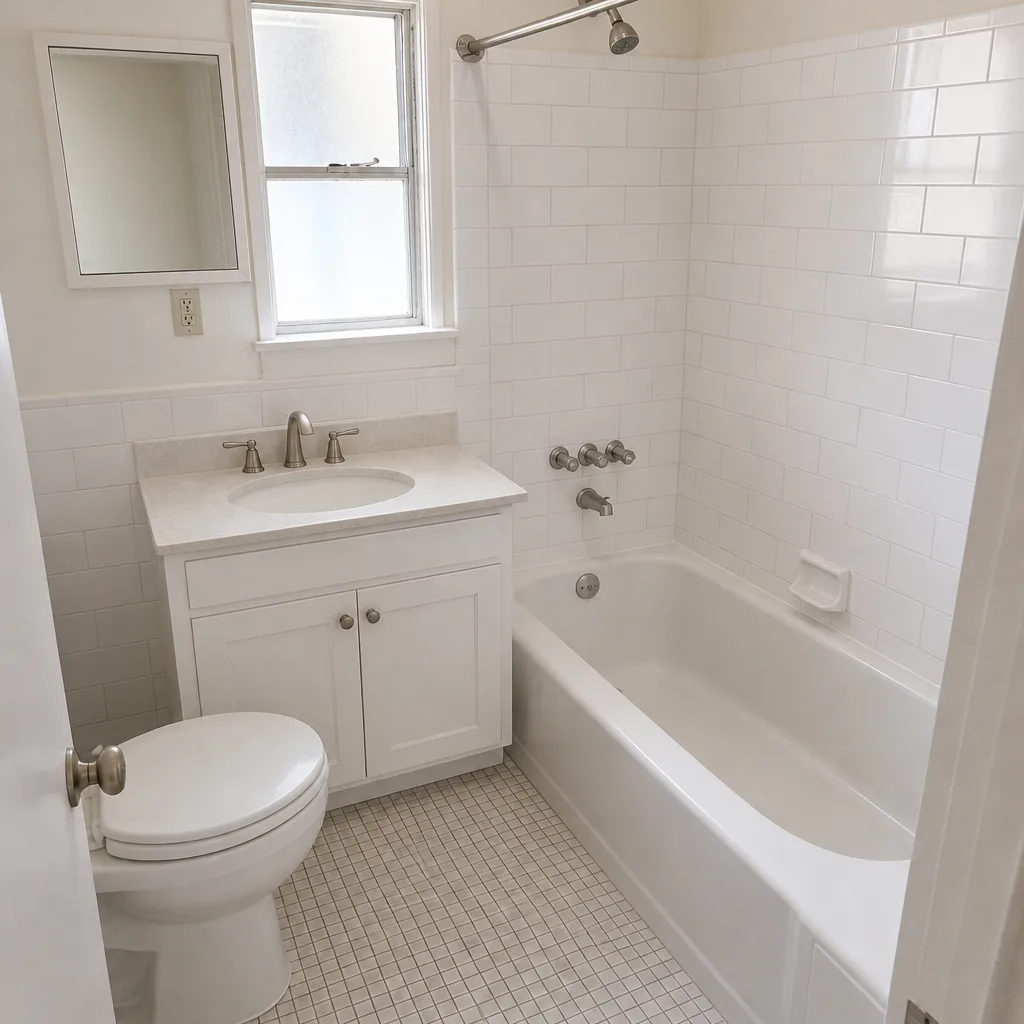 After
When to Call a Professional
Call a professional when the job involves anything you can’t comfortably verify yourself: a property line in question, a fence on a slope or in rocky Berkeley Hills soil, a permit requirement near a corner or view line, or any job where the contractor’s 811 locate, staking, and permit process isn’t in writing. Call when the contract lacks a warranty number, when the deposit demand exceeds 30 to 40 percent, or when the material delivery doesn’t match the spec sheet. Groundwork Construction Co. of Berkeley offers free estimates in Berkeley. Call (855) 471-4163 to schedule your free estimate, and we’ll walk you through the locate, the staking, and the spec sheet before any post goes in the ground. Every project is covered by our 730-Day Done Right Promise, and our technicians have up to 12 years of experience.
Frequently Asked Questions
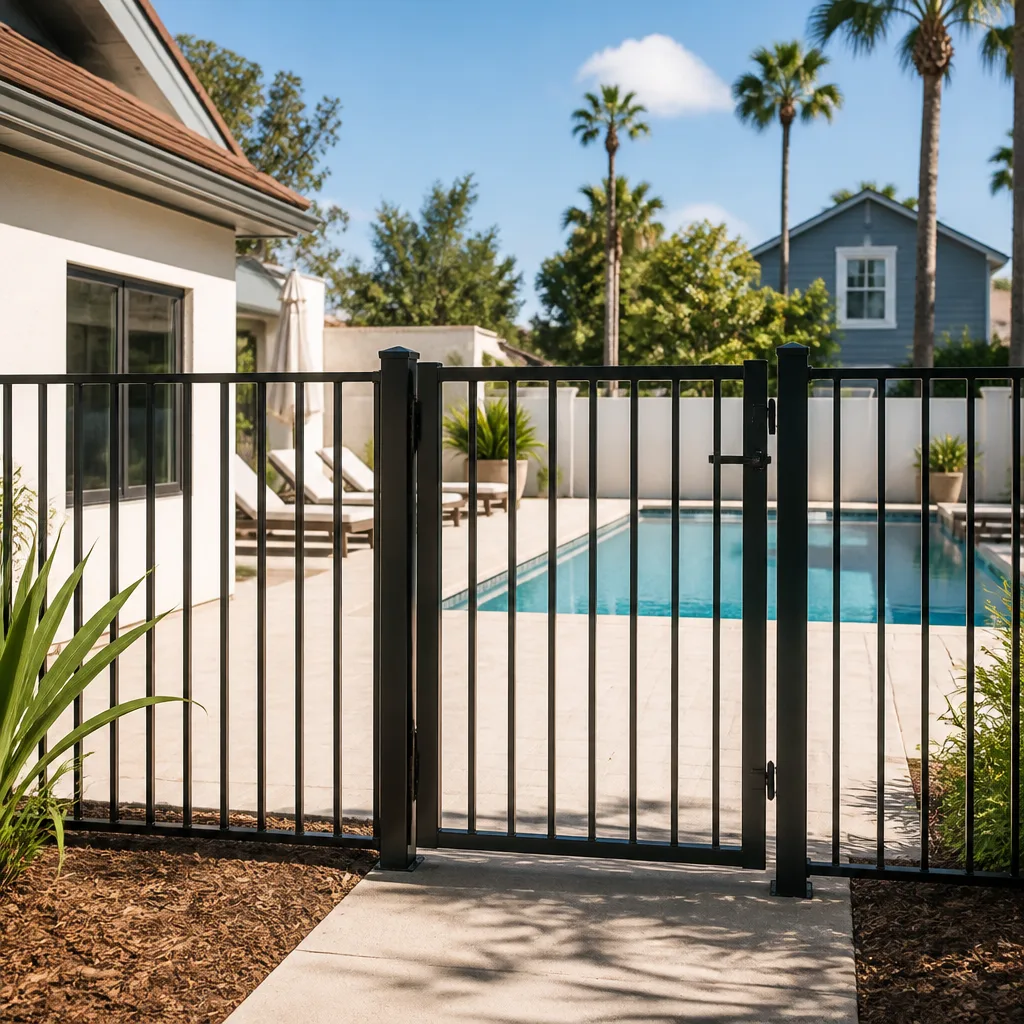
Yes, California law requires anyone digging to call 811 before excavation so utilities can mark their lines. The call is free, and skipping it transfers liability for any damage to the property owner. Ask for the ticket number before the dig date, and treat a contractor who “knows where the lines are” as a hard no.
A deposit of 10 to 30 percent at signing is standard, with progress payments after posts are set and the remainder after the walk-through. Any contractor demanding more than 30 to 40 percent upfront on a fence job is asking you to carry their cash-flow risk. Walk away and call (855) 471-4163 for a second estimate, which is free.
At least one-third of the post’s above-ground height in the ground, and deeper in Berkeley’s clay-heavy flats and sloped hill lots, where engineered footing may be needed. You can verify depth by watching the first hole get measured with a tape before concrete goes in. A contractor who pours before you can inspect has skipped a step you can’t undo.
A fence warranty needs a specific number of years and a written description of what’s covered, such as leaning posts, rot at the base, and gate sag. Vague language like “warranted against defects” with no term is not a warranty you can enforce. Our 730-Day Done Right Promise runs two full years and is in writing on every job.
They can finish the build, but the fence can be flagged by the city and may require removal if it violates Berkeley’s height, setback, or sight-line rules. The permit answer needs to be in writing before work starts, and the contract should name whether the contractor or the owner pulls it. Call (855) 471-4163 if you want a contractor who puts the permit path in writing.
Stop the install and compare the boards and posts against the spec sheet before anything goes in the ground. Check stamps and grading marks on the lumber and the post’s ground-contact rating. If the material is a downgrade, ask for the correct material in writing, and don’t let the crew proceed until the delivery matches the contract.
The Bottom Line
The red flags that actually cost homeowners money on a fence job are procedural, not cosmetic. A skipped 811 locate, a contract with no warranty number, a deposit above 40 percent, a crew that digs before staking, a material delivery that doesn’t match the spec sheet, and a permit question answered with a shrug. Any one of these is a warning. Two or three together mean you’re working with someone who’ll be unreachable when the posts lean. A professional pulls the locate, stakes the line with you, names the permit party in writing, and lets you verify the post depth before the concrete goes in. Groundwork Construction Co. of Berkeley builds to that standard, backed by the 730-Day Done Right Promise, with live people answering the phone around the clock. If you’re comparing fence bids in Berkeley, Groundwork Construction Co. of Berkeley home is a good place to start, and our guide to Driveway & Pavers in Berkeley covers the same verification steps for hardscape projects. If your improvement plan includes more than a fence, our Home Additions & ADU in Berkeley page explains how we handle permits and inspections on larger jobs.
Contact

Call (855) 471-4163 for a free estimate. We’ll walk you through the utility locate, the staked line, the material spec sheet, and the permit path before anyone digs. Calls are answered by a live person, 24/7, and our technicians have up to 12 years of experience. Every fence project is covered by the 730-Day Done Right Promise and our no-hassle upfront pricing. We offer 0% financing for 18 months and $1,000 off projects over $10,000, so a large fence or a multi-trade project stays within reach without surprises. Front to back, from the first stake to the final gate swing, we handle the details that keep the fence standing.
Written by the team at Groundwork Construction Co. of Berkeley.