
Last updated November 18, 2026







Free written scope consultation - allowances, timeline, and change-order rules on paper before a single trade is scheduled
Windows & Doors Maintenance Schedule: What to Do and When
A tube of paintable caulk applied every two years to your window exterior perimeters is worth more than a full window replacement you’ll need in year eight because water got behind the flashing. That’s the uncomfortable math of window and door care: the cheap, boring tasks you skip are the ones that decide whether your frames last thirty years or fail in seven. Most Berkeley homeowners think of maintenance as cosmetics, a little paint here, a sticky hinge there. In our experience it’s really about the envelope, the skin of your house that keeps weather out and structural wood dry. This guide lays out a full annual and seasonal schedule built for Berkeley’s wet winters and dry summers, explains how to inspect the parts that actually fail, and shows you what to document so a warranty claim holds up if something does.
Styles & brands we work with
- Kitchen remodeling
- Bathroom remodeling
- Home additions & ADU
- Roofing
- Windows & doors
- Driveway & pavers
- Fence
Quick Answer
Inspect and clean your windows and doors twice a year, in early fall before the rains and in spring after them. Re-caulk exterior perimeters every two to three years, lubricate all hardware annually, and check weep holes, head flashing, and sill drainage every fall. Berkeley’s wet winters make drainage inspection the single most important task on the list.
Table of Contents
- Why Berkeley’s Climate Rewrites the Standard Schedule
- The Full Seasonal Calendar: Winter, Spring, Summer, Fall
- Hardware Lubrication by Mechanism: Casement Operators, Tracks, Hinges, Deadbolts
- Weep Holes, Head Flashing, and Sill Pan Drainage: The Annual Water Inspection
- Wood vs. Fiberglass vs. Vinyl: Why You Can’t Treat Them the Same
- What to Photograph and Document Each Year to Protect Warranty Claims
- Caulk and Paint: The Two-Year Perimeter Routine
- Common Mistakes to Avoid
- When to Call a Professional
- Frequently Asked Questions
- The Bottom Line
Why Berkeley’s Climate Rewrites the Standard Schedule
Most maintenance guides hand you four tidy seasons and call it done. Berkeley doesn’t operate on four seasons. It runs on two: a long dry stretch from roughly May through October, and a wet stretch from November into April when Pacific storms push rain sideways against your west and south elevations. That split changes how you care for windows and doors.
The dry months are your working window. Caulk cures properly, paint bonds, and wood has a chance to dry out before you seal it. The wet months are your inspection window. You can’t find a leak in August. You find it in January, when the third storm of the week has been driving water against the same window for six hours and a hairline gap in the flashing starts letting it in.
Berkeley’s older housing stock makes this sharper. The flats and hillsides are full of pre-war homes with wood double-hung windows and single-pane glass, many of them on the western slopes where fog rolls through and keeps exterior surfaces damp for days after rain. Constant damp on a wood sill is how rot starts. Fiberglass and vinyl hold up better to that moisture, but they have their own failure points, which we’ll get to.
We’ve seen the same pattern in Berkeley homes again and again: a window that looks fine from inside, no stain, no draft, and then someone pulls back the interior trim and the sheathing behind it is soft and dark. Water worked in behind the flashing, traveled sideways along the framing, and only showed itself once the damage was structural. That’s why this schedule is built around protecting the envelope, not keeping the windows pretty.
The Full Seasonal Calendar: Winter, Spring, Summer, Fall
Here’s a schedule calibrated to Berkeley rather than to a generic four-season model. Treat fall as the most important checkpoint, because everything you do in October protects you through the storms of January.
Fall (late September through October): Prepare for Rain
- Walk the exterior of every window and door and press the caulk line. Replace any section that has cracked, pulled away, or turned chalky.
- Clear weep holes on every window and sliding door sill. More on this in the drainage section.
- Test sill pan drainage on doors and low windows by pouring a cup of water into the sill track and watching it exit outside, not pool.
- Check head flashing above every window and door. Look for lifting, gaps, or caulk bridging that has failed.
- Lubricate all hardware before the wet season so nothing seizes while it’s damp.
- Inspect weatherstripping and door sweeps, and replace any that has flattened or torn.
Winter (November through March): Inspect and Note
Don’t caulk or paint now; too much moisture. This is inspection season. During and just after heavy storms, check interior corners of window openings for dampness, look for water staining on drywall below sills, and note any window that fogs between the panes. Catch these early and they’re cheap. Catch them late and they’re a framing repair.
Spring (April through May): Assess and Repair
Once the rains taper, walk the same exterior perimeter you checked in fall. Look for paint peeling, wood checking, caulk splits, and any soft spots in wood sills or door thresholds. Berkeley’s damp spring is when rot advances fastest, so this is the moment to catch soft wood and repair before summer heat bakes it in.
Summer (June through September): Do the Big Work
This is when caulk and paint go on, hardware gets fully serviced, and any window or door showing real problems gets scheduled for repair or replacement. Dry weather lets you apply sealants correctly and paint cure. It’s also when most Berkeley homeowners start planning a bigger project, which is a good time to look at Groundwork Construction Co. of Berkeley home services if windows or doors are part of the plan. For a bigger remodel that touches openings, our team can scope that alongside Home Additions & ADU in Berkeley.
Hardware Lubrication by Mechanism: Casement Operators, Tracks, Hinges, Deadbolts
Hardware fails for two reasons: dirt and dry lubricant. Every mechanism on your windows and doors needs its own product. Using the wrong one is worse than using nothing; a spray of general-purpose oil on a sliding door track collects grit and turns into grinding paste.
Casement and Awning Window Operators
The crank mechanism on a casement window has a worm gear and a metal arm that slides in a track. Clean the track with a dry brush, then apply a light white lithium grease or a silicone-based grease to the arm and gear. Don’t use WD-40 as a long-term lubricant; it’s a solvent, not a lasting grease. A dry PTFE or silicone spray also works well here.
Sliding Door and Sliding Window Tracks
Vacuum the track first. Always. Then wipe it with a damp rag and let it dry. Apply a dry silicone spray, never grease, because grease on an exterior track traps dust and pollen. The rollers themselves often fail before the track does; if a slider gets hard to move after cleaning and silicone, the rollers are likely worn and can be replaced.
Hinges on Doors and Casement Windows
Standard hinges get a drop of light machine oil at the knuckle once a year. For heavy exterior doors, use a slightly heavier lubricant and check that all screws are snug; a sagging door usually starts with one loose hinge screw. Stainless marine-grade hinges on coastal exposures, which some Berkeley homes have, need the same treatment more often because salt air accelerates corrosion.
Deadbolts and Locksets
Locks are the most neglected mechanism in the house. Once a year, apply a graphite powder or a dedicated lock lubricant into the keyway and work the key in and out. Don’t use oil, which attracts dust and gum in the cylinder. Check the strike plate alignment; if the deadbolt no longer slides home without pressure, the door has shifted, and that’s a sign of a hinge or frame issue worth addressing.
Weep Holes, Head Flashing, and Sill Pan Drainage: The Annual Water Inspection
This is the section most window guides skip, and it’s the one that saves the most money. Water doesn’t usually enter through the glass. It enters through drainage that’s blocked or flashing that’s failed.
Weep Holes
Weep holes are the small openings at the bottom of window frames and sliding door sills that let accumulated water drain out. When they’re blocked by dirt, paint, caulk, or debris, water sits in the sill and eventually finds its way inside the wall. On your fall inspection, use a stiff plastic brush or a thin wire (a pipe cleaner works well) to clear every weep hole. Don’t enlarge them; just clear them.
Head Flashing
Head flashing is the metal piece above a window or door that sheds water out and away from the opening. Look for it lifting, pulling out of the wall, or with caulk smeared over the joint. A gap in head flashing lets water run behind the siding and into the wall cavity. If you can slide a putty knife behind the flashing, water can get in the same way.
Sill Pan Drainage
Sill pans are the sloped water-managing trays under windows and doors that route water to the exterior. On doors and low windows, you can often test drainage by pouring water into the sill track and watching for it to exit outside within a few seconds. If it pools or doesn’t drain, the weep system is blocked or the pan was never installed correctly.
What blocked drainage looks like before you see damage: a sill that never quite dries after rain, faint darkening at the base of the frame, a soft spot when you press the sill with a finger, or paint that bubbles near the bottom corner. Catch any of those and address them. In Berkeley, where the wet season runs long and coastal fog keeps surfaces damp, we’ve watched a blocked slider sill turn into a framing repair in a single season.
Wood vs. Fiberglass vs. Vinyl: Why You Can’t Treat Them the Same
Treating all window and door frames identically is one of the fastest ways to shorten their lifespan. Each material has different failure modes and different care.
Wood
Wood frames are genuinely beautiful and genuinely demanding. They need repainting or resealing every three to five years in Berkeley’s wet climate, and any bare or cracked spot is a place where water will enter and rot will start. Look for soft spots, checking, and paint that has cracked into a pattern that lets water sit. Wood also expands and contracts more than other materials, which stresses caulk lines. Keep paint and sealant in good condition and a wood frame lasts decades. Let it go and it can fail in a few seasons.
Fiberglass
Fiberglass is low-maintenance but not maintenance-free. It resists rot and moisture well, but its finish can chalk and fade, and caulk lines around the perimeter still degrade. Hollow fiberglass door slabs can take on water through failed top corners if not sealed. Check the finish annually, clean it with a mild cleaner, and keep the perimeter caulk intact. Fiberglass rarely needs painting if it’s factory finished, but inspect the seams.
Vinyl
Vinyl is the easiest to live with and the hardest to repair. It doesn’t need painting, but it can crack at the welded corners, it yellows on sunny exposures over time, and it doesn’t tolerate the wrong lubricants, which can stain or etch it. Clean tracks with a mild cleaner, use only silicone spray on tracks, and never use an abrasive. Vinyl frames also move with heat, so check the caulk line and the perimeter seal after the first hot summer.
Knowing which kind of frame you have, and caring for it accordingly, is the difference between a thirty-year investment and a ten-year headache. If you’re choosing replacements, brands like Andersen and Marvin, which we work with, publish maintenance schedules for their frames, and following them is a warranty requirement.
What to Photograph and Document Each Year to Protect Warranty Claims
Warranty claims fail far more often for lack of documentation than for the product being at fault. If a window fails in year five and you can’t show it was installed correctly and maintained as required, you may be on your own. Ten minutes a year prevents that.
- Photograph the full exterior elevation of every window and door, with a date stamp or a framed newspaper. Over time you’ll see changes in sealant, paint, and finish.
- Photograph caulk lines and perimeter seals each year, before and after any resealing. This documents maintenance, which some warranties require.
- Photograph sill drainage being tested on doors and low windows, plus the exterior exit point where water drains.
- Write one line per opening: what you inspected, what you found, what you fixed, and the date. A simple spreadsheet is enough.
- Keep receipts for any repairs or replacement parts, including rollers, weatherstripping, and hardware.
- Store everything in one folder, digital or paper, alongside your original installation documents and warranty paperwork.
A window company that gets a claim with dated photos, a maintenance log, and receipts is far more likely to honor it than one that gets a phone call three years after a failure with no record. This is also why a 730-Day Done Right Promise on any work done matters: it’s a commitment to make things right, and documentation is the other half of that commitment.
Caulk and Paint: The Two-Year Perimeter Routine
This is the single highest-return task in the guide. Every two years, seal the exterior perimeter of every window and door with a paintable, paintable-grade exterior sealant that stays flexible. A good sealant is not the cheapest caulk on the shelf; look for a permanently flexible, exterior-rated product that adheres to both your frame and your siding.
- Remove old caulk that’s cracked, peeling, or chalky.
- Clean and let dry the joint surface completely.
- Apply a continuous bead, tool it smooth, and let it cure per the label (Berkeley’s summer helps here).
- Paint over paintable sealant once fully cured.
A tube of caulk and a couple of hours every two years is the cheapest insurance you’ll ever buy for your windows and doors. It’s also the first line of defense against the water intrusion that does the real damage.
Common Mistakes to Avoid
- Caulking over wet or dirty joints. Sealant won’t bond, and you get a failure that looks fine until the first real storm. In Berkeley, aim for summer curing windows, not a foggy fall morning.
- Painting over weep holes. Paint and caulk block drainage, and blocked drainage is how sills and sheathing rot from the outside in.
- Lubricating sliding tracks with grease or oil. It traps grit and creates grinding. Use dry silicone only.
- Treating a soft wood sill as cosmetic. A soft spot means water has already entered. Probe it and repair the source, not the surface.
- Filling a sill pan that won’t drain with caulk. You seal the problem in, and the pan’s purpose is defeated. Fix the drainage, never mask it.
- Skipping the fall inspection in favor of the spring one. Fall protects you through the wet season; spring only tells you what already happened.
- Tossing the installation and warranty paperwork. Without it, a legitimate claim becomes a fight you may not win.
When to Call a Professional
Some tasks are simple homeowner work: clearing weep holes, spraying silicone on a slider, wiping down tracks, and photographing your windows each year. But some things are worth a trained eye, and a few are genuinely risky to handle on your own. Call us when a wood sill or threshold is soft under pressure, when you find water staining inside the wall around an opening, when a sliding door needs new rollers or track work, when a window fogs permanently between panes, when a door has shifted enough that the deadbolt won’t align, or when flashing appears lifted and re-caulking hasn’t stopped the leak. Groundwork Construction Co. of Berkeley offers free estimates in Berkeley – call (855) 471-4163 to schedule a look.
Frequently Asked Questions
Every two to three years. Berkeley’s wet winters and foggy stretches wear exterior sealant faster than a dry climate would, so inspect the perimeter every fall and replace any cracked or failed sections.
Keeping the perimeter sealed and the drainage clear. Blocked weep holes and failed caulk are responsible for the majority of water intrusion we see, and both are quick to check.
Press firmly on the sill with a thumb. If it feels soft or spongy, or if the paint bubbles or a dark stain appears after rain, water is likely already in the wood. Call for an inspection before the damage spreads.
No; use a dry silicone spray. General-purpose oil attracts dust and turns into grit, which wears rollers and tracks faster. Clean the track first, then use a dry lubricant.
That’s a failed seal in the insulated glass unit. The glass itself is fine, but the sealant has breached, letting moisture in. The unit usually needs replacing, and it’s often covered if the window is still under warranty.
Dated photos of every window and door exterior, close-ups of caulk lines before and after resealing, photos of sill drainage tests, and a one-line log of what you inspected and fixed. Store it with your installation paperwork and warranty documents in one folder.
The Bottom Line
Window and door maintenance is about protecting the envelope of your house, and the tasks that matter most are the cheapest ones: seal the perimeter every two to three years, clear the drainage every fall, lubricate the hardware every year, and photograph everything for the record. In Berkeley, calibrate your schedule to the wet and dry seasons rather than to four generic ones, and treat wood, fiberglass, and vinyl differently. For larger repairs or replacements, and for projects that touch the openings, our team’s window and door line is built around brands like Andersen and Marvin, and every project is backed by our 730-Day Done Right Promise. Done right and backed in writing, your windows and doors will outlast their warranties.
For any window or door work that needs a trained eye, call Groundwork Construction Co. of Berkeley at (855) 471-4163 for a free estimate. Calls are answered by a live person 24/7, and we’re glad to walk your exterior with you before anything is scheduled.
Written by the team at Groundwork Construction Co. of Berkeley.
Written by the team at Groundwork Construction Co. of Berkeley.
See the difference
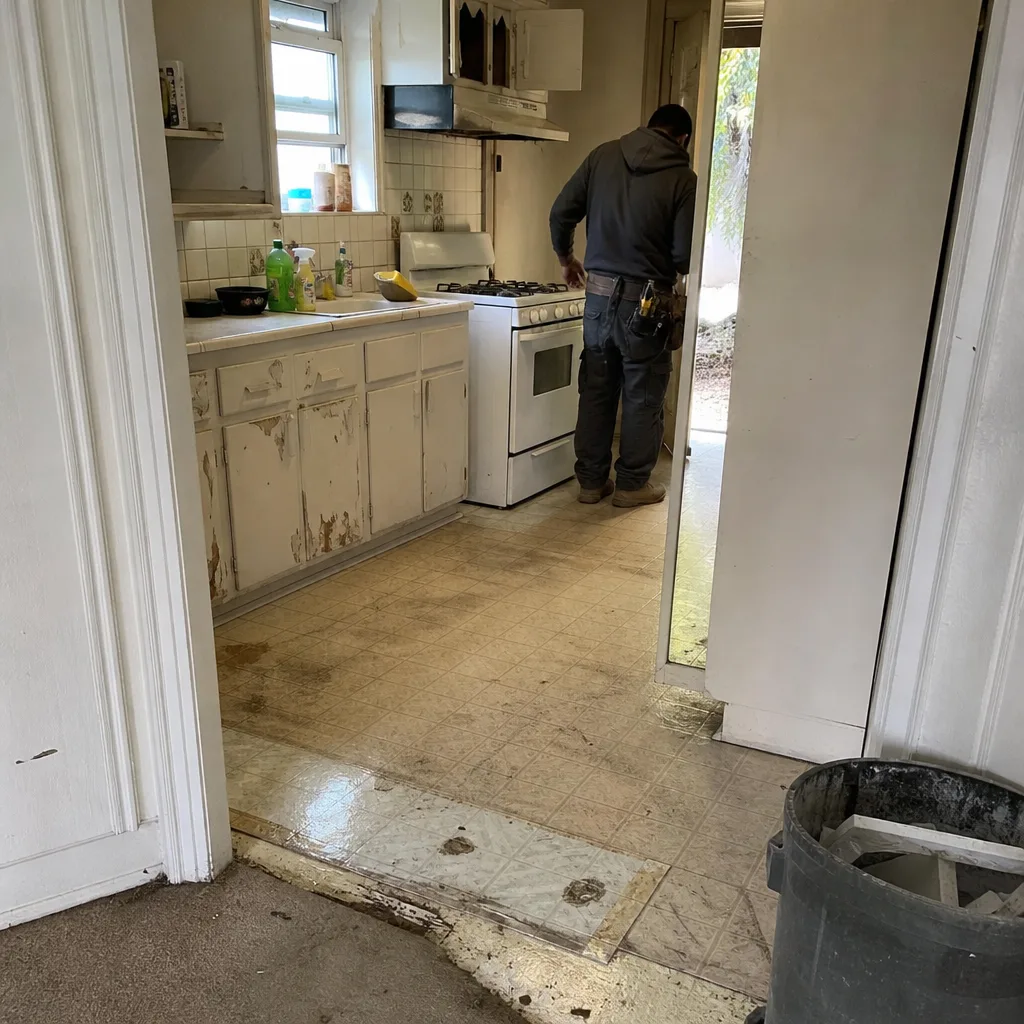 Before
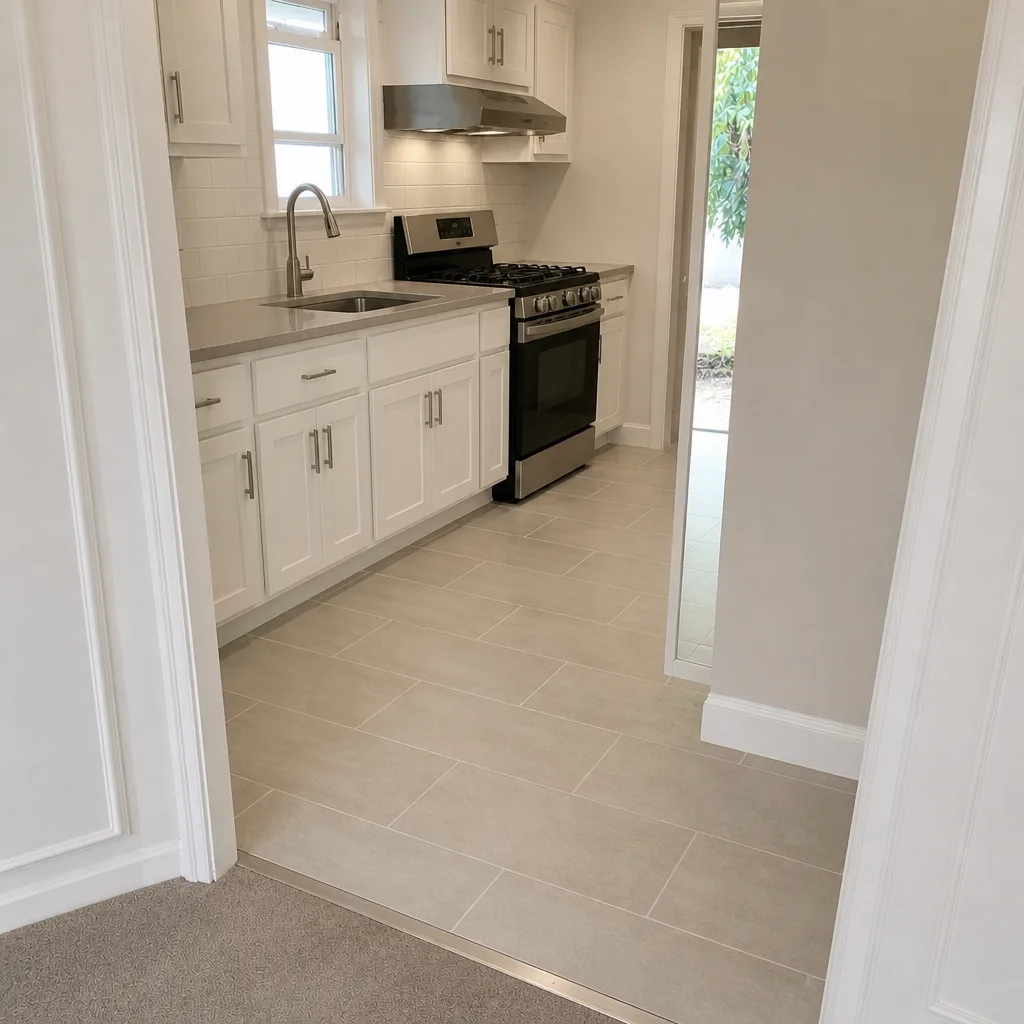 After
 Before
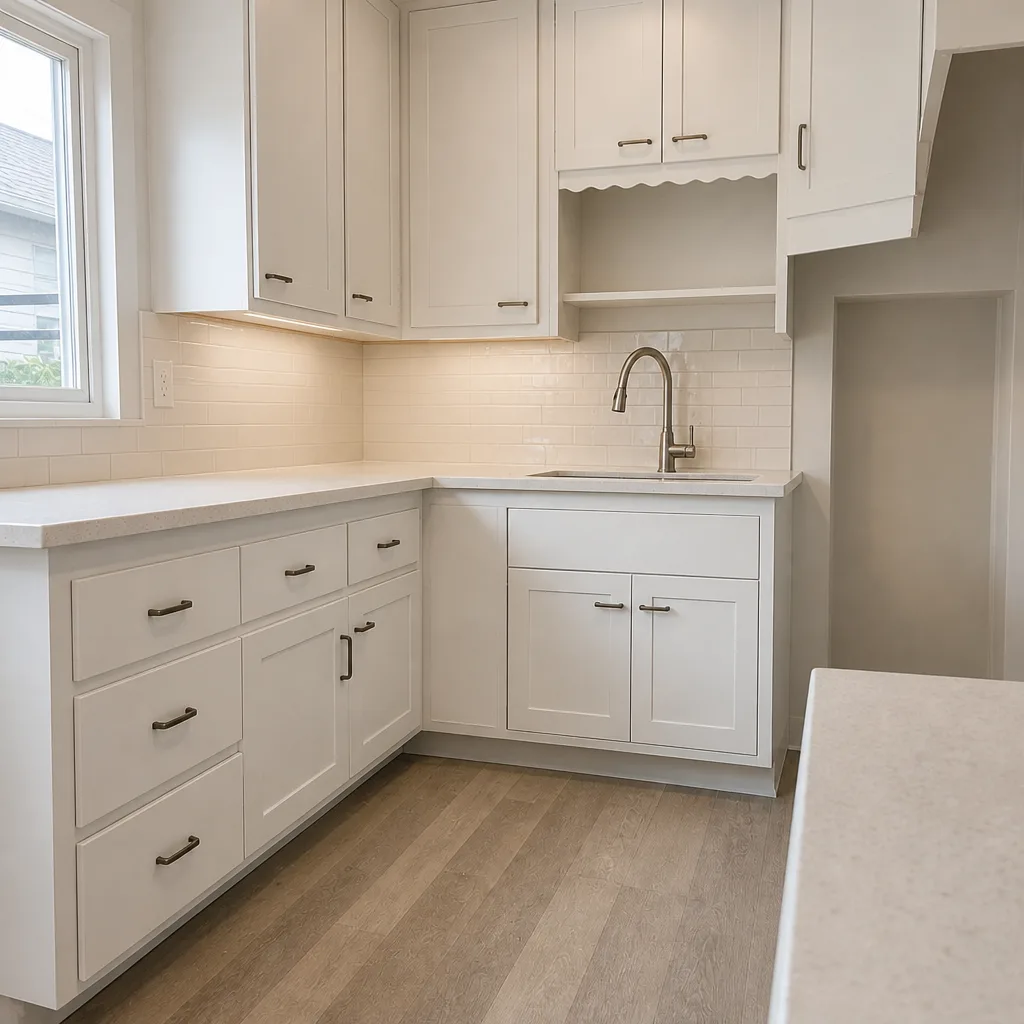 After
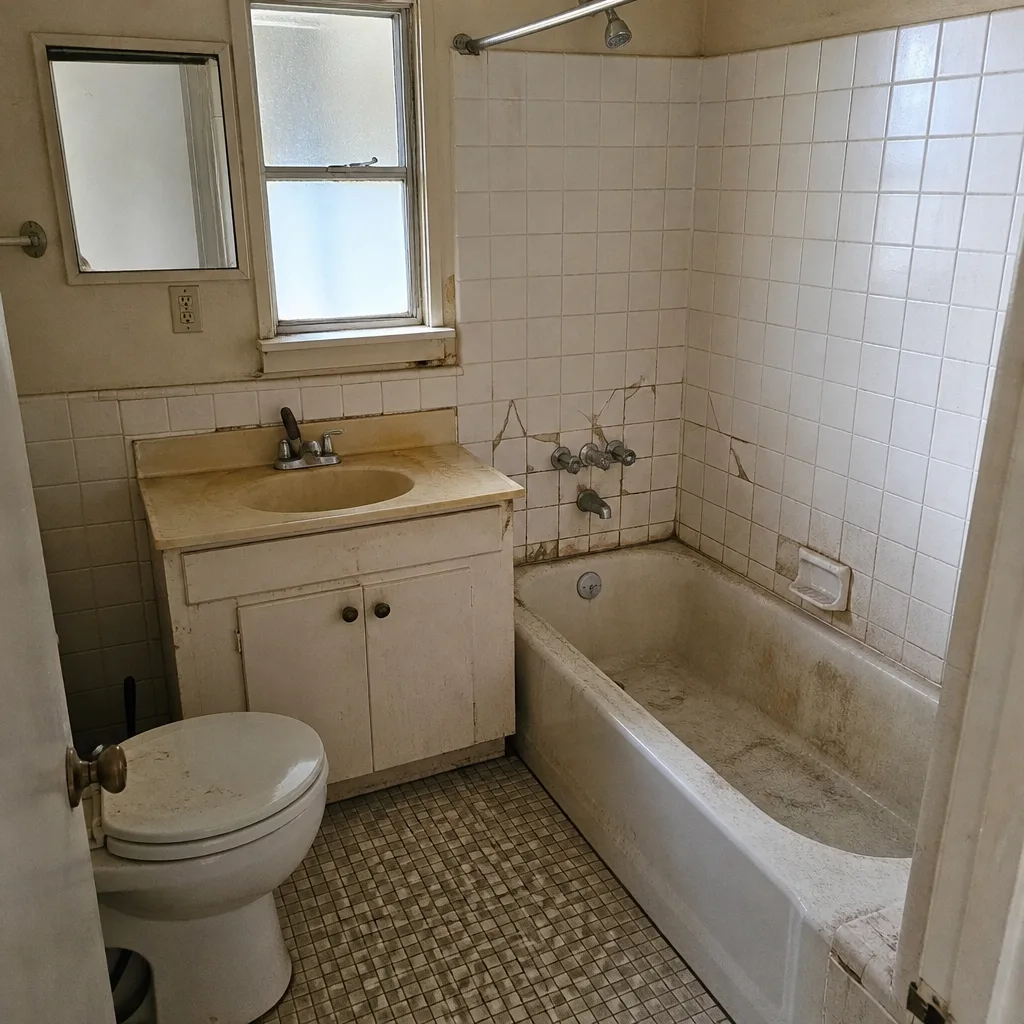 Before
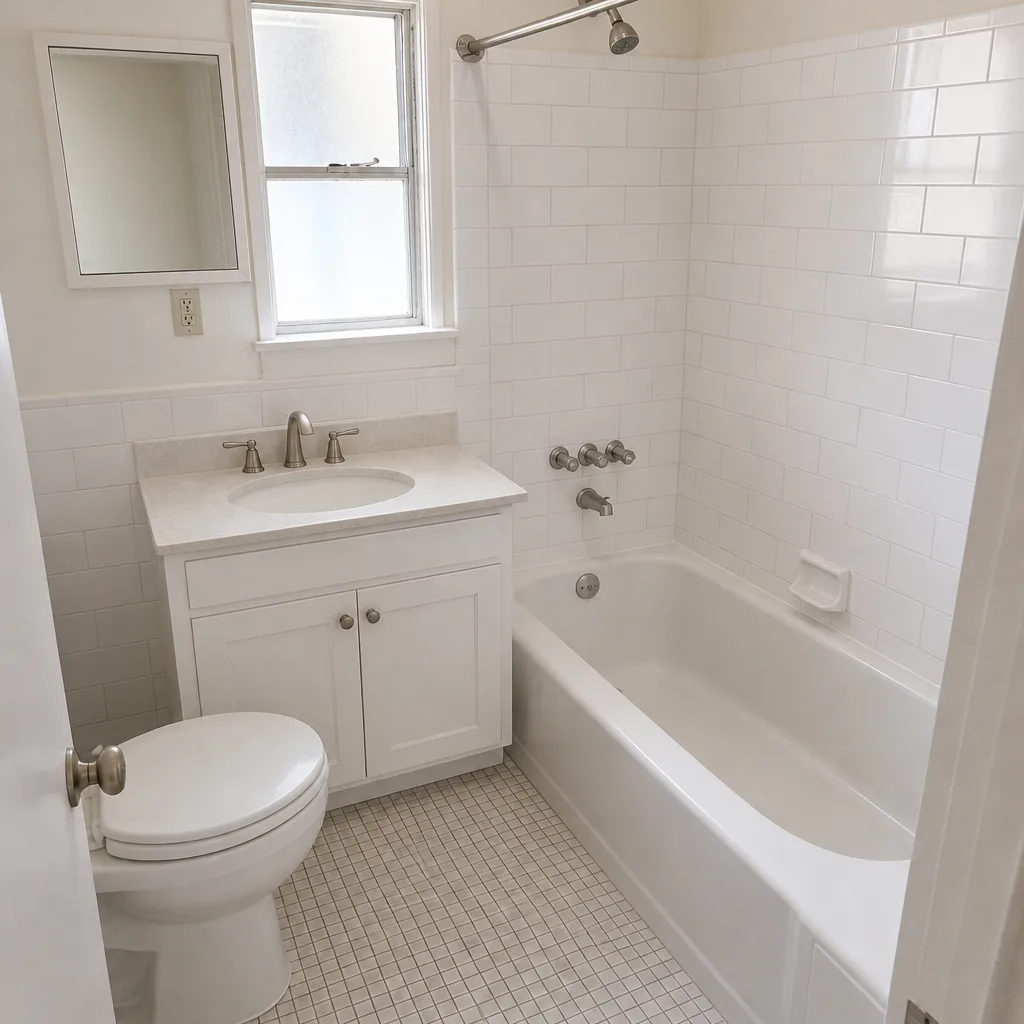 After