Last updated November 18, 2026
Free written scope consultation - allowances, timeline, and change-order rules on paper before a single trade is scheduled
DIY vs Professional Driveway & Pavers: What’s Safe to Do Yourself
A homeowner who lays pavers perfectly on a poorly compacted base hasn’t saved money. They’ve pre-paid for a professional redo in three years. That’s the part the videos skip. The paving itself – cutting, setting, jointing – is teachable. The site engineering underneath it usually isn’t. In Berkeley, where expansive clay soils move with every wet winter and dry summer, the base is the whole game. This guide separates what a skilled homeowner can genuinely handle from what will quietly fail, and shows you the real math behind both paths so you can decide with your eyes open.
Styles & brands we work with
- Kitchen remodeling
- Bathroom remodeling
- Home additions & ADU
- Roofing
- Windows & doors
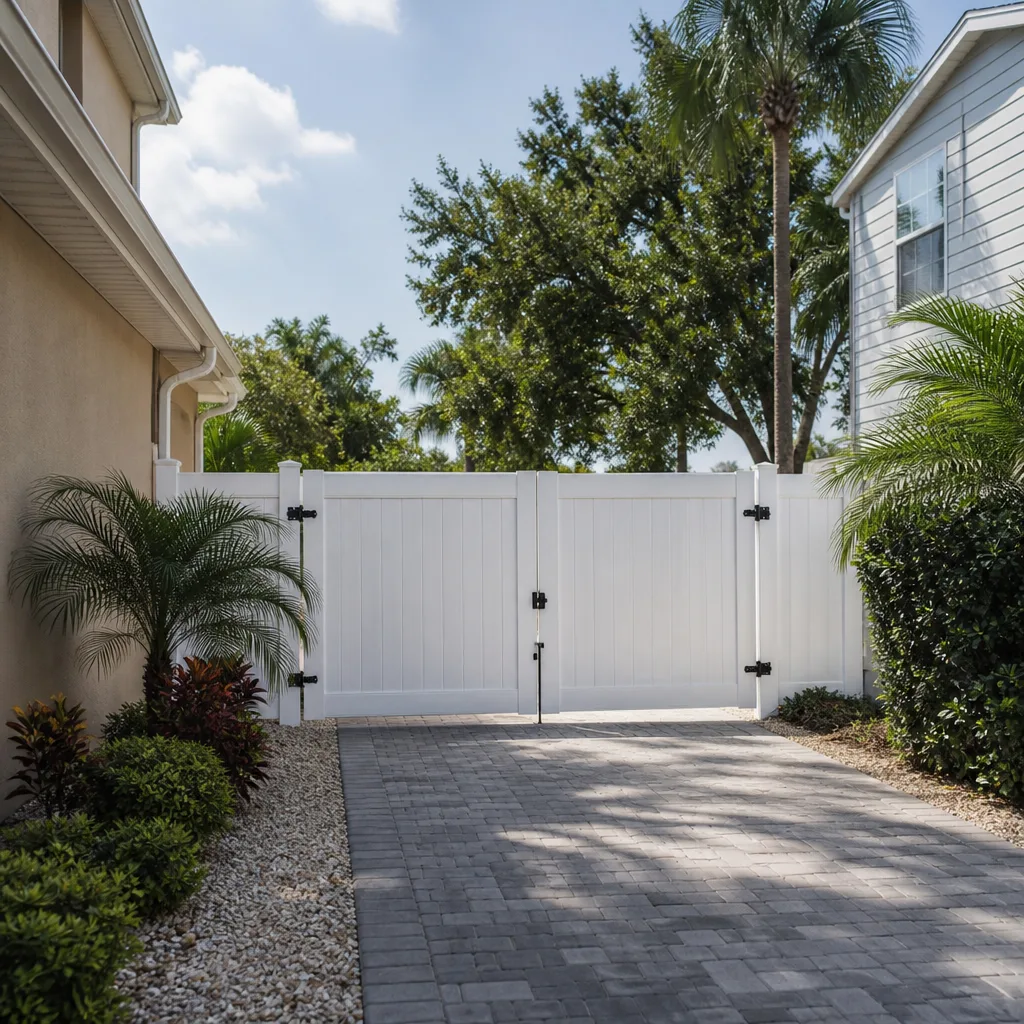
- Driveway & pavers
- Fence
Quick Answer
Small, flat, decorative paver work on a stable base is genuinely DIY-friendly for a careful homeowner. A full driveway – especially anything over 500 sq ft in Berkeley – is not, because the base prep, soil conditions, permit sign-off, and manufacturer warranty all point to a licensed professional. DIY saves money on materials only when the base holds; when it doesn’t, you pay twice.
Table of Contents
- The Honest DIY Ceiling: What You Can and Can’t Handle
- Why Base Prep Decides Everything in Berkeley
- The Equipment Cost Reality Check
- Berkeley Permits and the 500 Sq Ft Line
- The Warranty Problem Nobody Calculates
- True DIY Cost vs Professional Installation
- What DIY Driveway Failures Actually Look Like
- Common Mistakes to Avoid
- When to Call a Professional
- Frequently Asked Questions
- The Bottom Line
The Honest DIY Ceiling: What You Can and Can’t Handle
Let’s be fair to capable homeowners. Plenty of people can lay pavers. The craft has a real learning curve, but it’s learnable. What doesn’t transfer from a weekend tutorial is the judgment that comes from having watched fifty bases fail and knowing which ones will. Here’s where the line actually sits.
Tasks a skilled homeowner can genuinely handle:
- Cutting and fitting pavers for a small patio, walkway, or landing under 200 sq ft
- Laying a running bond, herringbone, or basketweave pattern on an already-prepared, already-compacted base
- Sweeping polymeric joint sand into the gaps and misting it in
- Edge restraint installation on a small, level area
- Replacing a handful of cracked or heaved pavers on an existing driveway
Tasks that require equipment and soil knowledge most people don’t have:
- Excavating to the correct depth and hauling off the spoils (a driveway means tons of dirt)
- Reading a soil report and knowing whether your subgrade needs lime stabilization or over-excavation
- Compacting in proper lifts with a plate compactor at the right moisture content
- Setting drainage grade so water sheets away from the foundation and doesn’t pond at the garage door
- Building a base that survives Berkeley’s wet-season clay expansion and dry-season shrinkage
In our experience, the homeowners who succeed at DIY are the ones who take on the pattern work and leave the base to someone who does it daily. The ones who fail are the ones who watched eight hours of video and decided the base was the easy part. When you’re ready for the full-scope version, Driveway & Pavers in Berkeley covers how a properly engineered installation comes together from excavation to final sweep.
Why Base Prep Decides Everything in Berkeley
Berkeley sits on a mix of expansive clay and Franciscan bedrock depending on which hill you’re on, and that geology dictates how a driveway should be built. The flatlands – around West Berkeley, Ocean View, and the Lorin District – sit on bay mud and fill that holds water and moves seasonally. The hills – Berkeley Hills, Claremont, and North Berkeley – bring slope, drainage concentration, and bedrock close to the surface. Two driveways a mile apart need different base designs.
Expansive clay swells when it absorbs winter rain and shrinks through the dry months. A paver base that isn’t built for that movement will heave, settle unevenly, and open joints within two or three wet seasons. We regularly see spring failures in the flatlands where a DIY base was compacted in one thick lift instead of proper 2-to-4-inch layers. The pavers themselves were laid beautifully. The base underneath was a sponge.
Here’s what proper base preparation involves, and why it’s not a weekend job:
- Excavate to depth. A driveway needs 6 to 9 inches of compacted aggregate base plus 1 inch of bedding sand. That means digging out 10 to 12 inches, then hauling off all of it.
- Assess and treat the subgrade. If the native soil is expansive clay, it may need over-excavation and replacement with engineered fill, or a geotextile separator to prevent fines from migrating up.
- Compact in lifts. Each 2-to-4-inch layer gets compacted with a plate compactor before the next goes down. Skip a lift and you get a void.
- Set grade for drainage. Driveways need a fall of at least 1 to 2 percent away from structures. Getting this wrong sends water under the slab or into the garage.
- Install edge restraint. Without it, the field spreads and the joints open.
None of that is impossible to learn. All of it is easy to get wrong the first time, and the failure shows up years after the weekend is forgotten. That’s the core of why we tell Berkeley homeowners to treat base prep as the deciding factor, not the pavers.
The Equipment Cost Reality Check
Here’s where the DIY savings start shrinking. The tools that make a base correct aren’t in most garages, and renting them for a weekend project adds up fast. A typical Berkeley-area rental bill for a modest driveway project looks like this:
- Plate compactor rental: $90-$140 per day, often two days minimum
- Laser level or rotary transit: $50-$80 per day
- Walk-behind masonry saw with diamond blade: $80-$120 per day, plus blade wear
- Mini excavator or skid steer for excavation: $250-$400 per day if you don’t hand-dig
- Dumpster or spoil hauling: $300-$600 depending on volume
- Tamper or hand tools, wheelbarrows, hand trucks: $40-$80
On a small patio, that rental total runs $400-$600. On a driveway where you need excavation equipment and spoil removal, it climbs to $900-$1,400 before you’ve bought a single paver. Factor that against a contractor bid and the margin narrows more than most people expect. Add your own labor at even a modest hourly rate and you start to see why the “DIY saves half” assumption rarely holds on anything larger than a walkway.
And there’s a subtler cost. Rental equipment is often worn, the operator isn’t experienced with it, and a plate compactor run too fast or too dry does almost nothing. The tool on the invoice is the cheap part. Knowing how to run it is where the value sits.
Berkeley Permits and the 500 Sq Ft Line
Berkeley’s permitting for driveways and hardscape varies with size and whether the work touches the public right-of-way. For driveways over 500 sq ft, the permit process typically requires a licensed contractor sign-off, which effectively removes full DIY from the table on larger projects. That’s not a technicality. It’s the point at which your project crosses from home improvement into regulated construction, and the city wants someone accountable for the base design and drainage.
Smaller projects can often proceed with a homeowner permit, but they still have to meet the same standards. If you’re working near a curb cut, sidewalk, or public easement, you’ll also need to coordinate with the city on right-of-way requirements, which have their own review timeline. Starting without checking is one of the fastest ways to end up removing work you just paid for.
Before you buy materials, do two things:
- Measure the actual area. A 20-by-25-foot driveway is 500 sq ft. Most two-car driveways in Berkeley exceed that.
- Call Berkeley’s planning or building department and describe the project, including whether it involves a curb cut, drainage change, or right-of-way work. It’s a ten-minute call that prevents a five-figure mistake.
Professional installations pull the permits and pass the inspections as a matter of course. That’s part of what you’re hiring, and it’s a good reason to ask any contractor you talk to whether they’ll be pulling the permit or leaving it to you.
The Warranty Problem Nobody Calculates
Here’s a risk that rarely shows up in a DIY budget, and it’s one of the most expensive. Most paver manufacturer warranties are voided by non-licensed installation. That includes several of the industry-leading brands, and it’s not fine print tucked in a footnote – it’s a condition of coverage. The manufacturer is warranting its product against defects in a properly installed system. If the installation wasn’t done by a licensed professional, the manufacturer can decline the claim when something goes wrong.
What that means in practice:
- If a paver cracks or a color layer delaminates two years in, you may have no recourse with the manufacturer.
- If the base settles, the product warranty never covered settlement in the first place – that’s a workmanship issue, and DIY means the workmanship is yours.
- If you ever sell the home, a buyer’s inspector can’t point to a warranty on the driveway, and that shows up in negotiation.
A professional installation carries a written workmanship guarantee on top of the product warranty. With our 730-Day Done Right Promise, if something isn’t done right, we make it right – and that coverage is one of the longest workmanship guarantees in the residential construction space. That’s the part of a professional bid homeowners undercount: you’re not just buying labor. You’re buying a warranty you can actually claim on. “Built to last, backed in writing” is the whole idea.
True DIY Cost vs Professional Installation
To compare honestly, you have to include the costs DIY budgets usually leave out: equipment rental, spoil hauling, permit fees, your time, and a risk buffer for the chance of a redo. Here’s a realistic per-square-foot comparison for a Berkeley driveway project.
- DIY materials (pavers, base aggregate, bedding sand, edge restraint, joint sand): $6-$11 per sq ft
- DIY equipment rental and spoil hauling (amortized across the project): $2-$4 per sq ft on a typical driveway
- DIY permit fees and inspection coordination: $1-$2 per sq ft
- DIY risk buffer (probability of partial redo within 5 years, at typical 15-30%): $1-$3 per sq ft
- DIY true cost, all-in: $10-$20 per sq ft, plus your own labor
- Professional installation (materials, labor, base engineering, permits, cleanup, workmanship warranty): $14-$28 per sq ft depending on pattern, access, and base conditions
The spread between DIY and professional on a large driveway is narrower than the headline materials price suggests. On a small patio where base conditions are simple, DIY can genuinely win. On a Berkeley driveway with expansive soil, slope, or a permit threshold, the risk-adjusted math usually favors professional installation. The honest framing isn’t “DIY is cheaper.” It’s “DIY is cheaper when the base holds, and expensive when it doesn’t.”
If you’re weighing the full-scope version of the project – driveway, walkways, patio, and how they connect to the rest of the property – our team at Groundwork Construction Co. of Berkeley handles it under one roof, from foundation to finish line.
What DIY Driveway Failures Actually Look Like
Failures don’t announce themselves at the end of the weekend. They show up slowly, usually over two to four wet seasons, and by the time they’re visible the fix is expensive. Here’s the pattern we see most often in Berkeley:
- Year one: The driveway looks great. Joints are tight, the pattern is crisp, and the homeowner is proud. No visible issues.
- Year two: Hairline cracks appear in a few pavers near the edge or the garage apron. The base is starting to move under seasonal moisture change, but it’s subtle.
- Year three: Joint sand washes out in patches. A section of pavers near the low corner begins to settle, and water starts ponding there after rain.
- Year four: Visible heave or dip of 1/2 inch or more. Pavers rock underfoot. Some crack. The homeowner calls a professional.
- The redo: At this point, the only real fix is removal of the failed section, re-excavation, re-compaction, and re-lay. You pay for the materials twice, the labor twice, and the disposal of the failed base.
The failure mode almost always traces back to base prep: a base that wasn’t excavated deep enough, compacted in the wrong lifts, or built without accounting for Berkeley’s clay. The pavers were never the problem.
Common Mistakes to Avoid
- Compacting the base in one thick lift. A 6-inch layer compacted in one pass leaves voids underneath. It needs to go down in 2-to-4-inch lifts, each compacted before the next – and that’s the mistake we see most often in Berkeley flatland projects where the clay is already moving.
- Skipping the geotextile separator on clay. Without a separator fabric, fines from Berkeley’s expansive clay migrate up into the base aggregate over time and destroy its drainage. It’s an inexpensive material and a lot of DIY projects leave it out.
- Getting drainage grade wrong near the garage. A driveway that falls toward the garage instead of away from it sends stormwater under the slab and into the structure. It’s easy to get right with a laser level and hard to fix later.
- Underestimating the excavation volume. A 400 sq ft driveway at 10 inches of excavation is about 12 cubic yards of spoil. That’s multiple dumpsters, not a pickup-truck afternoon, and budgeting for it after the fact hurts.
- Using the wrong joint sand. Polymeric sand needs the right moisture and temperature to cure. Berkeley’s cool, damp spring mornings can leave it uncured and wash out in the first rain.
- Starting work over 500 sq ft without a permit. The permit sign-off requirement on larger Berkeley driveways isn’t optional, and discovering it mid-project means stopping construction while you sort it out.
- Assuming the product warranty covers installation errors. It doesn’t, and it may not cover your project at all if the install wasn’t done by a licensed professional.
When to Call a Professional
Call a professional if any of these apply: the project is over 500 sq ft, the base conditions are expansive clay or unknown, the driveway touches a curb cut or public right-of-way, water needs to drain away from a structure, you want the manufacturer warranty to remain intact, or the project is part of a larger home improvement you’re coordinating. Also call if the driveway is the visible entry to your home and you want it done once, correctly, without a redo. Groundwork Construction Co. of Berkeley offers free estimates in Berkeley – call (855) 471-4163 to schedule yours. Our technicians have up to 12 years of experience, arrive in uniform after background checks, and stand behind the work with the 730-Day Done Right Promise. If you’re planning fencing alongside the driveway or considering an addition later, our Fence Installation in Berkeley and Home Additions & ADU in Berkeley teams coordinate so the driveway grade, fence line, and any future foundation work don’t conflict.
Frequently Asked Questions
You can lay pavers yourself on small projects under 500 sq ft that don’t trigger the licensed-contractor permit sign-off, but a full driveway over 500 sq ft in Berkeley effectively can’t be done fully DIY because the permit process requires professional sign-off. The bigger issue is the base. Berkeley’s expansive clay and bay mud make base prep the deciding factor, and that’s where DIY projects fail. Call (855) 471-4163 for a free estimate on the full-scope version.
Professional paver driveway installation in Berkeley typically runs $14-$28 per sq ft depending on pattern, access, and base conditions, so a 400 sq ft driveway falls roughly in the $5,600-$11,200 range. DIY materials, equipment, permits, and a risk buffer usually land in the $10-$20 per sq ft range before your labor. Call (855) 471-4163 for an exact quote – estimates are free and pricing is upfront with no surprises.
Most paver manufacturer warranties are voided by non-licensed installation, including several industry-leading brands. The product warranty only covers defects in a properly installed system, and a self-installed driveway doesn’t meet that condition. Professional installation preserves the manufacturer warranty and adds a written workmanship guarantee – our 730-Day Done Right Promise backs installation issues for two full years.
Yes, in most cases. Berkeley driveways over 500 sq ft typically require a permit that includes licensed contractor sign-off, and any project touching a curb cut, sidewalk, or public right-of-way has additional requirements. Check with the city before you buy materials. Professional installations pull the permits and pass inspections as part of the job.
A typical Berkeley paver driveway takes 3 to 7 working days for a professional crew, depending on size, excavation volume, base conditions, and pattern complexity. The base prep and compaction usually take as long as the visible paving. Call (855) 471-4163 to schedule a free estimate and get a realistic timeline for your specific property.
The failure shows up slowly over two to four wet seasons: hairline cracks, joint sand washout, settling near low corners, and eventually visible heave or dip. By the time it’s visible, the fix means removing the failed section, re-excavating, and re-laying – you pay twice for the same job. Berkeley’s seasonal clay movement makes this failure mode especially common on DIY driveways.
The Bottom Line
The honest answer to “DIY or professional?” depends less on your skill than on your site. On a small, decorative, stable-base project, a careful homeowner can absolutely succeed. On a Berkeley driveway with expansive clay, permit thresholds, and manufacturer warranty conditions, the base and the paperwork push the project into professional territory. The pavers are the easy part. The engineering underneath them is where DIY projects fail. If you’re weighing the call, get a free estimate before you commit either way – the number is the fastest way to know. Groundwork Construction Co. of Berkeley offers free estimates and a free design consult, with upfront pricing, live-person phone coverage, and the 730-Day Done Right Promise behind every installation.
Call (855) 471-4163 to schedule your free estimate.
Written by the team at Groundwork Construction Co. of Berkeley.
See the difference
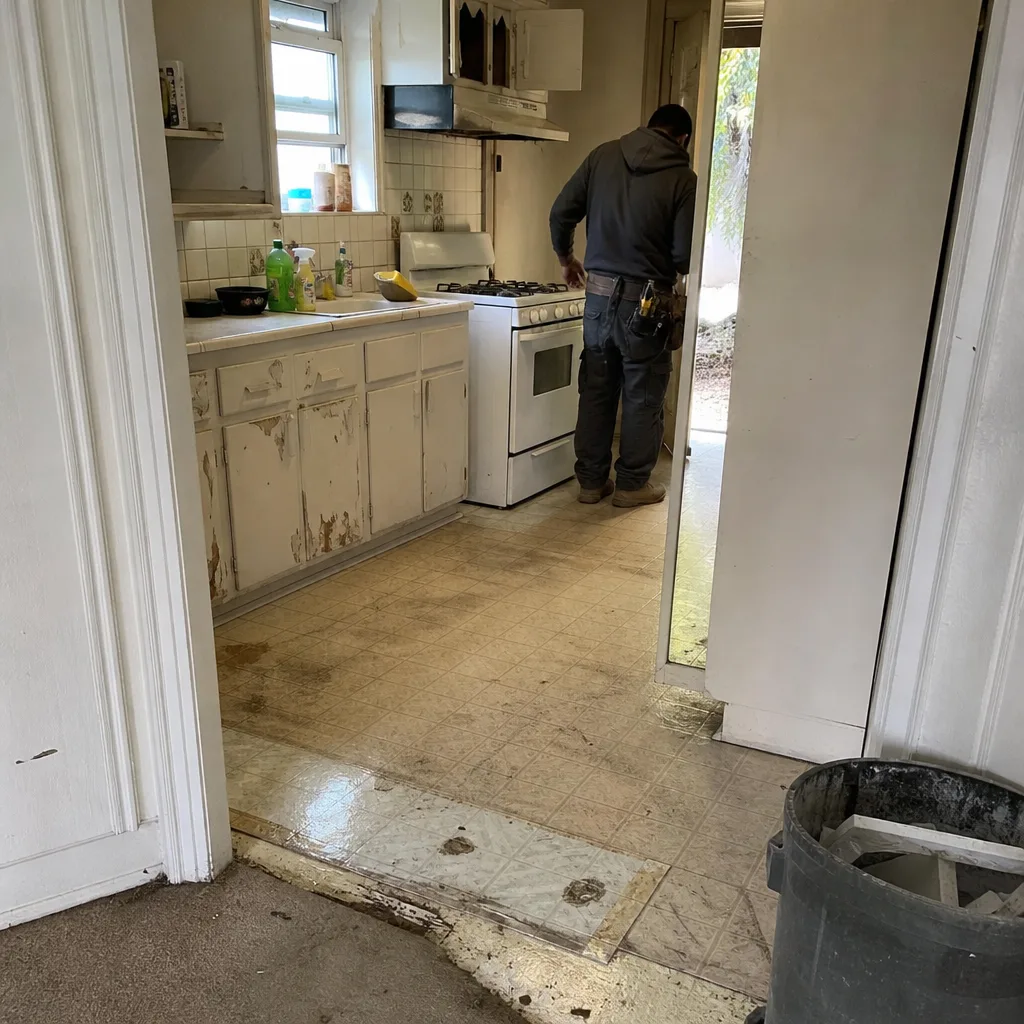 Before
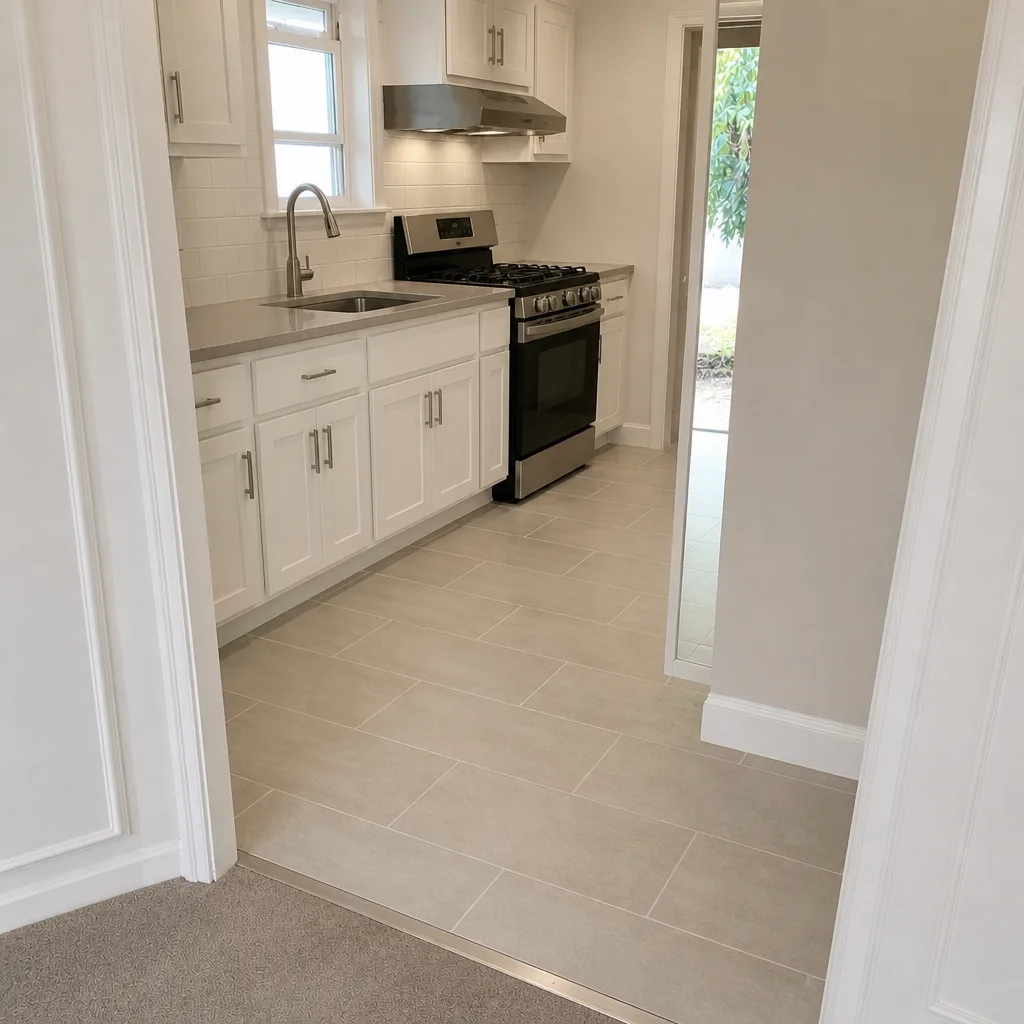 After
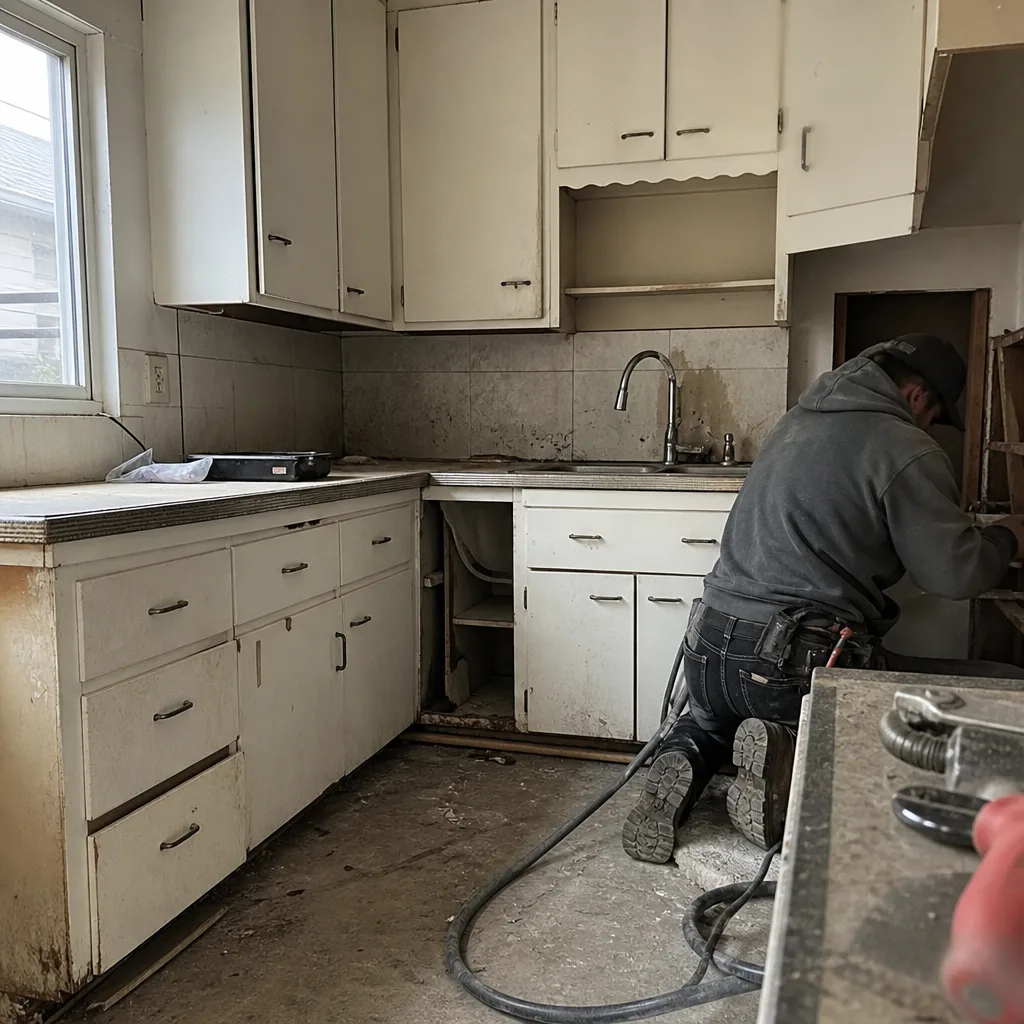 Before
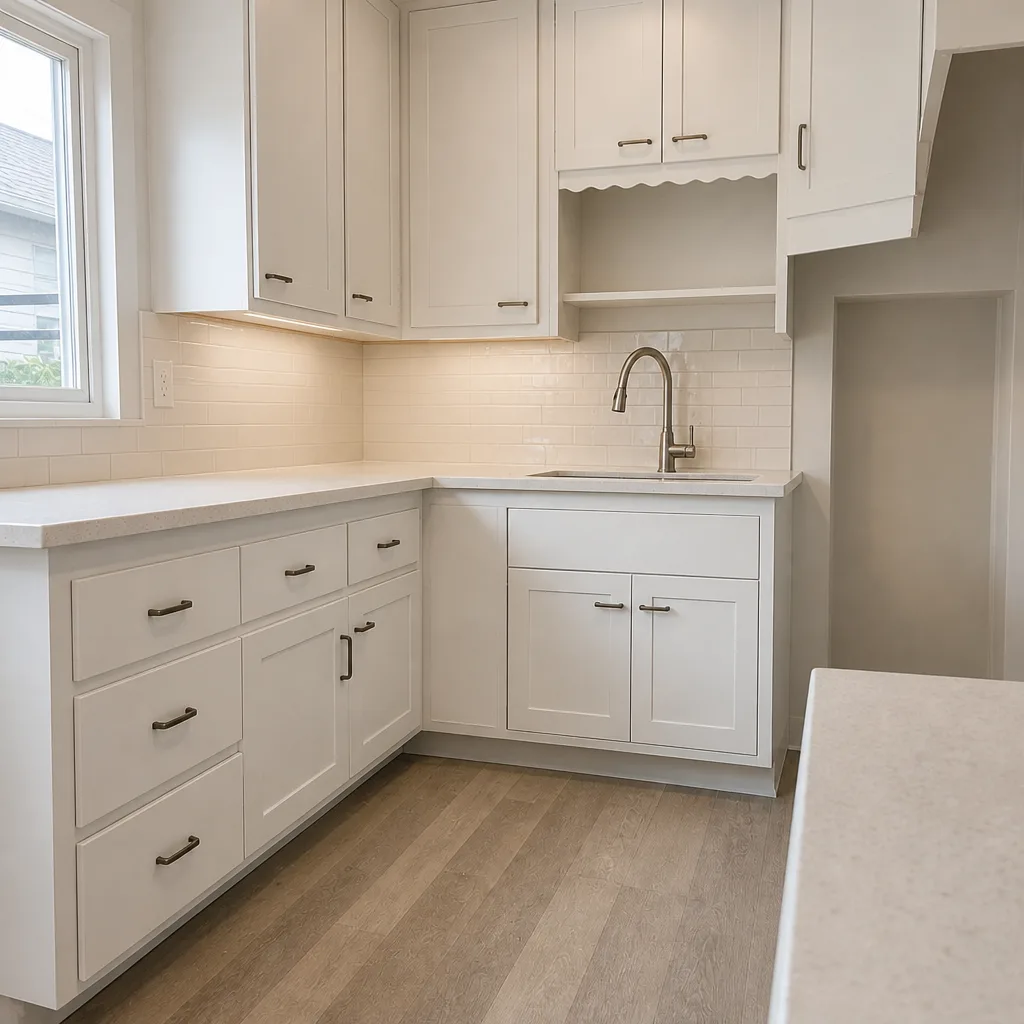 After
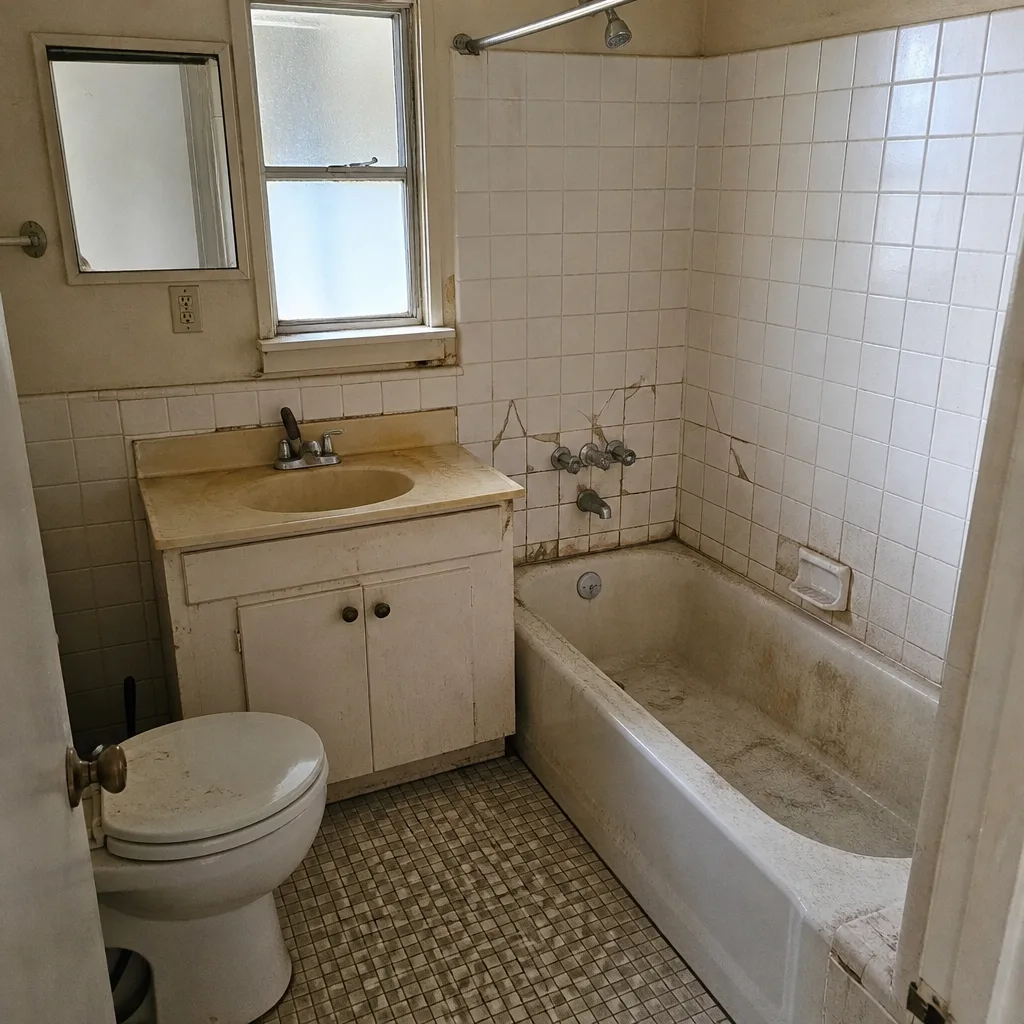 Before
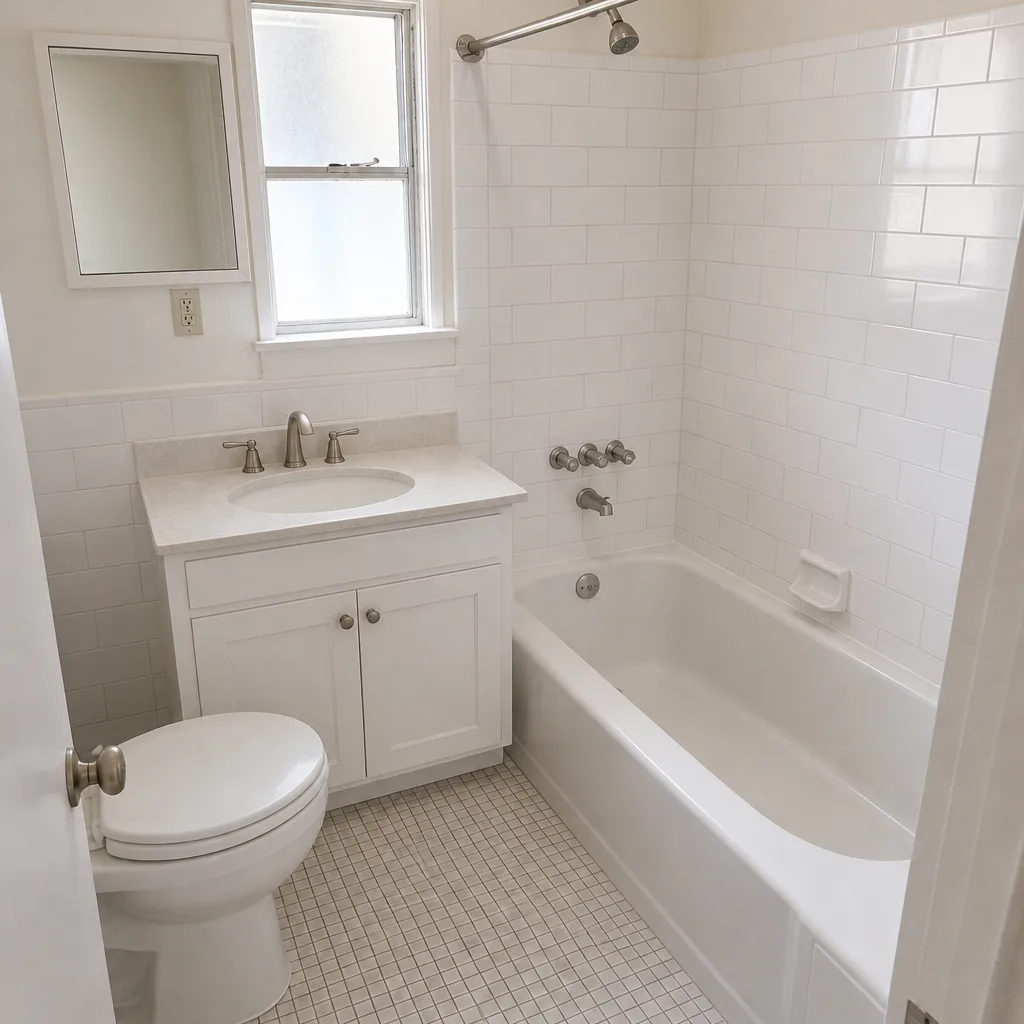 After