Last updated November 18, 2026


Free written scope consultation - allowances, timeline, and change-order rules on paper before a single trade is scheduled
DIY vs Professional Fence Installation: What’s Safe to Do Yourself
The fence you build 4 inches over your property line isn’t your fence, and in California your neighbor can require you to tear it out at your own expense no matter how straight the boards look. That’s the part most DIY guides skip. Fence work has the highest rate of homeowner regret of any common exterior project, and it’s rarely the carpentry that fails. It’s the post footings in heavy clay, the setbacks nobody checked, and the shared-boundary rules nobody read. This guide breaks down exactly what’s safe to do yourself in Berkeley, what isn’t, and what a real fence build actually costs you over the long haul.
Quick Answer
Low-risk fence tasks like replacing boards, fixing rails, staining, sealing, and swapping hardware are genuinely safe for a skilled DIYer. Post setting, concrete footings, grading on slopes, boundary-line placement, permits, and shared-fence negotiations are not, because mistakes there cause structural failure, removal orders, or unpermitted work that bites you at sale time. For anything involving posts, property lines, or permits, hire a licensed professional.
Styles & brands we work with
- Kitchen remodeling
- Bathroom remodeling
- Home additions & ADU
- Roofing
- Windows & doors
- Driveway & pavers
- Fence
Table of Contents
- Why the Boundary Line Comes First
- What’s Genuinely Safe to Do Yourself
- What Isn’t Safe for DIY
- California Shared-Fence Rules You Can’t Skip
- Berkeley Permits, Setbacks, and Height Limits
- DIY vs Professional: The Real Cost Comparison
- What a Contractor’s Warranty Covers
- Common Mistakes to Avoid
Why the Boundary Line Comes First
Before you buy a single post or dig a single hole, you need to know where your property actually ends. Not where the old fence sat. Not where the neighbor says the line runs. Where the recorded survey says it runs. Those three things disagree more often than you’d think, especially in Berkeley’s older neighborhoods where lots were subdivided decades ago and fences have drifted over the years.
A current property survey is the only document that settles this. If your neighbor challenges the placement, a survey is what protects you. Without one, you’re relying on memory and goodwill, and neither holds up in a dispute.
Why old surveys and “the way it’s always been” aren’t enough
An old survey can be wrong. Lots get re-platted, easements get recorded, and the original plat may never have matched the built fence in the first place. We’ve seen fences placed years ago that straddle the line for an entire property depth. By the time a dispute surfaces, both homeowners have a problem they can’t fix by repainting.
If you know your boundary already, or you’re building a brand-new fence across a large yard, this is where the research load is heaviest. Most of that risk disappears when a professional pulls the survey and sets stakes before anyone shows up with a shovel.
What’s Genuinely Safe to Do Yourself
Plenty of fence work is a reasonable weekend job for a homeowner who’s comfortable with tools. These tasks don’t touch footings, boundary lines, or local code, which is exactly why they’re low-risk:
- Board replacement. Swapping a rotted or broken picket or plank is straightforward. Match the species and dimensions and you’re done inside an hour.
- Rail repairs. A cracked or loose rail can be reattached or sistered with new hardware without disturbing the posts.
- Staining and sealing. This is the best DIY investment on a fence. A proper seal coat extends the life of cedar and redwood by years and costs a fraction of replacement.
- Hardware replacement. Hinges, latches, gate handles, and brackets are user-serviceable. Match the metal and coat it properly and a gate will swing true again.
- Gate adjustments. A sagging gate is often a hinge issue, not a post issue. Adjust the hinges and the strike plate before assuming the whole structure needs rebuilding.
When DIY makes sense financially
If your fence is otherwise sound and you’re tackling surface work, doing it yourself can save you real money without exposure. A 100-foot fence can be sealed in a weekend for the cost of the product and a pump sprayer. That said: if the fence is failing at the base, painting over it is money spent on a problem that comes back.
What Isn’t Safe for DIY
Some fence work is genuinely dangerous or genuinely technical. Post setting is both. Here’s where we draw the line:
Post setting in clay soil
Berkeley’s soil transitions from sandy in the flats to heavy clay on the hillside. Clay holds water, which means a post set in shallow concrete in clay soil can heave, lean, or rot out at the base within a few years. The footing has to be sized, the hole has to be below the frost-susceptible zone, and the concrete has to be mixed and cured correctly. Get this wrong and you’re replacing the fence in four years, not twenty.
Concrete footing work
Setting a post in a bag of Quikrete or Sakrete sounds simple. It is, until you’re managing post depth, plumb, and footing diameter across a 120-foot run with gates and corners. Corner posts and gate posts carry different load than line posts. Every one of them has to sit level and true, or the whole assembly pulls out of alignment.
Grading and slopes
Berkeley yards slope. Fences that follow a slope have to step at intervals or follow contours properly. Getting grading wrong causes pooling against the base of the fence, which turns into rot and footing failure. Improper grading also redirects stormwater onto a neighbor’s lot, and that’s a whole separate problem.
Gate hardware and load
A vehicle gate or a large double gate puts enormous lateral load on the posts. Getting that load wrong means a gate that sags within a season. This part is genuinely engineer-adjacent and most homeowners shouldn’t test it.
California Shared-Fence Rules You Can’t Skip
California has a specific framework for shared boundary fences, and Berkeley homeowners run into it regularly because lots are tight and lot lines are shared. The short version: when your fence sits on a shared line, your neighbor has legal rights over what gets built there, and ignoring those rights can undo your project.
The core rules
- Notify before you build. If the fence is on a shared boundary line, provide written notice to the adjoining property owner before construction begins, including the proposed design and cost division.
- Cost-sharing is enforceable. Under California law, an adjoining owner generally can be required to share the reasonable cost of a “just portion” of the fence. The split isn’t automatic, so discuss and document the agreement in writing.
- Neighbor has design rights. A shared fence that changes material, height, or position can be challenged. A wood fence replacing a chain-link fence may be a code-appropriate upgrade, but if your neighbor objects, expect to negotiate.
- Don’t build first and ask later. Retroactive notification is difficult and often ends in a removal order or a lawsuit. The notification step isn’t optional and isn’t retroactive.
Cultural reality in Berkeley
In Berkeley, back-fence conversations are common, and most neighbors are reasonable. But boundary disputes do escalate, especially when one side feels the fence was imposed rather than discussed. The best-built fence on the block is worthless if it’s the wrong fence in the wrong place.
Berkeley Permits, Setbacks, and Height Limits
Berkeley permits and code requirements are specific. Here’s what actually applies to fences in Berkeley:
- Fences over 6 feet require a building permit in most residential zones and inspection after construction. This is a hard threshold, not a guideline.
- Front-yard fences and hedges are subject to height limits and setback rules depending on the zoning district and front setback. A 6-foot fence at the property line in the front yard is a different question than a 6-foot fence along a side yard.
- Retaining walls and fences on slopes trigger additional review because retaining walls over a certain height need structural review and a grading permit in many cases.
- Corner lots have sight-triangle restrictions at intersections to protect visibility for vehicles. Fences too tall at the corner can require a variance.
Why DIY permits are risky
If you build a fence over 6 feet in Berkeley without a permit, you’ve created an unpermitted structure on your property record. It will come up during a home sale, and buyers will either demand removal or negotiate a large credit. The permit isn’t the expense. The disclosure defect is the expense.
Berkeley inspections also catch details homeowners miss: proper footing depth, correct fastening at corners, correct post-to-rail connections, and post anchors at structure penetrations. Small details, but they’re the difference between a fence that passes and one that gets bounced back with a correction notice.
DIY vs Professional: The Real Cost Comparison
Here’s the table most DIY guides won’t show you. Real costs, including labor at a fair rate for your own time, tool rental, and the risk of a redo:
| Line Item | Typical DIY Cost | Typical Professional Cost |
|---|---|---|
| Materials (100 ft, 6-ft cedar privacy) | $2,400 – $3,400 | $2,400 – $3,400 |
| Concrete / footings | $180 – $350 | Included |
| Post hole digger, mixing tub, level rental | $150 – $300 | Included |
| Permit fees (if over 6 ft) | $150 – $400 | $150 – $400 (pulled by contractor) |
| Labor (professional crew, 2-3 days) | $0 cash but 40-60 hrs of your time | $1,800 – $3,200 |
| Survey (if not current) | $500 – $900 | $500 – $900 (coordinated) |
| Risk of redo (footing failure, boundary) | High | Covered by workmanship warranty |
| Typical 100-ft project total | $3,400 – $5,400 + your time + risk | $4,850 – $7,900 all-in |
Read that table carefully. The materials cost is basically identical. The difference isn’t the fence. It’s the time, the risk, and the warranty. If your time is worth $50/hour and the project takes you a full workweek plus a weekend of cleanup, you’ve paid for someone else’s professional labor in sweat equity anyway.
The other thing the table doesn’t capture: the professional build includes a written workmanship warranty. A DIY build doesn’t. When a footing heaves in year three, the DIY build is your problem. The professional build is the contractor’s problem, and the contractor comes back.
What a Contractor’s Warranty Covers
A real fence warranty covers workmanship, not just materials. That distinction matters enormously.
What a professional warranty typically covers
- Footing failure. If a post heaves, leans, or fails within the warranty period, the contractor replaces it at no charge.
- Structural failure. Rails pulling loose, gates sagging due to improper hinge or post load, corners going out of square.
- Installation defects. Pickets that gap, boards that pull, fasteners that fail.
- No-cost redo. A serious warranty means the contractor makes it right. Not “we’ll send someone to look at it.”
What a DIY build never covers
Your own work. The DIY build is your warranty, and if you built it wrong, the warranty is wasted. Even if you buy premium materials, the warranty on the materials won’t cover installation failure. You can’t get compensated for your own workmanship.
Groundwork Construction Co. of Berkeley backs every fence project with the 730-Day Done Right Promise. If it isn’t done right, we make it right. That’s two years of coverage a DIY fence simply cannot offer, and it’s built into the project price, not tacked on.
See the difference
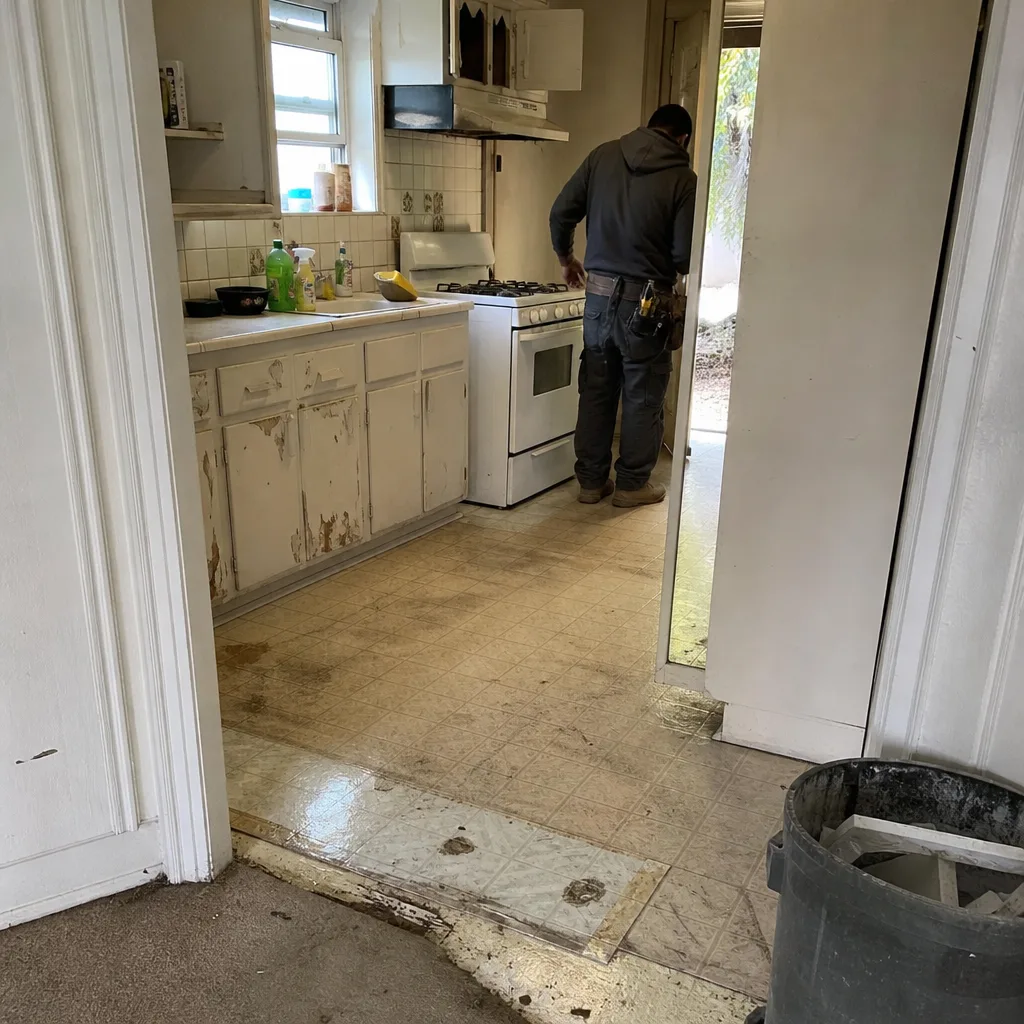 Before
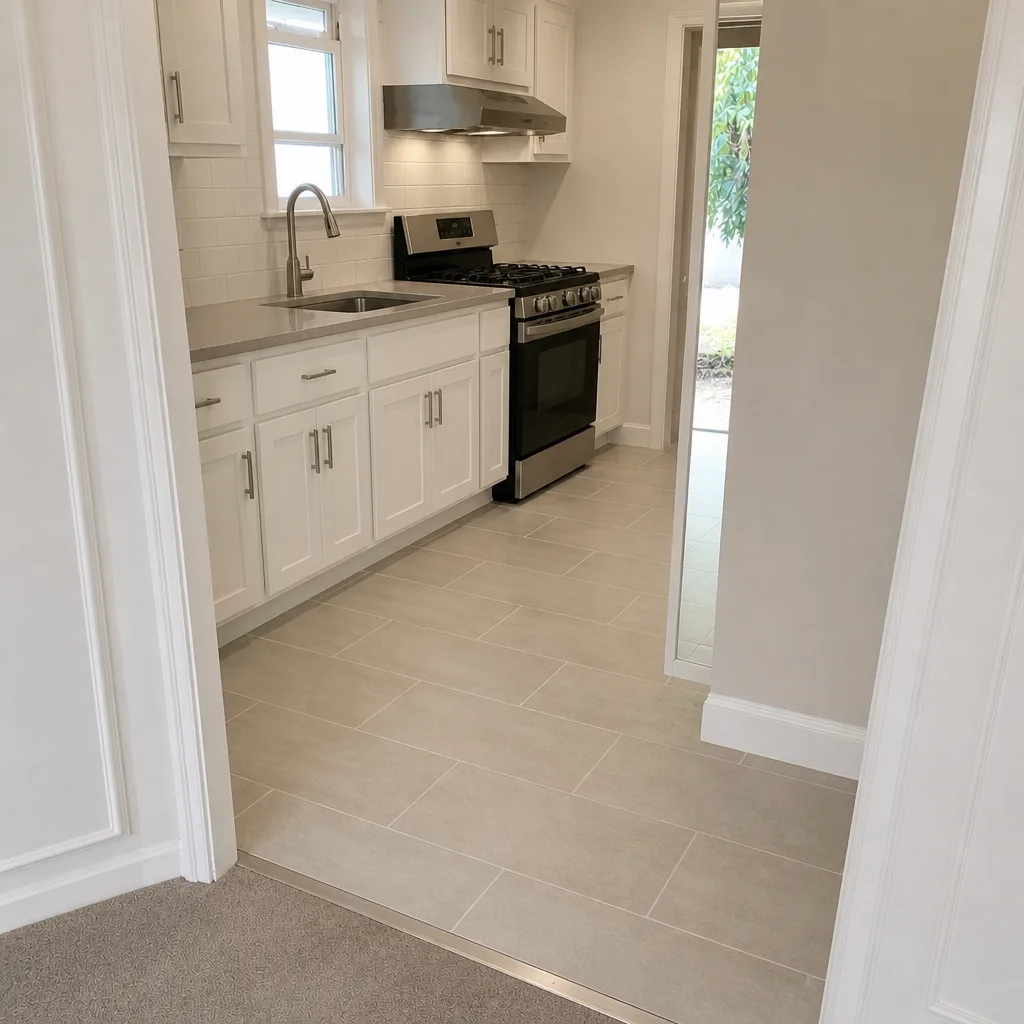 After
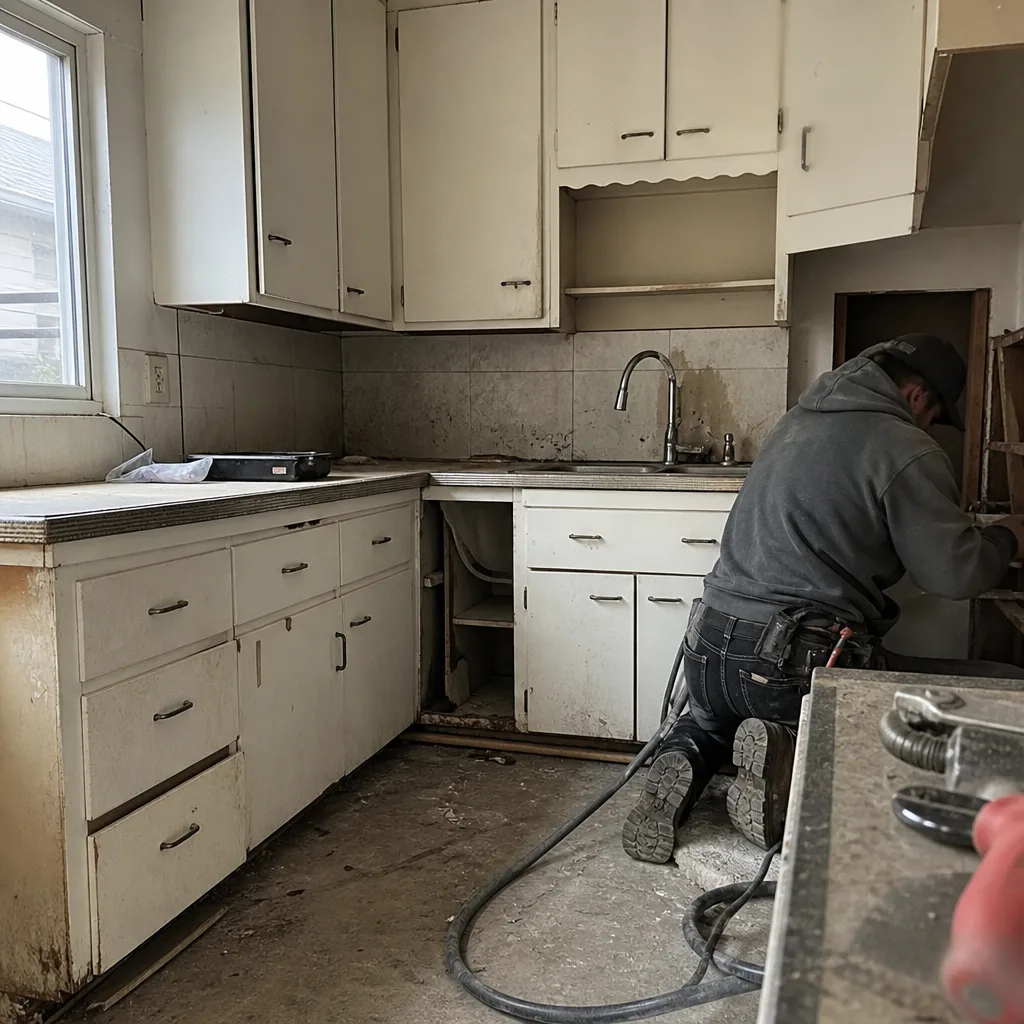 Before
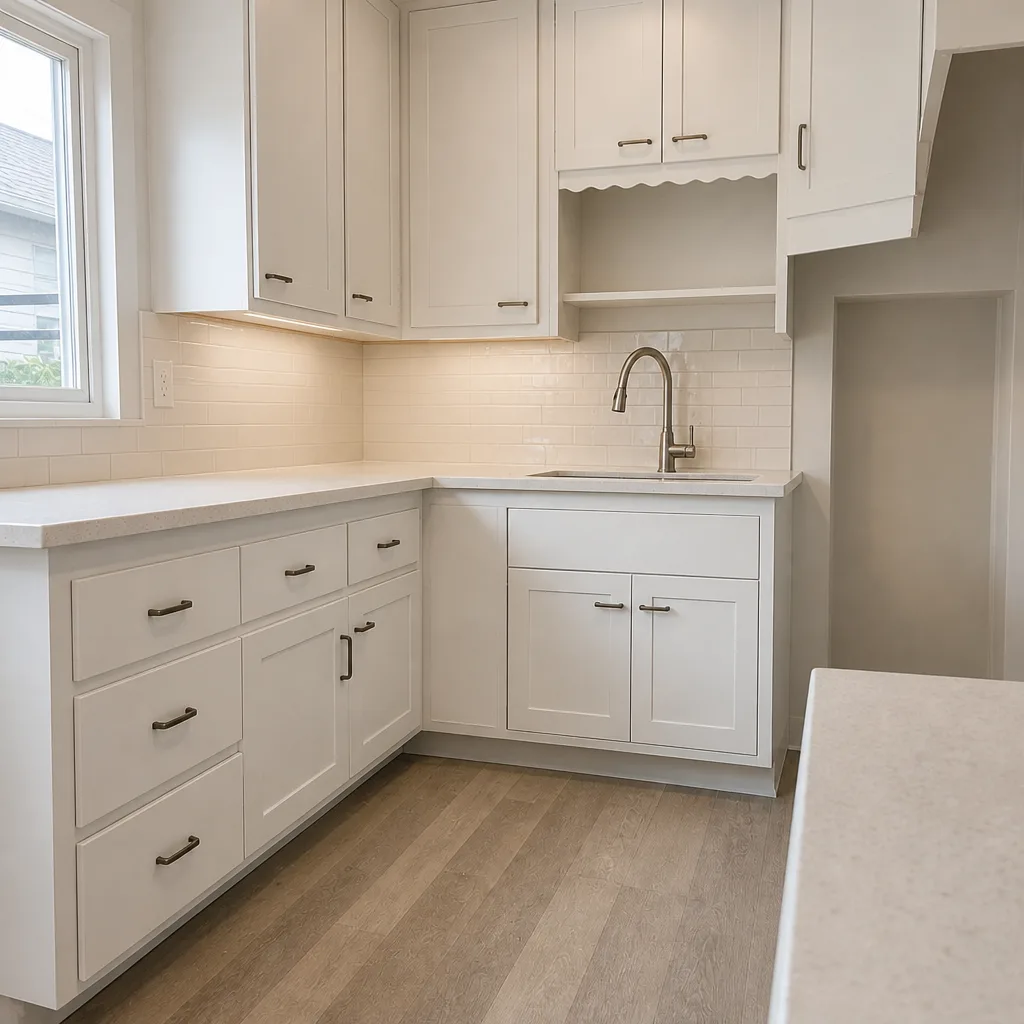 After
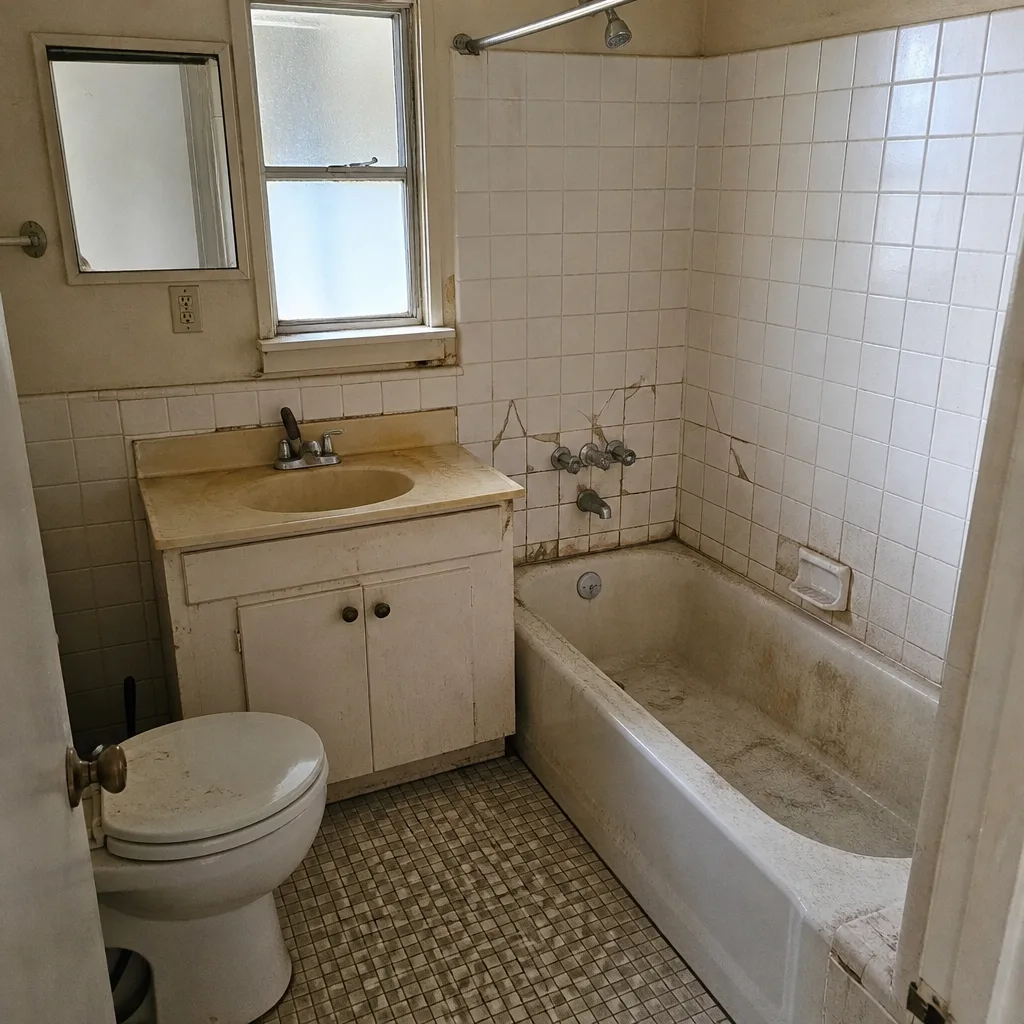 Before
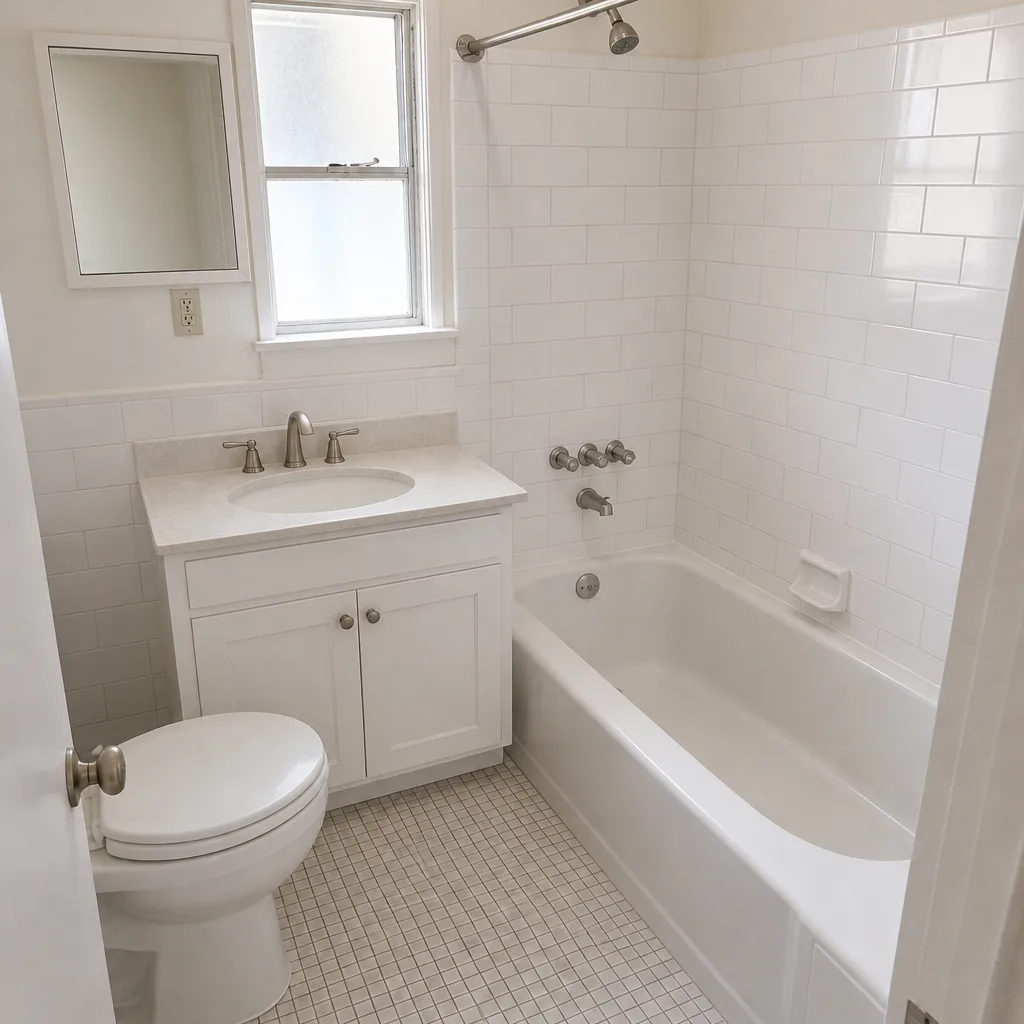 After
When to Call a Professional
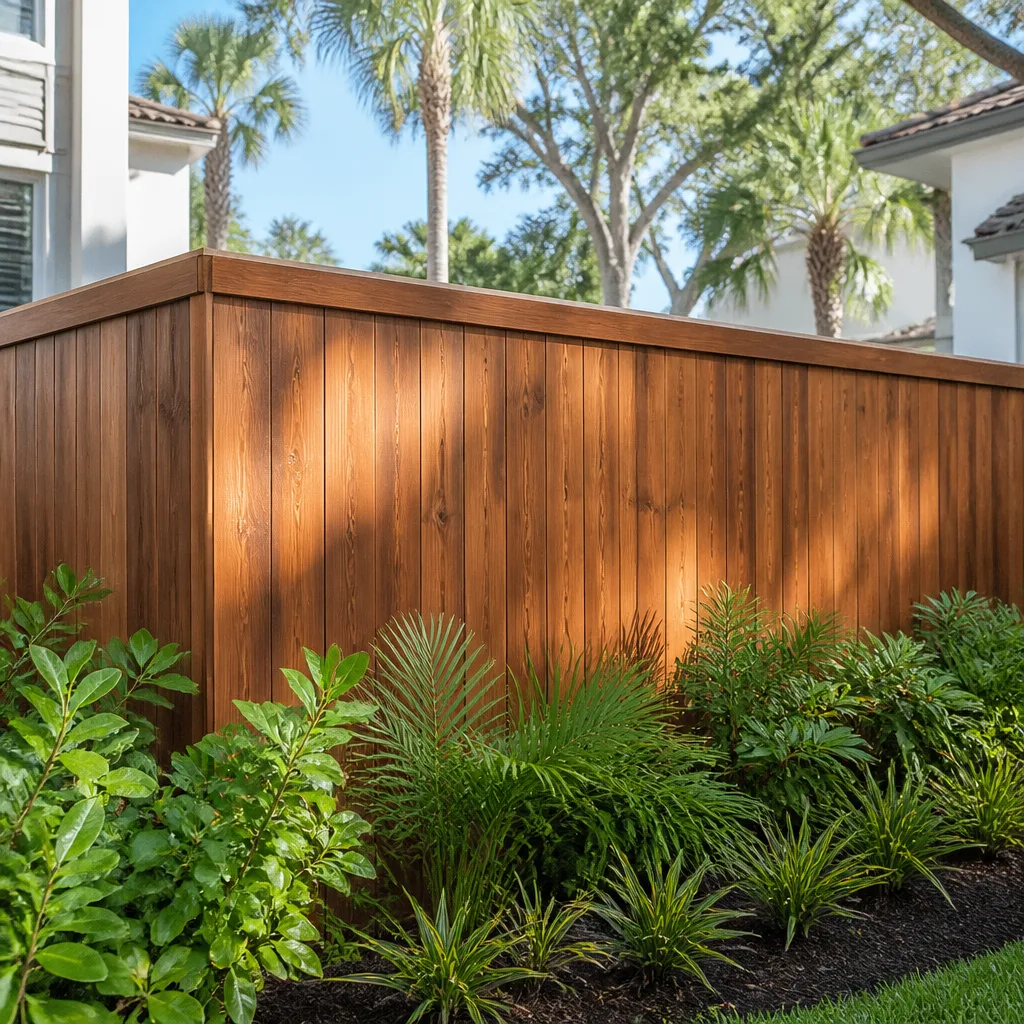
Call a professional if the project involves any of the following: setting or replacing posts, any concrete footing work, a shared boundary fence, a fence over 6 feet in Berkeley, slopes or grading, gate load, or a permit. Those scenarios are where the outcome and legal exposure are both highest.
For direct, written pricing and a free estimate in Berkeley, call (855) 471-4163. You’ll get a number up front, a free project estimate and design consult, and upfront pricing with no surprises. If you’d like to explore the wider scope of what a full-service contractor handles, see our Groundwork Construction Co. of Berkeley home and our dedicated page on Fence Installation in Berkeley.
If your project is bigger than a fence, like a garage conversion or a backyard ADU that needs a boundary wall to work, our team also handles Home Additions & ADU in Berkeley. And if the fence project turns out to be paired with a new driveway or patio, our team covers Driveway & Pavers in Berkeley too.
Frequently Asked Questions
You can build a fence yourself in Berkeley if it stays under 6 feet, doesn’t require a permit, doesn’t sit on a shared boundary line, and doesn’t touch grading or footings. That’s a narrow window. For anything involving posts or permits, a licensed contractor is the safe route. Call (855) 471-4163 for a free estimate on a Berkeley build.
In Berkeley, fences over 6 feet generally require a building permit and post-construction inspection. Front-yard fences have additional height and setback limits in many residential zones. A contractor pulls the permit and coordinates inspection; a homeowner who skips this step risks a disclosure defect at sale. Call our team to confirm requirements for your specific lot.
The most common serious mistake is setting posts without a current survey. Property lines in older Berkeley neighborhoods drift, and fences built on assumed lines regularly cross boundaries. A close second is shallow footings in clay soil on hillside lots, which heave and fail within a few years. Call (855) 471-4163 for a free estimate that starts with getting the boundary right.
Yes, if the fence is on a shared boundary line and you skipped the notification step. California law gives adjoining property owners rights over shared-line fence construction, including design and cost-sharing, and a court can require removal if the process wasn’t followed. Call us for a free consult before you build near a shared line.
Professional fence installation in Berkeley typically runs $35 to $70 per linear foot depending on material, height, and site conditions, with a 100-foot cedar privacy fence landing around $4,850 to $7,900 all-in. DIY saves the labor line but roughly matches materials. For a written, upfront quote with a 730-Day Done Right Promise, call (855) 471-4163; estimates are free.
Yes, especially on footing failure. A working warranty means a heaving or leaning post gets replaced at no charge; a DIY build means it’s your problem and your expense. Groundwork Construction Co. of Berkeley covers every fence with the 730-Day Done Right Promise. Call (855) 471-4163 for details.
The Bottom Line

Fence work splits cleanly into two categories: what’s safe to touch and what isn’t. Boards, rails, staining, sealing, and hardware are genuinely DIY-able. Boundaries, footings, grading, shared-line negotiation, permits, and gate load are not, and mistakes there are far more expensive than the labor you save. A real Berkeley fence starts with a current survey, pulls the right permits, gets footing depth right for our clay and slope conditions, and ends with a warranty that covers the parts most likely to fail. Materials cost roughly the same either way. The difference is the risk you carry, and the contractor who carries it for you. Call (855) 471-4163 for a free estimate and a written project scope.
Written by the team at Groundwork Construction Co. of Berkeley.