Last updated November 18, 2026
Free written scope consultation - allowances, timeline, and change-order rules on paper before a single trade is scheduled
DIY vs Professional Home Additions & ADU: What’s Safe to Do Yourself
California’s owner-builder exemption lets you pull your own permits for a home addition or ADU. That’s the part every DIY guide celebrates. The part they leave out: the moment you sign that owner-builder declaration, you become personally liable for code violations on the structure for ten years after you sell it. Not the subcontractor. Not the inspector who signed off. You. We’ve watched Berkeley homeowners walk into that paperwork thinking it’s a money-saving formality, and it’s closer to a personal guarantee. This guide maps where California law actually lets you self-perform on an addition or ADU, where it flatly forbids it, and where doing it yourself quietly costs more than hiring out.
Quick Answer
On a permitted home addition or ADU in California, you can legally self-perform the general construction work as an owner-builder, but electrical, plumbing, and HVAC in a permitted structure require a licensed contractor, and you carry a ten-year liability exposure at resale. The genuinely safe DIY scopes are painting, finish carpentry, landscaping, and cosmetic finishes. Everything structural, mechanical, and life-safety is either legally off-limits or financially reckless to attempt.
Styles & brands we work with
- Kitchen remodeling
- Bathroom remodeling
- Home additions & ADU
- Roofing
- Windows & doors
- Driveway & pavers
- Fence
Table of Contents
- What California’s owner-builder exemption actually allows
- The 10-year liability disclosure nobody warns you about
- The scopes that require a licensed contractor no matter what
- The insurance and lender gap on a self-built ADU
- What’s actually safe to do yourself on an ADU
- The honest math: when owner-builder saves money and when it doesn’t
- Berkeley-specific rules, climate, and inspection realities
- Common mistakes to avoid
What California’s Owner-Builder Exemption Actually Allows
California law lets a property owner pull permits and act as the general contractor on their own residence without holding a contractor license. Business and Professions Code section 7044 is the relevant statute, and it’s the exception that makes owner-builder projects possible at all. Under it, you can hire and coordinate your own subcontractors, buy materials directly, and serve as the point of contact for city inspectors.
What it does not do is make you a licensed contractor. It doesn’t let you build for someone else, and it doesn’t exempt you from code. An inspector in Berkeley treats an owner-builder’s framing exactly the same as a licensed GC’s framing. If the shear-nailing pattern is wrong or the anchor bolts are misplaced, you get a correction notice, and you pay to redo the work whether or not you did it with your own hands. The exemption removes the license requirement. It removes nothing else.
There’s also a documentation layer. Most California jurisdictions, Berkeley included, require an owner-builder to sign a declaration acknowledging the personal liability and the resale disclosure requirement. That form isn’t a rubber stamp. It’s the document that shifts the risk from the license holder (there isn’t one) onto your name and your title. If you’re planning a permitted addition and want to understand how a licensed path handles that shift for you, our team lays out the licensed route on the Home Additions & ADU in Berkeley page.
The exemption is genuinely useful, but for a narrow set of circumstances: you have construction experience, you have time to manage a schedule, and you understand you’re trading liability for savings. If any of those is missing, the math turns against you fast.
The 10-Year Liability Disclosure Nobody Warns You About
Here’s the detail most owner-builder guides skip. When you sell a property you built or substantially improved as an owner-builder, California requires you to disclose that work in the transfer documents, and that disclosure carries a ten-year tail. In plain terms, if a defect in your self-performed or self-managed work surfaces within that window, you’re the party a buyer or their insurer points at. Not the sub who walked away. Not the city that inspected it. You.
Concretely, that means:
- A roof tie-down that fails a wind or seismic event and damages the ADU is your problem to defend, not the framing crew’s.
- A moisture intrusion issue behind a self-managed stucco or siding assembly can surface two or three rainy seasons after the sale, deep inside the liability window.
- A buyer’s lender or insurer can flag the owner-builder disclosure and demand documentation, and documentation is the first thing an owner-builder stops keeping once life gets busy.
- Your own homeowner’s policy often won’t defend a construction-defect claim arising from work you directed yourself, which pushes the defense cost straight onto you.
We’ve seen Berkeley sellers discover the disclosure tail at the worst possible moment, mid-escrow, when a buyer’s inspector asks for the paper trail on a permitted addition and there isn’t a clean one. The 730-Day Done Right Promise we offer exists precisely because that tail is real. A licensed GC stands behind the work in writing so the owner doesn’t carry the decade-long exposure alone. If you’re weighing a permitted addition, the licensed path is what a Groundwork Construction Co. of Berkeley home conversation starts with.
The takeaway is blunt: the owner-builder exemption is not a free pass. It’s a liability transfer. Price it that way before you sign the declaration.
The Scopes That Require a Licensed Contractor No Matter What
Owner-builder status does not unlock every trade. In a permitted structure, California directs that certain work be performed by licensed tradespeople, and a city inspector in Berkeley will refuse to sign off on the trade permits otherwise. This is where the “I’ll just do it myself” plan hits a wall, and it’s the single most misunderstood part of the owner-builder rule.
The scopes that need a licensed contractor regardless of your owner-builder status:
- Electrical. Panel work, circuit runs, and rough-in wiring for a permitted ADU. Panel and service work in particular is genuinely dangerous; we don’t publish steps for it because getting it wrong causes fires and electrocution. Licensed electrician, permit, inspection, every time.
- Plumbing. Drain, waste, and vent piping, water supply lines, gas lines, and anything tied to a sewer lateral. Gas connections in particular are a life-safety item. A licensed plumber, not a homeowner with a torch.
- HVAC. Refrigerant handling requires EPA certification, and gas-fired equipment needs licensed installation and inspection. Heat pump and mini-split systems still route through a licensed mechanical contractor.
- Structural engineered items. Anything requiring a stamped drawing or engineering sign-off (moment frames, shear retrofits, certain foundations) needs a licensed professional and an engineer’s stamp on the plan set.
The practical consequence: even a committed owner-builder ends up hiring licensed subs for the mechanical, electrical, and plumbing rough-ins. That means you’re still coordinating three licensed trades, still scheduling inspections, and still carrying the liability for how it all comes together. What you’ve saved is the GC’s management fee, and what you’ve taken on is the job of managing licensed trades correctly. If you’d rather not carry that, we’ve covered Fence Installation in Berkeley as a way to see how licensed sitework fits alongside an ADU build, and the same coordination logic applies down to the last trade.
The Insurance and Lender Gap on a Self-Built ADU
This is where owner-builder gets quietly expensive, and almost no DIY guide mentions it. Your standard homeowner’s policy is written for an occupied, finished home. During a construction phase, and especially when no licensed general contractor is on record, coverage for construction-phase incidents (a sub injured on site, a materials theft, a fire from incomplete wiring) gets murky fast.
Most homeowner’s policies exclude or sharply limit coverage for work the insured directed themselves. A licensed GC carries general liability and workers’ comp, and that insurance is what actually responds to a site injury or a construction fire. When you’re the owner-builder, there’s no GC policy to lean on. You’re the named insured, and you’re also the person who directed the work. That’s a bad combination.
Construction loans add a second problem. Most lenders will not fund a construction loan where the general contractor isn’t licensed, bonded, and on record. If you’re financing the ADU, the lender’s draw schedule, inspection requirements, and reimbursement process are built around a licensed GC. Financing an owner-builder project through a construction loan is often a non-starter, and if it’s allowed at all, draws become manual, slow, and heavily documented.
Two things are worth doing before you decide. First, call your insurer and ask in writing whether your policy covers construction-phase incidents on a self-directed build. Second, ask your lender up front whether they’ll fund an owner-builder construction loan and what documentation they require. Getting those two answers early is what separates a clean project from a financing disaster six weeks in.
What’s Actually Safe to Do Yourself on an ADU
Here’s the good news for a homeowner who wants skin in the game. A large share of an ADU’s finish work is genuinely appropriate to self-perform. It’s the parts that get inspected by a licensed trade and pass through the same building permit the GC would pull. You’re not hiding the work. You’re contributing finish labor to a permitted job without voiding inspections.
The genuinely DIY-appropriate scopes in an ADU project:
- Interior painting. Walls, ceilings, trim, doors. A permitted ADU’s paint scope is a homeowner’s dream. Pick a low-VOC paint, especially on a Berkeley build; buyers in this market pay attention to finishes.
- Finish carpentry touch-ups. Hanging doors and window trim, installing closet shelving, adding a stair railing cap, building a simple floating shelf. Small, cosmetic, and easily corrected if the first pass isn’t perfect.
- Landscaping and yard work. Clearing the site, planting, mulching, laying a simple gravel bed. The exception is anything requiring grading, drainage, or a retaining wall over four feet; those are engineering items, not landscaping.
- Furniture, fixtures, and non-load-bearing cabinet install. The non-plumbed, non-wired parts of finishing an ADU: shelves, hardware, a free-standing vanity base, and similar bolt-in work. Anything that connects to a drain or a circuit goes back to the licensed trades.
- Final clean and punch list. Deep cleaning, touch-up caulk, and finish correction before final inspection. Every owner-builder does this. None of it touches the permit.
What you should not self-perform, even if you’re handy: framing and shear, roof tie-downs, foundation and slab work, anything in the electrical or plumbing box, gas, and any finish that requires a moisture seal you don’t know how to install correctly (stucco, tile over a wet area, sophisticated siding). Those are the parts that fail inspections, and failing a Berkeley inspection is not free. A reinspection fee, a corrected scope, and a schedule slip on a $200K ADU build typically wipes out whatever the DIY saving was going to be.
If you want the finish work you can do yourself to look intentional and stay within budget, our team can scope that alongside the trades on a Berkeley ADU so the inspection sequence doesn’t get disrupted. That’s the version of mixed DIY-plus-pro that actually works.
The Honest Math: When Owner-Builder Saves Money and When It Doesn’t
OWNER-BUILDER MATH table:
| Scenario | Typical outcome |
|---|---|
| Experienced builder, large project, financed internally, no construction loan | Owner-builder can save real money (typically high-five to low-six figures on a full ADU, because the GC’s management fee is avoided). |
| Owner-builder using a construction loan | Usually a non-starter. Lenders require a licensed GC; if it’s allowed, draws slow down and interest cost rises. |
| First-time owner-builder on a permitted ADU | Failed inspections, schedule slip, rework. Most projects lose more to overruns than they saved in management fee. |
| Owner-builder subcontracting trades | Licensed subs often charge an owner-builder more than they charge a GC they work with regularly, because the sub’s material pricing and reliability assumptions change. |
| Planned sale of the property within 10 years | The disclosure tail carries real resale value risk. Buyers discount for self-built work, and inspectors ask harder questions. |
The pattern is consistent. Owner-builder saves the most when there’s real construction experience in the household, a healthy contingency, and no outside financing. It saves the least (and often costs money) when a first-time owner-builder tries to run a $200K permitted ADU as a side project on a construction loan.
There’s a second, quieter cost: the GC’s subcontractor network often undercuts what an owner-builder pays for the same material. A GC doing multiple projects with Cambria counters, Kohler fixtures, and a preferred framer gets pricing and scheduling that a homeowner ordering the same kitchen for the first time cannot match. The apparent saving on labor sometimes gets eaten by the material and trade pricing disadvantage. If you want a straight number instead of a spreadsheet guess, our team offers free, no-hassle upfront estimates on the residential build side, and a Driveway & Pavers in Berkeley project is a useful benchmark for how a full-scope contractor prices the site and outdoor work that’s often the last ADU scope to close out.
Berkeley-Specific Rules, Climate, and Inspection Realities
Berkeley sits inside a set of local conditions that make the DIY-vs-pro question sharper here than in most of California. Three things matter most.
The permit and inspection reality. Berkeley has its own permit counter, its own plan-check process, and its own inspection schedule. Owner-builder projects in Berkeley get the same treatment as GC projects: plan check, then a sequence of rough and final inspections, with corrections if anything’s off. Berkeley is also a city where older structures, especially in the Elmwood and Live Oak Park neighborhoods, trigger seismic and foundation review. If you’re adding an ADU in the flats of North Berkeley, the underlying structure is often a 1920s bungalow with a foundation that needs a modern upgrade before any ADU goes up. That’s a licensed-structural scope.
The East Bay climate. Berkeley’s fog and winter rain put a premium on moisture management. Roof-to-wall flashing, drainage, and siding detailing are the details we see Berkeley homeowners underestimate most, and they’re the details that turn into callbacks. A self-managed ADU where the flashing was underspecified will surface a moisture problem two or three seasons later, well inside the ten-year liability window. That’s a very expensive way to learn flashing.
Neighborhood and resale realities. Buyers in North Berkeley, Elmwood, and the Berkeley Hills pay attention to the paper trail on a permitted ADU. An owner-builder disclosure isn’t a disqualifier, but it invites more questions, and the buyer’s inspector will ask for the permits, the inspection history, and the plan set. A clean licensed build is simpler to sell and simpler to insure. Our Fence Installation in Berkeley page illustrates the pattern we see: site work, drainage, and property-line details are where Berkeley projects get complicated, and coordinating them up front is how an ADU stays on schedule.
If you’re building in Berkeley, walk the plan set with an eye toward Berkeley’s specific inspection sequence. It’s not the same as Oakland’s, and treating it that way is where first-time owner-builders lose weeks.
Common Mistakes to Avoid
- Signing the owner-builder declaration without reading the resale disclosure language. The ten-year tail is in the fine print, and it doesn’t go away because the inspector signed off. Understand what you’re accepting before you file.
- Assuming owner-builder means “no licensed trades.” Electrical, plumbing, and HVAC in a permitted Berkeley structure still require licensed contractors. Coordinating them yourself is the job you’ve taken on, and it’s a real one.
- Skipping the insurance and lender calls. Calling your insurer and your lender before breaking ground is cheaper than finding out at draw time that your construction loan can’t fund an owner-builder project.
- Underestimating Berkeley’s foundation and seismic review. Older Berkeley stock frequently needs structural work before an ADU goes up. If you priced the project without a structural scope, add it now.
- Treating flashing and moisture detailing as a Friday-afternoon task. In this climate, they’re the highest-consequence details on the whole build. Getting them wrong shows up years later, deep in your liability window.
- Underfunding the contingency. Berkeley projects move. A 10% contingency on a self-managed ADU is thin; 15-20% is realistic, and most first-time owner-builders use it all.
- Buying fixtures and finishes before the layout is final. We’ve seen owners lock in a Kohler shower valve before the rough-in dimensions were settled. It always ends up costing a return.
See the difference
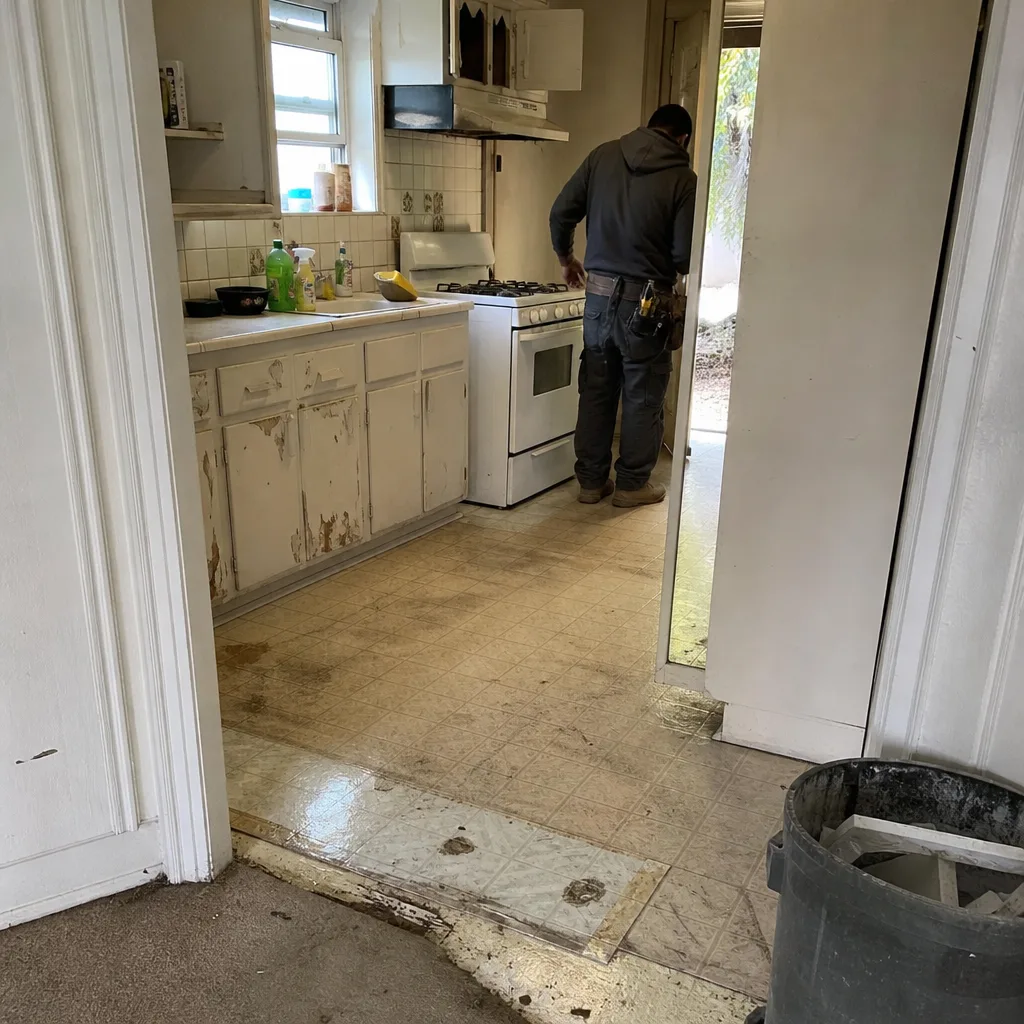 Before
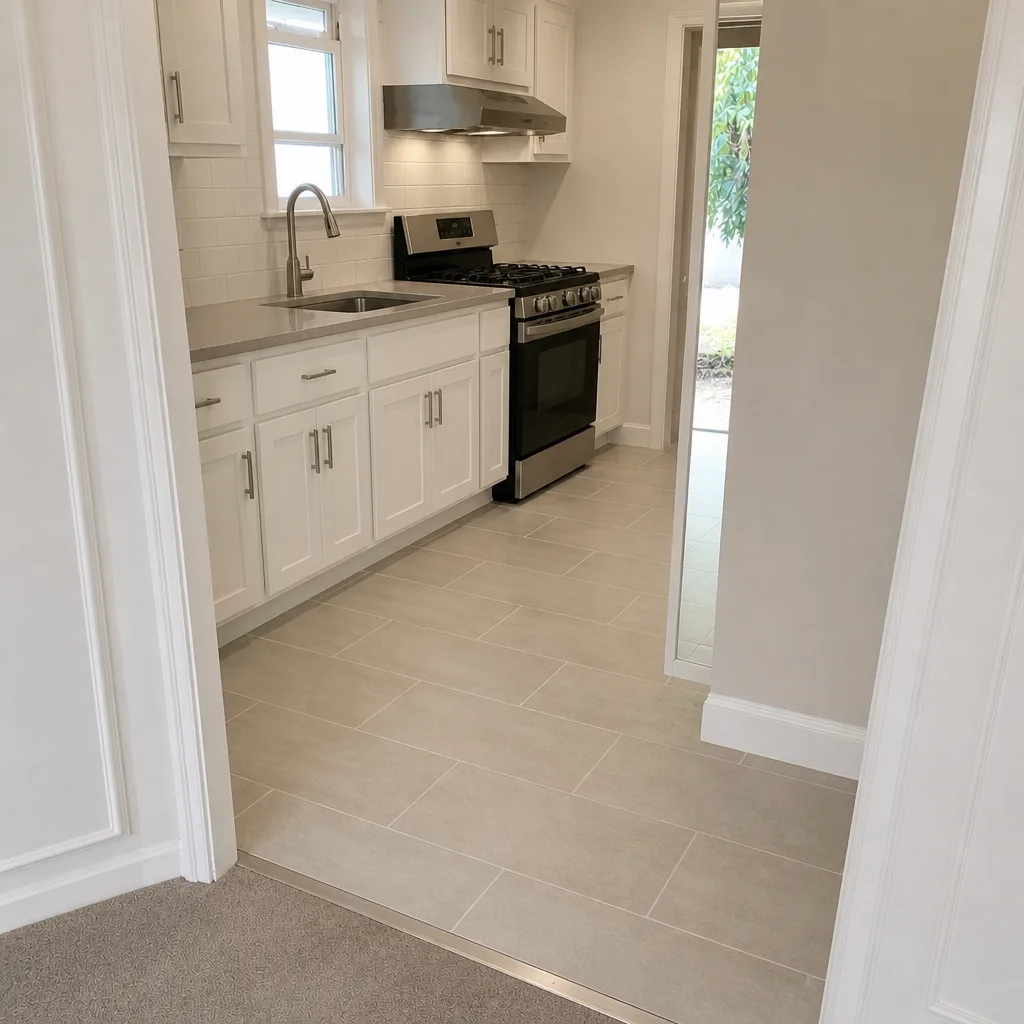 After
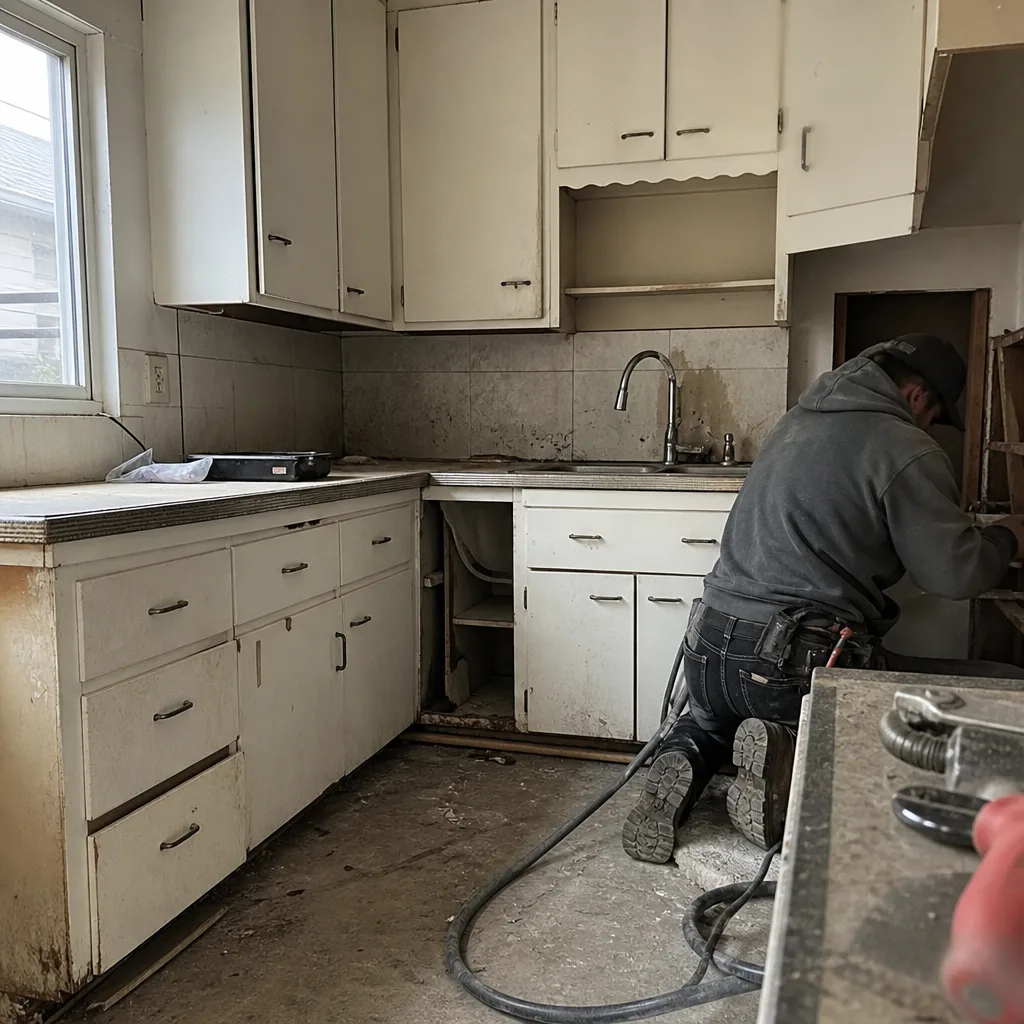 Before
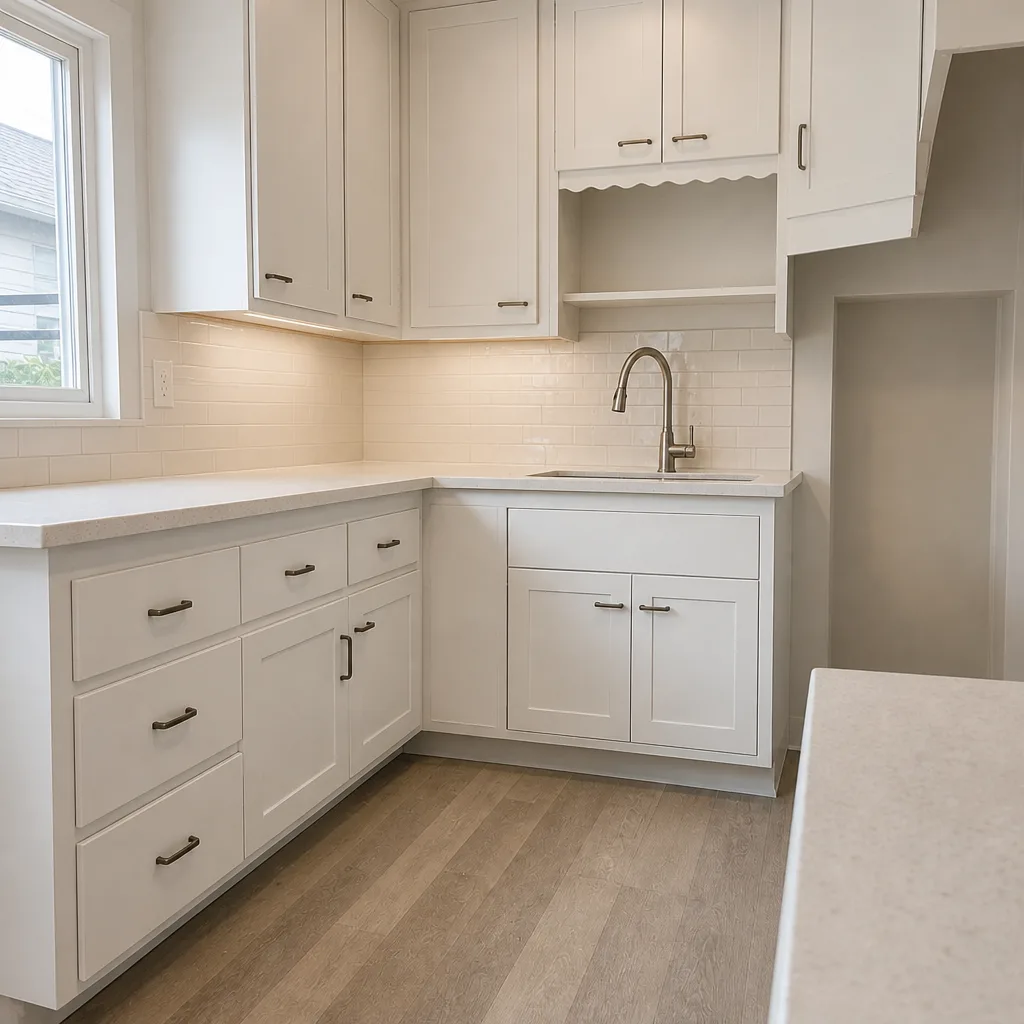 After
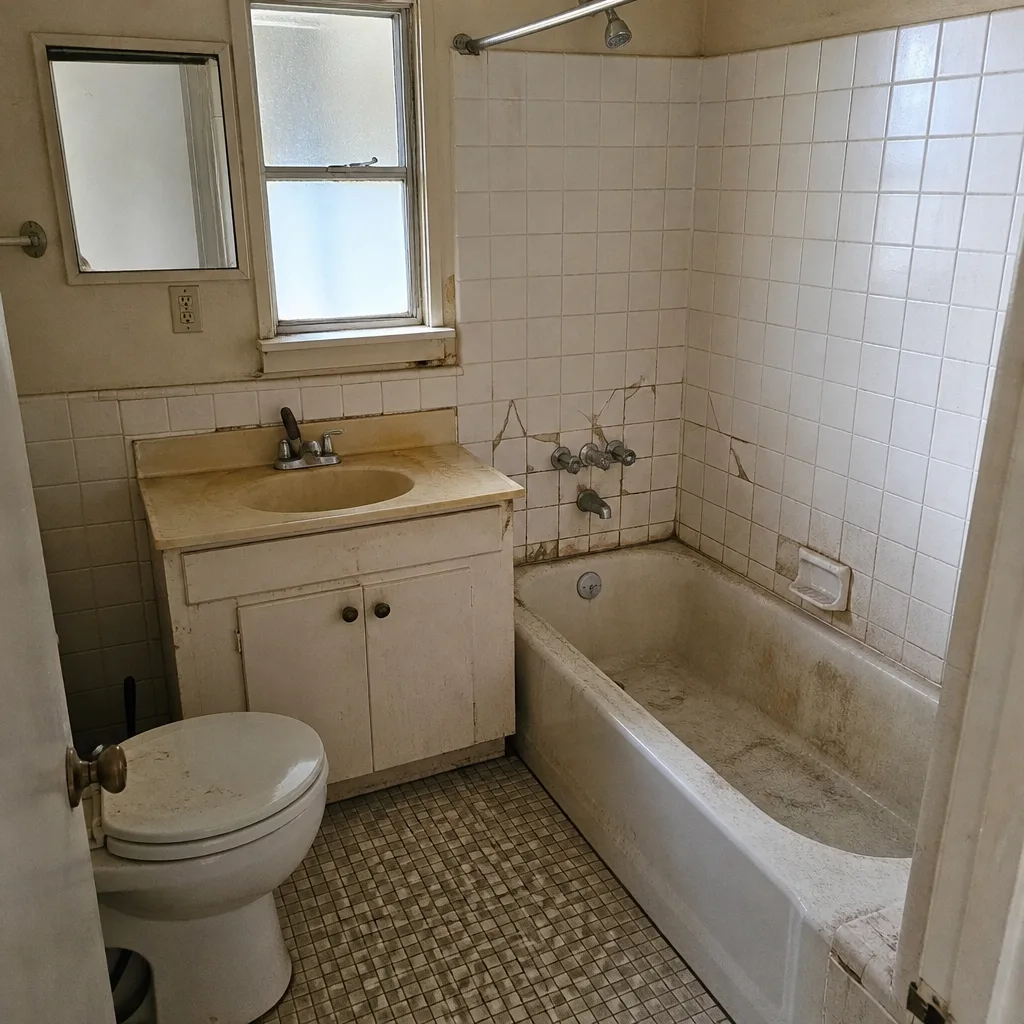 Before
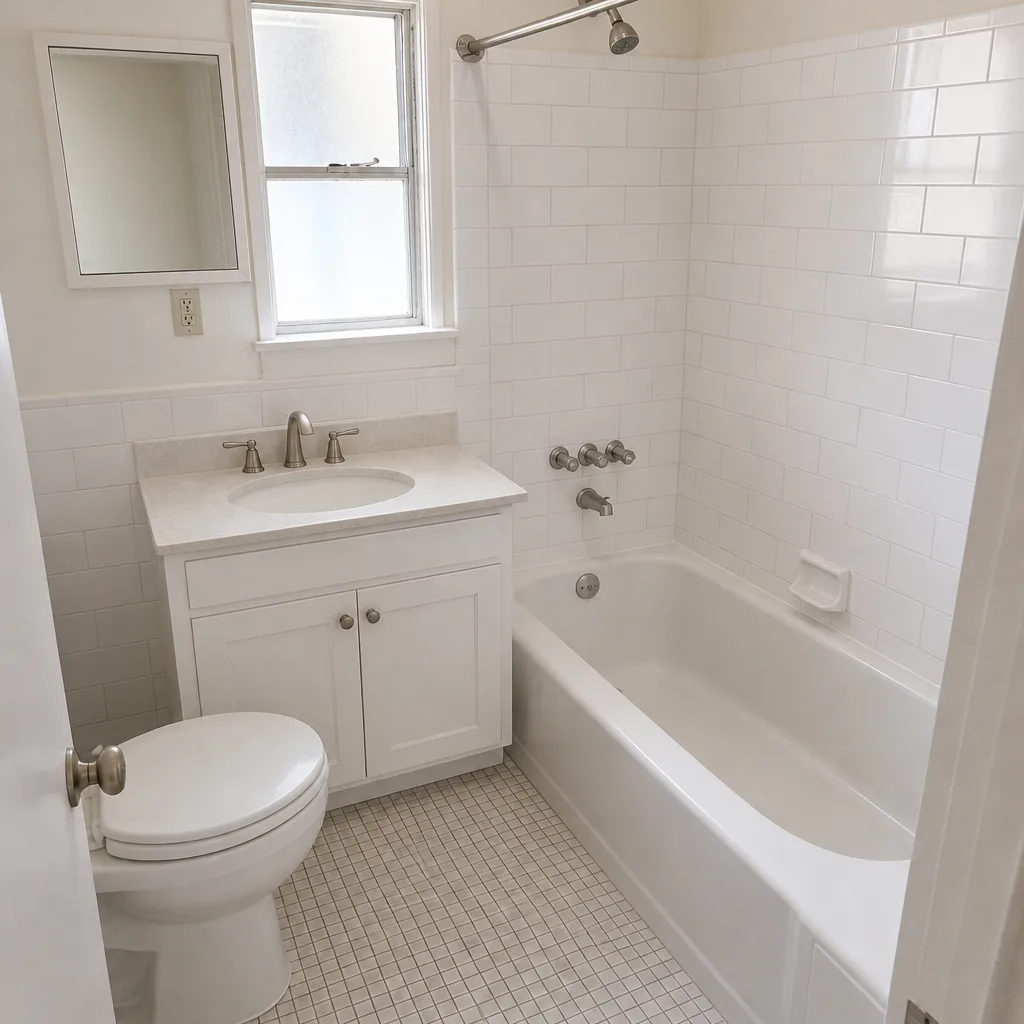 After
When to Call a Professional
Call a professional the moment your plan touches structural, mechanical, electrical, plumbing, or anything that has to pass a Berkeley inspection. That’s not a suggestion about preferences; those are the scopes the law and the trade licensing requirements make risky or outright off-limits to self-perform. Groundwork Construction Co. of Berkeley offers free estimates in Berkeley. Call (855) 471-4163 and we’ll walk your plan set with you, flag the licensed scopes, and price the part of the job a homeowner shouldn’t carry alone.
If your plan is small, cosmetic, and within the safe-DIY scopes above, do it yourself. Paint the ADU, hang the trim, plant the yard. That’s the work that saves money without the liability trap, and we’re glad to tell you which side of the line a job falls on.
Frequently Asked Questions
Yes, you can act as your own general contractor on your own residence under California’s owner-builder exemption, but electrical, plumbing, and HVAC in the permitted structure still require licensed contractors, and you take on personal liability for code violations. The exemption removes the license requirement, not the code requirement or the liability.
It means that when you sell, you must disclose that you built the work as an owner-builder, and you remain the party exposed to construction-defect claims on that work for roughly a decade after the sale. It’s a personal liability transfer, and it’s the reason most homeowners eventually choose a licensed path for a permitted ADU.
Often not, and you need a written answer from your insurer before you start. Standard homeowner’s policies typically exclude or limit coverage for work the insured directed themselves. A licensed GC carries general liability and workers’ comp that responds to site injuries and construction fires; an owner-builder does not have that policy to lean on. Call your insurer and get it in writing.
Usually not, or only with heavy documentation that slows every draw. Most construction lenders require a licensed, bonded general contractor on record. If you’re financing the ADU, confirm with your lender before you break ground; the draw schedule and inspection requirements are built around a licensed GC.
Painting, finish carpentry touch-ups, landscaping (not retaining walls or grading), furniture and fixture installation that doesn’t connect to a drain or a circuit, and the final clean and punch list. Those are the scopes that save real money without risking the permit or the inspection sequence.
For an experienced builder with no outside financing, yes, and the savings can be substantial. For a first-time owner-builder on a permitted ADU, the management fee is usually smaller than the cost of failed inspections, schedule slips, and undercut material pricing. Run the math honestly before you decide, then call (855) 471-4163 for a free estimate and a straight second opinion.
The Bottom Line
California’s owner-builder exemption is real, but it’s narrower than the DIY guides suggest. It lets you pull the permits and manage the project. It doesn’t let you self-perform electrical, plumbing, or HVAC in a permitted structure, and it makes you personally liable for code violations for a decade after sale. The genuinely safe DIY scopes are cosmetic: paint, finish carpentry, landscaping, fixture install, final clean. Everything structural, mechanical, and life-safety is either illegal or financially reckless to self-perform. If you want the clarity to separate the two, our team offers a free estimate and design consult in Berkeley, with upfront pricing, no surprises, and a 730-Day Done Right Promise on the work we do. Call (855) 471-4163.
Written by the team at Groundwork Construction Co. of Berkeley.